
Nutrition comparison
Gooseberry vs Kiwi: Which Tart Fruit is Healthier?
Compare Gooseberry vs Kiwi for vitamin C, digestion, sugar content, and taste. Find out which fruit is better for weight loss, immunity, and daily snacking.
Overall winner · Kiwi
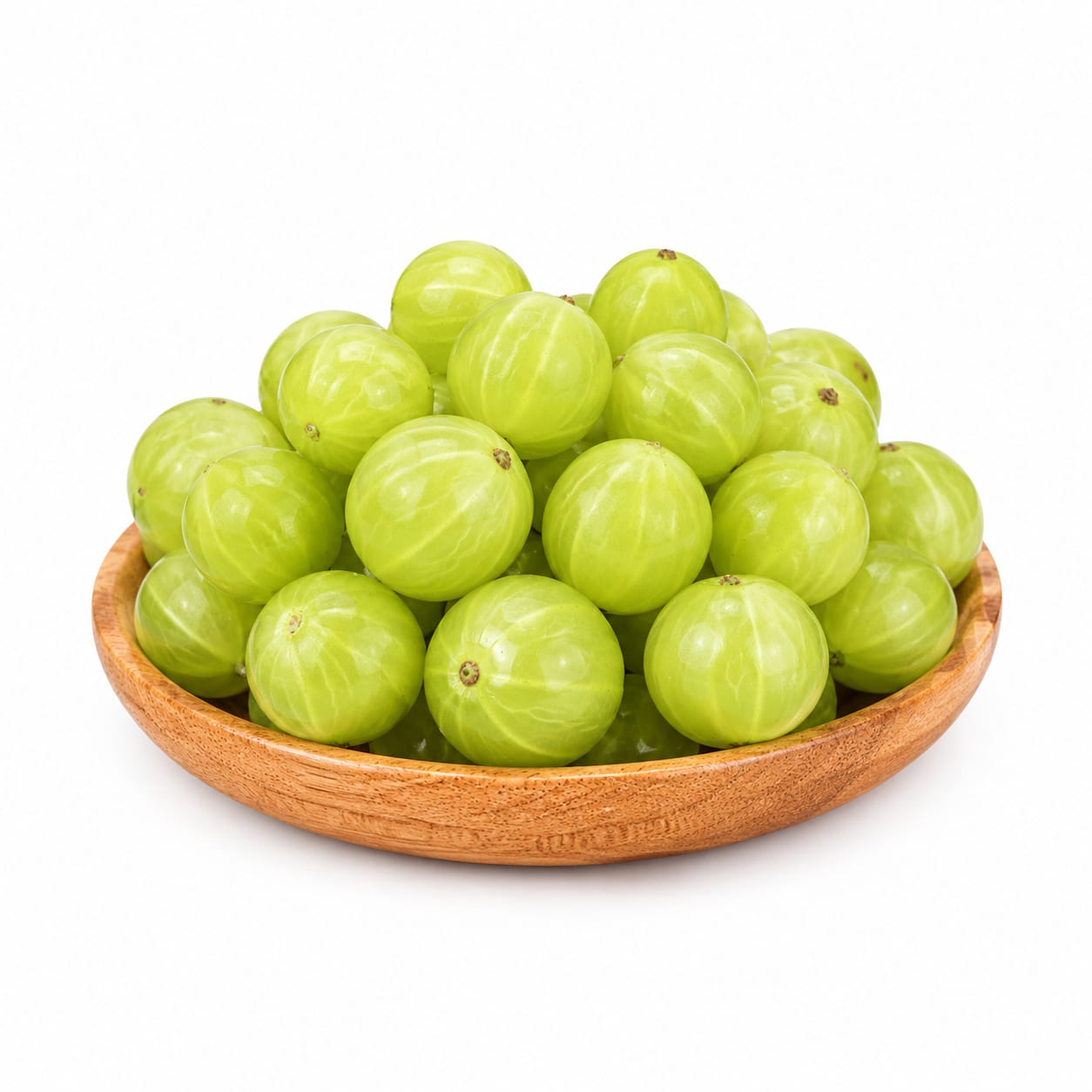
Gooseberry
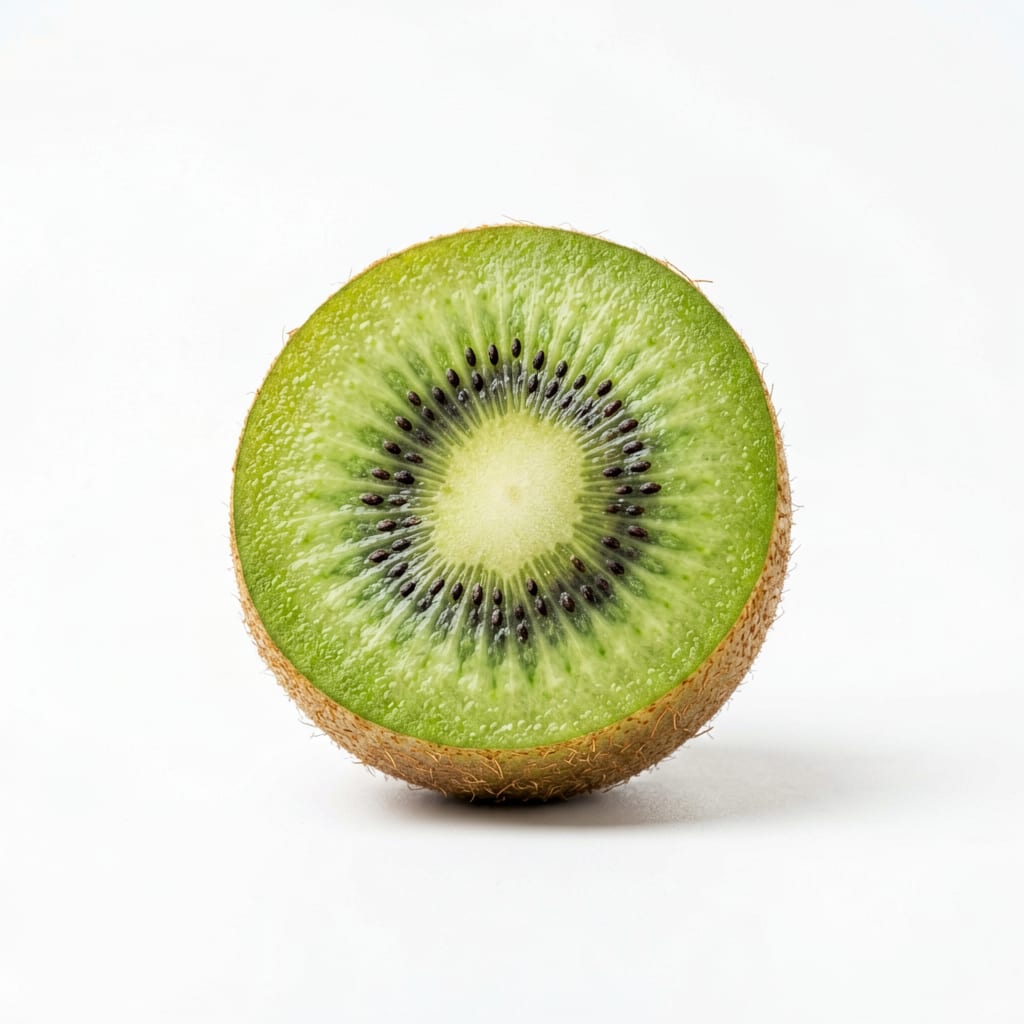
Kiwi
Kiwi wins on taste, convenience, and digestive enzymes, while Gooseberry offers a lower-sugar, antioxidant-dense punch if you can handle the tartness.
Kiwi scores higher due to broader appeal, easier digestion, and everyday practicality, though Gooseberry is nutritionally competitive with its lower sugar content.
Kiwi is sweeter and easier to eat daily, but Gooseberry has less sugar and a unique tart flavor profile.
At a glance
Executive summary
Overall
Kiwi
Healthier
It depends
More practical
Kiwi
Daily use
Kiwi
Key comparison lenses
Vitamin C and antioxidant density
Both fruits are renowned for their exceptional vitamin C content and antioxidant properties, making immunity support a primary reason for consumption.
Digestive health and enzyme content
Kiwi contains unique digestive enzymes, while Gooseberry offers high fiber, creating a distinct tradeoff in how they aid digestion.
Sugar and calorie management
Gooseberry is notably lower in sugar, appealing to those managing blood sugar, whereas Kiwi is sweeter and more palatable.
Everyday palatability and convenience
Kiwi is widely available and easy to eat, while Gooseberry is extremely tart and harder to find fresh, impacting daily sustainability.
Best choice for
Gooseberry
- Low-sugar and low-carb diets
- Antioxidant seekers wanting minimal calories
- Those who enjoy intense sour flavors
Kiwi
- Improving protein digestion
- Convenient daily vitamin C snacking
- Those wanting a sweet but nutritious treat
Least suitable for
Gooseberry
- People who dislike sour flavors
- Quick on-the-go snacking
- Those without access to specialty grocers
Kiwi
- Strict low-sugar or ketogenic diets
- People with latex-fruit allergy syndrome
Deep comparison
Dimension by dimension
Each lens scores both foods and breaks down who each option suits.
- Dimension 1 · Priority 95It depends
Vitamin C & Antioxidant Power
Gooseberry · 88Kiwi · 92Kiwi delivers a massive dose of vitamin C and is easier to consume in larger quantities, while Gooseberry is also incredibly rich in antioxidants but its tartness limits portion sizes.
Tradeoff
You get more vitamin C per eaten serving with Kiwi because it is easier to eat more of it.
Why it matters
Vitamin C is crucial for immunity and skin health; getting enough consistently matters more than raw density.
Real-world impact
Eating a single Kiwi easily covers your daily vitamin C needs without making you pucker.
Gooseberry
- Raw antioxidant density per calorie
Better for
- Tartness limits how much you will actually eat
Worse for
Kiwi
- Consistent daily vitamin C intake
- Easier to consume larger servings
Better for
- Slightly less antioxidant diversity
Worse for
- Dimension 2 · Priority 90Kiwi
Digestive Health
Gooseberry · 75Kiwi · 90Kiwi contains actinidin, a unique enzyme that helps break down protein, making it a superior choice for digestion alongside its fiber.
Tradeoff
Gooseberry provides good fiber, but Kiwi offers both fiber and enzymatic support for heavy meals.
Why it matters
Good digestion means less bloating and better nutrient absorption after meals.
Real-world impact
Eating a Kiwi after a heavy steak dinner can significantly reduce that stuffed, sluggish feeling.
Gooseberry
- Solid fiber for gut motility
Better for
- Lacks specific digestive enzymes
Worse for
Kiwi
- Protein digestion support
- Constipation relief
Better for
- Can cause mouth irritation for sensitive individuals
Worse for
- Dimension 3 · Priority 85Gooseberry
Sugar & Calorie Control
Gooseberry · 90Kiwi · 70Gooseberry is significantly lower in sugar and calories, making it ideal for strict low-carb or low-sugar diets.
Tradeoff
You sacrifice sweetness and easy palatability for a leaner macronutrient profile.
Why it matters
Managing sugar intake is key for steady energy and metabolic health.
Real-world impact
You can snack on Gooseberries without worrying about a blood sugar spike, but you might not enjoy them plain.
Gooseberry
- Low-carb diets
- Blood sugar management
Better for
- Too tart to eat without sweetening for some
Worse for
Kiwi
- Pre-workout quick energy
- Satisfying sweet cravings naturally
Better for
- Higher sugar content per serving
Worse for
- Dimension 4 · Priority 80Kiwi
Convenience & Availability
Gooseberry · 55Kiwi · 92Kiwi is available year-round in most grocery stores and is easy to scoop and eat, while Gooseberry is seasonal and harder to find fresh.
Tradeoff
Kiwi is a grab-and-go staple, whereas Gooseberry requires more effort to source and often prepare.
Why it matters
The healthiest food is the one you can actually buy and eat consistently.
Real-world impact
You can toss a Kiwi in your lunch bag any day of the year; Gooseberries require specialty stores or seasonal farmers markets.
Gooseberry
- Local seasonal eating
Better for
- Hard to find fresh
- Short season
Worse for
Kiwi
- Year-round access
- Quick prep
- Portable snacking
Better for
- Delicate skin bruises easily
Worse for
Timeline
Health impact over time
Short-term
Hours to days
Gooseberry
- Tart flavor may cause mouth puckering
- Low sugar prevents energy crashes
Kiwi
- Quick energy boost from natural sugars
- Immediate relief from bloating after meals
Long-term
Months to years
Gooseberry
- Supports steady blood sugar levels
- High antioxidant intake if consumed regularly
Kiwi
- Improved digestive regularity
- Stronger immune system from consistent vitamin C
Risk profile
Safety & processing
Both are whole, natural fruits with minimal processing concerns when bought fresh. Watch out for added sugars in canned or preserved Gooseberries.
Gooseberry
Pesticide residue
lowGooseberries have a thicker skin that can harbor pesticides if not organic, but overall risk is low.
Kiwi
Allergic reaction
mediumKiwi allergies are relatively common, especially in those allergic to latex, and can cause mouth itching or swelling.
Oxalate content
lowKiwi contains oxalates, which might be a concern for people prone to kidney stones.
Who wins for whom
Audience fit
Same foods, different winners depending on your goal.
children
KiwiKids are far more likely to enjoy the sweet-tart taste of Kiwi over the intense sourness of Gooseberry.
daily consumption
KiwiKiwi is easier to find, easier to eat, and more palatable for a daily habit.
diabetes
GooseberryGooseberry has a lower glycemic impact and less sugar, making it safer for blood sugar management.
elderly
KiwiKiwi is softer to chew and its digestive enzymes help with common age-related digestion issues.
muscle gain
KiwiKiwi's digestive enzymes help break down protein, and its slightly higher carb content supports workout energy.
weight loss
GooseberryGooseberry is lower in sugar and calories, making it easier to fit into a calorie deficit without triggering sweet cravings.
Your move
Decision guide
Choose Gooseberry
- You are strictly limiting sugar or carbs
- You love tart, sour flavors
- You want a low-calorie antioxidant boost
Choose Kiwi
- You want a delicious, easy daily snack
- You need help digesting heavy protein meals
- You want a reliable vitamin C source year-round
Either works if
- You want to boost your immune system
- You are looking for whole-food fiber sources
Avoid both if
- You have severe fructose intolerance
Final recommendation
Keep Kiwi in your regular rotation for its taste, convenience, and digestion benefits, but seek out Gooseberries when they are in season for a low-sugar antioxidant treat.
Practical
Consumer tips
- 1
If Gooseberries are too tart, try mixing them into a smoothie with a sweeter fruit instead of adding refined sugar.
- 2
Eat Kiwi with the skin on after a good wash—it triples the fiber intake and saves prep time.
- 3
Avoid canned Gooseberries in heavy syrup, as the added sugar completely negates their low-sugar advantage.