
Nutrition comparison
Gooseberry vs Rhubarb: Nutrition, Safety, and Taste Compared
Compare gooseberry and rhubarb to see which is healthier. Learn about oxalate risks, sugar content, and the best uses for each tart fruit.
Overall winner · Gooseberry
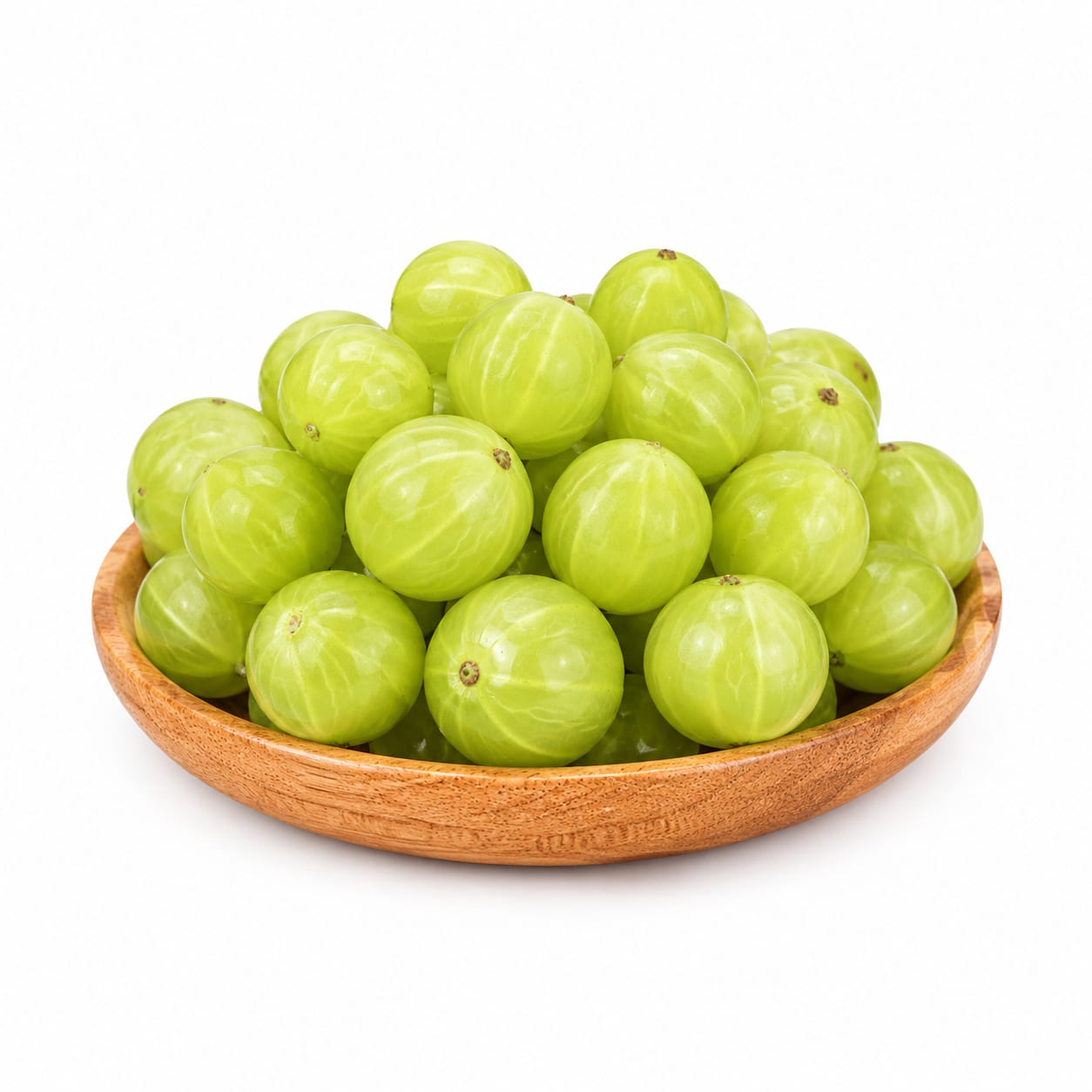
Gooseberry
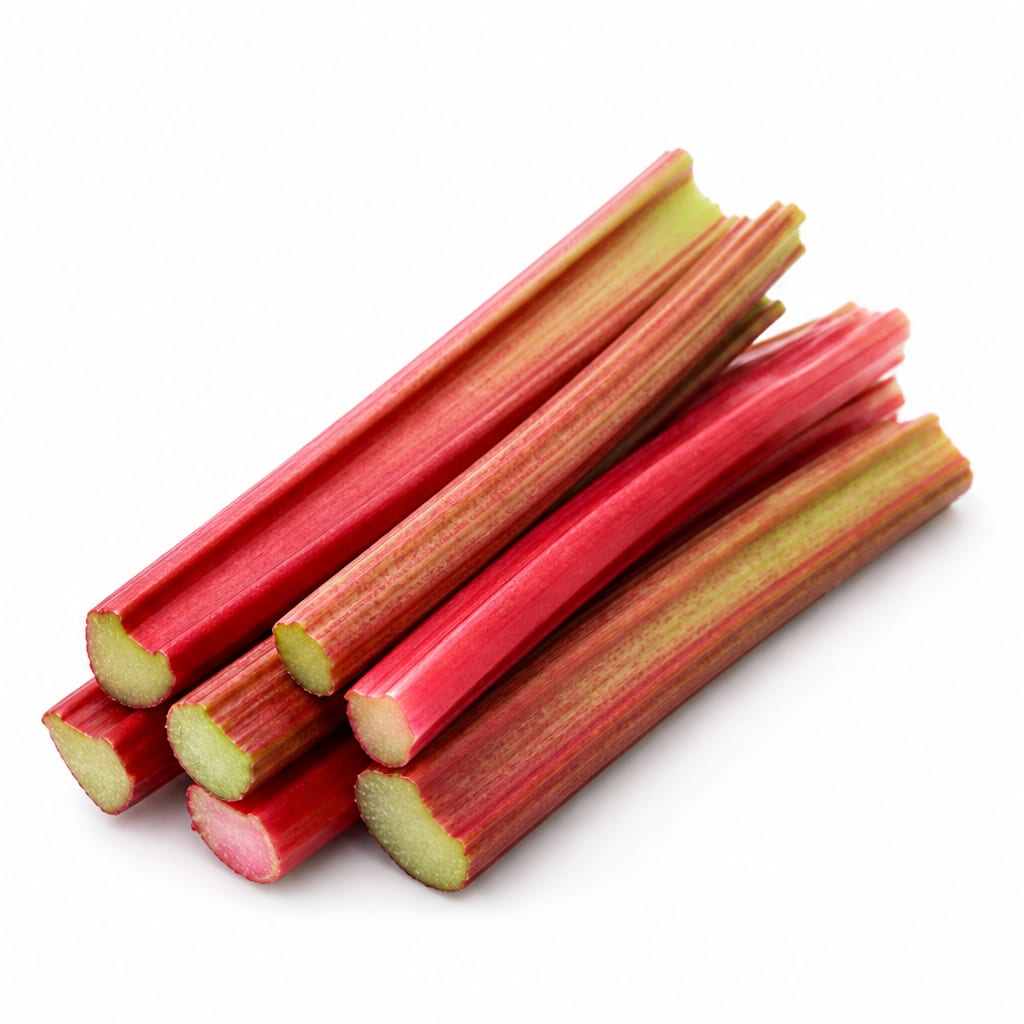
Rhubarb
Gooseberries win for raw snacking and Vitamin C, while rhubarb offers unique culinary uses but carries oxalate concerns and a heavy reliance on added sugar.
Gooseberry scores higher due to its edibility without added sugar and lack of oxalate concerns. Rhubarb loses points for requiring sweeteners to taste good and posing kidney stone risks.
Gooseberries are naturally palatable and nutrient-dense; rhubarb is lower in calories but practically requires sweeteners and poses oxalate risks.
At a glance
Executive summary
Overall
Gooseberry
Healthier
Gooseberry
More practical
Gooseberry
Daily use
Gooseberry
Key comparison lenses
Natural sugar vs added sugar requirement
Rhubarb is overwhelmingly tart and almost always requires added sugar to be palatable, whereas gooseberries can be enjoyed raw.
Oxalate and safety concerns
Rhubarb contains high levels of oxalic acid, posing kidney stone risks, which gooseberries do not.
Vitamin C vs Vitamin K density
Gooseberries are rich in Vitamin C, while rhubarb provides a significant amount of Vitamin K.
Best choice for
Gooseberry
- Vitamin C boost
- Raw snacking
- Low-oxalate diets
Rhubarb
- Vitamin K support
- Baking and desserts
- Very low calorie base
Least suitable for
Gooseberry
- People wanting a dessert base without tartness
Rhubarb
- Kidney stone sufferers
- Those avoiding added sugar
Deep comparison
Dimension by dimension
Each lens scores both foods and breaks down who each option suits.
- Dimension 1 · Priority 85Gooseberry
Nutrient Density
Gooseberry · 85Rhubarb · 75Gooseberries deliver a strong Vitamin C punch, while rhubarb shines with Vitamin K and calcium.
Tradeoff
You trade immune-boosting Vitamin C in gooseberries for bone-supporting Vitamin K in rhubarb.
Why it matters
Vitamin C is harder to get in typical diets compared to Vitamin K.
Real-world impact
Eating gooseberries gives you a noticeable energy and immunity lift; rhubarb supports long-term bone health.
Gooseberry
- Immune support
- Skin health
- Iron absorption
Better for
- Bone-specific nutrients
Worse for
Rhubarb
- Bone density
- Blood clotting
Better for
- Immune-boosting antioxidants
Worse for
- Dimension 2 · Priority 90Gooseberry
Sugar and Sweetness Reality
Gooseberry · 90Rhubarb · 40Gooseberries are tart but enjoyable raw; rhubarb is intensely sour and almost always requires added sugar.
Tradeoff
Choosing rhubarb usually means adding empty calories from sugar to make it edible.
Why it matters
Hidden added sugars undermine the health benefits of low-calorie foods.
Real-world impact
A bowl of fresh gooseberries is a grab-and-go snack; a rhubarb dessert often becomes a sugar bomb.
Gooseberry
- Low-sugar diets
- Raw snacking
Better for
- Intense sweet cravings
Worse for
Rhubarb
- Creating low-calorie dessert bases if using alternative sweeteners
Better for
- Blood sugar management
- Clean eating
Worse for
- Dimension 3 · Priority 88Gooseberry
Safety and Digestion
Gooseberry · 95Rhubarb · 60Gooseberries are safe to eat freely; rhubarb contains oxalates which can trigger kidney stones.
Tradeoff
Rhubarb's unique flavor comes with a chemical caution that gooseberries don't carry.
Why it matters
Oxalates can crystallize in the body, causing severe pain for susceptible individuals.
Real-world impact
You can eat gooseberries by the handful without worry; rhubarb requires moderation and avoiding the leaves entirely.
Gooseberry
- Kidney health
- Worry-free eating
Better for
Rhubarb
- Kidney stone prone individuals
- Gout sufferers
Worse for
- Dimension 4 · Priority 70It depends
Culinary Versatility
Gooseberry · 80Rhubarb · 80Gooseberries work raw or cooked; rhubarb is a beloved pie and jam staple.
Tradeoff
Gooseberries offer more everyday versatility, but rhubarb provides a signature texture for spring baking.
Why it matters
Enjoyment dictates long-term dietary habits.
Real-world impact
Gooseberries go in salads and yogurts; rhubarb makes legendary crumbles and compotes.
Gooseberry
- Salad toppings
- Fresh garnishes
Better for
- Classic pie filling texture
Worse for
Rhubarb
- Pies
- Jams
- Compotes
Better for
- Raw snacking
- Savory dishes
Worse for
Timeline
Health impact over time
Short-term
Hours to days
Gooseberry
- Quick Vitamin C boost
- Mild digestive aid from fiber
Rhubarb
- Satiety from fiber
- Potential stomach upset if eaten raw in large amounts
Long-term
Months to years
Gooseberry
- Stronger immunity
- Better skin elasticity
Rhubarb
- Improved bone density from Vitamin K
- Possible kidney stone formation if overconsumed
Risk profile
Safety & processing
Both are whole, natural foods in their raw state, though rhubarb's natural state is rarely how it's consumed due to the need for sweetening.
Gooseberry
Pesticide residue
lowAs with all berries, washing is recommended, but gooseberries have a relatively low pesticide load.
Rhubarb
Oxalate toxicity
highRhubarb leaves are highly toxic due to oxalates. The stalks are safe but still contain notable oxalates, posing a kidney stone risk.
Added sugar pairing
mediumBecause rhubarb is so tart, it is almost always cooked with large amounts of sugar, negating its low-calorie benefit.
Who wins for whom
Audience fit
Same foods, different winners depending on your goal.
children
GooseberryGooseberries are safer and easier to eat raw; rhubarb's oxalates and tartness make it less kid-friendly unless heavily sweetened.
daily consumption
GooseberryGooseberries are safer for daily use without the oxalate accumulation risk of rhubarb.
diabetes
GooseberryGooseberries have a lower glycemic impact and don't require added sugar to be palatable.
elderly
It dependsGooseberries offer better immune support, but rhubarb's Vitamin K is great for bone density, provided kidney function is healthy.
muscle gain
It dependsNeither is a significant protein source, though both offer supportive micronutrients.
weight loss
GooseberryGooseberries can be eaten without added sugar, keeping calories genuinely low.
Your move
Decision guide
Choose Gooseberry
- You want a grab-and-go raw snack
- You are prone to kidney stones
- You want to avoid added sugars
Choose Rhubarb
- You are baking a spring dessert
- You want to boost Vitamin K intake
- You use alternative sweeteners like stevia or monk fruit
Either works if
- You want a low-calorie fruit topping for yogurt
- You need more fiber in your diet
Avoid both if
- You are looking for a high-protein food
Final recommendation
Choose gooseberries for a safe, raw, nutrient-dense snack. Opt for rhubarb when baking, but be mindful of adding too much sugar and avoid it entirely if you have kidney stone issues.
Practical
Consumer tips
- 1
If cooking rhubarb, try using mashed bananas or applesauce instead of refined sugar to sweeten it naturally.
- 2
Never eat rhubarb leaves; they contain toxic levels of oxalic acid.
- 3
Look for firm, plump gooseberries; wrinkled ones are past their prime.
- 4
Freeze chopped rhubarb to have on hand for quick compotes without the sugar of canned versions.