
Nutrition comparison
Gooseberry vs Blackberry: Which Berry Is Healthier for You?
Compare gooseberry and blackberry nutrition. Gooseberries win on vitamin C and low sugar. Blackberries dominate in fiber and antioxidants. Find out which fits your health goals.
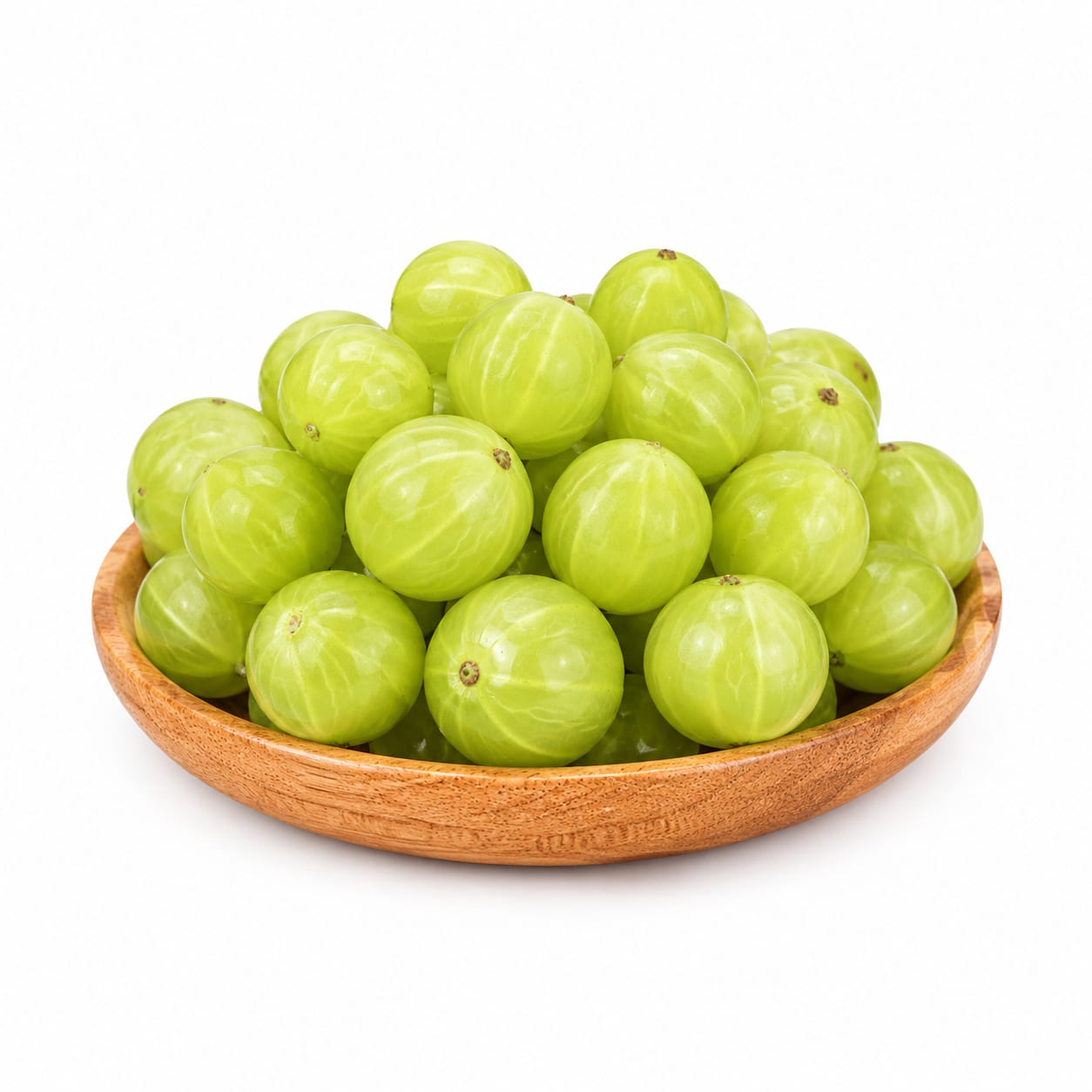
Gooseberry
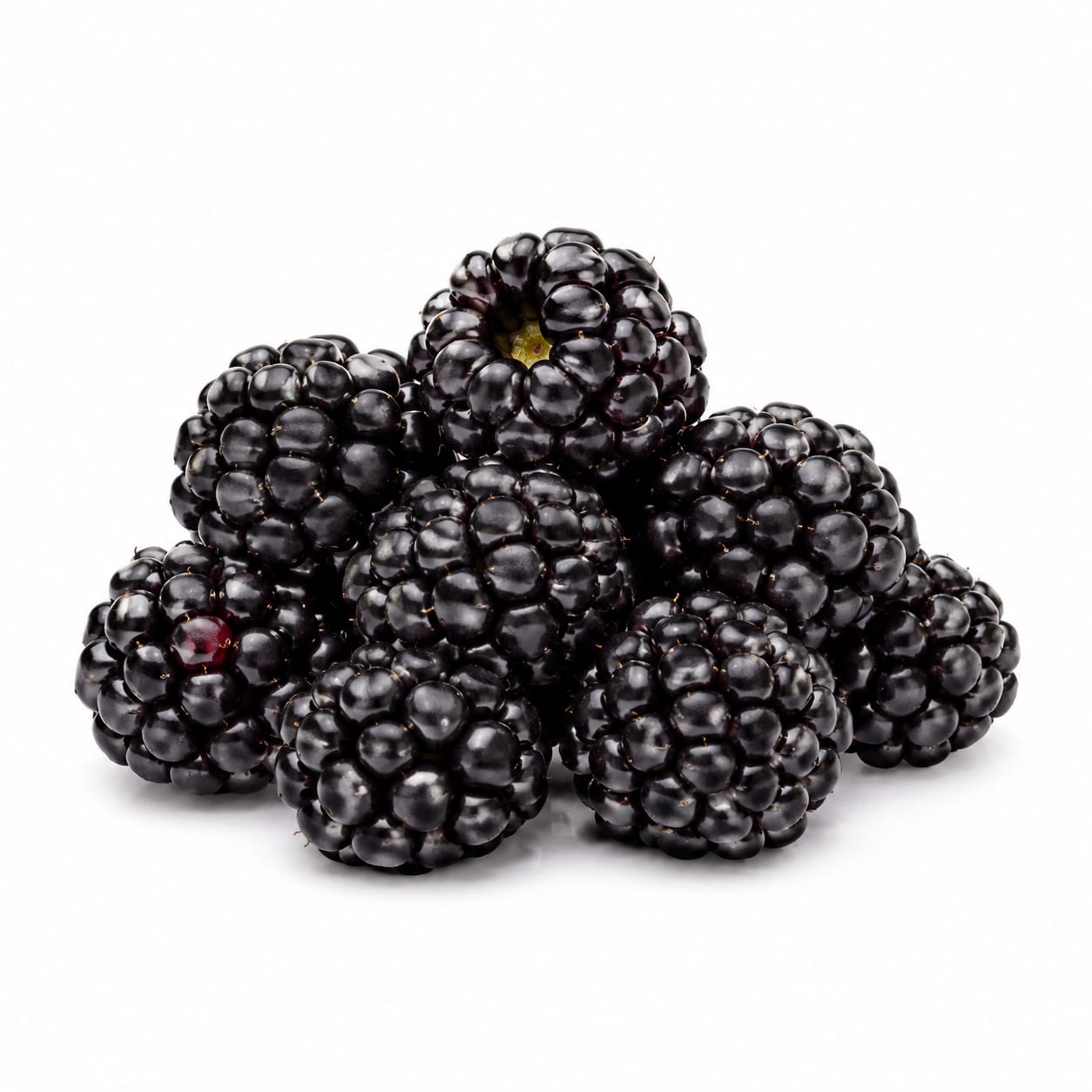
Blackberry
Blackberries win on fiber, antioxidants, and everyday practicality. Gooseberries win on vitamin C and lower sugar. Your pick depends on what your body needs most.
Blackberries score higher overall due to superior fiber, broader antioxidant profile, and much better availability. Gooseberries remain excellent for vitamin C and low sugar but lose ground on practicality and digestive benefits.
Blackberries give you more fiber and deeper antioxidant protection, but gooseberries deliver far more vitamin C and less sugar per serving.
At a glance
Executive summary
Overall
It depends
Healthier
It depends
More practical
Blackberry
Daily use
Blackberry
Key comparison lenses
antioxidant diversity and vitamin C priority
Gooseberries are exceptionally high in vitamin C while blackberries dominate in anthocyanin antioxidants, making this the core nutritional tradeoff
fiber and digestive health
Blackberries are one of the highest-fiber berries available, significantly outperforming gooseberries in this area
sugar conscious snacking
Gooseberries are notably lower in natural sugars, appealing to those monitoring glucose or cutting sweet cravings
everyday availability and practicality
Blackberries are far easier to find fresh in grocery stores, while gooseberries remain niche and seasonal
immune and skin support
Gooseberries deliver a massive vitamin C hit that blackberries cannot match, relevant for immunity and collagen
Best choice for
Gooseberry
- Vitamin C supplementation through whole foods
- Low-sugar berry options for diabetics
- Immune system support during cold season
- Skin health and collagen production
- Tart flavor lovers seeking less sweet fruit
Blackberry
- Digestive health and regularity
- Deep antioxidant protection against cellular aging
- Satiety and hunger management between meals
- Easily accessible fresh berry snacking
- Heart health and anti-inflammatory diets
Least suitable for
Gooseberry
- People who dislike tart or sour flavors
- Those needing high-fiber fruit for digestion
- Shoppers wanting readily available fresh produce
- Kids sensitive to sour tastes
Blackberry
- People strictly limiting natural sugar intake
- Those seeking maximum vitamin C per calorie
- Individuals with blackberry allergies or salicylate sensitivity
Deep comparison
Dimension by dimension
Each lens scores both foods and breaks down who each option suits.
- Dimension 1 · Priority 92Gooseberry
Vitamin C and Immune Power
Gooseberry · 94Blackberry · 52Gooseberries are a vitamin C powerhouse, delivering roughly 3-4 times more vitamin C than blackberries per serving.
Tradeoff
You gain serious immune and skin benefits with gooseberries but sacrifice the deeper pigment antioxidants that blackberries offer.
Why it matters
Vitamin C is essential for immune defense, wound healing, and collagen production. Getting it from whole food rather than supplements also provides cofactors that improve absorption.
Real-world impact
Eating gooseberries regularly can meaningfully reduce how often you catch colds and improve skin elasticity over months.
Gooseberry
- Fighting off seasonal colds
- Supporting collagen for skin and joints
- Boosting iron absorption from plant meals
Better for
- People who already supplement high-dose vitamin C and risk exceeding comfortable intake
Worse for
Blackberry
- Situations where vitamin C is already adequate from other sources
Better for
- Anyone relying on berries as their primary vitamin C source
Worse for
- Dimension 2 · Priority 88Blackberry
Fiber and Digestive Health
Gooseberry · 55Blackberry · 93Blackberries are among the highest-fiber berries available, roughly doubling the fiber content of gooseberries per serving.
Tradeoff
Blackberries keep you fuller longer and support gut health far better, but gooseberries are gentler if you have a sensitive digestive system unused to high fiber.
Why it matters
Fiber controls hunger, stabilizes blood sugar, feeds beneficial gut bacteria, and reduces disease risk. Most people get far too little.
Real-world impact
A cup of blackberries provides nearly a third of your daily fiber needs, making it easier to stay regular and avoid afternoon energy crashes.
Gooseberry
- People transitioning to higher fiber who need a gentler starting point
Better for
- Anyone counting on berries for meaningful fiber contribution
Worse for
Blackberry
- Improving gut microbiome diversity
- Staying full between meals without snacking
- Managing blood sugar after carbohydrate-rich meals
- Relieving occasional constipation naturally
Better for
- Those with IBS who are sensitive to high-fiber loads in one sitting
Worse for
- Dimension 3 · Priority 86Blackberry
Antioxidant Depth and Cellular Protection
Gooseberry · 68Blackberry · 91Blackberries deliver a broader and deeper spectrum of antioxidants, particularly anthocyanins, which give them their dark color and protective power.
Tradeoff
Gooseberries offer solid antioxidant support through vitamin C and some phenolics, but lack the intense anthocyanin concentration that makes blackberries a top-tier anti-aging fruit.
Why it matters
Anthocyanins protect against cognitive decline, cardiovascular disease, and certain cancers. The darker the berry, the more protective compounds it typically contains.
Real-world impact
Regular blackberry consumption is linked to better memory retention and reduced inflammation markers in aging adults.
Gooseberry
- Antioxidant needs focused on vitamin C-specific pathways
Better for
- Those seeking the most comprehensive antioxidant coverage from a single berry
Worse for
Blackberry
- Long-term brain health and cognitive protection
- Reducing chronic inflammation
- Cardiovascular disease risk reduction
- Active anti-aging nutrition strategies
Better for
- Situations where vitamin C-specific antioxidant action is the priority
Worse for
- Dimension 4 · Priority 80Gooseberry
Sugar Content and Blood Sugar Impact
Gooseberry · 89Blackberry · 64Gooseberries contain significantly less natural sugar than blackberries, making them the better choice for glucose-conscious eaters.
Tradeoff
Lower sugar means less sweetness and more tartness, which some people find less enjoyable as a standalone snack.
Why it matters
Even natural sugars add up. For diabetics, insulin-resistant individuals, or anyone cutting sugar cravings, lower-sugar fruit helps maintain steadier energy.
Real-world impact
Choosing gooseberries over blackberries can save you 3-4 grams of sugar per cup, which matters when tracking daily intake carefully.
Gooseberry
- Diabetics managing post-meal glucose spikes
- Keto-adjacent eaters minimizing carb load
- Breaking sugar addiction cycles with less sweet fruit
Better for
- Those who find tart fruit unappealing and may abandon healthy snacking
Worse for
Blackberry
- Athletes needing natural carbohydrate fuel before or after training
Better for
- People who need to strictly limit all sugar sources
Worse for
- Dimension 5 · Priority 75Blackberry
Availability and Everyday Practicality
Gooseberry · 35Blackberry · 88Blackberries are widely available year-round in most grocery stores. Fresh gooseberries are seasonal, niche, and hard to find outside specialty markets.
Tradeoff
Gooseberries often require frozen, preserved, or specialty sourcing, which limits spontaneous use and increases cost.
Why it matters
The healthiest food is the one you actually eat regularly. Availability directly impacts consistency, which drives long-term results.
Real-world impact
You can grab blackberries at nearly any supermarket any week of the year. Gooseberries may require farmers markets, online orders, or frozen alternatives.
Gooseberry
- Home gardeners who can grow their own supply
- Culinary enthusiasts who enjoy specialty ingredient sourcing
Better for
- Impulse shoppers and those without specialty store access
- People who will skip fruit entirely if their preferred type is unavailable
Worse for
Blackberry
- Busy people who need reliable grocery access
- Meal preppers who shop weekly at standard stores
- Anyone who values grab-and-go healthy snacking
Better for
- Situations where variety and novelty in fruit selection matters for adherence
Worse for
- Dimension 6 · Priority 68It depends
Taste Versatility and Culinary Use
Gooseberry · 72Blackberry · 78Blackberries are more versatile for sweet applications like smoothies and desserts. Gooseberries excel in unique tart preparations like chutneys, sauces, and preserves.
Tradeoff
Gooseberries shine in savory and tart culinary contexts but are less appealing raw. Blackberries are enjoyable fresh but less distinctive in cooked dishes.
Why it matters
If you do not enjoy eating a food, you will not keep it in your diet. Taste versatility determines long-term sustainability.
Real-world impact
Blackberries easily go into yogurt, oatmeal, or salads with no prep. Gooseberries often need cooking or sweetening to become palatable for most people.
Gooseberry
- Adventurous cooks making chutneys, pies, or savory sauces
- People who enjoy tart, sour flavors raw
Better for
- Quick snacking without preparation
- Kids or adults who prefer sweet fruit
Worse for
Blackberry
- Quick breakfast additions with zero prep
- Smoothie ingredient that blends well with other fruits
- Dessert toppings and baking
Better for
- Culinary applications where a tart, distinctive flavor is desired
Worse for
Timeline
Health impact over time
Short-term
Hours to days
Gooseberry
- Noticeable vitamin C boost supporting same-day immune function
- Tart flavor can stimulate digestion and appetite
- Lower sugar content prevents energy spikes and crashes
- May cause mouth puckering or sour reaction if eaten unripe
Blackberry
- High fiber creates immediate satiety and fullness
- Natural sugars provide a quick but moderate energy lift
- Anthocyanins begin anti-inflammatory action within hours
- Seeds may bother those with diverticulitis or sensitive digestion
Long-term
Months to years
Gooseberry
- Consistent vitamin C intake strengthens immune resilience over months
- Lower sugar habit supports better insulin sensitivity long-term
- Collagen support may improve skin elasticity and joint comfort
- Limited availability may reduce consistency of consumption
Blackberry
- High fiber intake reduces risk of colorectal issues and improves gut diversity
- Anthocyanin accumulation supports cognitive preservation with age
- Regular consumption linked to lower cardiovascular disease markers
- Higher sugar content is still modest but requires awareness in metabolic conditions
Risk profile
Safety & processing
Both gooseberries and blackberries are whole, minimally processed fruits when purchased fresh or frozen. Neither typically contains additives in its natural form. Watch for added sugars in gooseberry preserves or canned blackberries in syrup.
Gooseberry
Pesticide residue on conventionally grown gooseberries
mediumGooseberries are not on the EWG Dirty Dozen list but thin-skinned berries can carry pesticide residue. Washing thoroughly or choosing organic reduces this concern.
Oxalic acid content
lowGooseberries contain moderate oxalic acid, which may be a concern for people prone to kidney stones if consumed in very large quantities.
Blackberry
Pesticide residue on conventionally grown blackberries
mediumBlackberries frequently appear on the EWG Dirty Dozen list due to pesticide residue. Their delicate structure makes thorough washing difficult. Organic is strongly preferred.
Mold and spoilage
mediumBlackberries spoil rapidly and can develop mold within days. Inspect containers carefully and consume quickly or freeze.
Salicylate sensitivity
lowBlackberries contain moderate salicylates which may trigger reactions in sensitive individuals, particularly those with aspirin intolerance.
Who wins for whom
Audience fit
Same foods, different winners depending on your goal.
children
BlackberryMost children prefer the sweeter taste of blackberries over the tartness of gooseberries. Better acceptance means more consistent fruit consumption.
daily consumption
BlackberryBlackberries are easier to find, more enjoyable to eat raw, and provide broader daily nutritional coverage. Consistency beats perfection for long-term health.
diabetes
GooseberryGooseberries have notably less sugar and a lower glycemic impact, making them safer for blood glucose management. Blackberries are still acceptable but require more portion awareness.
elderly
BlackberryBlackberries deliver more fiber for digestive regularity and anthocyanins for cognitive protection, both critical concerns in aging. The seeds can be a minor texture issue for some.
muscle gain
It dependsNeither berry is a meaningful protein source. Blackberries offer slightly more carbohydrate for training fuel, while gooseberries provide vitamin C which supports collagen in connective tissue repair.
weight loss
BlackberryBlackberries provide significantly more fiber per calorie, keeping you fuller longer and reducing the urge to overeat. Their sweetness also satisfies cravings without turning to junk food.
Your move
Decision guide
Choose Gooseberry
- You want maximum vitamin C from a whole food source
- You are diabetic or insulin-resistant and need lower sugar fruit
- You enjoy tart flavors or cook with savory fruit preparations
- You grow your own or have reliable access to fresh gooseberries
- You are focused on skin health and collagen support
Choose Blackberry
- You want the highest fiber berry for digestive health
- You care about deep antioxidant protection and anti-aging nutrition
- You need a berry that is easy to find and eat with zero prep
- You are managing weight and want a filling, satisfying snack
- You want a berry that tastes great on its own without sweetening
Either works if
- You simply want more berry variety in your diet
- You are generally healthy and eat a balanced diet already
- You rotate fruits seasonally and enjoy both when available
Avoid both if
- You have a berry allergy or salicylate sensitivity
- You are on a very low-carb diet tracking every gram of carbohydrate
- You exclusively eat tropical or citrus fruits and dislike berry textures
Final recommendation
For most people, blackberries are the better everyday choice due to superior fiber, broader antioxidants, and easy availability. Choose gooseberries when vitamin C is your priority or when you need a lower-sugar fruit option. Ideally, eat both when possible since their nutritional strengths complement each other beautifully.
Practical
Consumer tips
- 1
Buy organic blackberries when possible since they rank high for pesticide residue
- 2
Frozen blackberries retain most nutrients and are available year-round at lower cost
- 3
Gooseberries are easiest to find frozen or in specialty stores; frozen works well for cooking
- 4
Add blackberries to overnight oats for a high-fiber breakfast that keeps you full until lunch
- 5
Use gooseberries in chutneys or sauces paired with rich meats for a flavor and nutrition upgrade
- 6
Wash both berries right before eating, not before storing, to prevent mold and spoilage
- 7
If gooseberries are too tart raw, lightly stew them with a touch of honey or cinnamon