
Nutrition comparison
Gooseberry vs Grape: Which Fruit Is Healthier for You?
Gooseberries deliver 5x more vitamin C and a third of the sugar of grapes. Compare nutrition, blood sugar impact, and practicality to find which fruit fits your goals.
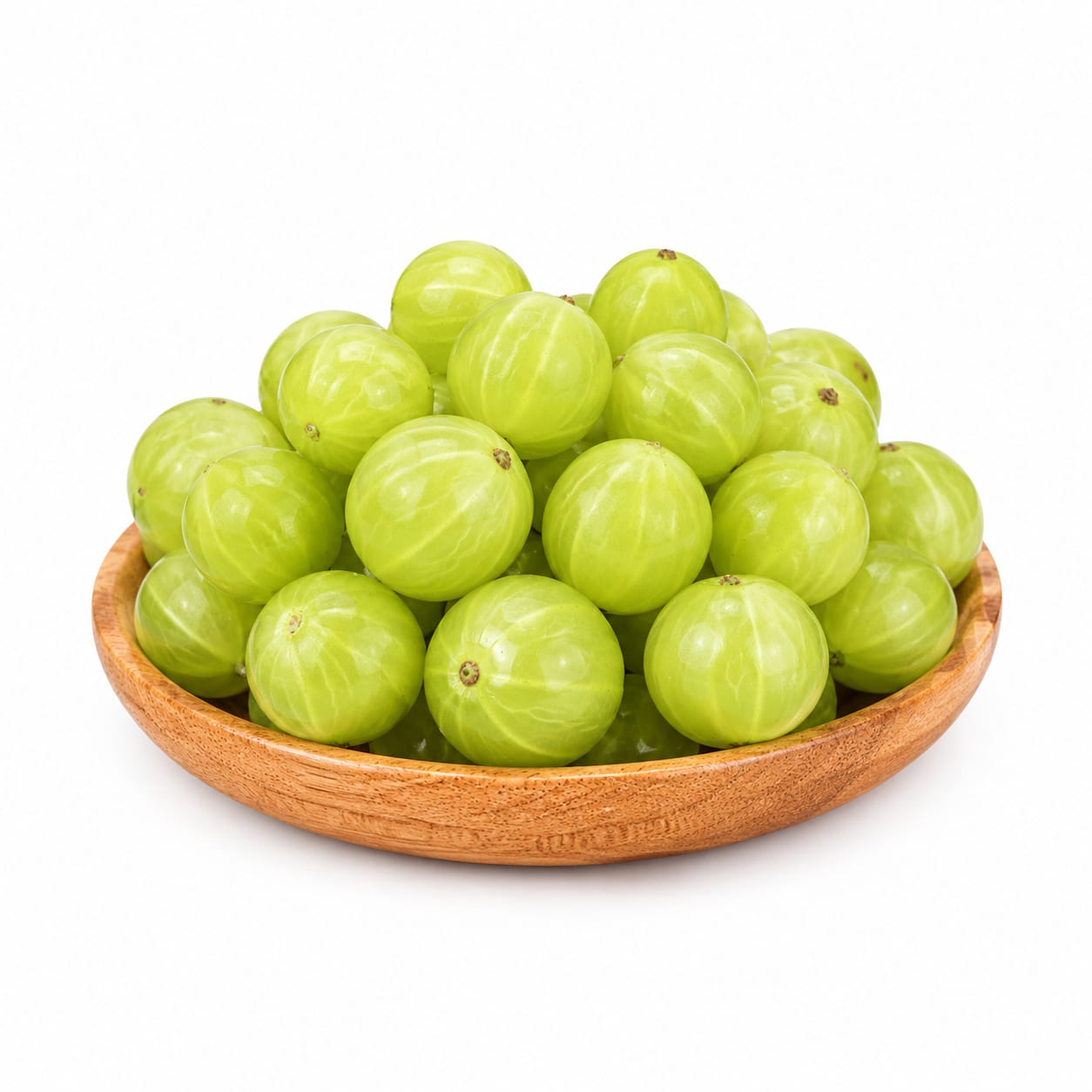
Gooseberry
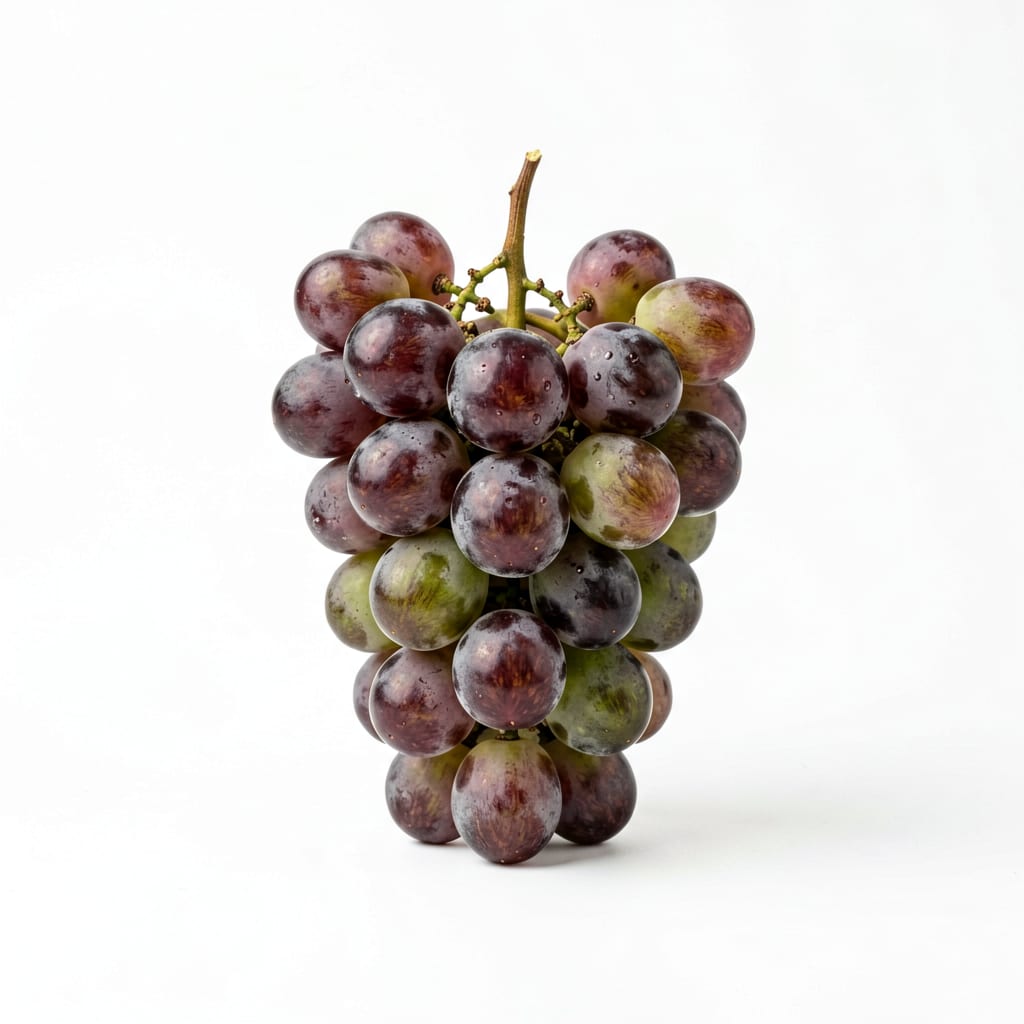
Grape
Gooseberries win nutritionally with far more vitamin C, more fiber, and far less sugar. Grapes win on convenience, availability, and enjoyment factor.
Gooseberries score higher due to superior micronutrient density, lower sugar, and higher fiber. Grapes lose ground on sugar content and overeating risk but gain points for resveratrol and everyday practicality.
Gooseberries are the smarter nutritional choice but harder to find and less fun to eat. Grapes are delicious and easy but can spike blood sugar and disappear from the bowl faster than you planned.
At a glance
Executive summary
Overall
It depends
Healthier
Gooseberry
More practical
Grape
Daily use
It depends
Key comparison lenses
sugar and cravings control
Grapes are notoriously easy to overeat due to high sugar and low fiber; gooseberries offer a tart, low-sugar alternative that naturally limits portions
vitamin c and immunity
Gooseberries are dramatically higher in vitamin C, making this a key differentiator for immune health and skin
blood sugar management
The sugar gap between these fruits is significant for anyone monitoring glucose or managing diabetes
snack convenience and habit sustainability
Grapes are a ubiquitous easy snack; gooseberries are harder to find and less convenient, which affects long-term adherence
antioxidant diversity
Grapes offer resveratrol while gooseberries offer different phytonutrients, creating a meaningful tradeoff in antioxidant profiles
Best choice for
Gooseberry
- Blood sugar management and diabetes prevention
- Vitamin C optimization and immune support
- Weight loss through natural portion control
- Antioxidant diversity beyond resveratrol
- Fiber intake improvement
Grape
- Quick pre-workout energy
- Resveratrol and heart health benefits
- Family-friendly snacking kids will actually eat
- Convenient on-the-go fruit option
- Building a sustainable daily fruit habit
Least suitable for
Gooseberry
- Anyone who struggles with tart or sour flavors
- People needing quick accessible calories
- Children who reject unfamiliar fruits
- Busy commuters wanting grab-and-go convenience
Grape
- Diabetics or prediabetics monitoring sugar intake
- Emotional eaters who cannot stop at one serving
- People trying to reduce sugar cravings
- Anyone tracking strict low-carb macros
Deep comparison
Dimension by dimension
Each lens scores both foods and breaks down who each option suits.
- Dimension 1 · Priority 92Gooseberry
sugar_and_cravings_control
Gooseberry · 88Grape · 35Gooseberries contain roughly a third of the sugar per serving compared to grapes, making them far easier on blood sugar.
Tradeoff
You sacrifice the sweet satisfying taste of grapes but gain freedom from the cycle of craving more sugar after eating.
Why it matters
Grapes are one of the easiest fruits to overeat. A bowl can disappear in minutes, delivering 30+ grams of sugar before you notice. Gooseberries naturally limit intake because their tartness signals your brain to stop.
Real-world impact
That afternoon grape snack can leave you hungrier an hour later. Gooseberries satisfy without triggering the next craving.
Gooseberry
- Breaking sugar craving cycles
- Stable afternoon energy without crashes
- Diabetics managing glucose spikes
Better for
- Anyone needing fast palatable calories
Worse for
Grape
- Quick carb replenishment after exercise
- People who need palatable fruit to stay consistent
Better for
- Late-night snacking that spirals into a full bunch
- Prediabetics unaware of grape sugar content
Worse for
- Dimension 2 · Priority 88Gooseberry
vitamin_c_and_immune_support
Gooseberry · 95Grape · 38Gooseberries deliver roughly 5-6 times more vitamin C than grapes per serving, making them a genuinely potent immune-supporting fruit.
Tradeoff
You get exceptional vitamin C from gooseberries but must tolerate their sharp tartness to access it.
Why it matters
Vitamin C is not just about colds. It drives collagen production for skin, supports iron absorption, and reduces oxidative stress. Grapes barely move the needle here.
Real-world impact
A cup of gooseberries covers most of your daily vitamin C needs. You would need to eat an unrealistic amount of grapes to match that.
Gooseberry
- Skin health and collagen support
- Iron absorption when paired with plant-based meals
- Immune resilience during cold season
Better for
- People who cannot tolerate acidity on an empty stomach
Worse for
Grape
- Not applicable for this dimension
Better for
- Anyone relying on grapes as a meaningful vitamin C source
Worse for
- Dimension 3 · Priority 82Gooseberry
fiber_and_satiety
Gooseberry · 78Grape · 42Gooseberries provide significantly more fiber per calorie, keeping you fuller longer with less sugar.
Tradeoff
Higher fiber means gooseberries are more filling but also more texturally intense, which some people find less pleasant.
Why it matters
Fiber slows sugar absorption, feeds gut bacteria, and signals fullness. Grapes have enough fiber to be decent but not enough to prevent easy overconsumption.
Real-world impact
A handful of gooseberries feels like a complete snack. A handful of grapes is just the beginning of the bunch.
Gooseberry
- Gut microbiome support
- Natural portion control through fullness
- Blood sugar buffering from fiber
Better for
- People with sensitive digestion who struggle with high-fiber fruit
Worse for
Grape
- Light snacking without feeling heavy
Better for
- Anyone eating grapes as a standalone snack and wondering why they are still hungry
Worse for
- Dimension 4 · Priority 72It depends
antioxidant_profile_diversity
Gooseberry · 80Grape · 75Gooseberries offer broader antioxidant variety while grapes deliver the unique and well-studied resveratrol.
Tradeoff
Gooseberries give you more types of antioxidants overall. Red grapes give you one particularly powerful antioxidant linked to heart health and longevity.
Why it matters
Resveratrol has strong evidence for cardiovascular benefits and anti-aging properties. Gooseberries offer kaempferol, myricetin, and other flavonoids that support different pathways.
Real-world impact
If heart health is your priority, red grapes have a specific compound worth targeting. If you want general antioxidant coverage, gooseberries cast a wider net.
Gooseberry
- General oxidative stress reduction
- Broader spectrum of protective phytonutrients
Better for
- Missing the unique resveratrol benefit
Worse for
Grape
- Cardiovascular-specific protection via resveratrol
- Anti-aging and longevity-focused nutrition
Better for
- Narrower antioxidant range overall
Worse for
- Dimension 5 · Priority 78Grape
convenience_and_availability
Gooseberry · 30Grape · 92Grapes are available everywhere year-round and require zero prep. Gooseberries are seasonal, harder to find, and often need washing and trimming.
Tradeoff
The best fruit nutritionally means nothing if you cannot find it or will not eat it regularly. Grapes win on sustainability through sheer convenience.
Why it matters
Consistency beats perfection. A grape habit you maintain daily outperforms a gooseberry intention you never act on.
Real-world impact
You can grab grapes at any grocery store, gas station, or airport. Gooseberries might require a farmers market or specialty shop, and only in season.
Gooseberry
- Farmers market enthusiasts who enjoy seasonal eating
- Home gardeners growing their own supply
Better for
- Anyone without access to specialty produce stores
- People who need grab-and-go convenience
Worse for
Grape
- Busy professionals needing zero-prep snacks
- Parents packing school lunches
- Travelers wanting reliable healthy options
Better for
- Not applicable for this dimension
Worse for
- Dimension 6 · Priority 80Gooseberry
weight_management
Gooseberry · 82Grape · 48Gooseberries support weight loss through low calorie density, high fiber, and natural portion control. Grapes can silently add significant calories.
Tradeoff
Gooseberries make weight management easier but less enjoyable. Grapes feel like a treat that can quietly undermine calorie goals.
Why it matters
A large bunch of grapes can easily deliver 200+ calories and 40+ grams of sugar. The same volume of gooseberries delivers a fraction of that with more fullness.
Real-world impact
Mindless grape snacking while watching TV is a common hidden calorie source. Gooseberries make mindless overeating almost impossible.
Gooseberry
- Calorie-conscious snackers
- People who struggle with portion control
- Anyone tracking macros precisely
Better for
- People who need energy-dense snacks to maintain weight
Worse for
Grape
- Underweight individuals needing palatable calories
- Athletes in caloric surplus phases
Better for
- Anyone who has ever finished a whole bag of grapes without realizing it
Worse for
Timeline
Health impact over time
Short-term
Hours to days
Gooseberry
- Tart flavor naturally limits overeating within a single sitting
- Vitamin C provides quick immune and energy support
- Higher fiber may cause mild digestive adjustment if you are not used to it
- Acidity can cause slight mouth puckering or sensitivity
Grape
- Rapid sugar absorption can cause a quick energy spike followed by a crash
- Easy to consume a large amount before feeling full
- Mild hydration benefit from high water content
- Resveratrol in red varieties provides immediate antioxidant activity
Long-term
Months to years
Gooseberry
- Consistent vitamin C intake supports skin elasticity and wound healing over years
- Lower sugar exposure reduces cumulative metabolic strain
- Fiber supports long-term gut microbiome diversity
- May help maintain healthy blood sugar patterns with regular consumption
Grape
- Regular high sugar fruit intake may contribute to insulin resistance in susceptible individuals
- Resveratrol accumulation supports cardiovascular health over decades
- Convenience factor supports consistent fruit consumption habits
- Risk of chronic overconsumption adding significant daily calories
Risk profile
Safety & processing
Both fruits are typically consumed whole and unprocessed, making them equally natural choices. The main concern is pesticide exposure on conventionally grown grapes, which consistently rank high on pesticide residue lists.
Gooseberry
Pesticide residue
mediumGooseberries can carry pesticide residue but are less frequently tested than major crops. Organic is preferable when available.
Oxalic acid content
lowGooseberries contain moderate oxalates, which could be a concern for people prone to kidney stones if consumed in very large amounts.
Grape
Pesticide residue
highGrapes consistently appear on the Dirty Dozen list with multiple pesticide residues detected. Washing helps but does not eliminate all residues. Organic is strongly recommended.
Mold and fungal contamination
mediumGrapes are prone to mold growth, especially in warm conditions. Always inspect bunches carefully and discard any soft or wrinkled grapes.
Who wins for whom
Audience fit
Same foods, different winners depending on your goal.
children
GrapeMost children readily accept sweet grapes and reject tart gooseberries. The best fruit for kids is the one they will actually eat.
daily consumption
It dependsGrapes are more sustainable daily due to availability and enjoyment. Gooseberries are nutritionally superior but harder to maintain as a daily habit.
diabetes
GooseberrySignificantly less sugar and more fiber create a gentler glycemic response, making gooseberries safer for blood sugar management.
elderly
It dependsGooseberries support vitamin C and fiber needs common in aging, but grapes are easier to chew and more accessible for seniors with limited shopping mobility.
muscle gain
GrapeGrapes provide faster-digesting carbs that can be useful around workout windows for glycogen replenishment.
weight loss
GooseberryLower sugar, higher fiber, and natural portion control make gooseberries far more compatible with calorie-restricted eating.
Your move
Decision guide
Choose Gooseberry
- You want maximum nutrition per calorie and sugar gram
- Blood sugar control is a priority for you
- You enjoy or can learn to enjoy tart flavors
- You have access to fresh or frozen gooseberries
- You tend to overeat sweet fruits and need natural brakes
Choose Grape
- You need a convenient fruit you will actually eat consistently
- Quick energy around workouts matters to you
- You are feeding a family including picky children
- Resveratrol and heart health are specific priorities
- Accessibility and year-round availability are non-negotiable
Either works if
- You simply want more whole fruit variety in your diet
- Both are available and you can rotate them seasonally
- You are generally healthy without blood sugar concerns
Avoid both if
- You have a severe fructose intolerance
- You are on a strict ketogenic diet limiting all fruit
- You have kidney stone concerns and need to limit oxalates
Final recommendation
Eat gooseberries when you can find them for the nutritional edge, especially the vitamin C and fiber advantage. Keep grapes in rotation for convenience and resveratrol, but portion them into a small bowl instead of eating from the bag. The best strategy is seasonal: gooseberries in summer when available, grapes year-round in controlled amounts. If blood sugar or weight is a concern, lean heavily toward gooseberries. If consistency and enjoyment matter more, grapes are the realistic daily choice.
Practical
Consumer tips
- 1
Buy organic grapes whenever possible since they rank among the most pesticide-contaminated fruits
- 2
Freeze gooseberries when in season to enjoy their benefits year-round
- 3
Portion grapes into a small bowl before eating to prevent mindless overconsumption
- 4
Mix gooseberries into smoothies with sweeter fruit to balance their tartness without adding sugar
- 5
Try gooseberries in a savory salad where their acidity works as a flavor enhancer rather than a standalone snack
- 6
Wash grapes thoroughly even if organic, as mold spores and residue cling to the skin
- 7
If new to gooseberries, start with ripe ones that have turned from green to reddish-purple for milder flavor