
Nutrition comparison
Gooseberry vs Raspberry: Which Berry Is Healthier for You?
Compare gooseberry and raspberry nutrition including vitamin C, fiber, sugar, and taste. Find out which berry fits your health goals and daily routine better.
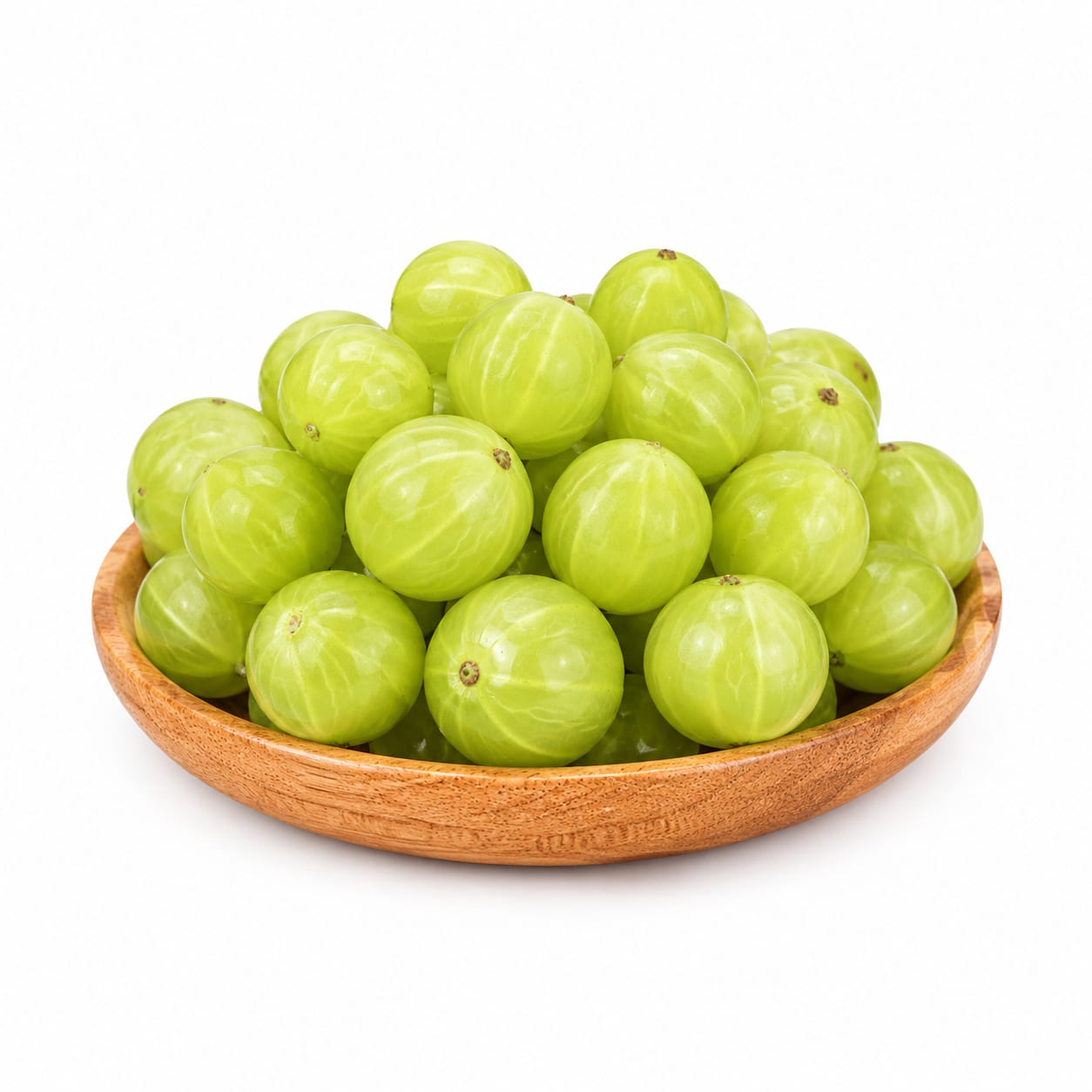
Gooseberry
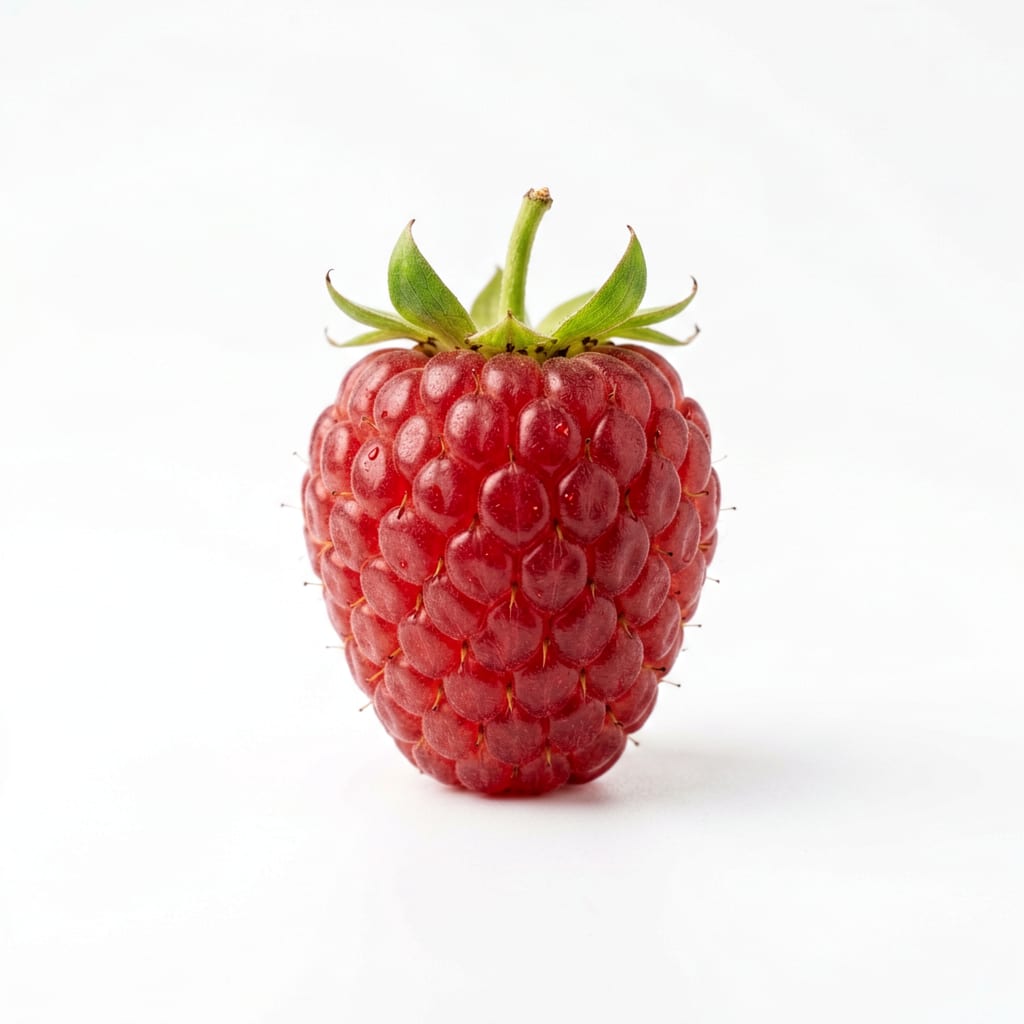
Raspberry
Raspberries win on fiber, taste, and everyday practicality. Gooseberries dominate on vitamin C and blood sugar control. Your pick depends on what you value more.
Raspberries score higher overall due to superior fiber, broader availability, and better palatability. Gooseberries earn strong marks for vitamin C and blood sugar benefits but lose ground on practicality and taste accessibility.
Gooseberries offer a massive vitamin C advantage and slightly better blood sugar control, but raspberries deliver far more fiber, better taste, and are dramatically easier to find and enjoy daily.
At a glance
Executive summary
Overall
It depends
Healthier
It depends
More practical
Raspberry
Daily use
Raspberry
Key comparison lenses
antioxidant and vitamin c comparison
Gooseberries are among the richest fruit sources of vitamin C, making this the starkest nutritional contrast between the two berries
fiber and digestive health
Raspberries are one of the highest-fiber fruits available, which heavily influences satiety and gut health outcomes
taste and palatability
Gooseberries are notably tart and can be challenging to eat raw, while raspberries are naturally sweet and widely enjoyed
availability and everyday practicality
Raspberries are available in nearly every grocery store year-round; gooseberries are seasonal and harder to find
blood sugar management
Both berries are low-sugar options, but their different fiber and acid profiles affect glycemic response differently
Best choice for
Gooseberry
- Boosting immunity during cold season
- Maximizing vitamin C intake without supplements
- Managing blood sugar with minimal fruit sugar
- Adding tart complexity to savory dishes and chutneys
Raspberry
- Improving digestion and gut health
- Satisfying sweet cravings without a sugar spike
- Adding fiber to smoothies, oatmeal, or yogurt
- A kid-friendly fruit that requires no sweetener
Least suitable for
Gooseberry
- People who dislike sour or tart flavors
- Anyone needing an easy-to-find everyday berry
- Children sensitive to acidic tastes
- Quick snacking without preparation
Raspberry
- Those specifically targeting very high vitamin C intake
- People with raspberry allergies (more common than gooseberry allergy)
- Anyone avoiding even moderate natural sugar content
Deep comparison
Dimension by dimension
Each lens scores both foods and breaks down who each option suits.
- Dimension 1 · Priority 92Gooseberry
vitamin_c_and_immunity
Gooseberry · 95Raspberry · 55Gooseberries deliver roughly 3-4 times more vitamin C than raspberries, making them a powerhouse for immune support and collagen production.
Tradeoff
You get exceptional vitamin C from gooseberries, but the tartness makes them harder to consume in large quantities raw, which can limit how much you actually eat.
Why it matters
Vitamin C is water-soluble and must be replenished daily. A single serving of gooseberries can cover most of your daily needs.
Real-world impact
Eating gooseberries regularly during cold season could meaningfully reduce how often you get sick, while raspberries would need a supporting cast to hit the same vitamin C targets.
Gooseberry
- Immune support during winter months
- Collagen production and skin health
- Iron absorption when paired with iron-rich meals
Better for
Raspberry
- Meeting daily vitamin C needs from fruit alone
- Recovering from illness faster with diet alone
Worse for
- Dimension 2 · Priority 88Raspberry
fiber_and_gut_health
Gooseberry · 55Raspberry · 95Raspberries are one of the highest-fiber fruits available, packing roughly double the fiber of gooseberries per serving.
Tradeoff
Raspberries keep you fuller longer and support better digestion, but gooseberries still offer decent fiber with fewer calories overall.
Why it matters
Most people fall far short of daily fiber targets. Raspberries are one of the easiest ways to close that gap without supplements.
Real-world impact
A cup of raspberries with breakfast can keep you satisfied until lunch. The same amount of gooseberries leaves you hungry sooner.
Gooseberry
- Reaching daily fiber goals efficiently
- Feeling satisfied after a fruit snack
Worse for
Raspberry
- Staying full between meals
- Supporting healthy gut bacteria
- Preventing constipation naturally
- Reducing cholesterol through soluble fiber
Better for
- Dimension 3 · Priority 78Gooseberry
blood_sugar_control
Gooseberry · 82Raspberry · 75Both berries are low-sugar, but gooseberries edge ahead with slightly less sugar and organic acids that may improve insulin sensitivity.
Tradeoff
Gooseberries have a marginal glycemic advantage, but raspberries' higher fiber slows sugar absorption enough that the practical difference is small.
Why it matters
For people monitoring blood sugar closely, every gram of sugar and every point of glycemic load matters.
Real-world impact
If you are prediabetic or tracking glucose carefully, gooseberries give you a slightly safer margin. For everyone else, both berries are excellent low-sugar choices.
Gooseberry
- Tight blood sugar management in prediabetes
- Minimal glycemic impact snacking
- Pairing with medications that lower blood sugar
Better for
Raspberry
- Sustained energy without crashes due to fiber buffering
Better for
- The absolute lowest sugar fruit option
Worse for
- Dimension 4 · Priority 80Raspberry
taste_and_palatability
Gooseberry · 45Raspberry · 88Raspberries are naturally sweet and enjoyable raw. Gooseberries are intensely tart and often need sweetener or cooking to be palatable.
Tradeoff
Gooseberries offer a unique culinary complexity for those who enjoy sour flavors, but most people find them challenging to eat plain.
Why it matters
The healthiest food is the one you actually eat. If a berry requires added sugar to taste good, some of its health advantage disappears.
Real-world impact
You can hand a child a bowl of raspberries and they will happily eat it. Gooseberries usually require honey, sugar, or cooking to become enjoyable.
Gooseberry
- Culinary enthusiasts who love tart flavors
- Making preserves, chutneys, and pies
- Adding acidity to savory dishes
Better for
- Casual snacking without preparation
- Enjoying without added sweeteners
Worse for
Raspberry
- Eating raw as a snack
- Adding to cereal or yogurt without sweetener
- Children and picky eaters
- Smoothies that taste good without added sugar
Better for
- Dimension 5 · Priority 75Raspberry
availability_and_convenience
Gooseberry · 35Raspberry · 90Raspberries are available year-round in most grocery stores. Fresh gooseberries are seasonal, rare, and often found only at farmers markets or specialty shops.
Tradeoff
Gooseberries can be found frozen or in preserves more easily, but fresh options are limited. Raspberries are always accessible.
Why it matters
A berry you cannot find is a berry you cannot eat regularly. Consistency matters more than occasional perfection.
Real-world impact
You can build a daily habit around raspberries. Gooseberries are more of a seasonal treat or specialty purchase.
Gooseberry
- Farmers market shoppers in summer
- Growing in home gardens in temperate climates
Better for
- Building a consistent daily fruit habit
- Finding fresh outside of summer months
- Availability in standard supermarkets
Worse for
Raspberry
- Year-round daily consumption
- Quick grocery runs anywhere
- Consistent meal prep routines
- Frozen options for smoothies and baking
Better for
- Dimension 6 · Priority 72It depends
antioxidant_diversity
Gooseberry · 78Raspberry · 80Both berries offer rich but different antioxidant profiles. Gooseberries lean into vitamin C and chlorogenic acid. Raspberries bring ellagic acid and anthocyanins.
Tradeoff
Neither berry is clearly superior here. They protect your cells through different pathways, making them complementary rather than competitive.
Why it matters
Diverse antioxidant intake matters more than high doses of a single compound. Eating both berries gives broader protection than loading up on one.
Real-world impact
Mixing both berries in a bowl gives you wider cellular protection than eating a larger amount of either one alone.
Gooseberry
- Vitamin C-dependent antioxidant pathways
- Anti-inflammatory effects from chlorogenic acid
Better for
- Anthocyanin-related brain benefits
Worse for
Raspberry
- Ellagic acid for cellular defense
- Anthocyanins for brain and heart health
Better for
- Direct vitamin C antioxidant activity
Worse for
Timeline
Health impact over time
Short-term
Hours to days
Gooseberry
- Quick vitamin C boost supporting immediate immune function
- Tartness may cause mild mouth puckering or sensitivity if eaten in large amounts
- Low sugar content prevents energy crashes
Raspberry
- Fiber creates noticeable fullness shortly after eating
- Natural sweetness satisfies cravings without a sugar spike
- Gentle on the stomach and easy to digest for most people
Long-term
Months to years
Gooseberry
- Consistent vitamin C intake supports skin elasticity and wound healing over years
- Organic acids may contribute to improved insulin sensitivity with regular consumption
- Low calorie and sugar profile supports healthy weight maintenance
Raspberry
- High fiber intake reduces risk of heart disease, type 2 diabetes, and certain cancers over time
- Ellagic acid may offer protective effects against cellular damage with consistent intake
- Supports a diverse and healthy gut microbiome with daily consumption
Risk profile
Safety & processing
Both gooseberries and raspberries are whole, unprocessed fruits with no additive concerns when purchased fresh or frozen. The only processing risk comes from canned gooseberries or raspberry products with added sugars.
Gooseberry
Pesticide residue on conventionally grown gooseberries
mediumGooseberries are less commonly tested in pesticide residue databases, making risk harder to quantify. Washing thoroughly or choosing organic reduces concern.
Oxalic acid content
lowGooseberries contain moderate oxalic acid, which could be a concern for people prone to kidney stones if consumed in very large amounts.
Raspberry
Pesticide residue on conventionally grown raspberries
mediumRaspberries consistently appear on EWG's Dirty Dozen list due to pesticide residue. Their delicate structure makes washing less effective. Organic is strongly recommended.
Mold and spoilage
mediumRaspberries spoil rapidly and can develop mold within days. Mold exposure can trigger allergies or respiratory issues in sensitive individuals.
Who wins for whom
Audience fit
Same foods, different winners depending on your goal.
children
RaspberryRaspberries are sweet, soft, and easy to eat raw. Most children find gooseberries too tart without added sugar.
daily consumption
RaspberryRaspberries are available year-round, taste great raw, and offer consistent fiber benefits that build over time with daily intake.
diabetes
GooseberryGooseberries have slightly less sugar and contain organic acids that may improve insulin sensitivity, giving them a marginal edge for tight glucose control.
elderly
RaspberryRaspberries' high fiber supports digestive regularity, a common concern for older adults, and their soft texture is easy to chew.
muscle gain
It dependsNeither berry is a meaningful protein source. Both work equally well as low-calorie additions to protein-rich meals.
weight loss
RaspberryRaspberries provide significantly more fiber per calorie, keeping you fuller longer and reducing the urge to overeat.
Your move
Decision guide
Choose Gooseberry
- You want maximum vitamin C from a whole food source
- You are managing blood sugar carefully and want the lowest-sugar berry option
- You enjoy tart flavors or love cooking with unique ingredients
- You have access to fresh or frozen gooseberries and want to diversify your fruit intake
Choose Raspberry
- You want a high-fiber fruit that keeps you full and supports digestion
- You need a berry you can eat raw, daily, without any preparation
- You are feeding children or anyone who prefers sweeter fruit
- You want something easy to find at any grocery store year-round
Either works if
- You want a low-calorie fruit snack that will not spike your blood sugar
- You are looking for antioxidant-rich berries to add to smoothies or oatmeal
- You want to rotate fruits for broader nutrient coverage
Avoid both if
- You have a salicylate sensitivity, as both berries contain moderate levels
- You are on a very low-fiber diet for medical reasons such as pre-surgery recovery
Final recommendation
Make raspberries your daily berry for their fiber, taste, and convenience. Add gooseberries when you find them fresh for a vitamin C boost and tart flavor adventure. If you can only pick one, raspberries are the more sustainable everyday choice.
Practical
Consumer tips
- 1
Buy organic raspberries when possible — they rank high for pesticide residue and their delicate skin absorbs chemicals easily
- 2
Gooseberries are easiest to find frozen; thaw them for smoothies or cook into compotes to mellow their tartness
- 3
Mix both berries together for a bowl that covers vitamin C, fiber, and diverse antioxidants in one serving
- 4
Store raspberries in the fridge and eat within 2 days. Do not wash until right before eating to prevent mold
- 5
Gooseberries can last up to two weeks refrigerated, making them more forgiving for meal planning
- 6
If gooseberries are too tart raw, try roasting them with a drizzle of honey — the heat caramelizes their natural sugars