
Nutrition comparison
Gooseberry vs Cranberry: Nutrition, Sugar, and Health Benefits Compared
Gooseberry vs Cranberry comparison: Discover which tart berry is better for immunity, UTI prevention, and low-sugar diets. Learn the nutritional tradeoffs.
Overall winner · Gooseberry
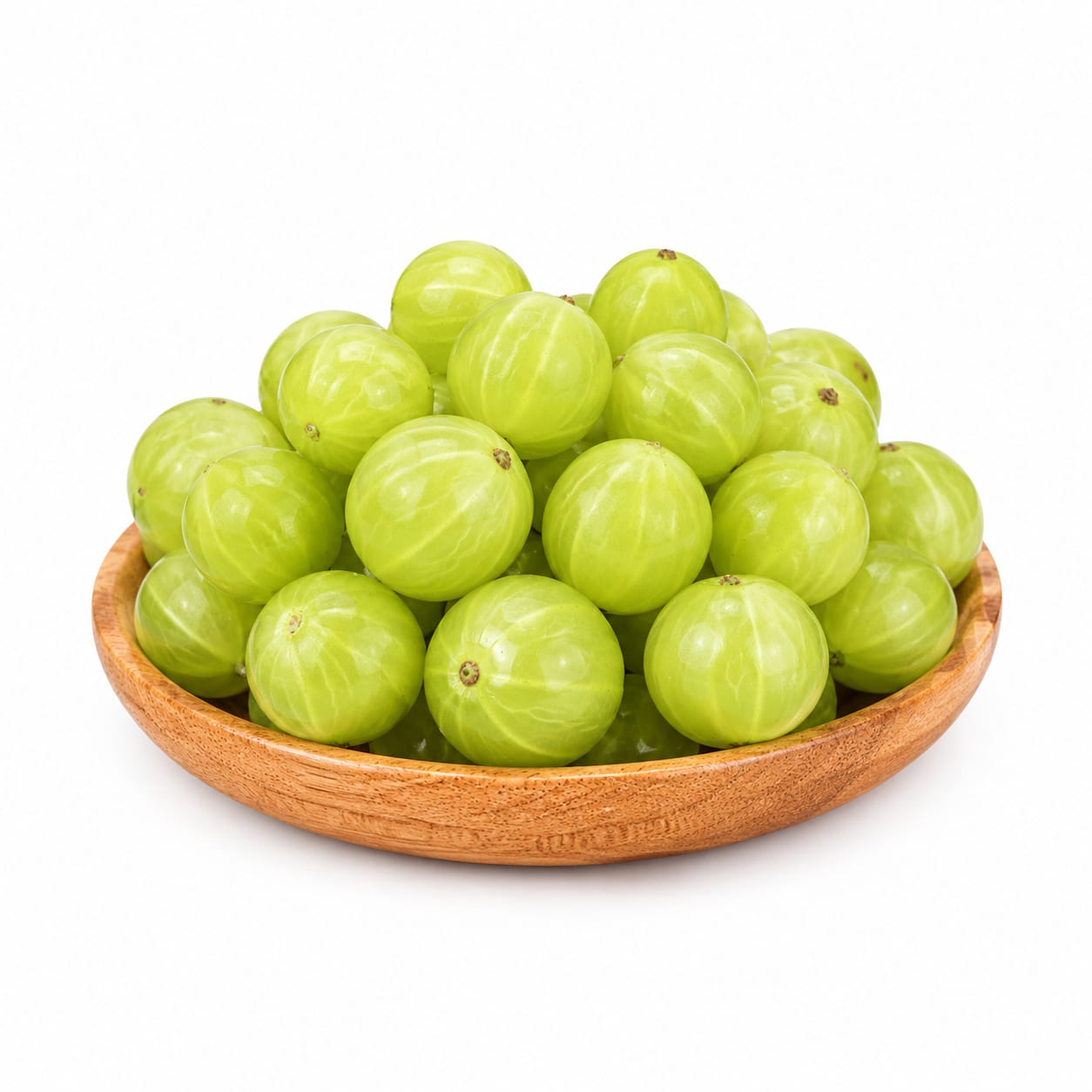
Gooseberry
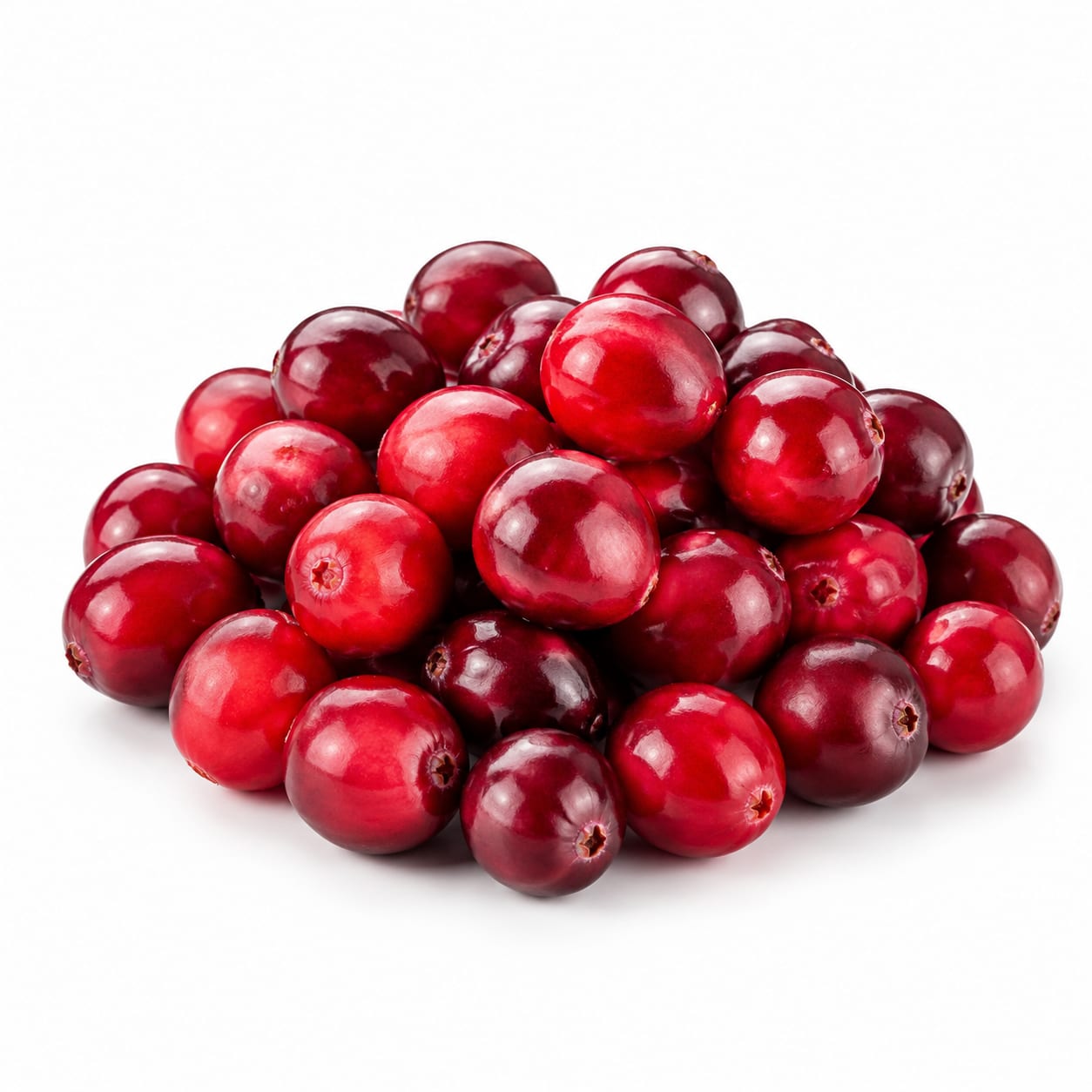
Cranberry
Gooseberry wins for everyday fresh snacking and Vitamin C, while Cranberry is the targeted choice for urinary tract support.
Gooseberry scores higher due to its superior fresh edibility without added sugar and higher Vitamin C content. Cranberry loses points because its most common consumption forms involve significant added sugars, and its oxalate content poses risks for some.
Cranberry offers unique UTI-fighting compounds but almost always requires sweetening to be palatable, adding hidden sugars. Gooseberry delivers more Vitamin C and is enjoyable fresh without the sugar crash.
At a glance
Executive summary
Overall
Gooseberry
Healthier
Gooseberry
More practical
Gooseberry
Daily use
Gooseberry
Key comparison lenses
Specific health benefits comparison
Cranberries are famous for urinary tract health, while gooseberries are prized for immune-boosting Vitamin C.
Sugar and sweetener dependency
Fresh cranberries are extremely tart and usually require added sugar, whereas gooseberries can be eaten fresh more easily.
Antioxidant profile diversity
Both are antioxidant powerhouses, but their phytonutrient profiles serve different bodily systems.
Kidney health and safety
Cranberries contain oxalates which can contribute to kidney stones, a concern not shared by gooseberries.
Best choice for
Gooseberry
- Boosting immunity naturally
- Eating fresh without added sugar
- Increasing daily Vitamin C intake
Cranberry
- Preventing recurrent urinary tract infections
- Adding tart flavor to baked goods or sauces
- Using as a targeted supplement rather than a daily snack
Least suitable for
Gooseberry
- People looking for UTI-specific prevention
- Those who dislike tart flavors even with mild sweetness
Cranberry
- People prone to kidney stones due to oxalates
- Those trying to eliminate added sugars from their diet
Deep comparison
Dimension by dimension
Each lens scores both foods and breaks down who each option suits.
- Dimension 1 · Priority 90Gooseberry
Vitamin C and Immunity
Gooseberry · 92Cranberry · 55Gooseberries are loaded with Vitamin C, far outpacing cranberries in immune support.
Tradeoff
Choosing cranberries means missing out on a massive Vitamin C boost unless you supplement elsewhere.
Why it matters
Vitamin C is crucial for immune defense and skin health, and gooseberries provide it abundantly in a single serving.
Real-world impact
Eating gooseberries during cold season feels like a natural shield, whereas cranberries would barely move the needle on your daily Vitamin C needs.
Gooseberry
- Fighting off seasonal colds
- Supporting collagen production for skin
Better for
Cranberry
- Relying on whole food for daily immune support
Worse for
- Dimension 2 · Priority 88Gooseberry
Sugar Dependency and Palatability
Gooseberry · 80Cranberry · 45Gooseberries can be enjoyed fresh and slightly sweet, while fresh cranberries are overwhelmingly sour and almost always require sweetening.
Tradeoff
If you want cranberry's benefits without the sourness, you likely have to add sugar or buy pre-sweetened products, which negates their low-calorie advantage.
Why it matters
Hidden added sugars in cranberry sauces and dried cranberries can easily derail weight management and blood sugar goals.
Real-world impact
You can pop fresh gooseberries as a snack, but eating raw cranberries is a puckering experience most people only do once.
Gooseberry
- A refreshing no-sugar-added snack
- Keeping daily sugar intake low
Better for
Cranberry
- Avoiding added sugars and syrups
- Finding a naturally sweet treat
Worse for
- Dimension 3 · Priority 95Cranberry
Targeted Health Benefits (UTI Prevention)
Gooseberry · 30Cranberry · 98Cranberries contain unique PACs that prevent bacteria from sticking to the urinary tract walls, a benefit gooseberries lack.
Tradeoff
You must consume cranberry specifically for UTI defense; gooseberry cannot act as a substitute here.
Why it matters
For chronic UTI sufferers, cranberry is a proven, non-antibiotic preventative measure.
Real-world impact
A daily glass of unsweetened cranberry juice or extract can save someone multiple rounds of antibiotics and painful infections.
Gooseberry
- Needing UTI-specific prevention
Worse for
Cranberry
- Preventing urinary tract infections
- Supporting bladder health naturally
Better for
- Dimension 4 · Priority 75Gooseberry
Kidney Health and Oxalate Load
Gooseberry · 85Cranberry · 50Cranberries are moderately high in oxalates, which can contribute to kidney stones in susceptible people. Gooseberries are much safer for kidney health.
Tradeoff
Using cranberries for UTI prevention might inadvertently increase kidney stone risk for a small percentage of people.
Why it matters
Kidney stones are intensely painful, and dietary oxalates are a primary trigger for calcium oxalate stones.
Real-world impact
If you have a history of kidney stones, cranberry juice might be off-limits, making gooseberry a safer tart fruit alternative.
Gooseberry
- A low-oxalate diet
- People with a history of kidney stones
Better for
Cranberry
- Those managing calcium oxalate kidney stones
Worse for
Timeline
Health impact over time
Short-term
Hours to days
Gooseberry
- Quick Vitamin C boost for immediate immune support
- Mild digestive aid from natural fiber and acidity
Cranberry
- Sour taste can stimulate saliva and digestion
- Immediate puckering sensation if eaten raw without sugar
Long-term
Months to years
Gooseberry
- Sustained immune resilience and better skin health
- Consistent antioxidant protection without added sugar
Cranberry
- Significant reduction in UTI recurrence for prone individuals
- Potential increased risk of kidney stones if consumed heavily in high-oxalate forms
Risk profile
Safety & processing
While both are whole foods when fresh, cranberries are rarely consumed that way. Most cranberry products involve heavy sweetening or juicing, introducing additives and stripping fiber. Gooseberries are more commonly eaten whole and unprocessed.
Gooseberry
Pesticide residue
mediumConventional gooseberries can carry pesticide residue due to their thin skin, so washing thoroughly or buying organic is advised.
Cranberry
Kidney stone formation
mediumCranberries contain oxalates which bind with calcium to form stones in susceptible individuals.
Added sugar toxicity
highBecause fresh cranberries are so tart, they are often consumed as sweetened dried fruit or juice, drastically increasing sugar intake and metabolic risk.
Who wins for whom
Audience fit
Same foods, different winners depending on your goal.
children
GooseberryChildren are more likely to accept the milder tartness of gooseberries compared to the extreme sourness of fresh cranberries, avoiding the need for sugary cranberry sauces.
daily consumption
GooseberryGooseberries are easier to incorporate daily as a fresh, whole-fruit snack without the sugar crash or oxalate buildup risks associated with daily cranberry intake.
diabetes
GooseberryGooseberries offer a tart, low-sugar fresh fruit option. Cranberries are naturally low in sugar, but their common sweetened forms make them dangerous for blood sugar control.
elderly
CranberryElderly individuals are more prone to UTIs, making cranberry's specific preventative benefits highly valuable despite the need for sweetening.
muscle gain
It dependsNeither fruit is particularly useful for muscle gain, as both lack significant protein. Both serve better as vitamin-rich sides.
weight loss
GooseberryGooseberries can be eaten fresh without added sugar, keeping calories low and satiety high. Most cranberry snacks are loaded with added sugars that spike hunger.
Your move
Decision guide
Choose Gooseberry
- You want a fresh, low-sugar fruit to snack on
- You are focused on boosting your Vitamin C and immunity
- You have a history of kidney stones and need to avoid oxalates
Choose Cranberry
- You struggle with recurring urinary tract infections
- You are making a sauce or baked good where added sugar is already part of the recipe
- You prefer taking a targeted fruit extract for bladder health
Either works if
- You want to increase your daily antioxidant intake
- You are looking for tart fruits to flavor water or kombucha
Avoid both if
- You are sensitive to highly acidic foods and have GERD or acid reflux
Final recommendation
Keep gooseberries in your fridge for a daily, no-sugar-added Vitamin C snack. Save cranberries for targeted UTI prevention or holiday recipes, but be mindful of the added sugar that usually comes with them.
Practical
Consumer tips
- 1
If you buy cranberry juice for UTIs, look for 100% pure unsweetened juice, not cranberry cocktail which is loaded with sugar.
- 2
Frozen gooseberries retain their Vitamin C well and are often easier to find than fresh.
- 3
If you want the benefits of cranberries without the sugar, consider a cranberry extract supplement instead of sweetened dried cranberries.
- 4
Always wash gooseberries thoroughly to remove any residual pesticides from their delicate skins.