
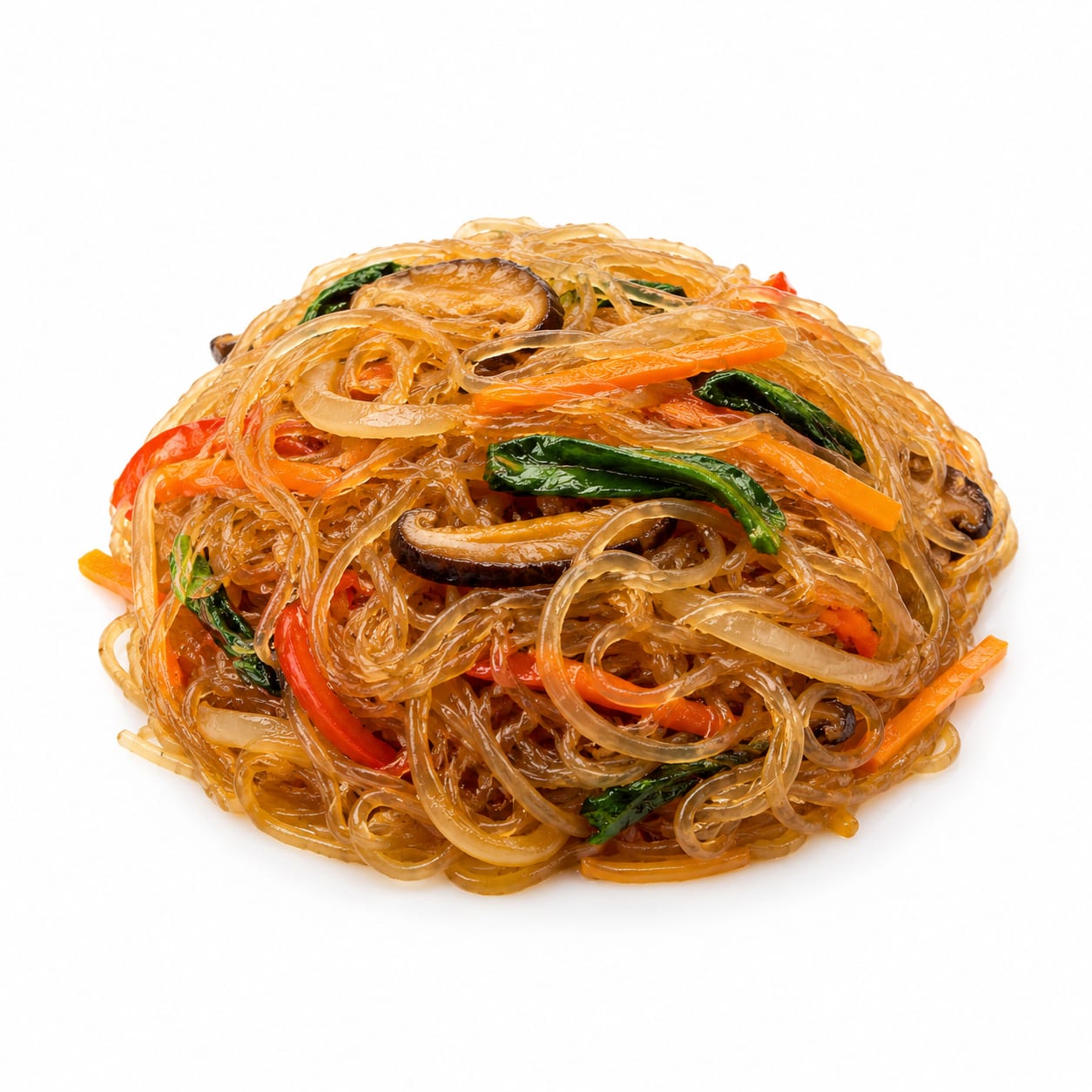
Starch Noodles
Glass Noodle
A transparent, gelatinous noodle made from starch and water, commonly used in Asian soups and stir-fries.
Transparent noodles made from starch and water, commonly used in Asian cuisines, which turn gelatinous and translucent when cooked.
fast-digesting refined carbohydrate source
Typical serving · 100g
Common varieties · mung bean starch, sweet potato starch, potato starch, tapioca starch, pea starch
Overall context score across nutrition, safety, and diet fit
At a glance
Quick facts
Simple indicators based on nutrition, processing, and diet fit.
The story
What makes it unique
Glass noodles are composed almost entirely of extracted starch and water, resulting in a macronutrient profile high in refined carbohydrates with negligible protein or fiber. Digestion speed is rapid due to the lack of structural fibers or fats, leading to quick gastric emptying and low satiety. Processing involves industrial starch extraction and gelatinization, yielding a highly refined carbohydrate product.
Varieties: mung bean starch · sweet potato starch · potato starch · tapioca starch · pea starch
Per 100g
Nutrition breakdown
Macro balance and key metrics at a glance.
Energy
Density 0.84 kcal/g
Protein
Carbs
Fat
Fiber
Sugar
0 g
Sodium
5 mg
Potassium
10 mg
Glycemic index
45
Glycemic load
9
Water content
78%
Standout compounds
Nutrient highlights
Carbohydrates
highProvides rapid energy for physical activity
Sodium
lowNaturally low sodium content benefits blood pressure
Iron
lowContains trace amounts from mung bean starch
Wellness map
Health scores & processing
NOVA processing scale
Processed culinary ingredient · Whole food
Starch is industrially extracted from whole foods like mung beans or tubers, then combined with water and reshaped into noodles. While minimal additives are used, the heavy refinement strips away natural nutrients.
Diet compatibility
- Weight loss
- Muscle gain
- Diabetes
- Gut health
- Low carb
- High protein
- Heart health
Relative standing
Food rankings
Qualitative ranks compared to similar whole foods.
- Satietypoor
- Blood sugarmoderate
- Nutrient densitypoor
- Fitness fuelgood
- Processing qualitymoderate
Eat with confidence
Food safety profile
Glass noodles are generally safe, but unregulated imports may contain alum as an illegal whitening agent, which poses a moderate heavy metal risk with frequent consumption.
Evidence confidence 85%
- Pesticideslow
- Antibioticslow
- Heavy metalsmoderate
- Contaminationlow
Watch for
- aluminum sulfate (alum)
Safer choices
Certified organic brands or products explicitly labeled 'alum-free' from reputable manufacturers.
Prep tips
Rinse thoroughly after boiling to remove surface starches and any potential processing residues.
Alum is occasionally used illegally as a firming or whitening agent in unregulated imports, raising concerns about heavy metal accumulation.
Deep dive
Health analysis
How this food may fit different goals and preparation choices.
Weight loss
Low calorie density helps, but poor satiety often leads to overeating later in the day.
Blood sugar
Can cause rapid blood sugar spikes depending on the base starch, especially potato or tapioca variants, though mung bean versions have a slightly lower glycemic impact.
Fitness & energy
Easily digestible carbs make it a quick pre-workout fuel, but it lacks protein for muscle recovery.
Gut health
Very low fiber offers minimal prebiotic benefit for the gut microbiome.
Processing quality
Highly refined starch extraction strips away natural nutrients, leaving mostly empty carbohydrates.
Food safety
Generally safe, but consumers should seek alum-free varieties to avoid unnecessary aluminum intake from unregulated brands.
Common mistakes
Assuming they are a low-carb or healthy alternative to wheat pasta due to their transparent, light appearance.
Best preparation
Boil, rinse, and add to soups or stir-fries paired with lean proteins and high-fiber vegetables to balance the meal.
Practical guide
Best use cases
When and how this food fits real eating patterns.
Pre-workout energy
Provides fast-digesting carbohydrates for quick energy before exercise without causing heavy stomach discomfort.
Gluten-free cooking
Serves as a safe, naturally gluten-free alternative to wheat-based noodles in soups and stir-fries.
Light soup addition
Absorbs broths well and adds textural variety to soups without adding heavy fats or dense calories.
Balance sheet
Pros & cons
Upsides
- Naturally gluten-free
- Very low fat and sodium
- Quick cooking and highly versatile
- Provides fast-digesting energy for athletes
Trade-offs
- Very low in protein and fiber
- Can spike blood sugar rapidly
- Poor satiety leads to hunger soon after eating
- Highly refined with minimal micronutrients
Fit check
Who is it for?
Great match
- pre-workout carb loading
- gluten-free diets
- light soup additions
Consider alternatives
- strict low-carb diets
- diabetes management
- high-protein diets
- satiety-focused weight loss
Side by side
How it compares
Open the full head-to-head analysis for nutrition, safety, and practical tradeoffs.
This food
Glass Noodle
VS85% alike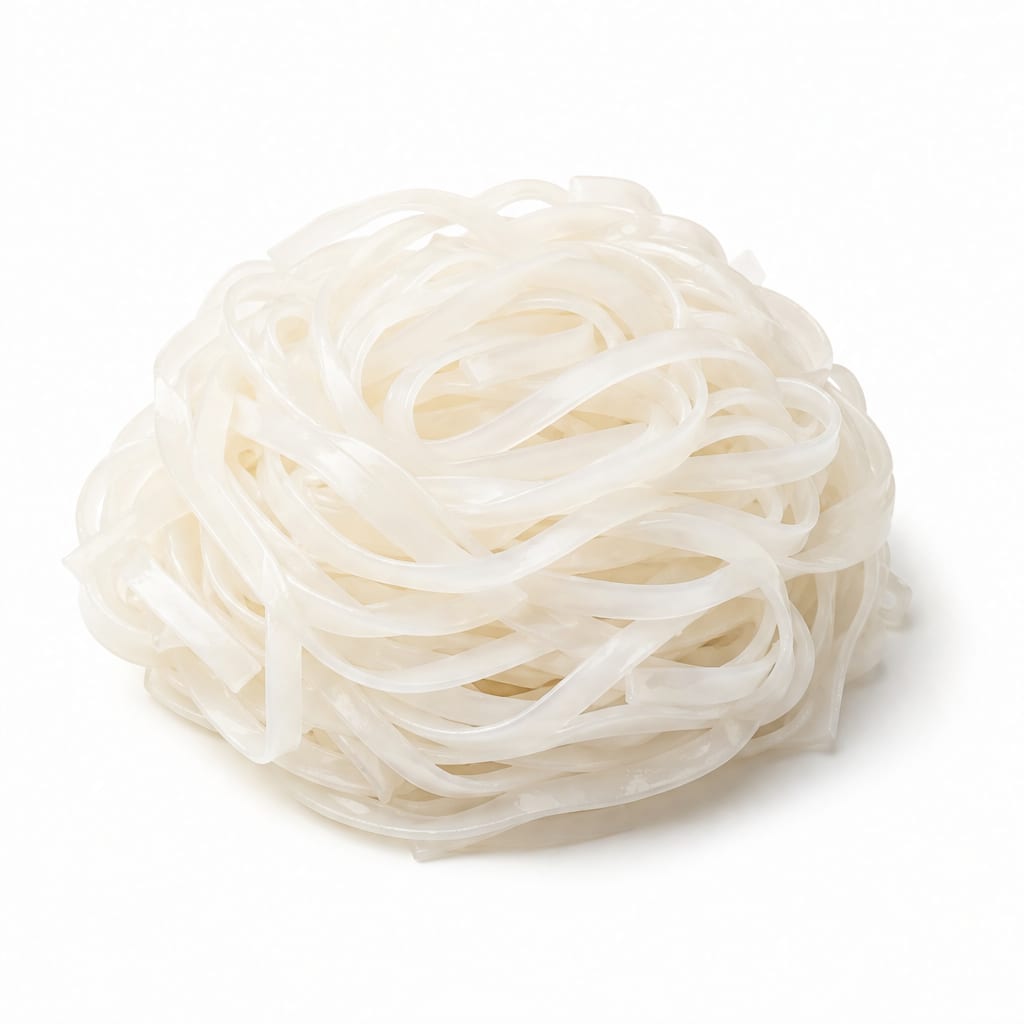
Compare with
Rice Noodles
Glass noodles and rice noodles are both refined gluten-free carbs, but glass noodles are slightly lower in calories while rice noodles offer marginally more protein.
Glass noodles are slightly lower in calories than rice noodles, but both have similar impacts on blood sugar and satiety.
This food
Glass Noodle
VS70% alike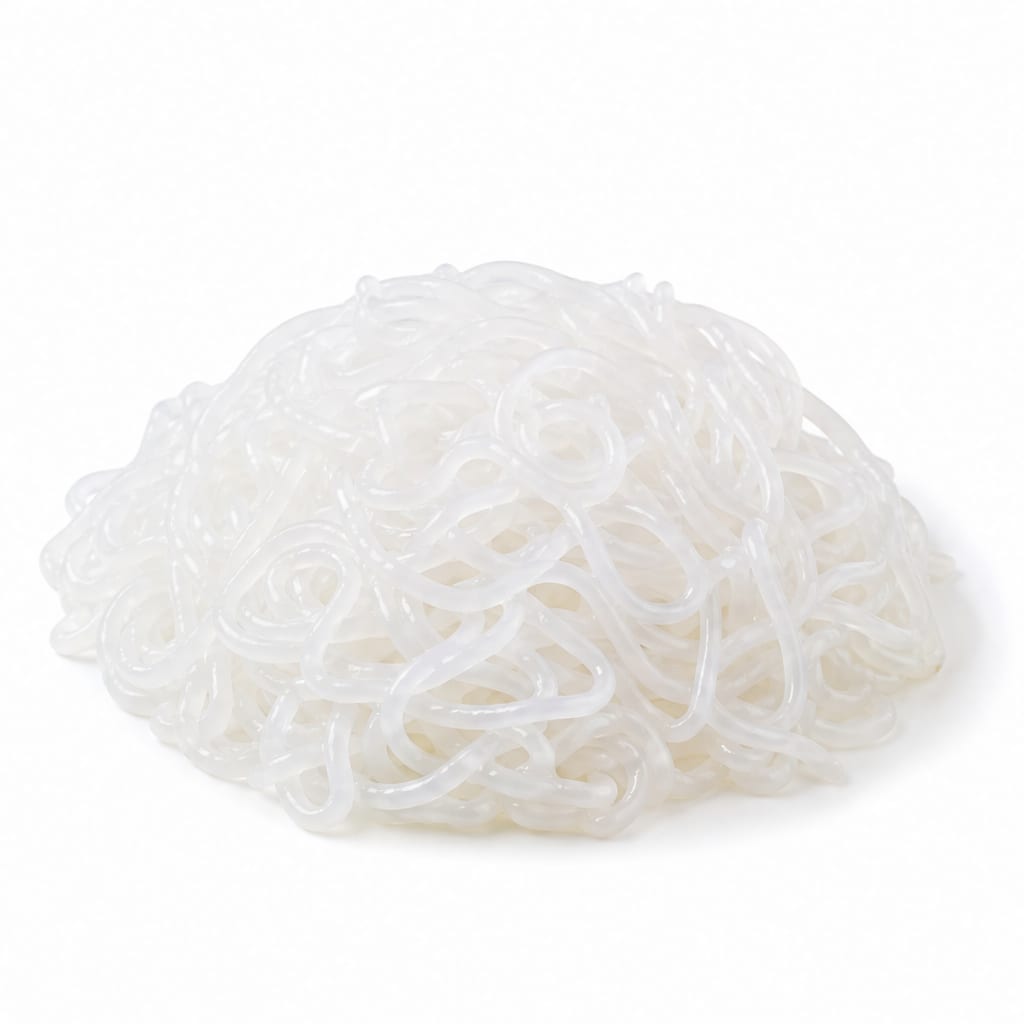
Compare with
Shirataki Noodles
Shirataki noodles are near-zero calorie and carb, while glass noodles provide actual caloric energy from starch.
Shirataki noodles are virtually zero-calorie and better for weight loss, while glass noodles provide actual carbohydrate energy for active lifestyles.
This food
Glass Noodle
VS65% alike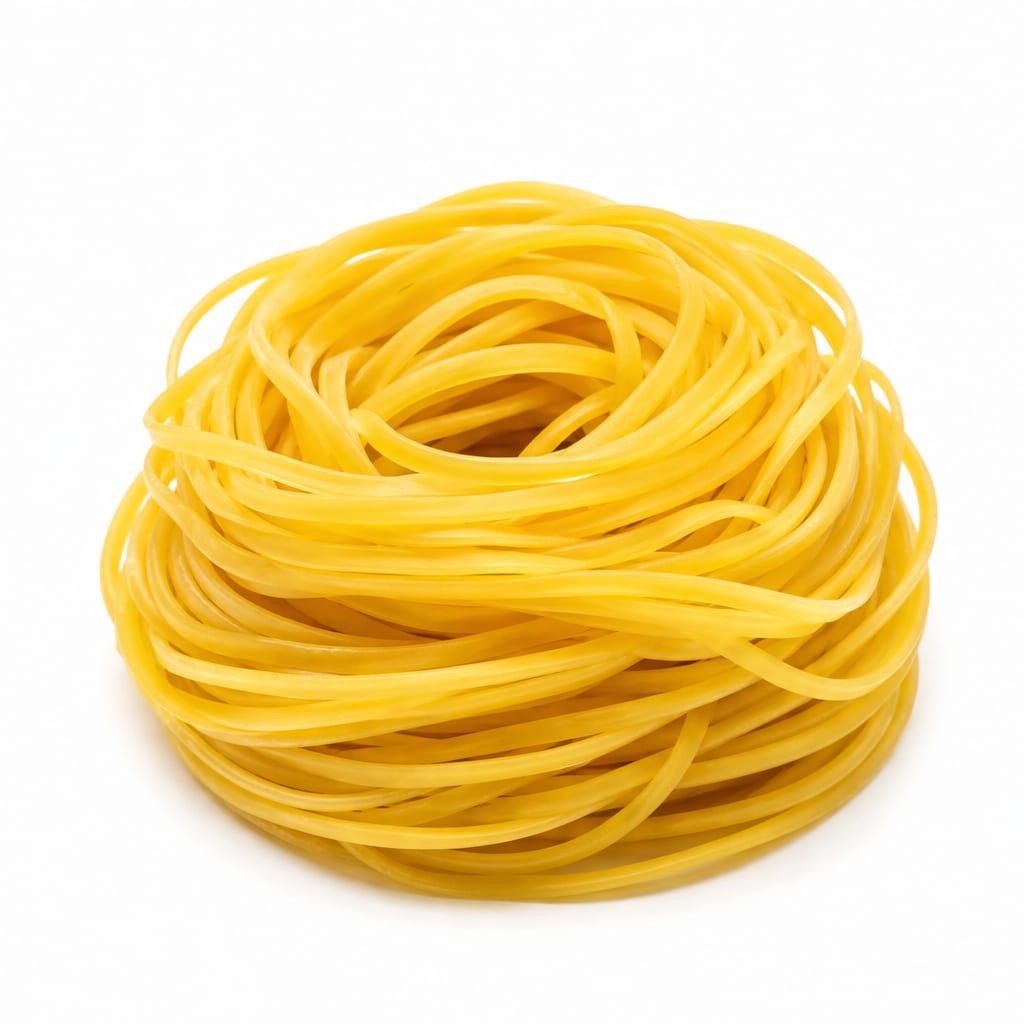
Compare with
Egg Noodles
Egg noodles provide more protein and fat, increasing satiety, while glass noodles are lower in calories and fat-free.
Egg noodles offer more protein and satiety for muscle maintenance, while glass noodles are a lighter, lower-calorie option.
This food
Glass Noodle
VS75% alike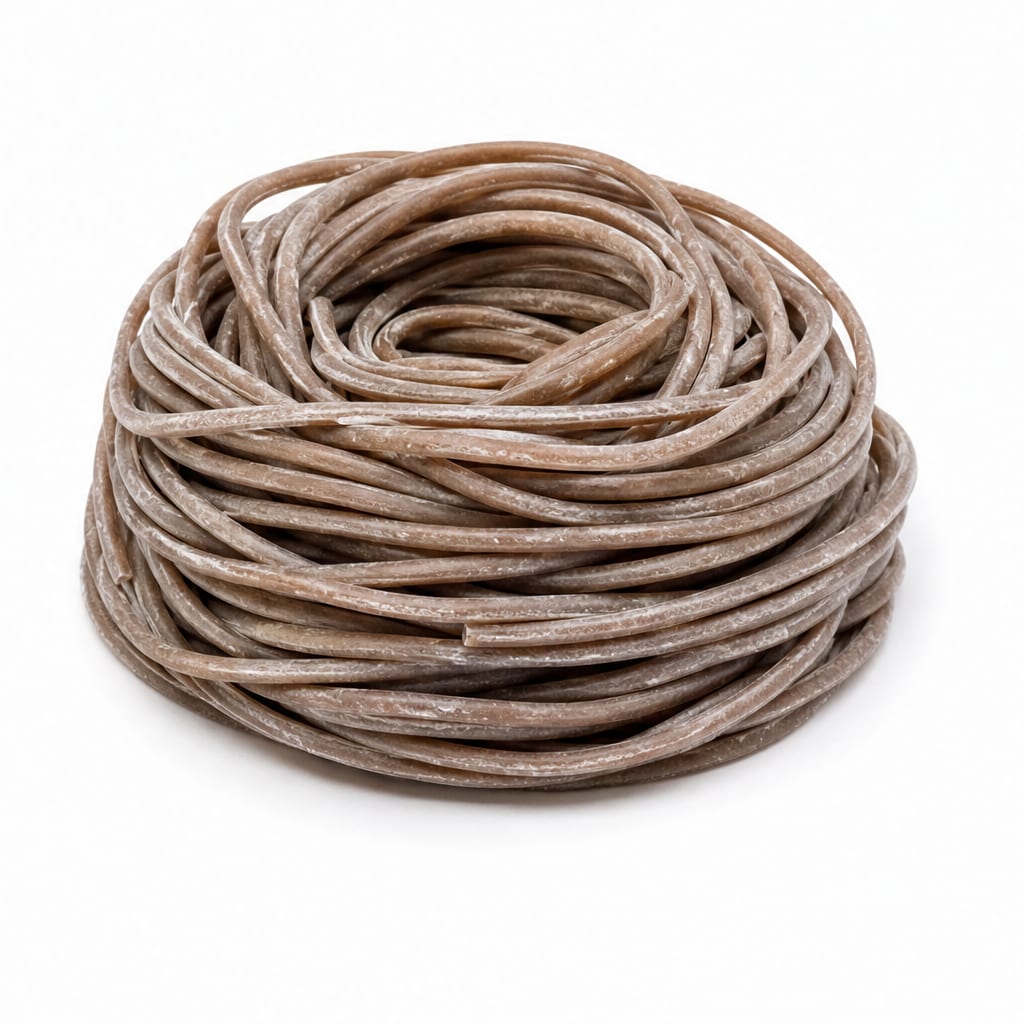
Compare with
Soba Noodles
Soba noodles, made from buckwheat, offer significantly more fiber and protein than glass noodles, providing better blood sugar control.
Soba noodles provide much more fiber and protein than glass noodles, making them far better for blood sugar control and keeping you full.
This food
Glass Noodle
VS70% alike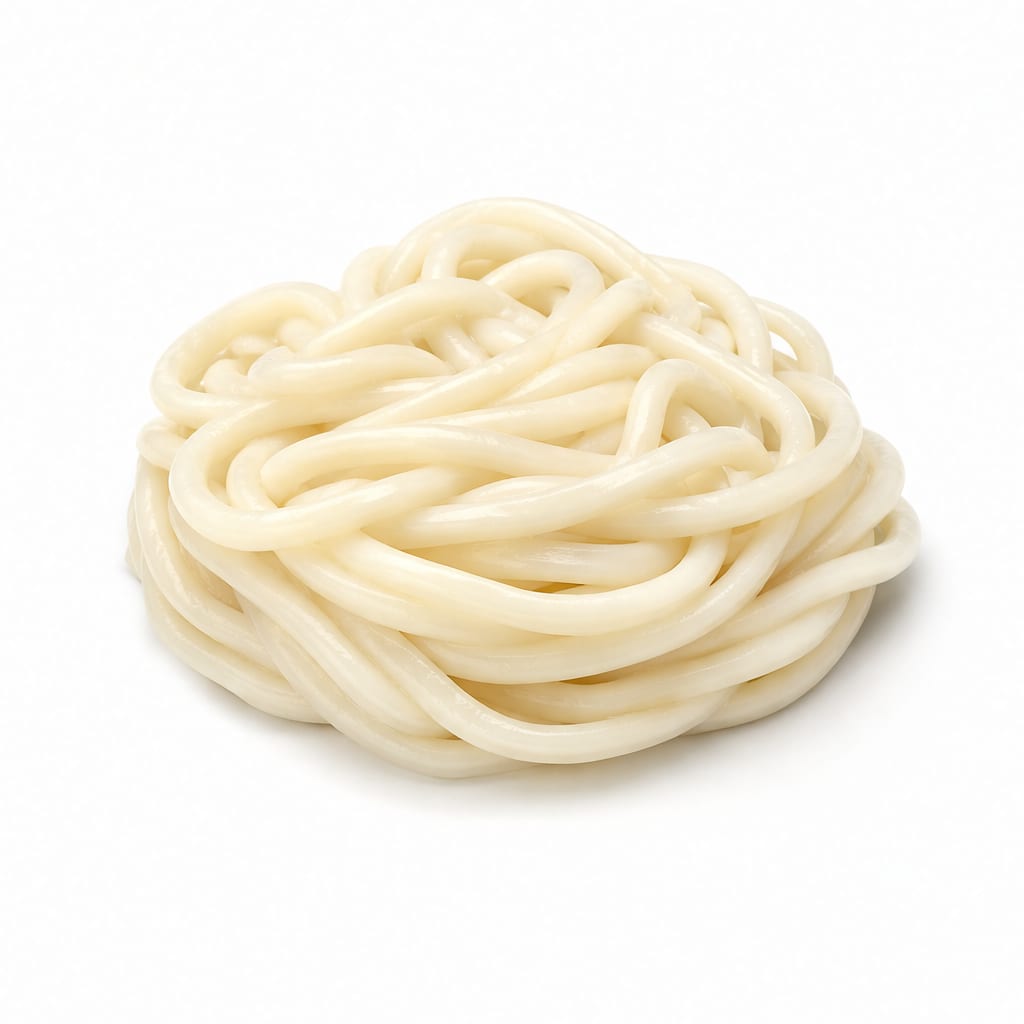
Compare with
Udon Noodles
Glass noodles are lower in calories and gluten-free compared to udon, but udon's wheat base provides slightly better satiety.
Glass noodles are lower in calories than udon, but udon noodles are more filling due to their thicker, wheat-based texture.
This food
Glass Noodle
VS60% alike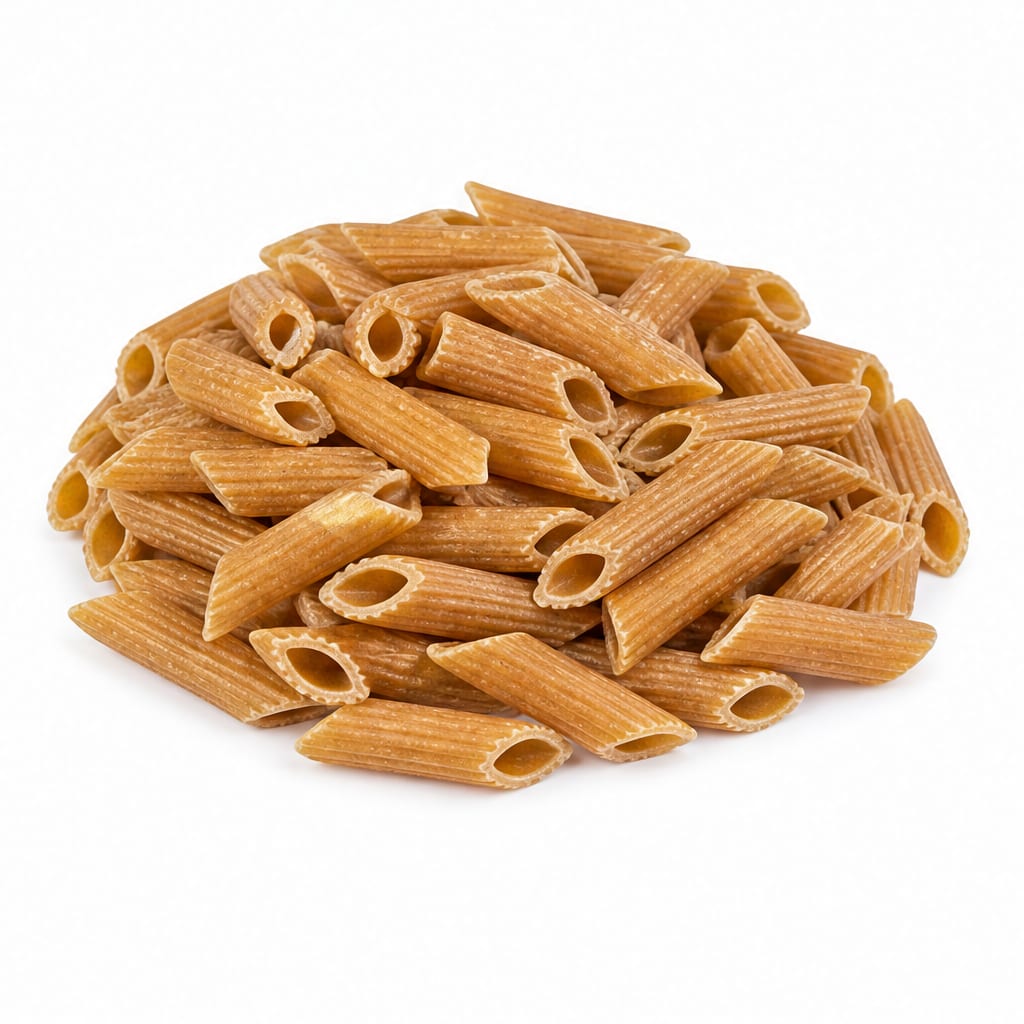
Compare with
Whole Wheat Pasta
Whole wheat pasta dominates in fiber, protein, and satiety, whereas glass noodles are a lighter, lower-calorie but less nutritious option.
Whole wheat pasta is far more nutritious and filling than glass noodles, which lack fiber and protein.
This food
Glass Noodle
VS90% alike
Compare with
Sweet Potato Noodles
Sweet potato noodles are nutritionally similar to glass noodles but contain slightly more natural vitamins and fiber from the tuber.
Sweet potato noodles offer slightly more nutrients and fiber than glass noodles, though both are refined starches.
This food
Glass Noodle
VS50% alike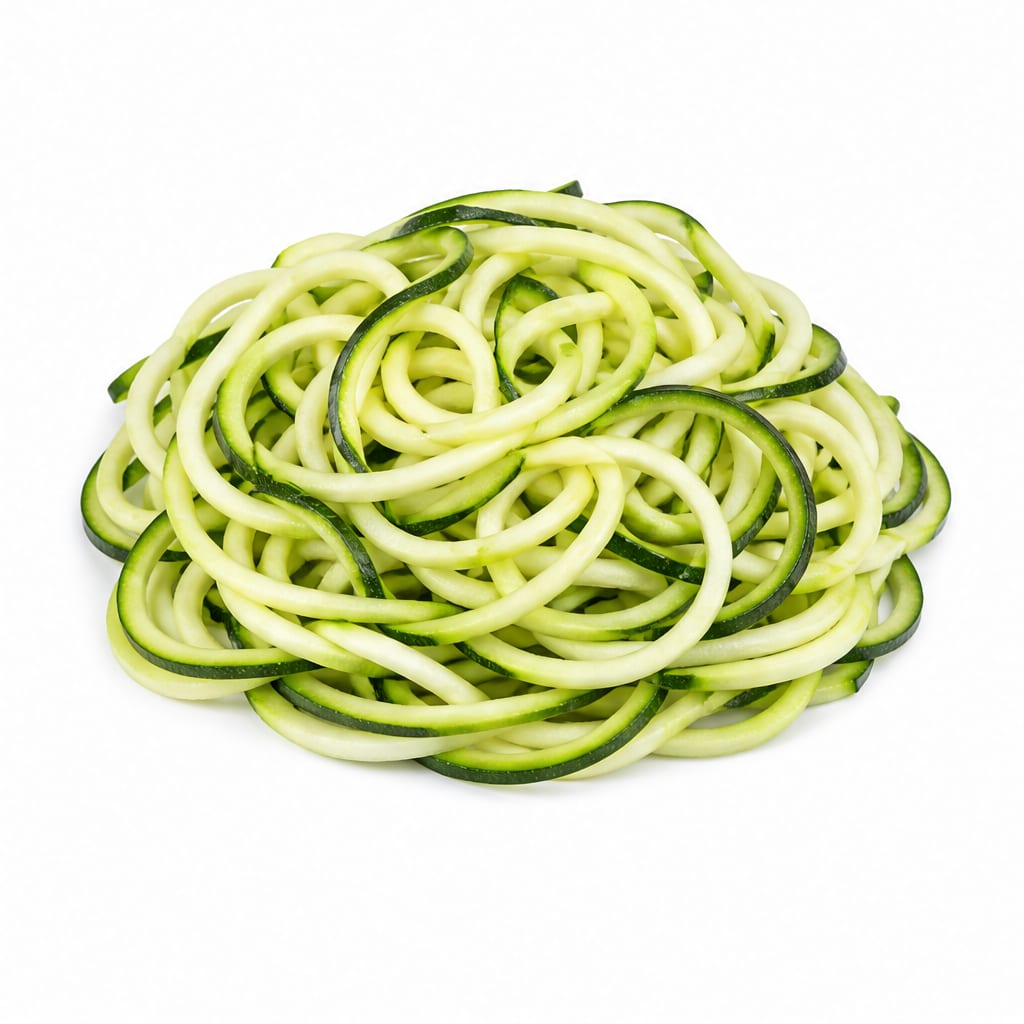
Compare with
Zucchini Noodles
Zucchini noodles are a low-calorie, low-carb vegetable alternative, far better for weight loss than the carbohydrate-dense glass noodles.
Zucchini noodles are dramatically lower in carbs and calories than glass noodles, making them the clear choice for weight loss.
This food
Glass Noodle
VS60% alike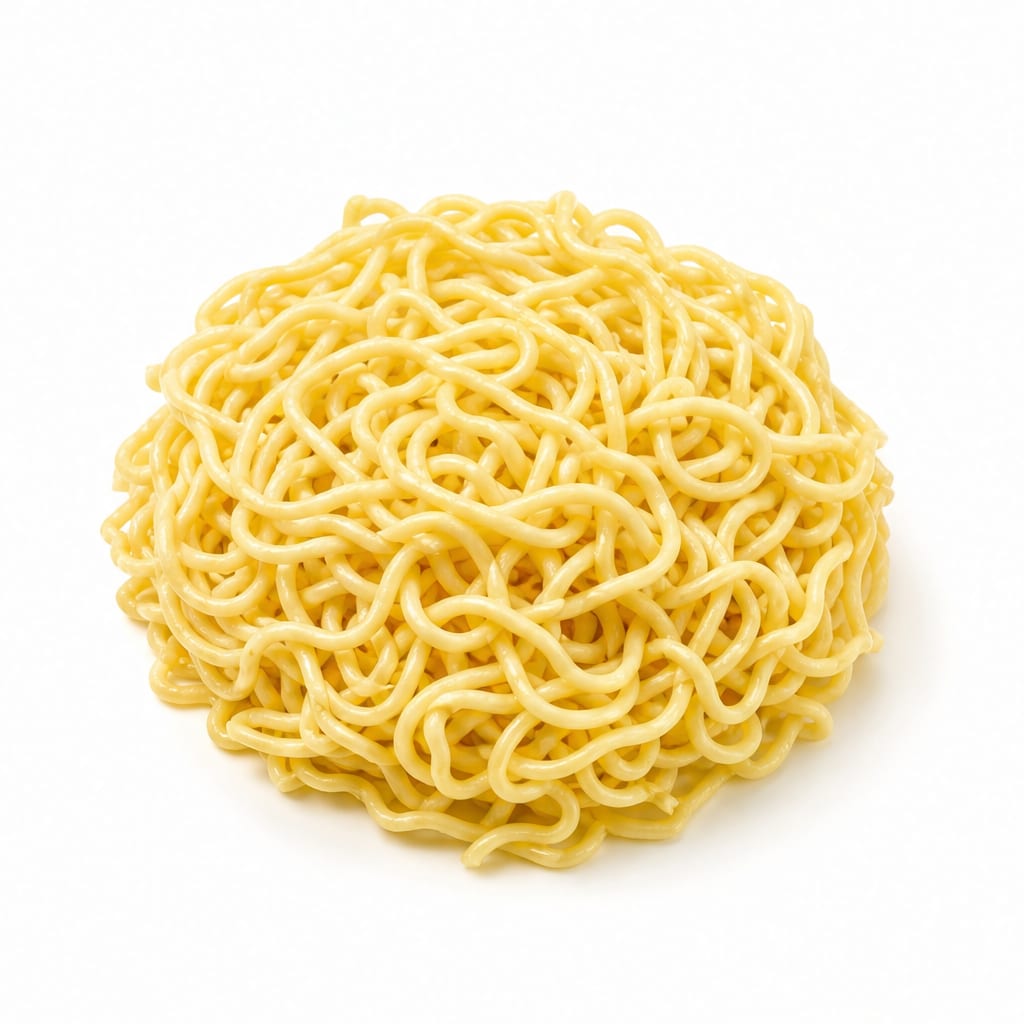
Compare with
Ramen Noodles
Glass noodles are a much healthier, lower-fat alternative to deep-fried instant ramen, offering cleaner energy without unhealthy oils.
Glass noodles are a far healthier alternative to instant ramen, avoiding the deep-frying and high sodium of most ramen blocks.
This food
Glass Noodle
VS55% alike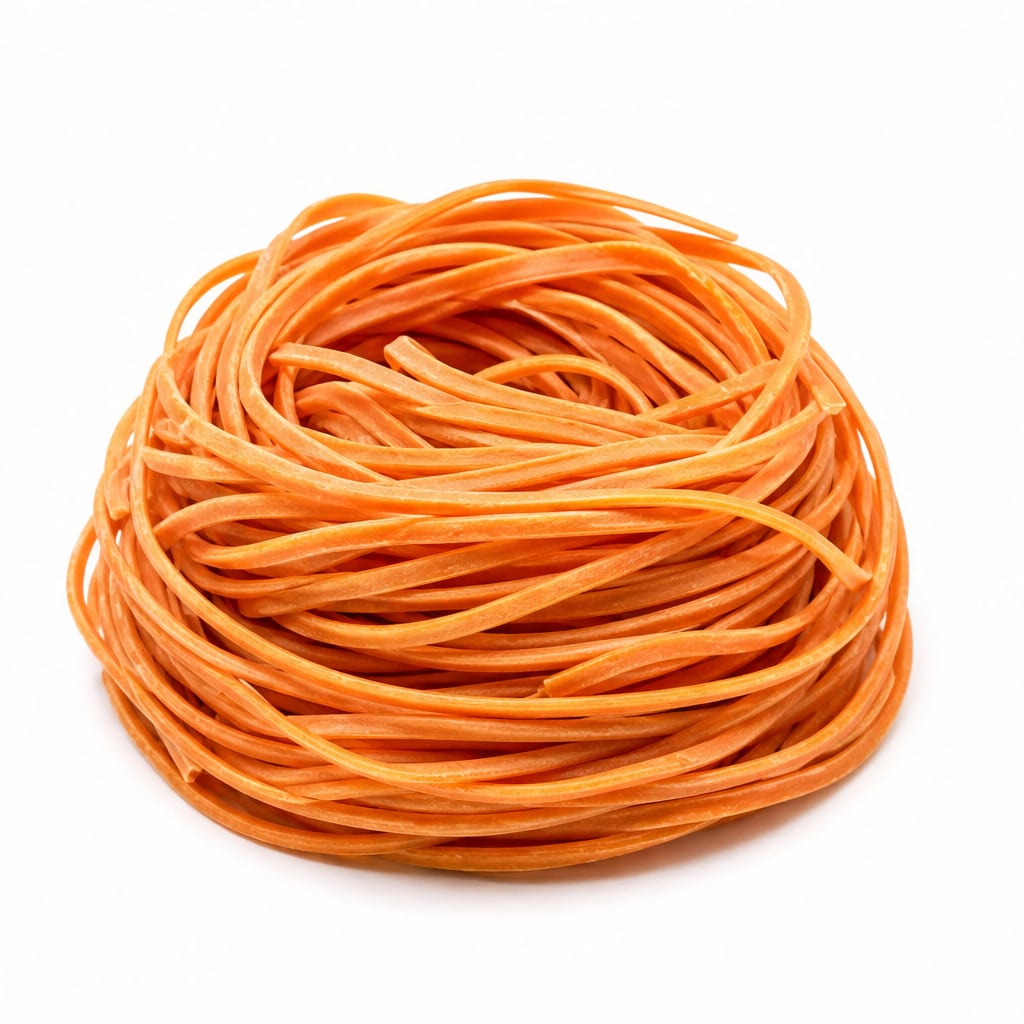
Compare with
Lentil Pasta
Lentil pasta provides a massive protein and fiber upgrade over glass noodles, making it far superior for satiety and blood sugar management.
Lentil pasta crushes glass noodles in protein and fiber, making it much better for keeping you full and stabilizing blood sugar.
Common questions
FAQ
Answers aligned with how people search for this food.
Are glass noodles good for weight loss?
They are low in calories but poor at keeping you full. Without fiber or protein, they digest quickly, which can trigger hunger soon after eating, making them a mediocre choice for weight loss unless paired with filling proteins and veggies.
Do glass noodles spike blood sugar?
Yes, they can. Because they are made almost entirely of refined starch, they digest rapidly. Mung bean glass noodles have a moderate glycemic index, but potato or tapioca-based versions can spike blood sugar significantly.
What are glass noodles made of?
They are made from starch extracted from mung beans, sweet potatoes, potatoes, or tapioca, mixed with water. The dough is extruded into threads and dried, becoming transparent when cooked.
Are glass noodles healthier than rice noodles?
They are nutritionally very similar. Glass noodles are slightly lower in calories and carbohydrates than rice noodles, but both are highly refined, low in protein and fiber, and function primarily as empty carbohydrate sources.
Can diabetics eat glass noodles?
Portion control is essential. Due to their high refined starch content, they can raise blood sugar quickly. Diabetics should opt for mung bean varieties over potato starch, keep portions small, and pair them with fiber and protein.
How many carbs are in glass noodles?
Cooked glass noodles contain about 20 grams of carbohydrates per 100 grams. Dried glass noodles are much denser, containing around 85 grams of carbohydrates per 100 grams before cooking.
Are glass noodles keto-friendly?
No, they are not keto-friendly. They are almost pure carbohydrate and will easily exceed the strict daily carb limits required to maintain ketosis.
Do glass noodles have gluten?
Pure glass noodles made from mung bean, potato, or tapioca starch are naturally gluten-free. However, always check labels for cross-contamination if you have celiac disease.
Transparency
Data confidence
Estimated confidence for nutrition data, interpretation, safety notes, and comparisons.
Nutrition data
Health analysis
Food safety
Comparisons