
Nutrition comparison
Glass Noodles vs Ramen: Which Is Actually Healthier?
Compare glass noodles and ramen noodles on sodium, calories, processing, and health impact. Find out which noodle is better for weight loss, blood pressure, and daily eating.
Overall winner · Glass Noodle
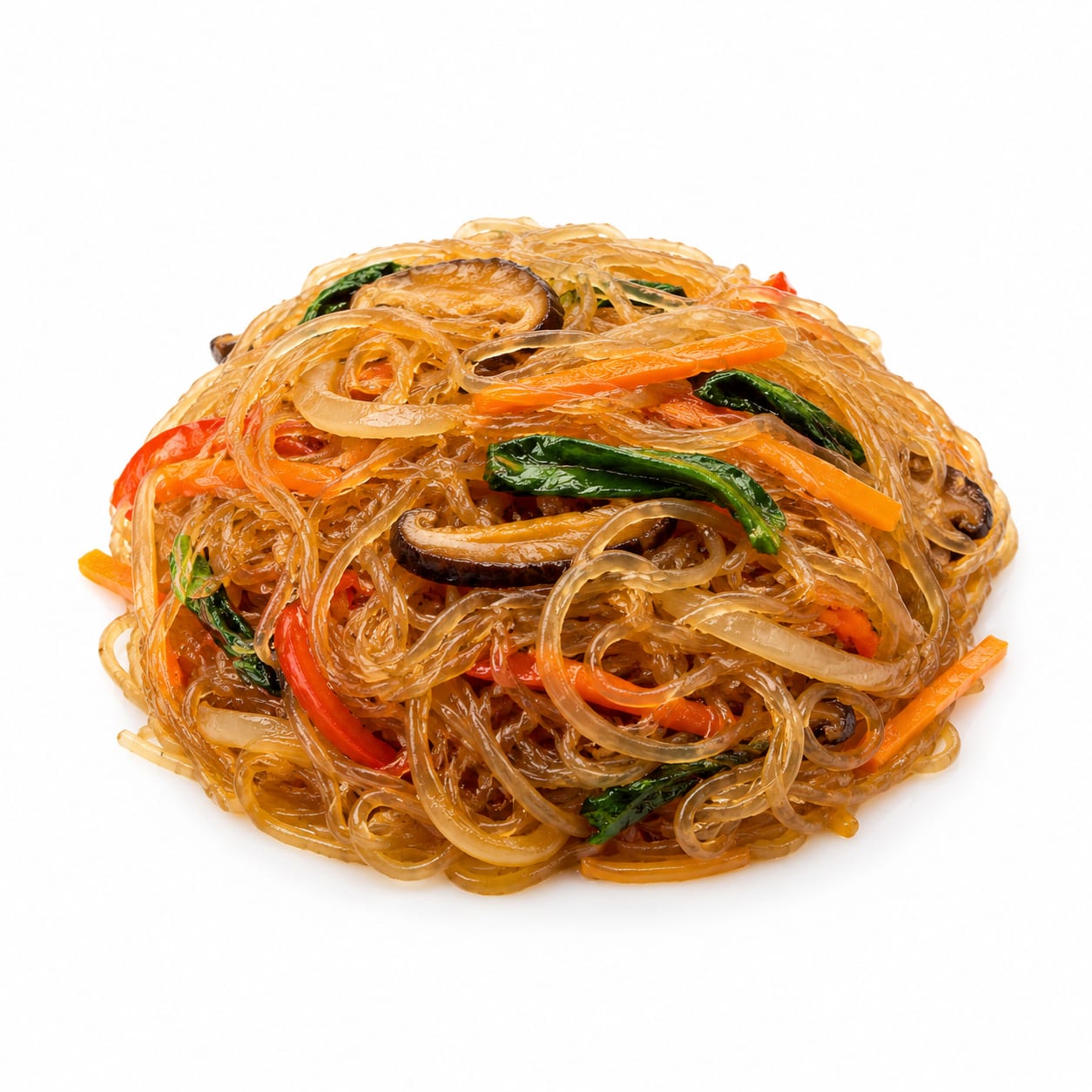
Glass Noodle
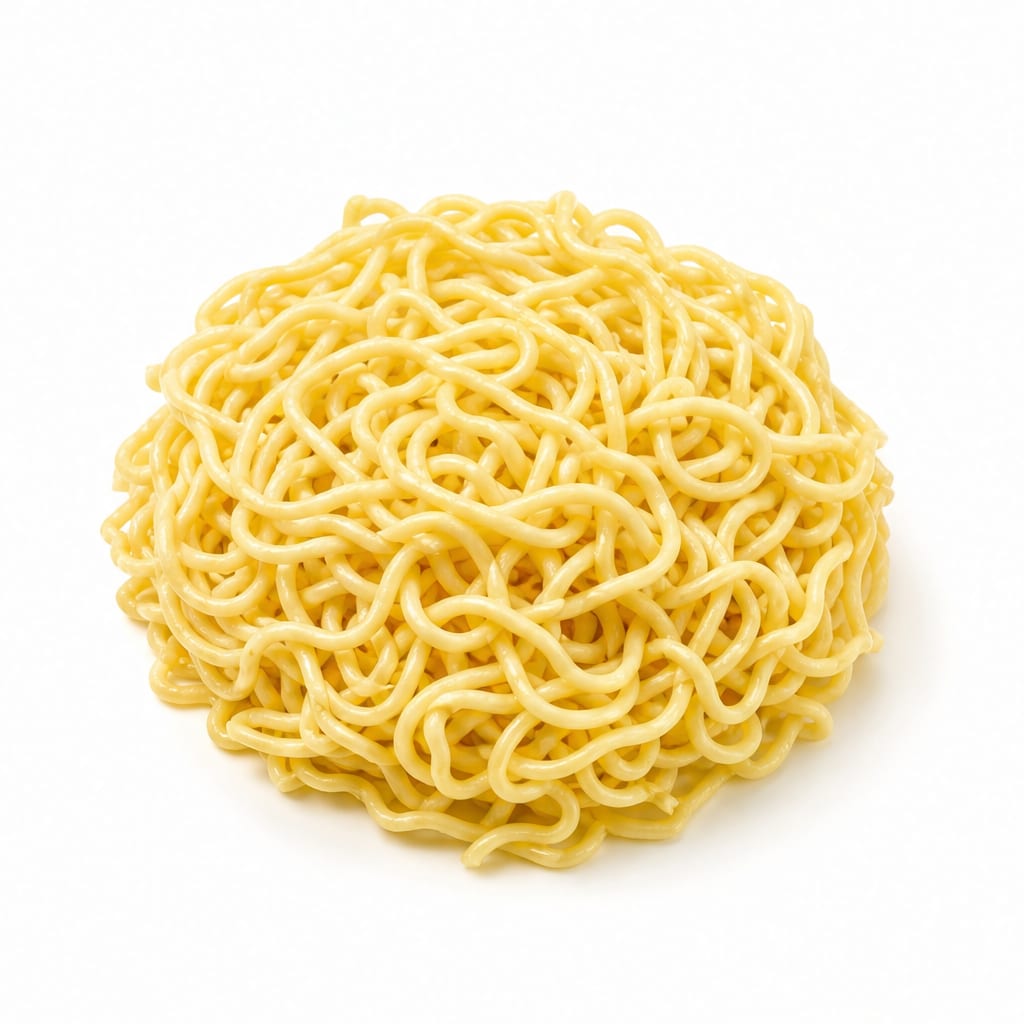
Ramen Noodles
Glass noodles win on lightness, lower sodium, and cleaner ingredients, but both are nutritionally weak carb bases that need protein and vegetables to become real meals.
Glass noodles score moderately because while they avoid the worst problems of ramen, they remain a nutrient-poor refined carb. Ramen scores lower due to extreme sodium, deep-fried processing, and preservative concerns that create real health tradeoffs with frequent consumption.
Glass noodles give you a cleaner, lighter canvas with fewer health risks, while ramen delivers bolder flavor and more filling fat at the cost of extreme sodium and ultra-processing.
At a glance
Executive summary
Overall
Glass Noodle
Healthier
Glass Noodle
More practical
Ramen Noodles
Daily use
Glass Noodle
Key comparison lenses
lower sodium choice
Ramen seasoning packets deliver extreme sodium loads that dominate the health comparison
processing and additive concerns
Instant ramen is ultra-processed with preservatives like TBHQ; glass noodles are simpler starch products
calorie and weight management
Glass noodles are significantly lower in calories and fat, making them relevant for weight-conscious eaters
gluten free dietary needs
Glass noodles are naturally gluten-free while ramen is wheat-based, a key decision factor for many
convenience and quick meals
Both are quick-cooking pantry staples but ramen's included seasoning makes it slightly more convenient
blood sugar management
Both are high-glycemic refined carbs but the comparison matters for diabetic or insulin-resistant users
Best choice for
Glass Noodle
- People managing high blood pressure who must limit sodium
- Gluten-free or celiac diners needing a noodle alternative
- Weight-conscious eaters wanting a lower-calorie carb base
- Anyone avoiding ultra-processed foods and artificial preservatives
- Light lunch seekers who prefer not feeling heavy afterward
Ramen Noodles
- Busy students or workers needing a filling meal in under 5 minutes
- People craving comfort food with rich umami flavor
- Those who struggle to eat enough calories and need energy density
- Budget-conscious eaters needing maximum calories per dollar
- Post-illness recovery when easy digestion and salt replenishment matter
Least suitable for
Glass Noodle
- Athletes needing substantial post-workout calories and protein
- People prone to overeating who find low-calorie foods unsatisfying
- Anyone seeking a complete meal without adding ingredients
Ramen Noodles
- People with hypertension or sodium-sensitive conditions
- Clean-eating advocates avoiding ultra-processed foods
- Gluten-intolerant or celiac individuals
- Children who should not consume adult-level sodium doses
Deep comparison
Dimension by dimension
Each lens scores both foods and breaks down who each option suits.
- Dimension 1 · Priority 95Glass Noodle
sodium_load
Glass Noodle · 75Ramen Noodles · 10Plain glass noodles contain almost no sodium, while a single ramen packet can deliver 50-80% of your daily limit.
Tradeoff
Glass noodles require you to season yourself, which takes more effort but gives you full control. Ramen's convenience comes with a sodium dose your body will notice.
Why it matters
Consistent high sodium intake raises blood pressure and strains kidneys over time. One ramen packet won't hurt you, but daily consumption adds up fast.
Real-world impact
After eating ramen, you might feel bloated and thirsty for hours. Glass noodles with light seasoning leave you feeling lighter and less puffy the next morning.
Glass Noodle
- Blood pressure management
- Kidney health preservation
- Reduced water retention and bloating
Better for
- Bland taste without added seasoning effort
Worse for
Ramen Noodles
- Post-exercise salt replenishment after heavy sweating
- Situations where electrolyte loss needs quick replacement
Better for
- Daily consumption sodium overload
- Blood pressure spikes in sensitive individuals
- Chronic kidney stress with regular intake
Worse for
- Dimension 2 · Priority 88Glass Noodle
processing_and_additives
Glass Noodle · 70Ramen Noodles · 20Glass noodles are typically just starch and water. Instant ramen is deep-fried, preserved with TBHQ, and loaded with flavor enhancers.
Tradeoff
Simpler ingredients mean fewer risks but also less built-in flavor. Ramen's complex additive profile creates taste convenience at a health cost.
Why it matters
TBHQ and other preservatives in instant ramen have been linked to headaches, nausea, and potential long-term concerns with frequent exposure. Glass noodles avoid most of these issues entirely.
Real-world impact
If you eat instant ramen multiple times weekly, you're regularly ingesting preservatives your liver must process. Glass noodles skip that burden entirely.
Glass Noodle
- Clean-label eating with recognizable ingredients
- Avoiding preservatives and artificial flavor enhancers
- Lower inflammatory load on the body
Better for
- Less flavor complexity without added ingredients
Worse for
Ramen Noodles
- Consistent taste without needing pantry staples for seasoning
Better for
- TBHQ and preservative exposure with regular consumption
- MSG sensitivity reactions in susceptible people
- Uncertain long-term effects of daily additive intake
Worse for
- Dimension 3 · Priority 82Glass Noodle
calorie_density_and_weight_management
Glass Noodle · 72Ramen Noodles · 35Glass noodles deliver roughly half the calories of ramen per serving, with virtually no fat. Ramen is deep-fried, packing dense calories into a small portion.
Tradeoff
Lower calories help with weight control but may leave you hungry sooner. Ramen's fat content makes it more filling but easier to overeat calorically.
Why it matters
For anyone tracking calories or trying to lose weight, glass noodles let you eat a satisfying volume of food for fewer calories. Ramen's fat adds up quickly.
Real-world impact
A glass noodle bowl with vegetables and lean protein feels like a full meal for under 400 calories. The same approach with ramen easily exceeds 600 calories before toppings.
Glass Noodle
- Calorie-controlled eating and weight loss
- Larger portion sizes without calorie overload
- Lighter meals that don't induce food coma
Better for
- May feel unsatisfying without added protein and fat
- Easy to underestimate how little sustained energy they provide alone
Worse for
Ramen Noodles
- Situations requiring calorie surplus for weight gain
- Cold-weather meals where heavier food feels appropriate
Better for
- Stealth calories from frying oil that add up fast
- Easy to overconsume when eating for comfort rather than hunger
Worse for
- Dimension 4 · Priority 78Ramen Noodles
satiety_and_fullness
Glass Noodle · 35Ramen Noodles · 60Ramen's fat and protein content makes it more filling in the short term. Glass noodles digest quickly and hunger returns sooner.
Tradeoff
Ramen keeps you full longer but at the cost of heavy digestion and sodium bloat. Glass noodles feel light but require smart additions to sustain energy.
Why it matters
A meal that leaves you hungry an hour later leads to snacking and overeating later. Both options need protein and fiber additions, but ramen buys you more time.
Real-world impact
Eat glass noodles alone for lunch and you'll be eyeing snacks by 2pm. Ramen keeps you fuller until dinner, but you might feel sluggish instead.
Glass Noodle
- Light eaters who prefer not feeling stuffed
- Smaller appetites and grazing-style eating patterns
Better for
- Quick hunger return without protein and fiber additions
- Risk of compensatory overeating later in the day
Worse for
Ramen Noodles
- One-meal days where that single dish must carry you for hours
- Physically demanding days requiring sustained energy
Better for
- Heavy sluggish feeling after eating
- Sodium bloating that masks true fullness
Worse for
- Dimension 5 · Priority 72It depends
blood_sugar_impact
Glass Noodle · 38Ramen Noodles · 32Both are refined high-glycemic carbs that spike blood sugar. Glass noodles may spike slightly faster due to lower fat, while ramen's fat slows absorption marginally.
Tradeoff
Neither is a good choice for blood sugar stability alone. Ramen's fat slightly blunts the spike but adds metabolic burden elsewhere. Glass noodles spike cleanly but predictably.
Why it matters
For diabetics or insulin-resistant individuals, both require pairing with protein, fiber, and healthy fats to prevent dangerous glucose swings.
Real-world impact
Either noodle alone will give you a quick energy burst followed by a crash within 90 minutes. Adding chicken and vegetables changes the picture entirely for both.
Glass Noodle
- Slightly more predictable blood sugar response
- Easier to pair with blood-sugar-stabilizing foods without competing flavors
Better for
- Rapid spike when eaten without accompaniment
- Very low fiber to buffer glucose absorption
Worse for
Ramen Noodles
- Fat content marginally slows glucose absorption
Better for
- Combined fat and refined carb load stresses metabolic health
- Sodium worsens insulin resistance over time
Worse for
- Dimension 6 · Priority 68Glass Noodle
dietary_accessibility
Glass Noodle · 85Ramen Noodles · 25Glass noodles are naturally gluten-free and work for multiple dietary restrictions. Ramen is wheat-based and off-limits for celiac and gluten-sensitive people.
Tradeoff
Broader dietary compatibility makes glass noodles the safer group meal choice. Ramen's wheat content excludes a significant and growing portion of diners.
Why it matters
With celiac disease and gluten sensitivity rising, having a gluten-free noodle option matters for social eating and shared meals.
Real-world impact
Hosting dinner? Glass noodles let everyone eat the same dish without awkward substitutions. Ramen requires checking with every guest about wheat tolerance.
Glass Noodle
- Gluten-free and celiac-safe dining
- Allergy-friendly shared meals
- Multiple Asian cuisine applications
Better for
- Less familiar to Western home cooks
Worse for
Ramen Noodles
- Traditional Japanese recipe authenticity
Better for
- Completely excludes gluten-free diners
- Wheat allergy risk for children and sensitive adults
Worse for
Timeline
Health impact over time
Short-term
Hours to days
Glass Noodle
- Quick energy from easily digested starches
- Light feeling in the stomach after eating
- Minimal bloating when unseasoned
- Rapid hunger return without protein pairing
Ramen Noodles
- Immediate fullness from fat and sodium content
- Thirst and water retention from sodium overload
- Possible MSG-related headaches in sensitive people
- Heavy sluggish sensation within 30 minutes of eating
Long-term
Months to years
Glass Noodle
- Lower cumulative sodium exposure protects cardiovascular health
- Minimal preservative burden on liver and kidneys
- Nutrient deficiency risk if used as a dietary staple without additions
- Relatively neutral impact on inflammatory markers
Ramen Noodles
- Chronic high sodium intake raises hypertension and stroke risk
- Regular TBHQ and preservative exposure with uncertain long-term effects
- Deep-fried oil consumption contributes to systemic inflammation
- Associated with metabolic syndrome in frequent consumers
Risk profile
Safety & processing
Glass noodles undergo simple starch extraction and shaping with minimal additives. Instant ramen is deep-fried, dried with preservatives, and paired with chemically complex seasoning packets containing MSG, TBHQ, and artificial flavors. The processing gap between these two is substantial.
Glass Noodle
Aluminum residue from processing
lowSome traditional glass noodle production uses alum as a firming agent. Reputable brands have largely phased this out, but cheap imports may still contain trace amounts.
Starch purity and adulteration
lowLess expensive glass noodles may blend cheaper starches instead of using pure mung bean starch. This is a quality issue rather than a safety concern.
Ramen Noodles
TBHQ preservative exposure
mediumTertiary butylhydroquinone is used to prevent rancidity in fried noodles. High doses have been linked to nausea and vision disturbance. Regulatory limits exist, but frequent consumers accumulate exposure.
Acrylamide from frying process
mediumDeep-frying starch at high temperatures creates acrylamide, a probable carcinogen. Instant ramen contains measurable levels that contribute to cumulative dietary exposure.
Migrating packaging chemicals
lowStyrofoam cup ramen can leach styrene into hot broth. Cumulative exposure from regular consumption is a concern for some health researchers.
Who wins for whom
Audience fit
Same foods, different winners depending on your goal.
children
Glass NoodleChildren are especially vulnerable to high sodium intake and should avoid the preservative load in instant ramen. Glass noodles with mild broth are a safer choice.
daily consumption
Glass NoodleDaily ramen consumption is genuinely harmful over time due to sodium and preservative accumulation. Glass noodles daily is not ideal either but far less risky.
diabetes
It dependsNeither is great alone. Glass noodles spike blood sugar faster but have a cleaner metabolic profile overall. Ramen's fat slows absorption slightly but adds inflammatory load. Both require pairing with protein and fiber.
elderly
Glass NoodleOlder adults managing blood pressure and kidney function should avoid ramen's sodium bomb. Glass noodles are gentler on aging systems when prepared with low-sodium broth.
muscle gain
Ramen NoodlesRamen provides slightly more protein and substantially more calories, which supports the caloric surplus needed for building muscle. Neither is ideal without added protein.
weight loss
Glass NoodleHalf the calories and virtually no fat make glass noodles easier to fit into a calorie deficit. Ramen's density works against portion control.
Your move
Decision guide
Choose Glass Noodle
- You are watching your blood pressure or sodium intake
- You need a gluten-free noodle for celiac or sensitivity
- You want a lighter meal that won't leave you bloated
- You prefer controlling your own seasoning and flavor levels
- You eat noodles multiple times per week and need the safer daily option
Choose Ramen Noodles
- You need maximum calories and fullness on a tight budget
- Comfort food craving hits and only rich umami will satisfy
- You are recovering from illness and need easy salt and calories
- You eat noodles occasionally and want the most flavorful experience
- You are a student or traveler needing shelf-stable emergency meals
Either works if
- You plan to load the bowl with vegetables and protein anyway
- You are eating noodles as an occasional treat rather than a staple
- You are cooking for a group with mixed dietary priorities
Avoid both if
- You are managing diabetes and need low-glycemic carb sources
- You are following a whole-food or paleo-style eating approach
- You need nutrient-dense meals and these would displace better options
- You struggle with blood sugar crashes from refined carbohydrates
Final recommendation
Make glass noodles your default pantry staple for the health edge, but keep ramen for occasional comfort cravings. The real upgrade for either is the same: add vegetables, lean protein, and control your own seasoning. Neither noodle should carry a meal alone, but glass noodles make a cleaner foundation to build on.
Practical
Consumer tips
- 1
Check glass noodle ingredients for pure mung bean or sweet potato starch rather than blended starches for better texture and fewer surprises
- 2
Discard half the ramen seasoning packet and season with soy sauce, sesame oil, and chili flakes instead to cut sodium by 40% or more
- 3
Add a soft-boiled egg and handful of spinach to either noodle to transform it from empty carbs into an actual meal
- 4
Rinse cooked ramen noodles briefly in hot water to remove surface oil and reduce fat content noticeably
- 5
Look for air-dried ramen noodles instead of fried ones for a middle-ground option with less fat and fewer preservatives
- 6
Glass noodles absorb broth flavors beautifully, so use a rich homemade stock to compensate for their neutral taste
- 7
Freeze individual ramen portions without the seasoning packet for quick meals where you control the sodium