
Nutrition comparison
Glass Noodles vs Whole Wheat Pasta: Nutrition, Satiety, and Blood Sugar Compared
Comparing glass noodles and whole wheat pasta? Discover which is better for blood sugar, weight loss, and daily energy, and when to choose each.
Overall winner · Whole Wheat Pasta
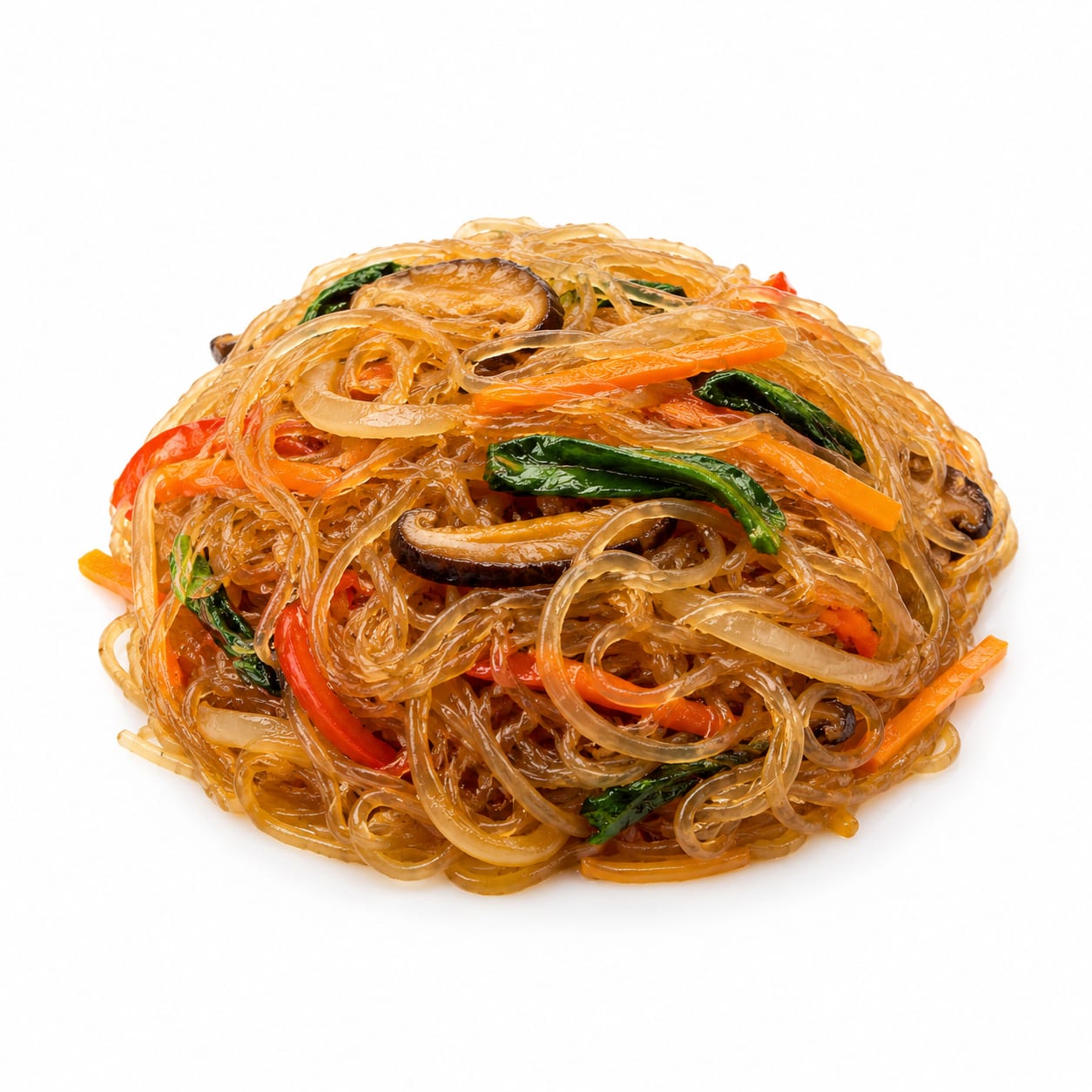
Glass Noodle
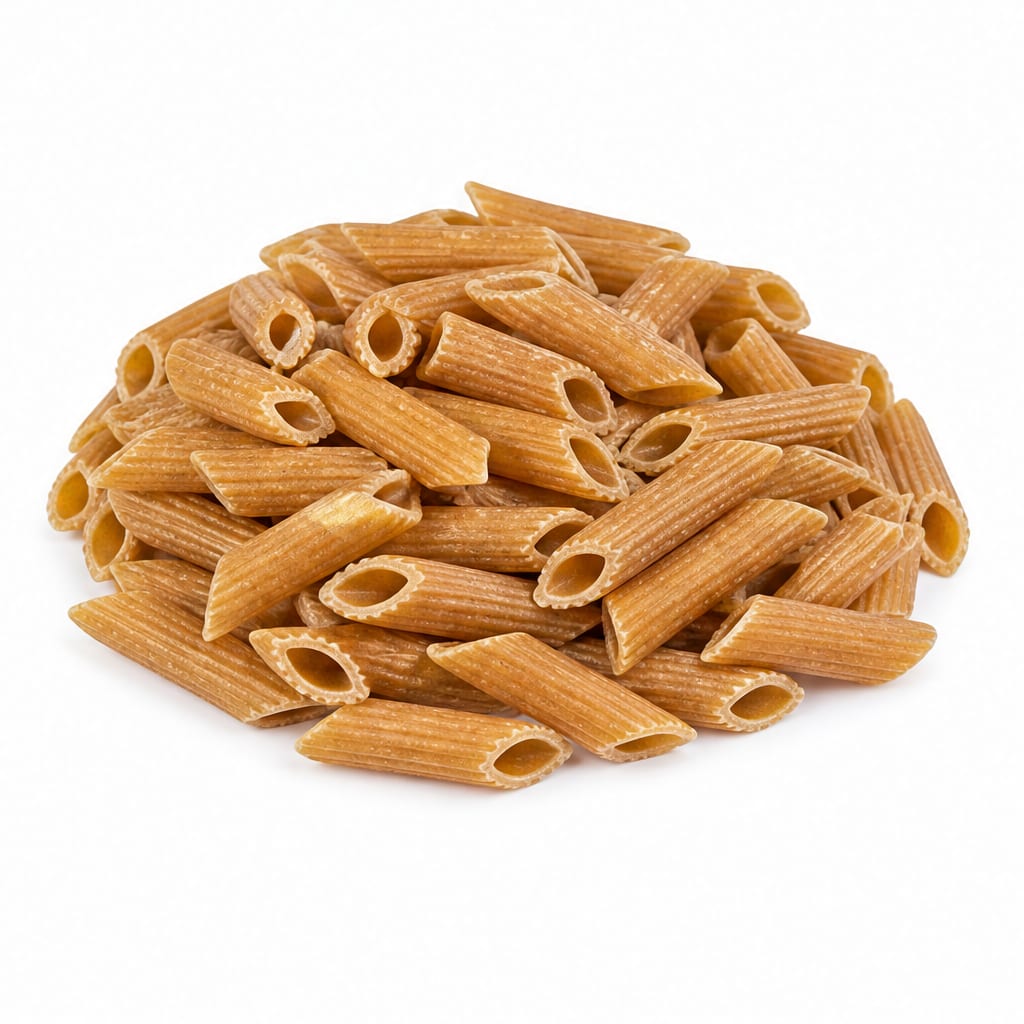
Whole Wheat Pasta
Whole wheat pasta dominates for everyday nutrition and fullness, but glass noodles are a safe haven for gluten-free diets and light meals.
Whole wheat pasta scores significantly higher because it delivers lasting fullness, steady blood sugar, and essential nutrients. Glass noodles fall behind due to their lack of fiber and protein, making them a less sustaining choice for regular meals.
You trade digestive comfort and gluten-free compatibility for real nutritional value and lasting energy.
At a glance
Executive summary
Overall
Whole Wheat Pasta
Healthier
Whole Wheat Pasta
More practical
Whole Wheat Pasta
Daily use
Whole Wheat Pasta
Key comparison lenses
blood sugar management
Glass noodles digest rapidly causing sugar spikes, while whole wheat pasta provides steady energy
nutrient density tradeoffs
Whole wheat pasta offers substantial fiber and minerals, whereas glass noodles are essentially empty starch
gluten-free versus whole grain benefits
Glass noodles serve celiacs, while whole wheat pasta serves the general population needing daily fiber
satiety and portion control
Whole wheat pasta keeps you full for hours, glass noodles leave you hungry again quickly
Best choice for
Glass Noodle
- People with celiac disease or severe gluten intolerance
- Those wanting a light stomach feel before events or workouts
- Anyone craving Asian soups and stir-fries where heavy grains feel out of place
Whole Wheat Pasta
- Anyone prioritizing sustained energy and focus throughout the day
- People trying to increase daily fiber intake effortlessly
- Those managing blood sugar or trying to lose weight
Least suitable for
Glass Noodle
- People with diabetes or insulin resistance
- Anyone relying on a single staple for daily nutrition
- Those struggling with portion control and constant snacking
Whole Wheat Pasta
- People with celiac disease or wheat allergies
- Those with severe IBS who react to wheat fiber
- Anyone seeking a light, non-heavy meal before intense activity
Deep comparison
Dimension by dimension
Each lens scores both foods and breaks down who each option suits.
- Dimension 1 · Priority 95Whole Wheat Pasta
blood sugar stability
Glass Noodle · 25Whole Wheat Pasta · 75Glass noodles spike blood sugar fast; whole wheat pasta provides a slow, steady energy release.
Tradeoff
Choosing glass noodles means sacrificing metabolic steadiness for a lighter texture.
Why it matters
Rapid blood sugar spikes lead to afternoon crashes and increased cravings.
Real-world impact
Eating glass noodles for lunch often means reaching for a coffee or snack by 3 PM. Whole wheat pasta easily carries you to dinner.
Glass Noodle
- Quick pre-workout energy when you need fast carbs
Better for
- Anyone prone to sugar crashes and brain fog
Worse for
Whole Wheat Pasta
- Preventing the mid-afternoon energy crash
- Managing insulin resistance or prediabetes
Better for
- Right before a high-intensity sprint where rapid fuel is needed
Worse for
- Dimension 2 · Priority 90Whole Wheat Pasta
satiety and fullness
Glass Noodle · 20Whole Wheat Pasta · 85Whole wheat pasta is deeply filling thanks to fiber and protein. Glass noodles digest quickly and leave you hungry.
Tradeoff
Lightness in the stomach versus lasting satisfaction on the plate.
Why it matters
Foods that fail to fill you up lead to overeating and excess calorie intake later in the day.
Real-world impact
A bowl of glass noodle soup feels light initially but rarely prevents late-night fridge raids. Whole wheat pasta keeps the evening cravings quiet.
Glass Noodle
- Hot summer days when heavy meals feel oppressive
- Eating right before a yoga class or swim
Better for
- Recovering from heavy physical labor or intense workouts
Worse for
Whole Wheat Pasta
- Long workdays where you cannot snack for hours
- Appetite control during weight loss
Better for
- Sedentary evenings where excess calories might sit heavy
Worse for
- Dimension 3 · Priority 85Whole Wheat Pasta
nutrient density
Glass Noodle · 15Whole Wheat Pasta · 80Whole wheat pasta brings B vitamins, iron, and magnesium to the table. Glass noodles offer mostly refined starch calories.
Tradeoff
Convenience and texture versus actual body nourishment.
Why it matters
Eating nutrient-void calories regularly forces your body to draw from its own reserves to process the meal.
Real-world impact
Regularly choosing whole wheat pasta subtly improves energy levels and digestion over months. Glass noodles offer a tasty vehicle for sauce but do nothing for your daily vitamin needs.
Glass Noodle
- Simple calorie loading when appetite is low
Better for
- Preventing nutrient deficiencies over the long term
Worse for
Whole Wheat Pasta
- Meeting daily iron and B-vitamin requirements
- Supporting a healthy gut microbiome with fiber
Better for
- Acute digestive upset when transitioning suddenly from low-fiber diets
Worse for
- Dimension 4 · Priority 80Glass Noodle
digestive tolerance and allergens
Glass Noodle · 90Whole Wheat Pasta · 40Glass noodles are naturally gluten-free and very easy on an inflamed gut. Whole wheat pasta contains gluten and rough fiber that can irritate sensitive stomachs.
Tradeoff
Gentle digestion now versus long-term gut health training later.
Why it matters
For those with celiac disease or severe IBS, wheat is simply not an option regardless of its nutritional profile.
Real-world impact
If wheat causes bloating or pain, glass noodles are a pain-free swap that lets you enjoy noodle dishes without the aftermath.
Glass Noodle
- Managing celiac disease or non-celiac gluten sensitivity
- Soothing a flare-up of irritable bowel syndrome
Better for
- Feeding beneficial gut bacteria that rely on prebiotic fiber
Worse for
Whole Wheat Pasta
- Building a robust, fiber-adapted digestive system over time
Better for
- Anyone with diagnosed wheat allergies or celiac disease
Worse for
Timeline
Health impact over time
Short-term
Hours to days
Glass Noodle
- Quick burst of energy followed by a crash
- Very light feeling in the stomach immediately after eating
- Rapid emptying of the stomach leading to early hunger
Whole Wheat Pasta
- Sustained energy without the sharp crash
- Comfortable fullness that lasts for hours
- Possible mild bloating if your body is not used to high fiber
Long-term
Months to years
Glass Noodle
- Potential for blood sugar dysregulation if eaten frequently
- Minimal contribution to daily vitamin and mineral needs
- Higher risk of overeating due to poor satiety signals
Whole Wheat Pasta
- Improved insulin sensitivity from regular fiber intake
- Better cardiovascular markers due to soluble fiber
- Consistent appetite regulation supporting healthy weight
Risk profile
Safety & processing
Both are processed from their raw state, but glass noodles undergo heavy starch extraction that strips away all natural grain components. Whole wheat pasta retains the bran and germ, making it a much closer reflection of the original wheat kernel.
Glass Noodle
Alum or bleaching agents
mediumSome inexpensive glass noodles use alum to improve texture or bleaching agents for whiteness. Always source from reputable brands.
Mislabeling of starch sources
lowProducts labeled as mung bean glass noodles are sometimes cut with cheaper potato or corn starch.
Whole Wheat Pasta
Pesticide residues
mediumConventional wheat is heavily sprayed with pesticides like glyphosate. Choosing organic whole wheat pasta significantly reduces this exposure.
Mycotoxins
lowWhole grains retain the outer bran which can harbor mold toxins if stored improperly. Proper storage and trusted brands mitigate this.
Who wins for whom
Audience fit
Same foods, different winners depending on your goal.
children
Whole Wheat PastaGrowing bodies need the B vitamins, iron, and sustained energy that whole wheat pasta provides.
daily consumption
Whole Wheat PastaWhole wheat pasta actively improves health markers when eaten daily, whereas glass noodles act as empty calories.
diabetes
Whole Wheat PastaFiber drastically slows sugar absorption, making whole wheat pasta far safer for blood sugar management.
elderly
Whole Wheat PastaOlder adults benefit greatly from the digestive regularity and heart-healthy fiber in whole wheat pasta.
muscle gain
Whole Wheat PastaWhole wheat pasta provides more protein per serving and a steadier insulin response to support muscle recovery.
weight loss
Whole Wheat PastaThe high fiber and protein in whole wheat pasta naturally restrict portions and eliminate late-night snacking urges.
Your move
Decision guide
Choose Glass Noodle
- You have celiac disease, a wheat allergy, or severe gluten intolerance
- You are preparing a traditional Asian hot pot or soup where the texture is essential
- You need a light pre-workout meal that will not sit heavy in your stomach
Choose Whole Wheat Pasta
- You want steady energy and focus for a busy workday
- You are trying to eat more fiber without taking supplements
- You want a base for your meal that actually contributes to your daily nutrition
Either works if
- You are simply craving a specific cultural dish and plan to load it with vegetables and lean protein
- You only eat noodles occasionally and the nutritional difference will not move the needle
Avoid both if
- You are strictly limiting all carbohydrates for a ketogenic diet
- You are highly sensitive to both gluten and high-fiber foods simultaneously
Final recommendation
Make whole wheat pasta your everyday staple for lasting energy and better nutrition. Save glass noodles for when you need a gluten-free option, a lighter meal, or an authentic Asian recipe. What you gain in digestive lightness with glass noodles, you pay for in hunger and empty calories later.
Practical
Consumer tips
- 1
Cook whole wheat pasta al dente to lower its glycemic index even further.
- 2
If choosing glass noodles, look for 100% mung bean varieties and avoid brands with alum in the ingredients.
- 3
Pair glass noodles with lots of protein and healthy fats to slow down the blood sugar spike.
- 4
Transitioning to whole wheat pasta? Mix it half-and-half with regular pasta at first to adjust your palate to the nuttier flavor.
- 5
Always rinse glass noodles after boiling to remove excess surface starch and prevent clumping.