
Nutrition comparison
Glass Noodles vs Lentil Pasta: Which Is Actually Better for You?
Glass noodles are light and quick, but lentil pasta dominates in protein, fiber, and blood sugar stability. Compare nutrition, taste, and real-world tradeoffs to choose the right noodle for your goals.
Overall winner · Lentil Pasta
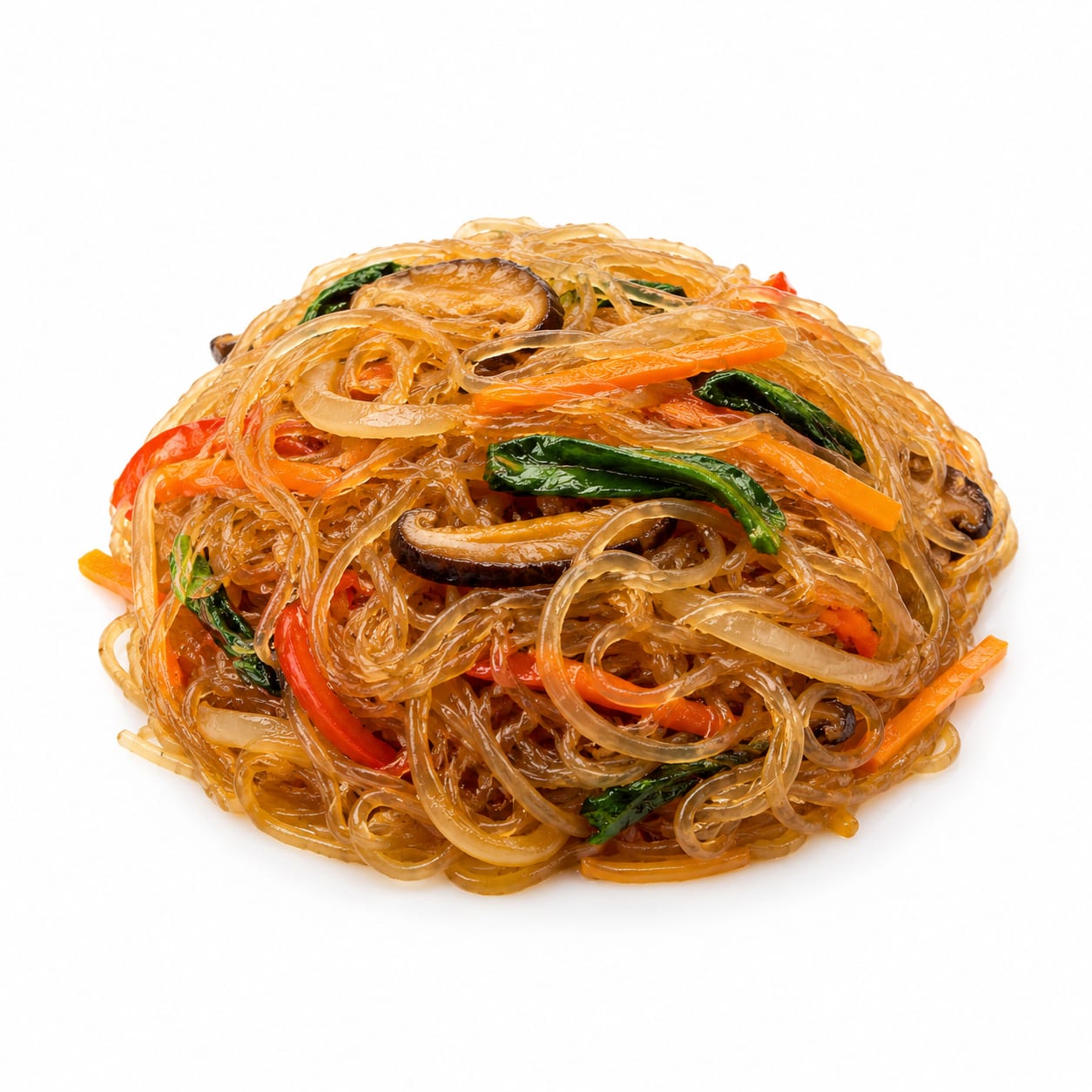
Glass Noodle
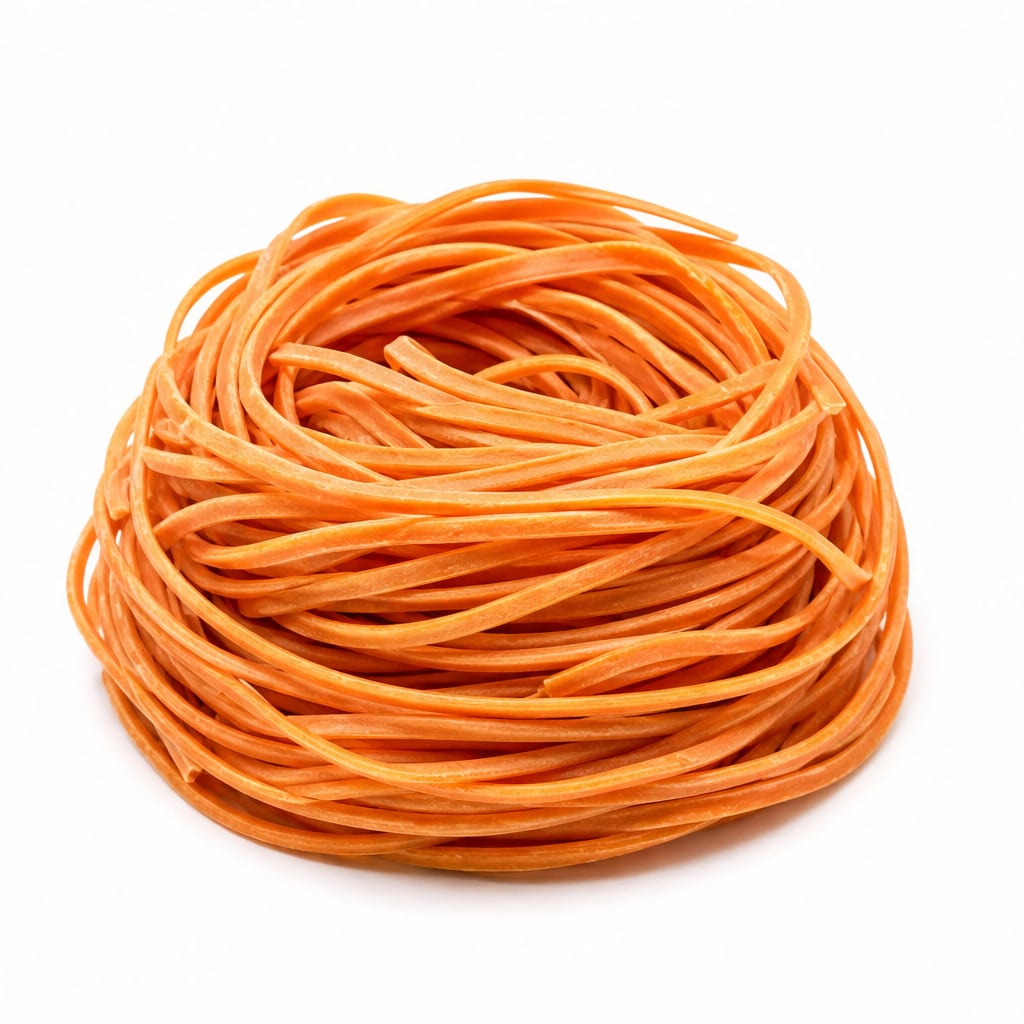
Lentil Pasta
Lentil pasta is the nutritionally superior choice by a wide margin, offering far more protein, fiber, and minerals. Glass noodles win only when you need something light, quick-cooking, or culturally authentic for Asian dishes.
Lentil pasta scores nearly double due to dramatically superior protein, fiber, and micronutrient content. Glass noodles are not harmful, but they deliver minimal nutritional value beyond starch energy. The gap narrows only in contexts where lightness or culinary authenticity matters more than nourishment.
Lightness and convenience versus genuine nourishment and staying power. Glass noodles disappear into soups beautifully but leave you hungry an hour later. Lentil pasta fills you up but feels denser and less delicate.
At a glance
Executive summary
Overall
Lentil Pasta
Healthier
Lentil Pasta
More practical
It depends
Daily use
Lentil Pasta
Key comparison lenses
blood sugar control and glycemic impact
Glass noodles are nearly pure starch with rapid digestion, while lentil pasta offers slow-burning carbs with significant fiber and protein to blunt glucose spikes
protein intake and satiety
The protein gap between these two is massive — lentil pasta delivers 4-5x more protein per serving, making it far more filling and useful for meal satisfaction
nutritional density and empty calories
Glass noodles provide energy but little else nutritionally, whereas lentil pasta brings iron, folate, potassium, and meaningful micronutrients alongside its calories
weight management and caloric tradeoffs
Glass noodles are lower in calories but rarely eaten alone, while lentil pasta is more calorie-dense but keeps you full longer, creating a real portion-control vs satiety tradeoff
digestive comfort and lightness
Glass noodles feel lighter in the stomach and are easier to eat in larger volumes, while lentil pasta can feel heavier and may cause bloating in sensitive individuals
Best choice for
Glass Noodle
- People wanting a light meal before bed
- Anyone cooking traditional Asian soups or stir-fries
- Those with sensitive digestion who find legumes uncomfortable
- Hot weather meals where heavy food feels unappealing
- Quick-cooking needs when time is extremely tight
Lentil Pasta
- Anyone prioritizing protein intake without meat
- Blood sugar management and diabetes-friendly eating
- Athletes needing sustained energy and recovery nutrition
- Meal prep and batch cooking for the week
- Families wanting more nutritious everyday pasta alternatives
Least suitable for
Glass Noodle
- Diabetics or anyone monitoring blood sugar closely
- People relying on a single dish for full meal satisfaction
- Those needing protein to support muscle or recovery
- Anyone eating a calorie-restricted diet who needs maximum nutrition per calorie
Lentil Pasta
- People with legume sensitivities or IBS triggered by lentils
- Anyone wanting a delicate, light-textured dish
- Traditional Asian recipes where the flavor profile depends on glass noodles specifically
- Those who find the earthy lentil taste off-putting
Deep comparison
Dimension by dimension
Each lens scores both foods and breaks down who each option suits.
- Dimension 1 · Priority 95Lentil Pasta
Blood Sugar Stability
Glass Noodle · 22Lentil Pasta · 78Glass noodles digest almost as fast as pure sugar, while lentil pasta releases energy slowly thanks to its fiber and protein matrix.
Tradeoff
Glass noodles give quick energy that fades fast. Lentil pasta provides steadier fuel but lacks that immediate lightness some people enjoy after eating.
Why it matters
Rapid blood sugar spikes from glass noodles trigger insulin surges followed by energy crashes, increasing hunger and cravings within an hour or two.
Real-world impact
A glass noodle lunch at noon often means you are hungry again by 2pm. A lentil pasta lunch can carry you comfortably to dinner.
Glass Noodle
- Post-workout when quick glycogen replenishment is actually desired
- Small portions as a side dish rather than a meal base
Better for
- Anyone prone to afternoon energy dips
- Metabolic syndrome or insulin resistance
Worse for
Lentil Pasta
- Diabetes or prediabetes management
- Sustained afternoon energy without snacking
- Preventing the crash-and-binge cycle
Better for
- Immediately before intense exercise when quick fuel is needed
Worse for
- Dimension 2 · Priority 90Lentil Pasta
Protein and Satiety
Glass Noodle · 10Lentil Pasta · 88Lentil pasta contains roughly 13-15g of protein per serving compared to less than 1g in glass noodles. This is not a close comparison.
Tradeoff
Glass noodles let you eat a large volume without feeling full, which can be pleasant or problematic depending on your goals. Lentil pasta stops you naturally through genuine fullness.
Why it matters
Protein is the most satiating macronutrient. Without it, a meal fails to signal fullness to your brain, regardless of portion size.
Real-world impact
You can eat a massive bowl of glass noodles and feel ready for dessert 90 minutes later. A modest bowl of lentil pasta keeps you satisfied for hours.
Glass Noodle
- Light snacking when you want taste without heaviness
- Situations where overeating is not a concern
Better for
- Anyone using a single meal as their protein anchor for the day
- Growing teenagers with high protein needs
Worse for
Lentil Pasta
- Plant-based eaters needing protein from staple foods
- Weight management through natural portion control
- Post-workout recovery meals
Better for
- Small appetites where feeling too full is uncomfortable
Worse for
- Dimension 3 · Priority 85Lentil Pasta
Nutritional Density
Glass Noodle · 15Lentil Pasta · 82Glass noodles are essentially pure carbohydrate with trace minerals. Lentil pasta delivers iron, folate, potassium, magnesium, and zinc alongside its calories.
Tradeoff
Glass noodles are clean and simple with almost nothing to cause intolerance, but also nothing to nourish you. Lentil pasta packs nutrients but includes phytic acid that slightly reduces mineral absorption.
Why it matters
Eating calorie-dense but nutrient-poor foods regularly crowds out opportunities for genuine nourishment, especially on restricted diets.
Real-world impact
Regularly choosing glass noodles over lentil pasta means missing out on iron and folate that many people, especially women, already struggle to get enough of.
Glass Noodle
- Recovery from stomach illness when you need the blandest, simplest food possible
- Extremely restricted diets where tolerance of any food is the priority
Better for
- Long-term daily use as a dietary staple
- Anyone at risk for iron deficiency or anemia
Worse for
Lentil Pasta
- Pregnant women needing folate and iron
- Vegans and vegetarians who need mineral-dense staples
- Anyone eating limited portions who needs maximum nutrition per bite
Better for
- Those with iron overload conditions like hemochromatosis
Worse for
- Dimension 4 · Priority 70Glass Noodle
Digestive Comfort
Glass Noodle · 80Lentil Pasta · 50Glass noodles are gentle and easy to digest for most people. Lentil pasta can cause bloating and gas, especially for those unaccustomed to high-fiber legumes.
Tradeoff
Easy digestion comes at the cost of poor nutritional value. The fiber that makes lentil pasta harder to adjust to is the same fiber that makes it health-promoting long-term.
Why it matters
Digestive discomfort can undermine the best nutritional intentions. A food that causes bloating may be healthy on paper but unsustainable in practice.
Real-world impact
Switching suddenly to lentil pasta can cause a few days of gassiness and bloating. Glass noodles never cause this, but they also never improve your gut health over time.
Glass Noodle
- Sensitive stomachs and IBS flare-ups
- Eating before physical activity when bloating would be uncomfortable
- Introducing solid food after illness
Better for
- Anyone whose gut would benefit from more fiber and prebiotics
Worse for
Lentil Pasta
- Long-term gut microbiome health
- Building dietary fiber tolerance gradually
Better for
- Active IBS or FODMAP-sensitive individuals
- Sudden large portions without gradual introduction
Worse for
- Dimension 5 · Priority 65It depends
Culinary Versatility and Enjoyment
Glass Noodle · 72Lentil Pasta · 68Glass noodles excel in Asian soups, stir-fries, and spring rolls where their translucent delicacy is the point. Lentil pasta works better in Mediterranean and Western pasta dishes.
Tradeoff
Glass noodles absorb flavors beautifully and add textural elegance, but they are confined to specific cuisines. Lentil pasta has a broader range but an earthy taste that does not suit every sauce.
Why it matters
Food must be enjoyable to be sustainable. Nutritional superiority means nothing if you dislike eating it.
Real-world impact
Substituting lentil pasta into a Thai soup feels wrong. Substituting glass noodles into an Italian bolognese feels equally wrong. Each shines in its own culinary world.
Glass Noodle
- Asian soups like pho, japchae, and hot pot
- Cold salads and spring rolls where transparency and chew are desired
- Dishes where the noodle should disappear into broth
Better for
- Heavy cream sauces and baked pasta dishes
- Any meal where the noodle needs to carry nutritional weight
Worse for
Lentil Pasta
- Pasta bakes, mac and cheese alternatives, and hearty sauces
- Meal prep bowls where the noodle is the protein anchor
- Mediterranean and Italian-inspired dishes
Better for
- Delicate broths where earthiness would clash
- Traditional Asian recipes where authenticity matters
Worse for
- Dimension 6 · Priority 55Glass Noodle
Convenience and Cooking Speed
Glass Noodle · 85Lentil Pasta · 60Glass noodles cook in 2-3 minutes with just a hot water soak. Lentil pasta takes 8-12 minutes of active boiling and can foam or stick if unattended.
Tradeoff
Speed and ease favor glass noodles, but the extra few minutes for lentil pasta pays off significantly in nutritional value per minute of cooking time.
Why it matters
When you are exhausted and hungry, even a 5-minute difference can push you toward the less nutritious option.
Real-world impact
Glass noodles are nearly instant and require zero monitoring. Lentil pasta needs a watched pot and occasional stirring, but still cooks faster than dried wheat pasta.
Glass Noodle
- Late-night meals when you want minimal effort
- Camping or travel cooking with limited resources
- Office lunches with only a kettle available
Better for
- Situations where you are already cooking a full meal and a few extra minutes are negligible
Worse for
Lentil Pasta
- Weekend meal prep when cooking time is less pressing
- Batch cooking where the extra minutes are amortized over multiple meals
Better for
- Desperate hangry moments when waiting 10 minutes feels unbearable
Worse for
Timeline
Health impact over time
Short-term
Hours to days
Glass Noodle
- Quick energy burst followed by hunger within 1-2 hours
- Light comfortable feeling in the stomach immediately after eating
- Possible blood sugar crash causing irritability or fatigue in sensitive individuals
- Easy to overeat portions since satiety signals are weak
Lentil Pasta
- Lasting fullness that reduces snacking for 3-4 hours
- Possible temporary bloating or gas if your body is not used to high-fiber legumes
- Steady energy without the spike-and-crash pattern
- Natural portion control because protein-driven fullness kicks in early
Long-term
Months to years
Glass Noodle
- Regular consumption may contribute to blood sugar dysregulation over time
- Missing out on protein and fiber that support muscle maintenance and gut health
- Higher likelihood of between-meal snacking that adds excess calories
- Nutrient gaps if glass noodles frequently replace more nourishing staples
Lentil Pasta
- Improved gut microbiome diversity from consistent fiber intake
- Better blood sugar control and reduced diabetes risk with regular consumption
- Support for muscle maintenance and satiety-driven weight management
- Gradual increase in digestive tolerance to legumes, reducing bloating over time
Risk profile
Safety & processing
Both foods are relatively clean. Glass noodles undergo starch extraction and reshaping, which strips away the whole-food matrix. Lentil pasta is essentially ground lentils formed into pasta shape, retaining most of the original legume's nutritional profile. Neither typically contains artificial additives, but glass noodles represent a more refined and stripped-down product.
Glass Noodle
Aluminum residue from processing
mediumSome glass noodle production uses alum to improve texture. Reputable brands have minimized this, but cheap imports may still contain concerning levels. Check sourcing.
Counterfeit or adulterated products
mediumGlass noodles have been subject to food fraud scandals, particularly in parts of Asia where non-food-grade starches or additives were used. Buy trusted brands.
Lentil Pasta
Lectin content from undercooked lentils
lowUndercooked lentil pasta may retain some lectins that can cause digestive upset. Proper cooking eliminates this concern entirely.
Pesticide residue on conventional lentils
lowLentils are not among the highest pesticide crops, but conventional farming still uses some treatment. Organic options are widely available and affordable.
Who wins for whom
Audience fit
Same foods, different winners depending on your goal.
children
Lentil PastaGrowing kids need protein, iron, and folate that lentil pasta provides. Glass noodles are safe but nutritionally hollow for developing bodies. The texture of glass noodles can be a choking hazard for very young children.
daily consumption
Lentil PastaDaily eaters need food that pulls nutritional weight. Lentil pasta earns its calories with protein, fiber, and minerals. Glass noodles as a daily staple would create significant nutrient gaps over time.
diabetes
Lentil PastaLentil pasta's low glycemic index and high fiber slow glucose absorption dramatically. Glass noodles behave almost like refined sugar in the bloodstream and are a poor choice for blood sugar management.
elderly
It dependsLentil pasta supports muscle preservation and nutrient intake that elderly people often lack. However, glass noodles are easier to chew and digest for those with dental issues or fragile digestion. Choose based on individual capacity.
muscle gain
Lentil PastaWith 13-15g of protein per serving versus less than 1g, lentil pasta supports muscle repair and growth. Glass noodles contribute only carbohydrate energy with no meaningful protein.
weight loss
Lentil PastaLentil pasta's high protein and fiber create natural portion control and reduce between-meal hunger. Glass noodles' low calorie count is misleading because the lack of satiety leads to more eating overall.
Your move
Decision guide
Choose Glass Noodle
- You are making a traditional Asian dish where glass noodles are essential to authenticity
- You have a sensitive stomach and need the gentlest, lightest option available
- You want a quick-cooking base for broth-based meals when you feel unwell
- You are eating a small snack, not relying on this as a meal
- You find lentil pasta's texture or taste genuinely unpleasant and would just eat less overall
Choose Lentil Pasta
- You want one dish to actually fill you up and nourish you properly
- Blood sugar management matters for your health
- You are eating plant-based and need protein from everyday staples
- You meal prep and want food that holds up and satisfies throughout the week
- You are feeding a family and need nutritious, not just palatable, food
Either works if
- You rotate between Asian and Western cuisines regularly and use each in its proper context
- Neither is a daily staple for you, just occasional ingredients
- You pair either noodle with plenty of protein and vegetables, making the base less critical
Avoid both if
- You have celiac disease and cannot verify gluten-free certification on the specific brand
- You are on a strict very-low-carb or ketogenic diet, as both are carbohydrate-dominant
- You have severe legume allergies that may cross-react with lentil pasta
- You are on a FODMAP elimination diet and cannot tolerate either starch or legumes currently
Final recommendation
Make lentil pasta your everyday default. It delivers genuine nourishment, keeps you full, and supports long-term health in ways glass noodles simply cannot match. Save glass noodles for the dishes where they belong culturally and texturally, treating them as an occasional ingredient rather than a dietary staple. If you eat glass noodles, always pair them with a solid protein source and vegetables to compensate for what they lack.
Practical
Consumer tips
- 1
Soak glass noodles in warm water rather than boiling to preserve their delicate texture and avoid mushiness
- 2
Start with small portions of lentil pasta and gradually increase to let your digestive system adapt to the fiber
- 3
Check glass noodle brands for country of origin and avoid unbranded bulk options due to adulteration risks
- 4
Rinse lentil pasta after cooking to remove surface starch that can make it gummy
- 5
Pair glass noodles with tofu, eggs, or meat to compensate for their near-zero protein content
- 6
Toss lentil pasta with olive oil immediately after draining to prevent clumping
- 7
If lentil pasta tastes too earthy, try red lentil varieties which are milder than green lentil versions
- 8
Keep both in your pantry but reach for lentil pasta on regular weekdays and glass noodles for specific recipes