
Nutrition comparison
Glass Noodles vs Rice Noodles: Which Is Healthier for Blood Sugar, Weight Loss, and Daily Eating?
Compare glass noodles and rice noodles on glycemic impact, calories, satiety, digestion, and cooking versatility. Find out which noodle fits your health goals and lifestyle better.
Overall winner · Glass Noodle
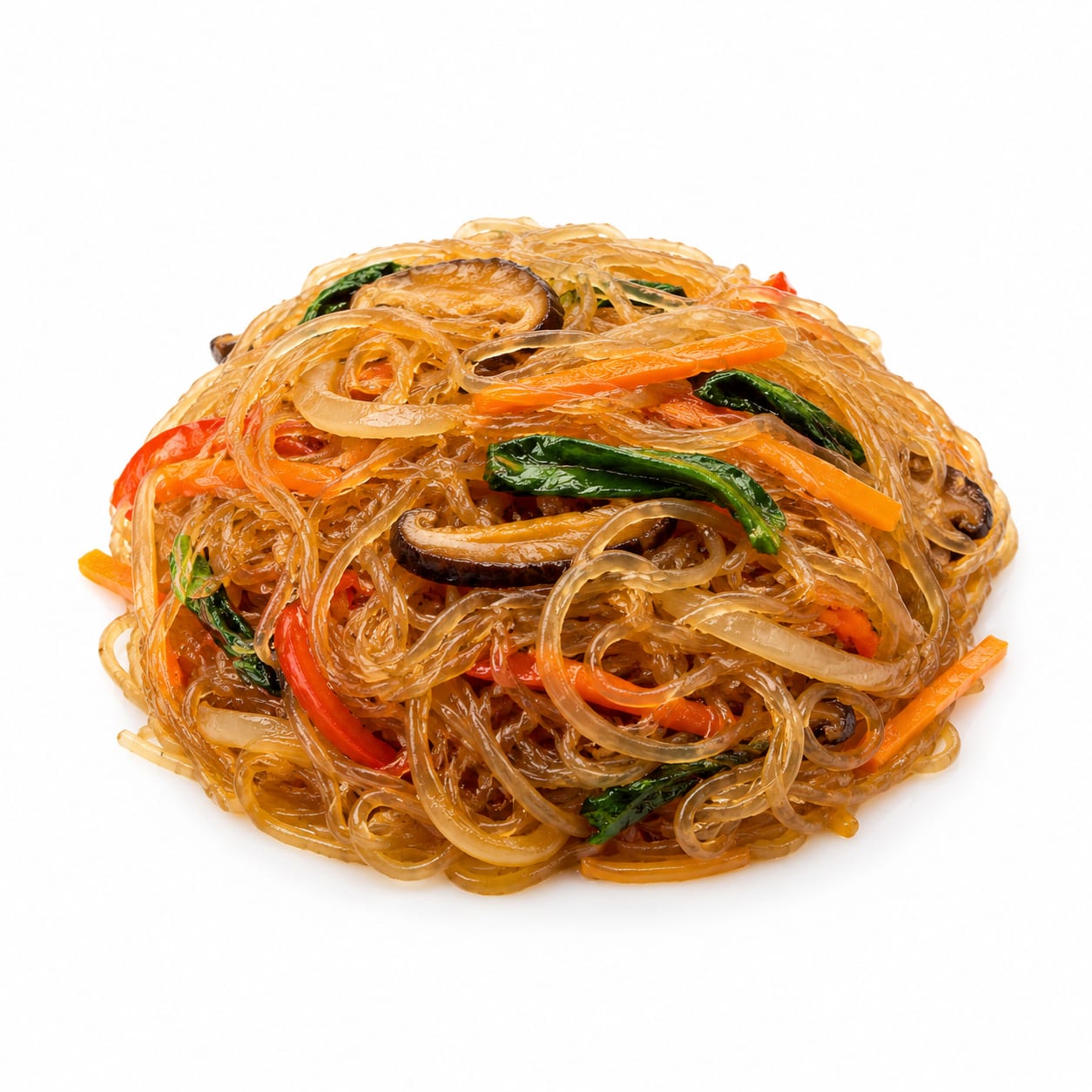
Glass Noodle
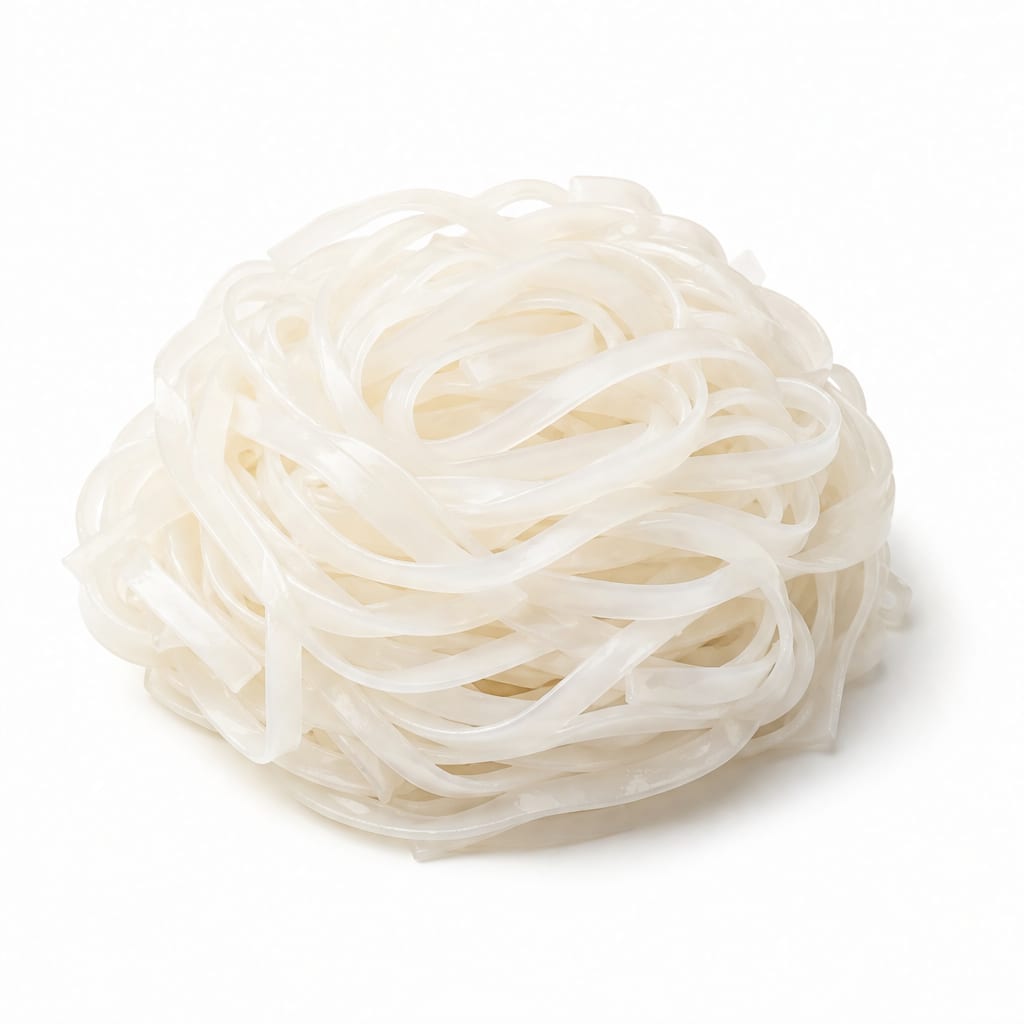
Rice Noodles
Glass noodles edge ahead thanks to a lower glycemic impact and slightly better satiety, but rice noodles win on availability and familiar comfort.
Glass noodles score moderately higher due to lower glycemic impact and better satiety per calorie. Rice noodles lose ground on blood sugar but gain some back on convenience and digestibility. The gap is meaningful but not dramatic.
Glass noodles give you steadier energy and more fullness per calorie, while rice noodles offer softer texture, wider dish compatibility, and easier everyday access.
At a glance
Executive summary
Overall
Glass Noodle
Healthier
Glass Noodle
More practical
Rice Noodles
Daily use
It depends
Key comparison lenses
blood sugar management
Both are starch-heavy noodles with different glycemic impacts, making this the top concern for most users
weight management and satiety
Noodles are often meals or large components, so how filling they are directly affects overeating
gluten-free dining choices
Both are naturally gluten-free, so users with celiac or gluten sensitivity commonly compare them
Asian cooking versatility
These noodles anchor different cuisines and dishes, so practical cooking fit matters
digestive comfort
Some people experience bloating or discomfort with certain starches, making tolerance a real factor
Best choice for
Glass Noodle
- People managing blood sugar or insulin resistance
- Those wanting longer-lasting fullness from noodle dishes
- Hot pot and soup lovers who want noodles that hold texture
- Anyone counting calories who still wants satisfying portions
Rice Noodles
- Home cooks making pad thai, pho, or stir-fries
- People who prefer softer, more familiar noodle texture
- Shoppers who need easy-to-find ingredients at any grocery store
- Those with sensitive digestion who find bean starches irritating
Least suitable for
Glass Noodle
- People with legume allergies (mung bean varieties)
- Those concerned about aluminum additives in some imported brands
- Cooking dishes that specifically require soft, flat rice noodle texture
Rice Noodles
- People tightly managing blood sugar spikes
- Those wanting higher protein intake from carb sources
- Anyone avoiding high-glycemic foods before sedentary periods
Deep comparison
Dimension by dimension
Each lens scores both foods and breaks down who each option suits.
- Dimension 1 · Priority 95Glass Noodle
blood sugar stability
Glass Noodle · 72Rice Noodles · 45Glass noodles cause a slower, gentler blood sugar rise compared to rice noodles, which spike glucose more sharply.
Tradeoff
You get steadier energy with glass noodles, but may miss the quick satisfaction that rice noodles provide right after eating.
Why it matters
Frequent blood sugar spikes from rice noodles can lead to energy crashes, increased hunger, and over time, insulin resistance.
Real-world impact
A rice noodle lunch might leave you hungry again by 3pm, while glass noodles in the same dish keep you satisfied until dinner.
Glass Noodle
- People with prediabetes or insulin resistance
- Afternoon meals where you need lasting energy
- Anyone trying to reduce sugar cravings between meals
Better for
- Situations where you want rapid glycogen replenishment
Worse for
Rice Noodles
- Post-workout meals where faster carb absorption is actually helpful
- People who feel better eating smaller portions of higher-GI foods
Better for
- Sedentary evenings when glucose spikes go unused
- Anyone prone to afternoon energy crashes
Worse for
- Dimension 2 · Priority 88Glass Noodle
satiety and fullness
Glass Noodle · 70Rice Noodles · 55Glass noodles tend to be more filling per calorie, partly due to resistant starch from mung bean starch and their chewier texture.
Tradeoff
More fullness means you eat less naturally, but the firmer texture takes more chewing and may feel less comforting than soft rice noodles.
Why it matters
Feeling full on fewer calories is one of the most practical levers for weight management without counting or restriction.
Real-world impact
You might naturally stop at one bowl of glass noodle soup but reach for seconds with rice noodles in the same broth.
Glass Noodle
- Weight management without strict calorie tracking
- Meals where you want to feel satisfied on smaller portions
- People who tend to overeat noodle dishes
Better for
- Those who find very chewy textures tiring to eat
Worse for
Rice Noodles
- Light meals where you want to eat more volume without feeling heavy
- People with small appetites who find very filling foods uncomfortable
Better for
- Anyone who finds themselves hungry again shortly after eating
Worse for
- Dimension 3 · Priority 80Glass Noodle
calorie density
Glass Noodle · 74Rice Noodles · 60Glass noodles are slightly lower in calories per cooked cup than rice noodles, giving you more food volume for the same energy.
Tradeoff
The calorie difference is modest, so choosing glass noodles alone will not dramatically change your intake without portion awareness.
Why it matters
Over many meals per week, even small calorie differences add up, especially when noodles are a dietary staple.
Real-world impact
Swapping rice noodles for glass noodles a few times per week could save you 50-100 calories per meal without changing satisfaction much.
Glass Noodle
- Consistent calorie deficit without feeling deprived
- Larger-portion eaters who want volume with less energy
Better for
- Athletes or underweight individuals needing calorie surplus
Worse for
Rice Noodles
- Active people who need the extra calories and carb energy
Better for
- Sedentary individuals watching caloric intake closely
Worse for
- Dimension 4 · Priority 72Glass Noodle
protein and micronutrients
Glass Noodle · 52Rice Noodles · 38Neither noodle is a protein powerhouse, but glass noodles made from mung bean starch contain slightly more protein and trace minerals.
Tradeoff
The protein difference is small and not enough to meaningfully contribute to daily needs from either noodle alone.
Why it matters
Even small protein advantages matter when noodles are a frequent meal base, as they slightly improve the amino acid profile of the whole dish.
Real-world impact
You still need to add protein sources like tofu, chicken, or eggs regardless of which noodle you choose.
Glass Noodle
- Plant-based eaters trying to maximize protein from every source
- Meals where every gram of protein counts
Better for
- Anyone expecting noodles to be a significant protein source
Worse for
Rice Noodles
- Situations where the noodle is just a vehicle and protein comes abundantly from other ingredients
Better for
- Vegans who need to optimize every protein opportunity
Worse for
- Dimension 5 · Priority 75Rice Noodles
cooking versatility and availability
Glass Noodle · 55Rice Noodles · 82Rice noodles are far more available in regular grocery stores and anchor more familiar dishes like pad thai and pho.
Tradeoff
Rice noodles fit seamlessly into everyday cooking, but glass noodles open up distinct dishes like japchae and hot pot that rice noodles cannot replicate.
Why it matters
The best healthy food is one you actually cook and eat. Availability and familiarity drive real-world consistency.
Real-world impact
You can find rice noodles at nearly any supermarket, while glass noodles may require an Asian grocery store or online order.
Glass Noodle
- Adventurous home cooks exploring Korean, Chinese, and Southeast Asian recipes
- Hot pot and soup dishes where texture retention matters
Better for
- Rural areas with limited access to Asian groceries
Worse for
Rice Noodles
- Weeknight cooking with easy-to-find ingredients
- Popular dishes like pad thai, pho, and pad see ew
- Beginners learning Asian cooking
Better for
- Dishes specifically designed for glass noodle texture
Worse for
- Dimension 6 · Priority 68It depends
digestive tolerance
Glass Noodle · 60Rice Noodles · 65Rice noodles are generally gentler on digestion for most people, but some find glass noodles easier due to their resistant starch content.
Tradeoff
Rice noodles are more predictively tolerated, while glass noodles may cause bloating in some due to bean starch fermentation in the gut.
Why it matters
Digestive comfort determines whether you actually enjoy eating the food regularly or avoid it despite its nutritional profile.
Real-world impact
If you have IBS or sensitive digestion, rice noodles are the safer first choice. Glass noodles are worth testing but may cause gas in some people.
Glass Noodle
- People whose digestion benefits from resistant starch and prebiotic effects
- Those who tolerate bean-based foods well
Better for
- FODMAP-sensitive individuals
- People prone to gas and bloating from legume-based foods
Worse for
Rice Noodles
- People with IBS or sensitive digestion
- Anyone who experiences bloating from bean starches
- Recovery meals when your stomach needs something very gentle
Better for
- Those who find white rice constipating
Worse for
Timeline
Health impact over time
Short-term
Hours to days
Glass Noodle
- Slower blood sugar rise after meals, reducing post-meal fatigue
- More sustained fullness that delays next hunger cue
- Possible mild bloating if unaccustomed to bean starches
Rice Noodles
- Quicker energy availability but faster return of hunger
- Softer texture that feels lighter and easier to eat in large quantities
- Risk of afternoon energy dip after a rice-noodle-heavy lunch
Long-term
Months to years
Glass Noodle
- Better glycemic control with frequent consumption, potentially lowering diabetes risk
- Resistant starch may support gut microbiome diversity over time
- Risk of aluminum exposure if consuming low-quality imported brands regularly
Rice Noodles
- Frequent high-glycemic meals may contribute to insulin resistance over years
- Rice-based diets carry potential arsenic exposure depending on sourcing
- Easier long-term adherence for people who find the texture more comforting and sustainable
Risk profile
Safety & processing
Both noodles are processed from whole-food starches, but glass noodles carry a medium additive concern because some imported brands use alum (aluminum sulfate) to improve transparency and texture. Rice noodles typically contain just rice flour and water, making them simpler in formulation. Always check ingredient lists on glass noodles to avoid alum-containing brands.
Glass Noodle
Aluminum additive exposure
mediumSome glass noodle manufacturers use alum to enhance clarity and springiness. Regular consumption of alum-containing noodles may contribute to aluminum accumulation, which is a concern for kidney health and neurological function over time.
Mislabeling of starch source
lowSome products labeled as mung bean glass noodles actually contain cheaper starches like potato or tapioca with minimal mung bean content, reducing nutritional benefits.
Rice Noodles
Arsenic contamination from rice
mediumRice naturally accumulates arsenic from soil and water. Regular consumption of rice noodles as a dietary staple could contribute to cumulative arsenic exposure, especially if sourced from high-arsenic regions.
Sulfite preservatives
lowSome dried rice noodles contain sulfites as preservatives, which can trigger reactions in sensitive individuals, particularly those with asthma.
Who wins for whom
Audience fit
Same foods, different winners depending on your goal.
children
Rice NoodlesRice noodles are softer, milder in flavor, and easier for kids to chew and digest. The softer texture is more approachable for picky eaters.
daily consumption
It dependsGlass noodles are nutritionally superior for daily use, but rice noodles are more practical and sustainable for most people due to availability and cooking familiarity.
diabetes
Glass NoodleThe lower glycemic impact of glass noodles makes them significantly safer for blood sugar management in diabetic or prediabetic individuals.
elderly
Rice NoodlesRice noodles are gentler on aging digestive systems and easier to chew for those with dental concerns, though glass noodles are acceptable if well-tolerated.
muscle gain
Rice NoodlesRice noodles provide faster-digesting carbs that can be useful post-workout, though neither noodle contributes meaningful protein for muscle building.
weight loss
Glass NoodleLower calorie density and higher satiety make glass noodles more supportive of natural portion control without feeling deprived.
Your move
Decision guide
Choose Glass Noodle
- You are managing blood sugar, insulin resistance, or prediabetes
- You want to feel fuller on fewer calories from noodle dishes
- You regularly cook Asian soups, hot pot, or japchae where glass noodles shine
- You are willing to check labels to avoid alum-containing brands
Choose Rice Noodles
- You want easy-to-find noodles at any grocery store for weeknight meals
- You have sensitive digestion or IBS and need the gentlest option
- You are cooking pad thai, pho, or other rice-noodle-specific dishes
- You prefer softer, more comforting noodle texture
Either works if
- You are adding plenty of protein, vegetables, and healthy fats to the dish anyway
- You rotate between different noodle types for variety
- Neither noodle is a daily staple in your diet
Avoid both if
- You are on a strict low-carb or ketogenic diet
- You need significant protein from your carb sources
- You are looking for whole-grain or high-fiber carbohydrate options
Final recommendation
For health-conscious eaters, glass noodles are the slightly better choice due to steadier blood sugar and better satiety. But the best noodle is the one you will actually cook and enjoy consistently. If rice noodles mean you eat more homemade meals instead of takeout, that practical advantage outweighs the modest nutritional edge of glass noodles. When choosing glass noodles, look for brands with only mung bean starch and water on the ingredient list.
Practical
Consumer tips
- 1
Check glass noodle ingredient lists for alum or aluminum sulfate and choose brands without it
- 2
Soak rice noodles in water from low-arsenic sources and rinse before cooking to reduce arsenic exposure
- 3
Add protein like tofu, shrimp, or chicken to either noodle to balance the meal and reduce glycemic impact
- 4
Pair both noodle types with vinegar-based dressings or sauces, as acidity slows starch digestion and softens blood sugar spikes
- 5
Buy glass noodles from Korean or Japanese brands, which tend to have stricter additive regulations than some Chinese imports
- 6
If trying glass noodles for the first time, start with a small portion to test digestive tolerance before making them a regular choice
- 7
For the most satisfying meal, load either noodle with non-starchy vegetables to add bulk and fiber without many calories