
Nutrition comparison
Glass Noodles vs Zucchini Noodles: Which Is Healthier?
Glass noodles vs zucchini noodles compared on blood sugar, calories, weight loss, and taste. Learn which noodle substitute is better for your health goals and when each makes sense.
Overall winner · Zucchini Noodles
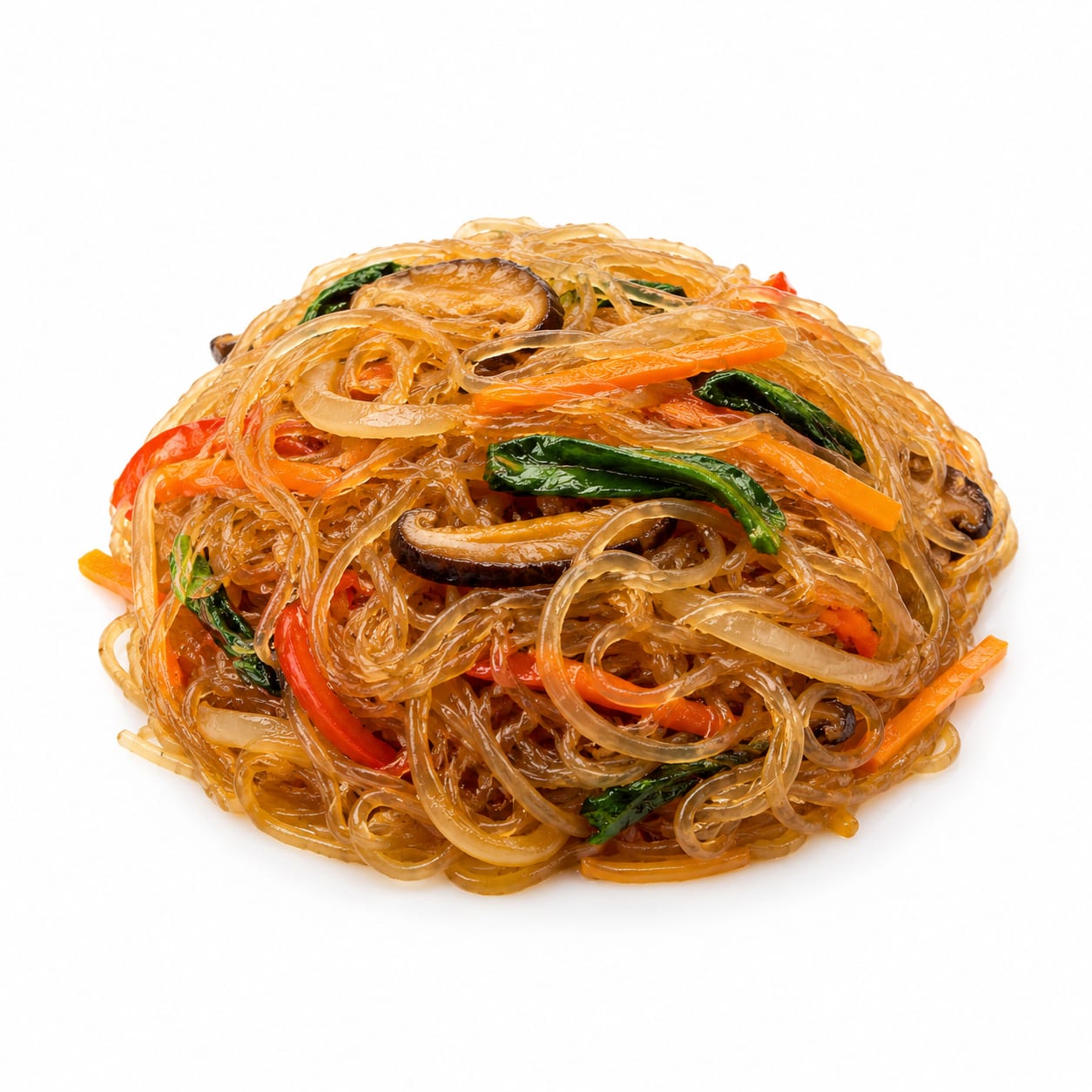
Glass Noodle
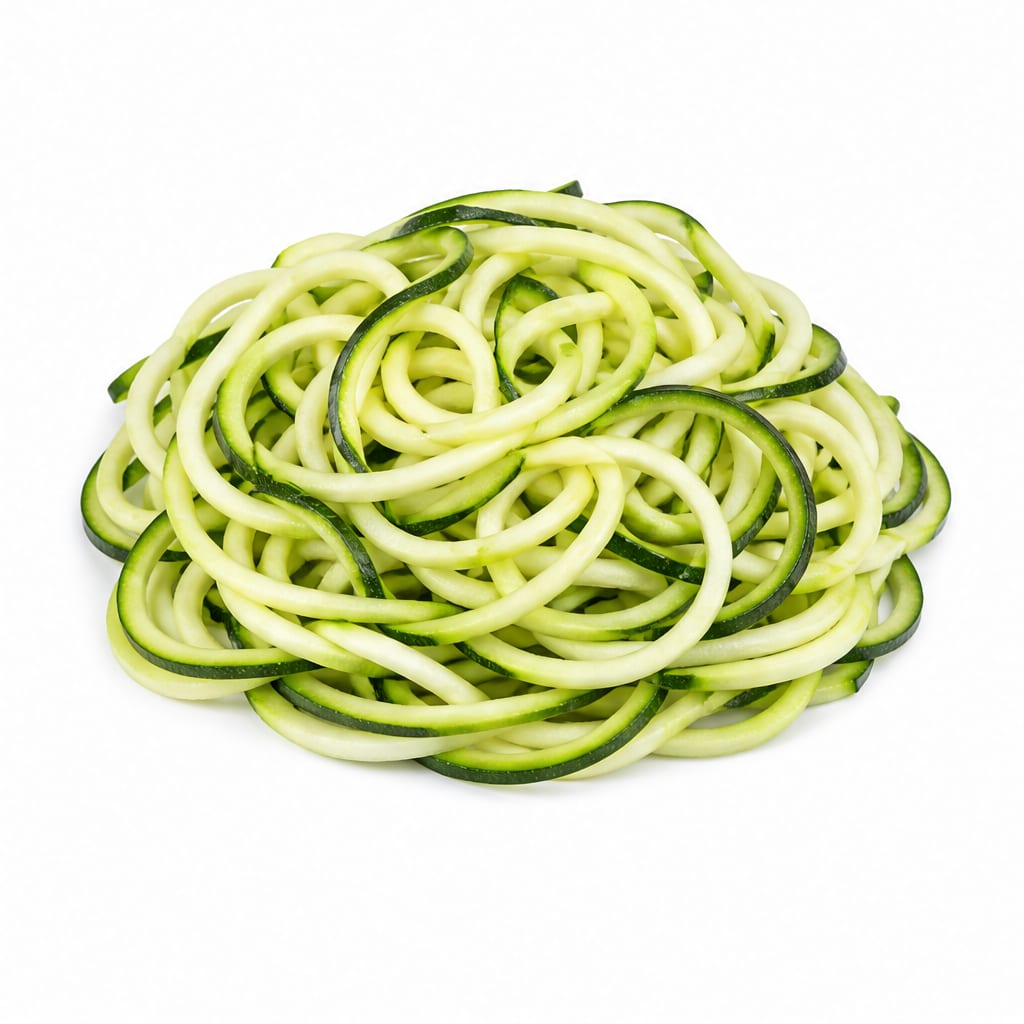
Zucchini Noodles
Zucchini noodles win for health and weight management, but glass noodles win for authentic texture and culinary satisfaction. The tradeoff is real: comfort vs. metabolic benefit.
Zucchini noodles score significantly higher due to superior blood sugar stability, nutrient density, and weight management value. Glass noodles are not terrible — they are gluten-free and fat-free — but they are essentially refined starch with minimal nutritional payoff.
Glass noodles taste and feel like real noodles but cost you metabolically. Zucchini noodles protect your blood sugar but may leave you missing the real thing.
At a glance
Executive summary
Overall
Zucchini Noodles
Healthier
Zucchini Noodles
More practical
It depends
Daily use
Zucchini Noodles
Key comparison lenses
low carb diet compatibility
This is the primary reason most people choose between these two — glass noodles are starch-based while zucchini noodles are nearly carb-free
blood sugar management
Glass noodles spike blood sugar quickly; zucchini noodles barely register, making this critical for diabetics and metabolic health
weight loss plate resolution
Calorie density and satiety differ dramatically, directly impacting whether users can sustain a calorie deficit
meal satisfaction and texture
Glass noodles deliver a more authentic noodle experience; zucchini noodles can feel watery or unsatisfying, which affects long-term adherence
processing and naturalness
Glass noodles are refined starch extruded into shape; zucchini noodles are simply a vegetable cut differently
Best choice for
Glass Noodle
- People transitioning from regular pasta who need a closer texture substitute
- Active individuals who can handle the carbohydrate load without blood sugar issues
- Traditional Asian recipes where glass noodles are culturally authentic and irreplaceable
- Those who find zucchini noodles too watery or unsatisfying to stick with
Zucchini Noodles
- Anyone managing diabetes, insulin resistance, or metabolic syndrome
- Low-carb and keto dieters needing a noodle fix without the carb spike
- People aiming for weight loss who want volume without calories
- Daily eaters who prioritize nutrient density over culinary authenticity
Least suitable for
Glass Noodle
- Diabetics and anyone with blood sugar concerns
- Sedentary individuals on low-carb protocols
- Those prone to afternoon energy crashes after carb-heavy meals
- People trying to break the cycle of refined starch cravings
Zucchini Noodles
- Traditionalists who find the texture off-putting and would rather skip noodles entirely
- Those needing calorie-dense meals to maintain weight
- Anyone with zucchini or squash allergies
- People who find vegetable substitutes psychologically unsatisfying and end up overeating later
Deep comparison
Dimension by dimension
Each lens scores both foods and breaks down who each option suits.
- Dimension 1 · Priority 95Zucchini Noodles
blood sugar_stability
Glass Noodle · 18Zucchini Noodles · 95Glass noodles are essentially pure starch that digests rapidly. Zucchini noodles have almost no digestible carbohydrate, so blood sugar barely moves.
Tradeoff
You get a satisfying carb experience with glass noodles, but you pay for it with a glucose spike and potential crash within 1-2 hours.
Why it matters
Blood sugar spikes drive hunger returns, fatigue, and long-term metabolic damage. This is the single most important difference between these two foods.
Real-world impact
After a glass noodle bowl, you may feel hungry again within 90 minutes. After zucchini noodles, energy stays flat and steady.
Glass Noodle
- Post-workout recovery when fast carbs are actually beneficial
- Endurance athletes mid-activity who need quick glycogen replenishment
Better for
- Sedentary evenings when that glucose has nowhere to go
- Breakfast — starting the day with a starch spike sets up cravings all day
Worse for
Zucchini Noodles
- Anyone with prediabetes or type 2 diabetes
- People trying to eliminate afternoon energy crashes
- Low-carb dieters tracking net carbs closely
Better for
- Immediately after intense exercise when your body actually needs quick carbs
Worse for
- Dimension 2 · Priority 88Zucchini Noodles
satiety_and_fullness
Glass Noodle · 30Zucchini Noodles · 72Zucchini noodles fill you up with water and fiber for very few calories. Glass noodles digest quickly and leave you hungry sooner despite having more calories.
Tradeoff
Glass noodles feel more substantial in the moment due to their chewy density, but that feeling fades fast. Zucchini noodles create physical fullness that lasts longer.
Why it matters
If you are hungry again an hour after eating, you will eat more overall. Satiety per calorie is the real metric for weight management.
Real-world impact
A large bowl of zucchini noodles with sauce feels like a big meal for under 100 calories. The same volume of glass noodles runs 300+ calories and digests in half the time.
Glass Noodle
- Meals where psychological satisfaction from chewy texture matters more than lasting fullness
Better for
- Anyone prone to snacking between meals — glass noodles will not hold you
Worse for
Zucchini Noodles
- Weight loss phases where maximizing food volume per calorie is critical
- Late dinners when you want to feel full without going to bed stuffed
Better for
- Those who find water-rich vegetables leave them feeling hollow rather than satisfied
Worse for
- Dimension 3 · Priority 82Zucchini Noodles
nutrient_density
Glass Noodle · 10Zucchini Noodles · 78Glass noodles are essentially empty starch calories. Zucchini noodles deliver vitamin C, potassium, manganese, and antioxidants alongside their minimal calories.
Tradeoff
Glass noodles provide energy but nothing else. Zucchini noodles provide very little energy but meaningful micronutrients.
Why it matters
When calories are limited, every bite should contribute something beyond raw energy. Nutrient-poor calories crowd out better options.
Real-world impact
A serving of zucchini noodles covers about 35% of your daily vitamin C needs. Glass noodles contribute essentially zero micronutrients.
Glass Noodle
- Situations where pure caloric energy is the only goal
Better for
- People relying on noodle dishes as a dietary staple — nutrient gaps accumulate
Worse for
Zucchini Noodles
- Anyone eating at a calorie deficit who needs micronutrients to stay healthy
- Daily meals where cumulative nutrient intake matters
Better for
- Those who need calorie-dense foods to maintain weight
Worse for
- Dimension 4 · Priority 78Glass Noodle
culinary_satisfaction_and_texture
Glass Noodle · 82Zucchini Noodles · 35Glass noodles have that authentic chewy, slippery noodle bite that makes Asian dishes work. Zucchini noodles are watery, can get mushy, and never fully replicate the experience.
Tradeoff
You sacrifice genuine eating pleasure for health benefits. For some people, this makes zucchini noodles unsustainable as a long-term swap.
Why it matters
If a substitute feels like a sacrifice every time, you will eventually quit. Culinary satisfaction drives dietary adherence more than nutrition knowledge.
Real-world impact
Glass noodles in a hot pot or stir-fry feel like a real meal. Zucchini noodles in the same dish feel like you are eating sauce over wet vegetables — which you essentially are.
Glass Noodle
- Traditional recipes where the noodle texture is central to the dish
- Social meals and dinner parties where food should feel celebratory, not corrective
Better for
- Health-focused meal plans where the carb load does not fit
Worse for
Zucchini Noodles
- Cold salads and raw preparations where zucchini's crunch actually works
- Dishes where sauce and toppings dominate and the base is just a vehicle
Better for
- Comfort food cravings — zucchini noodles will not scratch that itch
Worse for
- Dimension 5 · Priority 65Glass Noodle
convenience_and_shelf_stability
Glass Noodle · 85Zucchini Noodles · 40Glass noodles are dried, shelf-stable for months, and cook in 3-5 minutes. Zucchini noodles require fresh produce, spiralizing, and immediate use before they go watery.
Tradeoff
Glass noodles are always ready when you are. Zucchini noodles demand planning, prep, and careful storage — or the premium of buying pre-spiralized versions.
Why it matters
Inconvenience is the top reason people abandon healthy swaps. If making zucchini noodles feels like a chore, you will reach for the dried noodles instead.
Real-world impact
You can keep glass noodles in your pantry for a year and cook them in 5 minutes. Zucchini noodles require fresh zucchini, a spiralizer, salting to remove water, and patting dry — or paying 3-4x more for pre-cut versions.
Glass Noodle
- Busy weeknights when you need dinner in under 15 minutes
- Pantry stocking and emergency meals
- Travel and camping where fresh produce is unavailable
Better for
- No real downside here — glass noodles are genuinely convenient
Worse for
Zucchini Noodles
- Meal prep sessions where you process vegetables in bulk for the week
Better for
- Spontaneous cooking — zucchini noodles do not work as a quick pantry meal
Worse for
- Dimension 6 · Priority 70Zucchini Noodles
processing_and_naturalness
Glass Noodle · 20Zucchini Noodles · 95Glass noodles are refined starch extracted from mung beans or tubers, then extruded and dried. Zucchini noodles are a whole vegetable cut into strips.
Tradeoff
Glass noodles are a manufactured product with minimal whole-food integrity. Zucchini noodles are as close to unprocessed as food gets.
Why it matters
Minimally processed foods consistently correlate with better health outcomes. The more a food is refined, the less your body recognizes it as nourishment.
Real-world impact
One ingredient goes into zucchini noodles: zucchini. Glass noodles involve starch extraction, shaping, and drying — stripping away everything except the carbohydrate matrix.
Glass Noodle
- No real health advantage to the processing level of glass noodles
Better for
- Whole-food, clean-eating, and minimally-processed dietary philosophies
Worse for
Zucchini Noodles
- Clean-eating protocols and whole-food diets
- Anyone avoiding refined and processed foods
Better for
- No meaningful downside — zucchini noodles are essentially unprocessed
Worse for
Timeline
Health impact over time
Short-term
Hours to days
Glass Noodle
- Rapid blood sugar rise within 30-60 minutes of eating
- Quick energy that fades within 1-2 hours, often followed by hunger return
- Mild bloating possible due to starch density if eaten in large portions
Zucchini Noodles
- Stable blood sugar with virtually no glycemic impact
- Physical fullness from water and fiber without the heavy feeling
- Possible excess water release during cooking, making dishes soupy if not prepared carefully
Long-term
Months to years
Glass Noodle
- Regular consumption of refined starch contributes to insulin resistance over time
- Empty calorie load may displace more nutritious foods, creating gradual nutrient gaps
- Weight gain risk if portions are not carefully managed due to low satiety per calorie
Zucchini Noodles
- Consistent low-carb intake supports metabolic flexibility and insulin sensitivity
- Cumulative micronutrient intake from regular vegetable consumption supports immune and skin health
- Possible satisfaction fatigue if used as a sole noodle substitute without variety
Risk profile
Safety & processing
Glass noodles are processed but generally free of artificial additives — they are just refined starch and water. Zucchini noodles are as unprocessed as it gets. The concern with glass noodles is not chemical additives but the loss of whole-food structure and nutrients during starch refinement.
Glass Noodle
Contamination from unregulated production
mediumSome imported glass noodles have been flagged for unauthorized additives or industrial starch substitutes. Buy reputable brands with clear ingredient lists.
Acrylamide formation during cooking
lowIf fried at high temperatures, starch-based noodles can form acrylamide. Boiling avoids this risk entirely.
Zucchini Noodles
Pesticide residue on conventional zucchini
mediumZucchini is not on the highest-risk pesticide list but does carry residues. Washing thoroughly or choosing organic reduces exposure.
Bacterial contamination from improper storage
lowFresh zucchini can harbor surface bacteria. Spiralizing increases surface area, so use fresh produce and refrigerate immediately.
Who wins for whom
Audience fit
Same foods, different winners depending on your goal.
children
It dependsGlass noodles are fun to eat and culturally familiar in many households, but offer no nutrition. Zucchini noodles are nutritious but kids may reject the texture. Pair either with protein and vegetables for a balanced meal.
daily consumption
Zucchini NoodlesDaily glass noodle consumption means daily refined starch intake with no nutritional benefit. Zucchini noodles can be eaten daily without metabolic cost and with cumulative micronutrient gains.
diabetes
Zucchini NoodlesThis is not close. Glass noodles are essentially pure refined starch that will spike blood sugar. Zucchini noodles have negligible carbohydrate impact.
elderly
Zucchini NoodlesOlder adults benefit from the micronutrients, hydration, and fiber in zucchini noodles. Glass noodles contribute empty calories that displace more nourishing options.
muscle gain
It dependsNeither is a protein source. Glass noodles provide post-workout carbs for glycogen replenishment, but zucchini noodles would need to be paired with a separate carb source. Context determines the winner.
weight loss
Zucchini NoodlesZucchini noodles deliver massive volume for minimal calories and keep you full longer. Glass noodles are calorie-dense for their satiety value, making portion control harder.
Your move
Decision guide
Choose Glass Noodle
- You are cooking a traditional Asian dish where glass noodles are essential and irreplaceable
- You are an active person who handles carbohydrates well and wants authentic noodle texture
- You need a shelf-stable pantry staple that cooks in minutes with zero prep
- You have tried zucchini noodles and find them so unsatisfying that you end up eating more later
Choose Zucchini Noodles
- You are managing blood sugar, insulin resistance, or diabetes
- You want to lose weight or maintain a calorie deficit without feeling deprived of volume
- You follow a low-carb, keto, or whole-food eating approach
- You eat noodle dishes frequently and need a daily-use option that does not accumulate metabolic cost
Either works if
- You are mixing both in a dish — glass noodles for texture, zucchini noodles for bulk
- You rotate based on context: zucchini for everyday, glass noodles for special occasions
- You pair either with plenty of protein, healthy fats, and vegetables to round out the meal
Avoid both if
- You have a specific allergy to mung bean starch or zucchini
- You are looking for a protein-rich base — neither delivers meaningful protein
Final recommendation
Make zucchini noodles your default daily choice and treat glass noodles as an occasional pleasure. The metabolic difference is too significant to ignore. If texture is the barrier, try roasting zucchini noodles briefly to reduce water content, or mix a small portion of glass noodles with a larger base of zucchini noodles — you get the chewy satisfaction without the full starch load.
Practical
Consumer tips
- 1
Salt zucchini noodles and let them sit for 15 minutes, then squeeze out excess water before cooking — this prevents the soupy texture that turns people off
- 2
Quick-roast zucchini noodles at high heat for 5 minutes instead of boiling — you get firmer texture and better browning
- 3
Mix 25% glass noodles with 75% zucchini noodles for a compromise that preserves texture while cutting carbs significantly
- 4
Buy glass noodles with only one ingredient: mung bean starch, sweet potato starch, or tapioca starch — avoid brands with added oils or preservatives
- 5
Pre-spiralized zucchini noodles cost 3-4x more but save 10 minutes of prep — worth it if convenience determines whether you actually eat them
- 6
Store fresh zucchini noodles with a paper towel in the container to absorb moisture — they last 2-3 days refrigerated before getting soggy