
Nutrition comparison
Glass Noodles vs Soba Noodles: Which Is Actually Healthier?
Glass noodles are light and gluten-free, but soba noodles deliver protein, fiber, and steadier energy. Compare nutrition, blood sugar impact, and which to choose for your goals.
Overall winner · Soba Noodles
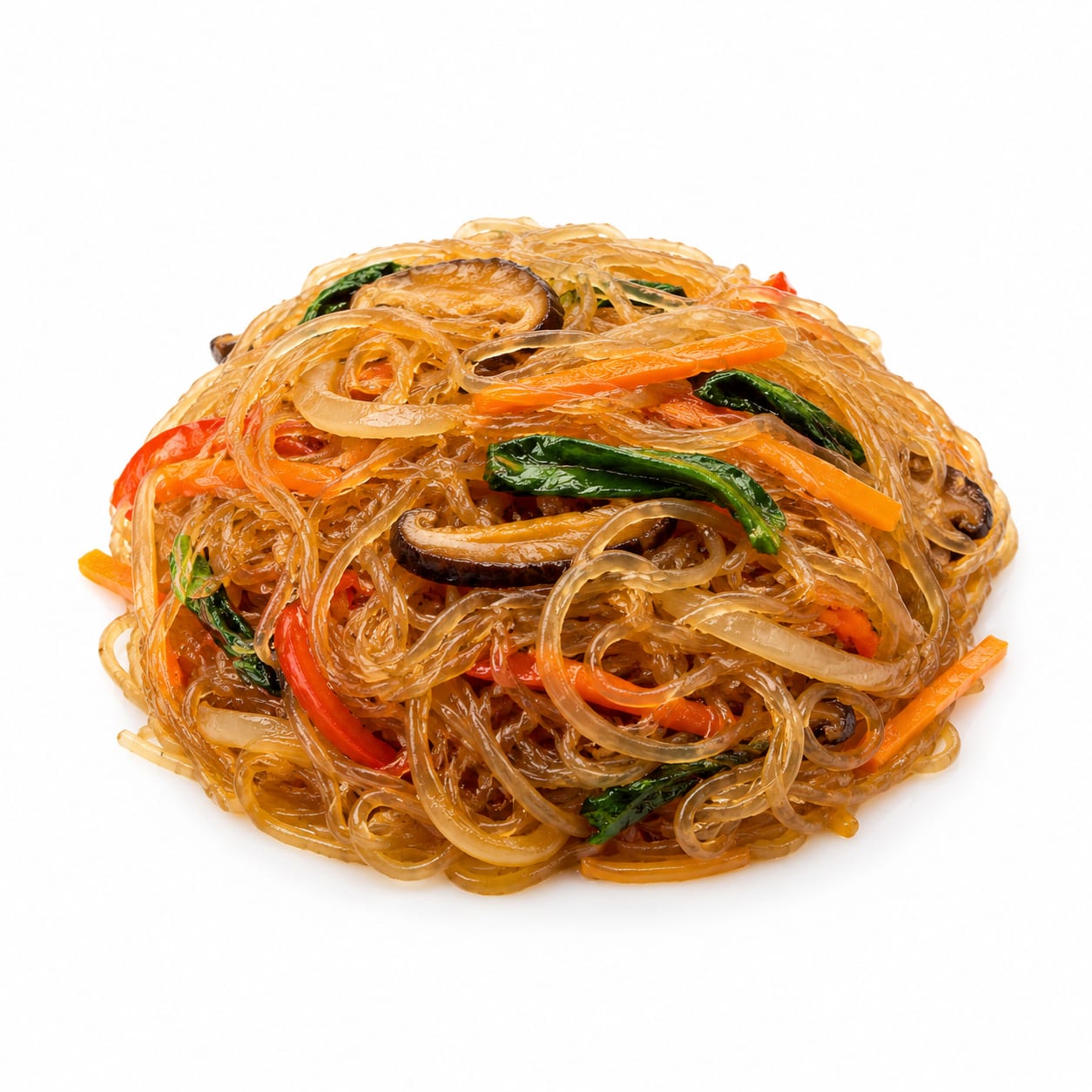
Glass Noodle
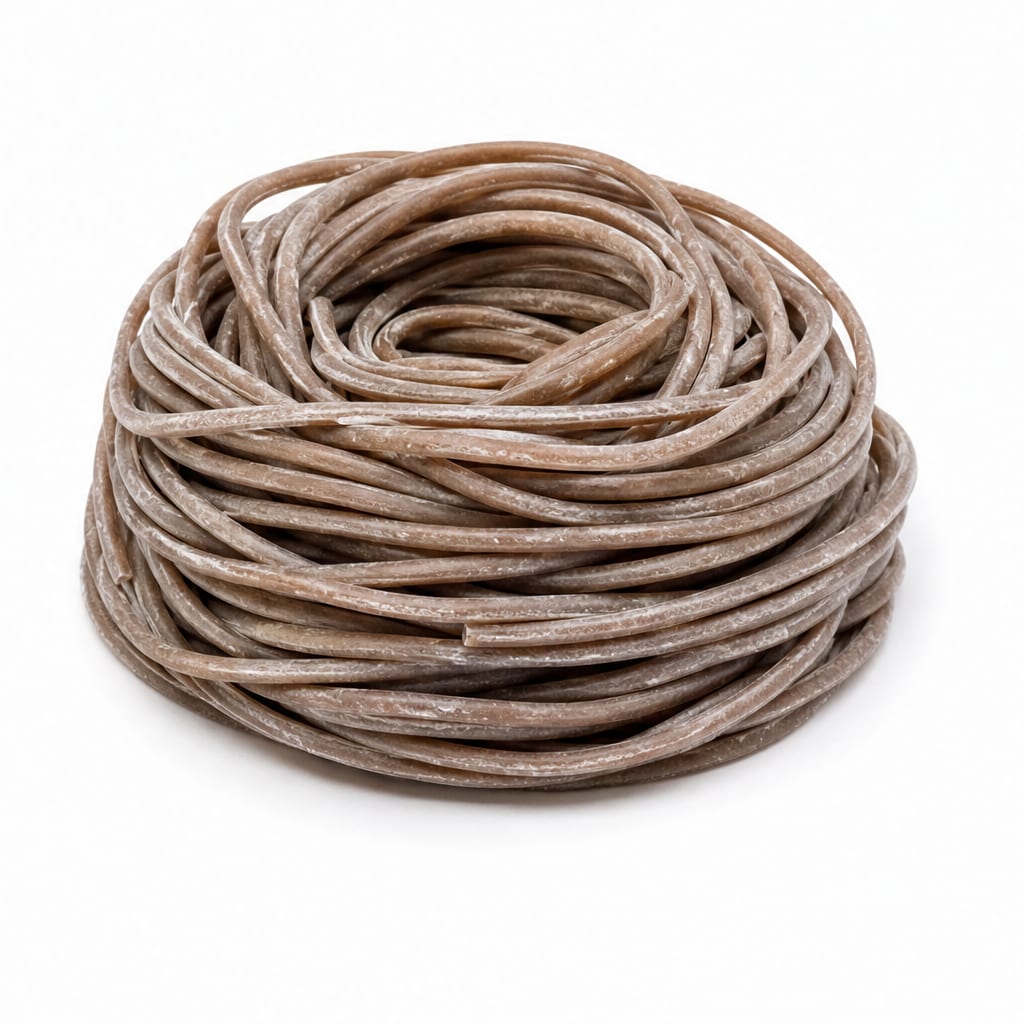
Soba Noodles
Soba noodles deliver real nutrition — protein, fiber, and antioxidants — while glass noodles are mostly empty carbs that spike blood sugar faster.
Soba noodles score significantly higher because they offer protein, fiber, minerals, and antioxidants that glass noodles simply lack. Glass noodles are not harmful in moderation, but they are nutritionally hollow — essentially flavored energy with little staying power.
Glass noodles are lighter and gluten-free, but soba keeps you fuller longer and supports steadier energy with far more nutritional payoff.
At a glance
Executive summary
Overall
Soba Noodles
Healthier
Soba Noodles
More practical
It depends
Daily use
Soba Noodles
Key comparison lenses
blood sugar management
Both are carb-heavy staples, but their glycemic impact differs dramatically — this is the most consequential difference for daily eaters
nutritional value beyond calories
Glass noodles are essentially pure starch, while soba offers protein, fiber, and minerals — users deserve to know what they're actually getting
weight management and satiety
Both are popular in light meals, but how full they keep you matters for real-world portion control
gluten-free and allergy compatibility
Glass noodles are often gluten-free, making them a go-to for celiacs, while many soba brands contain wheat
everyday meal versatility
Both appear in soups, stir-fries, and cold dishes, but texture and flavor differences affect satisfaction
Best choice for
Glass Noodle
- People with celiac disease or gluten sensitivity needing a safe noodle option
- Anyone wanting the lightest possible base for rich broths or heavy sauces
- Hot pot and soup lovers who prefer a delicate, slippery texture
Soba Noodles
- Anyone seeking sustained energy without the post-meal crash
- People managing blood sugar, weight, or metabolic health
- Home cooks wanting a nutrient-dense staple they can eat several times a week
Least suitable for
Glass Noodle
- People with diabetes or insulin resistance — the rapid blood sugar spike is a real problem
- Anyone relying on noodles as a meaningful calorie source with nutritional value
- Those prone to getting hungry again quickly after carb-heavy meals
Soba Noodles
- People with buckwheat allergies — this is a serious and sometimes overlooked allergen
- Those strictly avoiding gluten — many commercial soba brands add wheat flour
- Anyone wanting a completely neutral-tasting noodle that disappears into a dish
Deep comparison
Dimension by dimension
Each lens scores both foods and breaks down who each option suits.
- Dimension 1 · Priority 92Soba Noodles
blood sugar stability
Glass Noodle · 25Soba Noodles · 65Glass noodles digest fast and spike blood sugar quickly. Soba's fiber and protein slow absorption for steadier energy.
Tradeoff
Glass noodles give you a quicker energy hit, but you'll crash sooner. Soba takes the edge off and lasts longer.
Why it matters
If you've ever felt sleepy or hungry an hour after a noodle bowl, that's the blood sugar rollercoaster. Soba helps flatten that curve.
Real-world impact
A glass noodle lunch might leave you reaching for a snack by 2pm. Soba keeps you coasting until dinner more reliably.
Glass Noodle
- Pre-workout when you actually want fast-digesting carbs
- Recovering from low blood sugar episodes
Better for
- Anyone monitoring HbA1c or fasting glucose
- Late-night eating when you don't want a sugar spike before bed
Worse for
Soba Noodles
- Preventing the afternoon energy crash
- Managing prediabetes or insulin resistance
- Staying focused through long work sessions after lunch
Better for
- Situations where you need immediate fuel during intense endurance activity
Worse for
- Dimension 2 · Priority 88Soba Noodles
nutritional density
Glass Noodle · 15Soba Noodles · 72Glass noodles are almost pure starch with minimal protein, fiber, or micronutrients. Soba brings protein, manganese, magnesium, and the antioxidant rutin.
Tradeoff
Glass noodles are a blank canvas — they won't interfere with flavors but won't nourish you either. Soba actively contributes to your daily nutrient intake.
Why it matters
Eating should fuel you, not just fill you. When a staple food carries real nutrition, every meal works harder for your health.
Real-world impact
A bowl of soba gives you roughly 5-8g of protein and 2-3g of fiber per serving. Glass noodles give you close to zero of both.
Glass Noodle
- Meals where other ingredients carry all the nutrition and you just want a neutral base
Better for
- Meals that are mostly noodles with minimal toppings or protein
- Anyone eating on a budget who needs each calorie to deliver more
Worse for
Soba Noodles
- Simple meals where the noodle itself needs to pull nutritional weight
- Plant-based eaters who need to maximize protein from grain sources
- Anyone trying to reduce supplements by eating more nutrient-rich foods
Better for
- Overly complex dishes where soba's nutty flavor competes with delicate ingredients
Worse for
- Dimension 3 · Priority 80Soba Noodles
satiety and fullness
Glass Noodle · 30Soba Noodles · 68Soba's protein and fiber make it genuinely filling. Glass noodles digest quickly and leave you hungry again fast.
Tradeoff
Glass noodles feel lighter in the moment, which can be nice, but that lightness comes at the cost of staying power.
Why it matters
Foods that don't keep you full lead to overeating later. Satiety is one of the most underrated factors in weight management.
Real-world impact
You might eat the same volume of both, but the soba bowl will keep you satisfied for hours while the glass noodle bowl has you eyeing snacks within 90 minutes.
Glass Noodle
- Small appetizers or light courses where you don't want to fill up
- Hot pot where you're eating continuously and don't need each bite to be satiating
Better for
- Anyone trying to reduce snacking between meals
- Portion control struggles — it's easy to overeat glass noodles because they don't trigger fullness signals well
Worse for
Soba Noodles
- One-bowl meals that need to carry you to the next eating window
- Busy days when you can't snack and need lunch to last
Better for
- Multi-course meals where you want to save room for other dishes
Worse for
- Dimension 4 · Priority 75Glass Noodle
gluten-free and allergen compatibility
Glass Noodle · 85Soba Noodles · 25Pure mung bean glass noodles are naturally gluten-free. Most commercial soba contains wheat flour, and buckwheat itself is a common allergen.
Tradeoff
Glass noodles are safer for celiacs and the gluten-sensitive, but you sacrifice nutrition. Soba is more nutritious but riskier for multiple allergy groups.
Why it matters
For people with celiac disease or gluten sensitivity, this isn't a preference — it's a medical necessity that overrides all other factors.
Real-world impact
If you're gluten-free, glass noodles are one of the few traditional Asian noodles you can safely eat. Soba requires careful label reading and often costs more in 100% buckwheat form.
Glass Noodle
- Celiac disease or non-celiac gluten sensitivity
- Shared kitchens where cross-contamination with wheat is a concern
- Eating at restaurants where you can't verify ingredients
Better for
- No real downside here — this is glass noodles' strongest advantage
Worse for
Soba Noodles
- People without gluten or buckwheat allergies who want maximum nutrition
Better for
- Anyone with buckwheat allergy — reactions can be severe
- Gluten-sensitive individuals unless using certified 100% buckwheat soba
- Diners at typical restaurants where soba almost always contains wheat
Worse for
- Dimension 5 · Priority 60It depends
culinary experience and satisfaction
Glass Noodle · 55Soba Noodles · 70Glass noodles offer a unique slippery, delicate texture that absorbs broth beautifully. Soba has a satisfying chew and nutty flavor that stands on its own.
Tradeoff
Glass noodles disappear into dishes — great for texture lovers, less satisfying if you want the noodle itself to taste like something. Soba demands attention and rewards it.
Why it matters
Eating isn't just fuel — satisfaction matters for sustainability. A food that feels rewarding is easier to stick with long-term.
Real-world impact
Cold soba with dipping sauce is a complete, satisfying meal on its own. Glass noodles almost always need a supporting cast to feel like a real dish.
Glass Noodle
- Hot pot and soup dishes where you want the broth to shine
- Stir-fries where you want a light, slippery texture
- Dishes where the sauce is the star and the noodle is just a vehicle
Better for
- Anyone who finds slippery textures unappealing
- Meals where you want the carb component to have real flavor
Worse for
Soba Noodles
- Cold noodle salads where the noodle flavor matters
- Simple preparations with minimal ingredients
- Japanese-style dishes where soba's earthy flavor is the point
Better for
- Dishes with very delicate flavors that soba might overpower
- People who find buckwheat's earthiness too strong
Worse for
- Dimension 6 · Priority 55It depends
sodium and additive load
Glass Noodle · 50Soba Noodles · 55Both are relatively clean in their plain dried form. The real sodium comes from preparation — broths, sauces, and seasonings — not the noodles themselves.
Tradeoff
Glass noodles sometimes contain alum or other processing aids. Soba may have added salt in the dough. Both are moderate concerns compared to what you cook them in.
Why it matters
The noodle itself is rarely the sodium problem — it's the broth. But starting with a cleaner base gives you more room to season mindfully.
Real-world impact
Neither noodle will sabotage your sodium goals on its own. A typical serving of either has 5-20mg sodium before you add sauce or broth.
Glass Noodle
- Minimal — both are similar in their plain form
Better for
- Some glass noodle brands use alum-based processing agents — check labels
Worse for
Soba Noodles
- Slight edge because traditional soba production uses fewer processing aids
Better for
- Cheap soba brands may add more salt to compensate for lower buckwheat content
Worse for
Timeline
Health impact over time
Short-term
Hours to days
Glass Noodle
- Quick blood sugar rise within 30-60 minutes of eating
- Light feeling in the stomach — easy to overeat before feeling full
- Rapid return of hunger within 1-2 hours
Soba Noodles
- Gradual, sustained energy release over 2-3 hours
- More immediate feeling of satisfaction after eating
- Less likely to trigger cravings shortly after the meal
Long-term
Months to years
Glass Noodle
- Regular consumption without protein or fiber companions may contribute to insulin resistance over time
- Nutrient gap if frequently replacing more nutritious carb sources
- Easy to accumulate excess calories because satiety signals are weak
Soba Noodles
- Rutin from buckwheat supports vascular health and may reduce cardiovascular risk over time
- Better blood sugar patterns with regular consumption support metabolic health
- Consistent fiber intake promotes gut health and regularity
Risk profile
Safety & processing
Traditional soba is just buckwheat flour and water — about as simple as noodles get. Glass noodles require starch extraction and sometimes alum-based processing aids, making them more processed despite their simple appearance.
Glass Noodle
alum processing agents
mediumSome glass noodle producers use alum (aluminum-based compounds) to improve texture. Regular aluminum exposure from multiple dietary sources may accumulate, though a single serving is low risk.
mislabeling of starch source
mediumGlass noodles labeled as mung bean may contain cheaper starches like potato or corn. This matters for allergies and glycemic impact. Buy from reputable brands.
contamination in bulk bins
lowDried glass noodles sold in open bulk bins at Asian markets can absorb moisture and harbor mold if stored improperly.
Soba Noodles
buckwheat allergy
highBuckwheat is a potent allergen that can cause anaphylaxis in sensitive individuals. This allergy is more common in East Asia but exists worldwide. First-time eaters should be cautious.
hidden wheat in commercial soba
mediumMost soba sold contains 20-40% wheat flour. For celiacs, this is a serious cross-contamination risk. Only 100% buckwheat soba (juwari soba) is gluten-free, and it's more expensive and harder to find.
aflatoxin in buckwheat
lowImproperly stored buckwheat can develop mold toxins. This is rare in commercial dried noodles but possible in bulk or expired products.
Who wins for whom
Audience fit
Same foods, different winners depending on your goal.
children
It dependsKids often prefer glass noodles' fun, slippery texture and mild taste. But soba offers better nutrition for growing bodies. Rotate both, but don't let glass noodles become the default.
daily consumption
Soba NoodlesA daily staple should earn its calories. Soba contributes protein, fiber, and micronutrients every time you eat it. Glass noodles are fine occasionally but nutritionally hollow as a daily base.
diabetes
Soba NoodlesSoba's lower glycemic impact and fiber content make it significantly safer for blood sugar management. Glass noodles are essentially fast-digesting starch with minimal buffering.
elderly
Soba NoodlesOlder adults need nutrient-dense foods more, not less. Soba's protein, fiber, and minerals support muscle maintenance and digestion better than empty starch.
muscle gain
Soba NoodlesNeither is a protein powerhouse, but soba provides 5-8g protein per serving versus glass noodles' near-zero. Every gram counts when you're trying to hit protein targets.
weight loss
Soba NoodlesSoba's protein and fiber create genuine fullness, making it easier to eat less overall. Glass noodles' low satiety often leads to larger portions or extra snacking.
Your move
Decision guide
Choose Glass Noodle
- You have celiac disease or gluten sensitivity and need a safe noodle option
- You're making hot pot and want that classic slippery texture that absorbs broth
- You're eating a meal where other ingredients provide all the protein and nutrition
- You need fast-digesting carbs before or after intense exercise
- You simply prefer the delicate texture and that matters enough to you
Choose Soba Noodles
- You want a noodle that actually nourishes you, not just fills you up
- Blood sugar management matters for your health — even if you haven't been diagnosed with anything
- You tend to get hungry soon after eating carb-heavy meals
- You're building a simple meal where the noodle carries more nutritional responsibility
- You enjoy the nutty, earthy flavor of buckwheat — it makes simple meals more satisfying
Either works if
- You're eating a balanced meal with plenty of protein, vegetables, and healthy fats alongside the noodles
- You rotate between different noodle types throughout the week anyway
- Both are available and you're deciding based on what dish you're cooking
Avoid both if
- You're strictly limiting carbohydrates for ketosis or other medical reasons
- You have both buckwheat allergy and celiac disease — options become very narrow
- You're sensitive to high-FODMAP foods — both can trigger IBS symptoms in large portions
Final recommendation
Make soba your default noodle and treat glass noodles as an occasional guest. Soba gives you real nutrition, steadier energy, and better satiety — the things that actually matter when you eat a food regularly. Save glass noodles for hot pot nights, gluten-free necessity, or when you specifically want that unique texture. The nutritional gap between these two is too large to ignore if you're eating noodles more than once a week.
Practical
Consumer tips
- 1
Look for soba that's at least 50% buckwheat — the higher the percentage, the more nutrition you get. 100% buckwheat (juwari soba) is ideal but pricier.
- 2
For gluten-free soba, always verify it's 100% buckwheat and made in a wheat-free facility. Cross-contamination is common.
- 3
Check glass noodle ingredients for alum or aluminum compounds — better brands skip these entirely.
- 4
Don't rinse soba after cooking if you want to keep the nutrients and flavor. Do rinse glass noodles to prevent clumping.
- 5
Pair glass noodles with protein and vegetables to compensate for their nutritional weakness. A glass noodle bowl with tofu, eggs, and greens is very different from glass noodles alone in broth.
- 6
Buy both in small quantities first — freshness matters more than people think, and old noodles of either type develop off-flavors.
- 7
If switching from glass noodles to soba, expect the nutty flavor to take 2-3 meals to appreciate. It grows on you.