
Nutrition comparison
Glass Noodles vs Shirataki Noodles: Which Low-Calorie Noodle Is Actually Better?
Compare Glass Noodles and Shirataki Noodles on calories, blood sugar impact, taste, digestion, and weight loss. Find out which noodle fits your diet goals best.
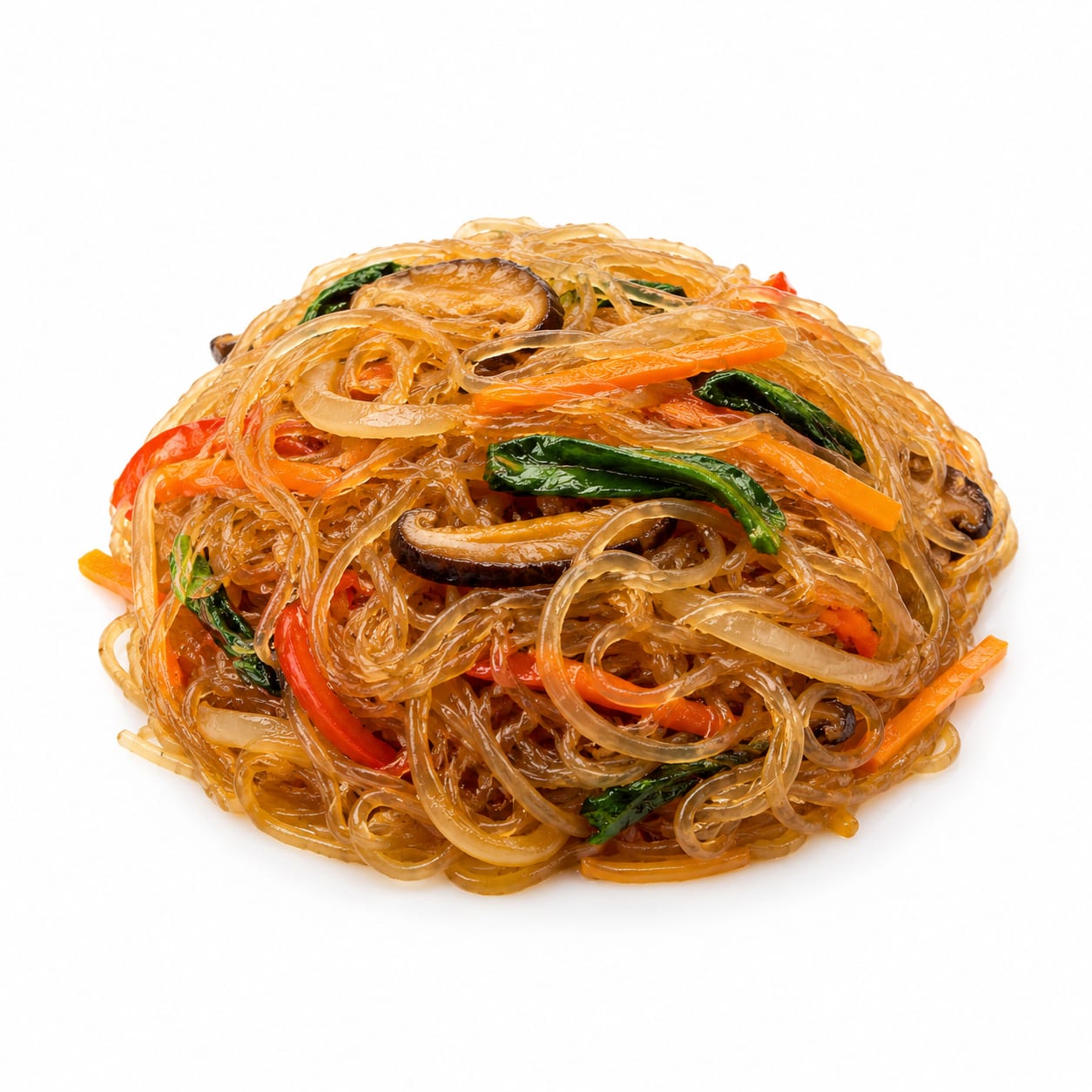
Glass Noodle
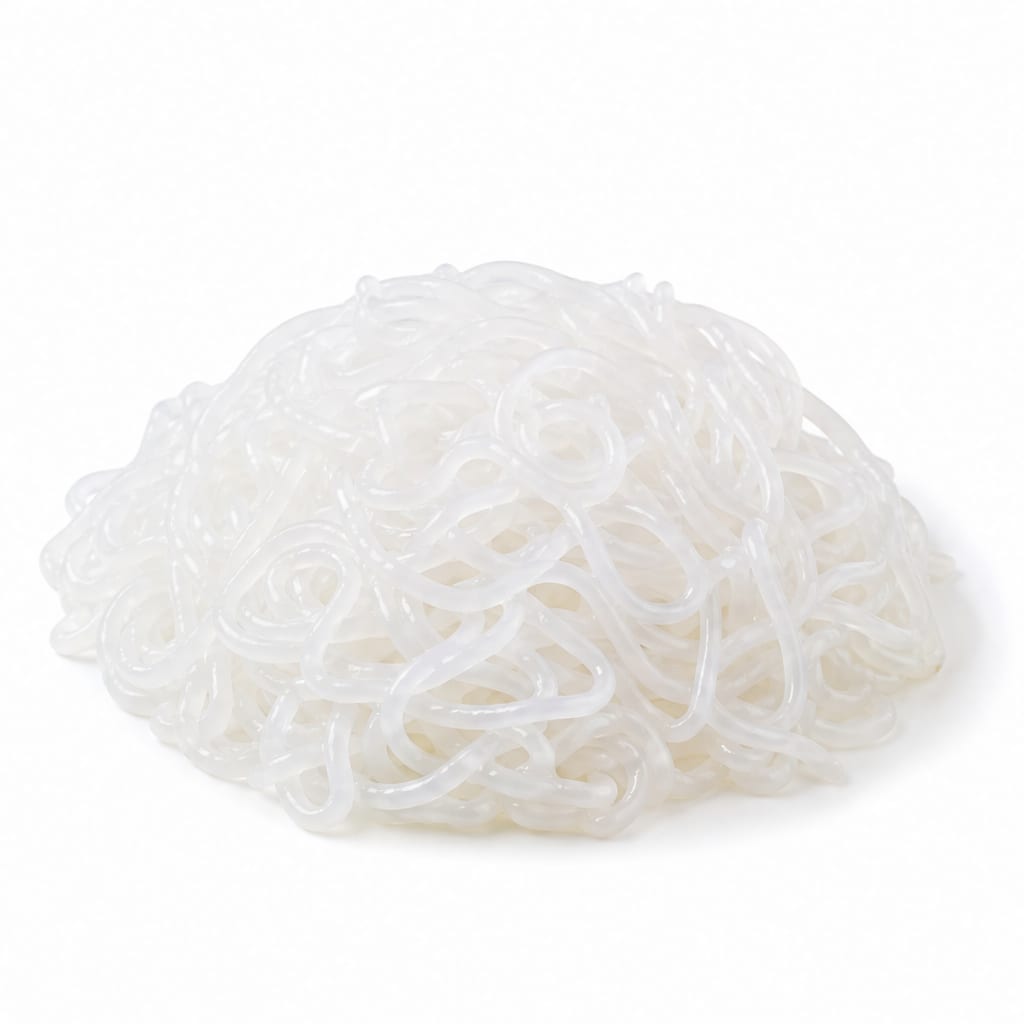
Shirataki Noodles
Shirataki wins for calorie cutting and blood sugar control, but Glass Noodles win on taste, satisfaction, and digestive comfort.
Shirataki scores higher for metabolic health and weight management, but Glass Noodles score higher for satisfaction and practicality. The close overall scores reflect that neither is a nutritional powerhouse — both are vehicle foods that depend on what you pair them with.
Near-zero calories versus actually enjoying your meal. Shirataki is a tool; Glass Noodles are food.
At a glance
Executive summary
Overall
It depends
Healthier
Shirataki Noodles
More practical
Glass Noodle
Daily use
Glass Noodle
Key comparison lenses
weight loss carb reduction
Both are popular low-calorie noodle swaps, but Shirataki is nearly zero-calorie while Glass Noodles are carb-dense
blood sugar management
Glass Noodles spike blood sugar significantly; Shirataki barely registers glycogenically
satiety and fullness
Users swapping noodles want to feel full, and fiber content differs dramatically between these two
taste and texture satisfaction
Shirataki's rubbery texture is a common complaint; Glass Noodles offer a more familiar eating experience
digestive tolerance
Shirataki's glucomannan fiber can cause bloating and gas in sensitive people
Best choice for
Glass Noodle
- People who want a satisfying noodle experience without extreme restriction
- Active individuals who need real carbohydrate energy
- Those with sensitive digestion who cannot tolerate high fiber
- Home cooks wanting reliable texture in soups and stir-fries
Shirataki Noodles
- Strict low-carb or keto dieters needing a noodle fix
- People managing diabetes who must minimize blood sugar spikes
- Anyone cutting calories aggressively for weight loss
- Those who already eat enough nutrients from other meal components
Least suitable for
Glass Noodle
- People with diabetes or insulin resistance needing low-glycemic foods
- Anyone on a strict ketogenic diet
- Those tracking calories closely for weight loss
Shirataki Noodles
- People with IBS or sensitive stomachs unaccustomed to high fiber
- Anyone who finds food satisfaction important for adherence
- Children who need calorie-dense foods for growth
- Athletes needing carbohydrate fuel before or after training
Deep comparison
Dimension by dimension
Each lens scores both foods and breaks down who each option suits.
- Dimension 1 · Priority 95Shirataki Noodles
calorie_density_and_weight_loss
Glass Noodle · 30Shirataki Noodles · 95Shirataki is almost calorie-free at roughly 10-20 calories per serving. Glass Noodles pack 160-200 calories per 2 oz dry serving, almost entirely from starch.
Tradeoff
You save massive calories with Shirataki but may feel unsatisfied and overeat later. Glass Noodles cost more calories but feel like a real meal.
Why it matters
For pure calorie deficit, Shirataki is unmatched. But if the rubbery texture leaves you raiding the fridge an hour later, the calorie savings vanish.
Real-world impact
A Shirataki stir-fry might save you 300 calories versus the same dish with Glass Noodles — but only if you do not compensate with extra snacking.
Glass Noodle
- People who find low-calorie meals triggering for later binges
Better for
- Anyone needing to stay under 1200 calories daily
Worse for
Shirataki Noodles
- Consistent calorie counters who track intake carefully
Better for
- Emotional eaters who need meals to feel substantial
Worse for
- Dimension 2 · Priority 90Shirataki Noodles
blood_sugar_impact
Glass Noodle · 25Shirataki Noodles · 95Glass Noodles are essentially pure starch with a high glycemic index. Shirataki contains glucomannan fiber that actually slows glucose absorption from other foods.
Tradeoff
Glass Noodles give quick energy but cause crashes. Shirataki stabilizes blood sugar but provides zero energy on its own.
Why it matters
If you have diabetes, prediabetes, or energy crashes after meals, this difference is enormous. Glass Noodles can spike glucose as much as white bread.
Real-world impact
After a Glass Noodle bowl, you may feel a surge then a slump within 90 minutes. Shirataki keeps things steady but you will need carbs from elsewhere.
Glass Noodle
- Endurance athletes needing fast glycogen replenishment post-workout
Better for
- Sedentary people eating large noodle portions at dinner
Worse for
Shirataki Noodles
- Anyone with insulin resistance or type 2 diabetes
- People trying to reduce afternoon energy crashes
Better for
- Athletes in the middle of intense training who need immediate fuel
Worse for
- Dimension 3 · Priority 85It depends
satiety_and_fullness
Glass Noodle · 55Shirataki Noodles · 60Shirataki's glucomannan fiber absorbs water and physically fills the stomach, but Glass Noodles provide actual carbohydrate satisfaction that many find more filling psychologically.
Tradeoff
Physical stomach stretch from Shirataki versus psychological meal satisfaction from Glass Noodles. They satisfy different hunger pathways.
Why it matters
Fiber bulk and carb satisfaction are both real. If Shirataki leaves you feeling like you ate rubber bands, the physical fullness may not translate to feeling fed.
Real-world impact
You might feel physically stuffed after Shirataki but still crave something else. Glass Noodles leave you comfortably satisfied in a more complete way.
Glass Noodle
- People who need psychological satisfaction from meals to stick with their diet
- Those who find fiber-heavy meals uncomfortable
Better for
- Anyone who tends to overeat carb-heavy meals
Worse for
Shirataki Noodles
- Volume eaters who want large portions for few calories
- People who pair noodles with protein and fat for balanced satiety
Better for
- People prone to feeling stuffed but still hungry
Worse for
- Dimension 4 · Priority 80Glass Noodle
taste_and_texture_satisfaction
Glass Noodle · 78Shirataki Noodles · 40Glass Noodles have a pleasant slippery, slightly chewy texture that absorbs broth and sauce beautifully. Shirataki has a distinctive rubbery, slightly oceanic quality that many find off-putting.
Tradeoff
Glass Noodles taste like food you want to eat. Shirataki tastes like a diet product you tolerate.
Why it matters
If you dread your meals, you will not stick with the swap. Shirataki requires recipe adjustments — dry roasting, strong sauces — to become palatable.
Real-world impact
Glass Noodles in a hot pot feel like comfort food. Shirataki in the same dish feels like you made a compromise, unless you have learned to enjoy the texture.
Glass Noodle
- Anyone who values enjoyment as part of healthy eating
- Home cooks wanting predictable results in recipes
Better for
- No one really — Glass Noodles taste better
Worse for
Shirataki Noodles
- Long-term keto dieters who have adapted to the texture
- People who use bold sauces that mask the noodle itself
Better for
- Picky eaters and anyone new to low-carb swaps
Worse for
- Dimension 5 · Priority 75Glass Noodle
digestive_tolerance
Glass Noodle · 72Shirataki Noodles · 45Glass Noodles are gentle and easy to digest for most people. Shirataki's glucomannan fiber can cause gas, bloating, and cramping, especially when you first introduce it.
Tradeoff
Gentle digestion with Glass Noodles versus potential discomfort but better gut health benefits from Shirataki fiber.
Why it matters
Starting with a full serving of Shirataki can leave you bloated for hours. You need to ramp up slowly, which makes it impractical for occasional use.
Real-world impact
A large Shirataki bowl on date night could mean serious stomach discomfort afterward. Glass Noodles are unlikely to cause any digestive drama.
Glass Noodle
- People with IBS or sensitive digestion
- Anyone eating noodles before social events or exercise
Better for
- Anyone specifically seeking more fiber intake
Worse for
Shirataki Noodles
- People with healthy digestion wanting more soluble fiber
- Those constipated who could benefit from glucomannan
Better for
- Fiber-sensitive individuals and IBS sufferers
Worse for
- Dimension 6 · Priority 60It depends
nutritional_value
Glass Noodle · 35Shirataki Noodles · 38Neither is a nutritional standout. Glass Noodles provide some carbohydrate energy and trace minerals. Shirataki provides glucomannan fiber and almost nothing else.
Tradeoff
Minimal energy and trace minerals from Glass Noodles versus meaningful fiber from Shirataki. Both need nutrient-dense pairings to matter.
Why it matters
Neither noodle should be your nutrient source. They are both delivery vehicles for sauces, proteins, and vegetables. Choose based on metabolic goals, not nutrition.
Real-world impact
A bowl of either noodle alone is nutritionally empty. The health of the meal depends entirely on what you cook with them.
Glass Noodle
- Situations where you need some caloric energy from carbs
Better for
- Anyone expecting meaningful micronutrients from noodles
Worse for
Shirataki Noodles
- Meals where you want fiber benefits without adding calories
Better for
- People who think zero-calorie means healthy by default
Worse for
Timeline
Health impact over time
Short-term
Hours to days
Glass Noodle
- Quick energy from easily digested starch
- Possible blood sugar spike followed by energy dip within 1-2 hours
- Comfortable digestion with minimal gas or bloating
Shirataki Noodles
- Near-zero caloric impact on your daily budget
- Potential bloating, gas, or stomach cramps if eating large portions initially
- Feeling physically full but possibly mentally unsatisfied
Long-term
Months to years
Glass Noodle
- Regular high-glycemic meals may contribute to insulin resistance over time
- Easy to overconsume calories when paired with rich sauces
- Unlikely to cause any chronic digestive issues
Shirataki Noodles
- Glucomannan fiber may improve cholesterol levels and gut health with regular use
- Very low calorie intake from noodle dishes could support sustainable weight loss
- Risk of inadequate caloric intake if over-relied upon as a meal replacement
Risk profile
Safety & processing
Glass Noodles are made by extracting starch from mung beans or tubers and shaping it — simple processing with minimal additives. Shirataki requires konjac root processing and often contains calcium hydroxide as a firming agent, plus the packaged versions sit in lime water which gives them a fishy odor. Both are processed, but Shirataki's packaging liquid and firming agents add a layer of concern for clean-label seekers.
Glass Noodle
aluminum_residue_from_processing
lowSome traditional Glass Noodle production uses alum as a firming agent. Modern production has largely phased this out, but cheap imports may still contain trace amounts.
counterfeit_ingredient_substitution
mediumSome Glass Noodles marketed as mung bean are actually made from cheaper corn or potato starch with additives. Buy reputable brands to avoid mislabeled products.
Shirataki Noodles
choking_hazard_from_fiber_expansion
mediumGlucomannan expands dramatically in water. Eating Shirataki without adequate liquid or taking large bites can cause esophageal blockage, especially in children and elderly.
digestive_blockage_with_inadequate_fluids
mediumShirataki fiber can form a gel that obstructs the digestive tract if consumed without enough water or if taken in excessive amounts alongside other supplements.
nutrient_absorption_interference
lowThe high soluble fiber content can bind to minerals and fat-soluble vitamins, slightly reducing absorption of nutrients from the rest of your meal.
Who wins for whom
Audience fit
Same foods, different winners depending on your goal.
children
Glass NoodleKids need calorie-dense foods for growth, prefer familiar textures, and are at higher risk from Shirataki's choking and blockage hazards.
daily consumption
Glass NoodleGlass Noodles are gentler on digestion and more satisfying for regular use. Daily Shirataki can cause chronic bloating and meal dissatisfaction.
diabetes
Shirataki NoodlesShirataki has negligible impact on blood sugar and its fiber slows absorption of other carbs. Glass Noodles are essentially a glucose spike.
elderly
Glass NoodleGlass Noodles are easier to chew and digest. Elderly individuals are more vulnerable to Shirataki's choking risk and digestive blockage potential.
muscle gain
Glass NoodleGlass Noodles provide carbohydrate energy that supports training, while Shirataki offers nothing for glycogen replenishment or performance.
weight loss
Shirataki NoodlesShirataki's near-zero calories make it the easiest way to keep noodle dishes within a calorie deficit without portion restriction.
Your move
Decision guide
Choose Glass Noodle
- You want noodle dishes that actually taste good and feel satisfying
- You are active and need real carbohydrate energy from meals
- You have a sensitive stomach or IBS and cannot handle high fiber loads
- You are cooking for children or elderly family members
- You eat noodles occasionally and want the experience to be enjoyable
Choose Shirataki Noodles
- You are on a strict keto or low-carb diet and miss noodles
- You have diabetes or insulin resistance and need to minimize glycemic impact
- You are cutting calories aggressively and want volume without the cost
- You already get plenty of nutrients from other meal components
- You have adapted to the texture and genuinely enjoy it
Either works if
- You are building a broth-based soup where the noodle is a minor player
- You pair noodles with lots of vegetables and protein either way
- You rotate between them depending on daily calorie and carb budget
Avoid both if
- You need a protein-rich base for your meal — try edamame pasta or lentil noodles instead
- You are looking for whole-grain fiber benefits — neither delivers meaningful nutrition
- You have celiac disease and need to verify gluten-free certification on either product
Final recommendation
Use Shirataki as a strategic tool for low-carb days and blood sugar management. Use Glass Noodles when you want a satisfying meal that feels like real food. Neither should be a daily staple on its own — both need protein, healthy fats, and vegetables to become a complete meal. If forced to pick one for regular use, Glass Noodles are more sustainable because you will actually want to eat them.
Practical
Consumer tips
- 1
Rinse Shirataki thoroughly under running water for 60 seconds to remove the fishy packaging liquid before cooking
- 2
Dry-roast Shirataki in a hot pan for 2-3 minutes before adding sauce — this improves texture dramatically
- 3
Start with half a serving of Shirataki to test your digestive tolerance before going all-in
- 4
Pair Glass Noodles with protein and fiber-rich vegetables to blunt the blood sugar spike
- 5
Choose Glass Noodles made from 100% mung bean starch for the cleanest ingredient list
- 6
Drink extra water when eating Shirataki to help the glucomannan fiber move safely through your system
- 7
Never give whole Shirataki noodles to young children — cut them into small pieces and ensure adequate liquid