
Nutrition comparison
Glass Noodle vs Udon Noodles: Nutrition, Satiety, and Health Compared
Comparing Glass Noodle and Udon Noodles? Discover which is better for blood sugar, weight loss, and gluten-free diets, plus practical cooking tips.
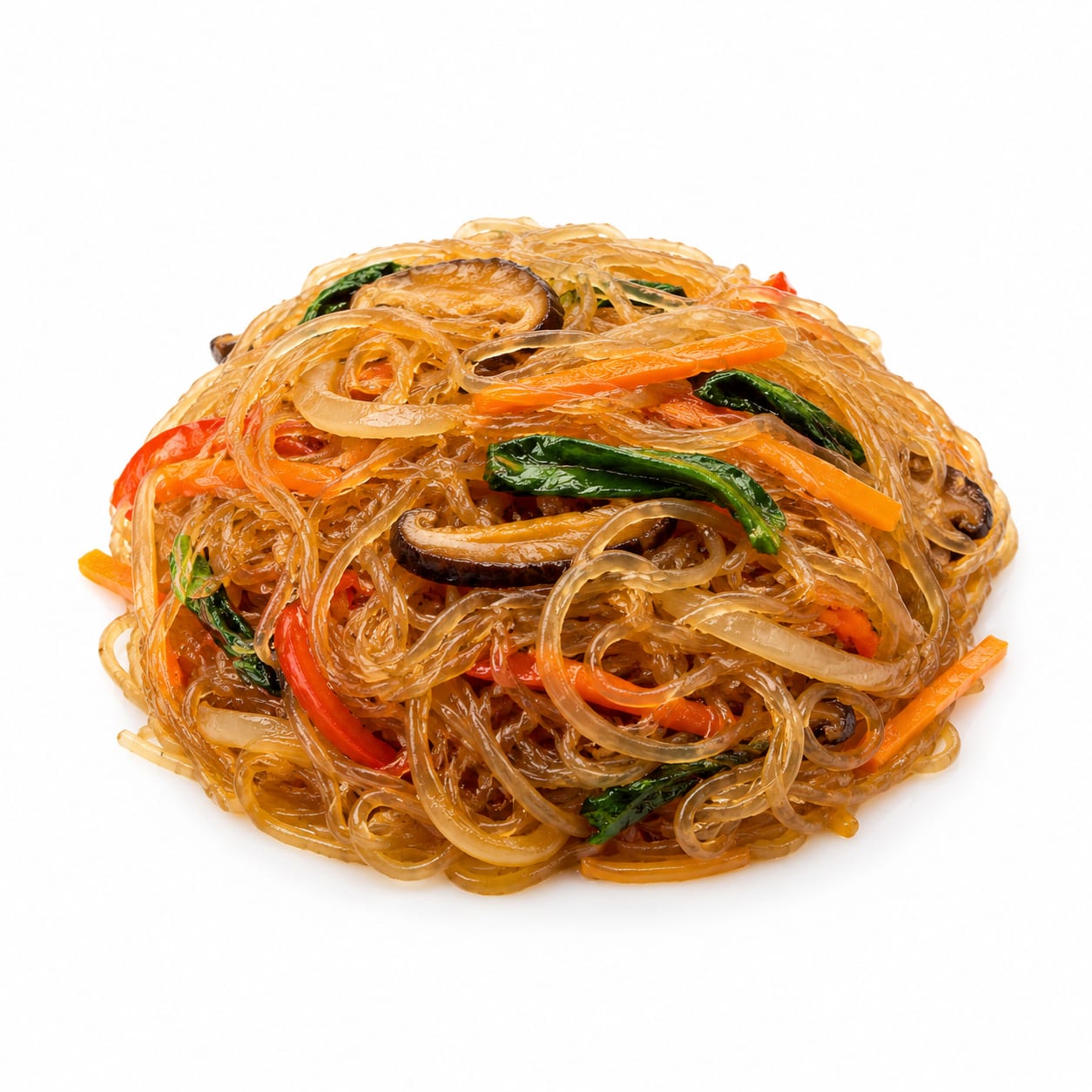
Glass Noodle
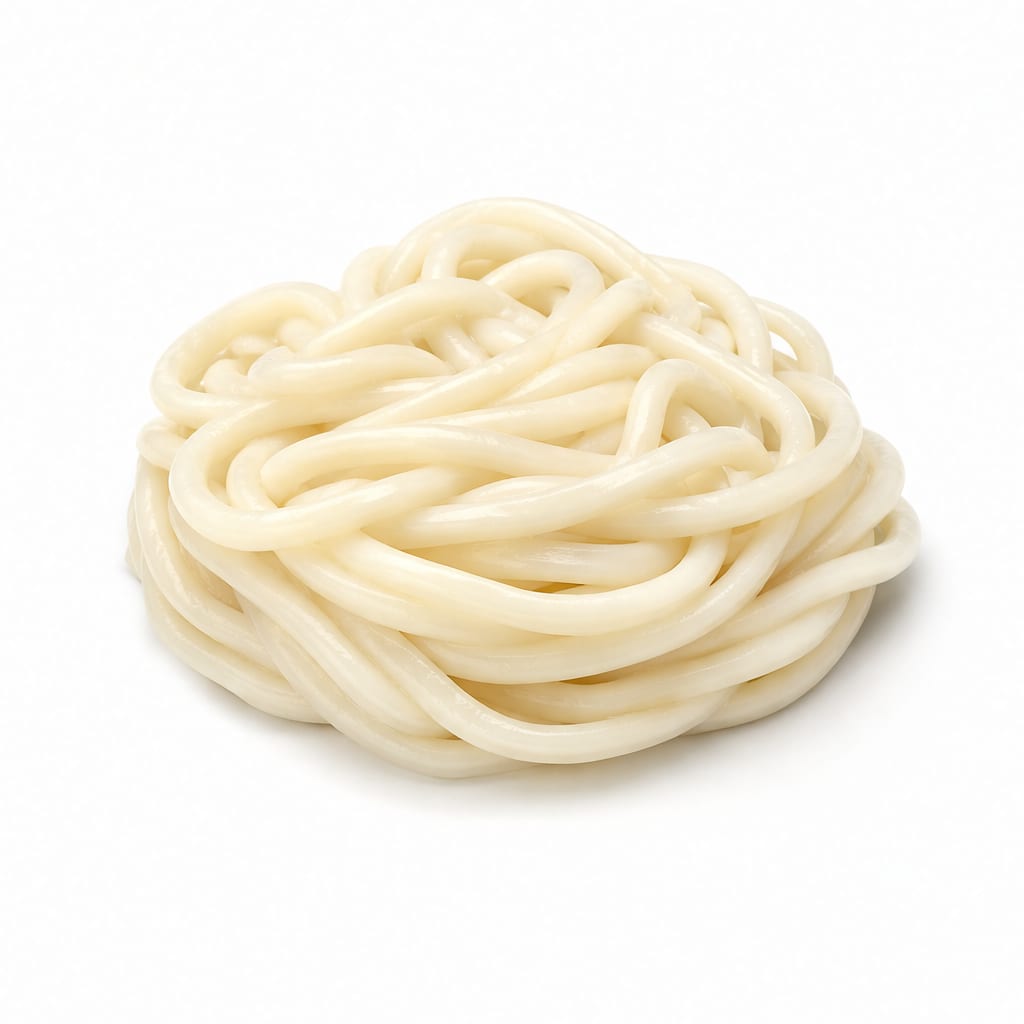
Udon Noodles
Udon Noodles edge out Glass Noodles for everyday eating due to better satiety and steadier energy, though Glass Noodles win easily for gluten-free diets.
Udon Noodles score higher due to better satiety and slightly better blood sugar behavior, but Glass Noodles remain relevant for gluten-free needs.
Chewy, filling wheat versus light, gluten-free starch.
At a glance
Executive summary
Overall
It depends
Healthier
Udon Noodles
More practical
Udon Noodles
Daily use
Udon Noodles
Key comparison lenses
Blood sugar impact and glycemic load
Both are refined carbohydrate sources, but Glass Noodles digest extremely fast, causing sharper blood sugar spikes.
Satiety and meal satisfaction
Udon Noodles offer a dense, chewy bite that keeps you full, whereas Glass Noodles digest rapidly and leave you hungry sooner.
Gluten sensitivity and digestive tolerance
Glass Noodles are naturally gluten-free, making them an automatic win for anyone avoiding wheat.
Calorie density and weight management
Glass Noodles have a slight edge in lower calories per serving, but their lack of fullness can lead to overeating later.
Best choice for
Glass Noodle
- People with celiac disease or gluten intolerance
- Those wanting a light, delicate soup addition
- Anyone needing quick, easily digestible energy
Udon Noodles
- People looking for a filling, satisfying meal
- Those wanting steadier energy through the afternoon
- Anyone who loves a thick, chewy noodle texture
Least suitable for
Glass Noodle
- People with diabetes or blood sugar concerns
- Those trying to stay full on fewer meals
- Anyone on a low-carb diet
Udon Noodles
- People with wheat allergies or celiac disease
- Those sensitive to high-sodium packaged foods
- Anyone seeking a light, low-calorie meal base
Deep comparison
Dimension by dimension
Each lens scores both foods and breaks down who each option suits.
- Dimension 1 · Priority 95Udon Noodles
Blood Sugar Stability
Glass Noodle · 25Udon Noodles · 45Udon Noodles cause a slightly slower blood sugar rise than Glass Noodles, though both are refined carbs.
Tradeoff
Glass Noodles give quick energy but crash faster, while Udon Noodles offer a bit more stability.
Why it matters
Avoiding energy crashes helps control cravings and mood throughout the day.
Real-world impact
Eating Glass Noodles for lunch might leave you starving by 3 PM, whereas Udon Noodles buy you an extra hour.
Glass Noodle
- Athletes needing fast carb absorption post-workout
Better for
- People monitoring blood sugar
- Those who get hangry easily
Worse for
Udon Noodles
- People with prediabetes
- Those prone to afternoon energy crashes
Better for
- Anyone needing extremely rapid energy replenishment
Worse for
- Dimension 2 · Priority 90Udon Noodles
Satiety & Fullness
Glass Noodle · 30Udon Noodles · 65Udon Noodles are much more filling due to their dense, chewy wheat texture.
Tradeoff
Glass Noodles feel lighter in the moment but leave you hungry sooner.
Why it matters
Staying full prevents overeating and unnecessary snacking later in the day.
Real-world impact
A bowl of Udon Noodles feels like a real meal; Glass Noodles often feel like an appetizer.
Glass Noodle
- People wanting a light snack before a heavy dinner
Better for
- Anyone needing sustained energy for hours
- People who snack a lot after meals
Worse for
Udon Noodles
- People trying to eat fewer but more satisfying meals
- Those who need a meal to last through a busy workday
Better for
- Those who feel sluggish after heavy meals
Worse for
- Dimension 3 · Priority 85Glass Noodle
Digestive Tolerance & Allergens
Glass Noodle · 75Udon Noodles · 35Glass Noodles are naturally gluten-free and easy to digest, while Udon Noodles contain wheat gluten.
Tradeoff
You get a gentle, gluten-free stomach experience with Glass Noodles, but miss out on the satisfying chew of wheat.
Why it matters
Gluten sensitivity and celiac disease make wheat noodles a hard no for many people.
Real-world impact
If wheat makes you bloated, Glass Noodles are a comforting swap that will not ruin your afternoon.
Glass Noodle
- People with celiac disease
- Those with gluten sensitivity or wheat allergies
Better for
- People looking for a heavy, comforting meal feel
Worse for
Udon Noodles
- Those with no digestive issues who prefer hearty meals
Better for
- Anyone avoiding wheat
- People prone to bloating from gluten
Worse for
- Dimension 4 · Priority 75Glass Noodle
Calorie Density
Glass Noodle · 55Udon Noodles · 50Glass Noodles have slightly fewer calories per serving than Udon Noodles, but the difference is small.
Tradeoff
You save a few calories with Glass Noodles but may eat more later because they are not filling.
Why it matters
Calorie counting only works if it actually keeps you satisfied.
Real-world impact
Choosing Glass Noodles to save calories often backfires when you need a snack an hour later.
Glass Noodle
- Strict calorie counters
- Those eating small, frequent meals
Better for
- Those who struggle with late-day snacking
Worse for
Udon Noodles
- People who prefer larger, satisfying portions
Better for
- People on very low-calorie diets
Worse for
Timeline
Health impact over time
Short-term
Hours to days
Glass Noodle
- Quick, light energy burst
- Rapid digestion
- Minimal bloating for gluten-sensitive individuals
Udon Noodles
- Comforting, heavy fullness
- Slower digestion
- Potential bloating if sensitive to wheat
Long-term
Months to years
Glass Noodle
- Frequent blood sugar spikes if eaten alone
- Difficulty managing weight due to low satiety
- Safe for long-term gluten-free diets
Udon Noodles
- Easier weight management from better portion control
- Steadier energy patterns
- Inflammatory risks if sensitive to gluten
Risk profile
Safety & processing
Both are processed foods—Glass Noodles from extracted starch and Udon Noodles from refined wheat flour. Neither is a whole food, but both are relatively simple with few additives.
Glass Noodle
Aluminum residue
mediumSome traditional Glass Noodle production uses alum, which can leave trace aluminum; look for reputable brands.
Udon Noodles
High sodium content
mediumPre-cooked or packaged Udon Noodles often contain high sodium to preserve texture and flavor.
Who wins for whom
Audience fit
Same foods, different winners depending on your goal.
children
Udon NoodlesUdon Noodles are more filling for active kids, though Glass Noodles are a good option for gluten-free needs.
daily consumption
Udon NoodlesUdon Noodles provide better daily energy stability and satiety.
diabetes
Udon NoodlesUdon Noodles have a slightly lower glycemic impact, but both require careful portioning and fiber pairing.
elderly
Glass NoodleGlass Noodles are softer and easier to chew, plus gentler on aging digestive systems if gluten is an issue.
muscle gain
Udon NoodlesUdon Noodles have slightly more protein, though both need protein-rich pairings to support muscle growth.
weight loss
Udon NoodlesUdon Noodles keep you full longer, making it easier to avoid overeating later in the day.
Your move
Decision guide
Choose Glass Noodle
- You are gluten-free or wheat-sensitive
- You want a light addition to a broth-heavy soup
- You prefer delicate, slippery textures over chewy ones
Choose Udon Noodles
- You want a filling, satisfying meal
- You need steady energy for a busy afternoon
- You love a thick, chewy noodle that holds up to heavy sauces
Either works if
- You are loading the dish with lean protein and veggies anyway
- You just want a comforting bowl of soup and have no gluten issues
Avoid both if
- You are on a keto or strict low-carb diet
- You are trying to eliminate refined carbohydrates entirely
Final recommendation
Choose Udon Noodles for a satisfying, everyday meal that keeps you powered through the afternoon. Opt for Glass Noodles when you need a gluten-free option or a lighter dish, but always pair them with protein and fiber to avoid a blood sugar crash.
Practical
Consumer tips
- 1
Always pair Glass Noodles with protein and fiber-rich vegetables to prevent blood sugar spikes.
- 2
Rinse pre-cooked Udon Noodles under hot water to remove excess surface sodium.
- 3
Check Glass Noodle ingredient lists for 100% mung bean or sweet potato starch to avoid cheaper fillers.
- 4
Use Udon Noodles in stir-fries where their chewiness can stand up to heavy sauces.