
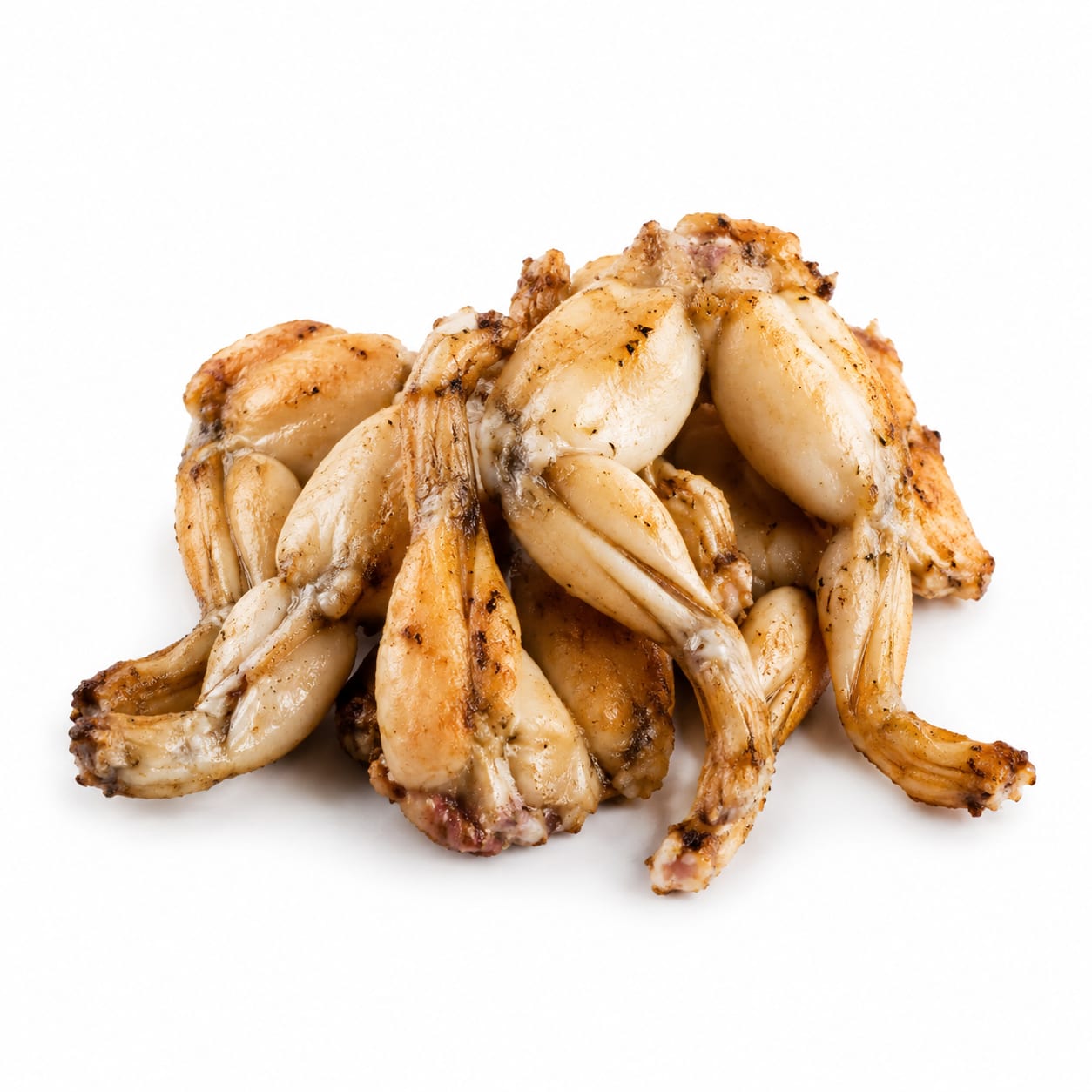
Meat
Frog Legs
A lean, low-calorie amphibian meat prized for its mild flavor and high protein content.
Frog legs are the edible hind legs of frogs, commonly consumed in French, Chinese, and Cajun cuisines. They have a mild flavor and tender texture often compared to chicken wings, with a slight aquatic undertone.
lean high-protein zero-carb meat
Typical serving · 100g
Common varieties · bullfrog, edible frog, green frog, pig frog
Overall context score across nutrition, safety, and diet fit
At a glance
Quick facts
Simple indicators based on nutrition, processing, and diet fit.
The story
What makes it unique
Frog legs are a fast-digesting, highly lean animal protein source with virtually zero carbohydrates. Their low connective tissue content allows for rapid digestion and high protein bioavailability, promoting strong satiety relative to their caloric content.
Varieties: bullfrog · edible frog · green frog · pig frog
Per 100g
Nutrition breakdown
Macro balance and key metrics at a glance.
Energy
Density 0.70 kcal/g
Protein
Carbs
Fat
Fiber
Sugar
0 g
Sodium
58 mg
Potassium
285 mg
Glycemic index
0
Glycemic load
0
Water content
82%
Standout compounds
Nutrient highlights
Protein
highSupports muscle repair, growth, and satiety
Potassium
moderateRegulates fluid balance and supports blood pressure control
Selenium
moderateProvides antioxidant protection and supports thyroid function
Vitamin A
lowSupports immune function and vision
Wellness map
Health scores & processing
NOVA processing scale
minimally processed · Whole food
Fresh or frozen frog legs are unprocessed raw meat, though some packaged versions may contain added water or preservatives.
Diet compatibility
- Weight loss
- Muscle gain
- Diabetes
- Gut health
- Low carb
- High protein
- Heart health
Relative standing
Food rankings
Qualitative ranks compared to similar whole foods.
- Satietygood
- Blood sugarexcellent
- Nutrient densitygood
- Fitness fuelexcellent
- Processing qualityexcellent
Eat with confidence
Food safety profile
Frog legs are generally safe when cooked thoroughly. Wild-caught frogs may carry parasites and environmental toxins due to their permeable skin and aquatic habitat.
Evidence confidence 85%
- Pesticidesmoderate
- Antibioticslow
- Heavy metalsmoderate
- Contaminationmoderate
Watch for
- Salmonella
- Spirometra parasites
- environmental pollutants
Safer choices
Farm-raised frog legs from reputable suppliers with regulated water quality.
Prep tips
Cook to an internal temperature of 165°F (74°C) to eliminate parasites and bacteria. Avoid cross-contamination with raw juices.
Wild harvesting lacks strict oversight in some regions, leading to potential environmental pollutant accumulation in aquatic habitats.
Deep dive
Health analysis
How this food may fit different goals and preparation choices.
Weight loss
Extremely low in calories and fat while providing high protein, making it ideal for calorie restriction and fat loss.
Blood sugar
Contains zero carbohydrates, resulting in no glycemic impact and excellent blood sugar stability.
Fitness & energy
Fast-digesting lean protein supports muscle repair without causing digestive sluggishness post-workout.
Gut health
Very easy to digest due to low fat and connective tissue, though it lacks dietary fiber for microbiome support.
Processing quality
Typically sold as raw, unprocessed meat; avoid pre-breaded or fried versions which add unhealthy fats and carbs.
Food safety
Must be cooked thoroughly to kill parasites and bacteria; sourcing from clean waters or farms reduces heavy metal and pollutant risks.
Common mistakes
Frying in heavy batter negates the low-calorie benefit; overcooking makes the meat rubbery and tough.
Best preparation
Sautéing with light oil, grilling, or baking to maintain leanness and moisture.
Practical guide
Best use cases
When and how this food fits real eating patterns.
Post-workout recovery
Fast-digesting lean protein aids muscle repair without heavy digestive load.
Low-carb diet staple
Zero carbohydrates make it an ideal protein source for keto and strict low-carb diets.
Lean muscle building
High protein-to-calorie ratio supports muscle growth while minimizing fat gain.
High-volume low-calorie eating
Low energy density allows for satisfying portion sizes with minimal caloric impact.
Balance sheet
Pros & cons
Upsides
- Extremely low in calories and fat
- High protein content
- Zero carbohydrates
- Fast-digesting
- Versatile mild flavor
Trade-offs
- Risk of parasites if undercooked
- Potential environmental pollutants in wild-caught varieties
- Can be expensive and hard to find
- Overcooking makes them tough and rubbery
- Ethical concerns regarding wild frog populations
Fit check
Who is it for?
Great match
- keto diets
- lean muscle gain
- weight loss
- post-workout meals
Consider alternatives
- vegans and vegetarians
- those seeking prebiotic fiber
- heavy calorie bulking without added fats
Side by side
How it compares
Open the full head-to-head analysis for nutrition, safety, and practical tradeoffs.
This food
Frog Legs
VS95% alike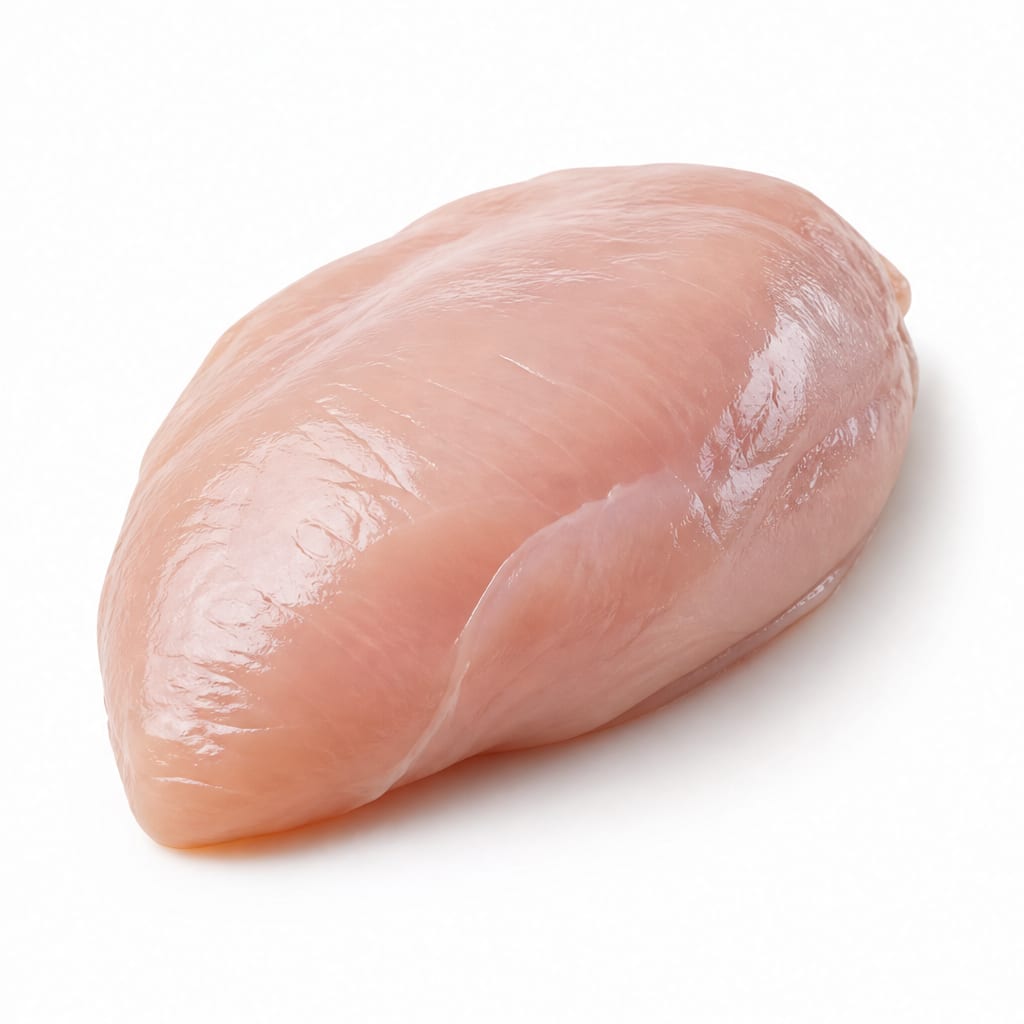
Compare with
Chicken Breast
Chicken breast offers slightly more protein per calorie, while frog legs provide a similar lean profile with a more exotic appeal.
Chicken breast offers slightly more protein per calorie, while frog legs provide a similar lean profile with a more exotic appeal.
This food
Frog Legs
VS85% alike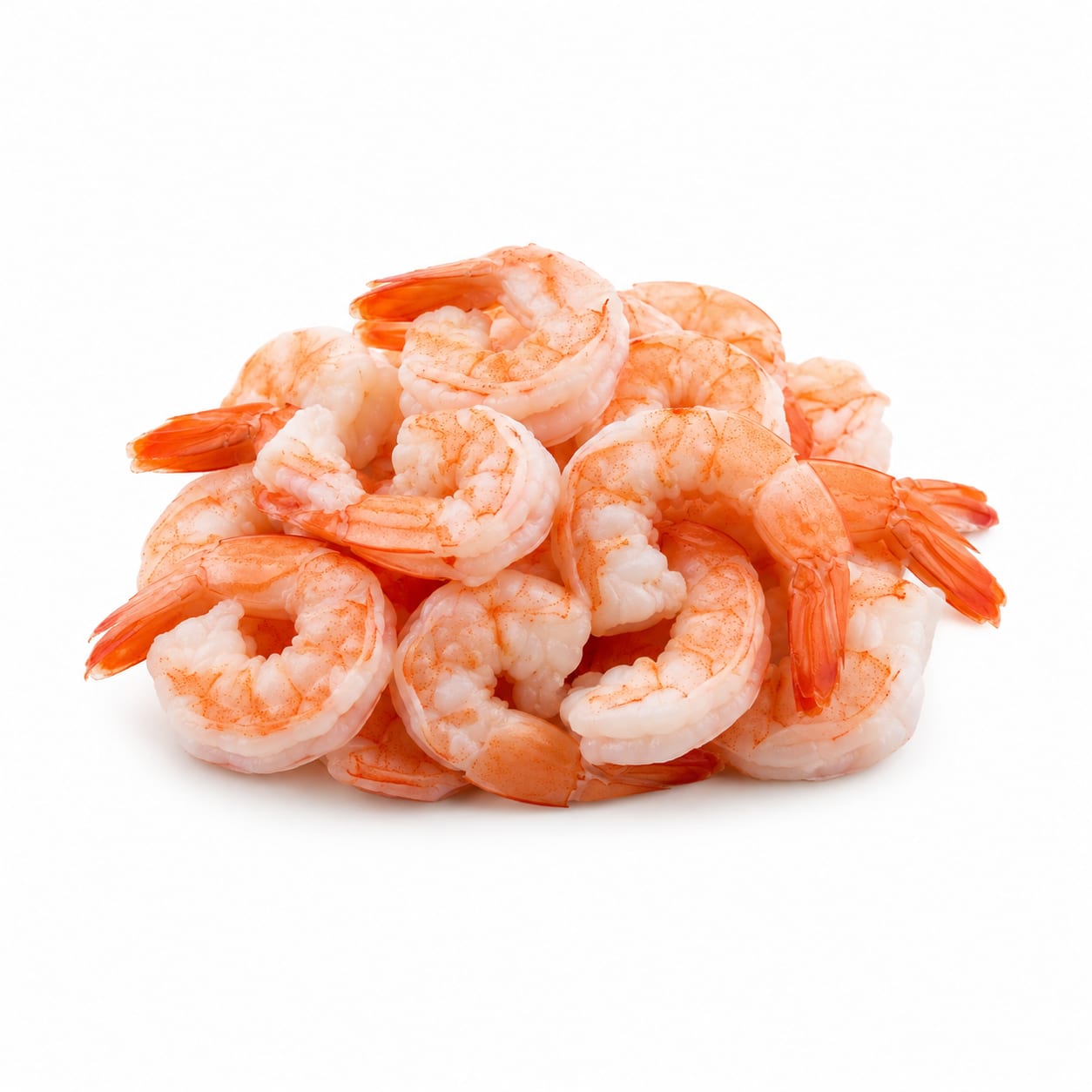
Compare with
Shrimp
Frog legs are lower in cholesterol and fat than shrimp, making them slightly leaner, though both are excellent low-calorie proteins.
Frog legs are lower in cholesterol and fat than shrimp, making them slightly leaner, though both are excellent low-calorie proteins.
This food
Frog Legs
VS90% alike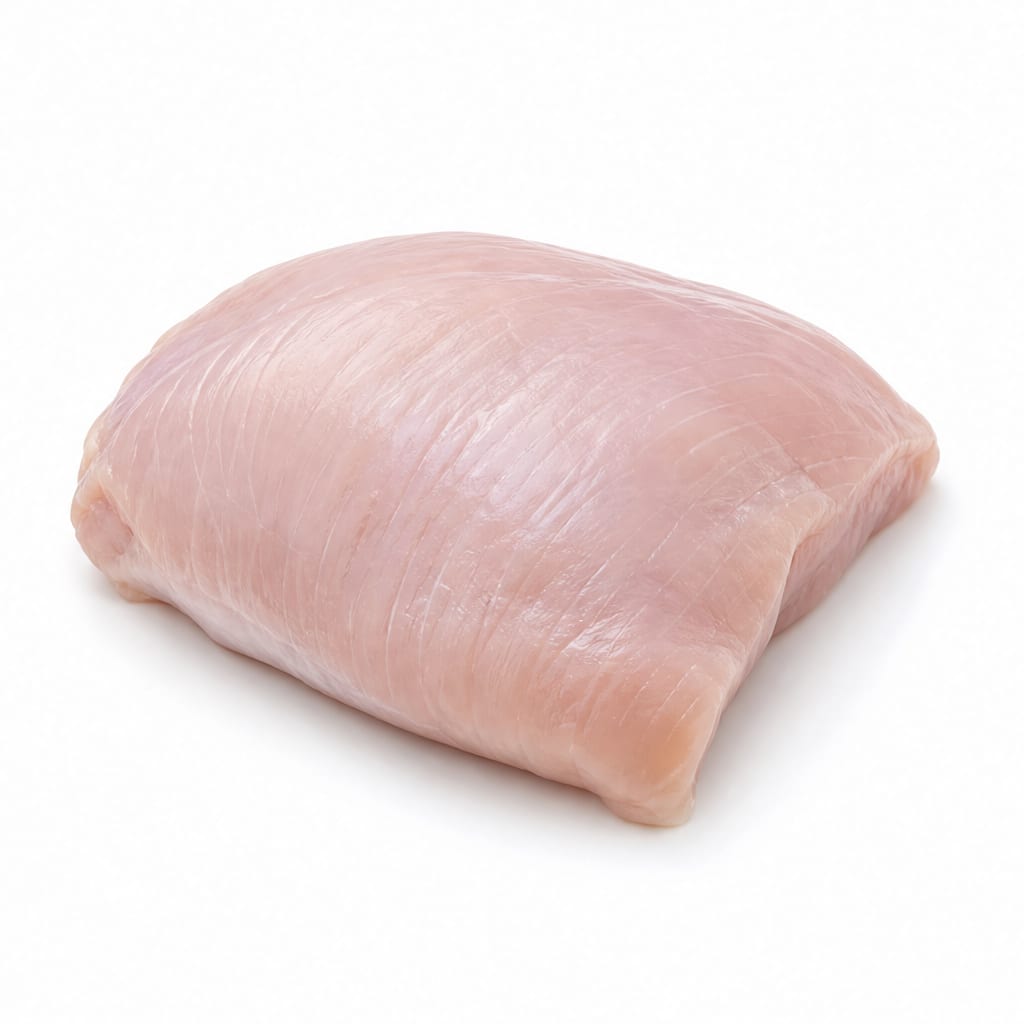
Compare with
Turkey Breast
Turkey breast provides more protein per serving, but frog legs are lower in calories if strictly cutting.
Turkey breast provides more protein per serving, but frog legs are lower in calories if strictly cutting.
This food
Frog Legs
VS85% alike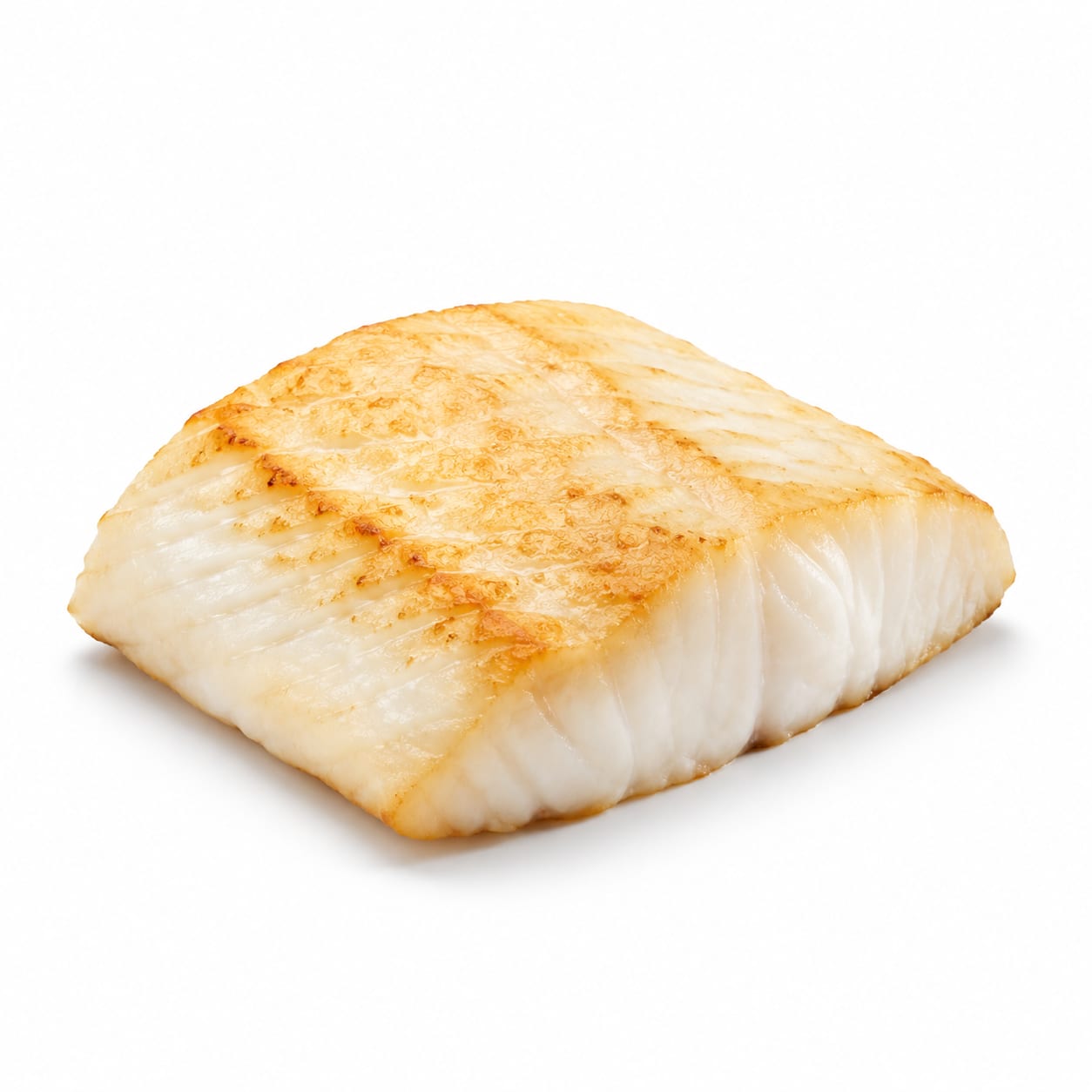
Compare with
Cod
Frog legs and cod are both ultra-lean, but frog legs edge out slightly lower in calories and higher in protein density.
Frog legs and cod are both ultra-lean, but frog legs edge out slightly lower in calories and higher in protein density.
This food
Frog Legs
VS80% alike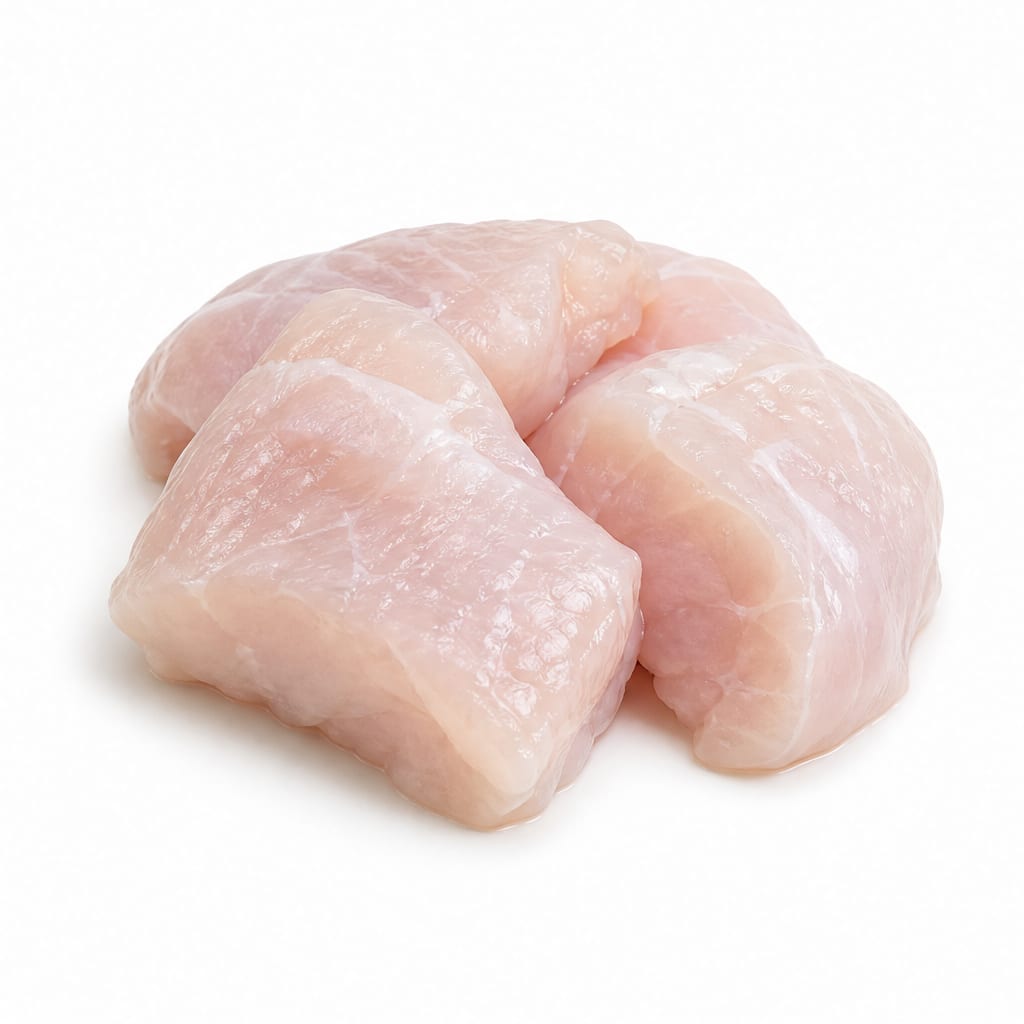
Compare with
Alligator Meat
Frog legs are leaner than alligator meat, offering fewer calories and less fat for a similar exotic dining experience.
Frog legs are leaner than alligator meat, offering fewer calories and less fat for a similar exotic dining experience.
This food
Frog Legs
VS75% alike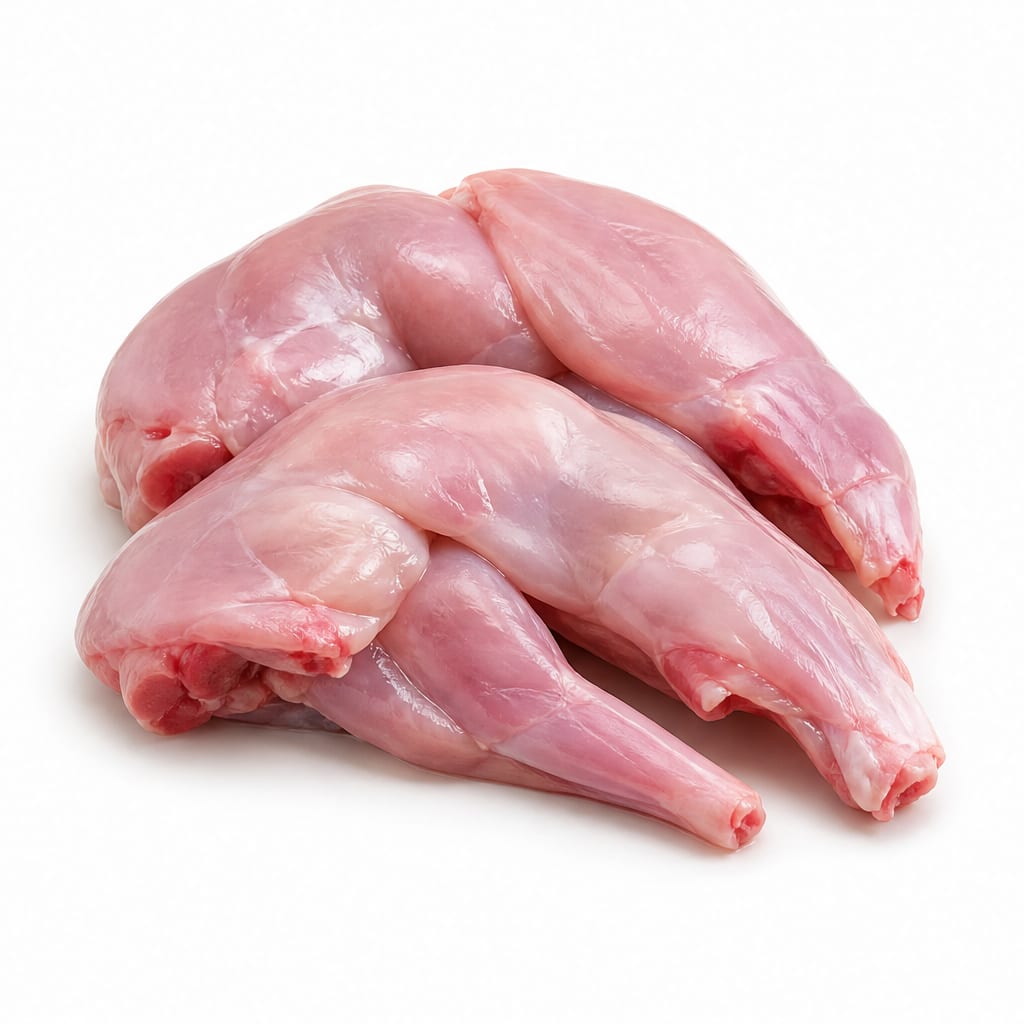
Compare with
Rabbit Meat
Rabbit is a lean game meat but frog legs contain even less fat, making them superior for strict calorie restriction.
Rabbit is a lean game meat but frog legs contain even less fat, making them superior for strict calorie restriction.
This food
Frog Legs
VS80% alike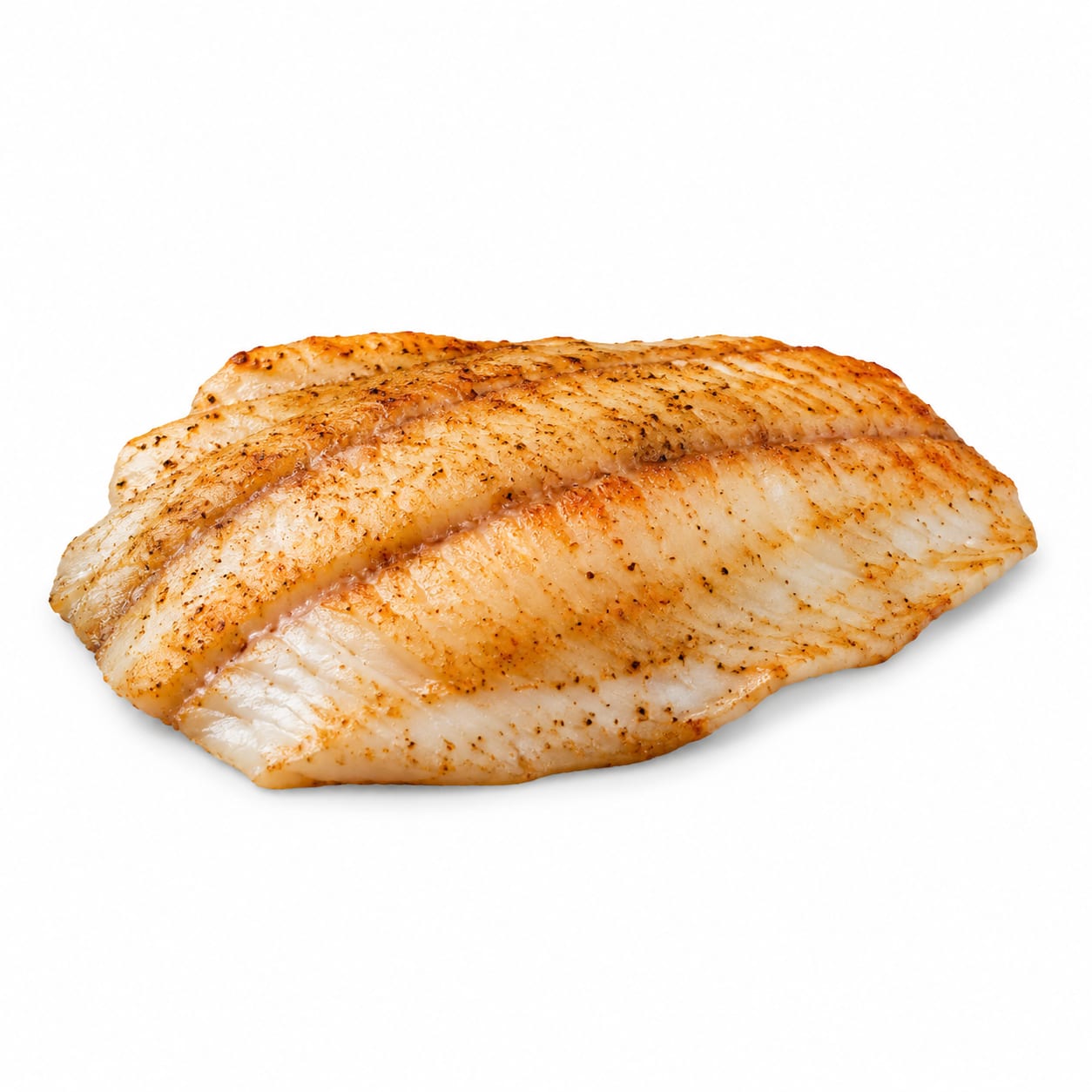
Compare with
Tilapia
Frog legs are leaner than tilapia, providing a similar mild flavor with fewer calories and a firmer texture.
Frog legs are leaner than tilapia, providing a similar mild flavor with fewer calories and a firmer texture.
This food
Frog Legs
VS70% alike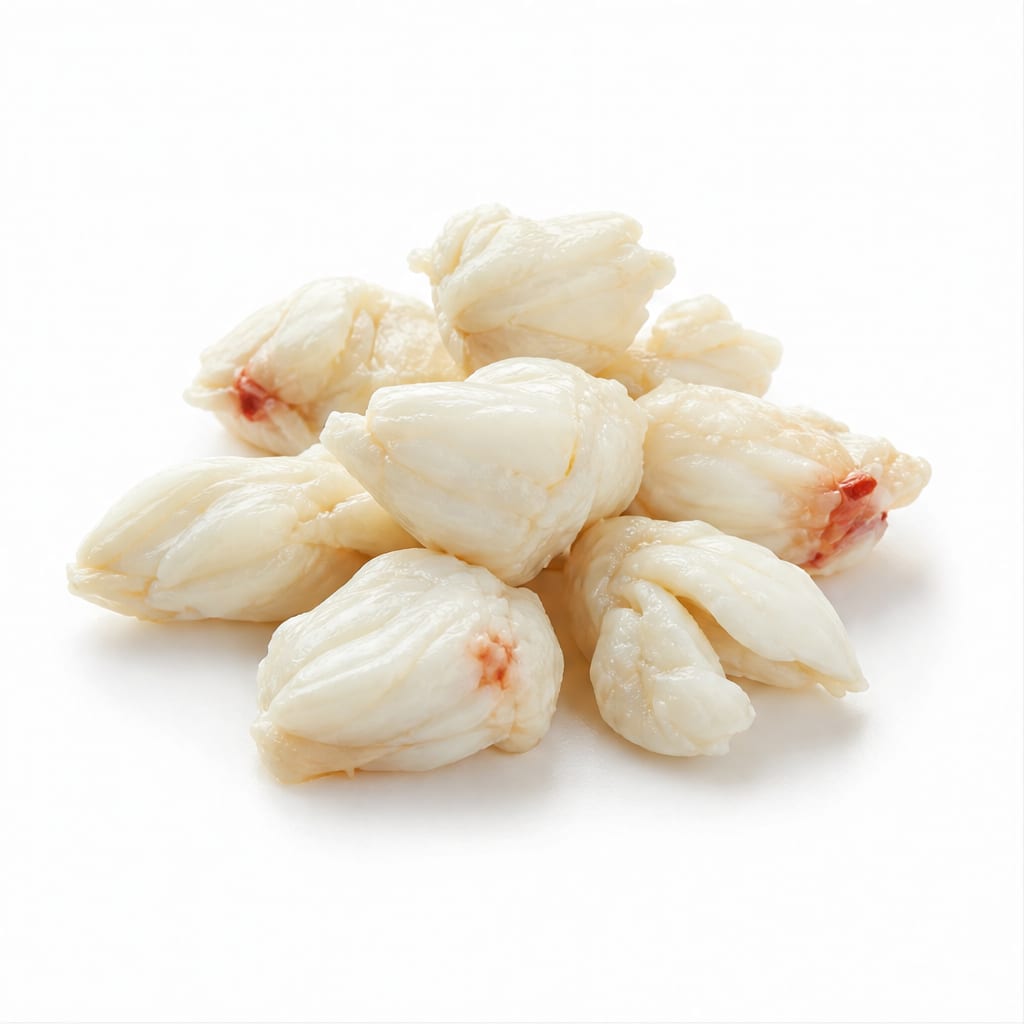
Compare with
Crab Meat
Crab meat offers unique minerals like zinc, but frog legs are lower in sodium and calories for weight loss.
Crab meat offers unique minerals like zinc, but frog legs are lower in sodium and calories for weight loss.
This food
Frog Legs
VS70% alike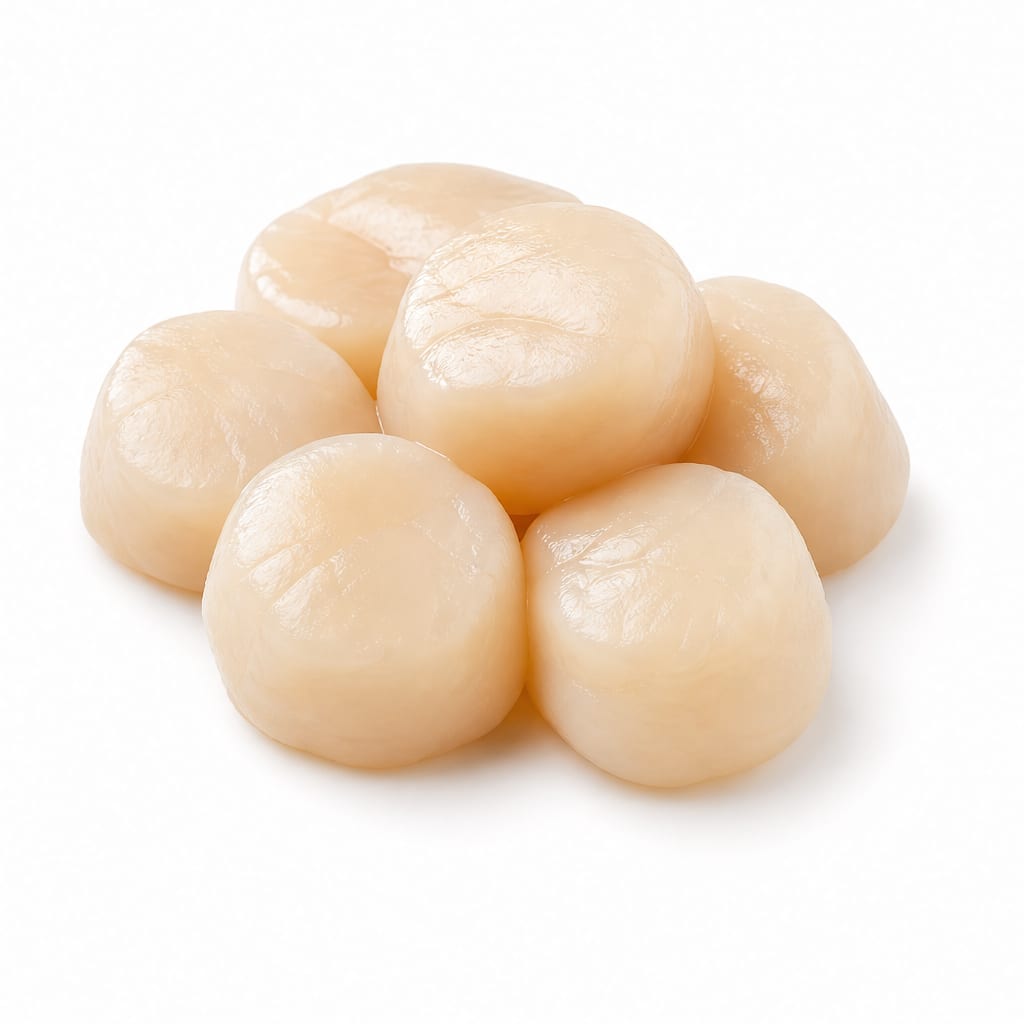
Compare with
Scallops
Scallops contain trace carbs, whereas frog legs are zero-carb, making frog legs slightly better for strict keto.
Scallops contain trace carbs, whereas frog legs are zero-carb, making frog legs slightly better for strict keto.
This food
Frog Legs
VS75% alike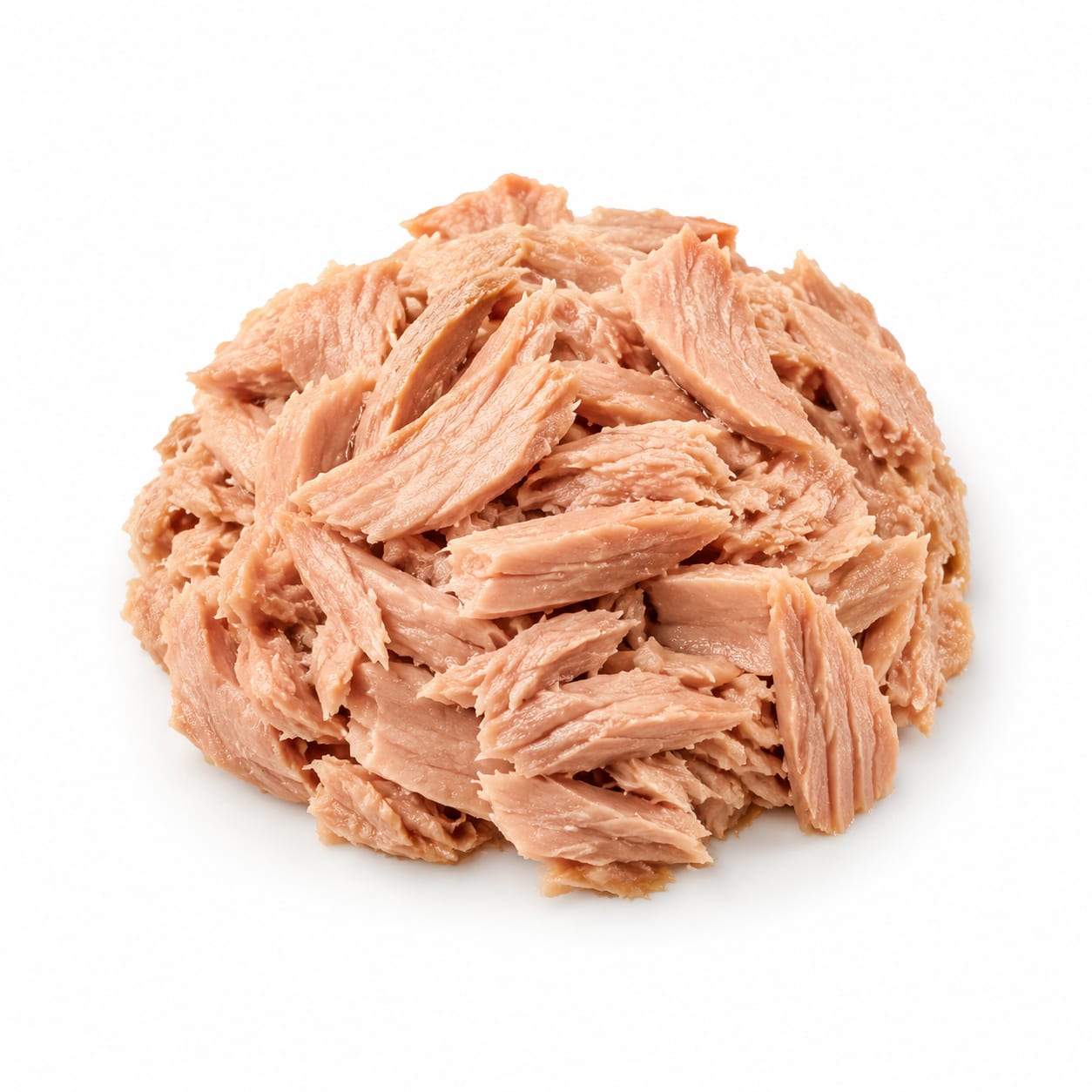
Compare with
Tuna
Tuna provides more protein per ounce, but frog legs carry a lower heavy metal risk and are equally zero-carb.
Tuna provides more protein per ounce, but frog legs carry a lower heavy metal risk and are equally zero-carb.
Common questions
FAQ
Answers aligned with how people search for this food.
Are frog legs good for weight loss?
Yes, they are very low in calories and fat while being high in protein, which helps maintain satiety and muscle mass during a calorie deficit.
Do frog legs taste like chicken?
They are often described as having a mild flavor and texture similar to chicken wings, but with a slightly fishy or aquatic undertone.
Can you eat frog legs on a keto diet?
Absolutely, frog legs contain zero carbohydrates and are an excellent lean protein source for ketogenic diets.
Are frog legs high in protein?
Yes, frog legs provide about 16 grams of protein per 100-gram serving, making them a highly concentrated protein source.
Do frog legs have parasites?
Like many wild meats, frogs can carry parasites. They must be cooked to an internal temperature of 165°F (74°C) to be safe to eat.
How many calories are in frog legs?
There are approximately 70 calories in a 100-gram serving of raw frog legs.
Are frog legs considered meat or seafood?
Culinarily, they are often classified as seafood or fish, but biologically they are amphibian meat.
Are frog legs safe to eat?
Frog legs are safe to eat when sourced from reputable suppliers and cooked thoroughly to eliminate bacteria and parasites.
Transparency
Data confidence
Estimated confidence for nutrition data, interpretation, safety notes, and comparisons.
Nutrition data
Health analysis
Food safety
Comparisons