
Nutrition comparison
Frog Legs vs Scallops: Nutrition, Safety, and Taste Compared
Comparing Frog Legs and Scallops? Discover which lean protein is safer, easier to cook, and better for your health goals in this detailed nutritional breakdown.
Overall winner · Scallops
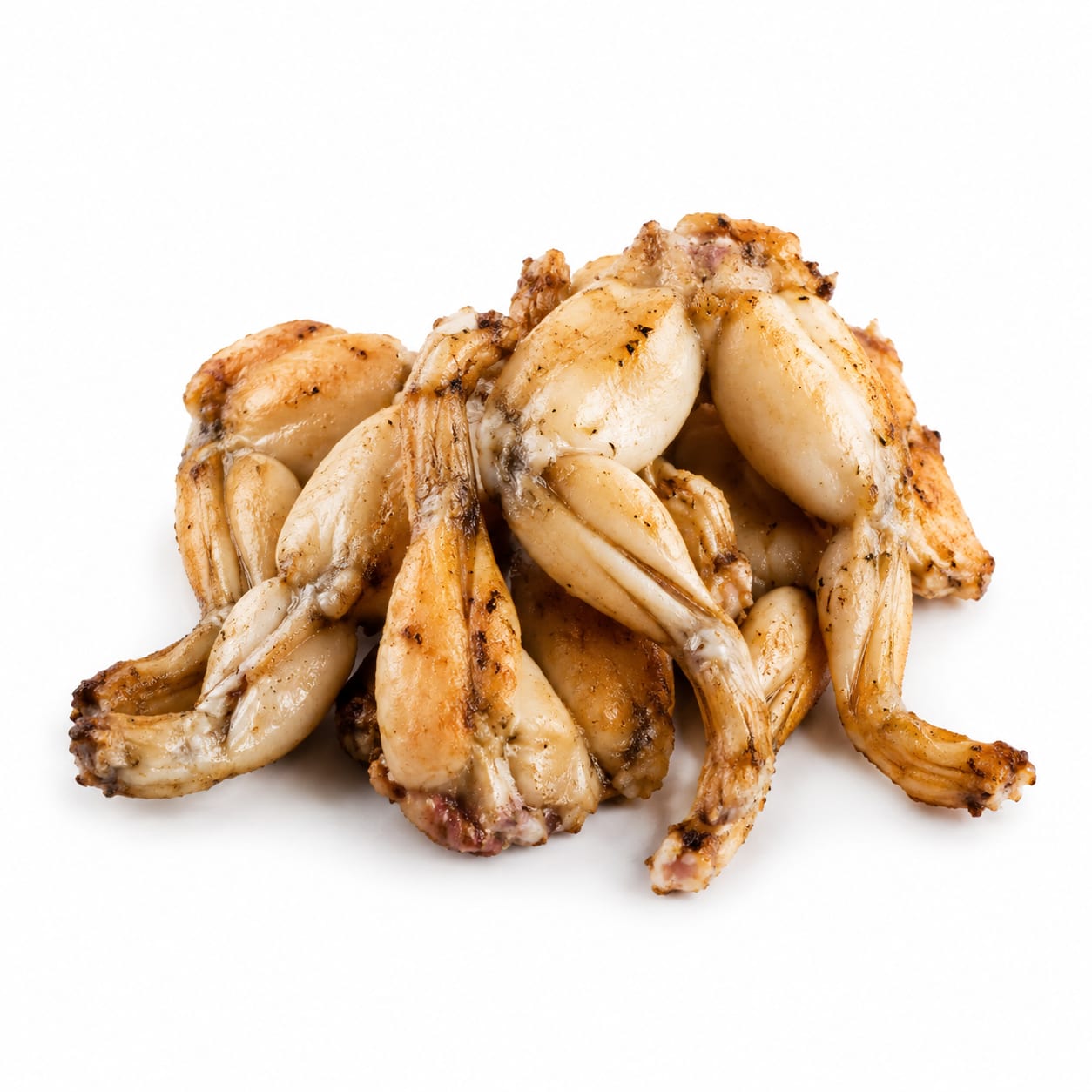
Frog Legs
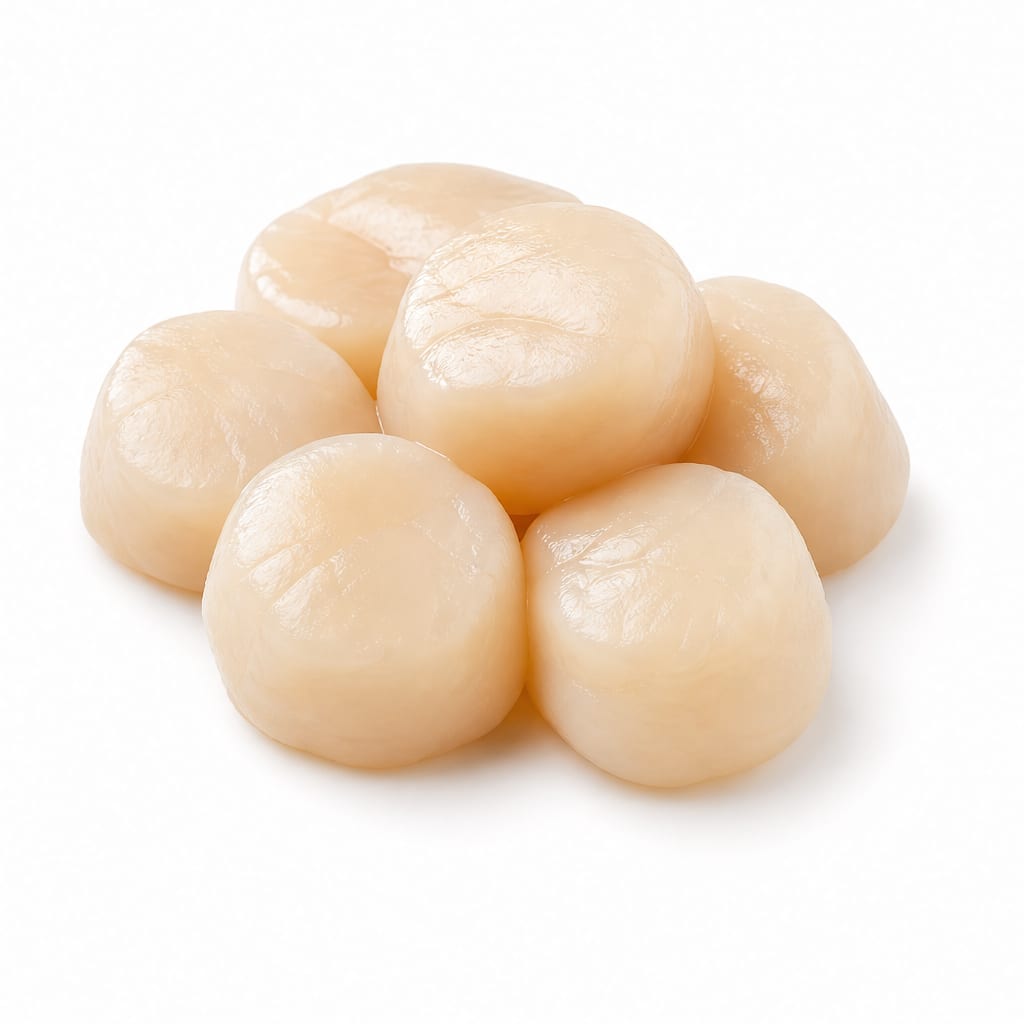
Scallops
Scallops are the more practical, nutritious, and safer choice for regular eating, while Frog Legs offer a fun, chicken-like alternative for occasional adventurous meals.
Scallops score higher due to their beneficial omega-3 content, faster preparation, and lower risk of parasitic infection, though both are excellent lean proteins.
Scallops provide anti-inflammatory omega-3s and quick cooking, whereas Frog Legs deliver a poultry-like experience but carry higher parasite risks and require thorough cooking.
At a glance
Executive summary
Overall
Scallops
Healthier
Scallops
More practical
Scallops
Daily use
Scallops
Key comparison lenses
Lean protein quality for muscle and satiety
Both are prized as high-protein, low-fat delicacies, making protein density the primary reason people choose them.
Food safety and contamination risks
Amphibians and bivalves occupy very different spaces in the water ecosystem, leading to distinct parasite and heavy metal concerns.
Culinary convenience and preparation ease
Scallops cook in minutes, while Frog Legs require more careful sourcing and handling, heavily influencing real-world use.
Gout and purine management
Both foods are high in purines, a critical factor for anyone concerned about joint health or uric acid levels.
Best choice for
Frog Legs
- Adventurous eaters wanting a chicken-like texture without eating poultry
- Those seeking extremely low-fat land-style protein
- People looking for a novelty weekend cooking project
Scallops
- Quick weeknight dinners needing an elegant touch
- Boosting omega-3 intake without a strong fishy taste
- Post-workout meals requiring fast-digesting protein
Least suitable for
Frog Legs
- People with active gout flares
- Those uncomfortable with meticulous parasite-safe cooking
- Busy cooks needing a 10-minute meal
Scallops
- People with severe shellfish allergies
- Those strictly limiting dietary cholesterol
- Shoppers on very tight grocery budgets
Deep comparison
Dimension by dimension
Each lens scores both foods and breaks down who each option suits.
- Dimension 1 · Priority 90Scallops
Protein Quality & Satiety
Frog Legs · 78Scallops · 88Scallops provide slightly more protein per calorie and a denser, meatier chew, while Frog Legs are very lean but slightly less protein-dense.
Tradeoff
Frog Legs have a lighter, flakier texture that might leave you hungry sooner, whereas Scallops offer a satisfying bite that keeps you full longer.
Why it matters
Higher protein density helps with muscle maintenance and keeps cravings at bay between meals.
Real-world impact
A scallop dinner will likely keep you satisfied until breakfast; Frog Legs might have you reaching for a late-night snack.
Frog Legs
- Lighter meals where you don't want to feel stuffed
- Mimicking chicken dishes with a milder flavor
Better for
- Heavy lifters needing maximum protein per bite
- Those prone to late-night snacking
Worse for
Scallops
- Post-workout recovery
- Staying full through a long afternoon
Better for
- Very small appetites
- People who dislike dense seafood textures
Worse for
- Dimension 2 · Priority 85Scallops
Heart Health & Fats
Frog Legs · 65Scallops · 85Scallops bring beneficial omega-3s to the table, supporting heart health, while Frog Legs offer almost no fat at all—good or bad.
Tradeoff
Frog Legs have virtually zero unhealthy fats but also zero omega-3s, meaning you miss out on the anti-inflammatory benefits that Scallops provide.
Why it matters
Omega-3s are crucial for reducing inflammation and supporting cardiovascular function over time.
Real-world impact
Choosing Scallops a couple of times a week actively helps your heart, whereas Frog Legs simply avoid hurting it.
Frog Legs
- Ultra-low-fat diets
- Those strictly limiting all dietary fats
Better for
- Those relying on diet for omega-3 intake
- People needing anti-inflammatory foods
Worse for
Scallops
- Reducing joint inflammation
- Supporting cardiovascular health
- Getting healthy fats without eating oily fish
Better for
- People on severe fat-restricted medical diets
Worse for
- Dimension 3 · Priority 70It depends
Gout & Purine Management
Frog Legs · 40Scallops · 45Both are high-purine foods that can trigger gout, making them risky for susceptible individuals.
Tradeoff
Neither is safe for a gout flare-up, but Scallops are slightly less punishing than Frog Legs if consumed in very small amounts during remission.
Why it matters
High purine intake directly raises uric acid levels, leading to painful joint flare-ups.
Real-world impact
If you have gout, a large portion of either food could mean a swollen, painful big toe the next morning.
Frog Legs
- People without gout concerns
- Those who tolerate moderate purines well
Better for
- Anyone prone to gout attacks
- People with high uric acid levels
Worse for
Scallops
- Gout sufferers in remission wanting a tiny seafood treat
- People who need strict portion control built-in
Better for
- Anyone prone to gout attacks
- People with high uric acid levels
Worse for
- Dimension 4 · Priority 80Scallops
Food Safety & Contamination
Frog Legs · 60Scallops · 82Scallops are generally low in mercury and safe, while Frog Legs carry a higher risk of parasites and environmental water contamination.
Tradeoff
Frog Legs must be cooked thoroughly to kill parasites, which can dry them out, whereas Scallops are safer to eat with a quick sear.
Why it matters
Parasitic infections and heavy metal exposure can have long-term health consequences that outweigh the benefits of lean protein.
Real-world impact
Undercooked Frog Legs can make you seriously ill, demanding strict kitchen vigilance; Scallops are much more forgiving.
Frog Legs
- Sourcing from trusted, clean farms
- Cooks who always thoroughly cook their meat
Better for
- Fans of rare or medium cooking
- People worried about waterborne parasites
- Pregnant women
Worse for
Scallops
- Minimizing heavy metal exposure
- Those who prefer rare or medium-cooked seafood
- Pregnant women seeking safe seafood in moderation
Better for
- People with severe shellfish allergies
Worse for
- Dimension 5 · Priority 75Scallops
Convenience & Preparation
Frog Legs · 55Scallops · 90Scallops cook in minutes and are widely available, while Frog Legs require more prep, often need trimming, and are harder to source.
Tradeoff
Scallops offer an effortless, elegant weeknight meal in under 10 minutes, whereas Frog Legs demand specialty shopping and careful cooking to avoid toughness.
Why it matters
If a healthy food is hard to find and cook, you are much less likely to eat it regularly.
Real-world impact
You can grab Scallops at almost any grocery store and have dinner ready fast; Frog Legs usually require a special trip and more attention at the stove.
Frog Legs
- Weekend cooking projects
- Adventurous home chefs wanting a challenge
Better for
- Cooks in a time crunch
- Those without specialty markets nearby
Worse for
Scallops
- Busy weeknights
- Last-minute dinner guests
- Meal prepping quick proteins
Better for
- People who find quick-cooking proteins easy to ruin
- Those on very tight grocery budgets
Worse for
Timeline
Health impact over time
Short-term
Hours to days
Frog Legs
- Quick, light energy from lean protein
- Risk of stomach upset or worse if undercooked due to parasites
Scallops
- Fast-digesting protein for muscle recovery
- Possible mild allergic reactions in sensitive individuals
Long-term
Months to years
Frog Legs
- Maintains muscle mass with very low fat intake
- Potential heavy metal accumulation if sourced from polluted waters
Scallops
- Supports cardiovascular health via omega-3s
- Low mercury load makes it safer for regular long-term consumption
Risk profile
Safety & processing
Both are whole, natural foods in their raw form. However, Scallops are sometimes treated with sodium tripolyphosphate (STPP) to retain moisture, so always look for untreated dry-packed options to avoid hidden sodium.
Frog Legs
Parasitic infection
mediumAmphibians often carry parasites in their skin and flesh that require thorough cooking to eliminate safely.
Environmental contaminants
mediumAs water-dwelling creatures, they can accumulate pesticides and heavy metals from their habitat if farmed or caught in polluted areas.
Scallops
Shellfish allergy
highCan cause severe, life-threatening allergic reactions in sensitive individuals.
Additive exposure (STPP)
lowSome scallops are soaked in sodium tripolyphosphate to hold water, which increases sodium intake and ruins the natural texture.
Who wins for whom
Audience fit
Same foods, different winners depending on your goal.
children
ScallopsScallops are safer regarding parasites, easier to chew when cooked properly, and less intimidating for kids than amphibian legs.
daily consumption
ScallopsBetter availability, lower safety risks, and more versatile cooking make Scallops a more sustainable daily option.
diabetes
ScallopsBoth have zero carbs, but the omega-3s in Scallops help improve insulin sensitivity over time.
elderly
ScallopsScallops are extremely tender, easy to chew, and provide anti-inflammatory fats beneficial for aging joints.
muscle gain
ScallopsHigher protein density and beneficial omega-3s support muscle repair and growth better.
weight loss
ScallopsScallops offer more protein per calorie, keeping you fuller longer on fewer calories.
Your move
Decision guide
Choose Frog Legs
- You want a chicken-like texture without eating poultry
- You are an adventurous eater looking for a weekend culinary project
- You have access to high-quality, trusted sources and enjoy careful cooking
Choose Scallops
- You need a fast, elegant weeknight dinner
- You want the heart-health benefits of omega-3s
- You prefer tender, sweet seafood that sears quickly
Either works if
- You need a zero-carb, high-protein meal
- You are trying to avoid red meat
- You are eating out at a high-end restaurant and want a lean option
Avoid both if
- You are suffering from an active gout attack
- You have high uric acid levels
- You have a known shellfish or amphibian allergy
Final recommendation
Scallops are the more practical, nutritious, and safer choice for regular eating, thanks to their omega-3s and quick prep. Save Frog Legs for an occasional adventurous meal when you can source them from a trusted supplier.
Practical
Consumer tips
- 1
Always buy 'dry-packed' Scallops to avoid STPP additives and get a proper sear.
- 2
Cook Frog Legs to an internal temperature of 165°F (74°C) to ensure any parasites are killed.
- 3
If buying frozen Frog Legs, ensure they are from a reputable supplier with safe farming practices.
- 4
Pat Scallops dry before searing to get that golden crust without steaming them.