
Nutrition comparison
Frog Legs vs Rabbit Meat: Nutrition, Safety, and Taste Compared
Comparing frog legs and rabbit meat? Discover which lean protein is safer, more nutritious, and better for weight loss or muscle gain in this detailed breakdown.
Overall winner · Rabbit Meat

Frog Legs
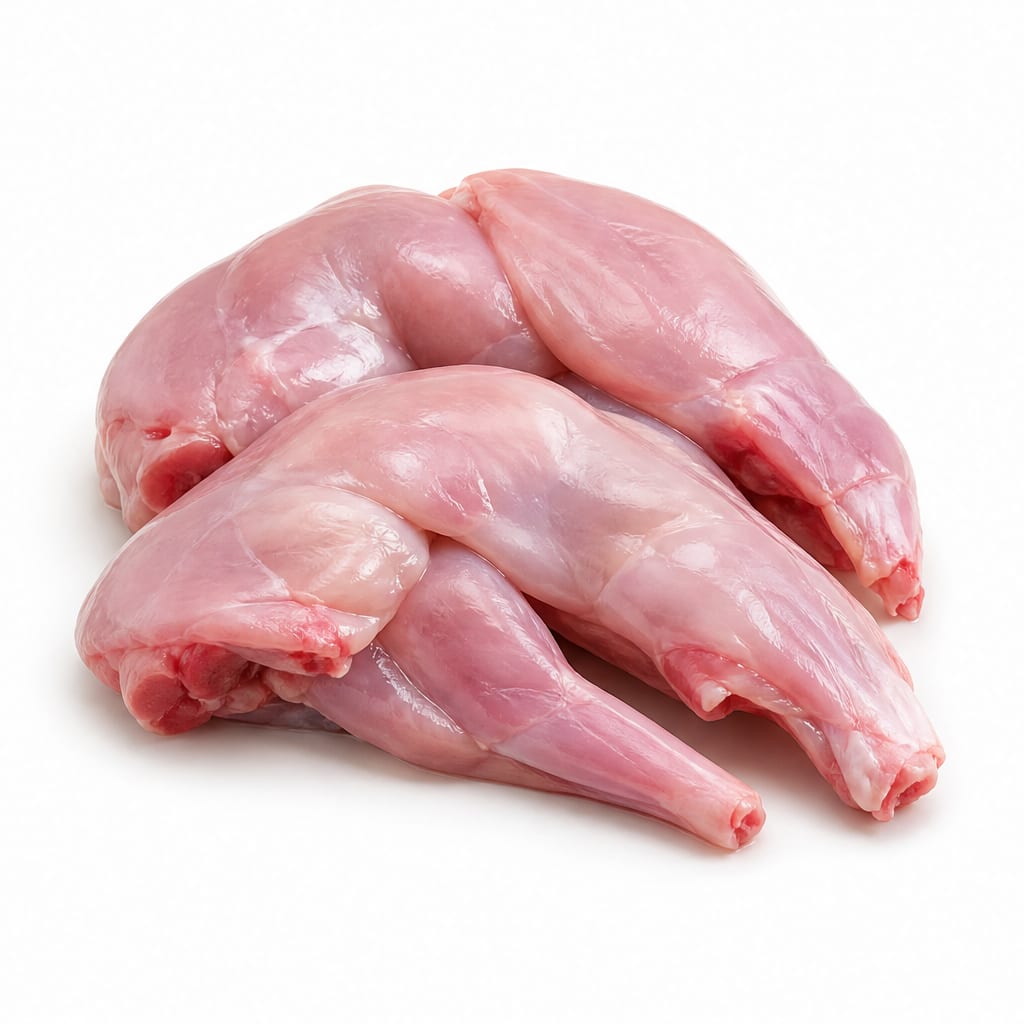
Rabbit Meat
Rabbit meat offers a more practical, versatile, and safer lean protein experience, while frog legs serve better as an occasional delicacy.
Rabbit meat scores higher primarily due to better culinary practicality, easier safe sourcing, and greater micronutrient density like B12 and selenium. Frog legs are an excellent lean protein but are held back by safety concerns and limited meal versatility.
Frog legs are a lower-calorie delicacy with higher aquatic contamination risks, whereas rabbit meat provides more substantial, versatile nutrition with easier safe sourcing.
At a glance
Executive summary
Overall
Rabbit Meat
Healthier
Rabbit Meat
More practical
Rabbit Meat
Daily use
Rabbit Meat
Key comparison lenses
Comparing lean exotic/game meats for high-protein diets
Both are exceptionally lean protein sources, often sought by those looking to minimize fat intake while maximizing protein.
Evaluating food safety and contamination risks
Frog legs carry aquatic parasite and heavy metal risks, while wild rabbit carries tularemia; sourcing heavily impacts safety.
Assessing culinary practicality and meal versatility
Rabbit offers more meat per animal and suits stews or roasts, whereas frog legs are typically a small appetizer portion.
Best choice for
Frog Legs
- Strict calorie restrictors wanting maximum volume for minimal calories
- Culinary adventurers seeking a delicate, mild-flavored appetizer
- Pescatarians who occasionally eat amphibians
Rabbit Meat
- Homesteaders or those seeking sustainable backyard livestock
- People wanting a versatile, filling lean meat for main courses
- Those following nose-to-tail or whole-animal cooking philosophies
Least suitable for
Frog Legs
- People concerned about aquatic heavy metals and parasites
- Families looking for an easy, substantial weeknight dinner
- Those on tight grocery budgets in areas where it is imported
Rabbit Meat
- Those eating an exclusively lean meat diet without added fats
- Diners uncomfortable with gamey flavors
- Regions where rabbit farming is uncommon or heavily regulated
Deep comparison
Dimension by dimension
Each lens scores both foods and breaks down who each option suits.
- Dimension 1 · Priority 95Rabbit Meat
Protein Quality & Satiety
Frog Legs · 78Rabbit Meat · 88Both are highly lean, but rabbit meat provides more protein per typical serving and keeps you full longer.
Tradeoff
Frog legs offer slightly fewer calories per ounce, but rabbit delivers a more substantial portion size that actually satisfies hunger.
Why it matters
Eating a tiny appetizer of frog legs might leave you reaching for snacks later, while a rabbit stew provides lasting fullness.
Real-world impact
A rabbit dinner keeps you full through the evening; frog legs often need side dishes to make a complete meal.
Frog Legs
- Ultra-low calorie meal prep
Better for
- Satiety per meal
Worse for
Rabbit Meat
- Post-workout muscle recovery
- Appetite control for weight loss
Better for
- Extremely low-fat diets requiring zero fat intake
Worse for
- Dimension 2 · Priority 85Rabbit Meat
Micronutrient Density
Frog Legs · 72Rabbit Meat · 86Rabbit meat is a powerhouse of B vitamins and selenium, outperforming frog legs in most essential minerals.
Tradeoff
Frog legs provide more potassium, but rabbit delivers significantly more vitamin B12 and selenium, which are crucial for energy and thyroid health.
Why it matters
Selenium and B12 deficiencies are common; rabbit meat actively helps fill those gaps better than frog legs.
Real-world impact
Eating rabbit regularly supports energy metabolism and immune function more effectively than frog legs.
Frog Legs
- Boosting potassium for blood pressure regulation
Better for
- Overall vitamin and mineral breadth
Worse for
Rabbit Meat
- Supporting thyroid function with selenium
- Preventing B12 deficiency
Better for
- Potassium content
Worse for
- Dimension 3 · Priority 90Rabbit Meat
Food Safety & Contamination
Frog Legs · 55Rabbit Meat · 80Farmed rabbit is generally safer and easier to trace than frog legs, which carry aquatic environmental risks.
Tradeoff
Frog legs can harbor aquatic parasites and accumulate heavy metals, whereas farmed rabbit's main risk is easily mitigated by cooking.
Why it matters
Parasites and heavy metals pose long-term health risks that cooking might not fully resolve, making sourcing critical for frog legs.
Real-world impact
You can confidently buy farmed rabbit from a local producer; frog legs require more trust in the supply chain and water quality.
Frog Legs
- None specifically regarding safety
Better for
- Risk of sparganosis and other aquatic parasites
- Potential heavy metal exposure from waterways
Worse for
Rabbit Meat
- Traceable and regulated farming practices
- Lower risk of environmental toxin accumulation
Better for
- Wild rabbit carries risk of tularemia
Worse for
- Dimension 4 · Priority 80Rabbit Meat
Culinary Practicality & Versatility
Frog Legs · 50Rabbit Meat · 85Rabbit is a versatile meat that shines in stews, roasts, and braises, while frog legs are limited to delicate preparations.
Tradeoff
Frog legs cook in minutes but offer very little meat per animal, whereas rabbit takes longer to braise but yields substantial, versatile portions.
Why it matters
Versatility means you can meal-prep rabbit in various ways, keeping your diet interesting and sustainable.
Real-world impact
Rabbit can replace chicken in most recipes for a leaner meal; frog legs are usually a special-occasion appetizer.
Frog Legs
- Quick cooking times for fast meals
Better for
- Limited to small appetizer portions
- Difficult to find in standard grocery stores
Worse for
Rabbit Meat
- Batch cooking and meal prepping
- Adapting to a wide range of cuisines and recipes
Better for
- Requires longer cooking times to avoid toughness
Worse for
Timeline
Health impact over time
Short-term
Hours to days
Frog Legs
- Quick, light energy from easily digestible lean protein
- Potential digestive upset if not cooked thoroughly due to parasites
Rabbit Meat
- High satiety and stable blood sugar from dense protein and minimal fat
- Very satisfying when braised, keeping evening cravings at bay
Long-term
Months to years
Frog Legs
- Risk of heavy metal accumulation if consumed frequently from polluted sources
- Excellent weight maintenance due to extremely low fat content
Rabbit Meat
- Supports lean muscle mass and metabolic health with B12 and selenium
- Risk of protein poisoning if eaten as the sole food source without dietary fat
Risk profile
Safety & processing
Both frog legs and rabbit meat are whole, unprocessed foods. As long as you buy them fresh or frozen without marinades, you avoid artificial additives entirely.
Frog Legs
Aquatic Parasites
highFrog legs can carry sparganosis and other parasites requiring thorough cooking to neutralize.
Heavy Metal Accumulation
mediumAs aquatic animals, frogs can bioaccumulate mercury and other toxins from their environment, especially if wild-caught.
Rabbit Meat
Tularemia
mediumWild rabbits can carry tularemia, a bacterial infection. Farmed rabbits pose virtually no risk, and cooking destroys the bacteria.
Protein Poisoning
lowEating rabbit exclusively without any fat or carbohydrates can lead to rabbit starvation, but this is easily avoided with a balanced diet.
Who wins for whom
Audience fit
Same foods, different winners depending on your goal.
children
Rabbit MeatRabbit is safer to source, easier to cook thoroughly, and provides more substantial nutrition for growing bodies.
daily consumption
Rabbit MeatRabbit is more practical, versatile, and safer for regular meals, whereas frog legs are best reserved for occasional dining.
diabetes
It dependsBoth are zero-carb, high-protein foods that will not spike blood sugar. The choice comes down to personal taste and portion preference.
elderly
Rabbit MeatRabbit offers higher B12 for cognitive health and is easier to source with confidence regarding heavy metal contamination.
muscle gain
Rabbit MeatRabbit meat provides more substantial protein portions and higher B12, making it easier to eat in the quantities needed for muscle building.
weight loss
Frog LegsFrog legs are exceptionally low in calories and fat, making them the ultimate lean protein for strict calorie counters, provided they are sourced safely.
Your move
Decision guide
Choose Frog Legs
- You want the absolute lowest-calorie animal protein available
- You are dining out and want a unique, delicate appetizer
- You have a trusted, clean source for frog legs
Choose Rabbit Meat
- You want a versatile, filling main course protein
- You are interested in sustainable, locally-farmed meats
- You need a nutrient-dense option high in B12 and selenium
Either works if
- You are on a strict zero-carb or keto diet and need lean protein variety
- You want to rotate game meats to avoid over-consuming conventional livestock
Avoid both if
- You are uncomfortable cooking and verifying the safety of exotic or game meats
- You lack access to a reliable butcher or trusted source for these proteins
Final recommendation
Make rabbit meat your go-to lean game protein for everyday meals and meal prep. Save frog legs for special occasions at reputable restaurants where sourcing and preparation are handled by professionals.
Practical
Consumer tips
- 1
Always cook frog legs to well-done to eliminate the risk of aquatic parasites.
- 2
If buying rabbit, opt for farmed over wild to eliminate the risk of tularemia and ensure milder flavor.
- 3
Braise rabbit low and slow to keep the ultra-lean meat tender and enjoyable.
- 4
Never eat rabbit exclusively without adding fats or carbs to your diet to avoid protein poisoning.
- 5
Ask your fishmonger or butcher about the source of their frog legs to avoid heavy metal exposure from polluted waters.