
Nutrition comparison
Frog Legs vs Chicken Breast: Which Lean Protein Is Better?
Compare frog legs and chicken breast on protein, safety, cost, and taste. Find out which lean protein wins for everyday health and when to choose each.
Overall winner · Chicken Breast
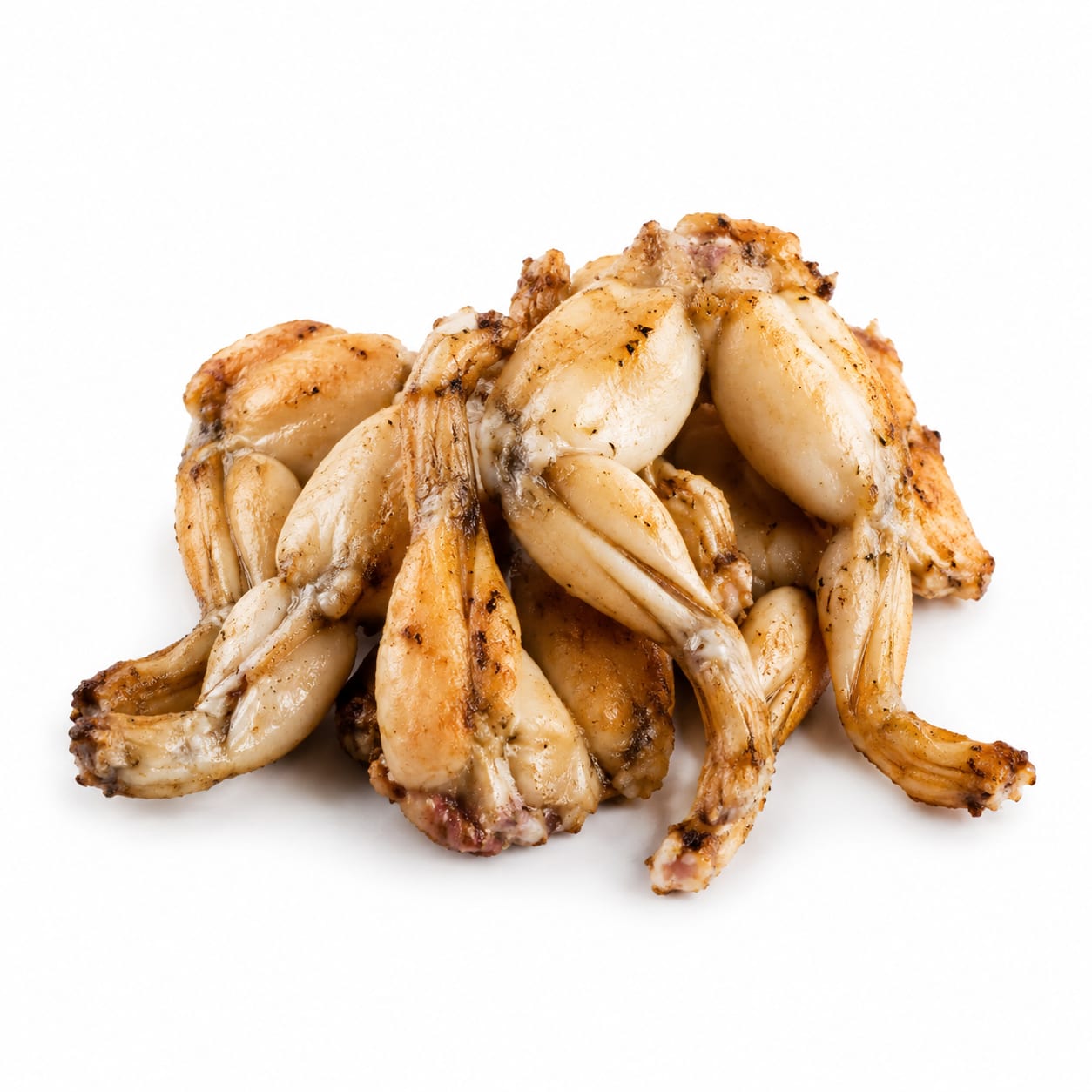
Frog Legs
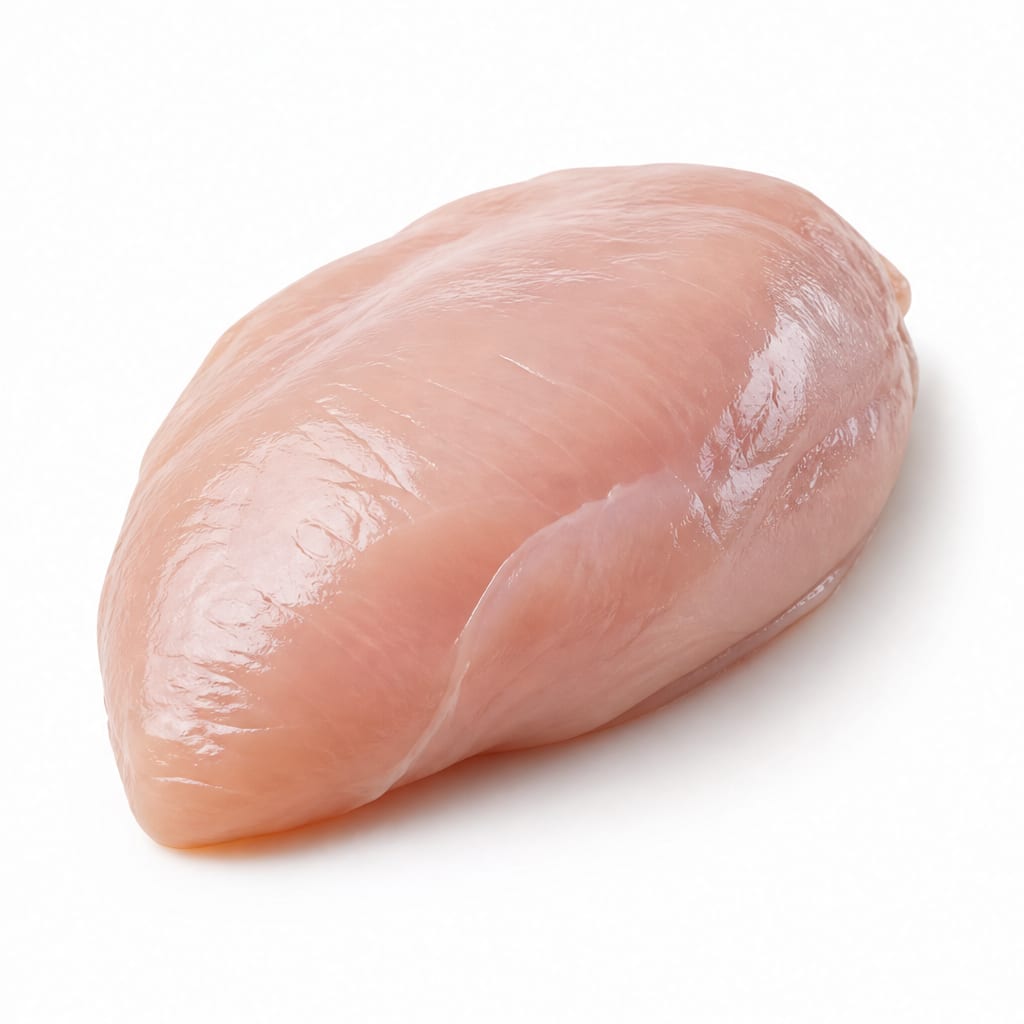
Chicken Breast
Chicken breast wins for everyday nutrition, safety, and practicality. Frog legs are a lean delicacy but carry higher contamination risk and lack the convenience and versatility most people need.
Chicken breast scores significantly higher due to its accessibility, safety profile, and proven track record as a lean protein staple. Frog legs are nutritionally comparable but lose ground on safety, availability, and sustainability.
Frog legs offer a similar lean protein experience with a novelty factor, but chicken breast delivers the same nutritional benefits with far less safety concern, lower cost, and easier access.
At a glance
Executive summary
Overall
Chicken Breast
Healthier
Chicken Breast
More practical
Chicken Breast
Daily use
Chicken Breast
Key comparison lenses
lean protein source comparison
Both are lean animal proteins, so protein quality and quantity matter most
food safety and contamination risk
Frog legs carry unique parasite and waterborne contamination risks that chicken breast does not
practicality and everyday accessibility
Chicken breast is a grocery staple while frog legs are specialty items with limited availability
environmental sustainability
Amphibian populations are declining globally, raising concerns about frog leg sourcing
culinary versatility and meal planning
Chicken breast adapts to nearly any cuisine or cooking method; frog legs are far more limited
Best choice for
Frog Legs
- Adventurous eaters seeking culinary variety
- Those following traditional French or Southern cuisine
- People wanting a lean protein with a delicate, fish-like texture
Chicken Breast
- Everyday meal preppers
- Athletes needing reliable lean protein
- Budget-conscious shoppers
- Anyone prioritizing food safety and consistency
Least suitable for
Frog Legs
- Children and pregnant women due to contamination risk
- People with limited access to specialty markets
- Those who need a quick weeknight dinner option
Chicken Breast
- People with poultry allergies
- Those seeking exotic or novel dining experiences
Deep comparison
Dimension by dimension
Each lens scores both foods and breaks down who each option suits.
- Dimension 1 · Priority 95Chicken Breast
Protein Quality and Content
Frog Legs · 72Chicken Breast · 90Both deliver solid lean protein, but chicken breast offers more protein per serving with better-studied amino acid completeness.
Tradeoff
Frog legs provide roughly 16g protein per 3oz serving while chicken breast delivers about 26g per 3oz. You would need a larger portion of frog legs to match chicken breast protein intake.
Why it matters
For muscle maintenance, satiety, and metabolic health, getting enough complete protein per meal matters more than most people realize.
Real-world impact
A single chicken breast easily covers half your daily protein needs. With frog legs, you would need a larger or double portion to feel equally satisfied.
Frog Legs
- Those wanting lighter protein portions with less density
Better for
- Anyone needing high protein intake from a single serving
Worse for
Chicken Breast
- Athletes and lifters needing higher protein per meal
- Anyone tracking macros precisely
- People who want one serving to feel full
Better for
- People who find dense meat hard to eat in large quantities
Worse for
- Dimension 2 · Priority 90Chicken Breast
Food Safety and Contamination
Frog Legs · 45Chicken Breast · 75Frog legs carry meaningful parasite and environmental contamination risks that chicken breast avoids, even though chicken has its own salmonella concerns.
Tradeoff
Frog legs can harbor parasites like Spirometra and are exposed to waterborne pollutants and heavy metals. Chicken breast risks are well-understood and manageable with proper cooking.
Why it matters
A protein source that makes you sick undermines every nutritional benefit it offers. Safety is foundational.
Real-world impact
Proper cooking reduces risk for both, but frog legs require more careful sourcing and thorough preparation to eat confidently.
Frog Legs
- Those who source from trusted, regulated suppliers with verified testing
Better for
- Immune-compromised individuals
- Pregnant women
- Children
Worse for
Chicken Breast
- Families cooking at home who want straightforward food safety
- Anyone with a compromised immune system
- Pregnant women who need to minimize infection risk
Better for
- Those who undercook poultry, which is a user error rather than inherent risk
Worse for
- Dimension 3 · Priority 85Chicken Breast
Availability and Practicality
Frog Legs · 25Chicken Breast · 95Chicken breast is available at virtually every grocery store worldwide. Frog legs require specialty markets, online ordering, or regional access.
Tradeoff
You can meal prep chicken breast on any Sunday without planning. Frog legs require effort just to find, let alone cook.
Why it matters
The healthiest protein is the one you can actually buy and eat consistently. Accessibility drives adherence.
Real-world impact
Most people cannot pick up frog legs on the way home from work. Chicken breast is always there when you need it.
Frog Legs
- Home cooks near specialty seafood markets
- People who enjoy the hunt for unique ingredients
Better for
- Anyone without access to Asian, French, or Southern specialty markets
- Spontaneous cooks who decide dinner at 5pm
Worse for
Chicken Breast
- Busy professionals
- Parents doing weekly grocery runs
- Anyone living outside major metropolitan areas
- Meal preppers who buy in bulk
Better for
- No significant practical downsides
Worse for
- Dimension 4 · Priority 78Chicken Breast
Environmental Sustainability
Frog Legs · 35Chicken Breast · 60Global amphibian populations are in steep decline. Frog leg sourcing often lacks transparency and contributes to population pressure on wild species.
Tradeoff
Chicken farming has well-documented environmental issues, but the industry is regulated and improving. Frog leg harvesting is harder to track and potentially more damaging per unit to ecosystems.
Why it matters
Choosing a protein that contributes to species decline creates a long-term cost that goes beyond your plate.
Real-world impact
If you care about biodiversity, frog legs carry a heavier ecological conscience than most people realize.
Frog Legs
- Farm-raised frog legs from verified sustainable operations
Better for
- Environmentally conscious eaters who research sourcing
- Anyone concerned about biodiversity loss
Worse for
Chicken Breast
- Conscious consumers who want more transparent supply chains
- People who factor ecological impact into food choices
Better for
- Those opposed to factory farming practices
Worse for
- Dimension 5 · Priority 70Chicken Breast
Culinary Versatility
Frog Legs · 40Chicken Breast · 92Chicken breast works in grilling, baking, stir-frying, soups, salads, and slow cooking. Frog legs are best fried, sautéed, or grilled with limited recipe range.
Tradeoff
Frog legs have a lovely delicate flavor but a narrow culinary window. Chicken breast is a blank canvas for nearly any cuisine.
Why it matters
Eating the same protein daily gets boring. Versatility keeps healthy eating sustainable.
Real-world impact
You can eat chicken breast five ways in a week without repeating. Frog legs are a once-in-a-while dish at best.
Frog Legs
- Cooks wanting to impress dinner guests with something unusual
- Fans of French or Cajun cuisine
Better for
- Anyone tired of the same preparation method
- People who dislike deep-fried or butter-heavy cooking styles
Worse for
Chicken Breast
- Anyone who cooks diverse cuisines at home
- People who need one protein that works across all meals
- Those who meal prep in batches
Better for
- Those who find plain chicken breast boring without seasoning effort
Worse for
- Dimension 6 · Priority 72Chicken Breast
Cost and Value
Frog Legs · 30Chicken Breast · 88Chicken breast is one of the most affordable lean proteins available. Frog legs are a luxury item with a premium price tag.
Tradeoff
You pay novelty pricing for frog legs while getting comparable or less protein per dollar than chicken breast.
Why it matters
Cost determines whether a protein becomes a staple or a splurge. Sustainable diets need affordable foundations.
Real-world impact
Feeding a family of four with frog legs could cost three to four times more than chicken breast for the same protein.
Frog Legs
- Special occasion dining where cost is secondary to experience
Better for
- Budget-conscious households
- Anyone trying to minimize food spending
Worse for
Chicken Breast
- Families on a grocery budget
- Students and young professionals
- Anyone buying protein in bulk
Better for
- Those willing to pay more for variety and novelty
Worse for
Timeline
Health impact over time
Short-term
Hours to days
Frog Legs
- Light, easily digestible protein that sits comfortably after eating
- Risk of digestive upset if undercooked due to parasite presence
- Lower satiety per serving compared to denser meats
Chicken Breast
- High satiety from dense complete protein that keeps you full for hours
- Steady energy without blood sugar spikes
- Risk of dryness if overcooked, which can make eating less enjoyable
Long-term
Months to years
Frog Legs
- Potential heavy metal accumulation with frequent consumption depending on water source
- Inconsistent nutrient profile due to variable sourcing and wild vs farmed differences
- Possible parasite exposure if preparation is ever inadequate
Chicken Breast
- Well-established benefits for muscle maintenance and metabolic health with regular consumption
- Antibiotic exposure risk from conventional farming, mitigated by choosing organic or antibiotic-free
- Consistent nutritional profile supports reliable long-term dietary planning
Risk profile
Safety & processing
Both frog legs and chicken breast are whole, minimally processed animal proteins. Neither typically contains artificial additives when purchased fresh. The naturalness distinction is irrelevant here; both win equally on this dimension.
Frog Legs
Parasitic infection
highFrog legs can carry Spirometra and other parasites that survive inadequate cooking. Thorough cooking to 165°F is essential.
Heavy metal contamination
mediumFrogs absorb environmental pollutants from water sources, including mercury and agricultural runoff. Sourcing matters enormously.
Unregulated harvesting
mediumMuch of the global frog leg supply comes from countries with limited food safety oversight, making traceability difficult.
Chicken Breast
Salmonella contamination
mediumRaw chicken commonly carries salmonella. Proper handling and cooking to 165°F eliminates this risk reliably.
Antibiotic residues
lowConventional chicken may contain trace antibiotic residues. Choosing antibiotic-free or organic chicken eliminates this concern.
Cross-contamination in kitchen
mediumChicken requires careful handling to avoid contaminating surfaces and other foods. Basic food hygiene resolves this.
Who wins for whom
Audience fit
Same foods, different winners depending on your goal.
children
Chicken BreastLower contamination risk, familiar taste, and easier preparation make chicken breast the clear safer choice for kids.
daily consumption
Chicken BreastAvailability, affordability, safety, and versatility make chicken breast practical for daily use. Frog legs are best reserved for occasional enjoyment.
diabetes
Chicken BreastBoth are zero-carb lean proteins that stabilize blood sugar, but chicken breast offers more reliable portion control and consistent macros.
elderly
Chicken BreastOlder adults with weaker immune systems should avoid the higher parasite and contamination risks associated with frog legs.
muscle gain
Chicken BreastHigher protein density per serving makes chicken breast more efficient for hitting daily protein targets critical for muscle growth.
weight loss
Chicken BreastChicken breast provides more protein per calorie and per serving, creating stronger satiety with fewer total calories needed to feel full.
Your move
Decision guide
Choose Frog Legs
- You are an adventurous eater who wants to try something different and can source from a reputable supplier
- You are preparing a themed dinner featuring French or Cajun cuisine
- You have access to farm-raised frog legs with verified food safety standards
Choose Chicken Breast
- You need a reliable, affordable lean protein for daily meals
- You are meal prepping for the week
- You are feeding children, elderly family members, or anyone with health vulnerabilities
- You want maximum protein per dollar and per serving
- You value food safety and consistent nutritional quality
Either works if
- You simply want a lean animal protein and both are available and properly prepared
- You are eating at a restaurant where either is prepared by a skilled chef
Avoid both if
- You follow a plant-based diet
- You have gout and need to limit purine-rich meats
- You are concerned about animal welfare in conventional farming and cannot access ethically sourced versions
Final recommendation
Make chicken breast your everyday lean protein. Save frog legs for an occasional culinary adventure at a trusted restaurant. The safety, cost, and convenience gap is too large for frog legs to compete as a regular protein source, no matter how delicious they are.
Practical
Consumer tips
- 1
If you do try frog legs, ensure they are cooked to 165°F internally to eliminate parasite risk
- 2
Buy chicken breast from antibiotic-free or organic sources when budget allows to reduce exposure concerns
- 3
Frog legs taste best sautéed in garlic butter or lightly fried, similar to preparing delicate fish
- 4
Freeze chicken breast in individual portions for easy weeknight defrosting and cooking
- 5
If sourcing frog legs, ask your fishmonger about origin and whether they are farm-raised or wild-caught
- 6
Marinate chicken breast to prevent dryness, which is the most common complaint and reason people avoid it