
Nutrition comparison
Frog Legs vs Tilapia: Which Lean Protein Is Actually Better for You?
Compare Frog Legs and Tilapia on protein, safety, omega-3, and practicality. Find out which lean protein fits your diet, budget, and health goals.
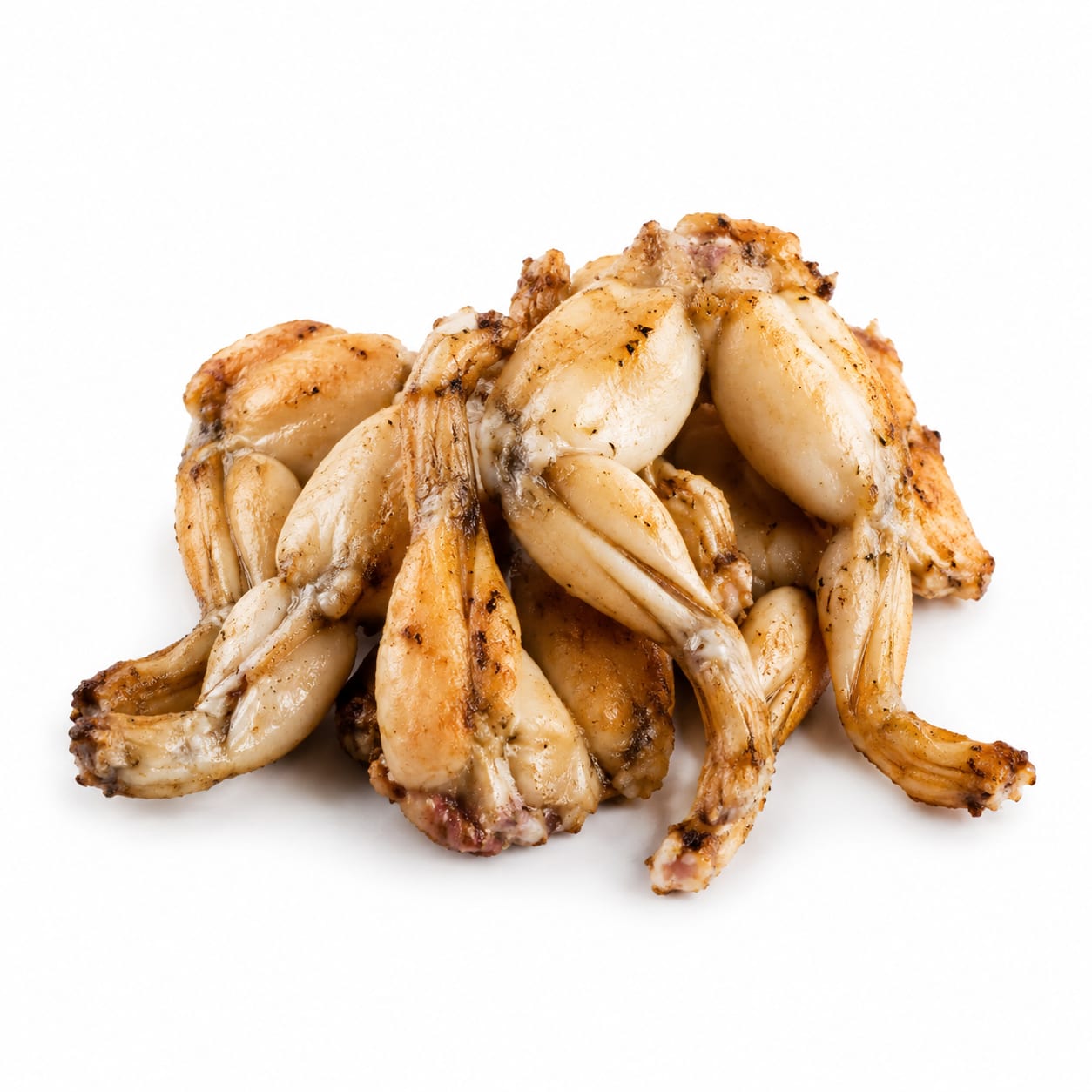
Frog Legs
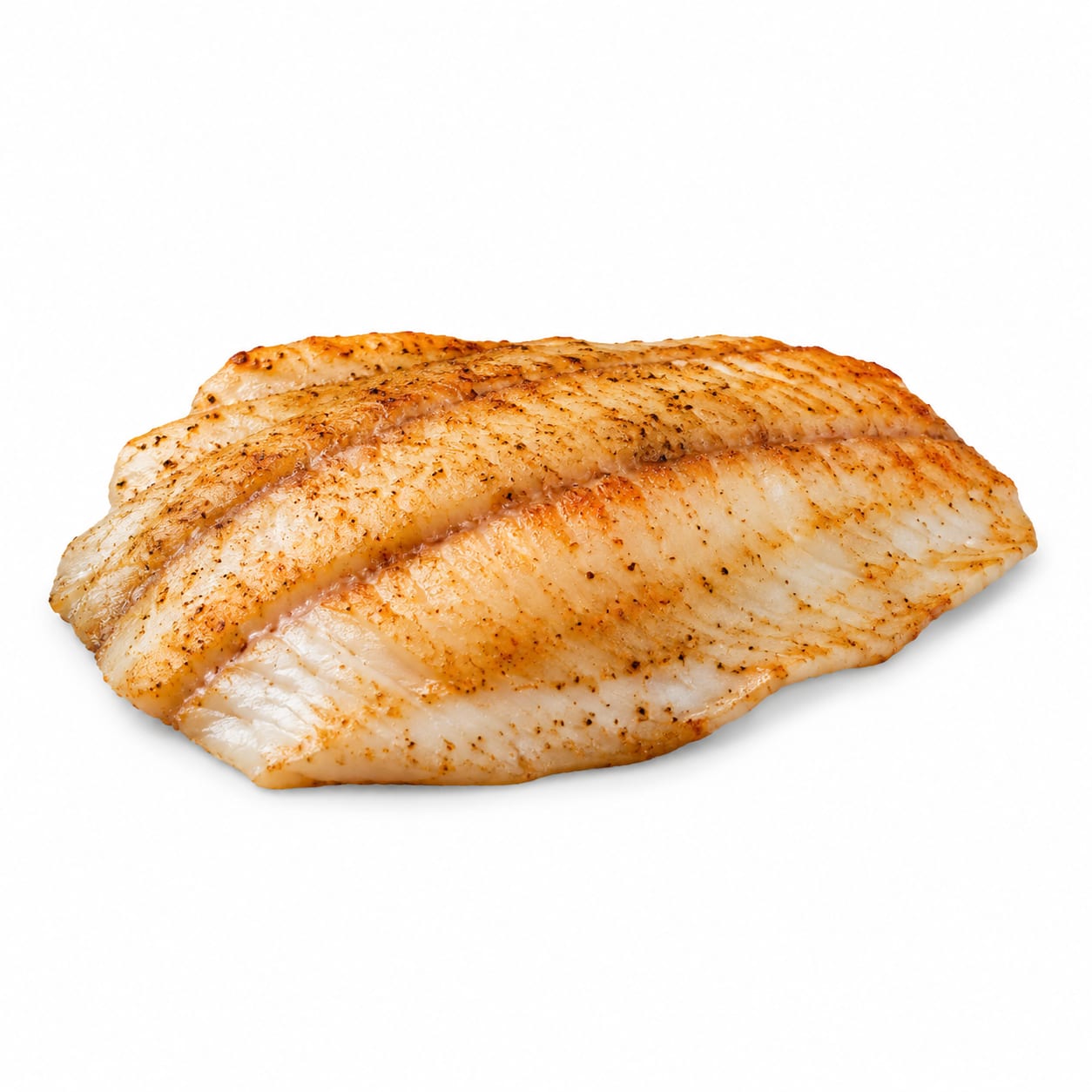
Tilapia
Tilapia wins on convenience and everyday accessibility, while Frog Legs offer a leaner, cleaner protein with fewer inflammatory fat concerns — if you can find them safely sourced.
Frog Legs edge ahead on nutritional cleanliness and protein density, but Tilapia's massive practicality advantage keeps the scores close. The low confidence reflects how sourcing quality dramatically shifts which food is actually better for you.
Practicality versus purity: Tilapia is easy and affordable but carries farming-related risks, whereas Frog Legs are a cleaner protein but exotic, harder to source, and carry parasite risks if undercooked.
At a glance
Executive summary
Overall
It depends
Healthier
Frog Legs
More practical
Tilapia
Daily use
Tilapia
Key comparison lenses
protein source comparison
Both foods are primarily valued as lean protein sources, so protein quality and quantity are the central decision drivers
safety and contamination concerns
Frog Legs carry parasite and habitat contamination risks, while Tilapia raises farming practice and antibiotic concerns
everyday practicality and access
Tilapia is a grocery store staple; Frog Legs are specialty items most people cannot find easily
omega-3 and inflammatory profile
Tilapia has a controversial omega-6 to omega-3 ratio, while Frog Legs offer lean protein without the inflammatory fat debate
environmental sustainability
Both raise sustainability questions but for different reasons — overharvesting vs. intensive aquaculture
Best choice for
Frog Legs
- Adventurous eaters seeking a low-fat, high-protein delicacy
- People avoiding farmed fish due to antibiotic or feed concerns
- Those wanting lean protein without the omega-6 load of farmed Tilapia
- Restaurant diners exploring French or Southern cuisine
Tilapia
- Busy households needing an affordable, widely available protein
- Meal preppers who want a mild fish that pairs with anything
- Budget-conscious shoppers feeding a family
- People who want a familiar fish without the exotic food hurdle
Least suitable for
Frog Legs
- Anyone squeamish about eating amphibians
- People who need a quick weeknight dinner from the local grocery
- Those concerned about wildlife conservation and overharvesting
- Diners with compromised immunity who should avoid parasite-prone meats
Tilapia
- People strictly managing omega-6 intake for inflammatory conditions
- Consumers who prioritize wild-caught over farmed seafood
- Those worried about antibiotic residues in imported farmed fish
- Anyone seeking significant omega-3 benefits from their fish
Deep comparison
Dimension by dimension
Each lens scores both foods and breaks down who each option suits.
- Dimension 1 · Priority 92Frog Legs
protein_quality_and_density
Frog Legs · 82Tilapia · 72Frog Legs deliver slightly more protein per calorie with less fat, making them a denser lean protein source.
Tradeoff
Tilapia still provides solid protein and is far easier to eat regularly, even if slightly less protein-dense.
Why it matters
Higher protein density means you get more muscle-building and satiety benefit per bite, which matters for portion-conscious eaters.
Real-world impact
A serving of Frog Legs keeps you full slightly longer with fewer calories, but Tilapia is close enough that the difference only matters at the margins.
Frog Legs
- Lean muscle gain with minimal calorie surplus
- High-protein diets where every gram counts
Better for
- Inconsistent access makes hitting daily protein targets unreliable
Worse for
Tilapia
- Consistent daily protein intake without specialty shopping
- Families needing affordable protein at scale
Better for
- Slightly more fat per gram of protein if you are counting closely
Worse for
- Dimension 2 · Priority 78Frog Legs
inflammatory_fat_profile
Frog Legs · 80Tilapia · 55Frog Legs are naturally lean with a neutral fat profile, while farmed Tilapia has been criticized for high omega-6 relative to omega-3.
Tradeoff
Tilapia's omega-6 concern is real but somewhat overstated for moderate consumption — it only becomes problematic if Tilapia is your primary protein.
Why it matters
A skewed omega-6 to omega-3 ratio can promote low-grade inflammation, which matters for people with joint issues, autoimmune conditions, or metabolic syndrome.
Real-world impact
Eating Tilapia a couple times a week is unlikely to cause problems, but relying on it daily as your main protein could contribute to an inflammatory diet pattern.
Frog Legs
- People managing inflammatory conditions
- Those already consuming excess omega-6 from other sources
Better for
- Not a meaningful omega-3 source either, so you still need fatty fish elsewhere
Worse for
Tilapia
- Anyone eating a varied diet with other omega-3 sources like salmon or sardines
Better for
- Can worsen an already omega-6-heavy diet if eaten frequently
Worse for
- Dimension 3 · Priority 88It depends
contamination_and_safety_risks
Frog Legs · 60Tilapia · 62Both foods carry distinct safety concerns — Frog Legs risk parasites and environmental pollutants, while Tilapia risks stem from farming practices and imported source quality.
Tradeoff
Frog Legs are wild-harvested from potentially polluted habitats, but Tilapia from poorly regulated farms may carry antibiotic residues and lower water quality.
Why it matters
Your body accumulates what your food accumulates. Chronic low-level exposure to contaminants matters more than most people think over decades of eating.
Real-world impact
Sourcing is everything. Well-regulated Tilapia farms produce safe fish, and Frog Legs from clean habitats are fine — but you have to do your homework on both.
Frog Legs
- Wild-caught from verified clean water sources avoids most farming contaminants
Better for
- Parasite risk requires thorough cooking — never eat Frog Legs rare
- Wild harvest means unpredictable environmental contaminant exposure
Worse for
Tilapia
- US-regulated farms produce Tilapia with minimal contamination risk
- Low mercury compared to most seafood options
Better for
- Imported Tilapia from some countries has documented antibiotic and chemical concerns
- Farmed conditions can vary dramatically by source country
Worse for
- Dimension 4 · Priority 85Tilapia
availability_and_everyday_practicality
Frog Legs · 25Tilapia · 90Tilapia is one of the most accessible and affordable fish globally, while Frog Legs are a niche specialty item most people never encounter in a grocery store.
Tradeoff
You can build a reliable weekly meal plan around Tilapia. Frog Legs are more of an occasional experience than a staple.
Why it matters
The healthiest food in the world is useless if you cannot find it, afford it, or cook it regularly. Consistency beats perfection.
Real-world impact
Most people can grab Tilapia at any supermarket on any day. Frog Legs require specialty butchers, Asian markets, or online orders — and at a premium price.
Frog Legs
- Special dining experiences and culinary exploration
Better for
- Cannot rely on Frog Legs for consistent weekly protein
- Price per serving is significantly higher
Worse for
Tilapia
- Weeknight dinners
- Meal prep routines
- Budget-friendly family meals
- Anyone without access to specialty markets
Better for
- Ubiquity can lead to over-reliance and dietary monotony
Worse for
- Dimension 5 · Priority 72It depends
environmental_sustainability
Frog Legs · 45Tilapia · 55Both foods have sustainability issues. Frog Legs face overharvesting and habitat loss pressures, while Tilapia farming varies from responsible to environmentally damaging.
Tradeoff
Well-managed Tilapia aquaculture can actually be relatively sustainable, but Frog Legs are often harvested from wild populations with limited oversight.
Why it matters
Your food choices affect whether future generations can keep eating that food. Overharvested amphibian populations recover slowly.
Real-world impact
Choosing certified sustainable Tilapia is easier to verify than tracing Frog Legs to a responsible harvest, giving Tilapia a slight edge for eco-conscious consumers.
Frog Legs
- Small-scale harvested Frog Legs from regulated regions have lower environmental impact
Better for
- Wild harvest often lacks traceability and population monitoring
- Amphibian populations worldwide are in decline
Worse for
Tilapia
- Aquaculture certification programs like ASC make sustainable Tilapia identifiable
- Tilapia farming uses fewer resources than most animal protein production
Better for
- Poorly managed Tilapia farms can pollute local waterways and escape into ecosystems
Worse for
- Dimension 6 · Priority 65Tilapia
culinary_versatility_and_taste
Frog Legs · 55Tilapia · 75Tilapia's mild flavor works in countless recipes, while Frog Legs have a specific taste and texture that limits how you can prepare them.
Tradeoff
Frog Legs offer a unique dining experience some people love, but Tilapia's neutrality is a feature for everyday cooking — it adapts to any cuisine.
Why it matters
Food you enjoy eating consistently beats food that is technically superior but rarely appealing. Boredom kills diets faster than nutrition flaws.
Real-world impact
Tilapia can be baked, grilled, fried, or used in tacos, curries, and soups. Frog Legs are typically fried or sautéed in garlic butter — delicious, but a narrower repertoire.
Frog Legs
- Adventurous dining and impressing guests
- French and Southern specialty dishes
Better for
- Limited cooking methods that work well
- The novelty can wear off quickly
Worse for
Tilapia
- Weekly recipe rotation without getting bored
- Absorbing flavors from diverse cuisines
- Kid-friendly preparations
Better for
- Can taste bland or muddy if poorly prepared
Worse for
Timeline
Health impact over time
Short-term
Hours to days
Frog Legs
- High satiety from dense lean protein keeps hunger at bay
- Must be cooked thoroughly to eliminate parasite risk — undercooked Frog Legs can cause foodborne illness
- Light on the stomach due to low fat content
Tilapia
- Easy to digest and gentle on the stomach for most people
- Mild flavor makes it tolerable even when appetite is low
- Quick to cook, which helps preserve nutrients compared to longer-cooking proteins
Long-term
Months to years
Frog Legs
- Consistent lean protein intake supports muscle maintenance and metabolic health
- Low inflammatory fat profile benefits cardiovascular health over time
- Potential contaminant exposure from wild habitats could accumulate if consumed frequently from unverified sources
Tilapia
- Regular consumption as a primary protein may contribute to omega-6 excess if the rest of the diet is not balanced
- Affordable access to consistent protein supports long-term dietary adherence
- Choosing well-sourced Tilapia minimizes most long-term health risks
Risk profile
Safety & processing
Both foods are minimally processed in their natural state, but farmed Tilapia may be exposed to antibiotics, chemical treatments, and feed additives that Frog Legs avoid through wild harvest. Frozen Tilapia fillets sometimes contain sodium-based preservatives or moisture-retention solutions, adding hidden sodium.
Frog Legs
Parasitic infection
mediumFrog Legs can carry parasites that are destroyed by proper cooking. Never eat them raw or undercooked.
Environmental contaminants
mediumFrogs absorb pollutants from their aquatic habitats. Harvesting from contaminated waters can concentrate heavy metals and agricultural chemicals.
Allergic reactions
lowSome people with fish or shellfish allergies may also react to Frog Legs, though cross-reactivity is uncommon.
Tilapia
Antibiotic residues
mediumImported farmed Tilapia from poorly regulated regions may contain antibiotic residues. Choose US, Canadian, or ASC-certified sources.
Microplastic exposure
lowLike all farmed fish, Tilapia may contain microplastics from feed and water, though levels are generally low.
Added sodium in frozen products
mediumMany frozen Tilapia fillets are treated with sodium-based solutions. Check labels if watching sodium intake.
Who wins for whom
Audience fit
Same foods, different winners depending on your goal.
children
TilapiaTilapia's mild taste, soft texture, and easy availability make it a practical choice for kids. Frog Legs are a hard sell to most children and carry slightly higher parasite risk if preparation is rushed.
daily consumption
TilapiaTilapia is affordable, accessible, and easy to rotate into daily meals. Frog Legs are better as an occasional protein, not a daily staple, due to availability and sustainability concerns.
diabetes
Frog LegsFrog Legs have virtually zero carbohydrates and a leaner fat profile, reducing the inflammatory load that can worsen insulin resistance compared to farmed Tilapia's omega-6 content.
elderly
TilapiaTilapia is easier to find, simpler to prepare correctly, and gentler for aging digestive systems. The parasite risk with Frog Legs requires careful cooking that may be harder to ensure consistently.
muscle gain
TilapiaTilapia's consistent availability and affordable price make it far easier to eat the regular high-protein meals needed for muscle growth, even though Frog Legs have slightly better protein density.
weight loss
Frog LegsFrog Legs provide slightly more protein per calorie with less fat, making them marginally better for calorie-controlled diets — if you can source them consistently.
Your move
Decision guide
Choose Frog Legs
- You want a lean, low-inflammatory protein and have access to a reliable specialty source
- You are avoiding farmed fish for personal or health reasons
- You are cooking a special meal and want something memorable
- You already eat omega-3-rich fish elsewhere and need a lean complement
Choose Tilapia
- You need an affordable, easy-to-find protein for weekly meals
- You are feeding a family and need something everyone will eat
- You want a versatile fish that works in any recipe
- You can verify your Tilapia comes from well-regulated farms
Either works if
- You are simply looking for a lean protein and have access to quality versions of both
- You rotate proteins regularly and neither will dominate your diet
Avoid both if
- You have gout or severe uric acid issues, as both are moderate-purine foods
- You need significant omega-3 intake and are relying on one of these as your only fish — choose salmon or sardines instead
Final recommendation
For most people, Tilapia is the practical everyday choice — it is affordable, available, and versatile enough to become a reliable protein staple. Just source it carefully from well-regulated farms. Frog Legs are the better nutritional profile on paper, but their specialty status, higher price, and safety requirements make them a smart occasional choice rather than a dietary foundation. If you eat Frog Legs, cook them thoroughly and buy from trusted suppliers.
Practical
Consumer tips
- 1
For Tilapia, look for country of origin labels — US, Canada, and Ecuador generally have better farming standards than some Asian imports
- 2
ASC-certified Tilapia is the gold standard for responsible aquaculture — look for the blue checkmark
- 3
Frozen Tilapia fillets often contain added sodium — check the ingredient list for 'sodium tripolyphosphate' and compare brands
- 4
Frog Legs should always be cooked to an internal temperature of at least 165°F to eliminate parasite risk
- 5
If buying Frog Legs, ask your supplier about harvest location — frogs from agricultural areas may carry pesticide residues
- 6
Both foods benefit from marinades — Tilapia absorbs flavor well, and Frog Legs shine with garlic, butter, and herbs
- 7
If you cannot find Frog Legs locally, do not substitute randomly — their texture and cooking requirements are unique