
Nutrition comparison
Frog Legs vs Shrimp: Nutrition, Safety, and Taste Compared
Comparing frog legs vs shrimp? Discover which lean protein wins on cholesterol, safety, and everyday practicality for your diet.

Frog Legs
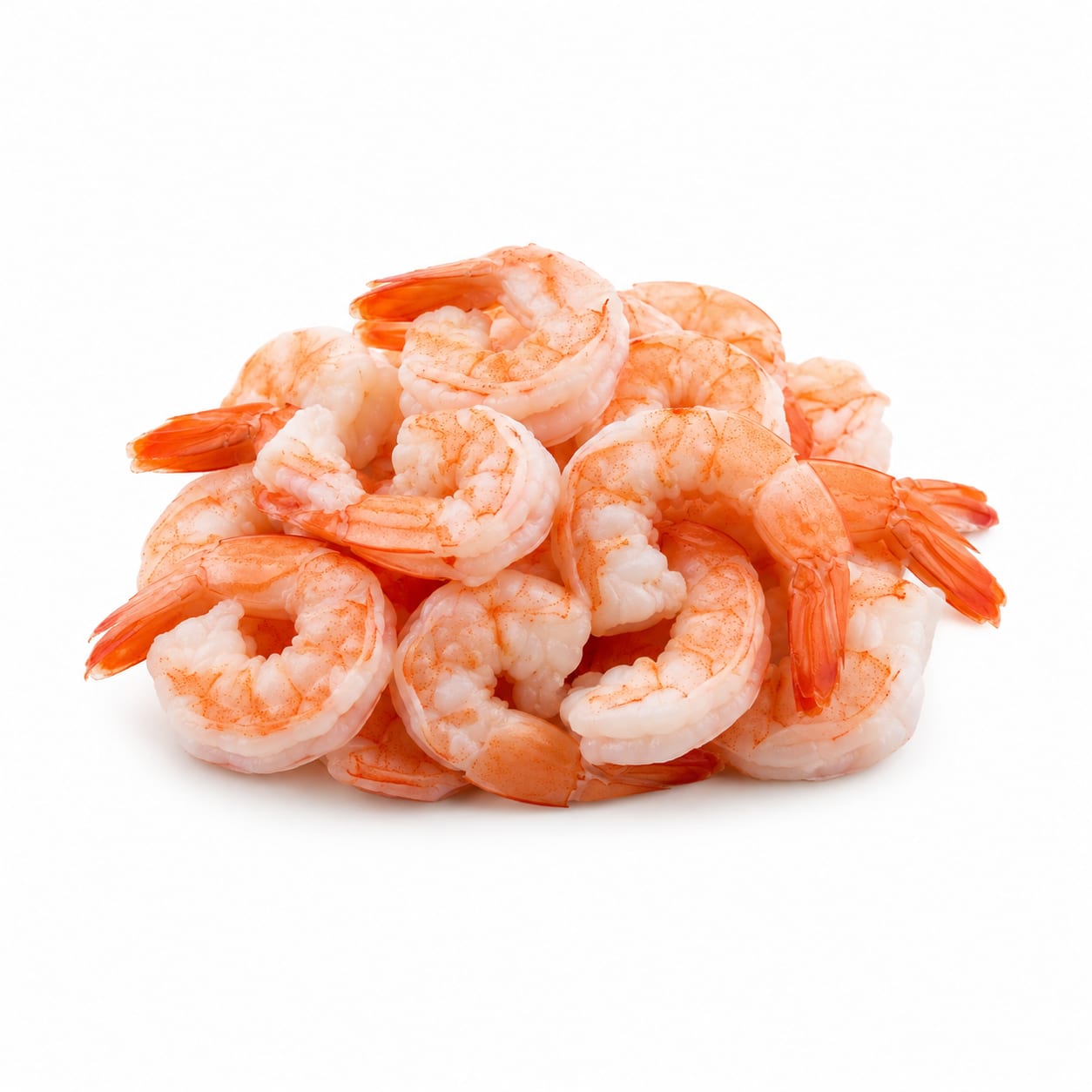
Shrimp
Shrimp offers everyday convenience and solid nutrient density, while frog legs provide a remarkably lean, low-cholesterol alternative for adventurous eaters.
Shrimp scores slightly higher due to everyday practicality and omega-3 content, but frog legs are a surprisingly strong lean protein contender if you can source them safely.
Shrimp is far more accessible and versatile but carries higher cholesterol and shellfish allergy risks, whereas frog legs are leaner and hypoallergenic but harder to source and prepare safely.
At a glance
Executive summary
Overall
It depends
Healthier
Frog Legs
More practical
Shrimp
Daily use
Shrimp
Key comparison lenses
Protein source quality and leanness
Both are animal-based proteins, but frog legs are significantly leaner with almost no cholesterol compared to shrimp.
Allergen and dietary restriction compatibility
Shrimp is a top shellfish allergen, making frog legs a safer hypoallergenic alternative for many.
Contaminant and safety exposure
Shrimp often carries microplastics and farmed antibiotic concerns, while frog legs risk environmental pollutants and parasites.
Culinary practicality and availability
Shrimp is a staple protein available everywhere, whereas frog legs are a specialty item requiring specific sourcing.
Best choice for
Frog Legs
- People strictly limiting dietary cholesterol
- Those with shellfish allergies
- Adventurous eaters seeking a lean, chicken-like protein
Shrimp
- Busy households needing quick-cooking protein
- People seeking iodine and omega-3 fatty acids
- Those wanting widespread restaurant and grocery availability
Least suitable for
Frog Legs
- People who want easy-to-find everyday ingredients
- Those concerned about water pollutant exposure in wild game
Shrimp
- People with severe shellfish allergies
- Those strictly monitoring dietary cholesterol
Deep comparison
Dimension by dimension
Each lens scores both foods and breaks down who each option suits.
- Dimension 1 · Priority 90Frog Legs
Protein Quality and Leanness
Frog Legs · 92Shrimp · 78Frog legs deliver highly bioavailable protein with almost zero fat and a fraction of the cholesterol found in shrimp.
Tradeoff
You get a leaner profile with frog legs, but shrimp offers slightly more protein per standard serving along with beneficial omega-3s.
Why it matters
If you are eating protein to support a lean body composition or heart health, cholesterol and fat content make a real difference.
Real-world impact
Choosing frog legs means you can eat a hearty protein portion without worrying about blowing past your daily cholesterol limit.
Frog Legs
- Lean muscle maintenance
- Low-fat diets
Better for
- Getting healthy fats in your diet
Worse for
Shrimp
- Omega-3 intake
- Higher overall protein volume per meal
Better for
- Strict low-cholesterol meal plans
Worse for
- Dimension 2 · Priority 85Frog Legs
Heart Health and Cholesterol
Frog Legs · 95Shrimp · 55Frog legs are incredibly heart-friendly with minimal cholesterol, while shrimp are famously high in dietary cholesterol.
Tradeoff
Shrimp's cholesterol doesn't affect everyone's blood cholesterol equally, but for hyper-responders, frog legs are the clear safer bet.
Why it matters
For anyone monitoring cardiovascular risk, the massive cholesterol gap between these two foods is a deciding factor.
Real-world impact
If your doctor told you to watch your cholesterol, shrimp might be an occasional treat, while frog legs can be eaten more freely.
Frog Legs
- Cardiovascular diets
- Older adults managing blood lipids
Better for
- None significant for heart health
Worse for
Shrimp
- Diets where saturated fat is the main focus over dietary cholesterol
Better for
- Hyper-responders to dietary cholesterol
Worse for
- Dimension 3 · Priority 75Shrimp
Convenience and Availability
Frog Legs · 30Shrimp · 95Shrimp is a ubiquitous, quick-cooking freezer staple, while frog legs are a niche product requiring specialty stores.
Tradeoff
You trade the culinary ease and widespread availability of shrimp for the novelty and leanness of frog legs.
Why it matters
The best protein for you is the one you can actually buy and cook consistently without hassle.
Real-world impact
You can throw frozen shrimp in a stir-fry on a Tuesday night in 10 minutes; frog legs require planning and likely a trip to a specialty market.
Frog Legs
- Unique dinner parties
- Expanding culinary horizons
Better for
- Last-minute cooking
- Budget grocery runs
Worse for
Shrimp
- Quick weeknight meals
- Meal prepping
- Travel and dining out
Better for
- None significant for convenience
Worse for
- Dimension 4 · Priority 80It depends
Safety and Contaminants
Frog Legs · 65Shrimp · 65Both carry distinct risks: shrimp faces microplastics and farmed antibiotic issues, while frog legs risk environmental pollutants and parasites.
Tradeoff
Shrimp brings shellfish allergy and farm contamination risks, whereas frog legs carry wild-game parasite and habitat toxicity concerns.
Why it matters
Understanding where your food comes from is critical here, as both are aquatic animals that absorb their environmental conditions.
Real-world impact
Proper sourcing and thorough cooking are non-negotiable for both, but for different reasons.
Frog Legs
- People with shellfish allergies
- Avoiding microplastics common in crustaceans
Better for
- Risk of parasites if undercooked
- Pollutant exposure if sourced from contaminated waters
Worse for
Shrimp
- Avoiding wild-game parasite risks
- Access to well-regulated farmed or wild-caught options
Better for
- Antibiotic residues in farmed varieties
- Severe allergic reactions
Worse for
Timeline
Health impact over time
Short-term
Hours to days
Frog Legs
- Highly satiating with very low fat content
- Quick digesting lean protein that won't leave you feeling heavy
Shrimp
- Fast cooking makes it easy to add satisfying protein to meals
- Can trigger immediate allergic reactions in sensitive individuals
Long-term
Months to years
Frog Legs
- Very low cholesterol intake supports cardiovascular health
- Potential exposure to environmental toxins if consistently sourced from polluted habitats
Shrimp
- Regular consumption provides iodine and omega-3s for thyroid and brain health
- High dietary cholesterol may be a concern for hyper-responders over time
Risk profile
Safety & processing
Both are whole food protein sources, but shrimp is frequently treated with sodium tripolyphosphate (STPP) to retain moisture, whereas frog legs are typically sold fresh or frozen without additives.
Frog Legs
Parasites and bacteria
mediumLike many amphibians, frog legs can carry parasites and require thorough cooking to an internal temperature of 165°F to be safe.
Environmental pollutants
mediumFrogs absorb water through their skin, making them highly susceptible to agricultural runoff and pollutants in their habitat.
Shrimp
Shellfish allergy
highShrimp is a top allergen that can cause severe, life-threatening anaphylactic reactions.
Antibiotics and contaminants
mediumImported farmed shrimp often contain antibiotic residues and higher levels of microplastics or heavy metals.
Who wins for whom
Audience fit
Same foods, different winners depending on your goal.
children
ShrimpShrimp is easier to chew, more familiar, and less intimidating for kids, provided there is no shellfish allergy.
daily consumption
ShrimpShrimp is far more practical, affordable, and accessible for daily meal rotation.
diabetes
Frog LegsBoth are carb-free, but frog legs have zero cholesterol, supporting better overall metabolic health.
elderly
ShrimpShrimp is soft, easy to chew, and provides iodine and omega-3s beneficial for cognitive health in older adults.
muscle gain
ShrimpShrimp is slightly more protein-dense per serving and far easier to eat in the quantities needed for muscle building.
weight loss
Frog LegsFrog legs are lower in calories and fat, making them an incredibly lean protein for cutting phases.
Your move
Decision guide
Choose Frog Legs
- You have a shellfish allergy and need a safe seafood-like alternative
- You are strictly limiting dietary cholesterol for heart health
- You want a uniquely lean, chicken-like protein for a special meal
Choose Shrimp
- You need a quick, easy weeknight protein that cooks in minutes
- You want the iodine and omega-3 benefits of crustaceans
- You are meal prepping and need readily available ingredients
Either works if
- You just need a low-carb, high-protein main dish
- You are making a flavorful stir-fry or gumbo
Avoid both if
- You are following a strict vegan or plant-based diet
- You have gout and are highly sensitive to purines
Final recommendation
Choose shrimp for everyday convenience and nutrient density, but opt for frog legs if you are watching your cholesterol or avoiding shellfish. Both are excellent lean proteins when sourced responsibly.
Practical
Consumer tips
- 1
Rinse shrimp well and check labels to avoid those treated with sodium tripolyphosphate (STPP), which adds unnecessary sodium.
- 2
Cook frog legs thoroughly to an internal temperature of 165°F to eliminate any parasite risk.
- 3
Buy wild-caught shrimp when possible to reduce exposure to farmed antibiotics and chemicals.
- 4
Source frog legs from reputable suppliers to ensure they come from clean, unpolluted waters.