
Nutrition comparison
Frog Legs vs Alligator Meat: Nutrition, Safety, and Taste Compared
Comparing frog legs and alligator meat for protein, iron, mercury risk, and sustainability. Find out which exotic lean protein is better for your health goals.
Overall winner · Alligator Meat

Frog Legs
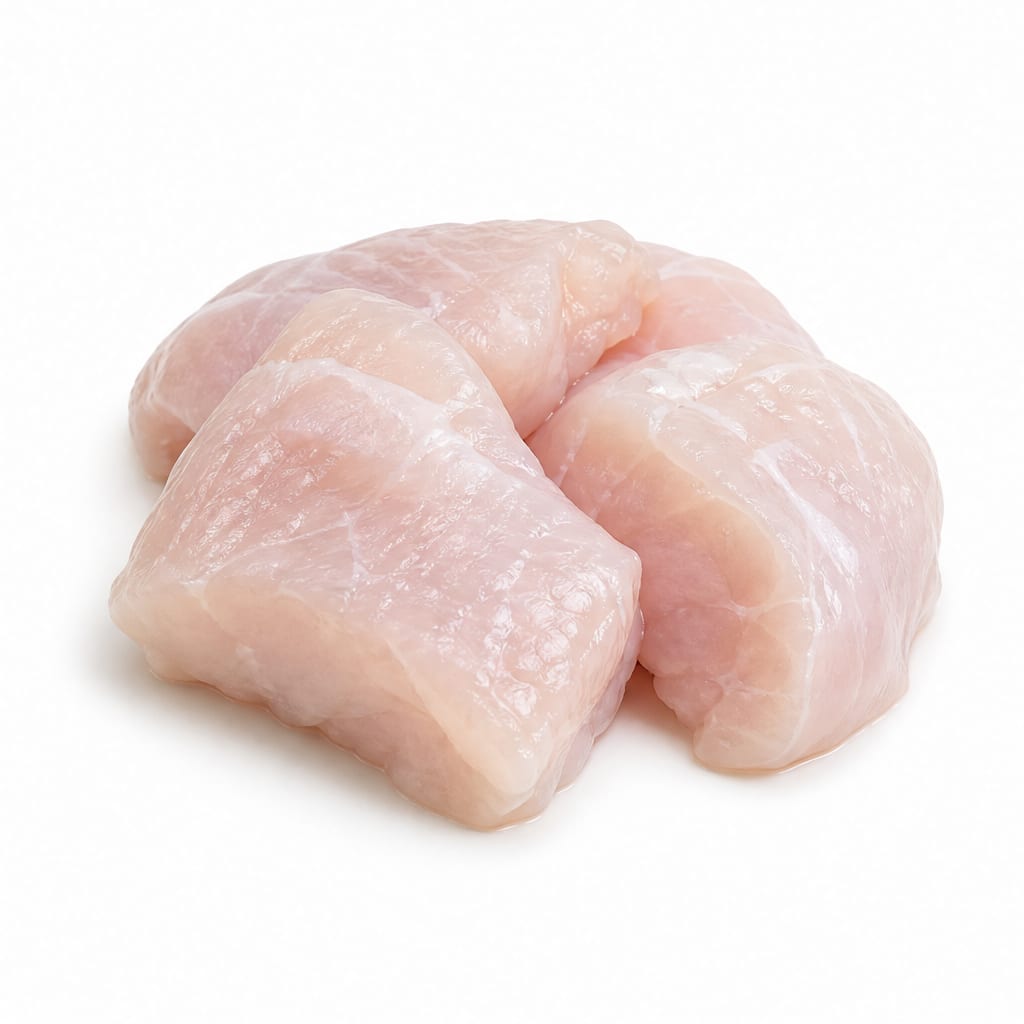
Alligator Meat
Alligator meat edges out frog legs with better availability, more consistent farming practices, and a slightly stronger micronutrient profile, though both deliver excellent lean protein.
Alligator meat wins by a modest margin due to better iron content, more reliable farming infrastructure, and wider availability. Frog legs remain nutritionally strong but lose points on sustainability concerns and smaller usable portions.
Frog legs are lighter and more delicately flavored, but alligator offers more robust portions, better iron content, and easier sourcing for most consumers.
At a glance
Executive summary
Overall
Alligator Meat
Healthier
Alligator Meat
More practical
Alligator Meat
Daily use
Alligator Meat
Key comparison lenses
Lean exotic protein comparison for health-conscious eaters
Both foods are prized as low-fat, high-protein alternatives to conventional meats, making nutritional density the primary decision driver
Contaminant and heavy metal safety assessment
Amphibians and reptiles both accumulate environmental toxins differently than conventional livestock, raising legitimate safety questions
Sustainability and ethical sourcing evaluation
Wild harvesting concerns differ significantly between frogs and alligators, with farming practices varying widely
Culinary accessibility and practical cooking
Both are regional specialty meats with limited mainstream availability, so practicality matters for regular consumption
Best choice for
Frog Legs
- Light appetizers and elegant dinner courses
- Pescatarian-curious eaters wanting a bridge protein
- Those preferring delicate, mild flavors similar to white fish
- Smaller portion eaters who want protein without heaviness
Alligator Meat
- Hearty main courses requiring substantial portions
- Meal prep and batch cooking
- Iron-deficient individuals needing a red-meat alternative
- Those seeking a more sustainable exotic protein option
Least suitable for
Frog Legs
- People disturbed by eating amphibians
- Those needing large protein portions per serving
- Consumers far from specialty seafood markets
- Anyone concerned about amphibian population declines
Alligator Meat
- Diners uncomfortable with reptile meat
- Those seeking a delicate, light eating experience
- Budget-conscious shoppers (can be expensive)
- People avoiding any mercury exposure risk
Deep comparison
Dimension by dimension
Each lens scores both foods and breaks down who each option suits.
- Dimension 1 · Priority 92Alligator Meat
Protein Density and Quality
Frog Legs · 78Alligator Meat · 85Both deliver impressive lean protein, but alligator provides more protein per ounce with a more complete amino acid profile.
Tradeoff
Frog legs offer excellent protein but with more waste per purchase since bones are prominent. Alligator yields more edible meat per dollar spent.
Why it matters
For anyone tracking protein intake, getting more usable protein per serving means less food waste and easier macro counting.
Real-world impact
A 4-ounce alligator serving delivers roughly 28g protein with minimal trimming. The same weight of frog legs yields closer to 22g after accounting for bone weight.
Frog Legs
- Lighter protein meals where you want less volume
- Appetizer-style dining with small bites
Better for
- Bodybuilders needing high protein per serving efficiently
- Anyone tired of working around small portions
Worse for
Alligator Meat
- Post-workout recovery meals needing solid protein
- Meal prep where yield and consistency matter
Better for
- Those who find heavy protein servings uncomfortable
- Light lunch scenarios where less is more
Worse for
- Dimension 2 · Priority 85Alligator Meat
Micronutrient Profile
Frog Legs · 65Alligator Meat · 80Alligator meat is surprisingly rich in iron, potassium, and B vitamins. Frog legs provide decent niacin and selenium but fall short on iron.
Tradeoff
Frog legs contain slightly more omega-3 fatty acids from their aquatic diet, but alligator dominates in minerals critical for energy and blood health.
Why it matters
Iron deficiency is the world's most common nutrient gap. Alligator offers a genuine red-meat-level iron source without the saturated fat.
Real-world impact
Eating alligator twice a week could meaningfully contribute to iron intake, especially for women or vegetarians transitioning back to meat. Frog legs would barely move the needle.
Frog Legs
- Those already iron-sufficient who want lighter mineral intake
- People prioritizing omega-3 variety from diverse sources
Better for
- Anemic individuals needing concentrated iron sources
- Those relying on a single protein for mineral coverage
Worse for
Alligator Meat
- Anyone with low iron or fatigue issues
- Women of reproductive age needing dietary iron
- Older adults requiring B12 support
Better for
- People with hemochromatosis or iron overload concerns
Worse for
- Dimension 3 · Priority 88Alligator Meat
Contaminant and Heavy Metal Risk
Frog Legs · 55Alligator Meat · 68Both carry environmental contaminant risks, but frogs are more vulnerable to waterborne pollutants and agricultural runoff due to permeable skin.
Tradeoff
Alligator accumulates mercury over its longer lifespan, while frogs concentrate pesticides and herbicides more rapidly from their environment.
Why it matters
Chronic low-level exposure to heavy metals or pesticides affects neurological health, hormone balance, and long-term disease risk.
Real-world impact
Farm-raised alligator from regulated facilities carries lower risk than wild-caught. Wild frog legs from unknown water sources are a genuine gamble, especially imported products.
Frog Legs
- Instances where you can verify clean, well-regulated sourcing
- Smaller occasional portions minimizing cumulative exposure
Better for
- Regular consumption of wild-caught or imported frog legs
- Pregnant women worried about pesticide residues
Worse for
Alligator Meat
- Consistent consumption when farm-raised sourcing is confirmed
- Those who want a reptile protein with established testing protocols
Better for
- Frequent consumption of large old alligators from polluted waters
- Children needing minimal mercury exposure
Worse for
- Dimension 4 · Priority 80Alligator Meat
Sustainability and Ethical Sourcing
Frog Legs · 50Alligator Meat · 72Alligator farming is well-regulated in the US with stable populations. Frog harvesting faces serious sustainability questions globally.
Tradeoff
Frog legs are often imported from countries with weak harvesting regulations, contributing to amphibian declines. Alligator has rebounded successfully and is managed as a renewable resource.
Why it matters
Amphibians are the most threatened vertebrate group on Earth. Your protein choice has outsized ecological consequences here.
Real-world impact
Choosing farm-raised US alligator supports a genuinely sustainable industry. Most frog legs in American restaurants come from Indonesia or China, where traceability is poor.
Frog Legs
- Rare occasions with verified sustainable farm-raised sources
- Cultural traditions where frog legs hold meaningful significance
Better for
- Anyone who researches where their food comes from
- Diners concerned about biodiversity loss
Worse for
Alligator Meat
- Environmentally conscious eaters wanting exotic protein guilt-free
- Regular consumption requiring a sustainable supply chain
Better for
- Those who object to farming any reptile on principle
Worse for
- Dimension 5 · Priority 72Alligator Meat
Culinary Practicality and Availability
Frog Legs · 55Alligator Meat · 70Alligator meat is easier to find, ships frozen more reliably, and works in more diverse recipes. Frog legs are fragile, seasonal, and limited to specialty shops.
Tradeoff
Frog legs cook in minutes and offer a refined dining experience, but alligator is more versatile for grilling, smoking, stewing, and sausage-making.
Why it matters
The best protein for you is one you can actually buy and cook regularly without hassle.
Real-world impact
Alligator can be ordered online from multiple US farms year-round. Frog legs often require visiting a specialty fish market or paying premium shipping for delicate perishable goods.
Frog Legs
- Quick cooking nights when you want fast elegant results
- Impressing dinner guests with something unusual and delicate
Better for
- Anyone without access to specialty seafood markets
- Busy weeknight cooking needing reliable ingredients
Worse for
Alligator Meat
- Meal prepping for the week ahead
- BBQ and grilling occasions needing sturdy meat
- Cajun and Southern recipes where alligator is traditional
Better for
- Quick sauté scenarios needing only 2-3 minutes
- Fine dining presentation requiring delicate portions
Worse for
- Dimension 6 · Priority 78Frog Legs
Fat Profile and Heart Health
Frog Legs · 82Alligator Meat · 75Frog legs are extraordinarily lean with slightly more beneficial fatty acids. Alligator is also very lean but carries marginally more saturated fat.
Tradeoff
The fat difference is minimal in absolute terms since both meats are extremely low in total fat. Frog legs win on fatty acid quality, alligator on total volume of edible lean meat.
Why it matters
For heart health, both are excellent choices compared to conventional meats. The differences here matter more for people tracking every gram of fat.
Real-world impact
Neither meat will significantly impact your fat intake. Choose based on other factors unless you are on a strict medical fat-restriction protocol.
Frog Legs
- Very low-fat diet protocols requiring minimal fat grams
- Those prioritizing omega-3 diversity from unconventional sources
Better for
- Anyone needing satiety from fat content — both are very lean
Worse for
Alligator Meat
- Most heart-health conscious eaters who also want iron benefits
- Keto-adjacent eaters who still want lean protein options
Better for
- Strict fat-restricted medical diets counting every gram
Worse for
Timeline
Health impact over time
Short-term
Hours to days
Frog Legs
- Light, easily digestible protein that sits comfortably in the stomach
- Quick energy from B vitamins without heaviness or sluggishness
- Possible mild allergic reaction in people sensitive to amphibian proteins
Alligator Meat
- Sustained energy from iron-rich protein that feels more filling than frog legs
- Satisfying meat texture that reduces between-meal hunger
- Rare but possible digestive adjustment if unused to reptile protein
Long-term
Months to years
Frog Legs
- Excellent lean protein source supporting muscle maintenance if consumed regularly
- Potential cumulative pesticide exposure if sourcing is not verified
- Minimal cardiovascular risk due to extremely low fat content
Alligator Meat
- Iron and B12 support for blood health and energy over months and years
- Low cardiovascular risk comparable to skinless chicken breast
- Possible low-level mercury accumulation if eating large wild-caught alligator frequently
Risk profile
Safety & processing
Both frog legs and alligator meat are typically sold as whole-muscle cuts with minimal processing. Neither commonly contains preservatives, fillers, or artificial additives when purchased from reputable sources. The main concern is not processing but rather environmental contamination absorbed during the animal's life.
Frog Legs
Parasitic infection from undercooked meat
mediumFrogs can carry parasites transmissible to humans. Thorough cooking to 165°F eliminates this risk, but frog legs are often served quickly sautéed.
Pesticide and herbicide concentration
mediumAmphibian skin absorbs agricultural chemicals from water. Imported frog legs from areas with weak pesticide regulation carry higher residue risk.
Salmonella from handling raw product
lowLike all raw animal proteins, proper handling and handwashing prevent transmission. Not unique to frog legs but worth noting.
Alligator Meat
Mercury accumulation
mediumAlligators are long-lived apex predators that accumulate mercury over decades. Farm-raised alligator from clean water sources carries significantly less risk than wild-caught.
Bacterial contamination from improper handling
lowStandard raw meat handling protocols apply. Alligator is not inherently riskier than chicken when handled properly.
Allergic reactions in sensitive individuals
lowRare but documented cases of reptile meat allergy exist, particularly in people with broader meat sensitivities.
Who wins for whom
Audience fit
Same foods, different winners depending on your goal.
children
Alligator MeatAlligator from reputable farms has more consistent safety testing. Frog legs carry higher pesticide residue risk, which is more concerning for developing bodies.
daily consumption
Alligator MeatBetter availability, more reliable sourcing, and stronger micronutrient content make alligator more practical as a regular protein rotation item.
diabetes
It dependsBoth are essentially zero-carb proteins with minimal blood sugar impact. Either works well — choose based on availability and preference.
elderly
Alligator MeatIron and B12 in alligator support common elderly deficiencies. The firmer texture is also easier to chew than small frog leg bones.
muscle gain
Alligator MeatHigher protein density and superior iron content support muscle recovery and growth more effectively than frog legs.
weight loss
Alligator MeatAlligator provides more protein per calorie with greater satiety, making it easier to maintain a calorie deficit without hunger.
Your move
Decision guide
Choose Frog Legs
- You want a delicate, refined protein for special occasions
- You can source verified clean frog legs from trusted suppliers
- You prefer lighter portions that feel elegant rather than hearty
- You enjoy the novelty of a unique dining experience without committing to large portions
Choose Alligator Meat
- You want a sustainable exotic protein you can eat regularly
- Iron and B12 intake matter for your health goals
- You prefer hearty, satisfying portions that feel like a real meal
- You live in or near the American South where alligator is readily available
- You want something that grills and smokes beautifully
Either works if
- You are simply looking for a lean protein alternative to chicken
- You want to impress guests with something conversation-worthy
- Blood sugar management is your primary concern — both are essentially zero-carb
- You enjoy exploring unconventional proteins and want variety
Avoid both if
- You have gout or severe uric acid issues — both are purine-rich
- You cannot verify the source or farming practices
- You are pregnant and cautious about mercury and pesticide exposure
- You have limited access to specialty meat suppliers and refuse to order online
Final recommendation
For most people, alligator meat is the more practical and nutritionally rewarding choice. It delivers better iron, more usable protein per serving, and comes from a more sustainable supply chain. Frog legs are a delightful occasional indulgence — delicate and unique — but they fall short as a regular protein source due to availability, sustainability concerns, and smaller portions. If you try both, let alligator be your weeknight protein and save frog legs for the dinner party.
Practical
Consumer tips
- 1
Always verify sourcing — ask whether frog legs are wild-caught or farm-raised, and where alligator was harvested
- 2
Cook frog legs to 165°F internal temperature to eliminate parasite risk, even if recipes suggest quicker cooking
- 3
Buy alligator from US farm-raised sources whenever possible for lower mercury and better sustainability
- 4
Freeze alligator meat for at least 24 hours before cooking if concerned about parasites — standard practice for wild game
- 5
Marinate both meats before cooking — their lean profile means they dry out easily without moisture
- 6
If ordering online, choose vendors who ship flash-frozen with temperature tracking
- 7
Avoid imported frog legs from countries without strong food safety regulations when possible
- 8
Try alligator in gumbo, jambalaya, or blackened recipes — it holds up to bold seasoning beautifully