
Nutrition comparison
Frog Legs vs Cod: Nutrition, Safety, and Taste Compared
Comparing Frog Legs and Cod? Discover which lean protein is safer, healthier, and more practical for your diet. Learn about omega-3s, parasites, and taste differences.
Overall winner · Cod
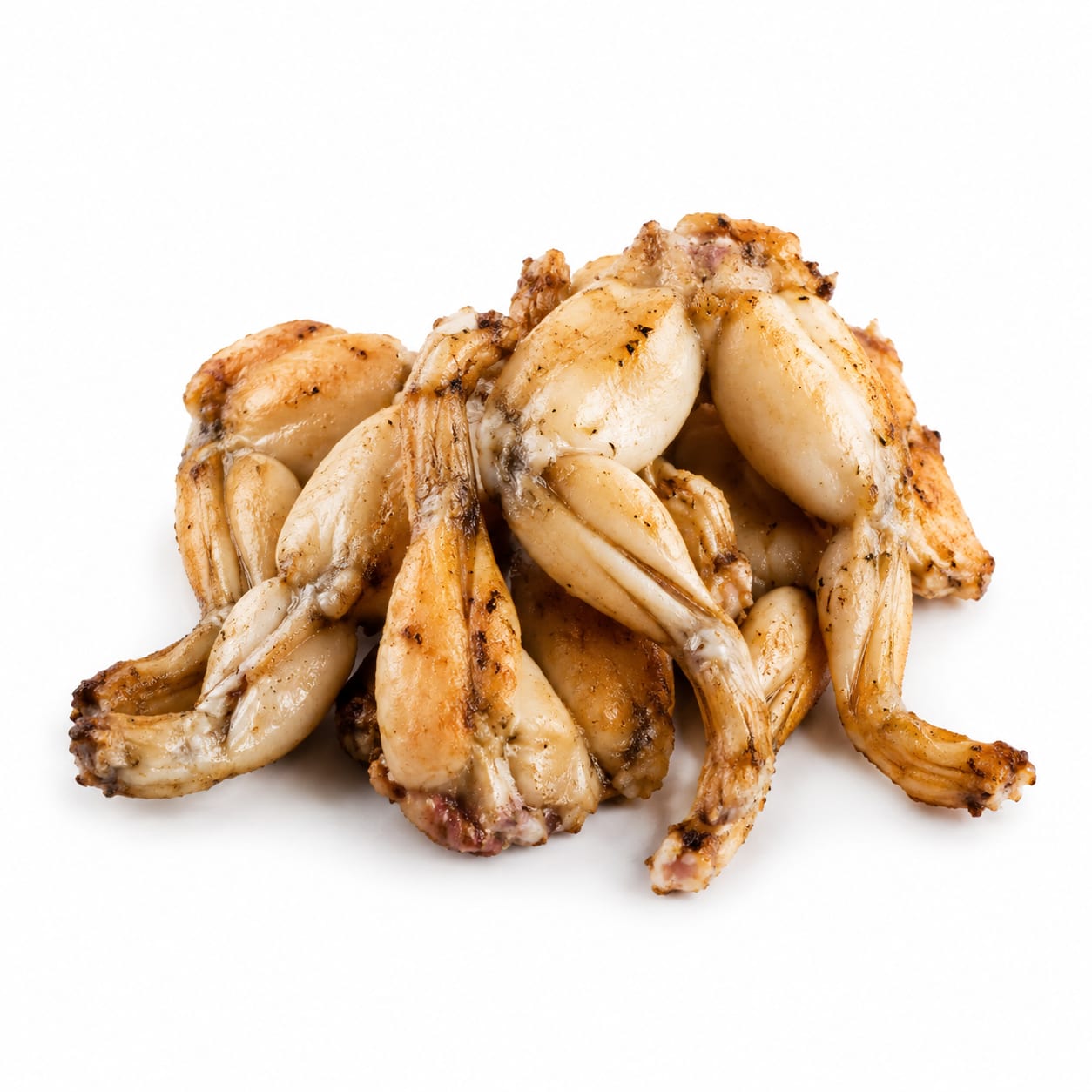
Frog Legs
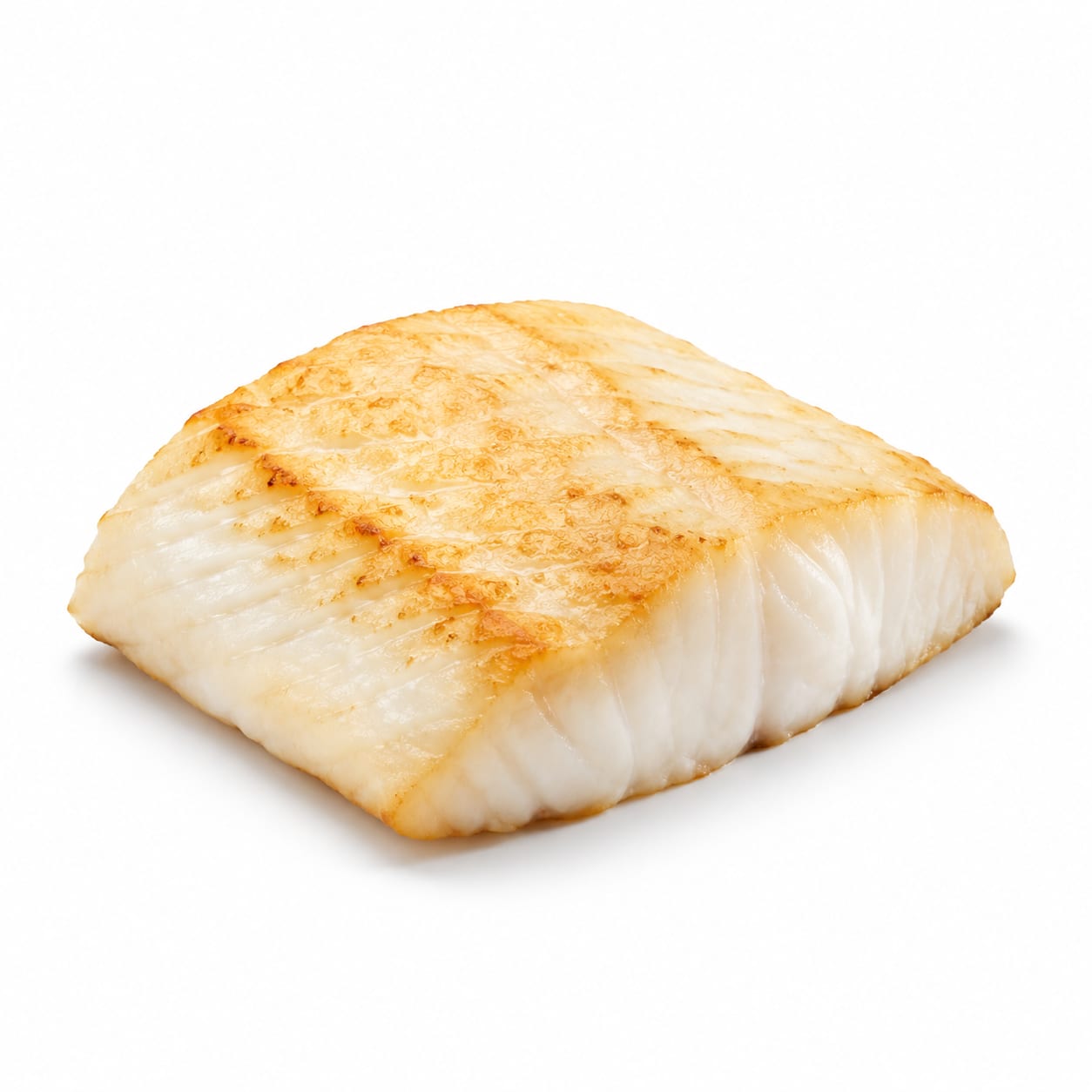
Cod
Cod offers everyday convenience and heart-healthy omega-3s, while Frog Legs provide a leaner, iron-rich delicacy for adventurous eaters.
Cod scores higher due to its omega-3 content, everyday practicality, and established food safety standards, while Frog Legs remain a niche, albeit nutritious, alternative.
Accessibility and omega-3 content versus novelty and slightly higher protein density.
At a glance
Executive summary
Overall
Cod
Healthier
Cod
More practical
Cod
Daily use
Cod
Key comparison lenses
Lean protein source selection
Both are very lean animal proteins, but they differ significantly in omega-3 content and culinary application.
Culinary practicality and availability
Cod is an everyday staple found in any grocery store, while Frog Legs are a rare specialty item.
Food safety and sourcing risks
Parasites and environmental contaminants in Frog Legs contrast with the well-regulated, low-mercury profile of Cod.
Environmental sustainability
Overfishing concerns for Cod versus ecological impacts of wild-harvesting Frog Legs present different ethical tradeoffs.
Best choice for
Frog Legs
- Adventurous eaters seeking novelty
- Those wanting extremely lean protein with more iron
- People looking for a chicken-like texture in seafood dishes
Cod
- Weeknight meal prep
- Heart health focused diets
- Those needing readily available lean protein
Least suitable for
Frog Legs
- Picky eaters
- People wanting easy, everyday meal prep
- Those concerned about parasite risks from wild game
Cod
- People with severe fish allergies
- Those strictly avoiding even low-mercury fish
Deep comparison
Dimension by dimension
Each lens scores both foods and breaks down who each option suits.
- Dimension 1 · Priority 90Frog Legs
Protein Quality & Density
Frog Legs · 88Cod · 82Frog Legs pack slightly more protein per calorie and are richer in iron and potassium compared to Cod.
Tradeoff
You get more protein and iron from Frog Legs, but miss out on the omega-3s that Cod provides.
Why it matters
Higher iron helps with energy levels, especially for those prone to anemia.
Real-world impact
Eating Frog Legs feels more like eating a lean poultry thigh, keeping you full without heaviness.
Frog Legs
- Iron-deficient individuals
- High-protein dieters seeking variety
Better for
- People who need omega-3s from their protein sources
Worse for
Cod
- Those prioritizing heart-healthy fats alongside protein
Better for
- Those needing a concentrated iron boost from their meal
Worse for
- Dimension 2 · Priority 85Cod
Fat Profile & Omega-3s
Frog Legs · 30Cod · 85Cod provides beneficial omega-3 fatty acids, whereas Frog Legs are virtually fat-free and lack these heart-healthy fats.
Tradeoff
Frog Legs are leaner, but Cod actively supports cardiovascular and brain health.
Why it matters
Omega-3s are essential for reducing inflammation and supporting brain function.
Real-world impact
Regularly choosing Cod contributes to steadier energy and better long-term heart health.
Frog Legs
- Very low-fat diet followers
Better for
- People relying on food for omega-3 intake
Worse for
Cod
- Heart health conscious eaters
- Those not taking fish oil supplements
Better for
- Those on strict fat-restricted medical diets
Worse for
- Dimension 3 · Priority 90Cod
Accessibility & Practicality
Frog Legs · 20Cod · 95Cod is available in almost any grocery store, while Frog Legs are a specialty item requiring effort to source.
Tradeoff
Convenience and affordability of Cod versus the rare, experiential nature of Frog Legs.
Why it matters
A healthy protein only works if you can actually buy and cook it regularly.
Real-world impact
You can easily add Cod to your weekly grocery run, whereas Frog Legs require a special trip or online order.
Frog Legs
- Gourmet home chefs
- Special occasion meals
Better for
- Last-minute meal prep
- Rural grocery shoppers
Worse for
Cod
- Busy weeknight dinners
- Budget-conscious shoppers
Better for
- Those bored with standard proteins
Worse for
- Dimension 4 · Priority 80Cod
Food Safety & Contamination
Frog Legs · 55Cod · 78Cod has well-regulated farming and fishing standards with low mercury, while Frog Legs carry a higher risk of parasites and environmental contaminants.
Tradeoff
Established safety protocols for Cod versus the wild-harvest unpredictability of Frog Legs.
Why it matters
Parasites in amphibians require thorough cooking, and water quality directly affects their safety.
Real-world impact
Cooking Cod is straightforward and forgiving; Frog Legs demand strict internal temperatures to ensure safety.
Frog Legs
- Those who rigorously follow food safety cooking guidelines
Better for
- Those with compromised immune systems
- Anyone uncomfortable cooking wild game
Worse for
Cod
- People wanting peace of mind with minimal cooking fuss
Better for
- Those avoiding all seafood due to ocean-borne contaminants
Worse for
Timeline
Health impact over time
Short-term
Hours to days
Frog Legs
- Quick, lean energy without feeling heavy
- Requires careful cooking to avoid foodborne illness
Cod
- Light, satisfying meal that digests easily
- Mild, non-greasy satiety
Long-term
Months to years
Frog Legs
- Great for maintaining lean muscle mass
- Lack of omega-3s means you must find healthy fats elsewhere
Cod
- Supports cardiovascular health through regular omega-3 intake
- Consistent, safe protein source for long-term dietary adherence
Risk profile
Safety & processing
Both Frog Legs and Cod are whole, unprocessed proteins. The main concern isn't additives, but rather the environment they were harvested from.
Frog Legs
Parasitic infection
mediumAmphibians often carry parasites that require thorough cooking to neutralize.
Environmental contaminants
mediumAs aquatic animals, they absorb pollutants from their water sources, which can be unpredictable in wild harvesting.
Cod
Mercury and heavy metals
lowCod is a low-mercury fish, making it safer than many other seafood options.
Microplastics
mediumLike all ocean fish, Cod carries some level of microplastic exposure.
Who wins for whom
Audience fit
Same foods, different winners depending on your goal.
children
CodCod is safer, easier to source reliably, and has a milder, more kid-friendly flaky texture.
daily consumption
CodCod's availability, safety profile, and omega-3 content make it a sustainable daily staple, whereas Frog Legs are best as an occasional treat.
diabetes
CodBoth have zero carbs, but Cod's omega-3s help improve insulin sensitivity over time.
elderly
CodThe omega-3s in Cod support joint and brain health, and its soft texture is easier to chew.
muscle gain
Frog LegsFrog Legs offer a slightly higher protein density per serving, making them marginally better for muscle repair, though both are excellent.
weight loss
It dependsBoth are extremely low in calories and fat. Frog Legs have slightly more protein, but Cod is easier to sustain in a daily diet.
Your move
Decision guide
Choose Frog Legs
- You want a culinary adventure with a chicken-like texture
- You have access to a reputable supplier of Frog Legs
- You are looking to boost iron intake with very lean protein
Choose Cod
- You need a reliable, easy-to-find protein for weeknight dinners
- Heart health and omega-3 intake are priorities
- You want a safe, low-mercury fish for the whole family
Either works if
- You just need a low-calorie, zero-carb protein source
- You are bored with chicken and want a light alternative
Avoid both if
- You have gout and are sensitive to purines
- You follow a strict plant-based diet
Final recommendation
Make Cod your go-to lean fish for everyday health and convenience. Save Frog Legs for a special dining experience when you can source them safely and prepare them thoroughly.
Practical
Consumer tips
- 1
If cooking Frog Legs, ensure they reach an internal temperature of at least 165°F (74°C) to eliminate parasite risks.
- 2
Choose wild-caught Pacific Cod over Atlantic Cod when possible for better sustainability ratings.
- 3
Marinate Frog Legs in buttermilk or lemon juice to tenderize them and neutralize any swampy flavors.
- 4
Baking or poaching Cod preserves its delicate omega-3 fats better than deep frying.