
Nutrition comparison
Frog Legs vs Tuna: Nutrition, Mercury, and Health Comparison
Comparing frog legs and tuna? Discover which lean protein is healthier, safer from mercury, and better for your diet in this full nutritional breakdown.
Overall winner · Tuna
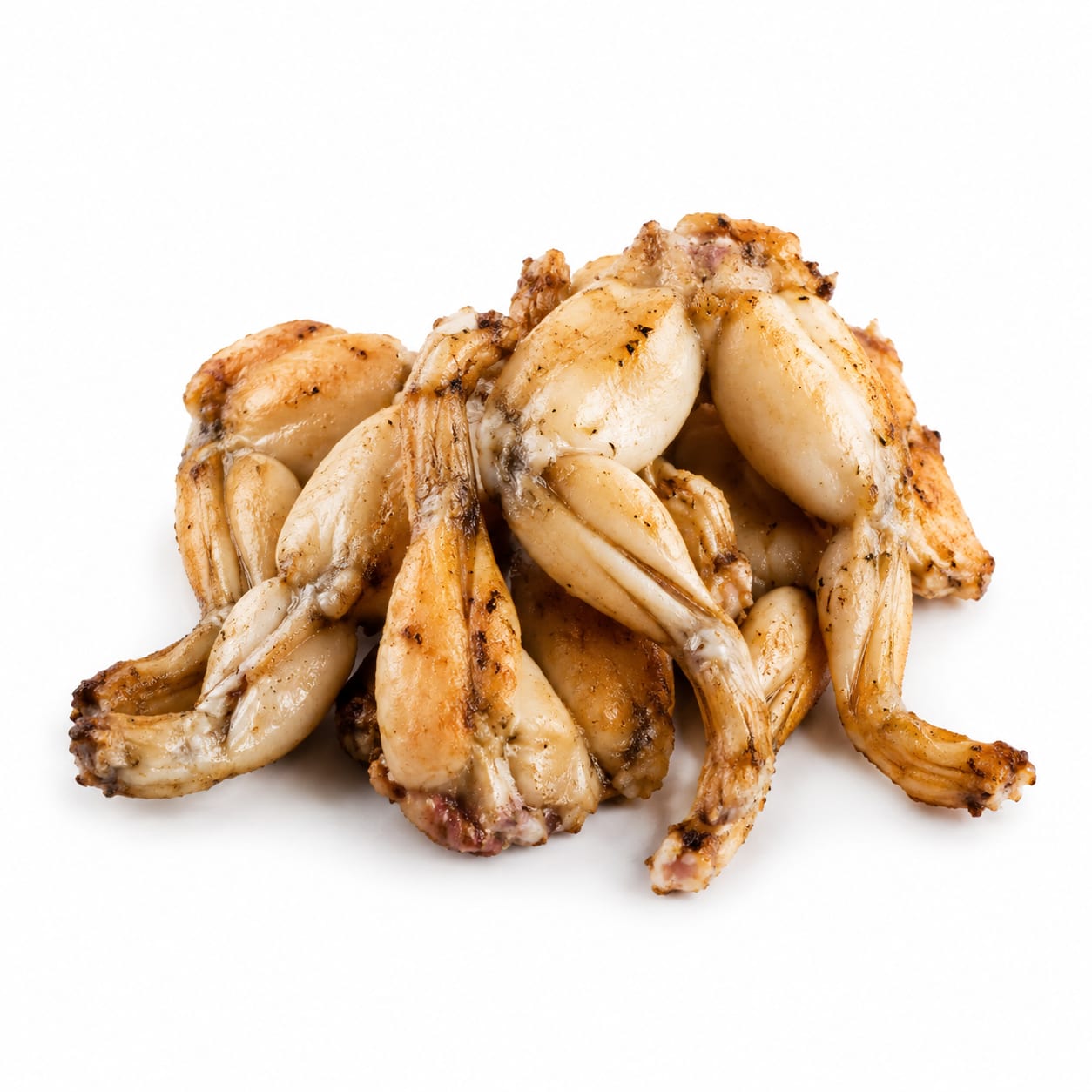
Frog Legs
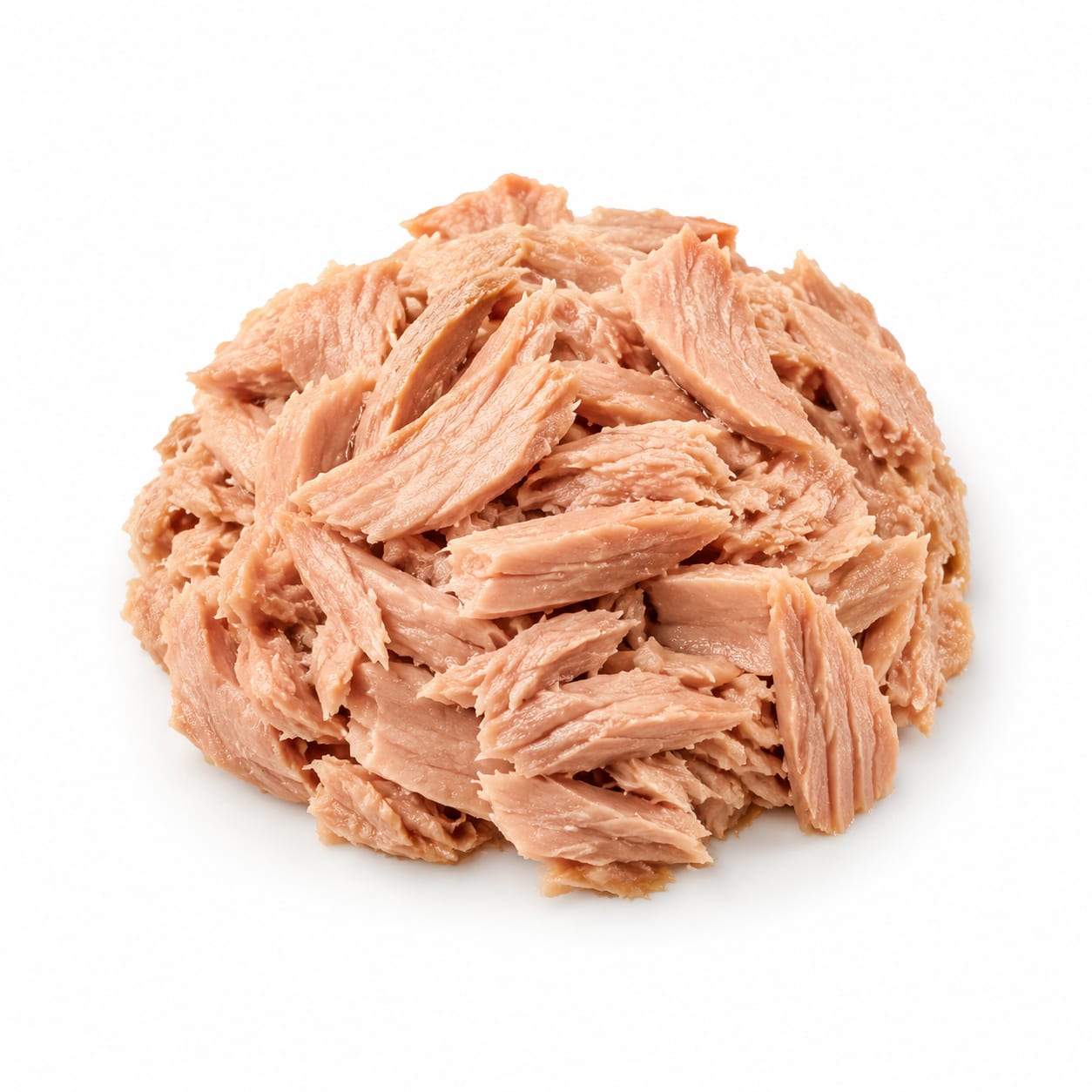
Tuna
Tuna wins for everyday nutrition and omega-3s, but frog legs offer a unique mercury-free lean protein alternative.
Tuna scores higher due to its omega-3 content, superior protein density, and everyday practicality. Frog legs remain a solid lean choice but lack nutritional breadth and convenience.
You trade the heart-healthy omega-3s and convenience of tuna for the lower mercury and novelty of frog legs.
At a glance
Executive summary
Overall
Tuna
Healthier
Tuna
More practical
Tuna
Daily use
Tuna
Key comparison lenses
Heavy metal and contaminant exposure
Mercury in tuna is a major health concern, while frog legs carry different risks like parasites and aquatic pollutants.
Protein source quality and leanness
Both are exceptionally lean animal proteins, making them popular for muscle gain and fat loss diets.
Omega-3 fatty acid intake
Tuna provides heart-healthy omega-3s, whereas frog legs have virtually no fat.
Culinary practicality and accessibility
Tuna is an everyday grocery staple, while frog legs are a specialty item requiring specific sourcing and preparation.
Best choice for
Frog Legs
- People strictly limiting mercury exposure
- Adventurous eaters wanting lean variety
- Those seeking ultra-low-fat protein
Tuna
- Everyday meal preppers
- People needing omega-3s for heart health
- Athletes needing accessible high-quality protein
Least suitable for
Frog Legs
- Busy weeknight dinners
- Children who prefer familiar foods
- People lacking access to specialty butchers
Tuna
- Pregnant women worried about mercury
- Those eating multiple servings of fish weekly already
- People with severe histamine intolerance
Deep comparison
Dimension by dimension
Each lens scores both foods and breaks down who each option suits.
- Dimension 1 · Priority 90Tuna
Protein Density & Quality
Frog Legs · 75Tuna · 92Tuna packs more protein per bite and offers a slightly more complete amino acid profile for muscle recovery.
Tradeoff
Frog legs are still highly lean, but you need a larger portion to match the protein content of a tuna steak.
Why it matters
Higher protein density means better muscle maintenance and more satiety from a smaller serving.
Real-world impact
A single can of tuna easily hits post-workout protein targets, while frog legs require more volume to feel equally satisfying.
Frog Legs
- Adding variety to a boring chicken-and-fish bodybuilding diet
Better for
- Getting enough protein without eating a large volume
Worse for
Tuna
- Maximizing muscle gain per meal
- Feeling full longer on fewer calories
Better for
- Those who find dense fish too heavy on the stomach
Worse for
- Dimension 2 · Priority 85Tuna
Omega-3 & Heart Health
Frog Legs · 10Tuna · 85Tuna provides essential omega-3 fats that support heart and brain health, while frog legs are virtually fat-free.
Tradeoff
Choosing frog legs means missing out on the natural anti-inflammatory benefits found in fish oils.
Why it matters
Omega-3s are crucial for cardiovascular health and cognitive function, and most people don't get enough.
Real-world impact
Eating tuna a couple of times a week can visibly improve your lipid panel over time; frog legs cannot do this.
Frog Legs
- Ultra-low-fat diets where even healthy fats are restricted
Better for
- Getting essential fatty acids from your main protein source
Worse for
Tuna
- Supporting long-term heart health
- Reducing systemic inflammation naturally
Better for
- Diets strictly limiting all dietary fat
Worse for
- Dimension 3 · Priority 95Frog Legs
Contaminant & Heavy Metal Risk
Frog Legs · 80Tuna · 45Frog legs carry almost zero mercury risk, whereas tuna—especially albacore—can accumulate significant mercury levels.
Tradeoff
Frog legs avoid mercury but introduce a slight risk of aquatic parasites if not cooked thoroughly.
Why it matters
Mercury buildup affects neurological health and is especially dangerous for pregnant women and children.
Real-world impact
You can eat frog legs freely without worrying about heavy metal limits, while tuna requires strict portion control.
Frog Legs
- Pregnant women seeking safe lean protein
- Those who already eat lots of seafood and need a mercury break
Better for
- People squeamish about thoroughly cooking meat to kill parasites
Worse for
Tuna
- Situations where parasite risk from freshwater meat is a higher concern than heavy metals
Better for
- Frequent fish eaters risking cumulative mercury exposure
Worse for
- Dimension 4 · Priority 80Tuna
Culinary Practicality & Accessibility
Frog Legs · 30Tuna · 90Tuna is available everywhere from canned to fresh, making it an easy everyday staple. Frog legs are niche and hard to find.
Tradeoff
Tuna offers grab-and-go convenience, while frog legs require specialty shopping and careful preparation.
Why it matters
The best healthy food is the one you can actually buy and cook without hassle on a busy Tuesday.
Real-world impact
You can throw canned tuna on a salad in two minutes; frog legs require sourcing, cleaning, and usually pan-frying.
Frog Legs
- Creating an impressive, unique dinner party experience
Better for
- Last-minute meal emergencies
- Grocery shopping at standard supermarkets
Worse for
Tuna
- Quick weeknight meals
- Budget-friendly bulk protein prep
Better for
- Cooking for people bored of standard fish dishes
Worse for
Timeline
Health impact over time
Short-term
Hours to days
Frog Legs
- Light, clean feeling after eating due to extremely low fat content
- Risk of stomach upset if undercooked due to parasite exposure
Tuna
- Quick and lasting fullness from dense protein and healthy fats
- Possible histamine reaction if the fish is not perfectly fresh
Long-term
Months to years
Frog Legs
- Maintaining lean muscle mass without heavy metal accumulation
- Missing out on omega-3 benefits if used as a primary protein source
Tuna
- Improved cardiovascular markers from regular omega-3 intake
- Potential neurological strain if heavy mercury tuna is eaten too frequently
Risk profile
Safety & processing
Both foods are typically sold as whole, minimally processed cuts. However, canned tuna often contains added salt, so read labels carefully if watching sodium.
Frog Legs
Parasitic infection
mediumFrog legs can carry aquatic parasites. They must be cooked thoroughly to a safe internal temperature to eliminate this risk.
Aquatic pollutants
lowDepending on the water source, frogs can accumulate environmental toxins, though this is less systemic than mercury in large fish.
Tuna
Mercury accumulation
highTuna is a large predatory fish that accumulates methylmercury, which is neurotoxic. Albacore has much more than skipjack.
Scombroid poisoning
mediumIf tuna is improperly refrigerated, histidine converts to histamine, causing allergic-like reactions like flushing and headaches.
Who wins for whom
Audience fit
Same foods, different winners depending on your goal.
children
Frog LegsFrog legs have zero mercury risk when cooked properly, making them safer for developing nervous systems than mercury-bearing tuna.
daily consumption
TunaTuna is far more practical and affordable for daily use, though intake should be limited to 2-3 servings a week to manage mercury.
diabetes
TunaBoth have zero carbs, but the healthy fats in tuna help stabilize blood sugar longer than the fat-free profile of frog legs.
elderly
TunaThe omega-3s in tuna support joint and brain health in aging, and canned tuna is easier to chew and prepare.
muscle gain
TunaHigher protein density and better amino acid profile make tuna superior for muscle repair and growth.
weight loss
TunaTuna is more satiating and easier to integrate into a consistent calorie-controlled diet, making adherence much easier.
Your move
Decision guide
Choose Frog Legs
- You are pregnant or nursing and avoiding mercury at all costs
- You want a fun, novelty protein for a weekend dinner
- You eat fish frequently and need a break from heavy metal exposure
Choose Tuna
- You want a convenient, affordable protein for meal prep
- You need to boost your omega-3 intake for heart health
- You are building muscle and need dense, high-quality protein
Either works if
- You simply need a zero-carb, lean protein to round out a salad
- You are bored with chicken and want a different animal protein
Avoid both if
- You have severe gout and must limit purines
- You have a seafood or amphibian allergy
- You strictly follow a plant-based diet
Final recommendation
Keep tuna as your everyday lean protein for its omega-3s and convenience, but rotate in frog legs when you want a mercury-free change of pace or a unique dining experience.
Practical
Consumer tips
- 1
Choose skipjack or light canned tuna over albacore to cut your mercury exposure by up to two-thirds.
- 2
Cook frog legs to an internal temperature of 165°F (74°C) to ensure any aquatic parasites are destroyed.
- 3
If buying canned tuna, look for low-sodium or no-salt-added versions to keep your blood pressure in check.
- 4
Buy frog legs from reputable suppliers who test their water sources for industrial runoff and pollutants.