
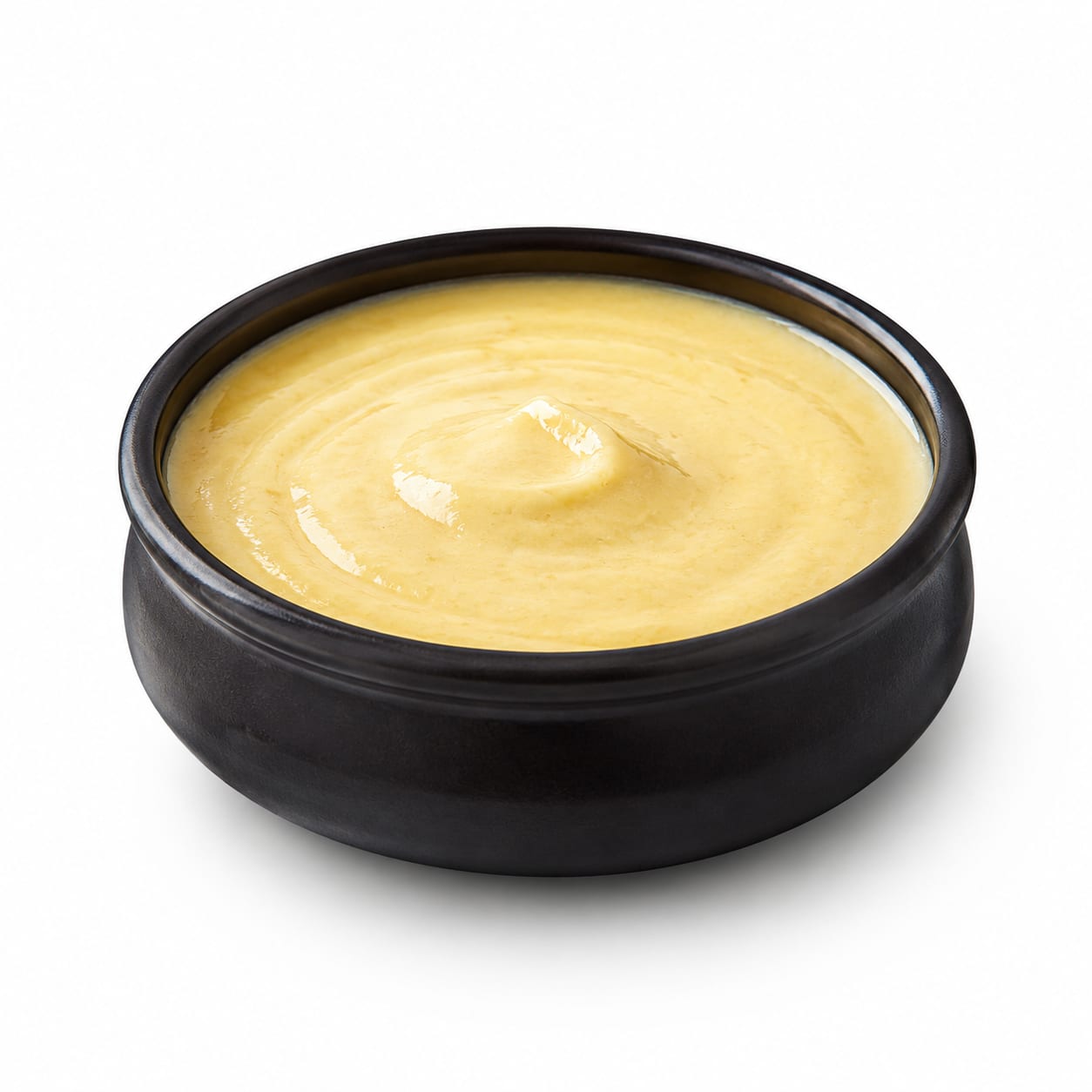
Dairy Dish
Fondue
A rich, melted cheese dip traditionally served with bread for dipping.
A Swiss dish consisting of melted cheese, typically blended with wine and seasonings, served with bread, vegetables, or potatoes for dipping.
high-fat dairy-based dip
Typical serving · 150g
Common varieties · cheese fondue, chocolate fondue, broth fondue, oil fondue
Overall context score across nutrition, safety, and diet fit
At a glance
Quick facts
Simple indicators based on nutrition, processing, and diet fit.
The story
What makes it unique
Fondue is a high-fat, moderate-protein, low-carbohydrate food when consumed as the cheese sauce alone. Digestion is slow due to the high fat and protein content, promoting prolonged satiety. However, it is typically consumed with refined carbohydrates like bread, which rapidly digest and spike blood sugar. The macronutrient profile is dominated by saturated fat and sodium.
Varieties: cheese fondue · chocolate fondue · broth fondue · oil fondue
Per 100g
Nutrition breakdown
Macro balance and key metrics at a glance.
Energy
Density 2.30 kcal/g
Protein
Carbs
Fat
Fiber
Sugar
0.5 g
Sodium
450 mg
Potassium
100 mg
Glycemic index
15
Glycemic load
1
Water content
60%
Standout compounds
Nutrient highlights
Calcium
highSupports bone health and muscle function
Saturated Fat
highProvides dense energy but may impact heart health in excess
Protein
moderateSupports muscle maintenance and satiety
Sodium
highEssential electrolyte but easily overconsumed
Wellness map
Health scores & processing
NOVA processing scale
moderate · Whole food
Traditional fondue is made from natural cheeses, wine, and spices, but cheese itself is a processed culinary ingredient, placing the dish in Nova Group 3.
Diet compatibility
- Weight loss
- Muscle gain
- Diabetes
- Gut health
- Low carb
- High protein
- Heart health
Relative standing
Food rankings
Qualitative ranks compared to similar whole foods.
- Satietyexcellent
- Blood sugarpoor
- Nutrient densitymoderate
- Fitness fuelpoor
- Processing qualitygood
Eat with confidence
Food safety profile
The primary safety risk is bacterial growth if the fondue is kept at improper temperatures or contaminated through double-dipping. Using pasteurized cheese reduces Listeria risk.
Evidence confidence 85%
- Pesticideslow
- Antibioticsmoderate
- Heavy metalslow
- Contaminationmoderate
Watch for
- listeria
- salmonella
- staphylococcus aureus
Safer choices
Pasteurized cheese blends
Prep tips
Keep the fondue heated above 65°C (150°F) while serving to prevent bacterial growth. Avoid double-dipping.
Pasteurization standards for dairy
Deep dive
Health analysis
How this food may fit different goals and preparation choices.
Weight loss
High energy density and fat content make fondue a calorie-dense choice that can easily lead to a caloric surplus.
Blood sugar
The cheese sauce has minimal impact on blood sugar, but the traditional white bread dippers cause rapid glucose spikes.
Fitness & energy
Provides slow-digesting fats and moderate protein, making it a heavy meal rather than a quick pre-workout fuel.
Gut health
Low in fiber and high in saturated fat, which may slow gastric emptying and cause digestive discomfort in lactose-intolerant individuals.
Processing quality
Homemade fondue uses natural cheeses and wine, making it a moderately processed whole-food meal compared to pre-packaged cheese dips.
Food safety
Requires consistent heating to remain safe for consumption over a long meal; double-dipping introduces oral bacteria.
Common mistakes
Assuming fondue is a low-carb meal without accounting for the bread, or overconsuming due to the social, slow-eating environment.
Best preparation
Use a mix of natural Gruyère and Emmental, and substitute white bread with steamed vegetables or whole-grain bread for dipping.
Practical guide
Best use cases
When and how this food fits real eating patterns.
Social dining experience
The slow, communal nature of fondue makes it ideal for gatherings and shared meals.
High-calorie bulking
The dense calorie and fat profile supports caloric surplus goals for weight gain or bulking.
Keto-friendly dip
When paired with low-carb vegetables, the cheese sauce fits a ketogenic macronutrient profile.
Balance sheet
Pros & cons
Upsides
- High in bone-supporting calcium
- Very filling due to high fat and protein content
- The cheese sauce is naturally low in carbohydrates
- Good source of vitamin A and B12
Trade-offs
- Very high in calories and saturated fat
- High sodium content can contribute to bloating
- Typically paired with refined carbohydrates like white bread
- Can cause digestive distress for those sensitive to dairy
Fit check
Who is it for?
Great match
- keto dieters (sauce only with veggie dippers)
- winter comfort meals
- calorie surplus and bulking
Consider alternatives
- weight loss diets
- heart-healthy or low-sodium diets
- lactose-intolerant individuals
- blood sugar control (when eaten with bread)
Side by side
How it compares
Open the full head-to-head analysis for nutrition, safety, and practical tradeoffs.
This food
Fondue
VS95% alike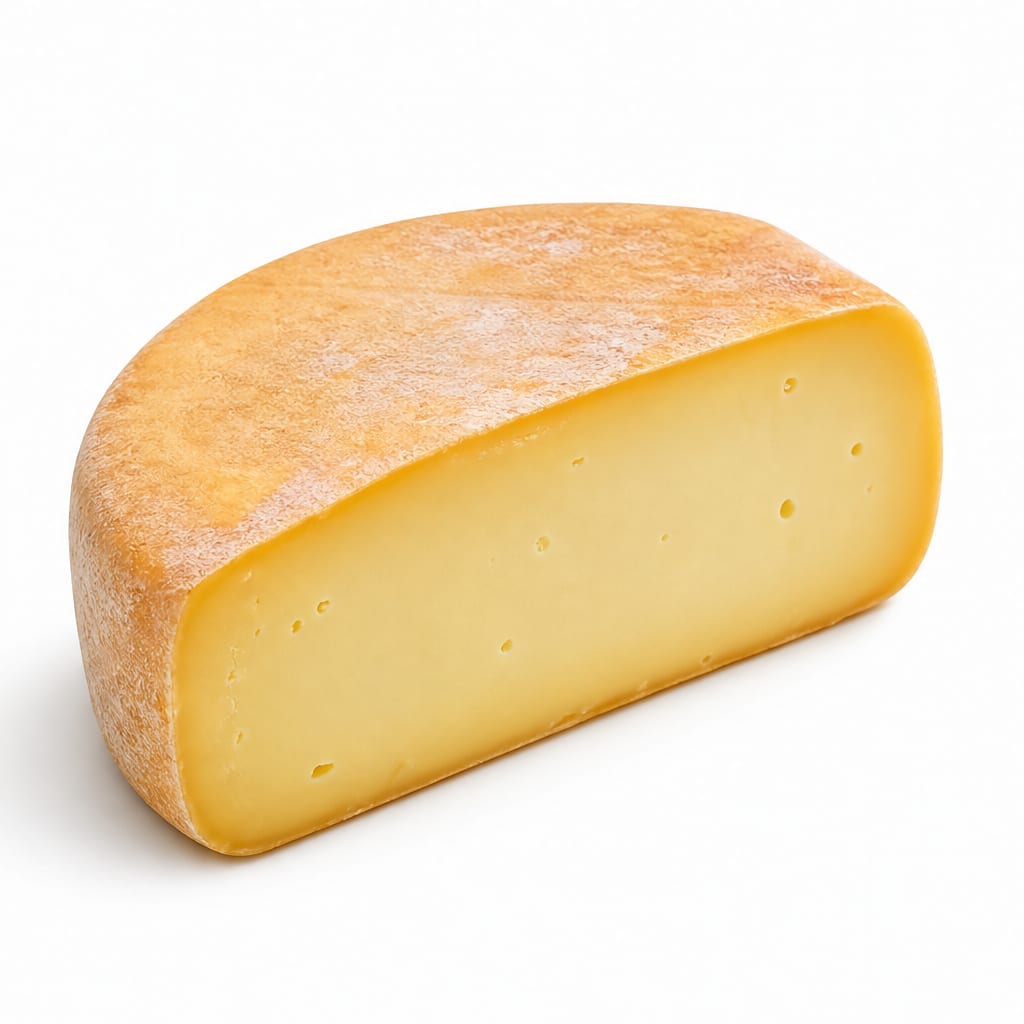
Compare with
Raclette
Raclette involves scraping melted cheese over accompaniments, while fondue is a communal dip.
Raclette and fondue have nearly identical nutrition profiles, both being high-fat melted cheese dishes, but raclette is scraped over food while fondue is dipped.
This food
Fondue
VS90% alike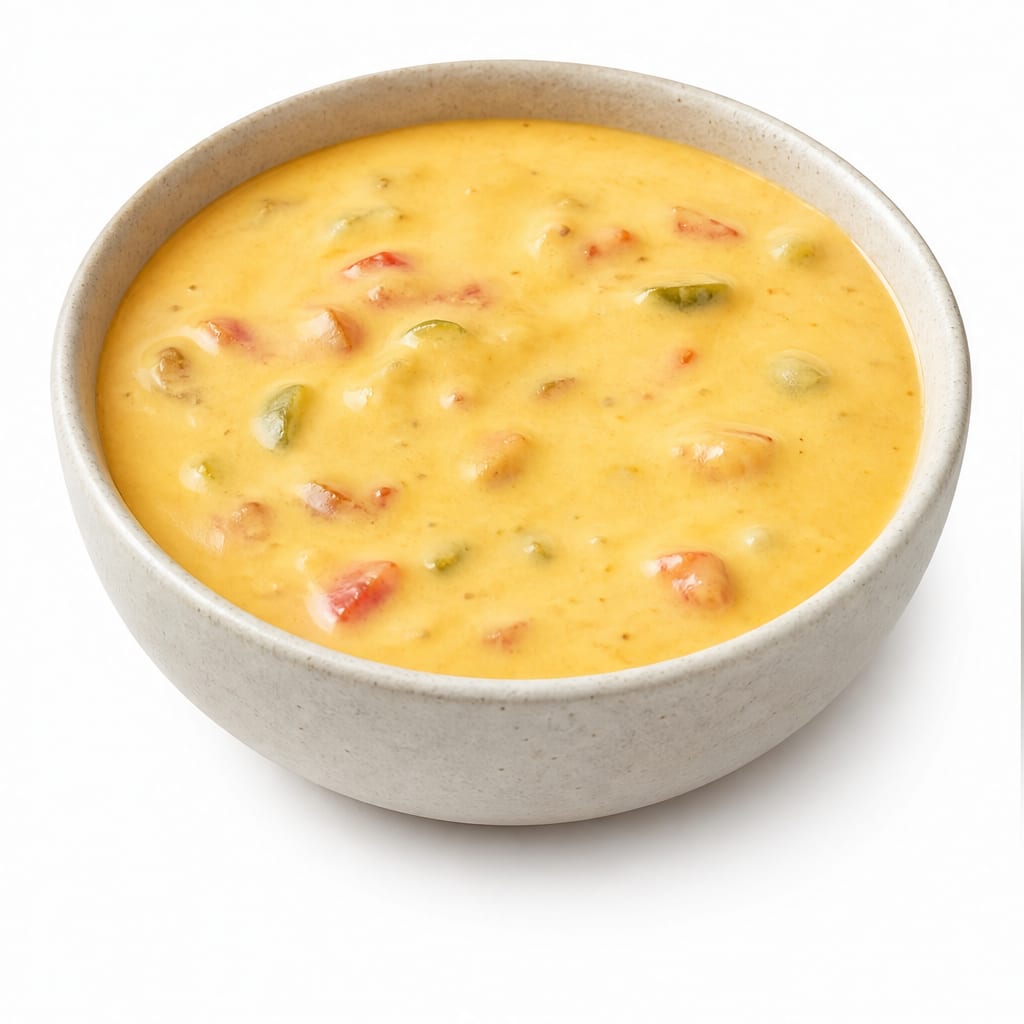
Compare with
Queso Dip
Fondue uses natural aged cheeses and wine, while queso often uses processed cheese and milk.
Fondue uses natural aged cheeses and wine, making it less processed and more satiating than typical queso dip, which often contains processed cheese and fillers.
This food
Fondue
VS85% alike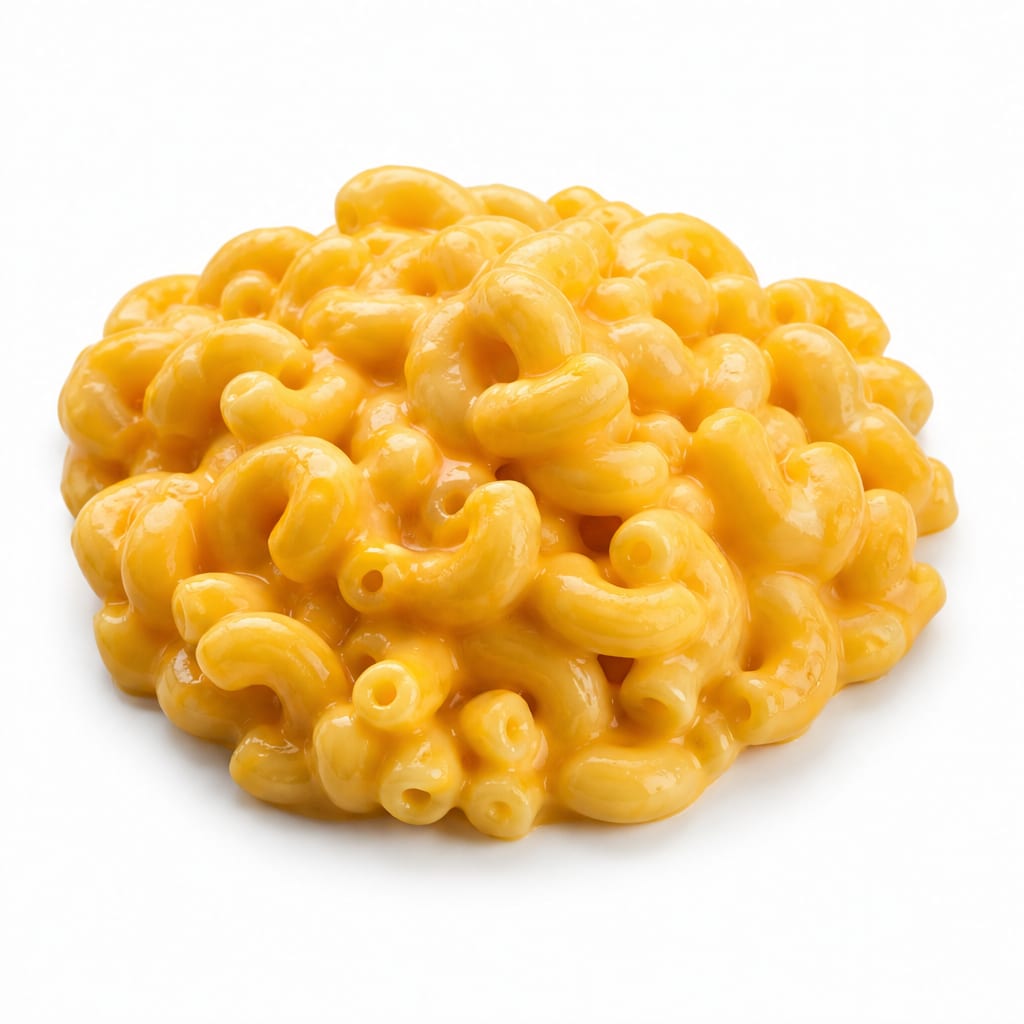
Compare with
Mac and Cheese
Fondue is lower in carbohydrates than mac and cheese, as the pasta adds significant carbs compared to fondue's bread dippers.
Fondue is lower in carbs than mac and cheese because you control the amount of bread dipped, whereas mac and cheese relies on a dense base of refined pasta.
This food
Fondue
VS80% alike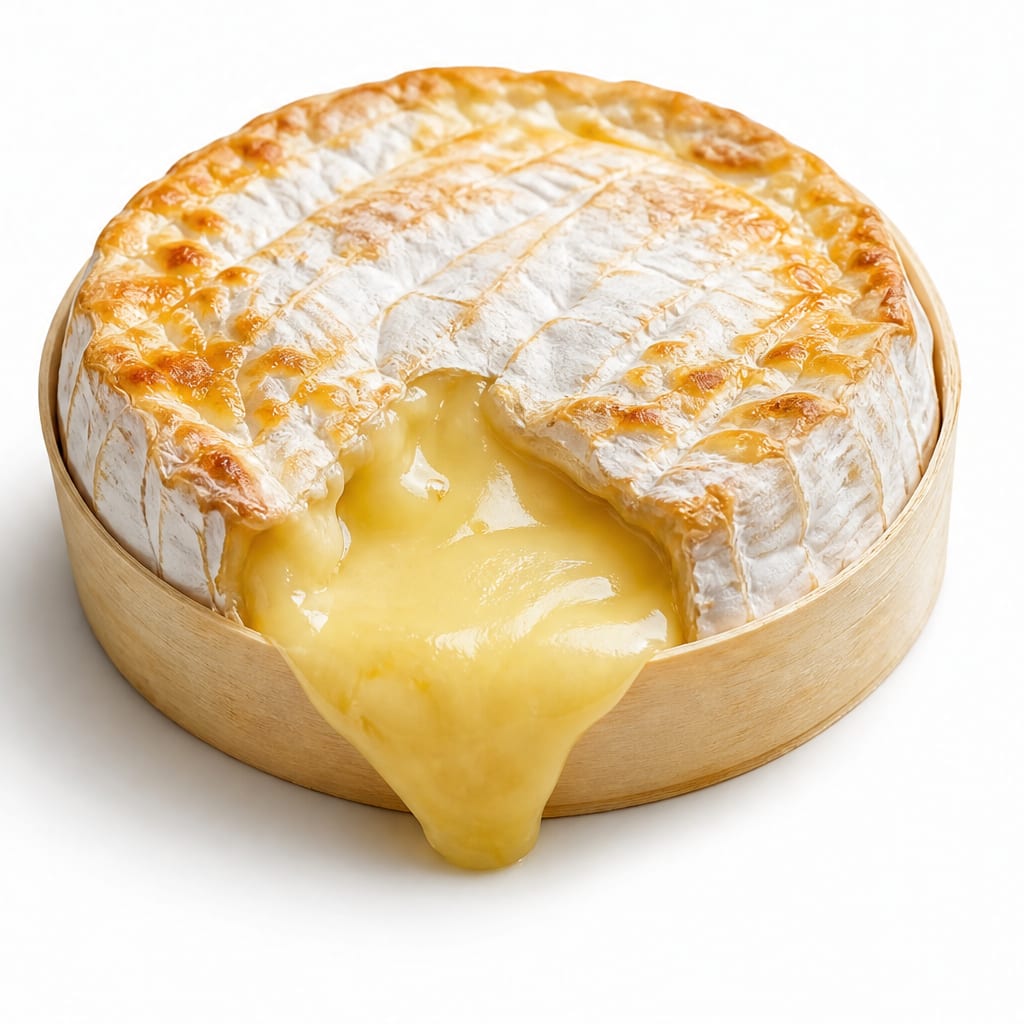
Compare with
Baked Brie
Both are high-fat cheese dishes, but baked brie is a single cheese wheel while fondue is a blended dip.
Baked brie and fondue are both rich, high-fat cheese appetizers, but fondue offers more protein per serving due to its blended, denser cheese composition.
This food
Fondue
VS75% alike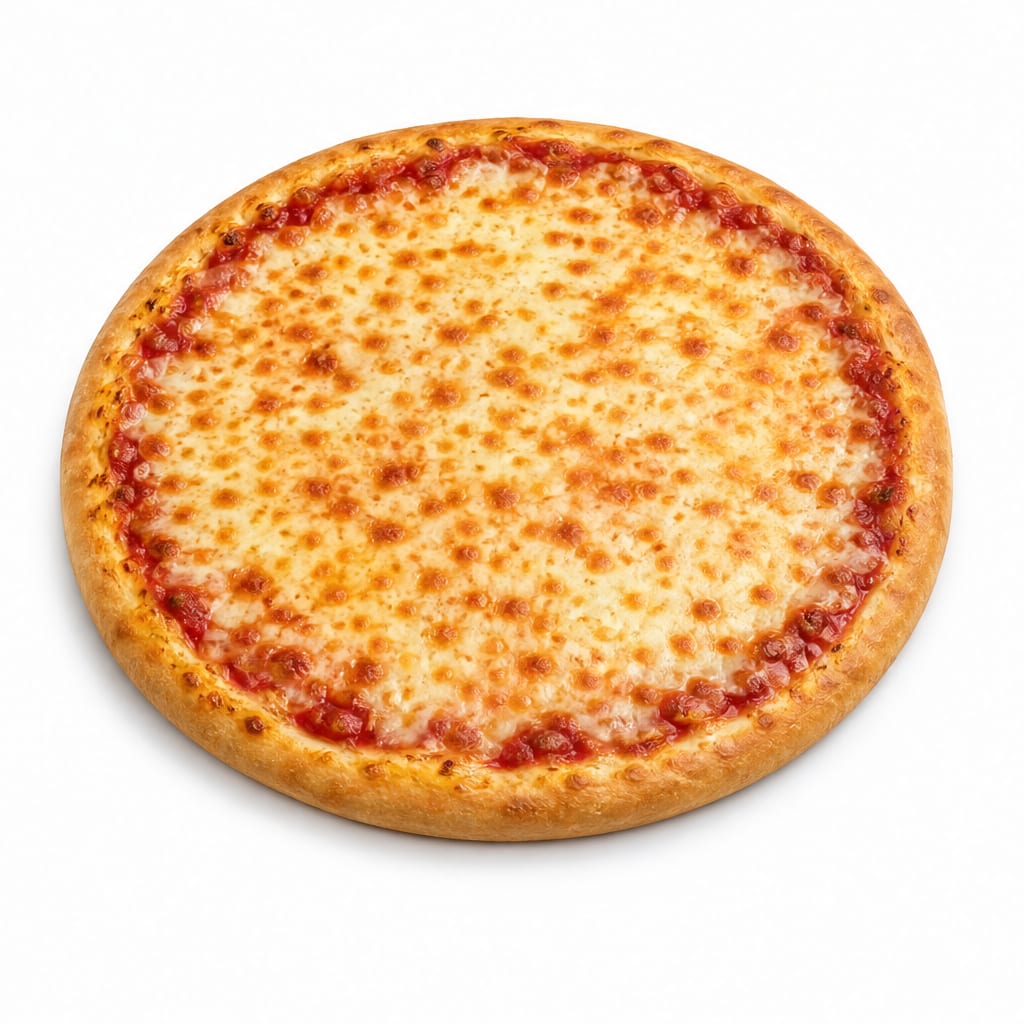
Compare with
Cheese Pizza
Fondue provides more control over carbohydrate intake since you choose the dippers, whereas pizza crust is a dense refined carb source.
Fondue offers better blood sugar control than cheese pizza because you can choose low-carb dippers, whereas pizza forces a high-carb crust in every bite.
This food
Fondue
VS70% alike
Compare with
Nachos with Cheese
Fondue uses higher-quality natural cheeses compared to typical nacho cheese sauce, offering better satiety and less processing.
Fondue is less processed and higher in protein than nachos with cheese, which typically use a processed cheese sauce and fried corn chips.
This food
Fondue
VS65% alike
Compare with
Mozzarella Sticks
Fondue is less processed and lacks the deep-fried breading of mozzarella sticks, making it lower in carbs and trans fats.
Fondue is a healthier choice than mozzarella sticks because it avoids the deep-fried breading, significantly reducing trans fats and refined carbohydrates.
This food
Fondue
VS60% alike
Compare with
Spinach Artichoke Dip
Both are rich, creamy dips, but spinach artichoke dip contains vegetables, while fondue is purely dairy-based and lower in carbs.
Spinach artichoke dip includes vegetables and may be lower in pure saturated fat, but fondue is much lower in carbohydrates and higher in protein.
This food
Fondue
VS40% alike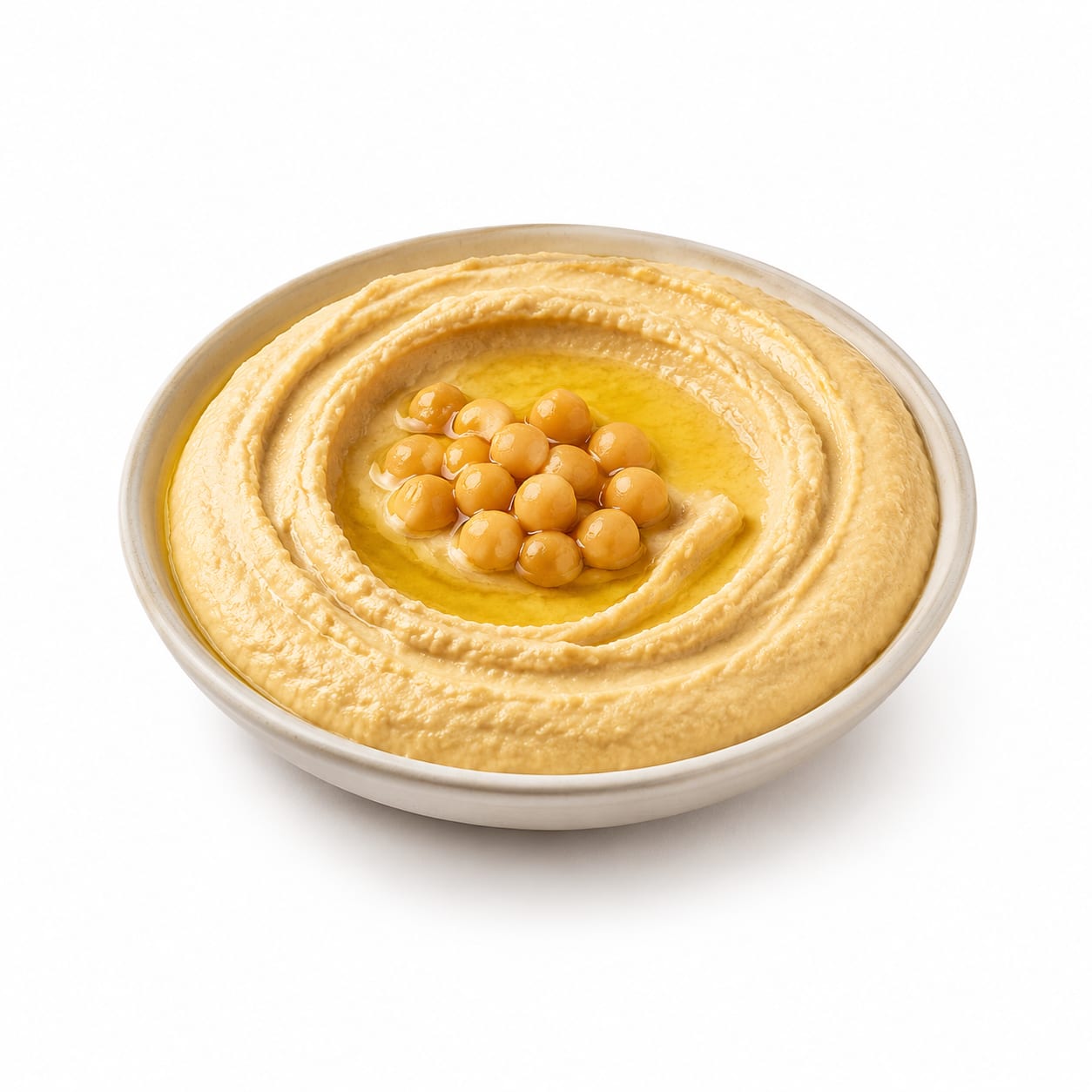
Compare with
Hummus
Hummus is lower in calories and fat than fondue, offering fiber and plant-based protein, while fondue provides denser animal protein and fat.
Hummus is a lighter, fiber-rich dip with healthy fats, whereas fondue is a heavy, high-calorie dip rich in saturated fat and calcium.
This food
Fondue
VS30% alike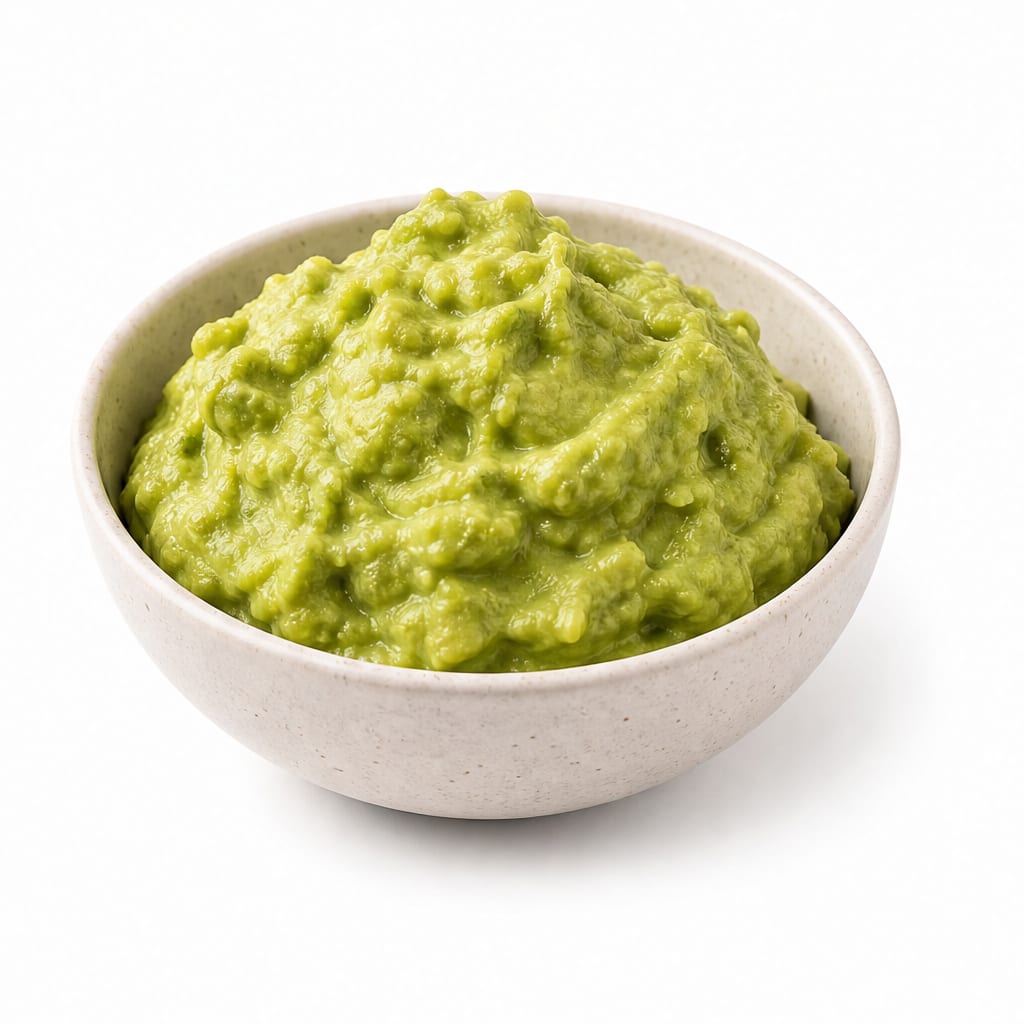
Compare with
Guacamole
Guacamole offers heart-healthy monounsaturated fats and fiber, whereas fondue relies on saturated fat and lacks fiber.
Guacamole provides heart-healthy monounsaturated fats and fiber, making it far better for weight loss and blood sugar than the saturated-fat-heavy fondue.
Common questions
FAQ
Answers aligned with how people search for this food.
Is fondue keto-friendly?
The cheese sauce itself is very low in carbohydrates and fits a keto diet. However, traditional bread dippers are not keto; use vegetables like broccoli or bell peppers instead.
How many calories are in cheese fondue?
A typical serving of cheese fondue (150g) contains about 345 calories, not including the bread or dippers. Adding bread significantly increases the total calorie count.
Can diabetics eat fondue?
The cheese itself will not spike blood sugar, but the traditional white bread cubes will. Swapping to low-carb dippers like steamed vegetables makes it more manageable for diabetics.
What is the healthiest thing to dip in fondue?
Steamed broccoli, cauliflower, bell peppers, and apples are healthier, lower-calorie alternatives to bread cubes that also provide fiber and vitamins.
Is cheese fondue bad for cholesterol?
Fondue is high in saturated fat, which can raise LDL cholesterol if consumed frequently. It is best enjoyed in moderation if you are monitoring your heart health.
Why does fondue make me feel so full?
The high fat and protein content in the cheese slows gastric emptying, triggering satiety hormones and making you feel full for a long time.
Can you eat fondue if you are lactose intolerant?
Aged cheeses like Gruyère have very low lactose, so some lactose-intolerant individuals can tolerate traditional fondue, though sensitivity varies by person.
Is fondue considered processed food?
Traditional homemade fondue is moderately processed (Nova Group 3) because it uses natural cheese and wine. Pre-packaged fondue mixes are often ultra-processed.
Transparency
Data confidence
Estimated confidence for nutrition data, interpretation, safety notes, and comparisons.
Nutrition data
Health analysis
Food safety
Comparisons