
Nutrition comparison
Fondue vs Raclette: Which Melted Cheese Meal Is Healthier?
Compare fondue and raclette on nutrition, digestion, portion control, and health impact. Discover which Swiss cheese dish is the smarter indulgence.
Overall winner · Raclette
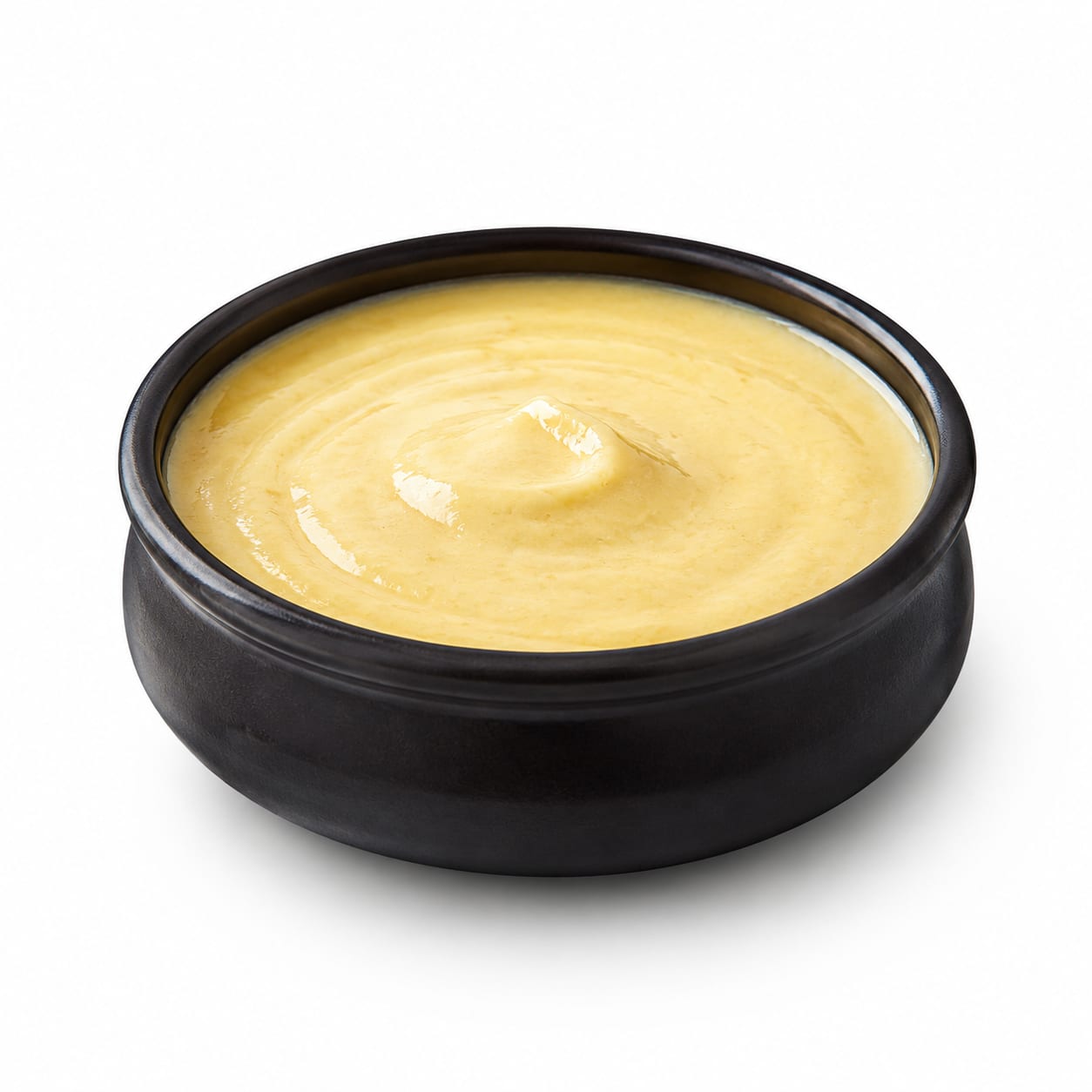
Fondue
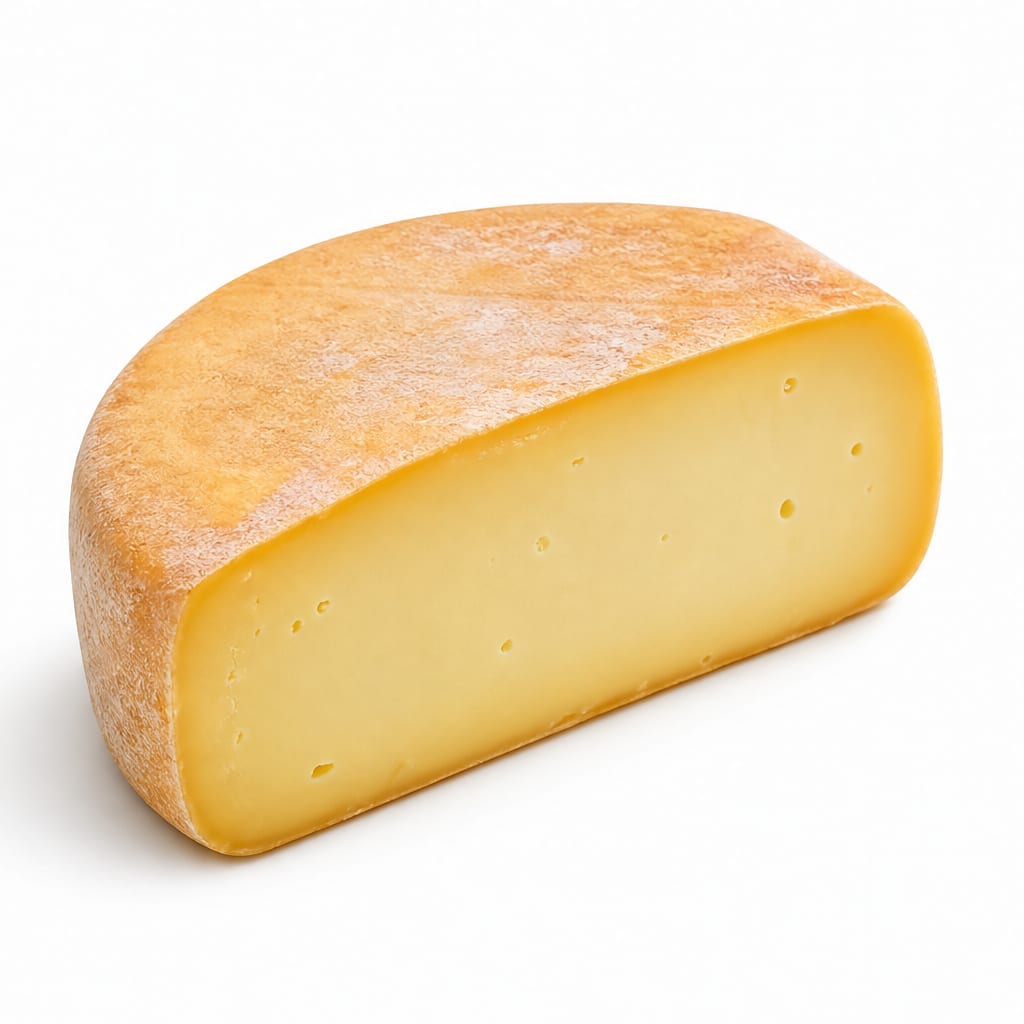
Raclette
Raclette edges out fondue thanks to better nutritional balance from its accompaniments and more controllable portions, though both remain indulgent occasional meals.
Neither food scores well as a health-conscious choice, but raclette's better accompaniment variety and portion flexibility give it a meaningful edge. Both remain indulgent meals best enjoyed occasionally.
Fondue delivers a richer, more immersive cheese experience but with less nutritional variety and weaker portion control, while raclette offers a more balanced plate but with higher sodium from cured meats.
At a glance
Executive summary
Overall
Raclette
Healthier
Raclette
More practical
Raclette
Daily use
It depends
Key comparison lenses
portion control and overeating
Both are rich, communal cheese dishes where overeating is extremely likely, but the serving formats create very different control dynamics
nutritional balance and accompaniments
Raclette's side dishes add fiber, probiotics, and micronutrients that fondue's bread-only pairing lacks
digestive tolerance
Both are heavy, high-fat meals but fondue's wine and kirsch content makes it harder on sensitive stomachs
social eating behavior
Both are inherently social foods where eating speed and quantity are influenced by group dynamics
sodium and heart health
Both deliver high sodium through cheese, but raclette's cured meat additions push sodium even higher
Best choice for
Fondue
- Cozy winter gatherings where communal dining matters most
- Cheese lovers wanting the purest melted cheese experience
- Special occasion indulgence with friends
Raclette
- Those wanting more food variety alongside their cheese
- People who prefer controlling how much cheese they eat
- Families with picky eaters who can customize their plates
Least suitable for
Fondue
- People with lactose intolerance or dairy sensitivity
- Anyone watching calorie intake strictly
- Those prone to acid reflux or heartburn
Raclette
- People on low-sodium diets due to cured meat options
- Those avoiding cured or processed meats
- Anyone seeking a light meal
Deep comparison
Dimension by dimension
Each lens scores both foods and breaks down who each option suits.
- Dimension 1 · Priority 92Raclette
Portion Control
Fondue · 25Raclette · 50Raclette's format naturally slows eating and lets you stop adding cheese, while fondue's communal pot encourages continuous dipping.
Tradeoff
Raclette gives you visual cues about how much you've eaten; fondue makes it alarmingly easy to lose track.
Why it matters
Both foods are calorie-dense, so the one that helps you eat less without feeling deprived wins a real practical advantage.
Real-world impact
You're far more likely to leave a raclette meal feeling satisfied but not stuffed compared to fondue's common 'I ate way too much' aftermath.
Fondue
- Those who prefer eating without thinking about portions
Better for
- Anyone tracking calories or trying not to overeat
Worse for
Raclette
- Anyone trying to enjoy rich food without going overboard
- Mindful eaters who want to pace themselves
Better for
- People who struggle to stop eating cheese once they start
Worse for
- Dimension 2 · Priority 88Raclette
Nutritional Balance
Fondue · 20Raclette · 48Raclette's potatoes, pickles, and onions add fiber, probiotics, and micronutrients that fondue's bread-only pairing simply cannot match.
Tradeoff
Raclette's cured meats add sodium and nitrites that partially offset its nutritional advantages, but the overall balance still wins.
Why it matters
Eating high-fat cheese with only refined carbs creates a blood sugar spike followed by a crash. Adding fiber and fermented foods softens this dramatically.
Real-world impact
After raclette, you're less likely to experience the heavy sluggishness that typically follows a fondue meal, thanks to better blood sugar stability from the accompaniments.
Fondue
- Pure cheese enthusiasts who prioritize taste over balance
Better for
- Anyone needing fiber or micronutrient variety in their meal
Worse for
Raclette
- Those wanting a more complete meal, not just a cheese course
- Anyone concerned about blood sugar crashes after rich meals
Better for
- People strictly avoiding cured meats or high sodium
Worse for
- Dimension 3 · Priority 85Raclette
Digestive Tolerance
Fondue · 22Raclette · 42Fondue's wine and kirsch content, combined with minimal fiber, makes it significantly harder on sensitive digestive systems.
Tradeoff
Raclette's pickled vegetables actually aid digestion through probiotics and acidity, while fondue's alcohol irritates the stomach lining.
Why it matters
Many people report heartburn, bloating, or indigestion after fondue. The alcohol-fat combination is a well-known reflux trigger.
Real-world impact
If you're prone to heartburn or have a sensitive stomach, raclette is noticeably more comfortable the next morning.
Fondue
- Those with iron stomachs who never experience heartburn
Better for
- Anyone with GERD, acid reflux, or sensitive digestion
- People taking medications that interact with alcohol
Worse for
Raclette
- Anyone prone to acid reflux or indigestion
- People with mild lactose sensitivity who need to limit cheese quantity
Better for
- Those sensitive to fermented or pickled foods
Worse for
- Dimension 4 · Priority 75Fondue
Sodium Load
Fondue · 35Raclette · 25Both are high-sodium meals from cheese alone, but raclette's cured meat accompaniments push sodium intake significantly higher.
Tradeoff
Fondue's sodium comes primarily from cheese, while raclette adds charcuterie which can double the sodium content of the meal.
Why it matters
A single raclette meal with cured meats can deliver 2-3 days' worth of sodium, making it riskier for blood pressure management.
Real-world impact
After either meal you'll likely feel bloated and thirsty, but raclette with charcuterie can cause noticeable swelling and next-day water retention.
Fondue
- Those monitoring sodium who want to skip cured meats entirely
Better for
- Still high sodium from cheese alone, just less than raclette
Worse for
Raclette
- Not applicable - fondue wins on sodium
Better for
- Anyone with hypertension or sodium sensitivity
- People prone to bloating or water retention
Worse for
- Dimension 5 · Priority 70Fondue
Social Experience and Satisfaction
Fondue · 88Raclette · 78Fondue creates a more immersive, communal ritual where everyone shares from the same pot, while raclette feels more like individual cooking at a shared table.
Tradeoff
Fondue's shared pot creates stronger social bonding but also social pressure to keep eating; raclette is more individual but less magical.
Why it matters
The emotional satisfaction of a meal matters for long-term dietary happiness. A joyful occasional fondue may serve you better than a slightly healthier meal you find boring.
Real-world impact
Fondue nights tend to feel more like an event and create stronger memories, which is valuable for quality of life even if the nutrition isn't ideal.
Fondue
- Romantic dinners and intimate gatherings
- Anyone seeking a memorable, immersive dining experience
Better for
- Groups with mixed dietary restrictions or allergies
Worse for
Raclette
- Larger groups with diverse dietary preferences
- Families where everyone wants different portion sizes
Better for
- Those wanting a more ceremonial, shared dining ritual
Worse for
Timeline
Health impact over time
Short-term
Hours to days
Fondue
- Likely bloating and heaviness within an hour of eating
- Blood sugar spike from bread followed by energy crash
- Possible heartburn from wine and high-fat combination
- Strong thirst from high sodium content
Raclette
- Moderate fullness with less extreme bloating than fondue
- Steadier energy from potatoes compared to bread
- Mild digestive support from pickled vegetable probiotics
- Noticeable thirst and possible water retention from sodium
Long-term
Months to years
Fondue
- Weight gain if consumed regularly due to extreme calorie density
- Increased cardiovascular risk from saturated fat and sodium if frequent
- Potential worsening of acid reflux conditions with repeated exposure
Raclette
- Similar weight gain risk but slightly mitigated by portion control
- Higher sodium-related blood pressure risk if cured meats are standard
- Possible gut microbiome benefits from fermented pickle accompaniments
Risk profile
Safety & processing
Both center on natural cheese, but fondue uses wine and kirsch as standard ingredients while raclette's cured meat accompaniments often contain nitrates, nitrites, and preservatives. Fondue is slightly cleaner ingredient-wise if you skip the alcohol.
Fondue
Foodborne illness from improperly held cheese
mediumFondue must be kept at proper temperature. Cheese left lukewarm at the bottom of the pot can breed bacteria if the heat source fails.
Double-dipping contamination
mediumCommunal dipping with shared forks creates cross-contamination risk, especially at larger gatherings.
Raclette
Cured meat contamination and nitrite exposure
mediumCharcuterie served alongside raclette may contain nitrites and carries listeria risk if not properly stored, particularly for pregnant women.
Hot surface burns
lowRaclette machines have hot surfaces and melting cheese can cause minor burns, especially with children present.
Who wins for whom
Audience fit
Same foods, different winners depending on your goal.
children
RacletteRaclette lets kids customize their plate and control cheese quantity, while fondue's hot pot and alcohol content are less child-friendly.
daily consumption
It dependsNeither should be consumed daily. Both are occasional indulgence meals that would compromise health if eaten regularly.
diabetes
RacletteRaclette's potatoes have a lower glycemic impact than fondue's white bread, and the fiber from accompaniments slows sugar absorption.
elderly
RacletteRaclette's softer portion control and digestive-friendly pickles make it easier on aging digestive systems and smaller appetites.
muscle gain
It dependsBoth provide substantial protein from cheese, but neither is optimal for muscle gain. Raclette with extra meat edges slightly ahead.
weight loss
RacletteRaclette's format makes it easier to control portions and include lower-calorie accompaniments like pickles and vegetables.
Your move
Decision guide
Choose Fondue
- You want the most memorable, immersive communal dining experience
- You're celebrating a special occasion and indulgence is the point
- You don't have digestive sensitivity and can handle rich food well
- You prefer a simpler setup with fewer accompaniments to manage
Choose Raclette
- You want more control over how much cheese you actually consume
- You appreciate having vegetables and fermented foods alongside rich dishes
- You're dining with people who have varying appetites or preferences
- You want a satisfying meal with less next-day regret
- You're sensitive to alcohol but still want a festive cheese experience
Either works if
- You simply love melted cheese and want a cozy winter meal
- You're dining with a group and the social experience matters most
- You're comfortable treating it as an occasional indulgence
Avoid both if
- You have severe lactose intolerance or dairy allergy
- You're on a strict low-sodium or low-fat diet for heart health
- You're trying to lose weight actively and find cheese triggering
- You have gout and need to limit rich foods and alcohol
Final recommendation
Choose raclette for a more balanced, controllable meal that leaves you satisfied without the heavy aftermath. Save fondue for when the experience itself matters more than how you feel afterward. Either way, treat both as occasional pleasures, not regular dinners, and drink plenty of water before and after.
Practical
Consumer tips
- 1
Drink water or herbal tea during and after either meal to help with sodium and digestion
- 2
Add a large green salad before either meal to reduce overeating and add fiber
- 3
For raclette, load up on pickles and onions while going lighter on cured meats to reduce sodium
- 4
For fondue, choose whole grain bread over white bread to slow blood sugar impact
- 5
Consider a digestive walk after either meal to help your body process the rich food
- 6
If lactose sensitive, take lactase enzyme before eating either dish
- 7
Limit alcohol consumption alongside these already rich meals to reduce digestive strain