
Nutrition comparison
Fondue vs Mac and Cheese: Which Comfort Food is Healthier?
Fondue vs Mac and Cheese: Compare calories, sodium, processing, and health impacts to see which cheesy comfort food fits your lifestyle and dietary goals.
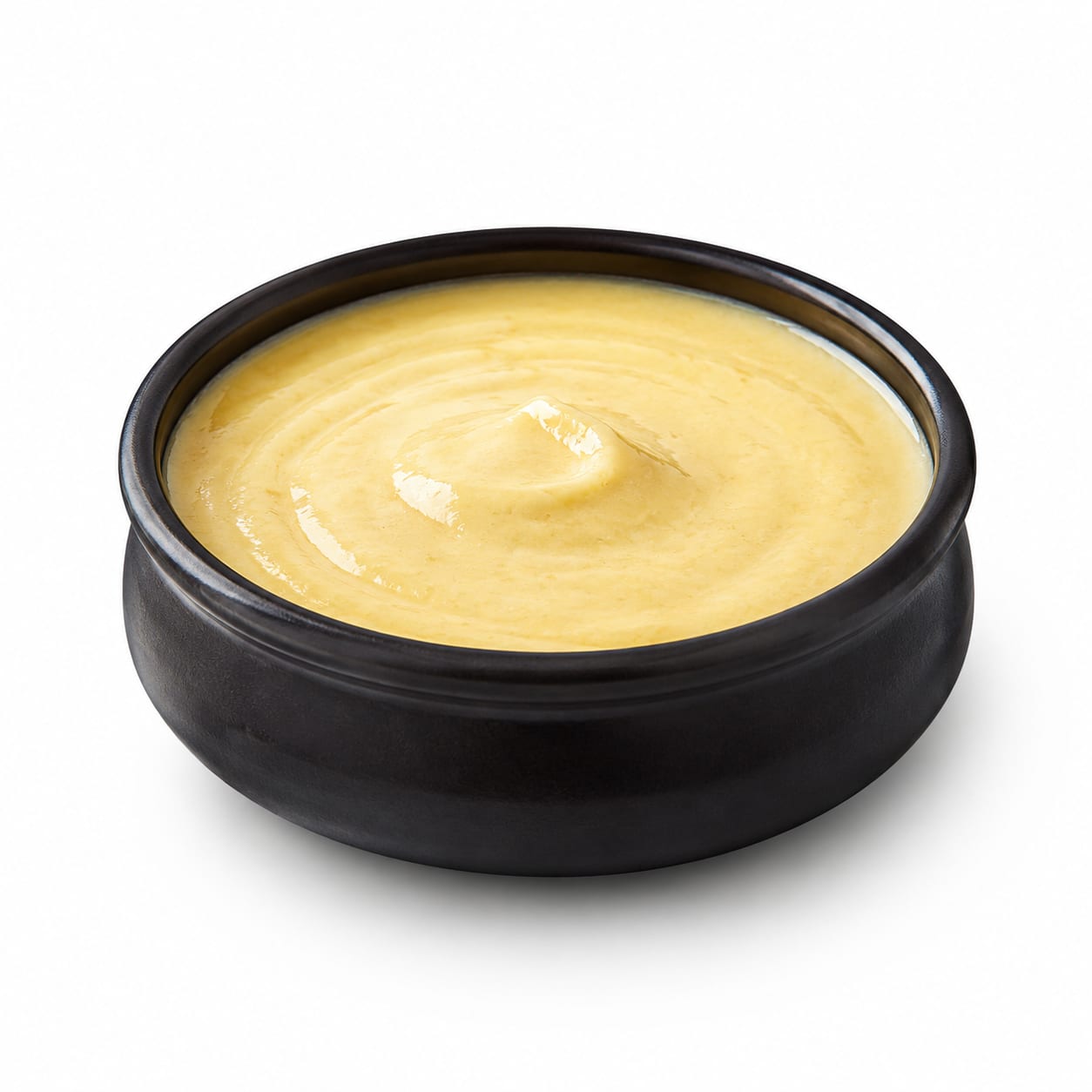
Fondue
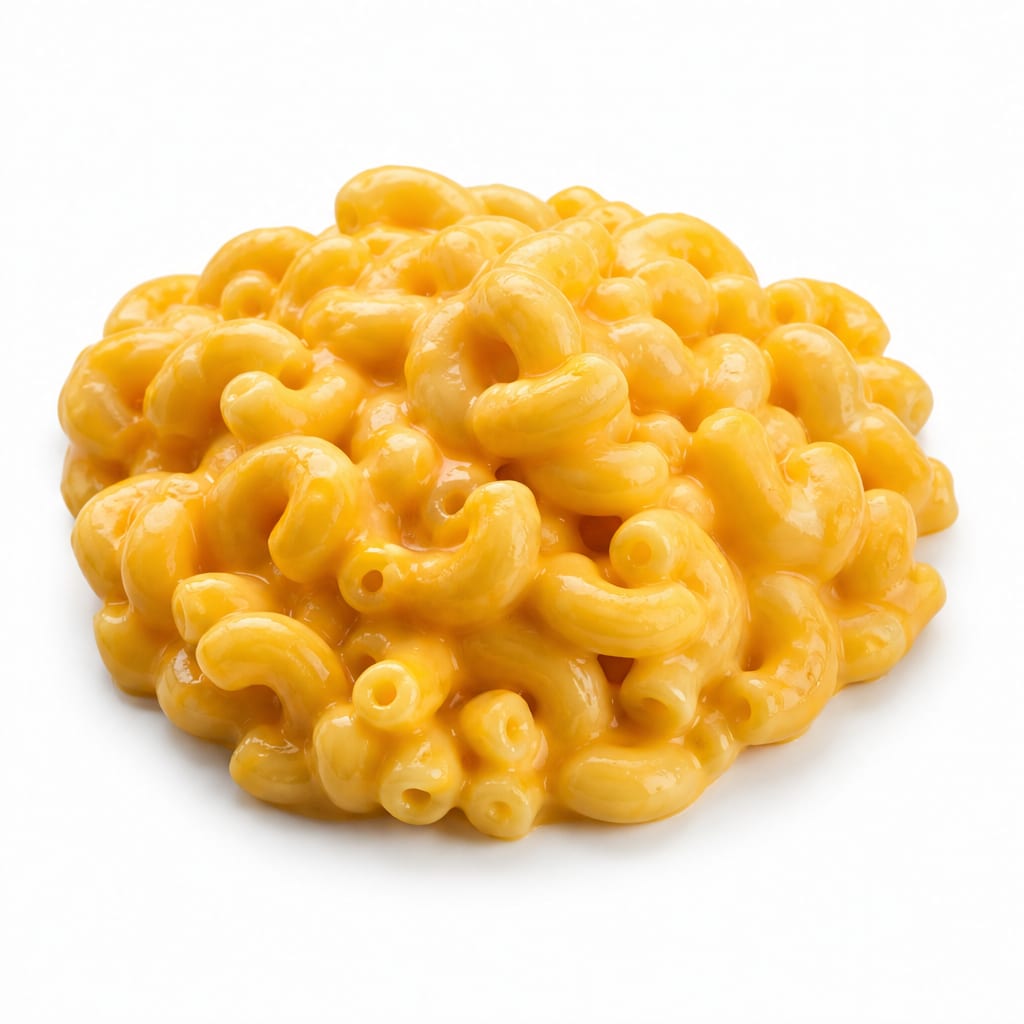
Mac and Cheese
Fondue offers a richer, more social experience with higher ingredient quality, while Mac and Cheese provides quick, accessible comfort but often carries more processing and refined carbs.
Fondue scores slightly higher due to typically containing whole, natural ingredients and encouraging slower eating, but both are heavy indulgences. Mac and Cheese loses points for common ultra-processing and refined carbohydrate density.
A slower, social eating experience with whole cheeses versus a convenient, fast meal with highly refined carbohydrates and processed ingredients.
At a glance
Executive summary
Overall
It depends
Healthier
Fondue
More practical
Mac and Cheese
Daily use
Mac and Cheese
Key comparison lenses
Comfort food craving management
Both are heavy, cheese-forward comfort foods often eaten for emotional satisfaction rather than nutrition.
Sodium and saturated fat load
Cheese-heavy dishes carry significant cardiovascular considerations due to high sodium and saturated fat.
Processing level and ingredient quality
Fondue typically relies on natural whole cheeses, while Mac and Cheese frequently involves processed cheese powders or highly processed sauces.
Blood sugar impact
The carbohydrate sources differ significantly—dipped bread versus boiled pasta—affecting glucose responses.
Best choice for
Fondue
- People hosting a social dinner party
- Those wanting a slower, more mindful eating pace
- Individuals avoiding highly processed cheese products
Mac and Cheese
- Busy families needing a quick weeknight meal
- Children who are picky eaters
- Anyone seeking immediate, low-effort comfort food
Least suitable for
Fondue
- Solo diners wanting a fast meal
- People with severe lactose intolerance
- Anyone strictly counting calories
Mac and Cheese
- Those managing diabetes or blood sugar spikes
- People avoiding ultra-processed foods
- Individuals on a low-sodium diet
Deep comparison
Dimension by dimension
Each lens scores both foods and breaks down who each option suits.
- Dimension 1 · Priority 90Fondue
Ingredient Quality & Processing
Fondue · 75Mac and Cheese · 35Fondue is traditionally made from melting whole cheeses like Gruyère and Emmental with wine and garlic. Mac and Cheese often relies on processed cheese powder or highly processed cheese sauces.
Tradeoff
You get cleaner, more natural ingredients with Fondue, but Mac and Cheese trades quality for extreme convenience.
Why it matters
Ultra-processed cheeses contain emulsifiers and preservatives that can disrupt gut health and increase inflammatory load over time.
Real-world impact
Eating whole cheeses leaves you feeling more satisfied with less product, whereas processed cheese can leave you feeling sluggish and craving more soon after.
Fondue
- Avoiding artificial emulsifiers
- Whole food ingredient lists
Better for
- Requires more prep time
Worse for
Mac and Cheese
- Shelf stability
- Convenience
Better for
- Exposure to food additives
- Highly processed cheese derivatives
Worse for
- Dimension 2 · Priority 85Fondue
Blood Sugar Impact
Fondue · 55Mac and Cheese · 30Fondue is primarily fat and protein with bread for dipping, allowing portion control of carbs. Mac and Cheese is a massive hit of refined pasta carbohydrates.
Tradeoff
Fondue lets you manage your own carb load by adjusting how much bread you dip, while Mac and Cheese locks you into a high refined-carb base.
Why it matters
Refined carbohydrates without sufficient fiber cause rapid blood sugar spikes, leading to energy crashes and increased fat storage.
Real-world impact
After eating Mac and Cheese, you are more likely to experience an afternoon energy crash. Fondue provides steadier energy if you go easy on the bread.
Fondue
- Controllable carbohydrate portions
- Higher fat slows glucose absorption
Better for
- Can still spike blood sugar if over-dipping bread
Worse for
Mac and Cheese
- Quick energy for post-workout recovery
Better for
- Refined pasta causes rapid glucose spikes
- Low fiber content
Worse for
- Dimension 3 · Priority 80Fondue
Sodium Load
Fondue · 40Mac and Cheese · 25Both are sodium bombs, but boxed or restaurant Mac and Cheese often packs significantly more sodium per serving than a traditional cheese fondue.
Tradeoff
Fondue is still very high in salt, but Mac and Cheese frequently pushes into extreme sodium territory due to processed cheese and salted pasta water.
Why it matters
High sodium meals cause immediate water retention and bloating, and over time increase the risk of hypertension.
Real-world impact
Eating either dish can leave you feeling puffy the next day, but Mac and Cheese is more likely to push you over your daily sodium limit in a single bowl.
Fondue
- Slightly lower sodium per bite
- Natural cheese sodium vs added salt
Better for
- Still a high-sodium meal
Worse for
Mac and Cheese
- None regarding sodium
Better for
- Extreme sodium levels in boxed varieties
- Processed cheese powder adds hidden salt
Worse for
- Dimension 4 · Priority 75Mac and Cheese
Convenience & Practicality
Fondue · 20Mac and Cheese · 90Mac and Cheese can be prepared in minutes from a box or easily baked, while Fondue requires grating, melting, and constant stirring at a specific temperature.
Tradeoff
You sacrifice ingredient quality and blood sugar stability for a meal that is ready in ten minutes with zero skill required.
Why it matters
Practicality dictates what you actually eat on a busy Tuesday night. If a meal is too hard to make, you will not eat it regardless of its health profile.
Real-world impact
Mac and Cheese is a lifesaver on exhausting days when cooking feels impossible. Fondue is reserved for weekends or special occasions.
Fondue
- Creates a memorable dining experience
Better for
- Time-consuming preparation
- Requires special equipment like a fondue pot
Worse for
Mac and Cheese
- Ready in under 15 minutes
- Minimal cleanup
- Requires no cooking skills
Better for
- Often eaten mindlessly in front of a screen
Worse for
- Dimension 5 · Priority 70Fondue
Satiety & Eating Pace
Fondue · 80Mac and Cheese · 50Fondue forces a slow, communal eating pace, giving your brain time to register fullness. Mac and Cheese is often eaten quickly from a bowl.
Tradeoff
Fondue makes you feel heavily full with less total food because of the pace, while Mac and Cheese is easy to overeat before realizing you are stuffed.
Why it matters
Eating speed directly impacts total calorie intake. It takes about twenty minutes for satiety hormones to signal fullness to your brain.
Real-world impact
You are much less likely to accidentally eat three servings of Fondue because the social pacing acts as a natural brake. Mac and Cheese is easy to inhale.
Fondue
- Social pacing prevents overeating
- High fat content signals fullness
Better for
- Heavy feeling if you overeat
Worse for
Mac and Cheese
- Quickly satisfies urgent hunger
Better for
- Easy to mindlessly overeat
- Delayed fullness signals
Worse for
Timeline
Health impact over time
Short-term
Hours to days
Fondue
- Heavy fullness and potential bloating from high fat intake
- Warming, comforting sensation from the hot cheese
- Possible heartburn or acid reflux due to rich, fatty content
Mac and Cheese
- Rapid energy spike followed by a crash from refined carbs
- Immediate comfort and mood boost from high carbohydrate intake
- Thirst and water retention from high sodium content
Long-term
Months to years
Fondue
- Increased LDL cholesterol if consumed frequently due to saturated fat
- Potential weight gain from high calorie density
- Maintained social connections and stress reduction from communal eating
Mac and Cheese
- Increased risk of metabolic syndrome if relying on boxed versions regularly
- Higher systemic inflammation from ultra-processed ingredients
- Weight gain and insulin resistance from refined carbohydrate load
Risk profile
Safety & processing
Fondue is processed through the mechanical melting and mixing of whole, natural ingredients like cheese and wine. Mac and Cheese, especially the ubiquitous boxed variety, is ultra-processed, containing industrial cheese powders, emulsifiers, and refined pasta that bear little resemblance to their original food sources.
Fondue
Double dipping contamination
mediumSharing a communal pot can easily spread bacteria if guests double dip or touch the pot with their hands.
Unpasteurized cheese exposure
mediumTraditional Swiss fondue often uses raw milk cheeses, which carry a slight risk of Listeria, particularly concerning for pregnant individuals.
Mac and Cheese
Phthalates in cheese powder
highBoxed Mac and Cheese powder has been shown to contain high levels of phthalates, which are endocrine-disrupting chemicals that leach from processing equipment.
Bacterial growth from improper cooling
mediumCooked pasta and dairy sauces are highly perishable. Leaving Mac and Cheese out at room temperature for too long can cause rapid bacterial multiplication.
Who wins for whom
Audience fit
Same foods, different winners depending on your goal.
children
Mac and CheeseMac and Cheese is universally loved by kids, easy to chew, and provides a safe, familiar meal for developing palates. Fondue involves hot pots and strong cheese flavors that kids often reject.
daily consumption
Mac and CheeseWhile neither should be eaten daily, Mac and Cheese is far more practical and affordable for regular inclusion in a diet, though homemade versions are strongly recommended over boxed.
diabetes
FondueFondue allows you to strictly limit your carbohydrate intake by reducing the bread you dip, whereas Mac and Cheese is a massive, unavoidable hit of refined carbohydrates.
elderly
Mac and CheeseMac and Cheese is soft, easy to chew, and simple to digest. Fondue can be overly rich and heavy, potentially triggering acid reflux or digestive discomfort in older adults.
muscle gain
Mac and CheeseMac and Cheese provides a higher carbohydrate load to replenish glycogen, plus a decent amount of protein for muscle repair, making it a common bulking food.
weight loss
It dependsNeither is ideal, but Fondue encourages slower eating which helps with portion control, while Mac and Cheese is easier to overeat. However, Mac and Cheese can be made lower in calories using alternative ingredients.
Your move
Decision guide
Choose Fondue
- You want a social, interactive dining experience
- You prefer eating real, whole cheeses over processed cheese powder
- You want a meal that naturally slows down your eating pace
Choose Mac and Cheese
- You need a quick, comforting meal after a long day
- You are cooking for children
- You want a budget-friendly option that stretches ingredients
Either works if
- You are craving something rich and cheesy
- You are okay with a high-calorie indulgence
- You plan to balance the meal with a large serving of vegetables
Avoid both if
- You are strictly limiting saturated fat or sodium
- You are trying to lose weight
- You have severe lactose intolerance or a dairy allergy
Final recommendation
Choose Fondue when the goal is a special, social meal where ingredient quality matters and you want to eat mindfully. Choose Mac and Cheese when you need fast, reliable comfort, but opt for a homemade version with real cheese and whole grain pasta to avoid the health pitfalls of the boxed variety.
Practical
Consumer tips
- 1
Use whole grain bread or blanch vegetables like broccoli and carrots for Fondue dipping to add fiber and reduce the blood sugar spike.
- 2
Make Mac and Cheese from scratch using sharp cheddar and whole wheat or chickpea pasta to drastically improve its nutritional profile and protein content.
- 3
Portion control is critical for both—serve Fondue with plenty of dipping veggies, and always pair Mac and Cheese with a side salad to help fill you up before going back for seconds.
- 4
If eating boxed Mac and Cheese, use only half the cheese powder packet and add a splash of plain Greek yogurt for creaminess and a protein boost without excess sodium.