
Nutrition comparison
Fondue vs Mozzarella Sticks: Which Cheese Indulgence Is Actually Better?
Compare fondue and mozzarella sticks on nutrition, processing, sodium, and real-world eating behavior. Find out which cheesy treat is the smarter indulgence.
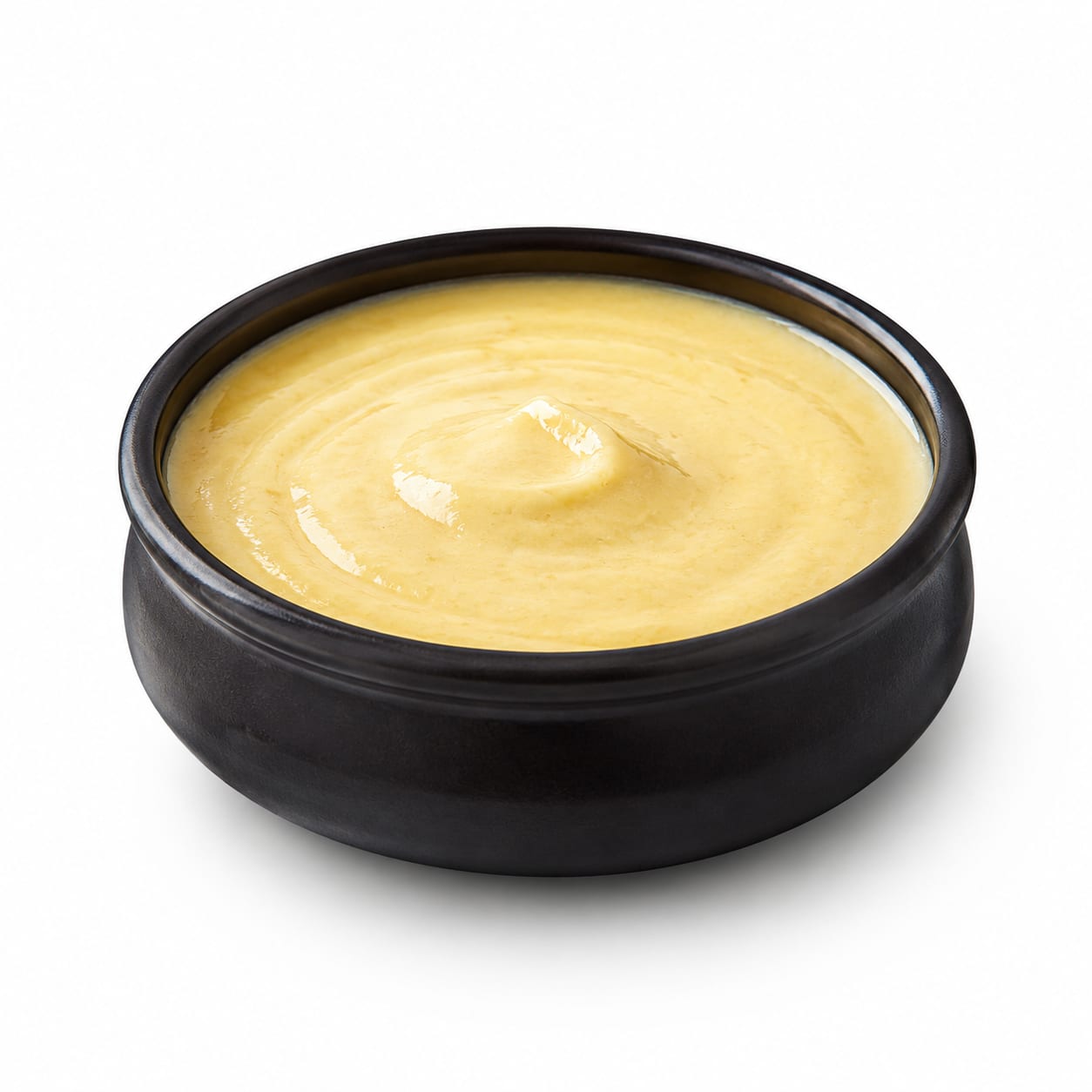
Fondue
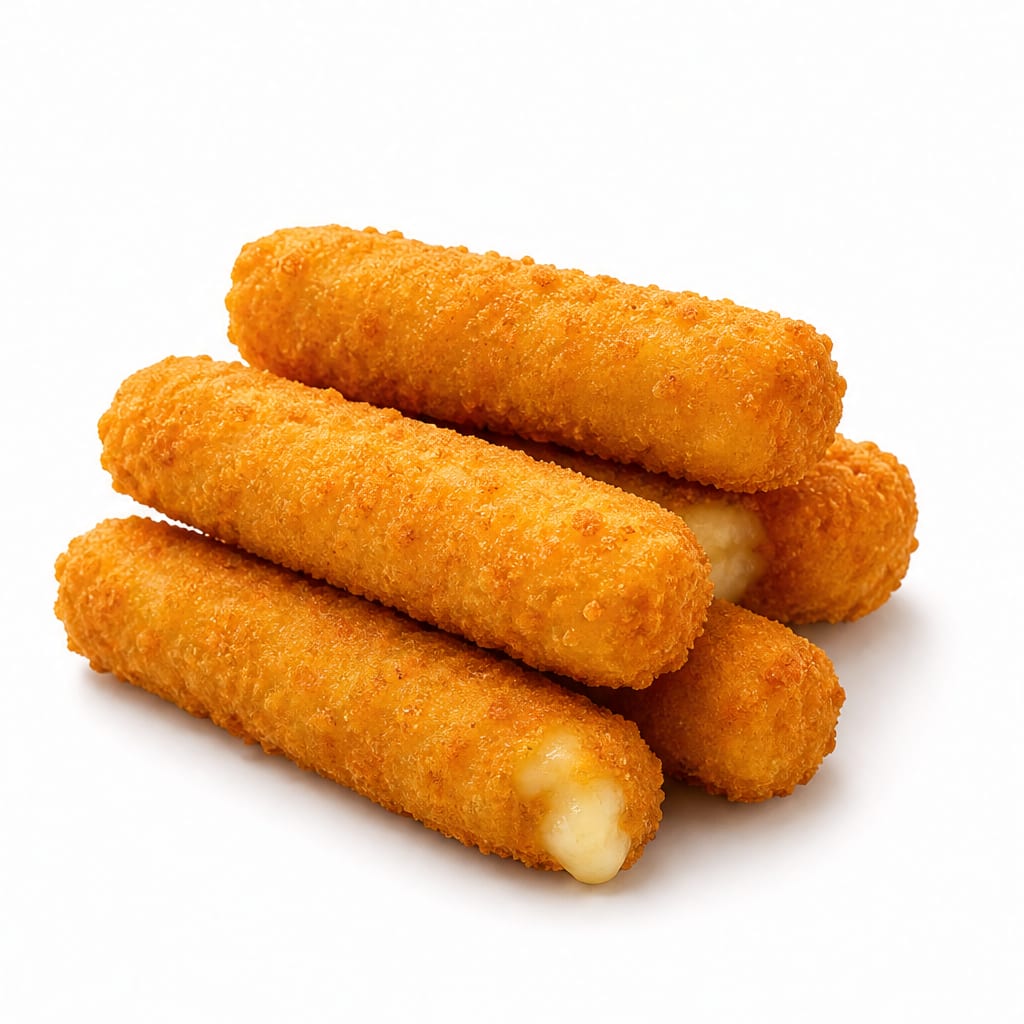
Mozzarella Sticks
Fondue uses better ingredients and encourages slower eating, but mozzarella sticks are more convenient and portion-controllable if you stop at a few.
Fondue scores higher due to better ingredient quality and a slower eating pace that naturally limits consumption, but both foods are nutritional indulgences that score well below everyday healthy options. Mozzarella sticks lose ground on processing level, sodium density, and fried-oil concerns.
Ingredient quality and eating experience favor fondue, while convenience and portion predictability favor mozzarella sticks — both are indulgences, not everyday foods.
At a glance
Executive summary
Overall
It depends
Healthier
Fondue
More practical
Mozzarella Sticks
Daily use
It depends
Key comparison lenses
indulgent cheese dish comparison for social eating vs snacking
Both are high-calorie cheese-forward foods but occupy completely different eating contexts — fondue is a sit-down communal meal while mozzarella sticks are grab-and-go bar food
processing and ingredient quality
Fondue is typically made from whole natural ingredients while mozzarella sticks are factory-breaded and fried, making processing level a key differentiator
overeating and portion control risk
Both foods are extremely easy to overconsume but through different mechanisms — fondue through prolonged social eating, mozzarella sticks through mindless snacking
sodium and heart health impact
Both deliver heavy sodium loads but mozzarella sticks often contain significantly more due to breading seasoning and processed cheese
convenience and practical eating
Mozzarella sticks win on convenience while fondue requires preparation and a social setting, shaping when each food actually gets eaten
Best choice for
Fondue
- Slow social dinners where eating pace naturally limits intake
- Anyone avoiding ultra-processed foods and artificial additives
- Special occasion meals where ingredient quality matters more than calories
- People who value cooking with real whole ingredients
Mozzarella Sticks
- Quick appetizer needs at restaurants or gatherings
- Portion control — easier to stop after a defined serving
- Busy situations requiring no preparation
- Kids who prefer familiar finger food
Least suitable for
Fondue
- Anyone watching sodium closely due to hypertension
- Solo diners wanting a quick meal
- Lactose-intolerant individuals — concentrated cheese is brutal
- People trying to lose weight — fondue sessions easily exceed 1500 calories
Mozzarella Sticks
- Anyone avoiding fried or ultra-processed foods
- People managing heart disease risk — heavy sodium and trans fat exposure
- Those prone to mindless snacking — mozzarella sticks disappear fast
- Anyone seeking nutrient-dense calories
Deep comparison
Dimension by dimension
Each lens scores both foods and breaks down who each option suits.
- Dimension 1 · Priority 92Fondue
Ingredient Quality and Processing
Fondue · 72Mozzarella Sticks · 28Fondue is made from real cheese, wine, garlic, and kirsch — recognizable whole ingredients. Mozzarella sticks use processed cheese, refined breading, and industrial frying oils.
Tradeoff
Fondue demands more preparation effort and skill, while mozzarella sticks offer consistent convenience at the cost of ingredient integrity.
Why it matters
Less processing generally means fewer preservatives, emulsifiers, and hidden additives that can irritate the gut and promote inflammation over time.
Real-world impact
Your body recognizes and digests fondue's ingredients more easily. Mozzarella sticks often leave you feeling heavier and greasier for longer.
Fondue
- Clean-eating priorities
- Avoiding preservatives and emulsifiers
- Knowing exactly what goes into your food
Better for
- Requires real cheese which is expensive
- Preparation takes 20-30 minutes minimum
- Inconsistent results if poorly made
Worse for
Mozzarella Sticks
- Consistent taste every time
- No cooking skill required
- Shelf-stable and always available
Better for
- Contains industrial breading additives
- Often includes modified food starch and gums
- Fried in potentially degraded oils
Worse for
- Dimension 2 · Priority 88Fondue
Satiety and Eating Pace
Fondue · 78Mozzarella Sticks · 45Fondue forces slow eating — you dip one piece at a time and wait for the cheese. Mozzarella sticks can be devoured in minutes without noticing.
Tradeoff
Fondue's slow pace helps you recognize fullness, but the extended social setting can also encourage eating past satisfaction. Mozzarella sticks are fast but offer no natural stopping signal.
Why it matters
Eating speed is one of the strongest predictors of overconsumption. Slower meals give your brain time to register fullness.
Real-world impact
A fondue evening might last two hours, giving your body time to feel satisfied. A basket of mozzarella sticks can vanish in ten minutes before you even feel full.
Fondue
- Mindful eating practices
- Social dining experiences
- Natural portion regulation through pace
Better for
- Marathon fondue sessions can lead to excessive intake
- Hard to stop once the pot is half-finished
- Social pressure to keep eating
Worse for
Mozzarella Sticks
- Quick hunger relief
- No equipment or setup needed
- Predictable serving size when ordered
Better for
- Very easy to overeat without noticing
- Fast consumption bypasses fullness signals
- Often ordered alongside other heavy foods
Worse for
- Dimension 3 · Priority 85Fondue
Sodium Load
Fondue · 35Mozzarella Sticks · 20Both are sodium bombs, but mozzarella sticks pack more due to seasoned breading, processed cheese, and marinara dipping sauce.
Tradeoff
Fondue's sodium comes primarily from natural cheese, while mozzarella sticks add industrial sodium sources on top of the cheese itself.
Why it matters
A single serving of mozzarella sticks can deliver 800-1200mg sodium — half your daily limit. Fondue is also high but slightly more controllable.
Real-world impact
After eating mozzarella sticks you might notice bloating and thirst for hours. Fondue causes similar effects but the slower pace gives your body time to adjust.
Fondue
- Slightly lower total sodium per typical serving
- Sodium comes from whole cheese rather than additives
- Easier to moderate by eating less bread
Better for
- Still extremely high in sodium
- Cheese variety affects sodium unpredictably
- Long meals mean more total consumption
Worse for
Mozzarella Sticks
- Portion is pre-defined when ordering
- No hidden sodium in dipping bread
Better for
- Breading adds significant sodium on top of cheese
- Marinara sauce adds another sodium layer
- Restaurant versions are often the saltiest
Worse for
- Dimension 4 · Priority 78Mozzarella Sticks
Convenience and Accessibility
Fondue · 25Mozzarella Sticks · 85Mozzarella sticks are available frozen, at restaurants, and as bar food everywhere. Fondue requires a pot, specific cheeses, and a social setting.
Tradeoff
Convenience makes mozzarella sticks easier to overconsume because they are always available. Fondue's inconvenience is paradoxically protective.
Why it matters
The easier a food is to obtain, the more often you will eat it. Frequency matters more than occasional indulgence.
Real-world impact
You can grab mozzarella sticks at any sports bar or from your freezer in five minutes. Fondue requires planning, shopping, and gathering people.
Fondue
- Special occasion ritual that feels meaningful
- Encourages cooking and social connection
- Hard to impulse-eat
Better for
- Impractical for weeknights
- Requires fondue pot and fuel
- Hard to make for one person
Worse for
Mozzarella Sticks
- Available almost anywhere
- Ready in minutes from frozen
- No special equipment needed
Better for
- Easy availability leads to frequent consumption
- Often eaten as an add-on rather than a planned meal
- Freezer stash creates constant temptation
Worse for
- Dimension 5 · Priority 82Fondue
Calorie Density and Weight Impact
Fondue · 30Mozzarella Sticks · 22Both are extremely calorie-dense, but fondue's slower eating pace slightly reduces the risk of massive overconsumption in a single sitting.
Tradeoff
Fondue meals often last longer and total calories can still exceed mozzarella sticks, but the eating experience feels more satisfying per calorie.
Why it matters
Calorie density determines how easily you overeat. Both foods pack huge calories into small volumes, but eating speed moderates total intake.
Real-world impact
A typical fondue dinner runs 1200-1800 calories. A full basket of mozzarella sticks hits 800-1200 calories but leaves you hungry again sooner.
Fondue
- More satisfying per calorie due to slow eating
- Protein from quality cheese keeps you fuller longer
- Less likely to eat again soon after
Better for
- Full fondue dinner calories are enormous
- Bread cubes add significant refined carbs
- Multiple cheese varieties increase total fat
Worse for
Mozzarella Sticks
- Defined portion when sharing a basket
- Easier to track calories from a label
- Less total food volume consumed
Better for
- Fried breading adds empty calories
- Less satiety per calorie consumed
- Often followed by a full meal anyway
Worse for
- Dimension 6 · Priority 72Fondue
Digestive Tolerance
Fondue · 40Mozzarella Sticks · 30Both challenge digestion with high fat and dairy, but fondue's natural ingredients are slightly easier on the gut than fried breading and processed cheese.
Tradeoff
Fondue's alcohol content can irritate sensitive stomachs, while mozzarella sticks' fried coating causes different digestive stress.
Why it matters
Heavy, greasy foods slow gastric emptying and can cause bloating, reflux, and discomfort for hours after eating.
Real-world impact
After fondue you might feel full and heavy but generally satisfied. After mozzarella sticks, many people report greasy indigestion and heartburn.
Fondue
- No fried breading to irritate the stomach
- Wine may aid initial digestion for some people
- Slower eating reduces digestive overload
Better for
- Massive fat load in one sitting
- Alcohol can trigger reflux
- Lactose load is intense
Worse for
Mozzarella Sticks
- Smaller typical portion size
- No alcohol content
- Shorter digestive commitment
Better for
- Fried foods delay stomach emptying
- Processed cheese digests poorly
- Breading can cause bloating and gas
Worse for
Timeline
Health impact over time
Short-term
Hours to days
Fondue
- Heavy fullness lasting 3-4 hours due to high fat and protein content
- Possible warmth and mild relaxation from wine and kirsch content
- Significant thirst from high sodium intake
- Potential bloating or reflux if lactose sensitive
Mozzarella Sticks
- Quick energy spike followed by a heavy sluggish feeling
- Greasy aftertaste and possible heartburn within 30-60 minutes
- Strong thirst from concentrated sodium in breading and cheese
- Craving for more salty food shortly after finishing
Long-term
Months to years
Fondue
- Occasional fondue as a social ritual poses minimal long-term risk
- Regular consumption would significantly raise saturated fat and sodium intake
- Potential benefit from calcium and protein if replacing less nutritious indulgences
- Social eating patterns may support healthier relationship with food
Mozzarella Sticks
- Regular consumption increases exposure to degraded frying oils and processed ingredients
- Frequent fried food intake linked to higher cardiovascular and inflammatory markers
- Processed cheese and breading additives may compromise gut health over time
- Easily becomes a habitual comfort food that displaces nutrient-dense options
Risk profile
Safety & processing
Fondue is made from whole cheese, wine, garlic, and spirits — all recognizable ingredients that have been used for centuries. Mozzarella sticks are factory-produced with refined breading, modified starches, emulsifiers, and often pre-fried in industrial oils before freezing. The processing gap between these two foods is substantial and meaningful for anyone concerned about additive exposure.
Fondue
Underheated cheese mixture
mediumIf fondue is not kept at proper temperature, bacteria can multiply in the cheese mixture during extended serving periods.
Shared dipping cross-contamination
mediumDouble-dipping is common in fondue and can transfer oral bacteria to the communal pot, especially concerning for immunocompromised individuals.
Raw vegetable contamination
lowIf raw vegetables are served alongside bread for dipping, unwashed produce can introduce pathogens to the shared pot.
Mozzarella Sticks
Degraded frying oils
highRestaurant fryer oils are often reused past safe limits, creating oxidized compounds and potential trans fats that are genuinely harmful with regular exposure.
Undercooked cheese center
mediumFrozen mozzarella sticks can have uneven cooking, leaving the cheese insufficiently heated if fry time is too short.
Processed cheese contamination
lowLow-moisture processed mozzarella in sticks has been linked to occasional Listeria recalls in frozen food products.
Who wins for whom
Audience fit
Same foods, different winners depending on your goal.
children
Mozzarella SticksKids love the familiar finger-food format of mozzarella sticks, and the defined portion makes it easier to manage. Fondue involves hot pots and long forks that pose safety concerns.
daily consumption
It dependsNeither should be consumed daily. Both are indulgence foods that belong in occasional rotation, not regular meals. Daily consumption of either would compromise cardiovascular health.
diabetes
FondueFondue allows you to control carb intake by reducing bread dipping, while mozzarella sticks' breading delivers a guaranteed refined-carb hit that spikes blood sugar.
elderly
FondueFondue's soft texture is easier to chew and digest for aging teeth and gums. The social engagement of fondue also supports mental wellbeing in older adults.
muscle gain
FondueFondue provides more high-quality protein from real cheese in a larger serving, which better supports muscle maintenance, though neither food is optimal for this goal.
weight loss
It dependsNeither food supports weight loss. Mozzarella sticks have more defined portions but fondue's slower pace may prevent accidental massive overconsumption. Both should be rare treats.
Your move
Decision guide
Choose Fondue
- You want a meaningful social eating experience, not just calories
- Ingredient quality and avoiding ultra-processed food matters to you
- You are comfortable eating slowly and stopping when satisfied
- You enjoy cooking and preparing food as part of the experience
Choose Mozzarella Sticks
- You need a quick appetizer and convenience is the priority
- You can confidently stop after one defined serving
- You are sharing with kids who prefer simple finger food
- You want something familiar at a restaurant without overthinking ingredients
Either works if
- It is a special occasion and you are treating yourself either way
- You have already eaten well all week and one indulgence will not derail you
- You are sharing with a group and the social experience matters more than nutrition
Avoid both if
- You are managing hypertension or serious heart conditions
- You are lactose intolerant or dairy-sensitive
- You are trying to lose weight and need calorie-controlled meals
- You have already eaten heavy or salty food earlier in the day
Final recommendation
If you are choosing between these two indulgences, fondue offers better ingredients, a more satisfying experience, and a slower eating pace that naturally limits overconsumption. Mozzarella sticks are more convenient but come with heavier processing, more sodium, and fried-oil concerns. Neither is a health food, but fondue is the more intentional and rewarding choice for an occasional treat.
Practical
Consumer tips
- 1
Order a side salad before mozzarella sticks to reduce how many you eat — the fiber helps fill you first
- 2
Make fondue with half Gruyère and half Emmental for the best flavor with slightly less fat than creamier blends
- 3
Ask restaurants if mozzarella sticks are baked instead of fried — some establishments offer this option
- 4
Limit fondue bread dipping and add more vegetables like broccoli, cauliflower, and bell peppers instead
- 5
Split mozzarella sticks with at least one other person — the defined basket makes portion control social
- 6
Drink water generously with either food to help manage the sodium load and aid digestion
- 7
If making fondue at home, use kirsch sparingly — a little goes a long way and reduces alcohol content
- 8
Check frozen mozzarella stick labels for partially hydrogenated oils and avoid brands that still use them