
Nutrition comparison
Fondue vs Cheese Pizza: Which Indulgence Is Smarter?
Compare fondue and cheese pizza on nutrition, sodium, blood sugar impact, and overeating risk. Find out which rich comfort food is the better choice for your health goals.
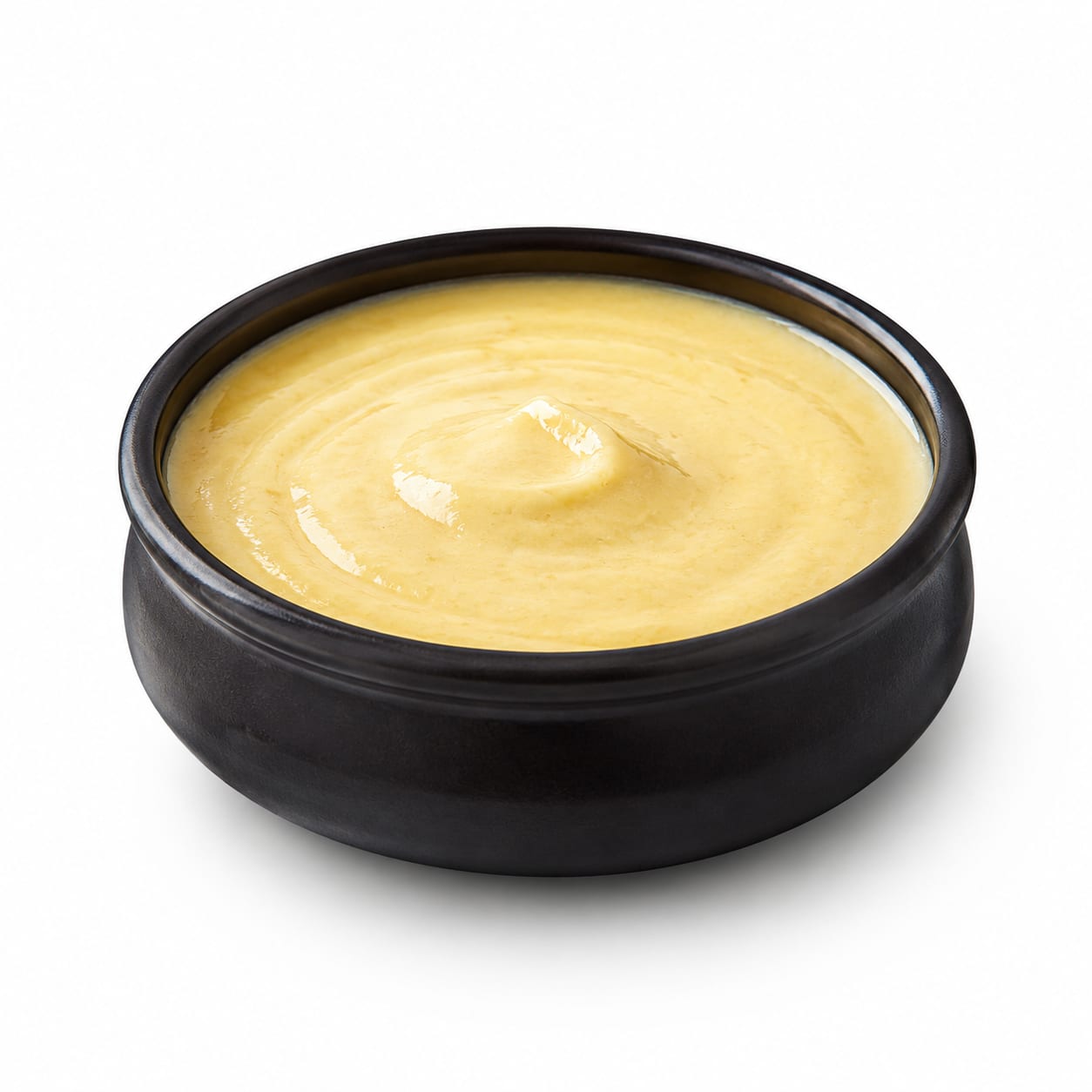
Fondue
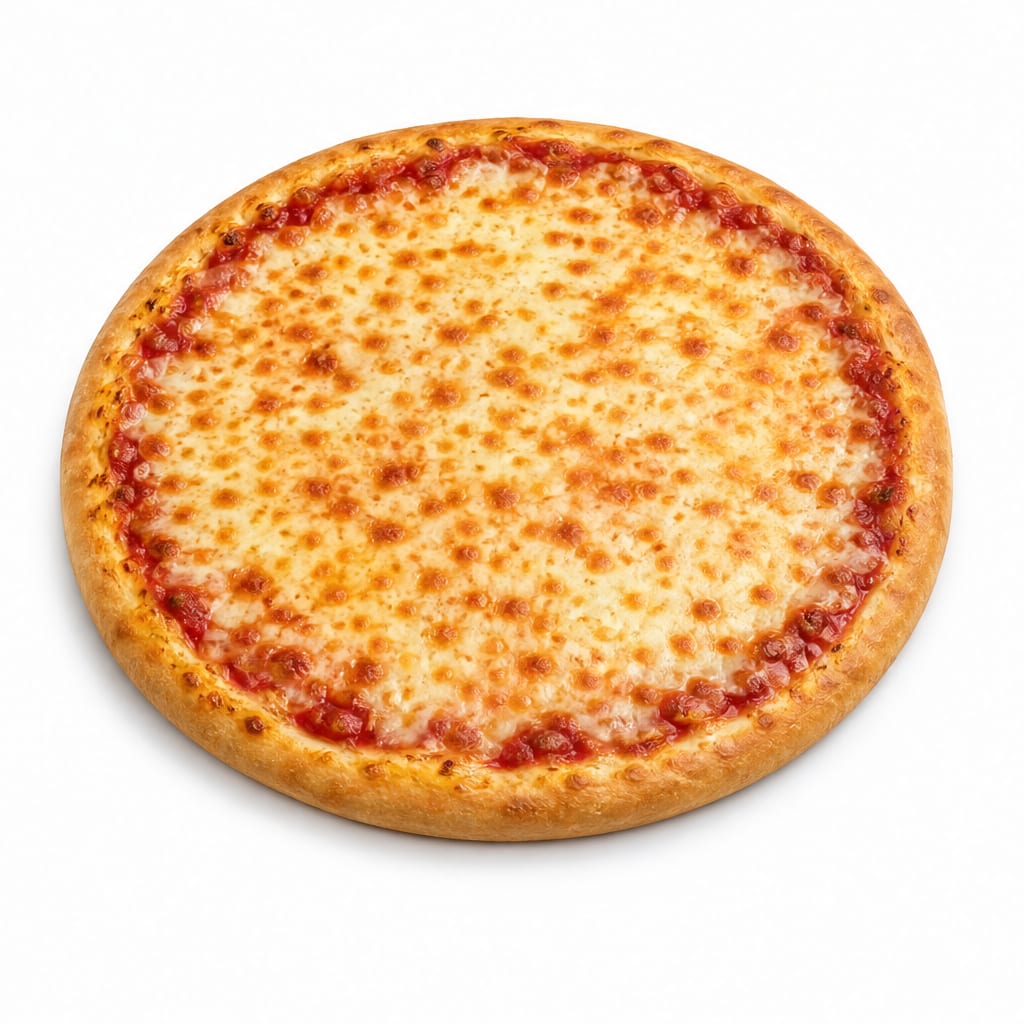
Cheese Pizza
Neither is a health food, but they fail in different ways. Fondue is richer but more satiating and less processed. Pizza is more convenient but easier to overeat and blood sugar-spiking.
Fondue scores slightly higher due to whole ingredients and natural satiety signals, but both are indulgent foods with serious sodium and calorie concerns. The gap is small because pizza's convenience gives it practical advantages.
Fondue offers whole ingredients and natural fullness signals versus pizza's convenience and carb-driven overeating risk.
At a glance
Executive summary
Overall
It depends
Healthier
Fondue
More practical
Cheese Pizza
Daily use
Cheese Pizza
Key comparison lenses
indulgence comparison
Both foods are rich comfort foods where overeating is the primary health concern
social eating context
Fondue is inherently communal and slow, while pizza is often eaten quickly alone or in groups
sodium and heart health
Both deliver massive sodium loads that affect daily limits significantly
processing and ingredient quality
Traditional fondue uses whole ingredients while pizza varies widely in processing level
blood sugar impact
Pizza's refined carbs create different glycemic responses than fondue's fat-dominant profile
Best choice for
Fondue
- Special occasion indulgence with built-in portion control
- Social dining where slow eating is a feature
- Those who prioritize whole ingredients over convenience
- Low-carb eaters who want a treat
Cheese Pizza
- Quick meals when time matters more than nutrition
- Feeding a crowd cheaply and easily
- Active individuals who can burn the carb load
- Busy weeknights when cooking is impossible
Least suitable for
Fondue
- Anyone watching sodium closely
- People with lactose intolerance
- Daily or frequent consumption
- Solo diners wanting a quick meal
Cheese Pizza
- People managing blood sugar or insulin resistance
- Those avoiding refined carbohydrates
- Anyone concerned about ultra-processed food intake
- Daily consumption without portion awareness
Deep comparison
Dimension by dimension
Each lens scores both foods and breaks down who each option suits.
- Dimension 1 · Priority 92Fondue
satiety_and_portion_control
Fondue · 68Cheese Pizza · 35Fondue's extreme richness creates natural stopping points. Pizza's combo of refined carbs and fat bypasses fullness signals.
Tradeoff
Fondue makes you feel stuffed faster, but that stuffed feeling can be uncomfortable. Pizza lets you keep eating past fullness without noticing.
Why it matters
Overeating is the biggest health risk with both foods. The one that stops you sooner wins this critical battle.
Real-world impact
Most people naturally stop after 2-3 fondue dips. It's easy to eat 4+ pizza slices before feeling full.
Fondue
- Natural portion control from richness
- Slow eating pace lets fullness signals catch up
- Social format creates natural breaks between bites
Better for
- Can feel uncomfortably heavy after eating
- Richness may cause digestive discomfort
Worse for
Cheese Pizza
- Familiar portion sizes make tracking easier
- Leftovers are simple to save for later
Better for
- Refined carbs and fat create a hyperpalatable combo that overrides fullness
- Cold pizza is dangerously easy to keep eating
Worse for
- Dimension 2 · Priority 88It depends
sodium_load
Fondue · 25Cheese Pizza · 28Both are sodium bombs. Fondue packs cheese sodium into every bite. Pizza adds cheese sodium on top of dough and sauce sodium.
Tradeoff
Neither food is safe for sodium-sensitive people. Pizza might edge worse due to layered sodium sources, but fondue's concentration is brutal too.
Why it matters
A single serving of either can deliver 800-1500mg sodium, half or more of your daily limit.
Real-world impact
One fondue session or half a pizza can max out your sodium budget for the day, leaving no room for anything else salty.
Fondue
- Fewer hidden sodium sources than pizza
- You control the cheese blend and can choose lower-sodium options
Better for
- Every dip is concentrated cheese sodium
- Traditional recipes include salted cheeses exclusively
Worse for
Cheese Pizza
- Can request light cheese when ordering
- Some frozen versions have reduced sodium
Better for
- Sodium hides in crust, sauce, and cheese simultaneously
- Processed pizza often contains sodium-based preservatives
Worse for
- Dimension 3 · Priority 82Fondue
ingredient_quality_and_processing
Fondue · 72Cheese Pizza · 38Traditional fondue uses real cheese, wine, and garlic. Most cheese pizza involves refined flour, processed cheese, and preservatives.
Tradeoff
Fondue's ingredient quality advantage assumes homemade preparation. Restaurant fondue can cut corners too.
Why it matters
Whole ingredients interact differently with your body than ultra-processed combinations, affecting everything from digestion to inflammation.
Real-world impact
Homemade fondue with quality Gruyère is a completely different food than a frozen pizza with modified cheese product.
Fondue
- Traditional recipes use recognizable whole ingredients
- No refined flour base to worry about
- Minimal additives when made classically
Better for
- Restaurant versions may use cheaper cheese blends
- Pre-made fondue mixes exist and are highly processed
Worse for
Cheese Pizza
- Artisan pizza with quality ingredients narrows the gap significantly
- Simple ingredient list when made from scratch
Better for
- Commercial pizza dough contains dough conditioners and preservatives
- Processed cheese toppings often include anti-caking agents and fillers
- Refined white flour is the base of nearly all pizza
Worse for
- Dimension 4 · Priority 78Fondue
blood sugar_stability
Fondue · 55Cheese Pizza · 30Fondue is fat and protein dominant with minimal carbs. Pizza spikes blood sugar through refined flour crust.
Tradeoff
Fondue's low carb profile is better for glucose, but the extreme fat load creates its own metabolic stress. Pizza gives quick energy but crashes later.
Why it matters
Blood sugar roller coasters drive cravings, fatigue, and long-term metabolic damage.
Real-world impact
After pizza, you may feel sleepy and crave more carbs in 2 hours. After fondue, you feel heavy but stable.
Fondue
- Minimal carbohydrate content prevents glucose spikes
- Protein and fat slow any digestion
- Steadier energy after eating
Better for
- Extreme fat intake can cause sluggishness
- Heavy meal timing matters more for comfort
Worse for
Cheese Pizza
- Provides quick energy for active people who need it
- Better immediate fuel before or after intense exercise
Better for
- Refined flour crust causes rapid blood sugar rise and crash
- The carb-fat combo promotes insulin resistance over time
- Cravings return quickly after the sugar drop
Worse for
- Dimension 5 · Priority 75Cheese Pizza
convenience_and_practicality
Fondue · 20Cheese Pizza · 88Pizza is the ultimate convenience food. Fondue requires equipment, time, and social commitment.
Tradeoff
Pizza's convenience makes it a realistic weekly option, which is also what makes it dangerous. Fondue's impracticality is accidentally protective.
Why it matters
The food you can eat anytime is the food you'll eat too often. Accessibility cuts both ways.
Real-world impact
Pizza arrives in 30 minutes. Fondue requires a pot, a burner, good cheese, and at least an hour of preparation.
Fondue
- The effort required naturally limits frequency
- Special occasion status makes it self-regulating
Better for
- Requires special equipment and setup
- Cannot be a spontaneous meal choice
- Difficult to make for one person
Worse for
Cheese Pizza
- Available everywhere at any time
- Fast delivery or 15-minute bake from frozen
- Easy to store and reheat
- Works as leftovers without special equipment
Better for
- Easy access means easy overconsumption
- Convenience leads to habitual rather than mindful eating
Worse for
- Dimension 6 · Priority 70It depends
digestive_tolerance
Fondue · 35Cheese Pizza · 40Both challenge digestion heavily but in different ways. Fondue overwhelms with fat. Pizza adds gluten and acid to the mix.
Tradeoff
Lactose-sensitive people suffer with both. But fondue's pure fat assault is harder on gallbladders, while pizza's gluten bothers more people overall.
Why it matters
A food that leaves you miserable for hours isn't worth its nutritional profile, whatever it is.
Real-world impact
Fondue can cause bloating and nausea from richness. Pizza can trigger heartburn from the combination of fat, acid, and lying down afterward.
Fondue
- No gluten for those with sensitivity
- Less acidic than tomato-based pizza
Better for
- Extreme fat content triggers gallbladder stress
- Can cause significant bloating and sluggishness
- Wine content may worsen reflux
Worse for
Cheese Pizza
- Lower fat per bite is gentler on gallbladder
- More familiar to the digestive system if eaten regularly
Better for
- Gluten and dairy combo is a common intolerance trigger
- Tomato sauce causes heartburn in many people
- Greasy residue promotes acid reflux
Worse for
Timeline
Health impact over time
Short-term
Hours to days
Fondue
- Heavy fullness that limits further eating for hours
- Possible bloating or nausea from fat density
- Wine content may cause mild drowsiness
- Body warmth from concentrated calorie intake
Cheese Pizza
- Blood sugar spike followed by energy crash within 2 hours
- Carb cravings returning sooner than expected
- Heartburn risk, especially if eaten late at night
- Thirst from high sodium content
Long-term
Months to years
Fondue
- Occasional indulgence has minimal health impact
- Frequent consumption risks elevated cholesterol and sodium-related blood pressure issues
- Calcium and protein intake benefits if not overdone
- Social eating patterns may support healthier relationship with food
Cheese Pizza
- Regular consumption strongly associated with weight gain
- Refined carb habit contributes to insulin resistance over time
- Sodium load accumulates into blood pressure concerns
- Ultra-processed versions increase inflammatory markers with frequent intake
Risk profile
Safety & processing
Traditional fondue uses cheese, wine, garlic, and kirsch—all recognizable ingredients. Commercial cheese pizza typically contains refined flour, dough conditioners, modified cheese, and preservatives. Homemade pizza narrows this gap significantly, but the standard comparison favors fondue on naturalness.
Fondue
improper_temperature_maintenance
mediumFondue must stay warm enough to prevent bacterial growth. If the flame goes out and cheese cools, risk increases.
raw_milk_cheese_exposure
mediumTraditional Gruyère may be made from unpasteurized milk, carrying listeria risk for pregnant and immunocompromised individuals.
communal_dipping_cross_contamination
lowShared pots mean shared utensils. Double-dipping is a real but low-severity concern.
Cheese Pizza
foodborne_illness_from_improper_storage
mediumLeftover pizza left at room temperature grows bacteria quickly. Refrigeration within 2 hours is critical.
processed_chemical_exposure
lowCommercial pizza boxes may contain PFAS, and processed cheese can include phosphate additives.
acrylamide_in_crust
lowHigh-heat baking of refined flour creates small amounts of acrylamide, a probable carcinogen.
Who wins for whom
Audience fit
Same foods, different winners depending on your goal.
children
Cheese PizzaPizza is familiar, kid-friendly, and easier to portion. Fondue involves hot pots and alcohol content that make it unsuitable for young children.
daily consumption
Cheese PizzaNeither should be daily, but pizza can be modified to be more balanced with vegetable toppings. Fondue is too heavy and sodium-dense for regular use.
diabetes
FondueFondue's minimal carbohydrate content avoids glucose spikes entirely. Pizza's refined flour crust is a blood sugar roller coaster.
elderly
Cheese PizzaPizza is easier to chew and digest in small portions. Fondue's richness and communal setup can be challenging for older adults.
muscle gain
Cheese PizzaPizza provides carbs for training fuel alongside protein from cheese. Fondue's fat-dominant profile is less useful for muscle building.
weight loss
FondueNeither is good for weight loss, but fondue's natural portion control from extreme richness prevents the mindless overeating that pizza enables.
Your move
Decision guide
Choose Fondue
- You want a special occasion meal that naturally limits itself
- Ingredient quality matters more than convenience to you
- You're avoiding refined carbohydrates but want something indulgent
- You're dining with friends and want a shared experience
- You prefer eating slowly and savoring
Choose Cheese Pizza
- You need food now and have no time to prepare
- You're feeding kids or picky eaters
- You want something that works as leftovers tomorrow
- You're active and can use the carbohydrate energy
- Budget is a concern and you need to feed several people cheaply
Either works if
- It's a treat meal and you'll eat mindfully
- You're sharing with others and portion control comes naturally
- Neither food is a regular part of your diet
Avoid both if
- You have severe lactose intolerance
- You're on a sodium-restricted diet
- You're trying to lose weight actively
- You have gallbladder issues that fat-heavy meals trigger
- You're eating alone and stressed, which amplifies overeating risk
Final recommendation
Choose fondue when the experience matters and you want quality ingredients with built-in portion brakes. Choose pizza when practicality wins and you can stop at two slices. Neither belongs in your weekly rotation, but fondue's whole ingredients and natural satiety make it the slightly smarter indulgence when you can afford the time and effort.
Practical
Consumer tips
- 1
If making fondue, blend a lower-sodium cheese like Swiss with Gruyère to cut salt by 20-30% without sacrificing flavor
- 2
Use whole grain bread for fondue dipping to add fiber and slow absorption of the fat
- 3
For pizza, always add a vegetable topping to increase volume and nutrients without many extra calories
- 4
Drink water aggressively with either meal to help your body process the sodium load
- 5
Never eat pizza within 3 hours of bedtime to minimize heartburn and blood sugar disruption
- 6
If ordering pizza, ask for light cheese and a thin crust to reduce calories and sodium by roughly 25%
- 7
Limit fondue to once per month maximum and pizza to once per week maximum for realistic long-term health
- 8
Pair fondue with a large green salad before eating to take the edge off hunger and reduce total cheese intake