
Nutrition comparison
Fondue vs Hummus: Which Is Healthier for Daily Eating?
Compare fondue and hummus on calories, fat quality, heart health, and daily practicality. Learn which creamy dip wins for weight loss, nutrition, and everyday use.
Overall winner · Hummus
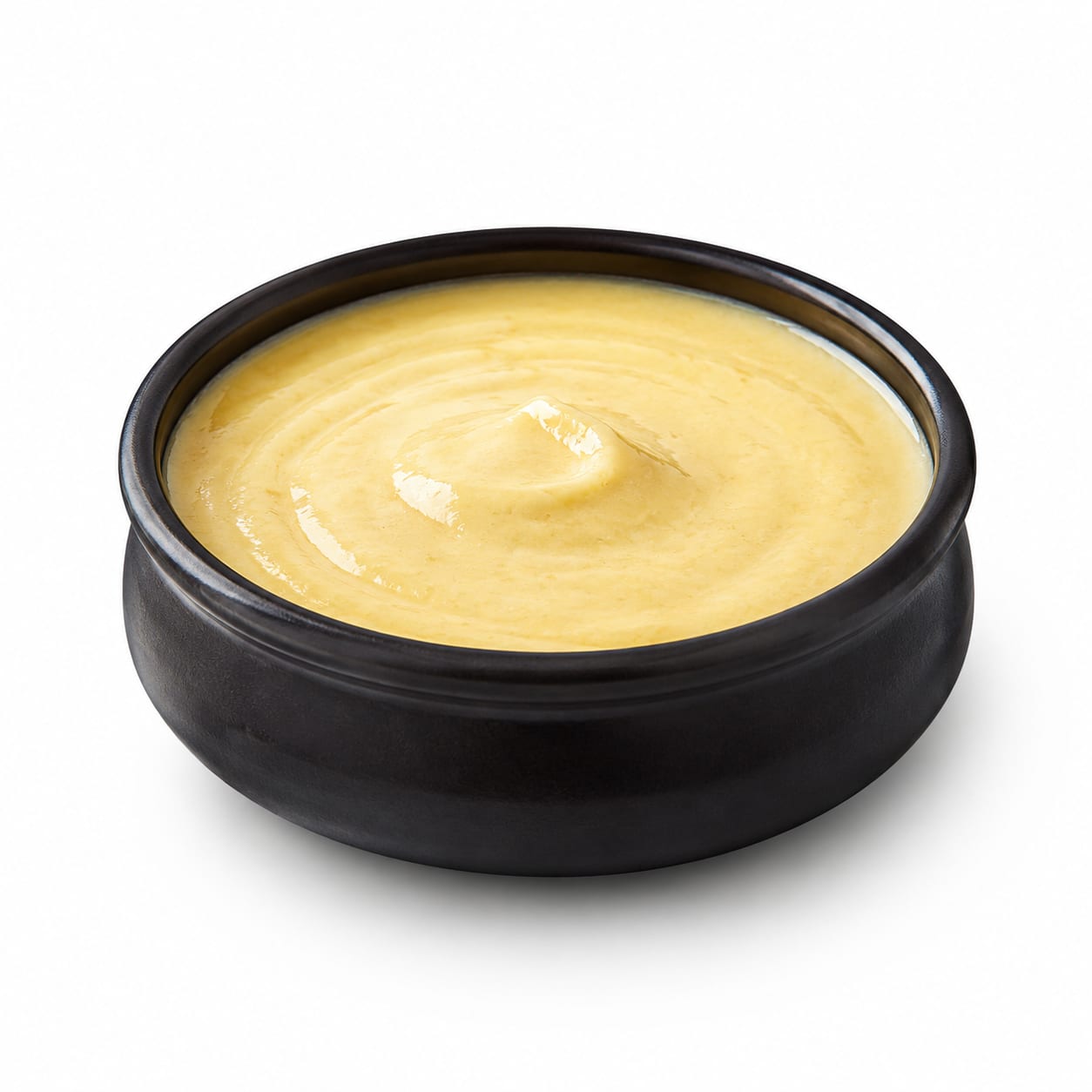
Fondue
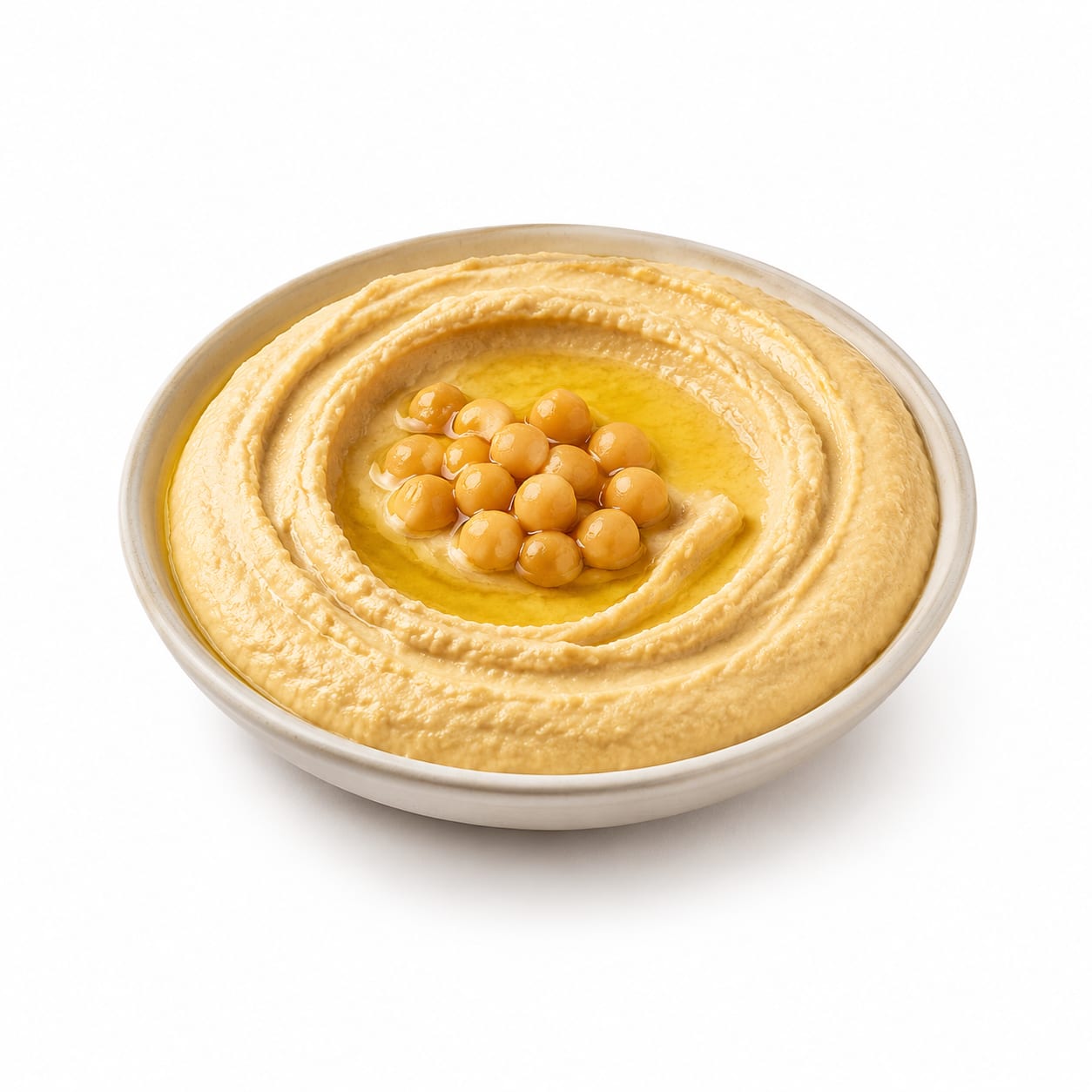
Hummus
Hummus wins for daily health and practicality, while fondue is a rich indulgence best enjoyed occasionally
Hummus scores significantly higher due to its favorable fat profile, fiber content, daily usability, and heart health benefits. Fondue is not inherently bad but is calorically dense, high in saturated fat, and poorly suited for regular consumption. The gap reflects the difference between an everyday food and an occasional indulgence.
Creamy, comforting cheese experience versus plant-based nutrition you can actually eat every day without consequences
At a glance
Executive summary
Overall
Hummus
Healthier
Hummus
More practical
Hummus
Daily use
Hummus
Key comparison lenses
Everyday vs occasion eating suitability
Fondue is inherently a celebratory, social dish while hummus is an everyday staple — the core question is which fits your lifestyle rhythm
Heart health and fat quality
Fondue delivers heavy saturated fat from cheese; hummus provides heart-friendly unsaturated fats from olive oil and tahini — a stark contrast
Weight management and calorie control
Fondue is extremely calorie-dense and easy to overeat; hummus is moderate and easier to portion
Digestive comfort and gut health
Hummus offers fiber that feeds gut bacteria; fondue can sit heavy and cause bloating, especially for lactose-sensitive people
Practical snacking and meal integration
Hummus works as a quick snack, sandwich spread, or meal component; fondue requires preparation and is rarely a solo food
Best choice for
Fondue
- Special occasions and social gatherings
- People wanting a satisfying, indulgent comfort meal
- Cold winter evenings when you crave something warming and rich
- Cheese lovers seeking a immersive dining experience
Hummus
- Daily snacking and meal prep
- Plant-based and Mediterranean diet followers
- Anyone watching heart health or cholesterol
- People who want a filling dip without the heavy aftermath
Least suitable for
Fondue
- Lactose-intolerant individuals
- Anyone managing high cholesterol or heart disease
- Daily or frequent consumption
- People tracking calories closely
Hummus
- Those with chickpea or sesame allergies
- People on very low-carb diets who need to limit legumes
- Anyone seeking a rich, indulgent comfort food experience
Deep comparison
Dimension by dimension
Each lens scores both foods and breaks down who each option suits.
- Dimension 1 · Priority 95Hummus
Heart Health and Fat Quality
Fondue · 25Hummus · 85Hummus provides monounsaturated fats from olive oil and tahini that support heart health, while fondue delivers a heavy load of saturated fat from melted cheese
Tradeoff
You sacrifice the rich mouthfeel of melted cheese but gain fats that actually protect your cardiovascular system over time
Why it matters
Saturated fat from cheese raises LDL cholesterol consistently; the unsaturated fats in hummus lower it
Real-world impact
Regular fondue consumption could move your cholesterol numbers in the wrong direction within months; hummus does the opposite
Fondue
- People who are underweight and need calorie-dense meals
- Occasional diners who eat cheese rarely
Better for
- Regular consumers who eat cheese-heavy meals multiple times per week
- People already exceeding saturated fat limits
Worse for
Hummus
- Anyone with family history of heart disease
- People managing high cholesterol
- Those following a Mediterranean eating pattern
Better for
- Sesame-allergic individuals who cannot tolerate tahini
Worse for
- Dimension 2 · Priority 90Hummus
Calorie Density and Weight Management
Fondue · 20Hummus · 75Fondue is extremely calorie-dense and almost impossible to portion-control; hummus offers satisfying creaminess at a fraction of the caloric cost
Tradeoff
Fondue delivers a more decadent eating experience but makes calorie control very difficult; hummus is easier to moderate
Why it matters
A typical fondue meal can easily exceed 1000 calories before you notice; a hummus snack stays around 150-200 calories
Real-world impact
One fondue night can undo several days of careful eating; hummus fits into a calorie-conscious routine effortlessly
Fondue
- Athletes in bulking phases who need calorie surplus
- People recovering from illness who need to gain weight
Better for
- Emotional eaters who struggle to stop at one portion
- Anyone tracking daily calories
Worse for
Hummus
- Anyone actively trying to lose or maintain weight
- People who snack frequently and need a lower-calorie option
- Those who want to feel full without overeating
Better for
- People who need concentrated calories in small volumes
Worse for
- Dimension 3 · Priority 85Hummus
Fiber and Digestive Health
Fondue · 10Hummus · 88Hummus delivers meaningful fiber from chickpeas, supporting digestion and gut health; fondue contains essentially zero fiber
Tradeoff
You give up the immediate comfort of melted cheese for long-term digestive benefits and steadier digestion
Why it matters
Fiber feeds beneficial gut bacteria, improves bowel regularity, and helps stabilize blood sugar — fondue does none of this
Real-world impact
After eating hummus you feel satisfied and regular; after fondue you may feel sluggish and bloated, especially if lactose-sensitive
Fondue
- Not applicable — fondue offers no fiber advantage
Better for
- People prone to constipation
- Anyone with lactose intolerance or dairy sensitivity
Worse for
Hummus
- Anyone with sluggish digestion or irregularity
- People looking to improve gut microbiome diversity
- Those managing blood sugar who need fiber to slow absorption
Better for
- Individuals with IBS who are sensitive to chickpeas and fermentable fibers
Worse for
- Dimension 4 · Priority 82Hummus
Daily Practicality and Convenience
Fondue · 15Hummus · 92Hummus is ready-to-eat, portable, and versatile; fondue requires preparation, equipment, and is inherently a sit-down communal experience
Tradeoff
Fondue creates a memorable social ritual but demands time and effort; hummus is a grab-and-go staple that fits any schedule
Why it matters
The food you can actually eat regularly matters more than the food you only eat on special occasions
Real-world impact
Hummus works as a quick lunch addition, afternoon snack, or travel food; fondue requires planning, a fondue pot, and at least 30 minutes
Fondue
- Hosts wanting a memorable dinner party centerpiece
- Couples or families seeking a shared interactive meal
Better for
- Solo diners looking for a quick meal
- Anyone short on time or kitchen equipment
Worse for
Hummus
- Busy professionals needing quick nutritious options
- Meal preppers who want a versatile staple
- Anyone packing lunches or snacks for work
Better for
- Not applicable — hummus has no practicality downside
Worse for
- Dimension 5 · Priority 75It depends
Protein Quality and Satiety
Fondue · 70Hummus · 68Fondue provides more total protein from cheese but it comes with heavy saturated fat; hummus offers moderate plant protein with fiber that extends fullness
Tradeoff
More protein per bite with fondue, but hummus keeps you fuller longer due to the fiber-protein combination
Why it matters
Protein quality matters, but so does what comes packaged with it — saturated fat versus fiber changes the full picture
Real-world impact
After fondue you feel stuffed but may feel heavy and sluggish; after hummus you feel satisfied and light enough to stay active
Fondue
- People who need high protein intake in a single sitting
- Those who find cheese very satiating and do not overeat it
Better for
- People who feel uncomfortably full after heavy cheese meals
Worse for
Hummus
- Anyone who wants sustained energy without a heavy feeling
- People who prefer plant-based protein sources
Better for
- Athletes needing high protein density per serving
Worse for
- Dimension 6 · Priority 72Hummus
Sodium Load
Fondue · 30Hummus · 60Both can be high in sodium, but fondue typically packs more due to cheese and added seasonings; store-bought hummus can also be salty but has more low-sodium options available
Tradeoff
Neither is a low-sodium champion, but hummus gives you more control and lower-sodium alternatives
Why it matters
Excess sodium raises blood pressure and contributes to bloating; both foods require awareness here
Real-world impact
After fondue you may notice thirst and morning puffiness; with hummus you can choose low-sodium versions or make your own to control salt
Fondue
- Homemade fondue where you control cheese and salt amounts
Better for
- People with hypertension or salt sensitivity
- Anyone already consuming high-sodium diets
Worse for
Hummus
- People monitoring blood pressure
- Anyone who wants the option of low-sodium versions
- Home cooks who can make hummus from scratch with minimal salt
Better for
- Consumers who only buy heavily salted commercial hummus brands
Worse for
Timeline
Health impact over time
Short-term
Hours to days
Fondue
- Heavy fullness and potential bloating within 30-60 minutes
- Possible lactose-related discomfort including gas and cramps
- Thirst from high sodium content
- Blood sugar spike from bread dipping combined with fat slowing the crash
Hummus
- Comfortable satiety without heaviness
- Steady energy with no crash due to fiber and healthy fat combination
- Possible mild gas if you are not used to chickpea fiber
- Quick and easy digestion for most people
Long-term
Months to years
Fondue
- Increased LDL cholesterol with frequent consumption due to saturated fat load
- Weight gain risk if eaten regularly given extreme calorie density
- Potential contribution to cardiovascular risk markers over time
- Possible lactose tolerance issues with heavy dairy intake
Hummus
- Improved cholesterol profile from regular monounsaturated fat intake
- Better digestive regularity and gut health from consistent fiber
- Easier weight maintenance due to moderate calorie density and high satiety
- Reduced inflammation markers from plant-based eating pattern
Risk profile
Safety & processing
Traditional fondue uses natural cheese, wine, and garlic but restaurant and packaged versions often include emulsifiers, preservatives, and thickeners. Hummus at its core is simply blended chickpeas, tahini, lemon, and olive oil — one of the least processed dips available. Commercial hummus may add preservatives, but clean-label options are widely available.
Fondue
Foodborne illness from improper temperature control
mediumCheese fondue must be kept at proper serving temperature; leaving it lukewarm creates bacterial growth risk, especially at parties where it sits out
Raw egg in some traditional recipes
lowCertain fondue preparations use raw egg for texture; this poses salmonella risk for vulnerable groups like pregnant women and elderly
Listeria from unpasteurized cheese
mediumTraditional Swiss recipes sometimes call for raw milk cheeses which carry listeria risk for immunocompromised individuals and pregnant women
Hummus
Sesame allergy from tahini
highSesame is a top allergen and tahini is a core hummus ingredient; reactions can be severe and unexpected for those unaware of the sesame content
Commercial contamination recalls
lowHummus has been subject to occasional listeria recalls in packaged brands; homemade hummus eliminates this concern
Chickpea allergy or intolerance
lowRare but possible; some individuals experience digestive distress or allergic reactions to chickpeas specifically
Who wins for whom
Audience fit
Same foods, different winners depending on your goal.
children
HummusHummus is a gentle, allergen-aware option kids can eat regularly; fondue poses burn risks from hot pots and is too heavy for most children as a regular food
daily consumption
HummusHummus is one of the most daily-friendly foods available — portable, versatile, and nutritionally balanced; fondue is firmly an occasional indulgence
diabetes
HummusHummus has a low glycemic index and fiber that slows sugar absorption; fondue paired with bread causes blood sugar spikes and the fat content complicates glucose management
elderly
HummusHummus is easy to digest, heart-healthy, and nutrient-dense; fondue is high in saturated fat and sodium which are especially concerning for older adults managing cardiovascular health
muscle gain
FondueFondue delivers more protein per serving from cheese, which supports muscle building — though the saturated fat package is a tradeoff
weight loss
HummusHummus provides satisfying creaminess with fiber-driven fullness at a fraction of the calories; fondue is a calorie bomb that makes portion control nearly impossible
Your move
Decision guide
Choose Fondue
- You are hosting a special gathering and want a memorable shared experience
- It is a cold evening and you crave something deeply warming and comforting
- You are at a healthy weight and want an indulgent meal you will truly savor
- You are actively bulking and need calorie-dense food you enjoy eating
Choose Hummus
- You want a nutritious everyday staple that supports heart health
- You are managing weight, cholesterol, or blood sugar
- You need a quick snack or meal component that requires zero cooking
- You follow a plant-based or Mediterranean eating pattern
- You want something filling that will not leave you sluggish
Either works if
- You are dining socially and both options are available in moderation
- You want a creamy dip experience and are flexible on the source
Avoid both if
- You have dairy allergy and sesame allergy simultaneously
- You are on a strict very-low-fat diet prescribed by a doctor
Final recommendation
Make hummus your daily default and save fondue for the occasions that call for celebration. Hummus gives you creaminess, satisfaction, and real nutrition you can rely on every day. Fondue is a beautiful tradition — just not a weekly one. Your heart, waistline, and energy levels will thank you for keeping fondue special and hummus regular.
Practical
Consumer tips
- 1
Make hummus at home with canned chickpeas, tahini, lemon, and olive oil to control sodium and avoid preservatives
- 2
If buying commercial hummus, look for brands with fewer than 300mg sodium per serving and no artificial preservatives
- 3
For fondue, use a mix of Gruyère and Emmentaler for traditional flavor and skip processed cheese blends with emulsifiers
- 4
Pair hummus with raw vegetables instead of chips to maximize the nutritional benefit and keep calories reasonable
- 5
Limit fondue nights to once a month or less and load the dipping plate with vegetables like broccoli and cauliflower alongside bread
- 6
If lactose-sensitive but craving fondue, consider aged cheeses which have lower lactose content, or explore vegan cheese fondue alternatives
- 7
Portion hummus into small containers for grab-and-go snacking throughout the week