
Nutrition comparison
Fondue vs Spinach Artichoke Dip: Which Indulgent Dip Is Actually Better?
Compare Fondue and Spinach Artichoke Dip on nutrition, ingredients, calories, and health impact. Find out which rich dip is the smarter choice for your next gathering.
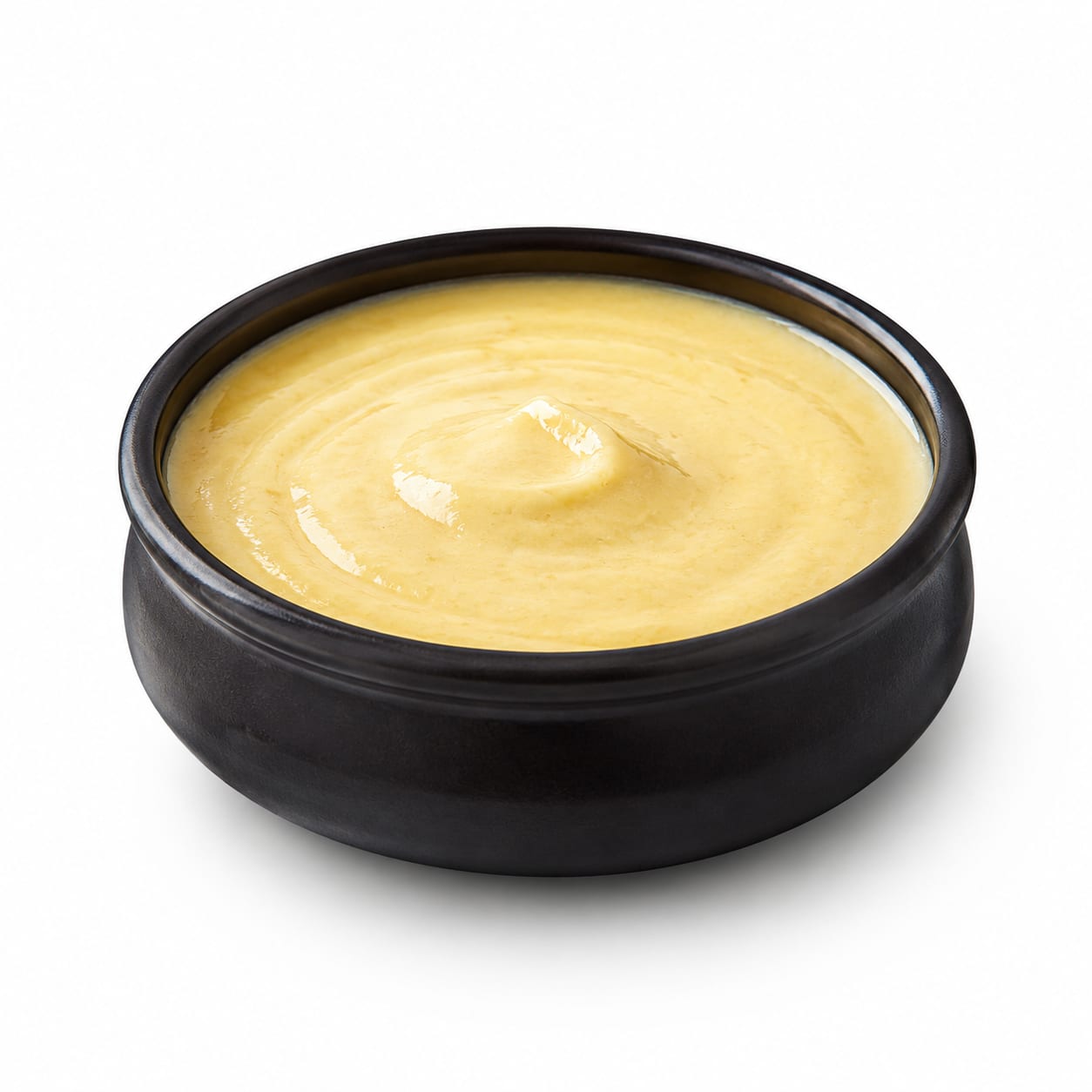
Fondue

Spinach Artichoke Dip
Fondue offers cleaner ingredients and more protein, while Spinach Artichoke Dip sneaks in vegetables but often hides more processed additives.
Spinach Artichoke Dip edges ahead slightly due to vegetable content and everyday practicality, but both score low because they are indulgent, calorie-dense dips best enjoyed occasionally.
Whole-food richness with Fondue versus vegetable-containing convenience with Spinach Artichoke Dip — neither is a health food.
At a glance
Executive summary
Overall
It depends
Healthier
It depends
More practical
Spinach Artichoke Dip
Daily use
Spinach Artichoke Dip
Key comparison lenses
Indulgent appetizer comparison for social gatherings
Both are rich, shareable dips typically served at parties, making direct substitution likely
Hidden vegetable content vs pure indulgence tradeoff
Spinach Artichoke Dip contains vegetables that may create a health halo, while Fondue is unapologetically indulgent
Calorie density and overeating risk
Both are extremely calorie-dense and easy to overconsume, but portion control differs significantly
Saturated fat and heart health impact
Both are loaded with saturated fat from cheese and cream, but sources and amounts vary
Ingredient quality and processing level
Traditional Fondue uses fewer, whole ingredients while Spinach Artichoke Dip often relies on processed bases
Best choice for
Fondue
- Special occasion indulgence with quality ingredients
- Protein-focused appetizer selection
- Those avoiding mayonnaise and cream cheese
- Traditional cultural dining experiences
Spinach Artichoke Dip
- Weeknight entertaining with minimal prep
- Sneaking vegetables into picky eaters' diets
- Potluck contributions that travel well
- Pairing with raw vegetables for lighter dipping
Least suitable for
Fondue
- Lactose-intolerant individuals
- Quick weeknight snack needs
- Those watching saturated fat closely
- Solo diners — fondue is inherently social
Spinach Artichoke Dip
- Those sensitive to mayonnaise or sour cream
- People avoiding ultra-processed ingredients
- Anyone monitoring sodium strictly
- Those seeking whole-food, minimal-ingredient dishes
Deep comparison
Dimension by dimension
Each lens scores both foods and breaks down who each option suits.
- Dimension 1 · Priority 92Spinach Artichoke Dip
Nutritional Density
Fondue · 25Spinach Artichoke Dip · 45Spinach Artichoke Dip provides iron, vitamin K, folate, and antioxidants from spinach and artichokes that Fondue simply lacks.
Tradeoff
The vegetable content is real but diluted — you'd need to eat a lot of dip to get meaningful nutrients, which means a lot of calories too.
Why it matters
Even small amounts of vegetable-derived micronutrients are better than none, especially in indulgent foods.
Real-world impact
You get a slight nutritional upgrade with Spinach Artichoke Dip, but not enough to justify a second helping.
Fondue
- Higher protein per serving from concentrated cheese
Better for
- Essentially zero vegetable-derived nutrients
- No fiber to speak of
Worse for
Spinach Artichoke Dip
- Actual vitamin and mineral content from spinach and artichokes
- Some fiber from vegetables, albeit modest
- Antioxidant compounds from artichokes
Better for
- Nutrient density is still low relative to calorie load
Worse for
- Dimension 2 · Priority 88Fondue
Saturated Fat and Heart Health
Fondue · 35Spinach Artichoke Dip · 28Fondue's saturated fat comes primarily from whole cheese, while Spinach Artichoke Dip layers cheese on top of cream cheese, mayo, and sour cream.
Tradeoff
Fondue has more total cheese but fewer fat sources overall. Spinach Artichoke Dip combines multiple high-fat ingredients into one dish.
Why it matters
The type and variety of saturated fat sources matter — more processed fat sources tend to come with additives and emulsifiers.
Real-world impact
Both will raise your saturated fat intake significantly, but Fondue's fat is at least from recognizable, whole-food cheese.
Fondue
- Fat comes from whole cheese rather than processed spreads
- Fewer total fat sources to metabolize
Better for
- Very high cheese quantity means heavy saturated fat load
- Can raise LDL cholesterol significantly in one sitting
Worse for
Spinach Artichoke Dip
- Vegetable content provides some heart-protective compounds
Better for
- Triple-layered saturated fat from cheese, cream cheese, and mayo
- More inflammatory fat profile overall
Worse for
- Dimension 3 · Priority 85Fondue
Ingredient Quality and Processing
Fondue · 60Spinach Artichoke Dip · 35Traditional Fondue uses just cheese, wine, garlic, and kirsch — all recognizable ingredients. Spinach Artichoke Dip often relies on pre-made spreads and processed bases.
Tradeoff
Fondue's simplicity means fewer additives, but it requires better ingredients to taste good. Spinach Artichoke Dip's convenience comes with hidden processing costs.
Why it matters
Fewer ingredients you can pronounce generally means fewer things your body has to process.
Real-world impact
Making Fondue from scratch guarantees ingredient control. Most Spinach Artichoke Dips, even homemade, start with cream cheese and mayo.
Fondue
- Traditional recipe uses 4-5 whole-food ingredients
- No mayonnaise or processed spreads needed
- Easier to source high-quality versions of each ingredient
Better for
- Restaurant versions may use cheaper cheese blends with additives
Worse for
Spinach Artichoke Dip
- Can be made from scratch with cleaner ingredients if effort is made
- Frozen spinach and canned artichokes are minimally processed
Better for
- Typical recipes use cream cheese, mayo, and sour cream — all ultra-processed
- Store-bought versions contain preservatives, stabilizers, and emulsifiers
- Health halo from vegetables masks the processed base
Worse for
- Dimension 4 · Priority 90Fondue
Portion Control and Overeating Risk
Fondue · 40Spinach Artichoke Dip · 30Fondue's ritual and pacing naturally slow consumption, while Spinach Artichoke Dip disappears quickly from a bowl.
Tradeoff
Fondue feels like a meal and takes time. Spinach Artichoke Dip feels like a snack you can mindlessly eat.
Why it matters
How fast you eat matters as much as what you eat — slower eating means better satiety signals.
Real-world impact
A Fondue evening fills you up and stops. A Spinach Artichoke Dip bowl gets refilled without thinking.
Fondue
- Communal pot creates natural pacing and social pauses
- Feels like a complete meal, not an appetizer
- Takes longer to consume, allowing fullness signals to register
Better for
- Social pressure to keep eating even when full
- Cheese remains tempting as long as it's warm
Worse for
Spinach Artichoke Dip
- Can be pre-portioned into individual ramekins
Better for
- Mindless scooping at parties leads to massive calorie intake
- Doesn't feel like a meal, so you eat dinner afterward too
- Bowl refills are easy and automatic
Worse for
- Dimension 5 · Priority 82Fondue
Sodium Load
Fondue · 38Spinach Artichoke Dip · 30Both are sodium bombs, but Spinach Artichoke Dip often adds salt on top of already-salty processed ingredients.
Tradeoff
Fondue's sodium comes from cheese alone. Spinach Artichoke Dip layers cheese sodium on top of mayo sodium on top of added salt.
Why it matters
A single serving of either can deliver half your daily sodium — this matters for blood pressure and bloating.
Real-world impact
After eating either, you'll likely feel thirsty and puffy the next morning. Spinach Artichoke Dip is slightly worse.
Fondue
- Sodium comes from one source — cheese
- Natural cheese has slightly less sodium than processed cheese products
Better for
- Cheese-heavy recipe still delivers very high sodium per serving
Worse for
Spinach Artichoke Dip
- Can be made with less salt if homemade
Better for
- Multiple sodium sources: cheese, cream cheese, mayo, added salt
- Canned artichokes often packed in brine, adding more sodium
- Store-bought versions can exceed 800mg per serving
Worse for
- Dimension 6 · Priority 75Spinach Artichoke Dip
Versatility and Pairing Options
Fondue · 35Spinach Artichoke Dip · 65Spinach Artichoke Dip pairs with almost anything and works in more contexts. Fondue demands specific dippers and equipment.
Tradeoff
Fondue's specificity creates a special experience. Spinach Artichoke Dip's flexibility makes it more practical but less memorable.
Why it matters
A food you can actually use more ways tends to waste less and fit into real life better.
Real-world impact
Spinach Artichoke Dip works as a sandwich spread, pasta mix-in, or stuffed chicken filling. Fondue is always just fondue.
Fondue
- Creates a unique, memorable dining experience
- Encourages social interaction around the pot
Better for
- Requires a fondue pot and fuel
- Limited to bread and vegetable dippers that stay on forks
- Doesn't reheat well — cheese separates
Worse for
Spinach Artichoke Dip
- Pairs with bread, crackers, vegetables, chips, or pita
- Works as a spread, filling, or standalone dip
- No special equipment needed
- Travels well for potlucks and parties
Better for
- Less special or memorable as an experience
Worse for
- Dimension 7 · Priority 78Fondue
Protein Content and Satiety
Fondue · 65Spinach Artichoke Dip · 40Fondue is essentially a concentrated cheese delivery system, providing significantly more protein per serving than Spinach Artichoke Dip.
Tradeoff
More protein means better satiety from Fondue, but it comes with more saturated fat and calories to get there.
Why it matters
Protein is the most satiating macronutrient — it helps you stop eating and stay full longer.
Real-world impact
After Fondue, you're genuinely full. After Spinach Artichoke Dip, you're still looking for the main course.
Fondue
- Can deliver 20-30g protein per serving from concentrated cheese
- Actually functions as a protein source, not just a snack
- Higher protein slows the blood sugar impact of bread dippers
Better for
- Protein comes with very high calorie cost
- Satiety may be offset by the wine and alcohol content reducing inhibition
Worse for
Spinach Artichoke Dip
- Can be modified to add Greek yogurt for protein boost
Better for
- Protein diluted across multiple lower-protein ingredients
- Mayo and sour cream add calories without meaningful protein
Worse for
Timeline
Health impact over time
Short-term
Hours to days
Fondue
- Heavy, satisfying fullness that can last hours
- Possible bloating from high cheese and bread intake
- Wine content may relax you but also lower eating inhibition
- Significant blood sugar spike from bread dippers combined with fat slowing the response
Spinach Artichoke Dip
- Quick satisfaction followed by hunger returning within 1-2 hours
- High sodium causes immediate thirst and possible bloating
- May trigger continued snacking due to moderate satiety
- Rich mouthfeel without the fullness that follows
Long-term
Months to years
Fondue
- Occasional consumption is fine, but regular intake significantly raises saturated fat and sodium exposure
- Traditional Swiss consumption with active lifestyles mitigates some risk — context matters
- Could contribute to elevated LDL cholesterol if enjoyed frequently
Spinach Artichoke Dip
- Regular consumption adds up quickly due to processed fat sources and hidden sodium
- Vegetable content provides marginal benefit but doesn't offset the caloric impact
- More likely to become a frequent habit due to convenience, increasing cumulative health cost
Risk profile
Safety & processing
Traditional Fondue uses whole cheese, wine, and seasonings — recognizable ingredients with minimal processing. Spinach Artichoke Dip typically combines cream cheese, mayonnaise, and sour cream, all of which are ultra-processed products with emulsifiers, stabilizers, and preservatives. The vegetable content in Spinach Artichoke Dip creates a health halo that doesn't reflect its processed base.
Fondue
Improper temperature maintenance
highCheese fondue must be kept at proper temperature to prevent bacterial growth. Cooling and reheating can create food safety issues.
Double-dipping contamination
mediumCommunal pot with shared forks increases cross-contamination risk, especially at gatherings.
Raw milk cheese concerns
lowTraditional recipes may use raw milk cheeses, which carry slight listeria risk for immunocompromised individuals.
Spinach Artichoke Dip
Leaving dip at room temperature
highDairy-based dip left out at parties for extended periods creates ideal bacterial growth conditions. Should not sit out more than 2 hours.
Canned artichoke botulism risk
lowImproperly canned artichokes can carry botulism risk, though commercially canned products are generally safe.
Cross-contamination from shared dipping
mediumBowl-style serving with shared chips or bread encourages double-dipping and hand contact.
Who wins for whom
Audience fit
Same foods, different winners depending on your goal.
children
Spinach Artichoke DipKids often prefer the milder, creamier flavor of Spinach Artichoke Dip, and it's easier to serve safely without hot pots and long forks.
daily consumption
Spinach Artichoke DipNeither should be daily, but Spinach Artichoke Dip is easier to modify with lighter ingredients and smaller portions for more regular use.
diabetes
It dependsBoth are problematic. Fondue has more fat to slow sugar absorption but is eaten with bread. Spinach Artichoke Dip can be paired with lower-carb vegetables.
elderly
Spinach Artichoke DipSpinach Artichoke Dip is easier to eat, doesn't require coordination with fondue forks, and the vegetables provide useful micronutrients for aging bodies.
muscle gain
FondueFondue provides significantly more protein per serving from concentrated cheese, supporting muscle protein synthesis better.
weight loss
It dependsNeither supports weight loss. Fondue is more filling so you may eat less overall, but Spinach Artichoke Dip can be portioned smaller and paired with vegetables.
Your move
Decision guide
Choose Fondue
- You want a special, memorable dining experience with friends
- Ingredient quality and minimal processing matter most to you
- You're looking for a protein-rich appetizer that actually fills you up
- You enjoy the ritual and social aspect of shared cooking at the table
Choose Spinach Artichoke Dip
- You need a convenient party dish that requires no special equipment
- You want to sneak some vegetables into an indulgent format
- You're bringing a dish to a potluck that needs to travel well
- You prefer a lighter-tasting dip that pairs with vegetables
Either works if
- You're comfortable with occasional indulgence and can manage portions
- You want something warm and comforting for a cold evening
- You're serving a crowd and either would be appreciated
Avoid both if
- You're managing heart disease or high cholesterol strictly
- You're on a low-sodium diet for blood pressure control
- You're lactose intolerant without access to enzyme supplements
- You're trying to lose weight and struggle with portion control
Final recommendation
Choose Fondue when the experience matters — it's a meal, a moment, and a memory. Choose Spinach Artichoke Dip when practicality and flexibility matter more. Neither is a health food, but Fondue is more honest about what it is, while Spinach Artichoke Dip's vegetables can create a misleading health halo. If you pick Spinach Artichoke Dip, make it from scratch with real ingredients and pair it with raw vegetables. If you pick Fondue, enjoy it fully and don't pretend it's anything other than a beautiful indulgence.
Practical
Consumer tips
- 1
For Spinach Artichoke Dip: substitute Greek yogurt for sour cream and half the mayo to cut calories and add protein while keeping creaminess.
- 2
For Fondue: use whole grain or sourdough bread for dipping — the fiber and fermentation slow blood sugar impact compared to white baguette.
- 3
For either dip: pre-portion onto individual plates rather than serving from a communal bowl to prevent mindless overeating.
- 4
For Spinach Artichoke Dip: rinse canned artichokes thoroughly to remove excess sodium from the brine.
- 5
For Fondue: add vegetable dippers like steamed broccoli, cauliflower, and bell peppers alongside bread to add nutrients and reduce bread consumption.
- 6
For both: drink water between bites — the high sodium content demands hydration, and it naturally slows your eating pace.