
Nutrition comparison
Fondue vs Queso Dip: Which Melted Cheese Dip Is Healthier?
Compare fondue and queso dip on nutrition, ingredients, sodium, and processing. Find out which cheese dip is the better choice for your health goals and social occasions.
Overall winner · Fondue
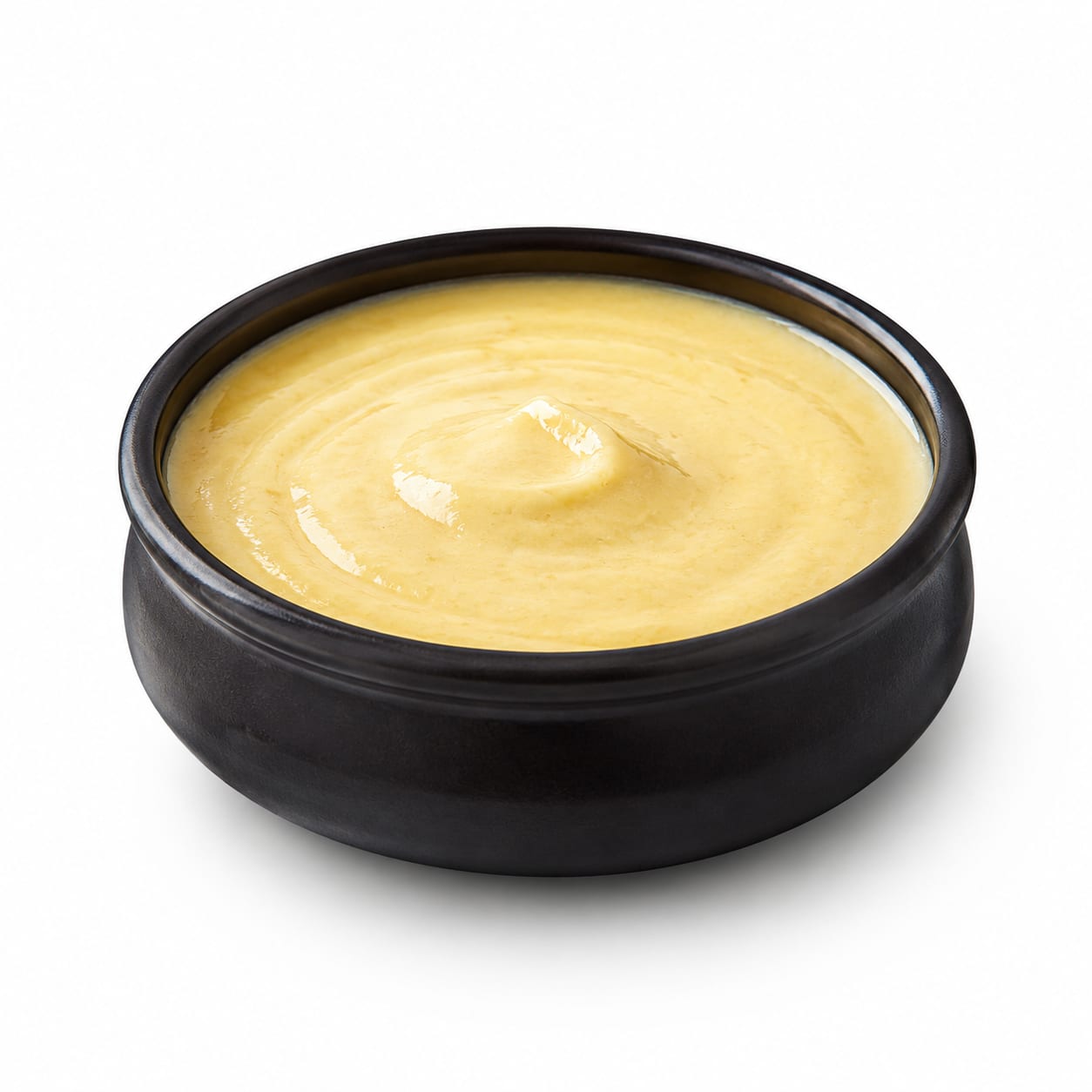
Fondue
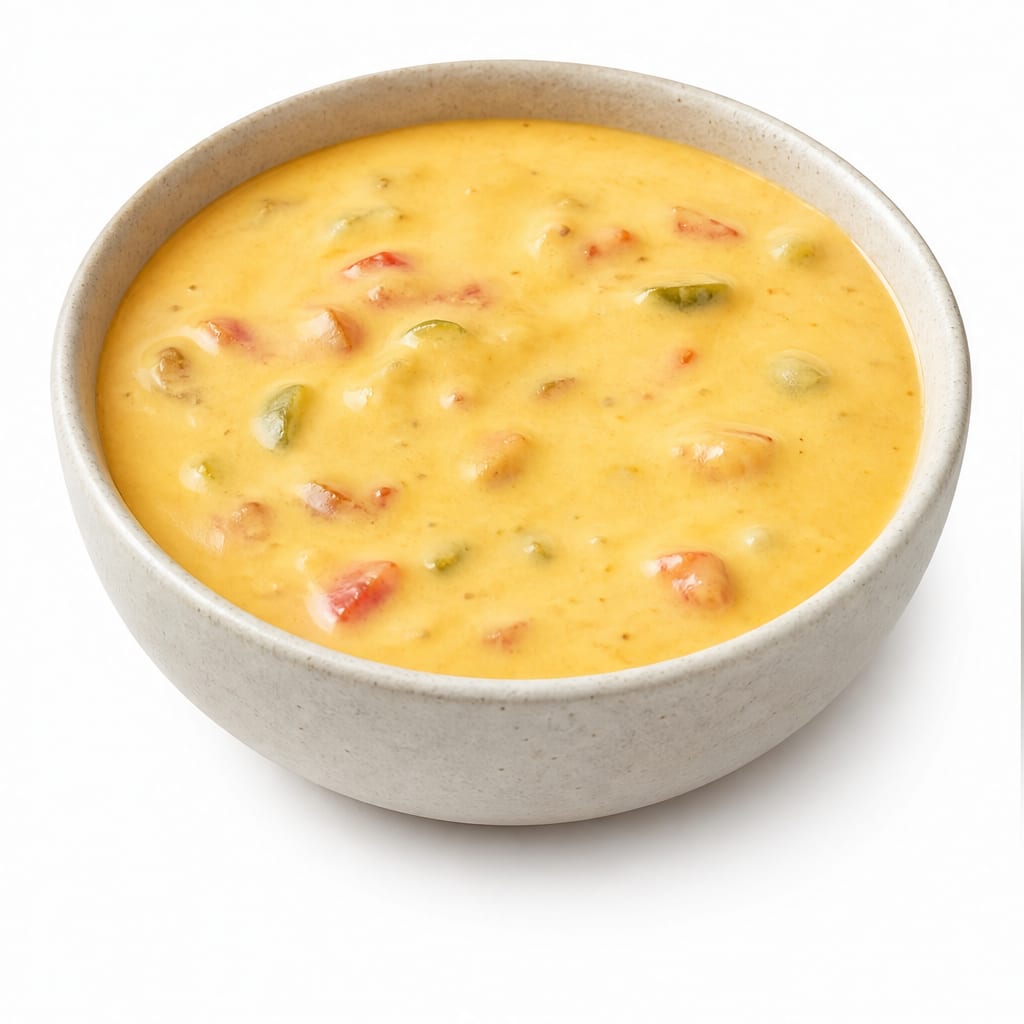
Queso Dip
Fondue wins on ingredient quality and naturalness, while queso dip wins on convenience and accessibility. Neither is a health food.
Fondue scores higher due to real cheese and fewer additives, but both lose points for high calories, saturated fat, and sodium. Queso dip's heavy processing penalty widens the gap.
Fondue uses real cheese and traditional ingredients but requires effort and planning. Queso dip is effortless party food but often built on ultra-processed cheese with additives.
At a glance
Executive summary
Overall
Fondue
Healthier
Fondue
More practical
Queso Dip
Daily use
It depends
Key comparison lenses
cheese dip quality and ingredient naturalness
Both are melted cheese dips but differ dramatically in ingredient quality and processing level
party and social eating context
Both are communal dipping foods typically consumed in social settings where overeating is common
sodium and heart health impact
Both are sodium-heavy cheese preparations, but queso dip often packs significantly more salt
ultra-processing concerns
Queso dip frequently relies on processed cheese products with emulsifiers and preservatives
calorie density and portion control
Both are extremely calorie-dense and easy to overconsume, but dipping vehicles differ significantly
Best choice for
Fondue
- Slow social dining experiences
- Those avoiding ultra-processed foods
- People who value ingredient transparency
- Special occasion indulgence with quality ingredients
Queso Dip
- Casual parties and game day gatherings
- Quick snack preparation
- Budget-friendly entertaining
- Tex-Mex meal pairing
Least suitable for
Fondue
- Lactose-intolerant individuals
- People watching sodium intake
- Last-minute snack needs
- Solo diners wanting a quick bite
Queso Dip
- Those avoiding processed foods and emulsifiers
- People sensitive to sodium
- Anyone seeking clean, whole-food ingredients
- Individuals prone to mindless overeating
Deep comparison
Dimension by dimension
Each lens scores both foods and breaks down who each option suits.
- Dimension 1 · Priority 92Fondue
Ingredient Quality and Naturalness
Fondue · 78Queso Dip · 28Fondue typically uses real Gruyère and Emmental with wine and garlic. Queso dip often relies on processed cheese with emulsifiers and preservatives.
Tradeoff
Fondue demands better ingredients but costs more and takes longer. Queso dip sacrifices quality for meltability and convenience.
Why it matters
Your body processes real cheese differently than cheese product with sodium phosphate and artificial colors.
Real-world impact
After eating fondue, you know exactly what went into your body. After queso dip, you may have consumed a chemistry lab of stabilizers.
Fondue
- Clean eating goals
- Avoiding emulsifiers like sodium phosphate
- Knowing exactly what you are eating
Better for
- Higher cost per serving
- Requires specific cheese varieties
- Can separate if temperature fluctuates
Worse for
Queso Dip
- Consistent texture every time
- No risk of cheese separating or clumping
- Shelf-stable convenience
Better for
- Exposure to emulsifiers and preservatives
- Less transparency about cheese source
- Artificial ingredients may cause digestive issues
Worse for
- Dimension 2 · Priority 85Fondue
Sodium Load
Fondue · 38Queso Dip · 22Both are sodium bombs, but queso dip typically packs more due to processed cheese, canned ingredients, and added salt.
Tradeoff
Fondue still delivers a heavy sodium hit from aged cheese, but queso dip can approach half your daily sodium in a single serving.
Why it matters
High sodium intake directly impacts blood pressure and bloating within hours of eating.
Real-world impact
After a queso dip session, you might wake up with puffy fingers and a scale that reads 2-3 pounds heavier from water retention.
Fondue
- Lower total sodium per serving
- Sodium comes from natural cheese aging
- More controllable if you adjust recipe
Better for
- Still high in sodium from aged cheeses
- Can trigger thirst for hours
Worse for
Queso Dip
- Nothing notable
Better for
- Processed cheese doubles down on sodium
- Canned tomatoes and chilies add more salt
- Restaurant versions can exceed 1500mg per serving
Worse for
- Dimension 3 · Priority 82It depends
Calorie Density and Overeating Risk
Fondue · 30Queso Dip · 25Both are dangerously easy to overeat, but the dipping vehicle changes the math. Bread cubes absorb less oil than tortilla chips.
Tradeoff
Fondue's bread dipping is slightly less caloric per dip, but the leisurely pace encourages more total consumption. Queso dip's tortilla chips add significant fat and calories.
Why it matters
The combination of melted fat, salt, and carbs triggers near-zero satiety signals in both foods.
Real-world impact
A casual queso dip session with chips can easily hit 800-1000 calories before you realize it. Fondue night can double that over a longer evening.
Fondue
- Bread cubes absorb less added fat than fried chips
- Slower eating pace allows some fullness signals
- Often served as a meal, not a pre-meal snack
Better for
- Extended eating duration leads to massive total intake
- Social pressure to keep dipping
- Often followed by dessert course
Worse for
Queso Dip
- Typically eaten in smaller quantities as an appetizer
- Easier to pre-portion into smaller bowls
Better for
- Tortilla chips add 150+ calories per ounce
- Mindless grazing while watching TV or talking
- Cheese plus chips creates a nearly unstoppable combo
Worse for
- Dimension 4 · Priority 75Fondue
Protein Quality and Satiety
Fondue · 65Queso Dip · 40Fondue's real cheese delivers complete protein with all essential amino acids. Queso dip's processed cheese product has lower protein quality.
Tradeoff
Fondue provides more satisfying protein that keeps you fuller, but both are primarily fat delivery systems.
Why it matters
Protein quality affects how long you stay satisfied after eating and how your body uses the nutrients.
Real-world impact
After a fondue dinner, you might actually feel full and stop eating. After queso dip as an appetizer, you might still eat a full meal afterward.
Fondue
- Complete protein from aged cheese
- Higher protein-to-calorie ratio
- More satiating per serving
Better for
- High fat-to-protein ratio limits satiety benefit
- Protein offset by massive calorie load
Worse for
Queso Dip
- Still contains some protein from cheese
- Warm liquid form can feel immediately comforting
Better for
- Processed cheese has less usable protein
- Often diluted with other low-protein ingredients
- Rarely satisfies hunger on its own
Worse for
- Dimension 5 · Priority 78Queso Dip
Convenience and Practicality
Fondue · 25Queso Dip · 82Queso dip can be ready in 5 minutes with minimal equipment. Fondue requires a pot, specific cheeses, and constant attention.
Tradeoff
Fondue is an event. Queso dip is a quick fix. The effort gap is enormous.
Why it matters
Convenience determines how often you will actually make something and whether it fits your real life.
Real-world impact
You can throw queso dip together for unexpected guests in minutes. Fondue requires planning, shopping, and a dedicated pot.
Fondue
- Creates a memorable dining experience
- Worth the effort for special occasions
Better for
- Requires fondue pot or double boiler
- Cheese must be grated and slowly melted
- Can seize if overheated or improperly stirred
- Cleanup is involved
Worse for
Queso Dip
- Ready in under 10 minutes
- Requires only a microwave or slow cooker
- Easy to find pre-made at any grocery store
- No special equipment needed
Better for
- Nothing significant
Worse for
- Dimension 6 · Priority 70Fondue
Digestive Tolerance
Fondue · 42Queso Dip · 30Both challenge digestion with high fat and lactose, but fondue's wine and kirsch may actually aid digestion slightly compared to queso's emulsifiers.
Tradeoff
Fondue's alcohol content can stimulate digestive enzymes, while queso dip's additives may irritate sensitive stomachs.
Why it matters
Heavy cheese dips are common triggers for heartburn, bloating, and digestive discomfort.
Real-world impact
After fondue, you might feel pleasantly full. After queso dip, you might reach for antacids, especially if you ate it late at night.
Fondue
- Wine and kirsch may aid digestion
- Fewer artificial irritants
- Traditional recipe designed for digestibility
Better for
- Large portions overwhelm digestion
- High fat content slows gastric emptying
- Alcohol can trigger reflux in some people
Worse for
Queso Dip
- Smaller typical serving size
- Can be made with lactose-free cheese product
Better for
- Emulsifiers may disrupt gut lining
- Spicy versions can trigger heartburn
- Late-night consumption worsens reflux
Worse for
Timeline
Health impact over time
Short-term
Hours to days
Fondue
- Heavy fullness that can last 4-6 hours
- Mild blood pressure spike from sodium
- Possible heartburn from rich cheese and wine
- Warm satisfaction and comfort feeling
Queso Dip
- Quick calorie surge with minimal satiety
- Noticeable bloating from sodium and emulsifiers
- Blood pressure spike more pronounced
- Cravings for more salty food within an hour
Long-term
Months to years
Fondue
- Occasional consumption poses minimal risk
- Real cheese provides calcium and B12 benefits
- Regular consumption would significantly raise cardiovascular risk
- Social dining aspect may support mental wellbeing
Queso Dip
- Regular consumption increases processed food exposure
- Emulsifier intake linked to gut inflammation concerns
- Habitual high sodium intake raises hypertension risk
- Ultra-processed cheese product offers fewer nutritional benefits
Risk profile
Safety & processing
Fondue uses real cheese, wine, garlic, and kirsch, all traditional whole ingredients. Queso dip frequently relies on processed cheese product containing sodium phosphate, artificial colors, preservatives, and stabilizers. The processing gap is substantial.
Fondue
Temperature danger zone holding
mediumFondue must be kept at proper temperature. If it cools below 140°F and sits, bacterial growth becomes possible.
Shared dipping cross-contamination
mediumCommunal pot means double-dipping can spread germs between diners, especially at gatherings.
Raw vegetable contamination
lowIf raw vegetables are dipped, unwashed produce can introduce pathogens to the shared pot.
Queso Dip
Extended room temperature holding
highQueso dip is often left out at parties for hours, entering the danger zone where bacteria multiply rapidly.
Canned ingredient botulism risk
lowImproperly stored canned chilies or tomatoes could pose rare but serious botulism risk.
Processed cheese preservative interactions
lowSodium phosphate and other additives in processed cheese can compound with other dietary sources.
Who wins for whom
Audience fit
Same foods, different winners depending on your goal.
children
Queso DipKids prefer the milder, creamier taste of queso dip. Fondue's alcohol content and stronger cheese flavors are less kid-friendly, though alcohol cooks off.
daily consumption
It dependsNeither should be consumed daily. Both are indulgence foods best limited to weekly or less frequent occasions.
diabetes
FondueFondue has fewer carbs and no added sugars. Queso dip's processed cheese sometimes includes hidden carbs and is always paired with high-carb tortilla chips.
elderly
FondueReal cheese provides more bioavailable calcium for bone health. However, both pose sodium concerns for blood pressure management.
muscle gain
FondueFondue provides more complete protein from real cheese, which better supports muscle maintenance and repair.
weight loss
It dependsNeither supports weight loss. Fondue is more satiating per calorie but encourages longer eating. Queso dip is easier to portion but less satisfying.
Your move
Decision guide
Choose Fondue
- You want to know exactly what is in your food
- Quality matters more than convenience for the occasion
- You are hosting a special dinner, not a casual snack session
- You want to avoid ultra-processed ingredients and emulsifiers
- You are pairing with wine and want a cohesive experience
Choose Queso Dip
- You need something ready in under 10 minutes
- You are hosting a casual party or game day gathering
- Budget is a primary concern
- You want a Tex-Mex flavor profile for your meal
- You are feeding a crowd that prefers familiar, mild flavors
Either works if
- You are craving warm melted cheese and nothing else will satisfy
- You are comfortable treating it as an occasional indulgence
- You plan to balance the rest of your day with lighter foods
Avoid both if
- You have lactose intolerance or dairy sensitivity
- You are managing high blood pressure or sodium-restricted diet
- You are trying to lose weight and struggle with portion control
- You have high cholesterol and need to limit saturated fat
Final recommendation
Choose fondue when the occasion calls for quality and experience. Choose queso dip when convenience and crowd-pleasing matter more. Whichever you pick, portion your dipping vehicle ahead of time and stop when the portion is gone, not when you feel full. Both foods are designed to override your natural satiety signals.
Practical
Consumer tips
- 1
Pre-portion chips or bread into individual servings before you start dipping to avoid mindless overconsumption
- 2
Make queso dip with real shredded cheese and milk instead of processed cheese product for a significant quality upgrade
- 3
For fondue, use apple pieces and steamed broccoli alongside bread to add nutrients and reduce calorie density
- 4
Never leave either dip at room temperature for more than 2 hours to avoid food safety risks
- 5
Drink water between bites to help with sodium load and slow your eating pace
- 6
If making queso dip, check the sodium on canned tomatoes and chilies and choose low-sodium versions when possible
- 7
Consider a light salad before either dip to take the edge off hunger and reduce total intake