
Nutrition comparison
Fondue vs Nachos with Cheese: Which Indulgence Is Smarter?
Comparing fondue and nachos with cheese on nutrition, processing, sodium, and real-world health impact. Find out which cheesy treat is the better choice for your next gathering.
Overall winner · Fondue
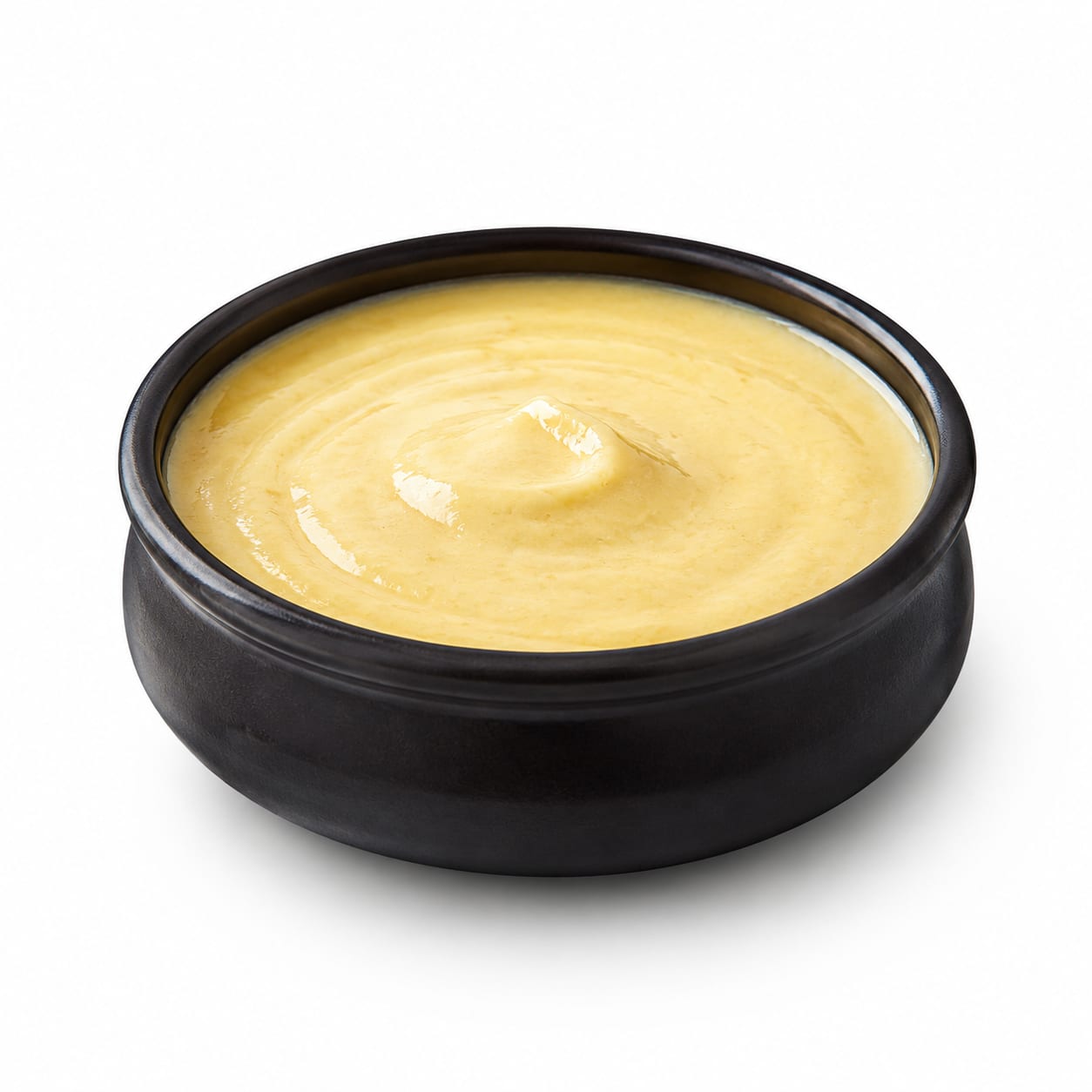
Fondue

Nachos with Cheese
Fondue edges out nachos with cheese thanks to real cheese, a slower eating pace, and fewer ultra-processed ingredients — but both remain indulgent treats.
Fondue scores moderately due to real cheese and calcium benefits but remains high in saturated fat and sodium. Nachos with cheese scores lower primarily because of ultra-processed cheese sauce, higher sodium density, and lower ingredient quality. Neither food scores well overall — both are indulgences, not staples.
Fondue offers better ingredient quality and a more mindful eating experience, while nachos with cheese win on convenience, speed, and casual snackability.
At a glance
Executive summary
Overall
Fondue
Healthier
Fondue
More practical
Nachos with Cheese
Daily use
It depends
Key comparison lenses
Indulgent cheese-based social eating comparison
Both foods are cheese-forward, calorie-dense, and typically consumed in social settings, making them direct substitutes for party or gathering food choices.
Processing level and ingredient quality
Fondue typically uses natural cheeses while nachos often rely on processed cheese sauce, creating a major quality gap that affects health outcomes.
Sodium and heart health impact
Both foods are sodium-heavy, but nachos with cheese often deliver a larger sodium shock due to seasoned chips and processed cheese sauce.
Portion control and overeating risk
Both foods encourage mindless eating, but the mechanics differ — fondue is slower and more ritualistic, nachos are faster and easier to overconsume.
Occasion suitability and lifestyle fit
Users choosing between these are likely planning a gathering or deciding what indulgence to enjoy, so practical context matters greatly.
Best choice for
Fondue
- Intimate dinner parties where slow eating is a feature
- People who value real cheese over processed cheese sauce
- Those wanting a communal, ritualistic dining experience
- Anyone avoiding ultra-processed additives and emulsifiers
Nachos with Cheese
- Casual game-day gatherings needing quick prep
- Late-night snack cravings where speed matters
- Bigger groups where individual portions aren't practical
- Budget-conscious hosts feeding a crowd
Least suitable for
Fondue
- Lactose-intolerant individuals due to concentrated cheese load
- People watching sodium intake closely
- Anyone seeking a quick or portable snack
- Small weeknight meals for one or two people
Nachos with Cheese
- Anyone avoiding ultra-processed foods
- People managing high blood pressure due to extreme sodium
- Those concerned about artificial colors and emulsifiers
- Clean-eating or whole-food dietary approaches
Deep comparison
Dimension by dimension
Each lens scores both foods and breaks down who each option suits.
- Dimension 1 · Priority 92Fondue
Ingredient Quality & Processing
Fondue · 65Nachos with Cheese · 30Fondue uses real cheeses like Gruyère and Emmental, while nachos with cheese typically rely on processed cheese sauce loaded with emulsifiers and preservatives.
Tradeoff
You pay more money and time for fondue's better ingredients, but your body processes real cheese more naturally than a manufactured cheese sauce.
Why it matters
Ultra-processed cheese sauces contain sodium phosphates, artificial colors, and stabilizers that may disrupt gut health and increase cardiovascular risk over time.
Real-world impact
After eating fondue, your body handles recognizable food it can metabolize predictably. After nachos with processed cheese sauce, you're getting additives your liver has to filter without nutritional benefit.
Fondue
- Whole-food eaters who still want indulgence
- People avoiding artificial emulsifiers
Better for
- People who assume all cheese dishes are equally processed
Worse for
Nachos with Cheese
- Anyone who prioritizes taste nostalgia over ingredient purity
Better for
- Clean-label shoppers reading ingredient lists
- Anyone with sensitivities to food additives
Worse for
- Dimension 2 · Priority 85Fondue
Sodium Load
Fondue · 40Nachos with Cheese · 22Both are sodium-heavy, but nachos with cheese double down — salted tortilla chips plus seasoned cheese sauce easily exceed 1500mg sodium per serving.
Tradeoff
Fondue's sodium comes mainly from natural cheese, while nachos pile sodium from multiple sources: chips, cheese sauce, seasonings, and toppings.
Why it matters
A single nachos serving can deliver nearly a full day's sodium budget. Fondue is salty too, but more controllable depending on cheese selection.
Real-world impact
After a nachos binge, you'll likely feel bloated and thirsty for hours. Fondue leaves you salty but not typically dehydrated the same way.
Fondue
- People monitoring blood pressure who still want cheese
- Those who can control sodium by choosing lower-salt cheeses
Better for
- Anyone told to strictly limit sodium intake
Worse for
Nachos with Cheese
- Situations where no one is tracking sodium anyway
Better for
- Hypertensive individuals
- Anyone already exceeding daily sodium limits regularly
Worse for
- Dimension 3 · Priority 83Fondue
Portion Control & Overeating Risk
Fondue · 48Nachos with Cheese · 28Fondue forces a slower eating pace with dipping rituals, while nachos enable rapid, mindless consumption that easily spirals past intended portions.
Tradeoff
Fondue's social ritual acts as a natural brake on speed. Nachos disappear fast because each chip is a bite-sized trigger with zero pause built in.
Why it matters
Eating speed directly correlates with total intake. Slower meals give satiety signals time to register before you've overeaten by hundreds of calories.
Real-world impact
A fondue evening feels like a complete experience that naturally winds down. A nachos platter often gets demolished before anyone realizes how much they ate.
Fondue
- Mindful eaters who want indulgence with built-in pacing
- Social diners who eat as part of conversation
Better for
- Competitive eaters who treat fondue as a challenge
Worse for
Nachos with Cheese
- Quick snackers who want immediate satisfaction
Better for
- Emotional eaters who struggle to stop at one portion
- Anyone tracking calories who underestimates chip consumption
Worse for
- Dimension 4 · Priority 78It depends
Calorie Density & Satiety
Fondue · 42Nachos with Cheese · 35Both are calorie bombs, but fondue's protein-rich cheese and slower eating provide more lasting fullness, while nachos deliver calories with less satiety payoff.
Tradeoff
Fondue fills you more per calorie because real cheese has protein and fat that signal fullness. Nachos pack calories from oil-fried chips with less satiety return.
Why it matters
High-calorie foods that leave you hungry an hour later are the worst of both worlds. Fondue at least delivers sustained fullness for its caloric cost.
Real-world impact
After fondue, you're typically done eating for the evening. After nachos, you might be hungry again within two hours despite consuming similar calories.
Fondue
- People who want one indulgent meal to actually hold them
- Dinners replacing a full meal rather than snacking
Better for
- Anyone eating fondue as an appetizer before a full meal
Worse for
Nachos with Cheese
- Light snackers who only eat a few nachos
- Active individuals burning through calories quickly
Better for
- Late-night snackers who will eat again before bed
- Weight-loss dieters tracking every calorie
Worse for
- Dimension 5 · Priority 75Nachos with Cheese
Convenience & Practicality
Fondue · 25Nachos with Cheese · 80Nachos with cheese are ready in minutes with minimal equipment, while fondue requires a pot, specific cheeses, wine, and active preparation.
Tradeoff
Fondue demands planning, equipment, and attention. Nachos deliver instant gratification with almost zero effort — that's the real tradeoff.
Why it matters
The best food choice is often the one you'll actually make in the moment. When hunger or social pressure hits, convenience wins over quality.
Real-world impact
Nachos save the day when friends show up unexpectedly. Fondue saves the evening when you've planned something special and have time to enjoy the process.
Fondue
- Planned dinner parties that become the evening's activity
- Couples wanting a cooking-together experience
Better for
- Weeknight dinners after a long workday
- Anyone without a fondue pot or heavy pot
Worse for
Nachos with Cheese
- Last-minute gatherings with zero prep time
- Game days where food is background, not foreground
Better for
- Occasions where food quality is a conversation piece
Worse for
- Dimension 6 · Priority 70Fondue
Digestive Tolerance
Fondue · 45Nachos with Cheese · 32Fondue's real cheese is easier on digestion than processed cheese sauce, though both challenge lactose-sensitive systems significantly.
Tradeoff
Aged cheeses in fondue contain less lactose than processed cheese sauce, making fondue slightly more tolerable for the mildly lactose-sensitive.
Why it matters
Processed cheese sauces often contain whey and milk protein concentrates that can be harder to digest than aged natural cheeses.
Real-world impact
Mildly lactose-intolerant people often handle fondue better than expected but regret nachos with cheese sauce within an hour.
Fondue
- Mildly lactose-sensitive individuals who tolerate aged cheese
- People with sensitive stomachs avoiding emulsifiers
Better for
- Anyone with severe lactose intolerance
- People with gallbladder issues triggered by high fat
Worse for
Nachos with Cheese
- Those with zero lactose issues who notice no difference
Better for
- People with IBS sensitive to emulsifiers and additives
- Anyone prone to acid reflux from greasy foods
Worse for
Timeline
Health impact over time
Short-term
Hours to days
Fondue
- Immediate fullness from high protein and fat content
- Possible sluggishness from heavy cheese and bread combination
- Wine content may cause mild relaxation but negligible intoxication
- Thirst from moderate-to-high sodium intake
Nachos with Cheese
- Rapid calorie intake with delayed fullness signals
- Noticeable thirst from high sodium across chips and cheese sauce
- Possible heartburn from greasy chips and spicy toppings
- Blood sugar spike from refined carb chips followed by a crash
Long-term
Months to years
Fondue
- Occasional fondue as part of a balanced diet poses minimal risk
- Calcium and protein from real cheese support bone health when not overconsumed
- Regular consumption would significantly raise saturated fat and sodium intake
- Social eating patterns may support mental wellbeing if portions stay reasonable
Nachos with Cheese
- Frequent nacho consumption increases cardiovascular risk from sodium and trans fats
- Ultra-processed cheese sauce additives may contribute to gut inflammation over time
- Refined carb habit from tortilla chips reinforces blood sugar instability
- Higher risk of weight gain due to calorie density and low satiety per calorie
Risk profile
Safety & processing
Fondue uses real cheese, wine, and garlic — recognizable ingredients with minimal additives. Nachos with cheese typically involve factory-made cheese sauce containing sodium phosphate, artificial colors, preservatives, and emulsifiers, plus commercially fried tortilla chips with seasonings. The processing gap is substantial and meaningful for long-term health.
Fondue
Underheated cheese mixture
mediumIf fondue is not kept at proper temperature, bacteria can multiply. Maintaining gentle heat throughout serving is essential.
Shared dipping fork cross-contamination
mediumCommunal fondue pots mean multiple people dipping, which can spread germs if diners touch the sauce with their own utensils.
Raw vegetable cross-contamination
lowIf raw vegetables are dipped after being handled improperly, they can introduce pathogens to the shared pot.
Nachos with Cheese
Processed cheese sauce storage
highCheese sauce left at room temperature for extended periods at parties can become a breeding ground for bacteria, especially if not reheated properly.
Listeria in deli-style cheese sauces
mediumSome commercial cheese sauces have been recalled for listeria contamination. Pregnant women should be particularly cautious.
Acrylamide in fried tortilla chips
lowFried corn products contain acrylamide, a probable carcinogen formed during high-heat processing. Occasional consumption is low risk.
Who wins for whom
Audience fit
Same foods, different winners depending on your goal.
children
Nachos with CheeseKids generally accept nachos more readily than fondue, and the risk of burns from a hot fondue pot makes nachos the safer practical choice for younger children.
daily consumption
It dependsNeither should be consumed daily. Both are occasional indulgences. If someone forced a weekly choice, fondue's real ingredients make it the less harmful regular option, but neither is advisable as a staple.
diabetes
FondueFondue's bread cubes can be portioned carefully, and aged cheese has minimal carbs. Nachos' fried corn chips cause sharper blood sugar spikes with less control over carb intake.
elderly
FondueReal cheese provides more bioavailable calcium for bone health, and the slower eating pace suits older diners. Nachos' extreme sodium is particularly risky for blood pressure management in seniors.
muscle gain
FondueFondue delivers more high-quality protein from real cheese, which supports muscle maintenance better than the lower-protein processed cheese sauce on nachos.
weight loss
It dependsNeither food supports weight loss. If forced to choose, fondue's higher satiety per calorie makes overeating slightly less likely, but both should be rare treats during active weight loss.
Your move
Decision guide
Choose Fondue
- You're hosting a sit-down dinner where the food is the experience
- Ingredient quality and real cheese matter to you
- You want an indulgence that naturally slows your eating pace
- You're avoiding ultra-processed additives and emulsifiers
- Calcium intake from real dairy is a priority
Choose Nachos with Cheese
- You need food ready in under 10 minutes for unexpected guests
- Budget is a concern and you're feeding a large group
- Casual snacking while watching sports or a movie is the vibe
- You don't have fondue equipment and don't want to buy any
- Kids are the primary eaters and safety is a concern
Either works if
- You're planning an occasional indulgence and portion control is realistic
- Neither food will be a regular part of your diet
- You simply want a fun, cheesy food experience without health optimization
- Social context matters more than nutritional comparison
Avoid both if
- You're managing high blood pressure or heart disease actively
- Lactose intolerance or dairy allergy is a concern
- You're following a low-sodium or low-saturated-fat diet strictly
- Weight loss is your current primary goal
- You have gallbladder issues triggered by high-fat meals
Final recommendation
Choose fondue when the moment calls for quality and ritual — it's the smarter indulgence with real ingredients and built-in portion control. Choose nachos with cheese when convenience and crowd-pleasing speed matter more. Neither belongs in your regular rotation, but when you indulge, fondue treats your body more respectfully while still delivering the comfort you're craving.
Practical
Consumer tips
- 1
Make fondue with half Gruyère and half Emmental for the best balance of flavor and meltability
- 2
For nachos, substitute real shredded cheese for processed cheese sauce to dramatically improve the nutritional profile
- 3
Use apple slices and steamed broccoli as fondue dippers alongside bread to add fiber and nutrients
- 4
Choose baked tortilla chips over fried to cut calories and acrylamide exposure for nachos
- 5
Set a portion limit before starting either food — decide how much you'll eat before the first bite
- 6
Drink water alongside both foods to help manage the sodium load and support digestion
- 7
If making nachos at home, add black beans and fresh jalapeños for fiber and micronutrients the restaurant versions lack
- 8
Let fondue simmer gently rather than boiling aggressively — it preserves texture and prevents cheese separation