
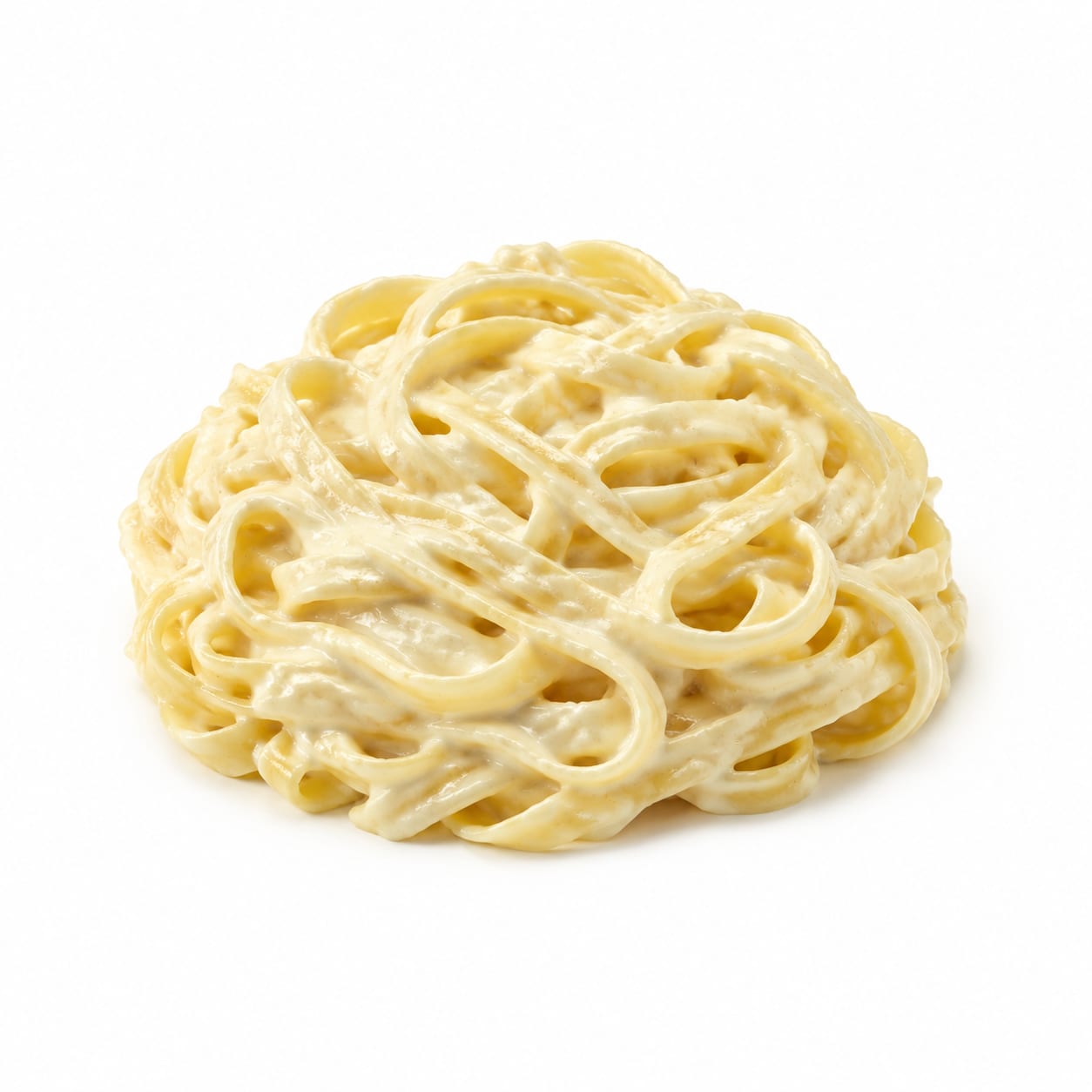
Pasta Dish
Fettuccine Alfredo
A high-calorie Italian pasta dish featuring noodles in a rich butter, cream, and Parmesan sauce.
A rich Italian pasta dish made with fettuccine tossed in a sauce of butter, heavy cream, and Parmesan cheese.
high-fat high-carb comfort food
Typical serving · 250g
Common varieties · Classic Alfredo, Chicken Alfredo, Shrimp Alfredo, Vegan Alfredo, Jarred Alfredo
Overall context score across nutrition, safety, and diet fit
The story
What makes it unique
A high-energy-density meal characterized by refined carbohydrates and saturated fats. Digestion is slowed by high fat content, but the low fiber and high refined carb load can still cause moderate glycemic spikes. Satiety is initially high due to fat content, but the low fiber volume reduces long-term fullness.
Varieties: Classic Alfredo · Chicken Alfredo · Shrimp Alfredo · Vegan Alfredo · Jarred Alfredo
Per 100g
Nutrition breakdown
Macro balance and key metrics at a glance.
Energy
Density 3.80 kcal/g
Protein
Carbs
Fat
Fiber
Sugar
1.5 g
Sodium
500 mg
Potassium
120 mg
Glycemic index
55
Glycemic load
16
Water content
45%
Standout compounds
Nutrient highlights
Saturated Fat
highDense energy source
Carbohydrates
highQuick energy replenishment
Calcium
moderateSupports bone health from Parmesan
Sodium
highElectrolyte replenishment
Vitamin A
moderateSupports vision and immune function from cream
Wellness map
Health scores & processing
NOVA processing scale
Moderately Processed · Whole food
Homemade or restaurant versions use processed culinary ingredients (butter, cream, cheese) combined with refined pasta. Jarred versions often fall into Nova 4 due to emulsifiers and preservatives.
Diet compatibility
- Weight loss
- Muscle gain
- Diabetes
- Gut health
- Low carb
- High protein
- Heart health
Relative standing
Food rankings
Qualitative ranks compared to similar whole foods.
- Satietymoderate
- Blood sugarpoor
- Nutrient densitypoor
- Fitness fuelmoderate
- Processing qualitypoor
Eat with confidence
Food safety profile
Generally safe when made with pasteurized dairy. Primary risk is bacterial contamination from improper storage of cream or butter.
Evidence confidence 90%
- Pesticideslow
- Antibioticslow
- Heavy metalslow
- Contaminationlow
Watch for
- Listeria
- Salmonella
Safer choices
Pasteurized dairy products
Prep tips
Ensure cream and butter are kept refrigerated and cooked thoroughly before tossing with pasta.
Dairy sourcing and pasteurization standards apply.
Deep dive
Health analysis
How this food may fit different goals and preparation choices.
Weight loss
Very challenging for weight loss due to extreme caloric density and high fat content, which is easy to overconsume.
Blood sugar
Refined pasta causes rapid glucose spikes, though the high fat content slightly delays gastric emptying. Overall, it is a poor choice for blood sugar control.
Fitness & energy
Provides dense caloric fuel suitable for heavy bulking phases, but the high saturated fat can cause sluggishness if eaten before intense exercise.
Gut health
Low fiber content offers minimal prebiotic benefits. High dairy and fat can trigger digestive discomfort or IBS symptoms in sensitive individuals.
Processing quality
Relies heavily on refined wheat and concentrated animal fats. Commercial jarred versions contain added thickeners and preservatives.
Food safety
Low risk overall, provided pasteurized dairy is used and the dish is stored correctly to prevent spoilage.
Common mistakes
Assuming it is a protein-rich meal because it is filling; portion sizes in restaurants are often 2-3 times a standard serving.
Best preparation
Using whole wheat or legume-based pasta, reducing cream, and adding vegetables like broccoli or spinach to increase fiber and nutrient density.
Practical guide
Best use cases
When and how this food fits real eating patterns.
Caloric surplus bulking phase
Provides dense calories and carbs for athletes trying to gain weight.
Carb-loading before endurance events
Offers a high-carb, high-fat energy reserve for long-duration physical activity.
Occasional comfort meal
A satisfying indulgence for a treat meal rather than daily consumption.
Balance sheet
Pros & cons
Upsides
- Highly palatable and satisfying to eat
- Provides dense caloric energy for weight gain
- Contains calcium and Vitamin A from dairy
- Easy to modify with added vegetables or lean proteins
Trade-offs
- Extremely high in calories and saturated fat
- Refined carbohydrates spike blood sugar
- Very low in dietary fiber
- Restaurant portions are massive and promote overeating
- High sodium content can impact blood pressure
Fit check
Who is it for?
Great match
- hard gainers needing a caloric surplus
- endurance athletes carb-loading
- occasional indulgent meals
Consider alternatives
- weight loss diets
- blood sugar management
- heart-healthy eating plans
- low-carb or ketogenic diets
- those with lactose intolerance
Side by side
How it compares
Open the full head-to-head analysis for nutrition, safety, and practical tradeoffs.
This food
Fettuccine Alfredo
VS85% alike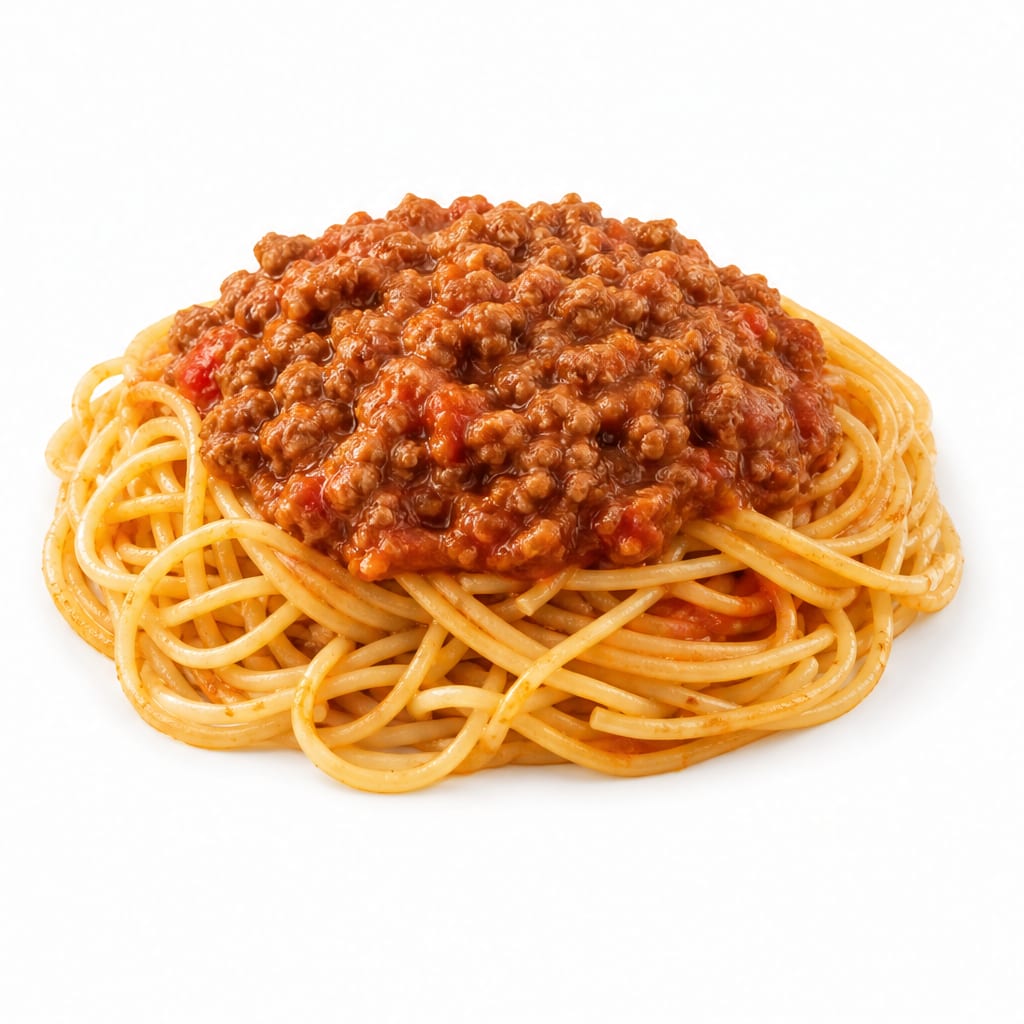
Compare with
Spaghetti Bolognese
Bolognese has more protein from meat and less saturated fat than Alfredo.
Bolognese provides more protein and less saturated fat than Fettuccine Alfredo, making it better for weight loss and blood sugar control.
This food
Fettuccine Alfredo
VS90% alike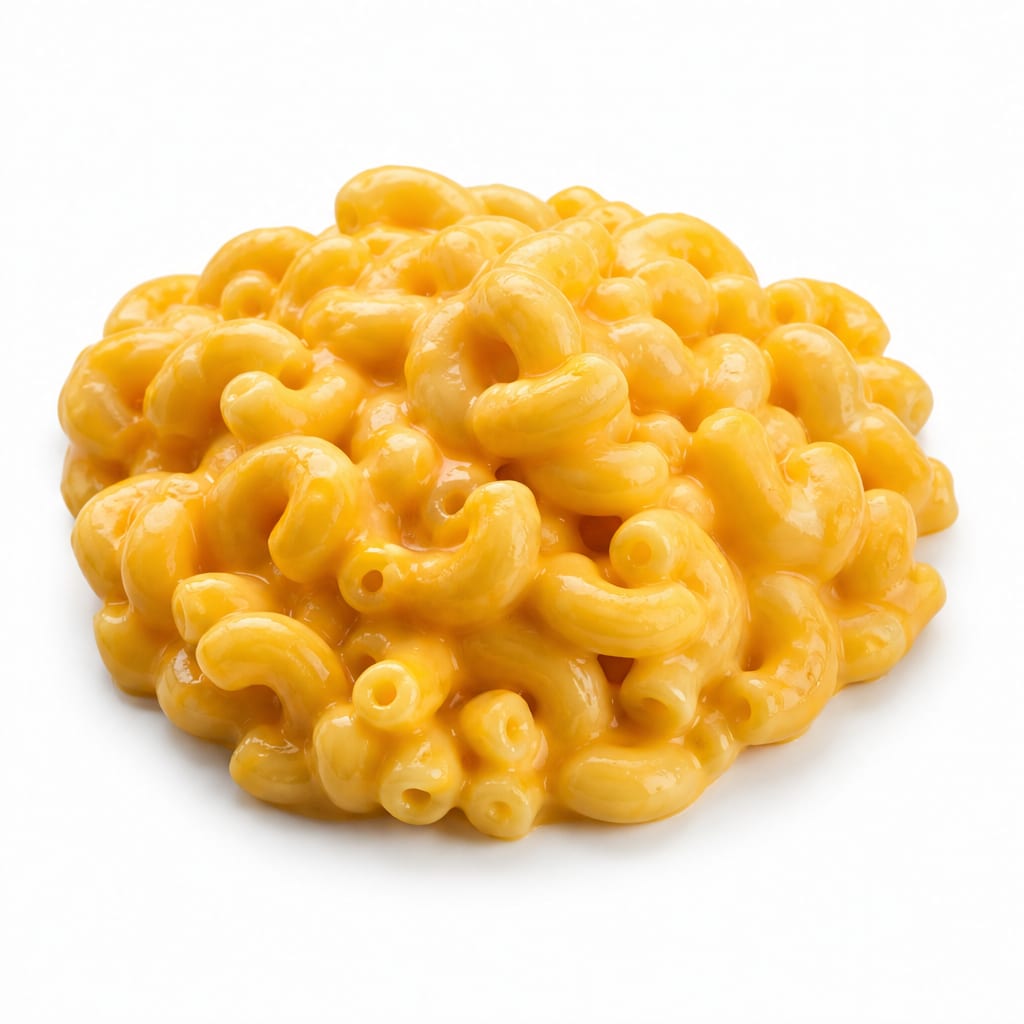
Compare with
Mac and Cheese
Mac and cheese is slightly lower in fat but similar in calories and low in fiber.
Mac and Cheese and Fettuccine Alfredo are nutritionally similar, both being high-calorie comfort foods, though Alfredo is slightly higher in fat.
This food
Fettuccine Alfredo
VS95% alike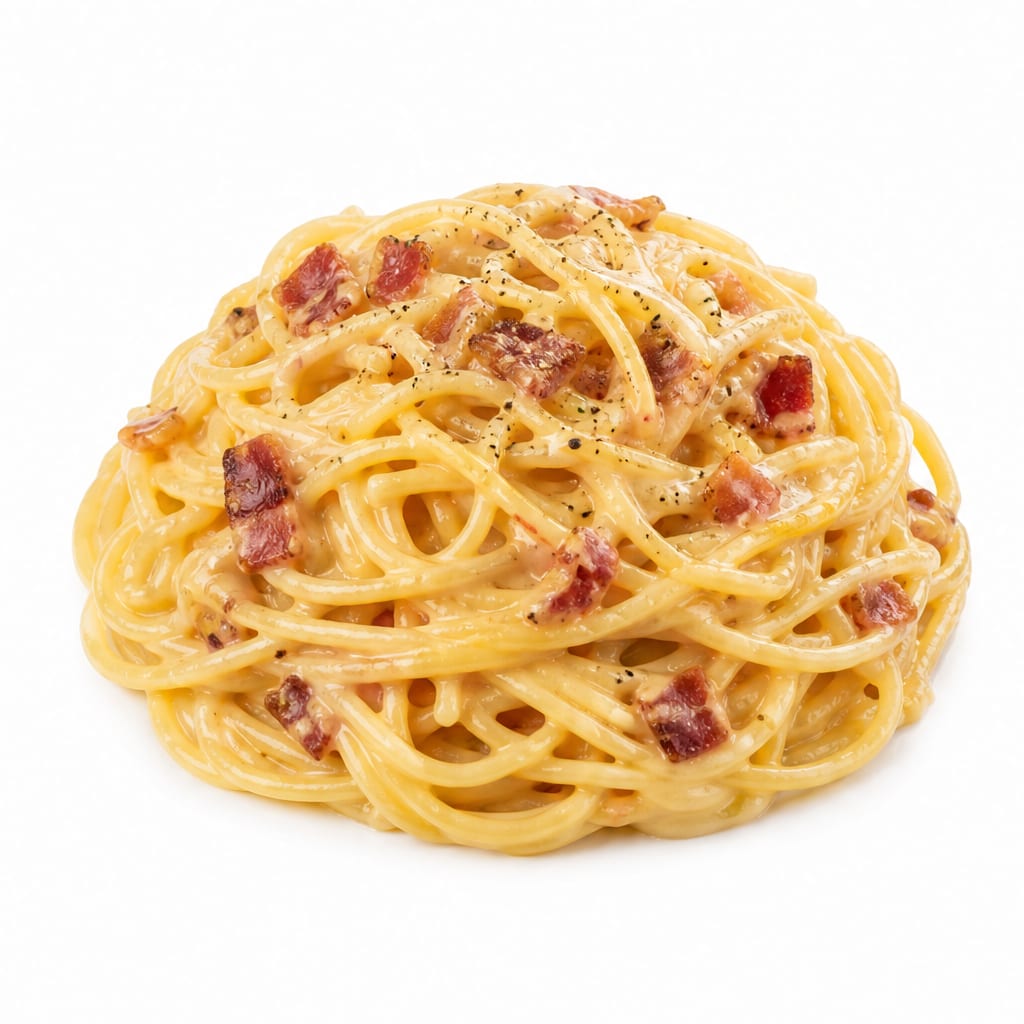
Compare with
Carbonara
Carbonara uses eggs and guanciale instead of cream, offering slightly better protein quality but similar fat levels.
Carbonara offers more protein from eggs and pork than Fettuccine Alfredo, which relies on heavy cream for its richness.
This food
Fettuccine Alfredo
VS95% alike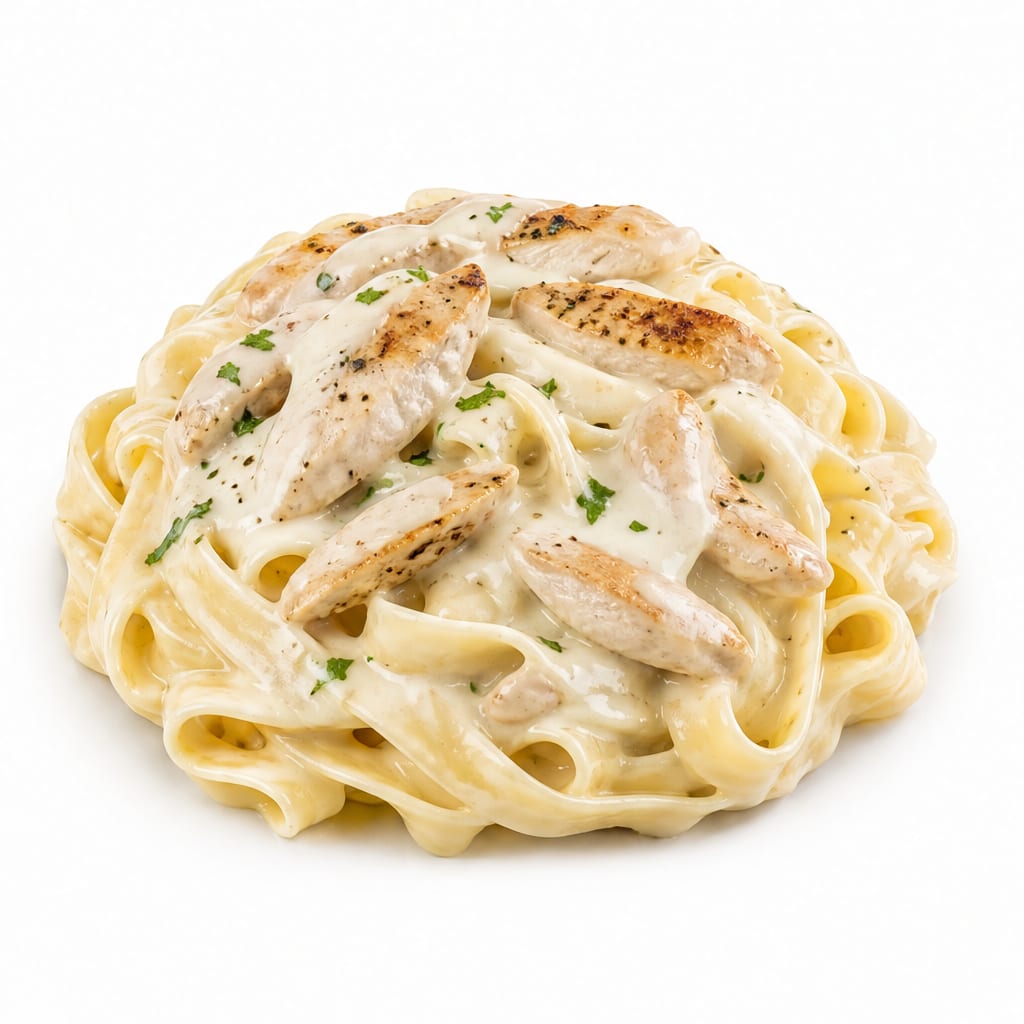
Compare with
Chicken Alfredo
Adding chicken significantly boosts protein content, making it better for muscle gain and satiety.
Chicken Alfredo adds lean protein to the classic dish, making it superior for fitness and satiety compared to regular Fettuccine Alfredo.
This food
Fettuccine Alfredo
VS80% alike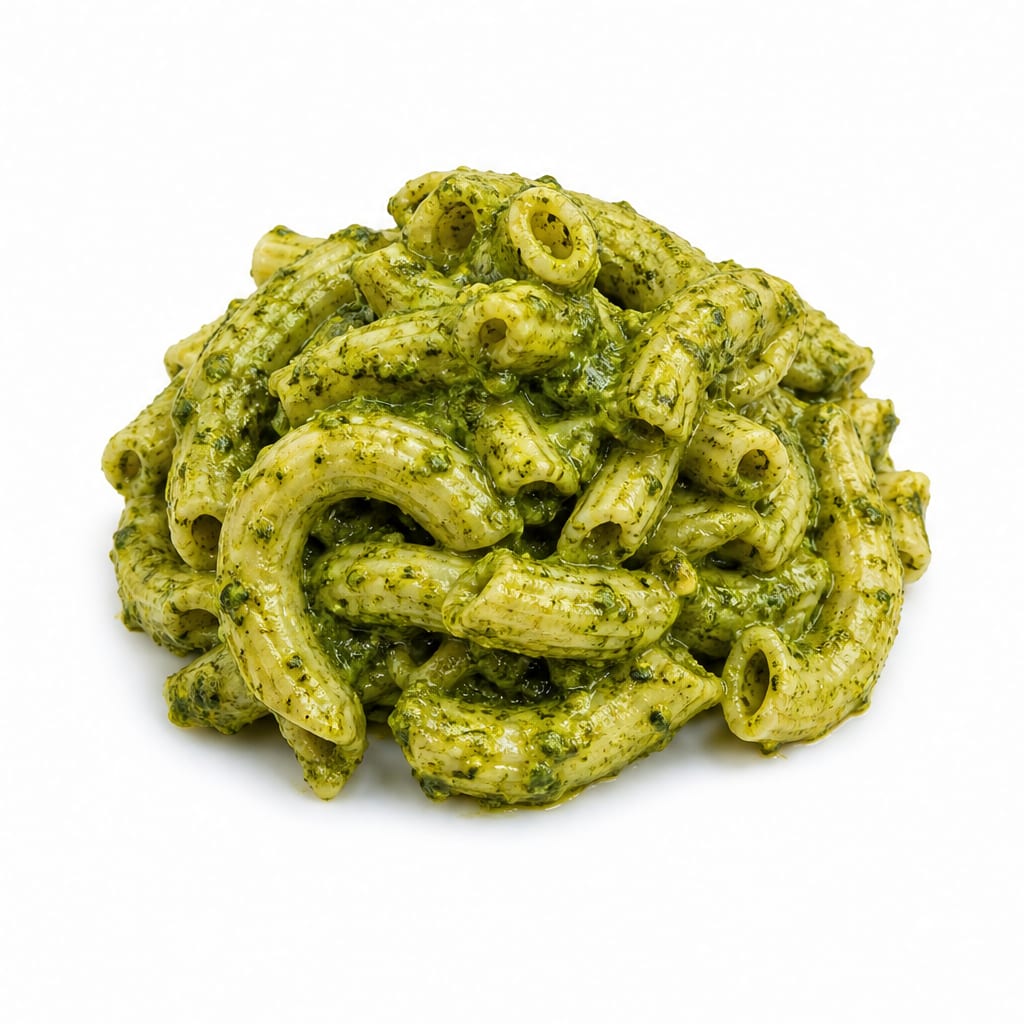
Compare with
Pesto Pasta
Pesto uses olive oil and pine nuts, providing healthier unsaturated fats compared to Alfredo's saturated dairy fats.
Pesto Pasta relies on heart-healthy olive oil, making it a better choice for cardiovascular health than the cream-based Fettuccine Alfredo.
This food
Fettuccine Alfredo
VS85% alike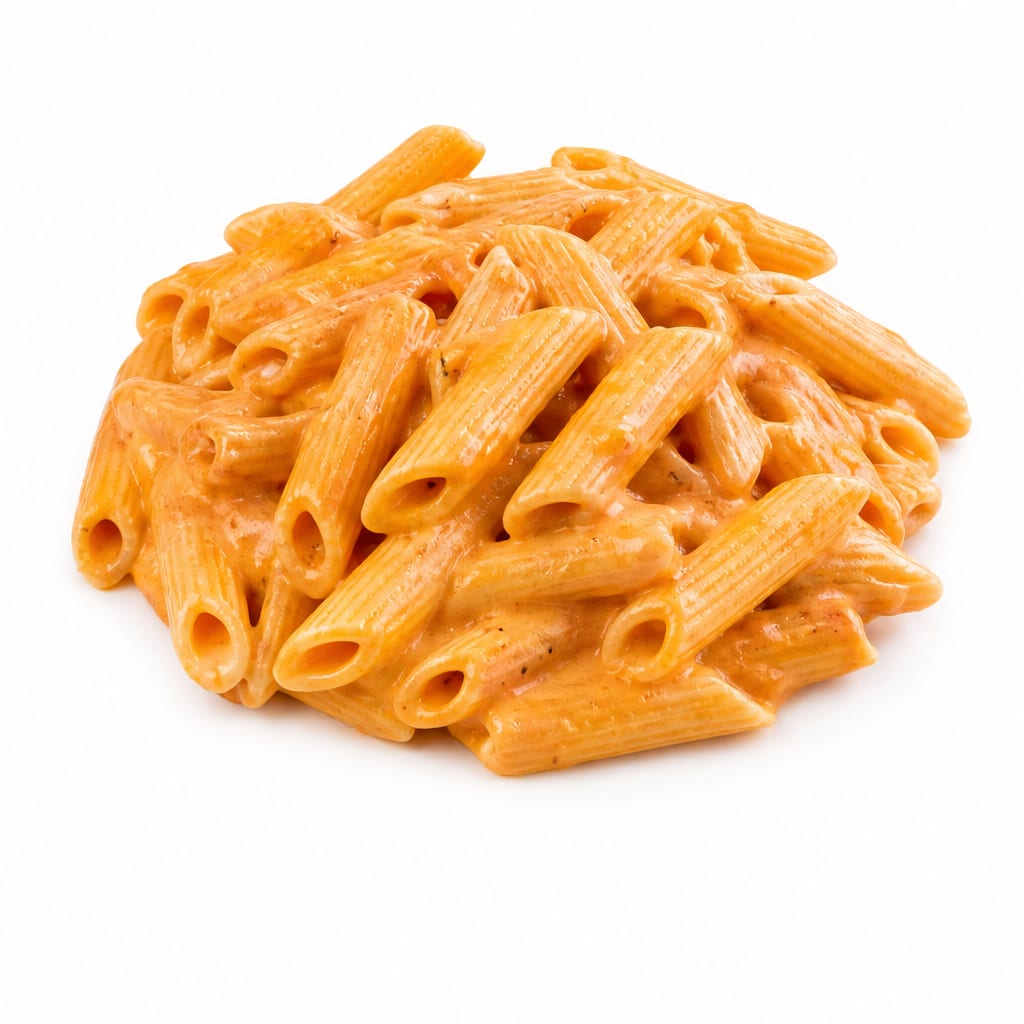
Compare with
Penne Vodka
Vodka sauce has tomatoes and less cream, resulting in fewer calories and more antioxidants than Alfredo.
Penne Vodka contains tomatoes and less heavy cream, offering more antioxidants and fewer calories than Fettuccine Alfredo.
This food
Fettuccine Alfredo
VS75% alike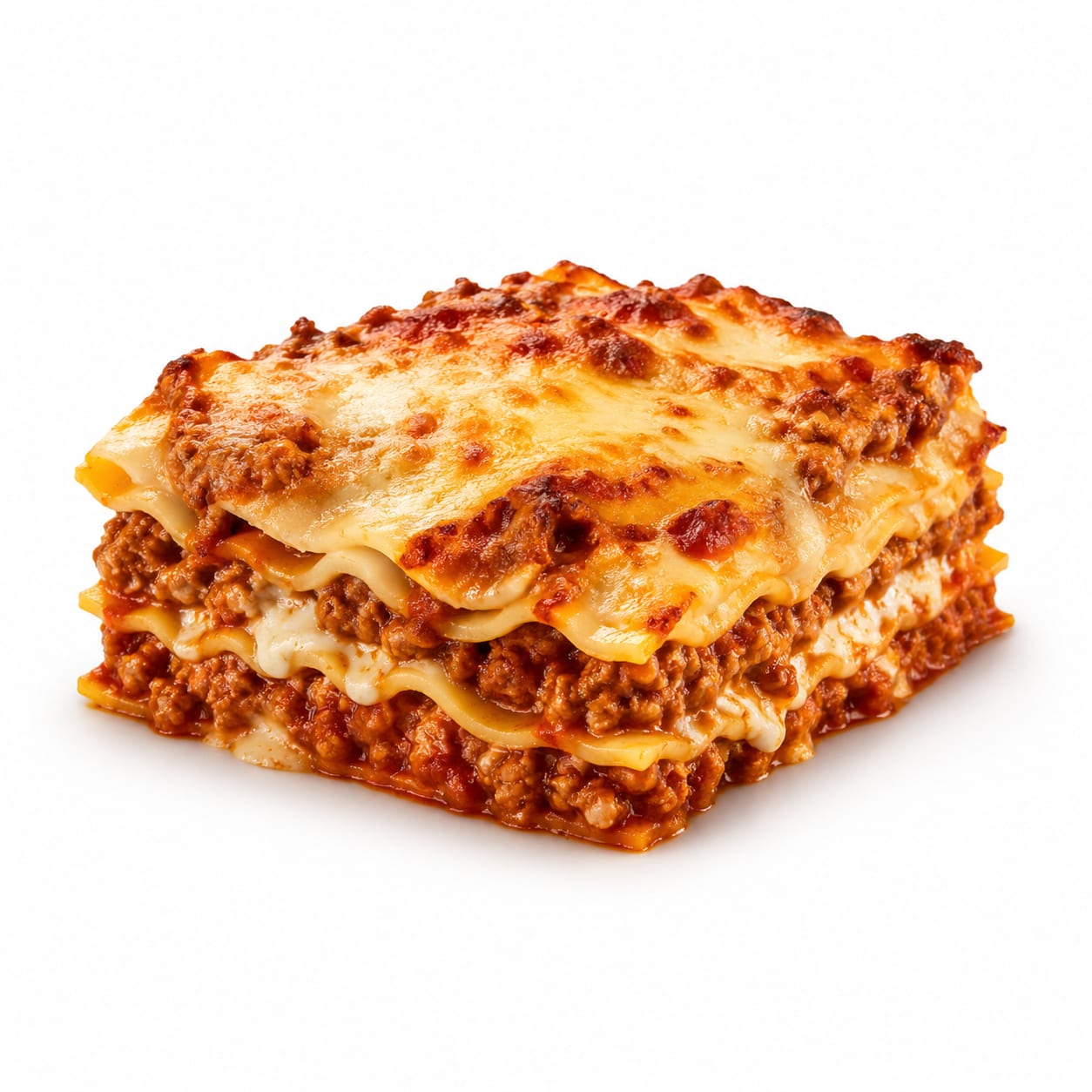
Compare with
Lasagna
Lasagna includes ricotta, meat, and tomatoes, offering more protein and micronutrients but still being highly caloric.
Lasagna provides more protein and nutrients from meat and tomatoes compared to Fettuccine Alfredo, though both are calorie-dense.
This food
Fettuccine Alfredo
VS70% alike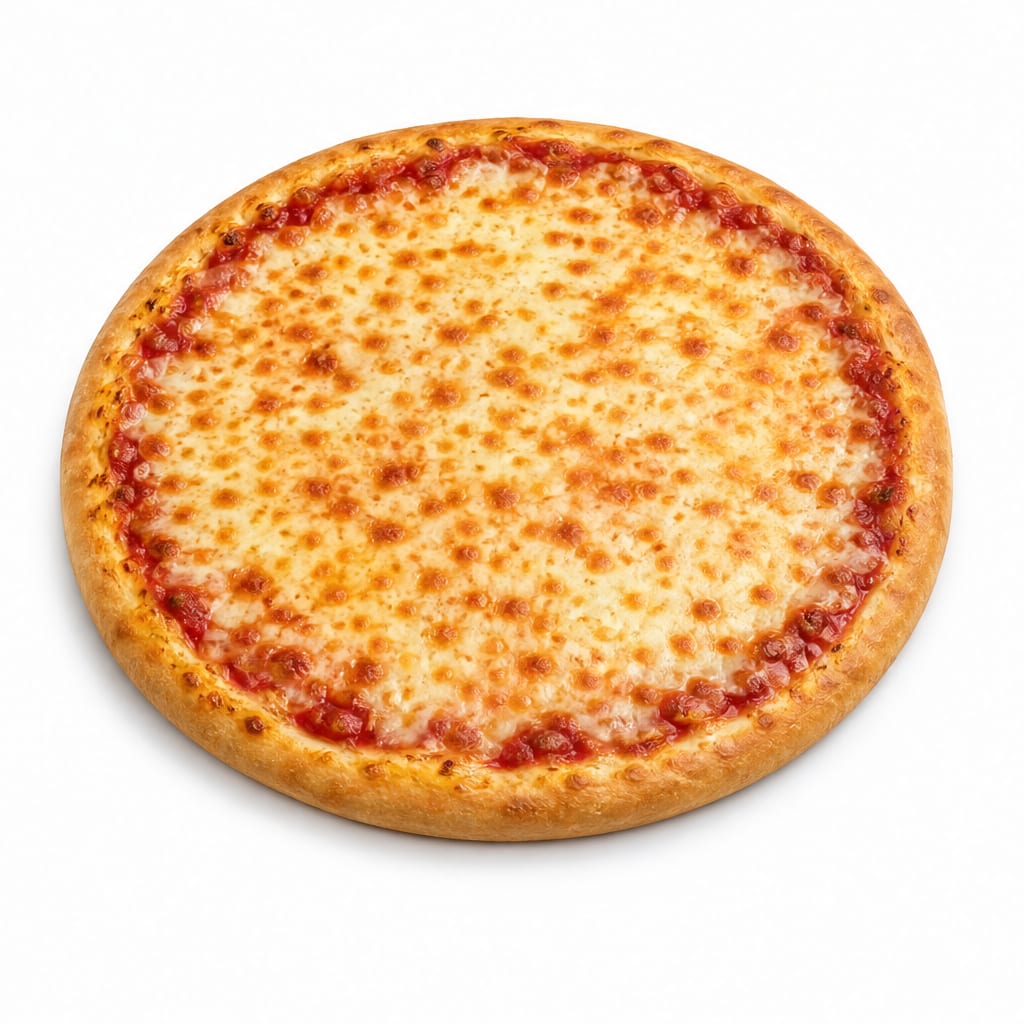
Compare with
Cheese Pizza
Pizza crust and cheese offer a similar macronutrient profile but pizza often has less butter/cream fat per bite.
Cheese Pizza is slightly lower in saturated fat than Fettuccine Alfredo, but both are high-calorie indulgences.
This food
Fettuccine Alfredo
VS90% alike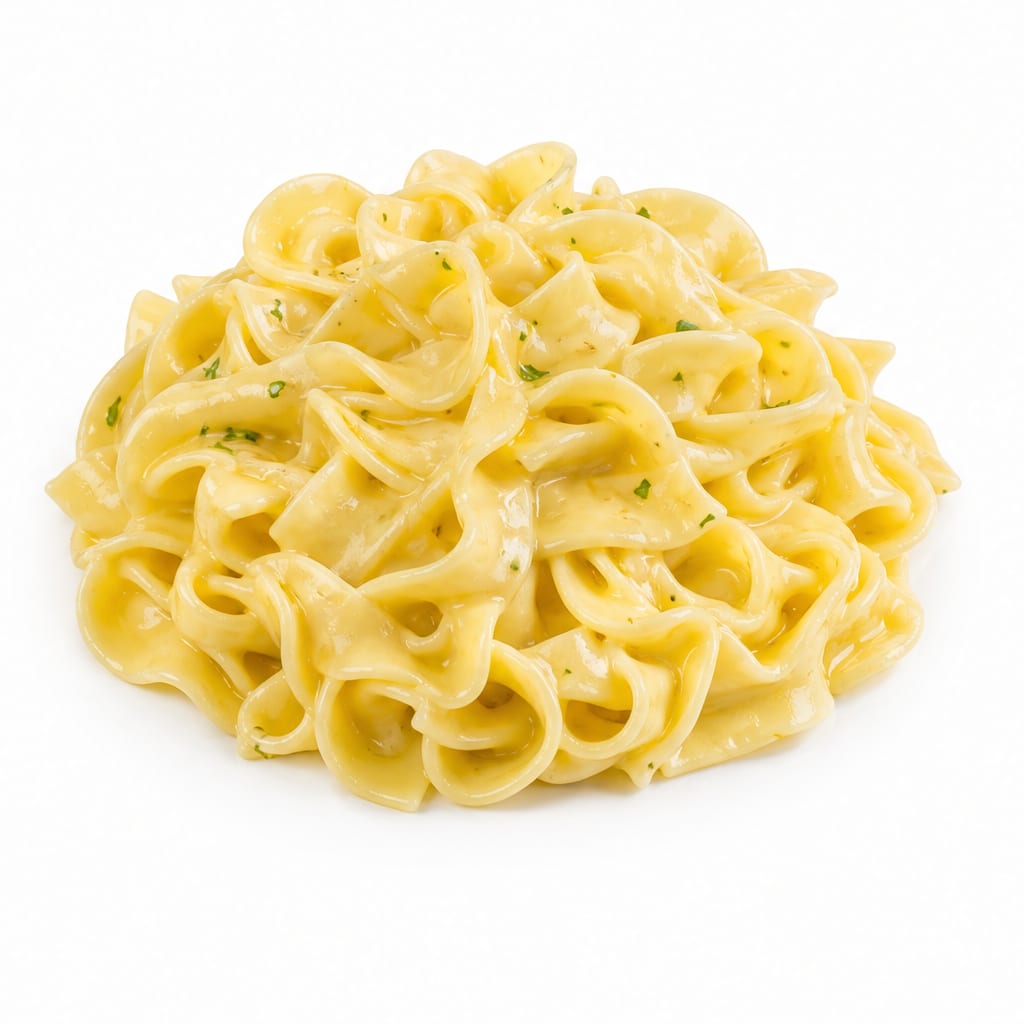
Compare with
Buttered Noodles
Alfredo adds cheese and cream to buttered noodles, increasing calories, fat, and protein.
Buttered noodles are lower in calories and fat than Fettuccine Alfredo, but Alfredo provides more protein and calcium from cheese.
This food
Fettuccine Alfredo
VS60% alike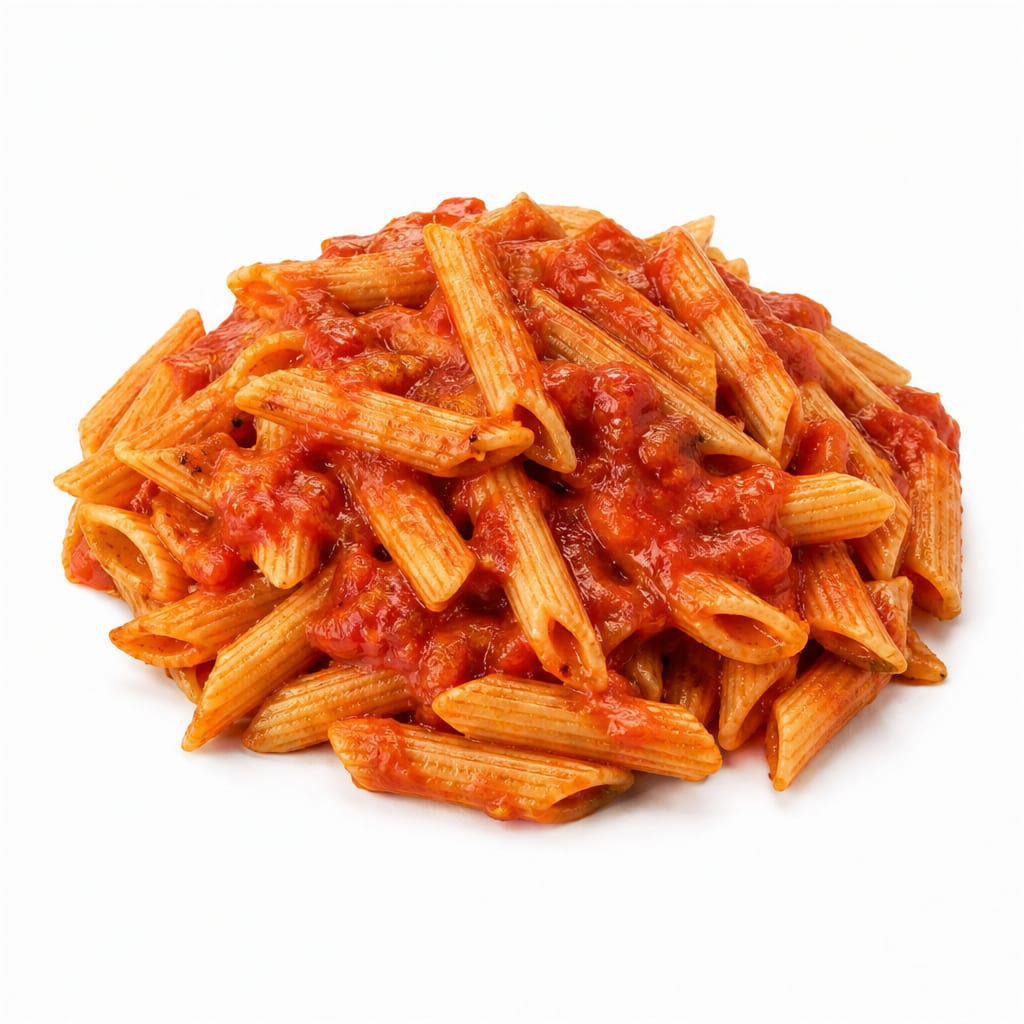
Compare with
Whole Wheat Pasta with Marinara
Marinara is low-fat and whole wheat adds fiber, making it vastly superior for weight loss and blood sugar.
Whole wheat pasta with marinara provides high fiber and low fat, vastly outperforming Fettuccine Alfredo for weight loss and blood sugar control.
Common questions
FAQ
Answers aligned with how people search for this food.
How many calories are in a bowl of Fettuccine Alfredo?
A typical restaurant bowl contains 800 to 1200 calories due to large portions and high-fat sauce.
Is Fettuccine Alfredo good for weight loss?
No, it is very calorie-dense and high in fat, making it difficult to fit into a calorie-controlled diet.
Can diabetics eat Fettuccine Alfredo?
It is generally not recommended as the refined pasta spikes blood sugar, though the fat may slightly slow the spike.
Why is Fettuccine Alfredo so high in calories?
The sauce is made primarily of heavy cream, butter, and Parmesan cheese, which are extremely calorie-dense ingredients.
Is Fettuccine Alfredo a good post-workout meal?
It can work for heavy bulking phases needing a caloric surplus, but the high fat content may slow digestion and cause sluggishness.
How can I make Fettuccine Alfredo healthier?
Use whole grain or zucchini noodles, replace heavy cream with blended cauliflower or Greek yogurt, and add lean protein like chicken.
Does Fettuccine Alfredo have a lot of protein?
It has moderate protein (around 12g per 100g) mostly from the Parmesan cheese, but it is not considered a high-protein food relative to its calories.
Is jarred Alfredo sauce worse than homemade?
Jarred versions are often ultra-processed with added preservatives, thickeners, and vegetable oils, making homemade with real butter and cream a slightly cleaner option.
Transparency
Data confidence
Estimated confidence for nutrition data, interpretation, safety notes, and comparisons.
Nutrition data
Health analysis
Food safety
Comparisons