
Nutrition comparison
Fettuccine Alfredo vs Carbonara: Which Pasta Is the Smarter Indulgence?
Compare Fettuccine Alfredo and Carbonara on protein, saturated fat, sodium, and health impact. Find out which Italian pasta is the better choice for your goals.
Overall winner · Carbonara
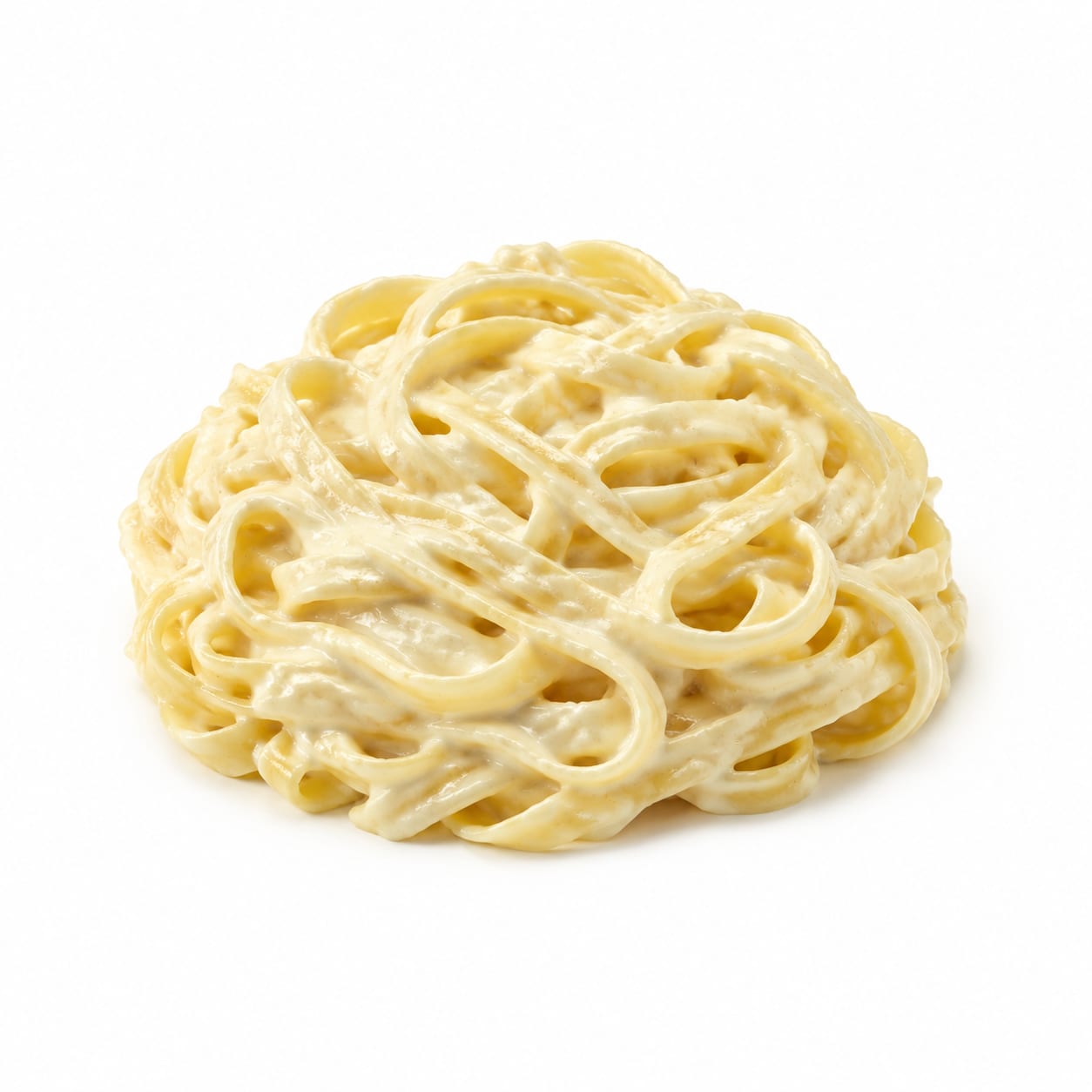
Fettuccine Alfredo
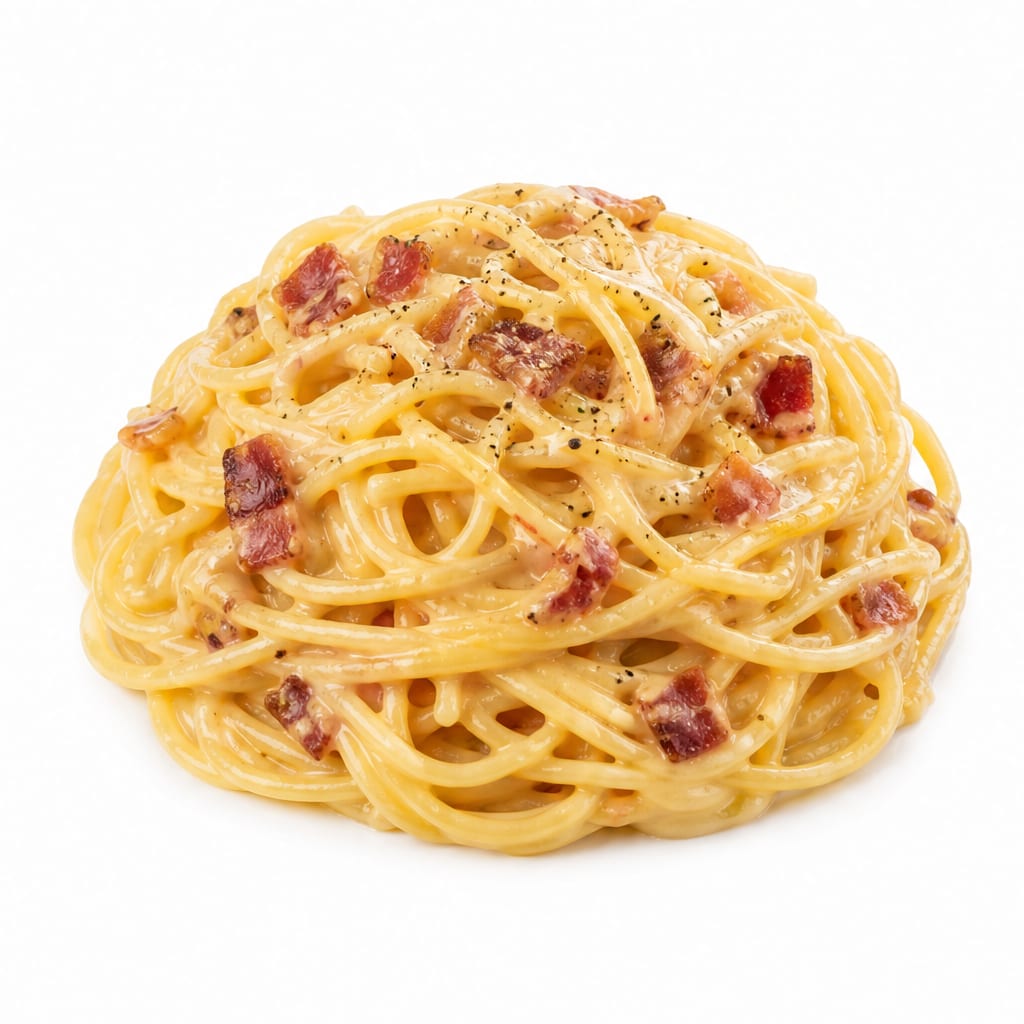
Carbonara
Carbonara edges out Fettuccine Alfredo thanks to significantly more protein and better satiety, though both are indulgent meals best enjoyed occasionally.
Carbonara scores moderately higher due to its protein content and satiety advantage, but neither dish scores well overall because both are calorie-dense, high in saturated fat, and built on refined carbohydrates. The gap reflects real-world eaters feeling more satisfied with Carbonara and being less likely to overeat.
Carbonara gives you lasting fullness from eggs and pork but carries cured meat risks; Fettuccine Alfredo avoids processed meat but leaves you with a heavier cream load and faster hunger return.
At a glance
Executive summary
Overall
Carbonara
Healthier
Carbonara
More practical
It depends
Daily use
neither
Key comparison lenses
Which pasta dish is less damaging for regular consumption
Both are heavy Italian pasta dishes, so users are likely choosing between them for an indulgent meal and want to minimize regret
Protein and satiety comparison
Carbonara has eggs and cured meat, making it substantially more filling and protein-rich
Heart health and saturated fat tradeoffs
Both are high in saturated fat but from different sources, and users with cardiovascular concerns need clarity
Cured meat risks versus cream-heavy sauce risks
Carbonara introduces processed meat concerns while Fettuccine Alfredo piles on cream and butter
Blood sugar impact and energy crash potential
Both are refined carb-heavy but differ in protein and fat composition, affecting how you feel after eating
Best choice for
Fettuccine Alfredo
- Pickier eaters who avoid eggs or pork
- Those seeking a simpler, milder flavor profile
- People with sodium restrictions who need to avoid cured meat
- Vegetarians who eat dairy but not meat
Carbonara
- Active individuals needing more protein
- Anyone wanting to stay full longer after a pasta meal
- Those who prefer savory depth over creamy richness
- People watching portion sizes who benefit from higher satiety
Least suitable for
Fettuccine Alfredo
- Anyone trying to manage weight through portion control — too easy to overeat
- People with lactose intolerance or dairy sensitivity
- Those prone to energy crashes after heavy carb meals
Carbonara
- People avoiding cured or processed meats
- Those on low-sodium diets
- Anyone with egg allergies
- Individuals concerned about nitrate exposure
Deep comparison
Dimension by dimension
Each lens scores both foods and breaks down who each option suits.
- Dimension 1 · Priority 95Carbonara
Protein and Satiety
Fettuccine Alfredo · 18Carbonara · 58Carbonara delivers roughly 2-3 times more protein thanks to eggs and guanciale, keeping you full for hours longer.
Tradeoff
That protein comes with cured meat, which carries its own health baggage that pure dairy does not.
Why it matters
A pasta meal that actually satisfies you means less snacking later. Fettuccine Alfredo's low protein makes it dangerously easy to overeat.
Real-world impact
After Carbonara, you are likely done eating for the evening. After Fettuccine Alfredo, you may find yourself grazing within two hours.
Fettuccine Alfredo
- Milder digestion for sensitive stomachs since it lacks cured meat
Better for
- High hunger return rate leading to extra snacking
- Almost no protein to support muscle maintenance
Worse for
Carbonara
- Post-workout recovery when you need protein with carbs
- Longer satiety between meals
- Better blood sugar stabilization from protein slowing carb absorption
Better for
- Heavier digestive load from eggs and cured meat combined
Worse for
- Dimension 2 · Priority 88It depends
Saturated Fat and Heart Health
Fettuccine Alfredo · 22Carbonara · 30Both dishes are saturated fat bombs, but Fettuccine Alfredo typically packs more due to heavy cream and butter loading.
Tradeoff
Carbonara has less total saturated fat but introduces cholesterol from eggs and sodium from cured meat — a different cardiovascular risk profile.
Why it matters
If you eat either regularly, saturated fat intake adds up fast. Neither is heart-friendly, but Fettuccine Alfredo tends to be the bigger offender per serving.
Real-world impact
A single restaurant portion of Fettuccine Alfredo can deliver 40-50 grams of saturated fat — roughly two days' worth. Carbonara typically lands closer to 25-35 grams.
Fettuccine Alfredo
- No cured meat, so no nitrate or nitrite exposure
- Simpler fat profile from dairy only
Better for
- Heavy cream creates the highest saturated fat load of either dish
- Butter on top of cream doubles down on dairy fat
Worse for
Carbonara
- Less total saturated fat in most preparations
- Eggs provide some beneficial nutrients like choline alongside the cholesterol
Better for
- Cured meat adds sodium and preservative concerns on top of fat
- Dietary cholesterol from eggs may matter for sensitive individuals
Worse for
- Dimension 3 · Priority 82Fettuccine Alfredo
Sodium and Blood Pressure
Fettuccine Alfredo · 35Carbonara · 18Fettuccine Alfredo is lower in sodium because it avoids cured meat, which is a massive sodium source in Carbonara.
Tradeoff
You trade lower sodium for higher saturated fat. Neither is a low-sodium meal, but Carbonara is significantly saltier.
Why it matters
For anyone watching blood pressure, Carbonara's cured meat pushes sodium well above 1000mg per serving easily.
Real-world impact
If you are sodium-sensitive, Carbonara may cause noticeable bloating and thirst that evening. Fettuccine Alfredo is less likely to trigger that response.
Fettuccine Alfredo
- Hypertension management
- Less post-meal thirst and bloating
- More reasonable sodium for occasional indulgence
Better for
- Still not a low-sodium dish — cheese adds significant salt
Worse for
Carbonara
- Salt content enhances flavor satisfaction, potentially reducing the urge to eat more
Better for
- Guanciale or pancetta can push sodium past 1500mg per serving
- Problematic for anyone on sodium-restricted diets
Worse for
- Dimension 4 · Priority 75Carbonara
Blood Sugar and Energy Stability
Fettuccine Alfredo · 25Carbonara · 40Carbonara's protein and fat slow down carb absorption more effectively, leading to a less dramatic blood sugar spike.
Tradeoff
Neither is good for blood sugar — both are refined pasta-based. But Carbonara's protein acts as a modest brake on the glucose rollercoaster.
Why it matters
The Fettuccine Alfredo crash is real: refined carbs plus fat without enough protein means a steep rise and a tired slump.
Real-world impact
Eat Fettuccine Alfredo at lunch and you may struggle to stay awake by 3pm. Carbonara is not much better, but the protein takes the edge off.
Fettuccine Alfredo
- Slightly easier digestion for sensitive stomachs
Better for
- Steep blood sugar spike followed by a crash
- Likely to trigger cravings a few hours later
Worse for
Carbonara
- Less severe afternoon energy crash
- More stable energy for the 3-4 hours after eating
- Better choice before an active evening
Better for
- Still a high-glycemic meal at its core
Worse for
- Dimension 5 · Priority 70Fettuccine Alfredo
Processing and Ingredient Quality
Fettuccine Alfredo · 45Carbonara · 32Traditional Fettuccine Alfredo uses just pasta, butter, and parmesan — fewer ingredients, none cured or preserved.
Tradeoff
Restaurant versions often add cream and stabilizers, narrowing the gap. But Carbonara always includes cured meat, which is inherently more processed.
Why it matters
Fewer processed ingredients means fewer additives, preservatives, and unknowns entering your body.
Real-world impact
Homemade Fettuccine Alfredo with three ingredients is cleaner than almost any Carbonara, which requires cured pork with nitrates or salt preservation.
Fettuccine Alfredo
- Simpler ingredient list in traditional preparations
- No nitrates, nitrites, or curing salts
- Easier to make with whole-food ingredients at home
Better for
- Restaurant versions often include cream stabilizers and emulsifiers
- Pre-made Alfredo sauces are ultra-processed
Worse for
Carbonara
- Eggs are a whole, nutrient-dense food
- No heavy cream needed in authentic recipes
Better for
- Guanciale and pancetta are processed meats with preservatives
- Higher additive exposure overall
Worse for
Timeline
Health impact over time
Short-term
Hours to days
Fettuccine Alfredo
- Heavy sluggishness within 30-60 minutes due to high fat and refined carbs without protein balance
- Potential bloating from large cream volume
- Energy crash 2-3 hours after eating
- Possible digestive discomfort for lactose-sensitive individuals
Carbonara
- Longer-lasting fullness reducing desire to snack
- Thirst from high sodium content
- Mild bloating possible from rich egg and cheese combination
- More sustained energy than cream-based pasta
Long-term
Months to years
Fettuccine Alfredo
- Regular consumption significantly raises saturated fat intake and cardiovascular risk
- Low protein intake fails to support muscle maintenance, especially concerning for older adults
- Frequent refined carb meals increase insulin resistance risk
- Very easy to overconsume calories due to low satiety
Carbonara
- Cured meat consumption linked to increased colorectal cancer risk with regular intake
- High sodium intake contributes to hypertension if eaten frequently
- Better protein intake supports muscle and satiety long-term
- Still a calorie-dense indulgence that can drive weight gain if not portioned carefully
Risk profile
Safety & processing
Traditional homemade Fettuccine Alfredo uses just three whole ingredients, making it surprisingly clean for such a rich dish. Carbonara always involves cured meat, which adds sodium, nitrates, and preservatives. However, restaurant versions of both dishes often include cream stabilizers, modified starches, and emulsifiers that significantly increase processing. If you make either at home from scratch, Fettuccine Alfredo is the cleaner option. If you are eating out, both are similarly processed.
Fettuccine Alfredo
Dairy spoilage and foodborne illness
mediumCream and butter-based sauces are prone to bacterial growth if not kept at proper temperature. Left out at room temperature for more than 2 hours, the risk increases significantly.
Raw egg cross-contamination in restaurant settings
lowSome restaurant Alfredo sauces use egg yolks for richness, introducing a minor Salmonella risk, though this is uncommon in traditional preparations.
Carbonara
Cured meat carcinogenicity
mediumThe WHO classifies processed meats as Group 1 carcinogens. Regular consumption of guanciale or pancetta increases colorectal cancer risk. Occasional intake is far less concerning.
Raw or undercooked egg exposure
mediumAuthentic Carbonara uses raw egg yolks combined with hot pasta. If the pasta is not hot enough to pasteurize the eggs, Salmonella risk remains. This is a real concern in home cooking.
High sodium load for vulnerable individuals
mediumCured meat plus pecorino creates a sodium concentration that can be dangerous for those with heart failure or severe hypertension.
Who wins for whom
Audience fit
Same foods, different winners depending on your goal.
children
Fettuccine AlfredoFettuccine Alfredo avoids cured meat and raw egg concerns, and its milder flavor is more kid-friendly. The simplicity of ingredients also means fewer safety worries.
daily consumption
neitherNeither dish should be eaten daily. Both are calorie-dense, high in saturated fat, and built on refined carbohydrates. Weekly or less is a more reasonable frequency.
diabetes
CarbonaraCarbonara's protein slows glucose absorption modestly. Both are poor choices for blood sugar management, but Carbonara creates a slightly less severe spike.
elderly
CarbonaraOlder adults need more protein to prevent muscle loss, and Carbonara delivers. However, those with hypertension should be cautious about the sodium.
muscle gain
CarbonaraEggs and pork provide complete proteins that support muscle repair. Fettuccine Alfredo is nearly devoid of protein, making it poor for anyone training.
weight loss
CarbonaraCarbonara's higher protein content provides better satiety, making it easier to eat a smaller portion and feel satisfied. Neither is good for weight loss, but Carbonara makes portion control slightly less painful.
Your move
Decision guide
Choose Fettuccine Alfredo
- You are avoiding cured or processed meats entirely
- You want a simpler dish with fewer ingredients
- You are cooking for kids who prefer mild flavors
- You have high blood pressure and need to limit sodium
- You are lacto-vegetarian
Choose Carbonara
- You want to stay full for hours after your meal
- You care about getting some protein with your indulgence
- You prefer savory, punchy flavors over creamy richness
- You are eating after physical activity
- You want better value from your calorie spend
Either works if
- You are celebrating and just want a satisfying pasta experience
- You plan to share a portion and eat a light side salad
- You are eating Italian food once in a while and want to enjoy it
Avoid both if
- You have active heart disease and need to limit saturated fat strictly
- You are managing diabetes and need low-glycemic meals
- You are trying to lose weight and cannot control portions well
- You have severe lactose intolerance or dairy allergy
Final recommendation
If you are choosing between these two indulgent pastas, Carbonara gives you more nutritional bang for your buck — more protein, better satiety, and less cream. But if you are avoiding processed meat or watching sodium closely, Fettuccine Alfredo is the safer bet. Either way, treat both as occasional meals, not weekly staples, and pair with a large side salad to add fiber and reduce the glycemic impact.
Practical
Consumer tips
- 1
Ask for half-portions at restaurants — both dishes are typically served in 2-3 cup portions, far more than needed
- 2
Add a side of roasted vegetables or a large arugula salad to add fiber and slow carb absorption
- 3
Make Carbonara at home using high-quality eggs and less guanciale to reduce sodium and nitrate exposure
- 4
If making Fettuccine Alfredo, skip the heavy cream and use just butter and parmesan for a lighter traditional version
- 5
Drink plenty of water after Carbonara to help manage the sodium load
- 6
Consider whole-wheat pasta to add fiber and reduce the blood sugar spike from either dish
- 7
Never reheat Carbonara in the microwave — it scrambles the egg sauce. Reheat gently on the stove with a splash of pasta water