
Nutrition comparison
Fettuccine Alfredo vs Spaghetti Bolognese: Which Pasta Is Actually Better for You?
Compare Fettuccine Alfredo and Spaghetti Bolognese on nutrition, calories, protein, heart health, and satiety. Find out which pasta dish is the smarter choice for your health goals.
Overall winner · Spaghetti Bolognese
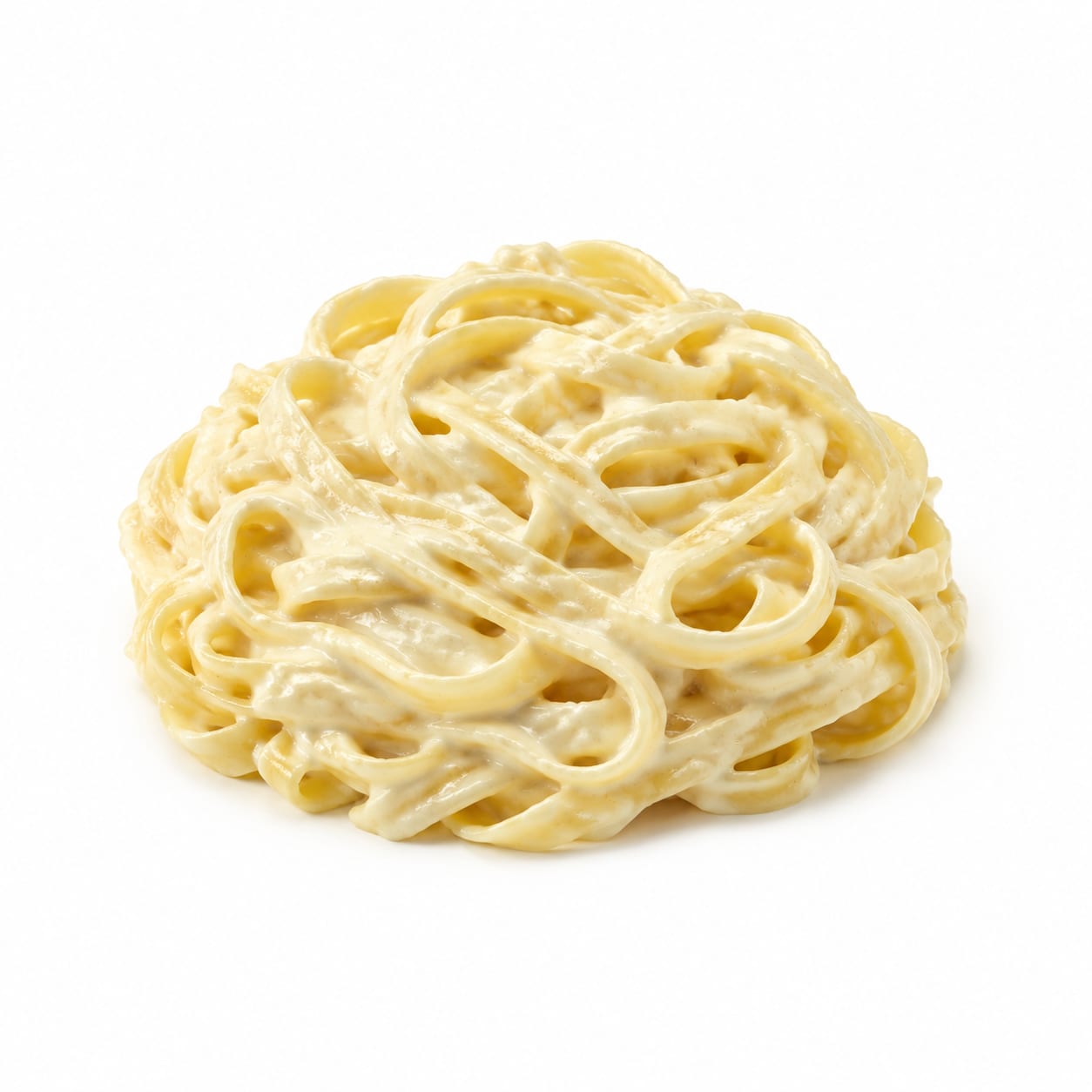
Fettuccine Alfredo
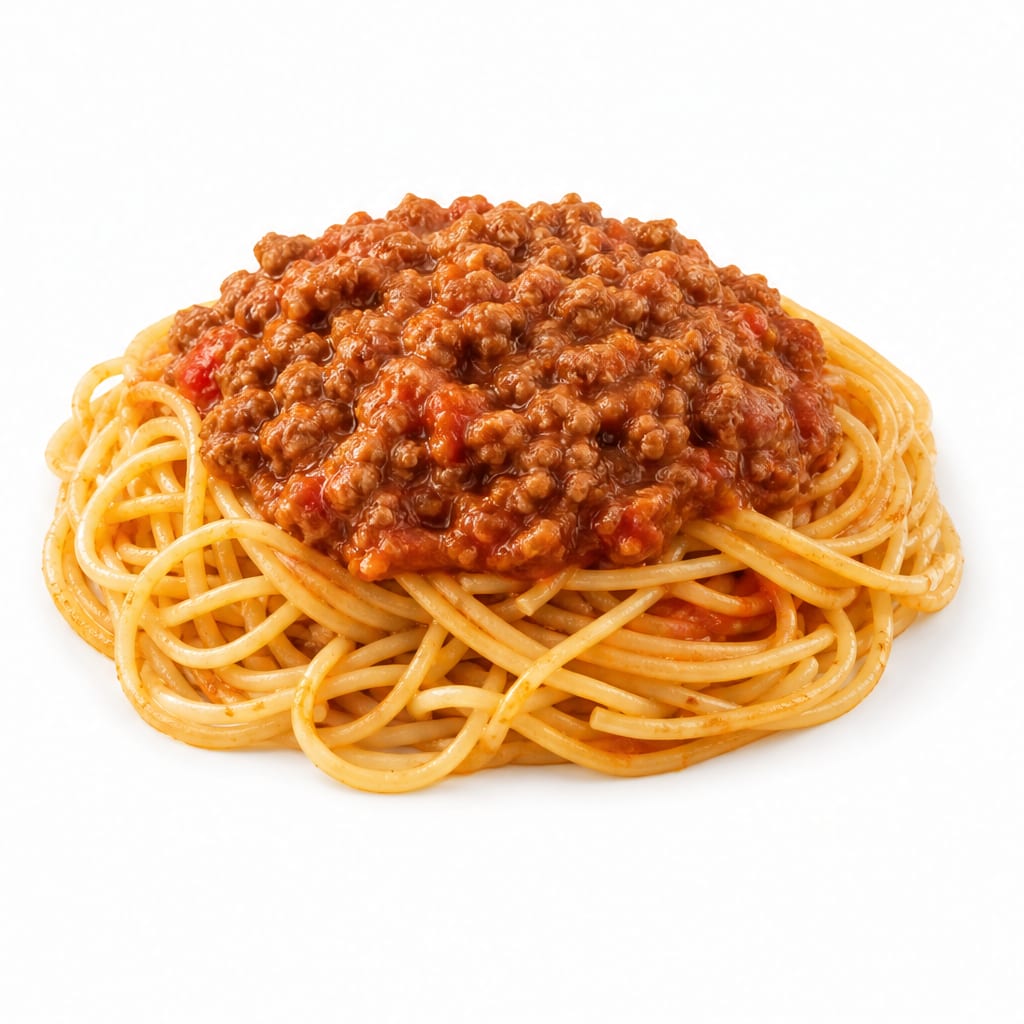
Spaghetti Bolognese
Spaghetti Bolognese delivers more protein, more micronutrients, and better satiety per calorie than Fettuccine Alfredo, making it the smarter regular choice despite its own sodium concerns.
Spaghetti Bolognese wins convincingly due to superior protein, micronutrient density, and satiety. Fettuccine Alfredo is not inherently toxic but delivers mostly empty calories from saturated fat with minimal nutritional upside, dragging its score down significantly.
Alfredo offers comforting simplicity and vegetarian-friendly creaminess but at a steep saturated fat cost, while Bolognese trades that fat load for protein, iron, and lycopene but brings more sodium and meat-related considerations.
At a glance
Executive summary
Overall
Spaghetti Bolognese
Healthier
Spaghetti Bolognese
More practical
Spaghetti Bolognese
Daily use
Spaghetti Bolognese
Key comparison lenses
Which pasta dish is less damaging for regular consumption?
Both are restaurant favorites people order weekly, so cumulative health impact matters enormously
Which keeps you fuller longer without overeating?
Pasta dishes are notorious for portion creep and post-meal hunger swings
Which is better for heart health?
Alfredo's saturated fat load versus Bolognese's mixed fat profile is a critical long-term tradeoff
Which provides more usable nutrition per calorie?
Both are calorie-dense, so nutrient density per bite becomes the deciding factor
Which fits better into a weight-conscious lifestyle?
Few people eat pasta dishes without considering the scale impact
Best choice for
Fettuccine Alfredo
- Vegetarians craving a rich pasta experience
- Occasional comfort food seekers wanting maximum indulgence
- Those avoiding red meat entirely
- People who find tomato-based sauces aggravate acid reflux
Spaghetti Bolognese
- Active individuals needing sustained protein intake
- Anyone eating pasta regularly who wants nutritional payoff
- People managing blood sugar who benefit from protein slowing carb absorption
- Families wanting a more complete meal in one dish
Least suitable for
Fettuccine Alfredo
- Anyone with high cholesterol or heart disease risk
- People watching saturated fat intake
- Those prone to overeating calorie-dense foods
- Anyone seeking sustained energy without a food coma
Spaghetti Bolognese
- Vegetarians and vegans
- People on low-sodium diets
- Those avoiding red meat for health or ethical reasons
- Individuals sensitive to tomato-based acidity
Deep comparison
Dimension by dimension
Each lens scores both foods and breaks down who each option suits.
- Dimension 1 · Priority 95Spaghetti Bolognese
Satiety and Fullness
Fettuccine Alfredo · 35Spaghetti Bolognese · 78Spaghetti Bolognese keeps you full for hours thanks to its protein and fiber. Fettuccine Alfredo fills you quickly but leaves you hungry again soon.
Tradeoff
Alfredo feels immediately satisfying in the moment but lacks the staying power that protein and fiber provide.
Why it matters
Post-meal hunger drives snacking and overeating. A dish that keeps you full for 4 hours instead of 2 dramatically changes your daily calorie intake.
Real-world impact
After Fettuccine Alfredo, you are likely rummaging for a snack by mid-afternoon. After Spaghetti Bolognese, you may comfortably skip that snack entirely.
Fettuccine Alfredo
- Quick pre-event meal where you want fullness now but not later
- Situations where you prefer a lighter stomach within an hour
Better for
- Busy afternoons when you need lasting energy
- Anyone trying to cut unnecessary snacking
Worse for
Spaghetti Bolognese
- Long workdays where you cannot snack between meals
- Post-workout recovery when sustained fuel matters
- Anyone trying to reduce between-meal snacking
Better for
- Right before intense exercise when you want a lighter stomach
Worse for
- Dimension 2 · Priority 92Spaghetti Bolognese
Protein Quality and Quantity
Fettuccine Alfredo · 22Spaghetti Bolognese · 82Spaghetti Bolognese delivers roughly 3-4 times more protein from ground meat, including complete amino acids and heme iron. Fettuccine Alfredo relies almost entirely on parmesan for its modest protein.
Tradeoff
The meat in Bolognese brings protein and iron but also introduces saturated fat and compounds formed during cooking. Alfredo keeps things meat-free but leaves you protein-deficient.
Why it matters
Protein is not just for athletes. It preserves muscle during weight loss, stabilizes blood sugar, and keeps you feeling fed rather than just filled.
Real-world impact
A single serving of Spaghetti Bolognese can provide 25-35 grams of protein, approaching half your daily needs. Fettuccine Alfredo typically lands around 12-18 grams, barely more than the pasta alone.
Fettuccine Alfredo
- Those avoiding meat for digestive or personal reasons
- Light eating days when lower protein is acceptable
Better for
- Older adults at risk of muscle loss
- Athletes or active people with higher protein needs
Worse for
Spaghetti Bolognese
- Muscle maintenance for adults over 40
- Active individuals needing recovery nutrition
- Anyone eating fewer meals per day who needs each one to count nutritionally
Better for
- Those with gout flares triggered by red meat
- People specifically reducing heme iron intake
Worse for
- Dimension 3 · Priority 90Spaghetti Bolognese
Heart Health Impact
Fettuccine Alfredo · 25Spaghetti Bolognese · 55Fettuccine Alfredo is essentially a saturated fat bomb that can spike LDL cholesterol. Spaghetti Bolognese also contains saturated fat from meat but benefits from tomato lycopene and a less extreme fat profile.
Tradeoff
Neither dish is heart-healthy, but Alfredo's cream-and-butter base makes it the more aggressive LDL elevator per serving.
Why it matters
A single heavy saturated fat meal can temporarily impair endothelial function. Regular consumption accelerates arterial plaque buildup over years.
Real-world impact
Eating Fettuccine Alfredo weekly is genuinely concerning for cardiovascular health. Spaghetti Bolognese weekly is still not ideal but considerably less damaging.
Fettuccine Alfredo
- Rare celebratory meals where one serving has minimal long-term impact
Better for
- Anyone with existing high LDL cholesterol
- People with family history of heart disease
- Those already eating high-saturated-fat diets from other sources
Worse for
Spaghetti Bolognese
- Those who want pasta regularly but are conscious of heart health
- People with mildly elevated cholesterol trying to choose the lesser of two indulgences
Better for
- Strict heart patients who should minimize all red meat
- People whose doctors have advised eliminating red meat entirely
Worse for
- Dimension 4 · Priority 85Spaghetti Bolognese
Micronutrient Density
Fettuccine Alfredo · 20Spaghetti Bolognese · 72Spaghetti Bolognese provides iron, B12, zinc, lycopene, and potassium from its meat and tomato base. Fettuccine Alfredo offers calcium from parmesan and not much else beyond calories.
Tradeoff
Bolognese turns a calorie investment into a micronutrient investment. Alfredo spends the same calories with almost no nutritional return.
Why it matters
When you eat calorie-dense meals, getting vitamins and minerals alongside those calories determines whether the meal nourishes or merely fills you.
Real-world impact
The lycopene in Bolognese sauce is better absorbed when cooked with fat, making this dish actually a decent lycopene delivery system. Alfredo offers no such synergy.
Fettuccine Alfredo
- Situations where calcium intake is specifically prioritized
Better for
- Anyone at risk of iron deficiency
- Those not supplementing or getting micronutrients elsewhere
Worse for
Spaghetti Bolognese
- Women of reproductive age needing iron
- Anyone eating fewer meals who needs each one nutrient-dense
- Older adults needing B12 absorption support
Better for
- People with hemochromatosis who must limit iron intake
Worse for
- Dimension 5 · Priority 82Spaghetti Bolognese
Blood Sugar Stability
Fettuccine Alfredo · 30Spaghetti Bolognese · 65Spaghetti Bolognese's protein and fiber slow carb absorption, creating a more gradual blood sugar rise. Fettuccine Alfredo pairs refined carbs with fat but lacks enough protein to prevent a sharper glucose spike followed by a crash.
Tradeoff
Alfredo's fat does slow gastric emptying somewhat, but without sufficient protein or fiber, the net effect is still a less stable blood sugar curve than Bolognese.
Why it matters
Blood sugar crashes after meals trigger fatigue, cravings, and irritability. The difference between a gentle rise and a spike-crash cycle is the difference between productive and sluggish afternoons.
Real-world impact
After Fettuccine Alfredo, many people experience the classic pasta coma within 90 minutes. Spaghetti Bolognese tends to produce a milder energy dip because protein buffers the glucose response.
Fettuccine Alfredo
- Very rare occasions when the immediate pleasure outweighs the crash
Better for
- Diabetics who must minimize glucose spikes
- Those prone to reactive hypoglycemia
Worse for
Spaghetti Bolognese
- Prediabetics choosing safer pasta options
- Office workers who cannot afford an afternoon energy crash
- Anyone monitoring glycemic responses to meals
Better for
- Those who find any pasta spikes their blood sugar unacceptably
Worse for
- Dimension 6 · Priority 88Spaghetti Bolognese
Calorie Density and Weight Management
Fettuccine Alfredo · 28Spaghetti Bolognese · 58Fettuccine Alfredo typically packs 800-1200 calories per restaurant serving with minimal volume payoff. Spaghetti Bolognese is also calorie-dense but offers more food volume and satiety per calorie.
Tradeoff
Both dishes can easily exceed 800 calories per serving, but Alfredo reaches that threshold with less nutritional return and less fullness per calorie consumed.
Why it matters
Calorie density determines how easily a food causes unintentional overconsumption. High-calorie, low-satiety foods are the primary drivers of weight gain.
Real-world impact
A typical restaurant Fettuccine Alfredo can quietly deliver over 1000 calories without making you feel proportionally full. Spaghetti Bolognese at the same calorie count at least keeps you satisfied for hours.
Fettuccine Alfredo
- Those intentionally gaining weight who want calorie efficiency
Better for
- Anyone trying to lose or maintain weight
- Portion-control challenged eaters
Worse for
Spaghetti Bolognese
- Weight-conscious individuals who still want to enjoy pasta
- Anyone tracking calories who wants the most satisfaction per calorie
Better for
- Those who assume Bolognese is low-calorie and overeat it
Worse for
- Dimension 7 · Priority 70It depends
Digestive Comfort
Fettuccine Alfredo · 50Spaghetti Bolognese · 50This is highly individual. Alfredo's heavy cream can trigger reflux and bloating in some. Bolognese's tomato acidity and meat can irritate others. Neither is gentle on the digestive system.
Tradeoff
Cream fat versus tomato acidity is a personal digestive tradeoff that varies wildly between individuals.
Why it matters
Post-meal comfort affects productivity, sleep quality, and whether you actually enjoy what you ate.
Real-world impact
If cream makes you bloated, Alfredo is miserable. If tomatoes trigger your reflux, Bolognese is worse. Know your body.
Fettuccine Alfredo
- People with acid reflux triggered by tomatoes
- Those who find red meat difficult to digest
Better for
- Anyone with gallbladder issues struggling with high-fat meals
- People with dairy sensitivities
Worse for
Spaghetti Bolognese
- People with lactose intolerance or dairy sensitivity
- Those who find rich cream sauces cause nausea or sluggishness
Better for
- GERD sufferers sensitive to tomato acidity
- Those with IBS who react to garlic and onion in Bolognese sauce
Worse for
- Dimension 8 · Priority 72Fettuccine Alfredo
Sodium Load
Fettuccine Alfredo · 55Spaghetti Bolognese · 35Both dishes are high in sodium, but Spaghetti Bolognese often contains more due to seasoned meat, tomato sauce, cheese, and added salt. Fettuccine Alfredo relies more on butter and cream with moderate parmesan saltiness.
Tradeoff
Alfredo wins on sodium but loses on nearly every other health dimension. This is a rare isolated win that does not redeem its overall profile.
Why it matters
For hypertensive individuals, sodium is a daily concern that accumulates across meals. Even small differences matter when eating out frequently.
Real-world impact
A restaurant Spaghetti Bolognese can easily exceed 1500mg sodium. Alfredo typically lands between 900-1300mg. Neither is low, but the gap is meaningful for sodium-sensitive people.
Fettuccine Alfredo
- Hypertensive individuals choosing the lesser sodium evil
- Those on strict low-sodium diets who still want pasta
Better for
- Those who assume Alfredo is low-sodium and add extra parmesan
Worse for
Spaghetti Bolognese
- People without sodium concerns who prioritize other nutritional factors
Better for
- Anyone monitoring blood pressure closely
- People already exceeding sodium limits from other meals that day
Worse for
Timeline
Health impact over time
Short-term
Hours to days
Fettuccine Alfredo
- Heavy sluggishness within 1-2 hours due to high saturated fat and refined carbs
- Potential bloating or reflux from cream richness
- Blood sugar spike followed by energy crash
- Feeling uncomfortably full but oddly unsatisfied
Spaghetti Bolognese
- Sustained fullness lasting 3-4 hours from protein and fiber
- Mild energy dip but less severe than Alfredo
- Possible heartburn from tomato acidity in susceptible individuals
- More stable energy curve supporting afternoon productivity
Long-term
Months to years
Fettuccine Alfredo
- Elevated LDL cholesterol from regular saturated fat intake
- Increased cardiovascular risk with weekly consumption
- Potential weight gain from calorie density without satiety
- Minimal micronutrient contribution to overall diet quality
Spaghetti Bolognese
- Better iron status and B12 levels from regular meat consumption
- Lycopene benefits from cooked tomato sauce with fat
- Still elevated cardiovascular risk if consumed excessively due to red meat and sodium
- More sustainable as an occasional regular meal due to nutritional payoff
Risk profile
Safety & processing
Both dishes use recognizable whole ingredients when prepared traditionally. Restaurant versions may include stabilizers or modified starches in Alfredo sauce and added sugars or preservatives in Bolognese sauce. Homemade versions of either are relatively clean, though Alfredo's butter and cream are inherently more processed than Bolognese's tomatoes and ground meat.
Fettuccine Alfredo
Dairy spoilage and listeria risk
mediumCream-based sauces are high-risk for bacterial growth if not kept at proper temperature. Left at room temperature for over 2 hours, Alfredo becomes a food safety concern.
Raw egg in some traditional preparations
lowAuthentic Alfredo sometimes incorporates egg, creating salmonella risk if not cooked properly. Most restaurant versions skip this.
Spaghetti Bolognese
Ground meat contamination
mediumGround beef has increased surface area for bacterial contamination. Undercooked Bolognese meat can harbor E. coli or salmonella. Must reach 160°F internally.
Heme iron and compound formation
mediumCooking meat at high temperatures can form heterocyclic amines. Slow-simmered Bolognese mitigates this compared to grilling, but the risk is not zero with red meat.
Who wins for whom
Audience fit
Same foods, different winners depending on your goal.
children
Spaghetti BologneseKids benefit from the iron, B12, and zinc in Bolognese's meat sauce during growth phases. The tomato sauce also sneaks in micronutrients that Alfredo simply does not offer.
daily consumption
Spaghetti BologneseNeither should be eaten daily, but if forced to choose, Spaghetti Bolognese at least contributes meaningful nutrition alongside its calories. Daily Alfredo would be a cardiovascular liability.
diabetes
Spaghetti BologneseThe protein and fiber in Spaghetti Bolognese slow glucose absorption more effectively than Alfredo's fat-only buffering. Neither is great for diabetics, but Bolognese creates a gentler blood sugar curve.
elderly
Spaghetti BologneseOlder adults need protein to prevent sarcopenia and B12 for neurological health. Spaghetti Bolognese supports both, while Alfredo's saturated fat works against cardiovascular health concerns common in aging.
muscle gain
Spaghetti BologneseSpaghetti Bolognese delivers substantially more complete protein with all essential amino acids from ground meat, making it far more useful for muscle repair and growth.
weight loss
Spaghetti BologneseHigher protein and fiber in Spaghetti Bolognese provide better satiety per calorie, reducing the likelihood of overeating later. Neither is ideal for weight loss, but Bolognese at least gives your body something useful with those calories.
Your move
Decision guide
Choose Fettuccine Alfredo
- You are vegetarian and want a rich pasta experience
- You have acid reflux triggered by tomato sauce
- This is a rare indulgence and you want maximum comfort food impact
- You are specifically avoiding red meat for ethical or health reasons
Choose Spaghetti Bolognese
- You want a pasta dish that actually nourishes you
- You have an active lifestyle and need protein to support recovery
- You are eating pasta more than once a month and care about cumulative health effects
- You want to stay full for hours without reaching for snacks
- You are feeding a family and want a more nutritionally complete meal
Either works if
- You are eating pasta as an occasional treat and both fit your calorie budget
- You have no specific health conditions that make either risky
- You are ordering at a restaurant and both sound equally appealing
Avoid both if
- You have celiac disease or gluten intolerance and cannot access gluten-free pasta versions
- You are on a strict low-calorie or low-carb diet
- You have severe cardiovascular disease and should minimize both saturated fat and red meat
- You are trying to reduce sodium intake below 1500mg daily
Final recommendation
Choose Spaghetti Bolognese as your regular pasta order. It delivers real nutrition alongside its indulgence, keeps you fuller longer, and supports better blood sugar stability. Save Fettuccine Alfredo for rare occasions when nothing else will satisfy that creamy comfort craving, and consider portion control or sharing when you do order it.
Practical
Consumer tips
- 1
Ask for half-portions or lunch sizes of either dish to cut calories by 30-40% without sacrificing the experience
- 2
Order Spaghetti Bolognese with whole wheat pasta when available for added fiber that further stabilizes blood sugar
- 3
If ordering Fettuccine Alfredo, request light sauce on the side to control the saturated fat load dramatically
- 4
Add a side salad to either dish to increase volume and micronutrients without many calories
- 5
Take home half your restaurant pasta serving before you start eating to eliminate the overeating temptation
- 6
Make Bolognese at home with lean ground turkey or a mix of beef and lentils to reduce saturated fat while keeping protein high
- 7
If making Alfredo at home, substitute half the cream with Greek yogurt for protein and less saturated fat with similar creaminess
- 8
Pair either dish with a walk after eating to help manage the blood sugar response