
Nutrition comparison
Fettuccine Alfredo vs Mac and Cheese: Which Comfort Food Is Actually Better?
Compare Fettuccine Alfredo and Mac and Cheese on calories, sodium, processing, and health impact. Find out which comfort food does less damage and when to choose each.
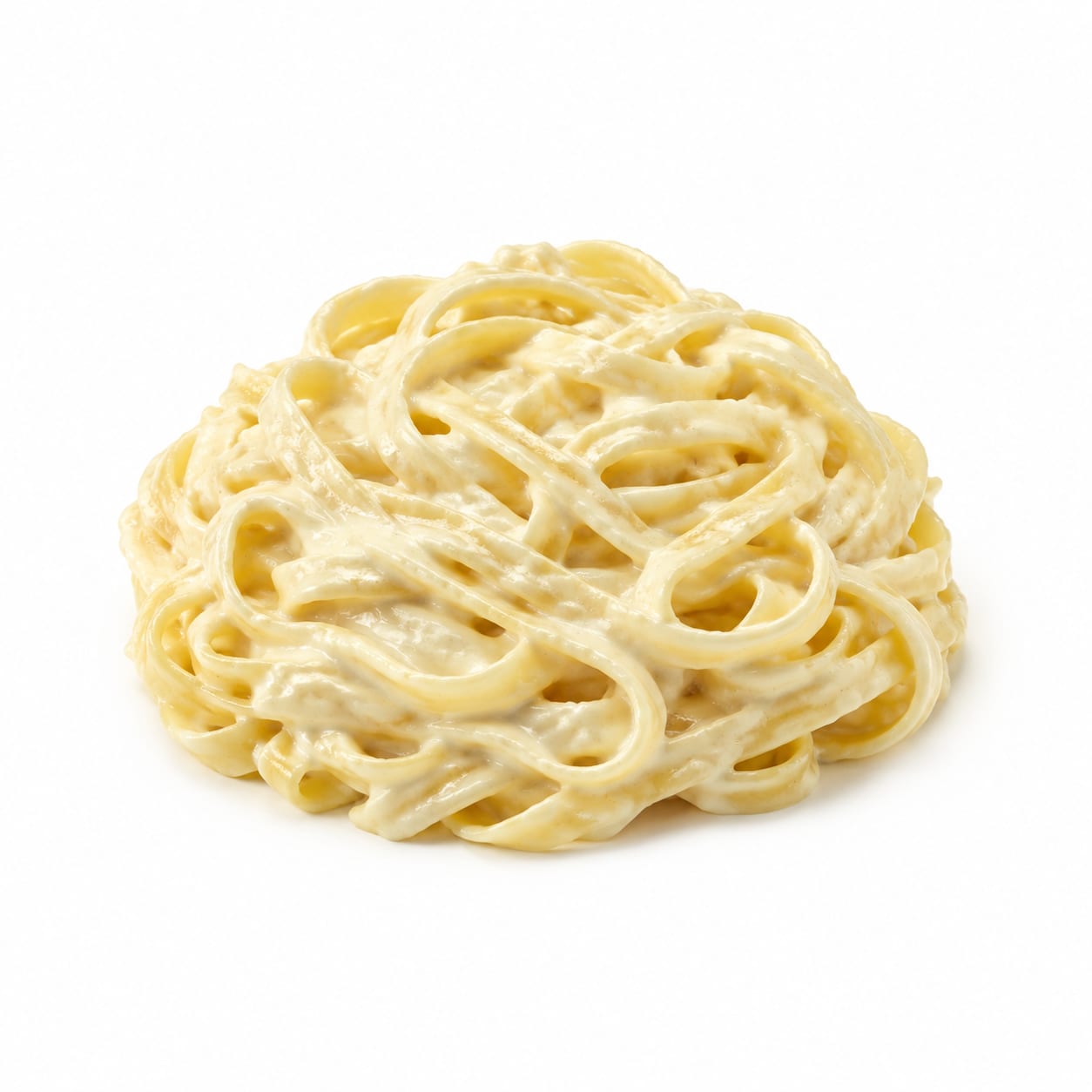
Fettuccine Alfredo
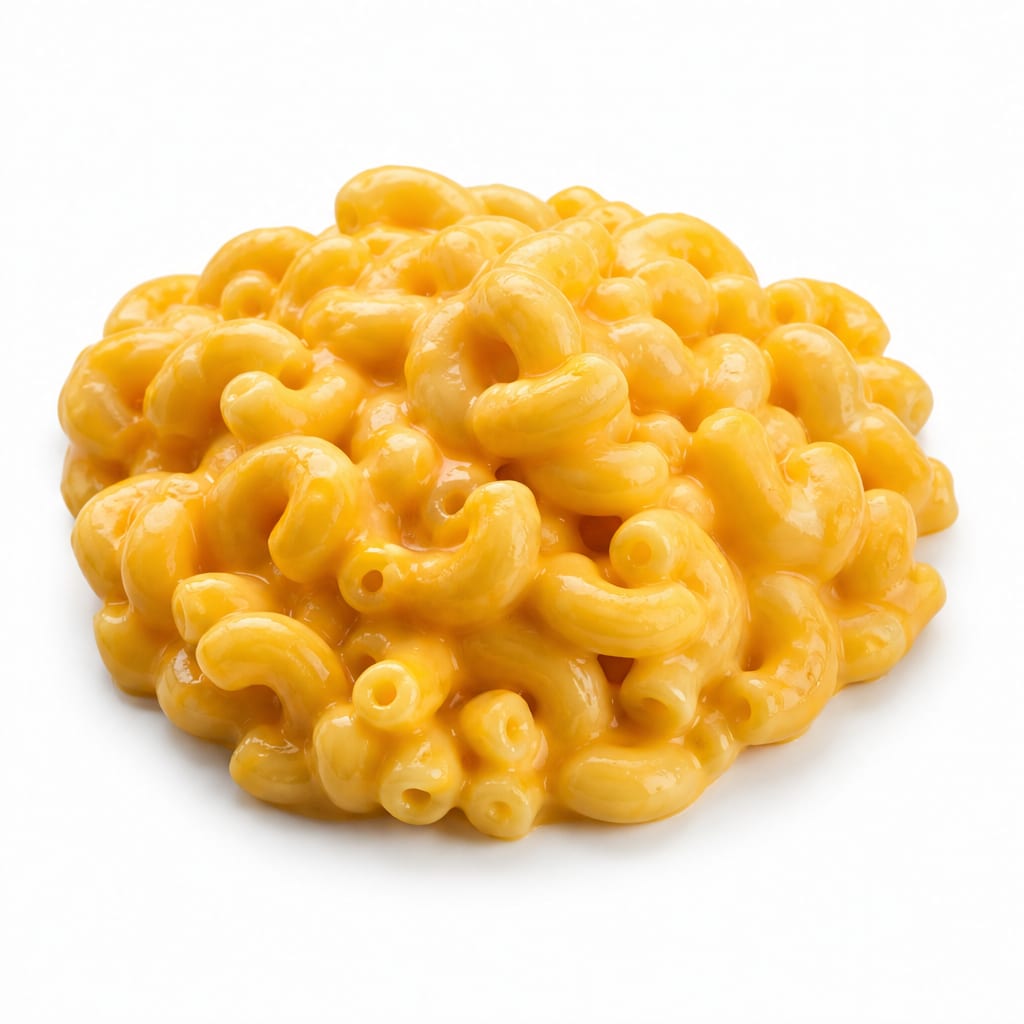
Mac and Cheese
Fettuccine Alfredo wins on ingredient simplicity and lower sodium, but Mac and Cheese offers slightly more protein and portion control ease. Neither is a health food.
Fettuccine Alfredo scores slightly higher due to simpler ingredients and lower sodium, but both lose major points for high saturated fat, refined carbs, and calorie density. The gap is small because neither belongs in a regular healthy rotation.
Cleaner ingredients and less sodium in Fettuccine Alfredo versus more protein and easier portion management in Mac and Cheese
At a glance
Executive summary
Overall
It depends
Healthier
Fettuccine Alfredo
More practical
Mac and Cheese
Daily use
It depends
Key comparison lenses
comfort food guilt tradeoff
Both are iconic comfort foods where users want to know which does less damage while still satisfying cravings
calorie and fat load comparison
Both dishes are notoriously heavy, so understanding which hits harder calorically drives real decisions
processing and ingredient quality
Mac and Cheese often comes from a box with additives, while Fettuccine Alfredo is typically made from scratch with simpler ingredients
sodium and heart health impact
Both are sodium bombs, but the sources and severity differ significantly
everyday meal viability
People wonder which comfort food they can get away with more often without wrecking their health goals
Best choice for
Fettuccine Alfredo
- People watching sodium intake
- Those who prefer whole-food ingredients
- Anyone avoiding artificial additives and preservatives
- Diners eating at restaurants where Alfredo is made fresh
Mac and Cheese
- Kids who need calorie-dense meals
- People wanting slightly more protein per serving
- Anyone needing a quick, shelf-stable comfort meal
- Those who practice strict portion control with pre-packaged servings
Least suitable for
Fettuccine Alfredo
- People on low-calorie diets
- Anyone with lactose intolerance or dairy sensitivity
- Those managing heart disease who need to limit saturated fat
- People seeking high-protein meals
Mac and Cheese
- People with sodium-sensitive hypertension
- Anyone avoiding ultra-processed foods
- Those concerned about artificial dyes and emulsifiers
- People managing inflammatory conditions
Deep comparison
Dimension by dimension
Each lens scores both foods and breaks down who each option suits.
- Dimension 1 · Priority 92Mac and Cheese
calorie density and weight management
Fettuccine Alfredo · 25Mac and Cheese · 32Fettuccine Alfredo is one of the most calorie-dense restaurant dishes available, often exceeding 1200 calories per plate. Mac and Cheese is also heavy but typically lands between 300-600 calories per serving depending on preparation.
Tradeoff
Mac and Cheese allows easier portion control, especially from boxed versions with clear serving sizes. Fettuccine Alfredo at restaurants often arrives as a massive plate that is easy to overeat.
Why it matters
If weight management is your priority, the dish you can realistically control portions with matters more than the calorie count per ounce.
Real-world impact
A restaurant Fettuccine Alfredo can quietly deliver an entire day's worth of calories in one sitting. A measured bowl of Mac and Cheese is easier to stop eating.
Fettuccine Alfredo
- People who naturally stop eating when full
- Those sharing a large restaurant portion
Better for
- Anyone prone to finishing their plate regardless of hunger
- Calorie counters eating at restaurants
Worse for
Mac and Cheese
- Portion trackers who measure servings
- People who find boxed serving sizes helpful for self-regulation
Better for
- Those who eat multiple servings from a large batch
- People who add mix-ins that dramatically increase calories
Worse for
- Dimension 2 · Priority 88Fettuccine Alfredo
sodium load
Fettuccine Alfredo · 40Mac and Cheese · 25Homemade Fettuccine Alfredo gets its sodium mainly from Parmesan cheese and a pinch of salt, typically landing around 600-900mg per serving. Boxed Mac and Cheese can easily exceed 1000-1500mg per serving.
Tradeoff
Fettuccine Alfredo gives you more control over sodium since you decide how much salt and cheese goes in. Mac and Cheese, especially boxed, delivers a fixed high-sodium hit.
Why it matters
For the 1 in 3 adults with hypertension, sodium is not a minor detail. It directly affects blood pressure within hours of eating.
Real-world impact
A single box of Mac and Cheese can deliver nearly your entire daily sodium limit. Homemade Alfredo lets you cut salt by 30-50% without ruining the flavor.
Fettuccine Alfredo
- People with sodium-sensitive blood pressure
- Home cooks willing to adjust seasoning
- Anyone tracking sodium carefully
Better for
- Restaurant versions that over-salt the pasta water and sauce
- Anyone adding extra Parmesan liberally
Worse for
Mac and Cheese
- People who do not have sodium concerns
- Those eating homemade Mac and Cheese with reduced-sodium cheese
Better for
- Boxed Mac and Cheese eaters
- People who use the entire seasoning packet
- Anyone already near their daily sodium limit
Worse for
- Dimension 3 · Priority 85Fettuccine Alfredo
ingredient simplicity and processing
Fettuccine Alfredo · 55Mac and Cheese · 30Classic Fettuccine Alfredo uses just butter, Parmesan, cream, and pasta. Boxed Mac and Cheese contains emulsifiers, preservatives, artificial colors, and processed cheese powder.
Tradeoff
Fettuccine Alfredo uses recognizable whole-food ingredients but is still very rich. Mac and Cheese from a box is ultra-processed with additives that may affect gut health over time.
Why it matters
Ultra-processed food consumption is linked to higher rates of obesity, heart disease, and all-cause mortality independent of calorie content.
Real-world impact
Reading the ingredient list on boxed Mac and Cheese reveals items you would never stock in your kitchen. Homemade Alfredo ingredients fit on one hand and you can pronounce all of them.
Fettuccine Alfredo
- Clean-eating advocates
- People avoiding emulsifiers and preservatives
- Those concerned about ultra-processed food health risks
Better for
- Restaurant versions with hidden stabilizers or thickeners
- Pre-made Alfredo sauces from jars
Worse for
Mac and Cheese
- People making Mac and Cheese from scratch with real cheese
- Anyone who prioritizes convenience over ingredient purity
Better for
- Boxed Mac and Cheese consumers
- People eating it multiple times per week
- Children regularly exposed to artificial food dyes
Worse for
- Dimension 4 · Priority 72Mac and Cheese
protein content
Fettuccine Alfredo · 35Mac and Cheese · 45Mac and Cheese typically delivers 12-18g of protein per serving from cheese and milk solids. Fettuccine Alfredo provides about 10-14g per serving, mostly from Parmesan.
Tradeoff
Mac and Cheese edges ahead on protein, but neither dish is a meaningful protein source. The difference is too small to drive a real decision for most people.
Why it matters
Protein helps with satiety and muscle maintenance, but you would need to look elsewhere regardless of which comfort food you pick.
Real-world impact
Adding grilled chicken to either dish does far more for protein than choosing between them. Neither stands alone as a protein-rich meal.
Fettuccine Alfredo
- Those using extra Parmesan or adding chicken
- People who pair it with a protein side
Better for
- Anyone relying on it as a main protein source
- Vegetarians needing higher protein meals
Worse for
Mac and Cheese
- Kids who might eat more protein this way than from other sources
- People who add tuna or chicken to their Mac and Cheese
Better for
- People eating boxed versions with less real cheese
- Those not adding any protein mix-ins
Worse for
- Dimension 5 · Priority 78It depends
blood sugar stability
Fettuccine Alfredo · 30Mac and Cheese · 30Both dishes are refined-carb bombs with minimal fiber. The fat content slows digestion slightly, but neither supports steady blood sugar.
Tradeoff
Fettuccine Alfredo has slightly more fat which may slow glucose absorption a bit. Mac and Cheese has marginally more protein. The practical difference is negligible.
Why it matters
For anyone with insulin resistance, prediabetes, or diabetes, both dishes will spike blood sugar significantly and should be occasional treats at most.
Real-world impact
Either dish can trigger an energy crash 60-90 minutes after eating. Pairing with a large salad or vegetables is the only real mitigation.
Fettuccine Alfredo
- People who eat smaller portions of richer food
- Those adding fibrous vegetables as a side
Better for
- Diabetics eating a full restaurant portion
- Anyone prone to post-meal energy crashes
Worse for
Mac and Cheese
- People who add broccoli or peas to their Mac and Cheese
- Those eating smaller measured portions
Better for
- Diabetics eating boxed versions that digest faster
- Anyone eating it as a standalone meal without vegetables
Worse for
- Dimension 6 · Priority 80Fettuccine Alfredo
satiety and fullness
Fettuccine Alfredo · 50Mac and Cheese · 42Fettuccine Alfredo's high fat content from cream and butter creates stronger satiety signals. Mac and Cheese is filling but the processed version digests faster.
Tradeoff
Fettuccine Alfredo keeps you full longer per calorie, but that fullness comes from heavy saturated fat. Mac and Cheese satisfies the comfort craving but may leave you hungry again sooner.
Why it matters
Feeling full matters for not overeating later, but the type of fullness from heavy saturated fat is different from the sustained energy of balanced meals.
Real-world impact
After Fettuccine Alfredo you may feel stuffed for hours. After Mac and Cheese, you might be searching for a snack within two hours.
Fettuccine Alfredo
- People who eat one large meal and want to stay full
- Those who prefer fewer but richer meals
Better for
- Anyone who finds heavy meals cause sluggishness
- People prone to acid reflux from rich food
Worse for
Mac and Cheese
- People who prefer lighter meals more frequently
- Those who find heavy meals uncomfortable
Better for
- Snackers who keep eating after the initial satisfaction fades
- People who need sustained energy for hours after eating
Worse for
- Dimension 7 · Priority 75Mac and Cheese
convenience and practicality
Fettuccine Alfredo · 30Mac and Cheese · 65Boxed Mac and Cheese is ready in 10 minutes with zero cooking skill. Fettuccine Alfredo requires fresh ingredients, technique, and more cleanup.
Tradeoff
Mac and Cheese wins on speed and accessibility. Fettuccine Alfredo rewards effort with better flavor and cleaner ingredients but demands more from the cook.
Why it matters
When you are exhausted and craving comfort, the food you can actually make is the food you will eat. Convenience often trumps nutrition in real life.
Real-world impact
A tired weeknight often ends with Mac and Cheese from a box, not homemade Alfredo. The practical choice is the one you will actually follow through on.
Fettuccine Alfredo
- Home cooks who enjoy the process
- People making a special weekend dinner
- Those dining out where someone else cooks
Better for
- Weeknight cooks short on time
- People without access to fresh Parmesan and cream
Worse for
Mac and Cheese
- Busy parents needing a 10-minute meal
- College students with limited cooking facilities
- Anyone who wants comfort food with zero effort
Better for
- Those who find boxed versions unsatisfying compared to homemade
- People avoiding ultra-convenient processed foods
Worse for
Timeline
Health impact over time
Short-term
Hours to days
Fettuccine Alfredo
- Heavy fullness and potential bloating from high fat content
- Possible acid reflux or heartburn due to cream and butter richness
- Post-meal sluggishness from calorie density and saturated fat load
- Blood sugar spike from refined pasta, partially buffered by fat
Mac and Cheese
- Quick satisfaction followed by faster return of hunger with boxed versions
- Blood sugar spike from refined pasta with less fat to slow absorption
- Thirst from high sodium content, especially with boxed varieties
- Possible mild digestive discomfort from emulsifiers and processed cheese powder
Long-term
Months to years
Fettuccine Alfredo
- Regular consumption increases cardiovascular risk from saturated fat and refined carbs
- Weight gain likely if eaten frequently due to extreme calorie density
- Higher LDL cholesterol from consistent butter and cream intake
- Minimal fiber contributes to poor digestive health over time
Mac and Cheese
- Regular boxed consumption links to ultra-processed food health risks including metabolic syndrome
- High sodium intake raises blood pressure and cardiovascular risk over years
- Artificial additives and emulsifiers may disrupt gut microbiome with frequent exposure
- Processed cheese powder lacks the beneficial compounds found in real aged cheese
Risk profile
Safety & processing
Fettuccine Alfredo uses processed pasta but the sauce relies on whole ingredients like butter, cream, and Parmesan. Boxed Mac and Cheese relies on cheese powder, emulsifiers, and preservatives that make it ultra-processed. Homemade Mac and Cheese closes this gap significantly.
Fettuccine Alfredo
dairy spoilage and foodborne illness
mediumCream and butter-based sauces are prone to bacterial growth if left at room temperature. Restaurant Alfredo held at improper temperatures is a real risk.
raw egg in some traditional preparations
lowAuthentic Italian Alfredo sometimes uses egg yolk, which carries salmonella risk if not properly handled. Most American versions skip the egg.
Mac and Cheese
phthalate exposure from processed cheese
mediumBoxed Mac and Cheese has tested positive for phthalates from cheese processing, which are endocrine disruptors that leach from plastic equipment during manufacturing.
artificial dye exposure
mediumSome boxed brands use Yellow 5 and Yellow 6, which have been linked to hyperactivity in children and are banned or restricted in several countries.
sodium nitrite in some cheese powders
lowCertain processed cheese powders contain preservatives that form nitrosamines, though levels are typically low in Mac and Cheese products.
Who wins for whom
Audience fit
Same foods, different winners depending on your goal.
children
Mac and CheeseKids overwhelmingly prefer Mac and Cheese, making it a practical vehicle for calories and a small amount of protein. However, parents should be cautious about artificial dyes and sodium in boxed versions.
daily consumption
It dependsNeither should be eaten daily. If forced, homemade versions of either eaten in small portions with added vegetables would be the only defensible approach.
diabetes
It dependsBoth spike blood sugar significantly. Fettuccine Alfredo's fat may slow glucose absorption marginally. Neither should be a regular choice for anyone managing diabetes.
elderly
Fettuccine AlfredoFettuccine Alfredo's softer texture and simpler ingredient list make it easier to digest and less likely to contain additives that interact with medications common in older adults.
muscle gain
Mac and CheeseMac and Cheese provides slightly more protein per serving and is easier to eat in larger quantities for bulking. Neither is optimal, but Mac and Cheese pairs better with added protein like chicken or tuna.
weight loss
It dependsNeither supports weight loss. If forced to choose, Mac and Cheese offers easier portion control, but Fettuccine Alfredo's higher satiety may prevent later snacking. The real answer is to eat either rarely and in small portions.
Your move
Decision guide
Choose Fettuccine Alfredo
- You are eating at a restaurant and want the simpler-ingredient comfort option
- Sodium is a major health concern for you
- You want to avoid artificial additives and ultra-processed food
- You find that rich, high-fat meals keep you full for hours
- You enjoy cooking and want a dish with whole, recognizable ingredients
Choose Mac and Cheese
- You need comfort food in under 15 minutes with almost no effort
- You are feeding kids who will actually eat it without a fight
- You want slightly more protein per serving
- You practice strict portion control and find pre-measured servings helpful
- You plan to add mix-ins like broccoli, tuna, or chicken to make it more balanced
Either works if
- You are treating yourself occasionally and neither will be a regular habit
- You pair the dish with a large serving of vegetables or salad
- You are eating a small portion as a side rather than a main course
Avoid both if
- You have active heart disease or very high cholesterol
- You are managing diabetes and need stable blood sugar
- You are on a strict calorie-controlled diet
- You have lactose intolerance or dairy sensitivity
- You are trying to reduce ultra-processed food intake significantly
Final recommendation
If you are choosing between these two comfort foods, Fettuccine Alfredo is the slightly better option for your body due to simpler ingredients and lower sodium, while Mac and Cheese wins on convenience and kid-friendliness. The most important decision is not which one to pick, but how often you eat either. Limit both to once or twice a month, add vegetables whenever possible, and make homemade versions to control what goes in. Neither dish will ruin your health occasionally, but neither will support it either.
Practical
Consumer tips
- 1
If making Mac and Cheese, use half the seasoning packet to cut sodium by 40% without losing much flavor
- 2
Add steamed broccoli or peas to Mac and Cheese to add fiber and slow blood sugar impact
- 3
Make Fettuccine Alfredo with half the butter and cream for a lighter version that still satisfies
- 4
Use whole wheat pasta for either dish to add fiber and reduce the blood sugar spike
- 5
Restaurant Fettuccine Alfredo portions are often 2-3 servings. Ask for a to-go box immediately and save half
- 6
Look for boxed Mac and Cheese brands without artificial dyes if serving to children
- 7
Add grilled chicken to either dish to make it an actual balanced meal
- 8
Try using Greek yogurt instead of cream in Alfredo sauce for a protein boost with less saturated fat
- 9
If choosing boxed Mac and Cheese, add real shredded cheese on top for better flavor and slightly better nutrition than relying only on the powder