
Nutrition comparison
Fettuccine Alfredo vs Buttered Noodles: Which Comfort Food Is Actually Better?
Fettuccine Alfredo and Buttered Noodles both satisfy carb cravings, but the calorie and saturated fat difference is massive. See which one to choose and when.
Overall winner · Buttered Noodles
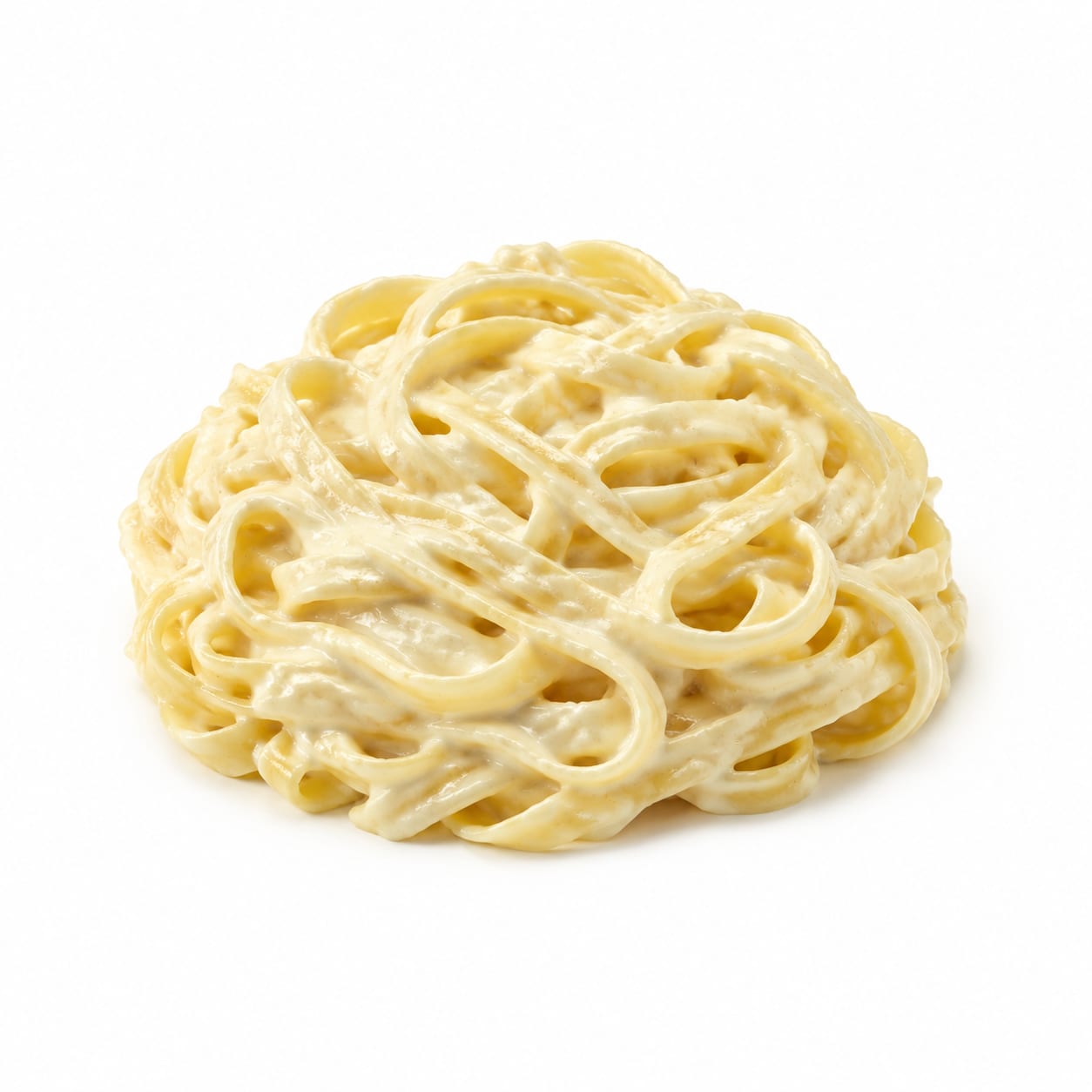
Fettuccine Alfredo
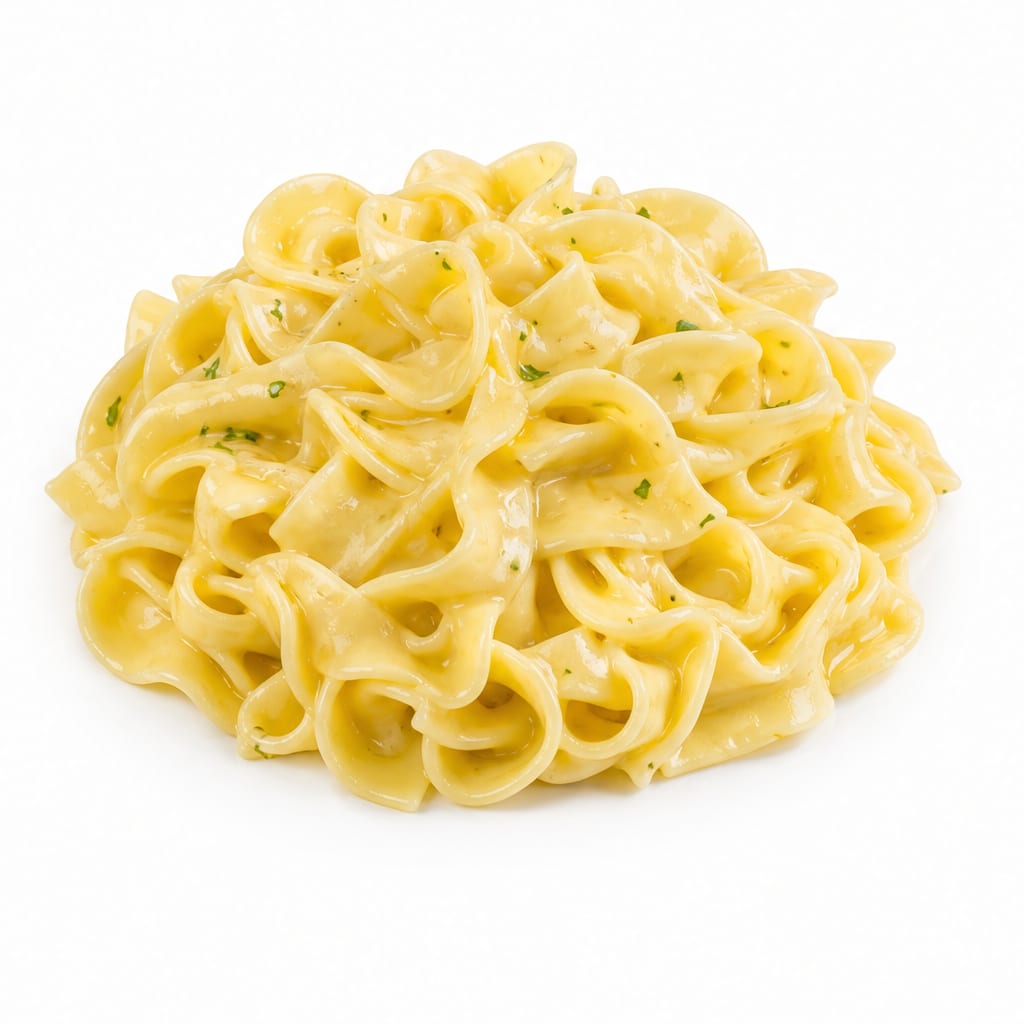
Buttered Noodles
Buttered Noodles is the simpler, lighter comfort option. Fettuccine Alfredo delivers a richer experience but at a steep calorie and saturated fat cost.
Buttered Noodles scores higher mainly due to lower calorie density, less saturated fat, and simpler preparation. Neither is a health food, but the gap in nutritional load is meaningful.
Creamy indulgence versus calorie control. Alfredo adds protein and a slower blood sugar rise but doubles down on saturated fat and calories.
At a glance
Executive summary
Overall
Buttered Noodles
Healthier
Buttered Noodles
More practical
Buttered Noodles
Daily use
Buttered Noodles
Key comparison lenses
comfort food calorie tradeoff
Both are indulgent carb-heavy dishes, so the real question is how much extra cost the cream sauce adds versus simple butter
heart health and saturated fat load
Heavy cream and parmesan pile significantly more saturated fat onto Alfredo compared to butter alone
overeating and portion control risk
Rich creamy sauce makes Alfredo extremely easy to overconsume calorically compared to the simpler buttered version
blood sugar management
Both spike blood sugar from refined pasta, but the fat and protein in Alfredo slow the rise somewhat
everyday practicality and simplicity
Buttered Noodles can be made in minutes with pantry staples; Alfredo requires more ingredients and technique
Best choice for
Fettuccine Alfredo
- Special occasion dinners where richness matters
- Anyone needing extra calories and satiety from fat
- People who find creamy sauces more satisfying and eat less overall
Buttered Noodles
- Weeknight comfort meals without the heavy aftermath
- Kids who prefer simple flavors
- Anyone watching calories or saturated fat intake
Least suitable for
Fettuccine Alfredo
- People managing heart disease or high cholesterol
- Anyone closely tracking calories
- Those prone to feeling sluggish after heavy meals
Buttered Noodles
- People who find low-protein meals unsatisfying
- Anyone needing sustained energy for hours after eating
- Those who overeat plain carbs when there is no rich sauce to slow them down
Deep comparison
Dimension by dimension
Each lens scores both foods and breaks down who each option suits.
- Dimension 1 · Priority 95Buttered Noodles
calorie density and portion control
Fettuccine Alfredo · 25Buttered Noodles · 55A typical restaurant serving of Fettuccine Alfredo can exceed 1200 calories. Buttered Noodles with a modest pat of butter lands closer to 400-500 calories for a similar pasta portion.
Tradeoff
Alfredo is more filling per bite, but the calorie cost per bite is enormous. Buttered Noodles is easier to portion reasonably.
Why it matters
If you eat comfort food regularly, the calorie difference compounds fast. Even twice a week, Alfredo can add over 1500 extra calories compared to Buttered Noodles.
Real-world impact
That heavy Alfredo plate often leaves you stuffed and sluggish an hour later, while Buttered Noodles feels lighter even though both are carb-forward.
Fettuccine Alfredo
- Underweight individuals needing calorie density
- Post-illness recovery when appetite is low but calories matter
Better for
- Anyone tracking calories even loosely
- Late-night eating where heavy meals disrupt sleep
Worse for
Buttered Noodles
- Weight management of any kind
- People who want comfort without the food coma
Better for
- Those who need calorie density to maintain weight
- Situations where a small portion must provide lasting energy
Worse for
- Dimension 2 · Priority 90Buttered Noodles
saturated fat and heart health
Fettuccine Alfredo · 20Buttered Noodles · 50Alfredo combines butter, heavy cream, and parmesan, delivering 20-30g of saturated fat per serving. Buttered Noodles with a tablespoon of butter has roughly 7g.
Tradeoff
The creamy sauce is what makes Alfredo iconic, but it is also what makes it one of the most saturated-fat-heavy dishes on most menus.
Why it matters
Regular high saturated fat intake raises LDL cholesterol. If this is a weekly meal, the difference between 7g and 25g of saturated fat is clinically significant over months.
Real-world impact
Your cardiologist would wince at Alfredo. Buttered Noodles is not heart-healthy either, but it is far less aggressive on your lipid profile.
Fettuccine Alfredo
- No realistic heart-health scenario favors Alfredo
Better for
- Anyone with elevated LDL or cardiovascular risk
- Regular consumption beyond rare occasions
Worse for
Buttered Noodles
- Anyone with family history of heart disease
- People trying to lower cholesterol through diet
Better for
- Still not ideal for daily saturated fat budgets if butter is generous
Worse for
- Dimension 3 · Priority 80Fettuccine Alfredo
blood sugar stability
Fettuccine Alfredo · 45Buttered Noodles · 30Both spike blood sugar from refined pasta, but Alfredo's fat and protein from cream and cheese slow gastric emptying, creating a slightly gentler glucose curve.
Tradeoff
The slower blood sugar rise from Alfredo comes at the cost of far more calories and saturated fat. It is a tradeoff that rarely makes sense metabolically.
Why it matters
For someone with diabetes or insulin resistance, neither dish is a good choice. But if forced to pick, the fat-protein buffer in Alfredo provides marginal benefit.
Real-world impact
Buttered Noodles alone can cause a quicker spike and crash. Alfredo may keep you steadier but heavier. Neither feels energizing.
Fettuccine Alfredo
- Diabetics choosing the lesser evil at a restaurant
- Those prone to reactive hypoglycemia
Better for
- The calorie and fat load creates other metabolic problems that outweigh the gentler glycemic curve
Worse for
Buttered Noodles
- No blood sugar scenario clearly favors Buttered Noodles
Better for
- Quick carb-only spike with minimal fat or protein to slow it
Worse for
- Dimension 4 · Priority 75Fettuccine Alfredo
protein and satiety
Fettuccine Alfredo · 50Buttered Noodles · 25Alfredo provides roughly 15-25g protein per serving from cream and parmesan. Buttered Noodles offers only 8-10g from the pasta itself.
Tradeoff
More protein means more satiety, but you pay for it with triple the calories. It is not an efficient protein source.
Why it matters
If you are eating this as a main dish, the protein in Alfredo at least makes it feel like a complete meal. Buttered Noodles often leaves you hungry again within two hours.
Real-world impact
After Buttered Noodles you may find yourself snacking again soon. After Alfredo you likely feel full for hours, possibly uncomfortably so.
Fettuccine Alfredo
- Situations where this is the only protein source available
- People who need a meal to hold them for 4-5 hours
Better for
- Anyone who feels uncomfortably stuffed after heavy meals
Worse for
Buttered Noodles
- Light lunch before an active afternoon
- Side dish alongside a protein-rich main
Better for
- Solo meals where lasting fullness matters
- Athletes needing sustained fuel
Worse for
- Dimension 5 · Priority 70Buttered Noodles
simplicity and ingredient control
Fettuccine Alfredo · 30Buttered Noodles · 75Buttered Noodles needs pasta, butter, and salt. Alfredo requires butter, cream, parmesan, and often garlic or thickening agents. More ingredients mean more variables and less control.
Tradeoff
Simplicity gives you transparency and adaptability. You decide exactly how much butter goes in. Restaurant Alfredo is a black box of fat and sodium.
Why it matters
When you make Buttered Noodles at home, you can use a light hand with butter and add vegetables. Alfredo is harder to lighten without losing its identity.
Real-world impact
Home-made Buttered Noodles with a modest amount of butter and some peas is a reasonable weeknight meal. Home-made Alfredo that tastes right is still very heavy.
Fettuccine Alfredo
- No practical scenario where more ingredients and complexity is an advantage
Better for
- Busy weeknights when you want food fast
- Anyone trying to reduce processed inputs
Worse for
Buttered Noodles
- Home cooks wanting quick control over nutrition
- Parents who want to sneak in vegetables easily
- Meal prep where simplicity saves time
Better for
- Cooking for a dinner party where simplicity feels too plain
Worse for
- Dimension 6 · Priority 65Buttered Noodles
sodium load
Fettuccine Alfredo · 25Buttered Noodles · 55Parmesan cheese is extremely salty, and restaurant Alfredo can pack 1500-2000mg sodium per serving. Buttered Noodles with a pinch of salt lands around 300-500mg.
Tradeoff
The cheese that makes Alfredo flavorful also makes it a sodium bomb. Buttered Noodles lets you control salt precisely.
Why it matters
For anyone with hypertension or salt sensitivity, the sodium difference alone could make Alfredo a poor choice even occasionally.
Real-world impact
After a big plate of restaurant Alfredo you may notice thirst and bloating. Buttered Noodles is far less likely to cause that puffy feeling.
Fettuccine Alfredo
- No scenario where high sodium is beneficial
Better for
- Regular consumption by anyone with hypertension
- Kidney disease patients managing sodium
Worse for
Buttered Noodles
- Anyone monitoring blood pressure
- People who feel bloated after salty restaurant meals
Better for
- Still depends on how much salt you add at home
Worse for
Timeline
Health impact over time
Short-term
Hours to days
Fettuccine Alfredo
- Heavy fullness and potential bloating from high fat content
- Post-meal sluggishness or food coma likely
- Thirst from high sodium intake
- Satisfied for hours but possibly uncomfortably so
Buttered Noodles
- Quick energy from carbs but possible crash within 1-2 hours
- Lighter stomach feel compared to Alfredo
- Hunger returning sooner due to minimal protein and fat
- Less bloating unless portions are large
Long-term
Months to years
Fettuccine Alfredo
- Regular consumption significantly raises cardiovascular risk from saturated fat and sodium
- Likely contributor to weight gain if eaten frequently
- LDL cholesterol elevation probable with weekly intake
- Very easy pattern to fall into because it is deeply rewarding to eat
Buttered Noodles
- Lower but still real risk of weight gain from refined carbs if portions are unmanaged
- Less cardiovascular strain than Alfredo but butter still contributes saturated fat
- Blood sugar volatility if eaten often without protein or fiber pairing
- Easier to modify in a healthier direction over time
Risk profile
Safety & processing
Both rely on refined pasta, which is processed. Alfredo adds heavy cream and sometimes stabilizers or thickeners in commercial versions. Buttered Noodles uses fewer processed components overall. Restaurant Alfredo often contains modified food starches and preservatives in the cream base.
Fettuccine Alfredo
dairy-borne bacterial contamination
mediumHeavy cream and fresh parmesan carry listeria and salmonella risk if not handled properly, especially in restaurant settings where cream sauces may sit at unsafe temperatures.
improper holding temperature
mediumCream-based sauces are high-risk for bacterial growth when held in the danger zone. Buffets and slow-service restaurants are the main concern.
Buttered Noodles
minimal food safety concern
lowButter is shelf-stable and cooked pasta poses very low risk. The simplicity of the dish leaves few vectors for contamination.
Who wins for whom
Audience fit
Same foods, different winners depending on your goal.
children
Buttered NoodlesKids generally prefer the simpler butter flavor, and the lower sodium and fat load is more appropriate for smaller bodies. Alfredo's richness can overwhelm young palates and add unnecessary saturated fat to a developing diet.
daily consumption
Buttered NoodlesNeither should be daily, but Buttered Noodles is far easier on the body if consumed regularly. Lower calories, less saturated fat, and less sodium make it the lesser of two comfort foods.
diabetes
It dependsAlfredo's fat and protein slow the glycemic spike slightly, but the massive calorie and saturated fat load creates other problems. Buttered Noodles spikes faster but is lighter overall. Neither is recommended.
elderly
Buttered NoodlesOlder adults managing blood pressure and heart health should avoid the sodium and saturated fat in Alfredo. Buttered Noodles is gentler while still providing comforting warmth.
muscle gain
Fettuccine AlfredoAlfredo provides more protein from cream and parmesan, though neither dish is an efficient muscle-building food. Pair either with grilled chicken for real results.
weight loss
Buttered NoodlesButtered Noodles has roughly half the calories per serving, making it easier to fit into a calorie budget. Neither is ideal, but the lighter option is clearly better here.
Your move
Decision guide
Choose Fettuccine Alfredo
- It is a special occasion and you want maximum indulgence
- You are eating a small appetizer portion, not a full plate
- You need a calorie-dense meal after intense physical exertion
- You are sharing the dish and eating a moderate amount
Choose Buttered Noodles
- You want comfort food on a regular weeknight without the heavy aftermath
- You are watching calories, sodium, or saturated fat
- You plan to add vegetables or lean protein to make it more balanced
- You are cooking for kids who prefer simple flavors
Either works if
- You are eating a small side portion alongside a salad and lean protein
- You simply want pasta and will adjust the rest of your day accordingly
Avoid both if
- You have diabetes and need stable blood sugar
- You are managing heart disease or high cholesterol
- You are trying to lose weight and find pasta triggers overeating
- You have gluten intolerance or celiac disease and no gluten-free alternative is available
Final recommendation
Buttered Noodles is the smarter default for everyday comfort eating. It gives you the pasta satisfaction with far less metabolic damage. Save Fettuccine Alfredo for true celebrations, keep portions small, and consider adding vegetables or grilled chicken to either dish to improve the nutritional profile. The biggest win is simply choosing the simpler version more often.
Practical
Consumer tips
- 1
Use half the butter you think you need for Buttered Noodles. A little goes further than expected when tossed with pasta water.
- 2
Add frozen peas or steamed broccoli to Buttered Noodles for fiber and color without changing the comfort factor.
- 3
If making Alfredo at home, try half cream and half milk with extra parmesan. You lose some richness but cut calories significantly.
- 4
Restaurant Alfredo portions are typically 2-3 servings. Ask for a half portion or box half before eating.
- 5
Whole wheat pasta works well with Buttered Noodles and adds fiber that slows the blood sugar spike meaningfully.
- 6
A squeeze of lemon juice on Buttered Noodles adds brightness and makes the dish feel less flat without adding calories.
- 7
If you crave Alfredo regularly, try a lighter version with Greek yogurt and a modest amount of parmesan. It is not the same, but it scratches the itch at a fraction of the cost.