
Nutrition comparison
Fettuccine Alfredo vs Cheese Pizza: Which Comfort Food Is Less Damaging?
Comparing Fettuccine Alfredo and Cheese Pizza on calories, saturated fat, protein, blood sugar impact, and real-world health tradeoffs. Find out which indulgence is the smarter choice.
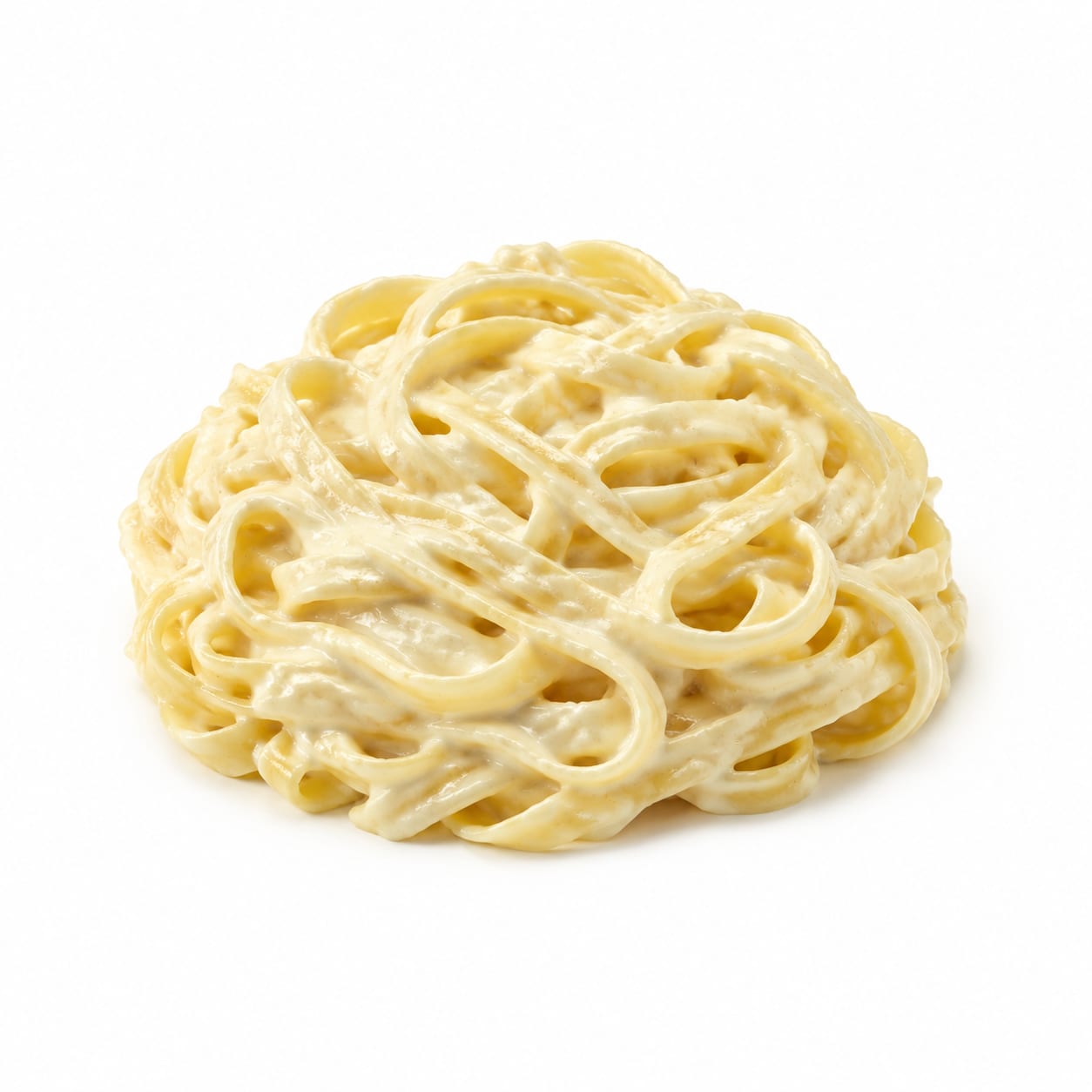
Fettuccine Alfredo
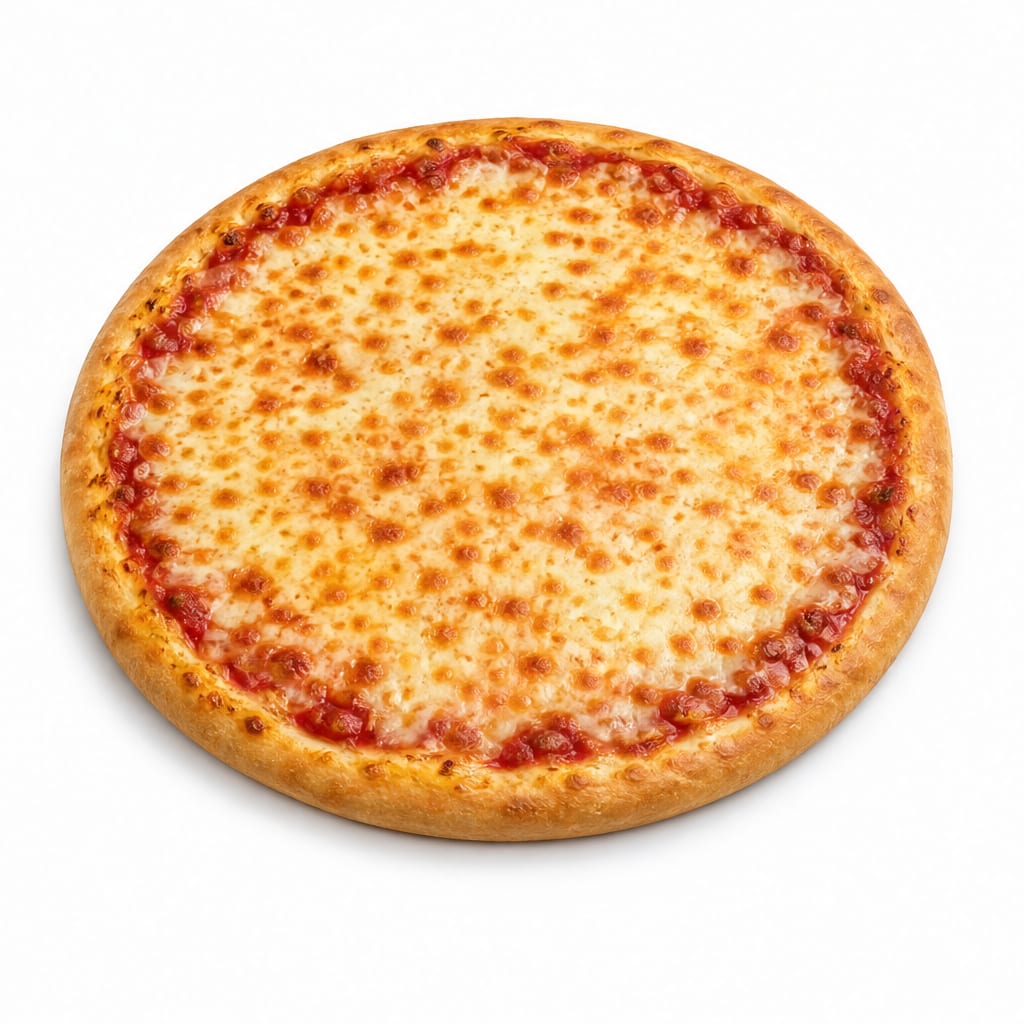
Cheese Pizza
Neither is a health food, but Cheese Pizza edges ahead with more protein, some lycopene from tomato sauce, and easier portion control via slices.
Cheese Pizza scores slightly higher due to more protein, some micronutrients from tomato sauce, and built-in portion structure. Fettuccine Alfredo is heavier in saturated fat and harder to portion. Both score low overall because neither offers meaningful fiber, micronutrients, or blood sugar stability.
Fettuccine Alfredo delivers a richer, more indulgent mouthfeel but packs even more saturated fat per bite. Cheese Pizza offers slightly better nutrition and more flexible portions, but sodium and refined carbs remain concerns.
At a glance
Executive summary
Overall
It depends
Healthier
Cheese Pizza
More practical
Cheese Pizza
Daily use
Cheese Pizza
Key comparison lenses
comfort food tradeoff
Both are classic comfort foods people choose for satisfaction, not health
calorie density and overeating
Both are extremely calorie-dense and easy to overconsume
saturated fat load
Heavy cream and butter in Alfredo vs mozzarella in pizza both deliver high saturated fat
blood sugar impact
Refined carbs dominate both options, making glycemic spike a real concern
convenience and social context
Pizza is shareable and available everywhere; Alfredo is typically a sit-down restaurant dish
Best choice for
Fettuccine Alfredo
- Special occasion indulgence when you want maximum richness
- Date night or romantic dinner where presentation matters
- Anyone craving a creamy, velvety texture nothing else satisfies
Cheese Pizza
- Group gatherings and parties where sharing matters
- Quick meals when you need something satisfying fast
- Kids who need calories and will actually eat it without a fight
Least suitable for
Fettuccine Alfredo
- Anyone monitoring heart health or cholesterol
- People trying to lose weight — it is dangerously easy to overeat
- Those with lactose intolerance due to heavy cream and butter
Cheese Pizza
- People with severe sodium restrictions
- Anyone avoiding refined carbohydrates
- Those prone to acid reflux — tomato sauce and fat are a rough combo
Deep comparison
Dimension by dimension
Each lens scores both foods and breaks down who each option suits.
- Dimension 1 · Priority 90Fettuccine Alfredo
satiety_and_fullness
Fettuccine Alfredo · 72Cheese Pizza · 65Fettuccine Alfredo feels heavier and more filling in the moment due to the extreme fat content slowing digestion.
Tradeoff
That fullness comes with a heavy, sluggish feeling that can last hours. Pizza fills you less but feels lighter afterward.
Why it matters
If you need one meal to carry you through a long afternoon, Alfredo keeps you fuller — but at the cost of energy and comfort.
Real-world impact
After Alfredo you may want a nap. After pizza, you can usually keep functioning, even if you ate too much.
Fettuccine Alfredo
- Long gaps between meals
- Physically demanding work where staying full matters
Better for
- Post-lunch productivity
- Anyone prone to food comas
Worse for
Cheese Pizza
- Busy afternoons when you need to stay alert
- Social meals where you want to keep moving after eating
Better for
- Situations where you need lasting fullness for 5+ hours
Worse for
- Dimension 2 · Priority 88Fettuccine Alfredo
blood sugar_stability
Fettuccine Alfredo · 38Cheese Pizza · 32Both spike blood sugar significantly, but Alfredo's massive fat content slightly slows glucose absorption.
Tradeoff
Slower absorption does not mean stable blood sugar — it means a prolonged insulin response that can leave you feeling drained for longer.
Why it matters
Neither option is safe for frequent consumption if you have insulin resistance or diabetes.
Real-world impact
Expect an energy crash within 90 minutes of either meal. With pizza it hits faster and fades faster. With Alfredo it rolls in slowly and lingers.
Fettuccine Alfredo
- Situations where a slower glucose rise is marginally preferable
Better for
- Anyone with metabolic syndrome
- Sedentary evenings
Worse for
Cheese Pizza
- Post-workout when faster carb absorption could actually help
Better for
- Diabetics counting glycemic load
- Anyone sensitive to quick sugar spikes
Worse for
- Dimension 3 · Priority 92Cheese Pizza
saturated_fat_and_heart_health
Fettuccine Alfredo · 18Cheese Pizza · 30Fettuccine Alfredo is one of the most saturated-fat-dense restaurant meals you can order. Cheese Pizza is also high but less extreme.
Tradeoff
A single restaurant serving of Alfredo can deliver 40-50g of saturated fat — roughly two days' worth. Two slices of pizza deliver roughly 10-14g.
Why it matters
Regular saturated fat overload directly impacts LDL cholesterol and cardiovascular risk over time.
Real-world impact
Eating Alfredo weekly is genuinely concerning for heart health. Pizza weekly is not great either, but the damage per serving is meaningfully lower.
Fettuccine Alfredo
- Cardiovascular health
- Cholesterol management
- Long-term arterial health
Worse for
Cheese Pizza
- Anyone with family history of heart disease
- People who eat comfort food more than occasionally
Better for
- Blood pressure due to sodium content
Worse for
- Dimension 4 · Priority 75Cheese Pizza
protein_quality
Fettuccine Alfredo · 35Cheese Pizza · 52Cheese Pizza provides more total protein and more complete protein from mozzarella. Alfredo's protein is modest and mostly from parmesan and cream.
Tradeoff
Pizza protein still comes with high fat and sodium. It is not a health food protein source, just a better one than Alfredo.
Why it matters
Protein helps with satiety and muscle maintenance. In a meal this calorie-dense, more protein at least gives you something useful.
Real-world impact
Two slices of pizza give roughly 14-16g protein. A full plate of Alfredo gives roughly 18-22g but with far more calories per gram of protein.
Fettuccine Alfredo
- Anyone trying to get meaningful protein without excessive calories
Worse for
Cheese Pizza
- Growing teenagers who need protein with calories
- Anyone counting protein per calorie
Better for
- Dimension 5 · Priority 70Cheese Pizza
micronutrient_value
Fettuccine Alfredo · 15Cheese Pizza · 38Cheese Pizza offers calcium from mozzarella, lycopene from tomato sauce, and small amounts of vitamin A. Fettuccine Alfredo is essentially empty calories beyond some calcium from parmesan.
Tradeoff
The micronutrient gap is real but modest. Pizza is still not a good source of vitamins — just less bad than Alfredo.
Why it matters
Lycopene from cooked tomatoes has genuine antioxidant benefits. Calcium from cheese supports bone health. These small wins add up when you eat something regularly.
Real-world impact
If you are going to eat comfort food weekly, pizza at least contributes something nutritionally useful. Alfredo contributes almost nothing beyond calories.
Fettuccine Alfredo
- Anyone relying on meals for any meaningful vitamin intake
Worse for
Cheese Pizza
- Bone health from calcium
- Antioxidant intake from lycopene
Better for
- Dimension 6 · Priority 82Fettuccine Alfredo
sodium_load
Fettuccine Alfredo · 35Cheese Pizza · 25Both are high-sodium meals, but Cheese Pizza often packs more sodium per serving due to cheese, sauce, and seasoned crust combined.
Tradeoff
Alfredo's sodium is still very high from parmesan and salted pasta water, but pizza has more sodium sources stacking up.
Why it matters
A single meal of either can deliver 1000-2000mg sodium. For salt-sensitive people, both are risky.
Real-world impact
If you have hypertension, neither is safe. But if forced to choose, Alfredo is marginally less damaging on blood pressure.
Fettuccine Alfredo
- Salt-sensitive individuals choosing the lesser evil
Better for
Cheese Pizza
- Blood pressure management
- Anyone on a low-sodium diet
Worse for
- Dimension 7 · Priority 85Cheese Pizza
portion_control
Fettuccine Alfredo · 25Cheese Pizza · 55Pizza has built-in portion units — slices. Fettuccine Alfredo is typically served as a massive mound with no natural stopping point.
Tradeoff
You can stop at two slices of pizza and feel okay about it. Stopping halfway through a plate of Alfredo feels unnatural and wasteful.
Why it matters
Portion control is the single biggest factor in whether a calorie-dense food ruins your diet or fits into it.
Real-world impact
Most people naturally eat 2-3 slices of pizza and stop. Most people finish the entire plate of Alfredo regardless of size — often 1200+ calories.
Fettuccine Alfredo
- Weight management
- Mindful eating
Worse for
Cheese Pizza
- Anyone tracking calories
- People who struggle with stopping once they start eating
Better for
- Dimension 8 · Priority 78Cheese Pizza
convenience_and_accessibility
Fettuccine Alfredo · 30Cheese Pizza · 85Pizza is available everywhere, delivers easily, and requires zero preparation. Fettuccine Alfredo is a restaurant dish or a labor-intensive home cook project.
Tradeoff
Pizza's convenience makes it a more frequent temptation. Alfredo's inconvenience naturally limits how often you eat it.
Why it matters
The food you can get anytime is the food you will eat most often. Convenience cuts both ways.
Real-world impact
Pizza at 10pm is one phone call away. Alfredo at 10pm means you are not eating Alfredo — and that might be better for your health.
Fettuccine Alfredo
- Special occasions where effort is part of the experience
Better for
- Quick meal needs
- Last-minute hunger
Worse for
Cheese Pizza
- Busy weeknights
- Group ordering
- Travel and limited options
Better for
- Anyone trying to reduce convenience food reliance
Worse for
Timeline
Health impact over time
Short-term
Hours to days
Fettuccine Alfredo
- Heavy sluggishness within 30-60 minutes
- Bloating from high fat and refined carbs combined
- Strong food coma effect that impairs afternoon focus
- Possible digestive discomfort from cream if lactose sensitive
Cheese Pizza
- Quicker energy spike followed by a crash within 90 minutes
- Thirst from high sodium content
- Possible heartburn from tomato sauce and fat combination
- Less sluggish than Alfredo but still far from energizing
Long-term
Months to years
Fettuccine Alfredo
- Significant LDL cholesterol increase if eaten regularly
- Weight gain risk is very high due to extreme calorie density and low satiety per calorie
- Cardiovascular risk compounds quickly with weekly consumption
- Minimal nutritional benefit to offset any of the damage
Cheese Pizza
- Moderate cholesterol concern from regular cheese consumption
- Weight gain risk is real but more manageable with portion control
- Sodium-related blood pressure concerns with frequent intake
- At least some calcium and lycopene provide marginal protective benefit
Risk profile
Safety & processing
Homemade Fettuccine Alfredo uses relatively whole ingredients — pasta, butter, cream, parmesan. Cheese Pizza, especially commercial or frozen, often contains preservatives, dough conditioners, and modified cheeses. Restaurant versions of both are more processed than homemade.
Fettuccine Alfredo
Dairy spoilage
mediumCream and butter-based sauces are high-risk for bacterial growth if left at room temperature. Refrigerate leftovers within 2 hours.
Raw egg in some recipes
lowAuthentic Alfredo rarely uses egg, but some cream-based pasta sauces do. Check the recipe if eating at a restaurant.
Cheese Pizza
Listeria from contaminated cheese
lowProperly made mozzarella from pasteurized milk is very low risk. Unpasteurized cheese is a concern in some artisan pizzas.
Acrylamide in crust
mediumBaked and especially over-browned pizza crust contains acrylamide, a probable carcinogen formed in starchy foods at high heat.
Foodborne illness from improper holding
mediumPizza left out after delivery is a common source of food poisoning. The 2-hour rule applies strictly.
Who wins for whom
Audience fit
Same foods, different winners depending on your goal.
children
Cheese PizzaKids actually eat pizza, which matters for getting calories and some calcium into picky eaters. Alfredo is often rejected by children unfamiliar with creamy sauces.
daily consumption
It dependsNeither should be eaten daily. If forced to choose, pizza in controlled portions is less damaging over time, but both are occasional foods at best.
diabetes
It dependsNeither is appropriate for regular consumption. Alfredo's fat slows glucose absorption slightly, but both will cause problematic blood sugar spikes. Avoid both or eat tiny portions rarely.
elderly
Cheese PizzaPizza is easier to chew, provides more calcium for bone health, and comes in manageable portions. Alfredo's heaviness can cause digestive discomfort in older adults.
muscle gain
Cheese PizzaMore total protein per serving and easier to eat in larger quantities if you are intentionally bulking. Alfredo's fat content makes hitting protein targets inefficient.
weight loss
Cheese PizzaPizza allows portion control via slices and has more protein per calorie. You can reasonably eat two slices and stop. Alfredo almost guarantees overconsumption.
Your move
Decision guide
Choose Fettuccine Alfredo
- You are celebrating a special occasion and want maximum indulgence
- Heavy, rich food is exactly what you are craving and nothing else will satisfy
- You are eating at a nice Italian restaurant and want the full experience
Choose Cheese Pizza
- You need a convenient meal that feeds multiple people easily
- You want comfort food but still want to function afterward
- You are sharing food socially and need something universally appealing
- You want something satisfying where you can actually control the portion
Either works if
- Neither is a regular choice — both are fine as rare treats
- You are bulking and need calorie-dense food regardless of quality
- Emotional comfort is the priority and nutrition is not the concern today
Avoid both if
- You have heart disease, high cholesterol, or are at high cardiovascular risk
- You are managing diabetes or insulin resistance
- You are trying to lose weight and struggle with portion control
- You have lactose intolerance or dairy sensitivity
Final recommendation
If you must choose one, Cheese Pizza is the less damaging option — more protein, some micronutrients, and built-in portion control. But the real answer is that neither belongs in a regular rotation. Enjoy whichever you crave most as an occasional treat, keep the portion reasonable, and make your next meal something that actually nourishes you.
Practical
Consumer tips
- 1
Order pizza with a thin crust to cut refined carbs significantly without sacrificing satisfaction
- 2
Ask for light cheese on pizza to reduce saturated fat and sodium by 30-40%
- 3
If making Alfredo at home, use half the butter and substitute half the cream with broth — you lose some richness but save hundreds of calories
- 4
Always pair either meal with a side salad or vegetables to add fiber and slow digestion
- 5
Never supersize either option — a single slice or a half-portion of pasta is enough when combined with vegetables
- 6
Drink water instead of soda with either meal — the sugar from a drink on top of these carbs is brutal
- 7
If ordering pizza, stop at two slices and wait 15 minutes before considering more
- 8
Refrigerate leftovers within two hours for both foods — dairy and meat contamination risk is real