
Nutrition comparison
Fettuccine Alfredo vs Lasagna: Which Italian Classic Is Healthier?
Compare Fettuccine Alfredo and Lasagna on protein, calories, satiety, and health impact. Find out which comfort food is the smarter indulgence for your goals.
Overall winner · Lasagna
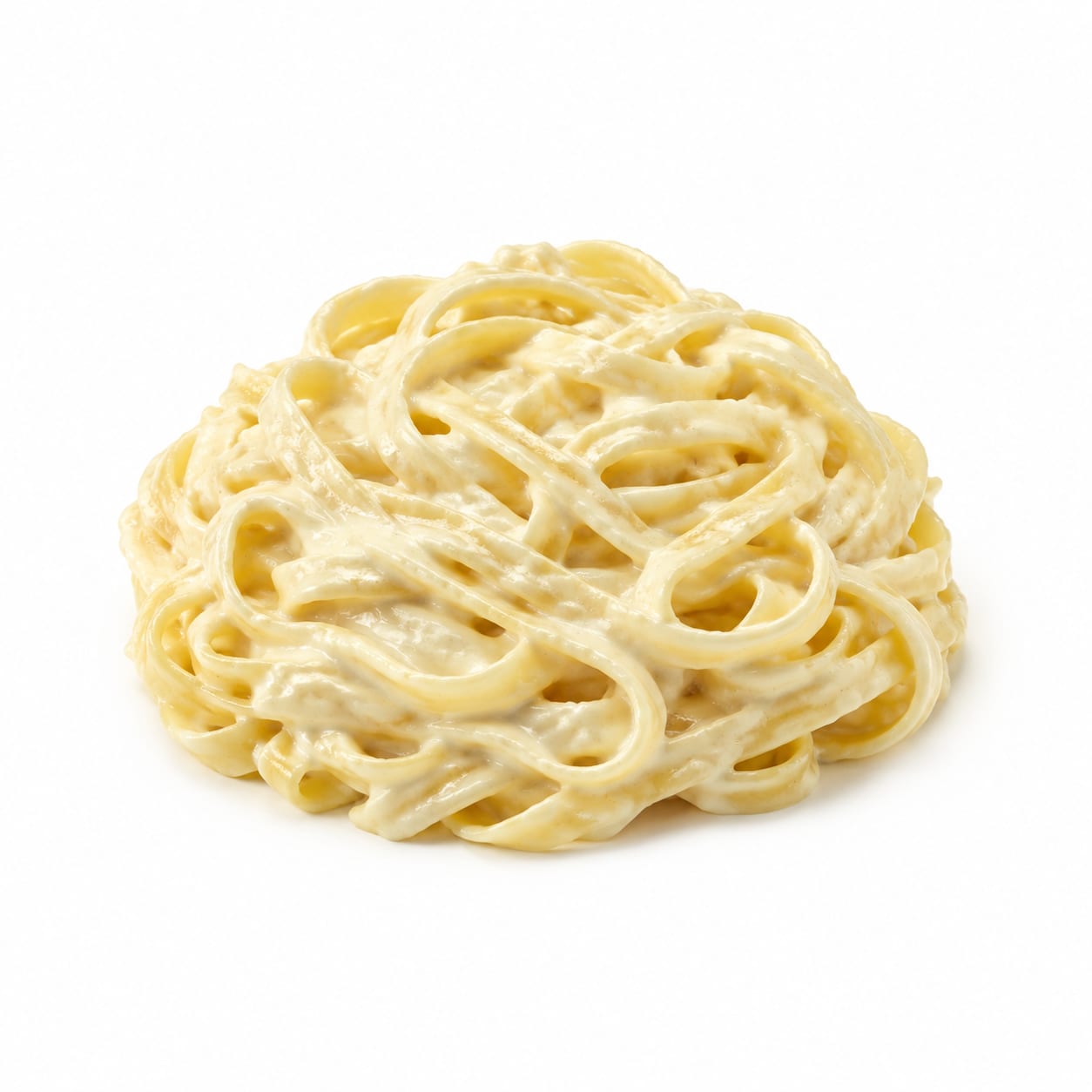
Fettuccine Alfredo
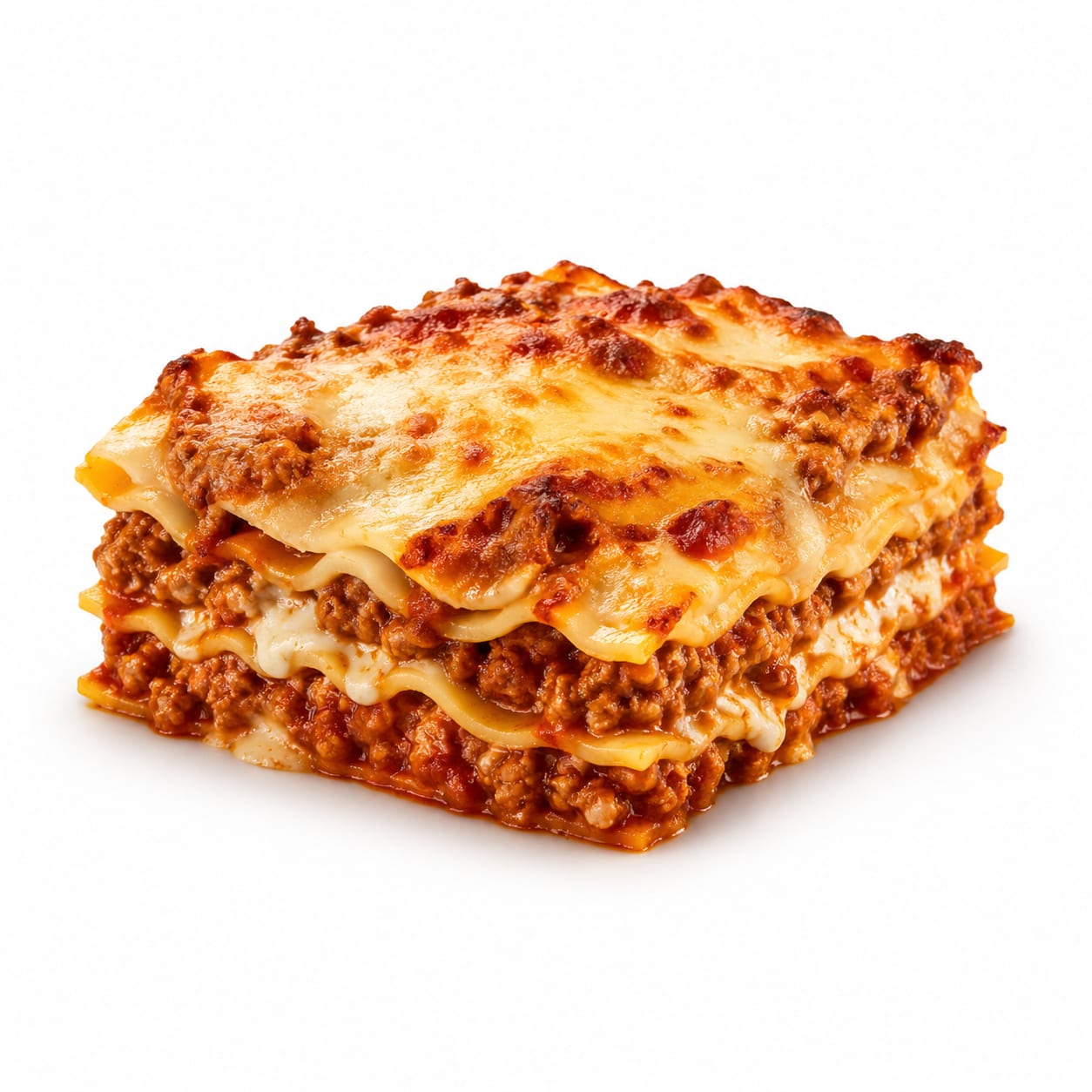
Lasagna
Lasagna edges out Fettuccine Alfredo thanks to more protein, better satiety, and potential vegetable content, though both remain indulgent comfort foods best enjoyed occasionally.
Lasagna scores moderately higher due to protein content, satiety value, and potential vegetable inclusion. Fettuccine Alfredo lands lower because its calorie-to-nutrient ratio is less favorable and it offers minimal protein or fiber.
Fettuccine Alfredo is simpler and lighter on portions, but Lasagna delivers more nutritional value per calorie with its protein and variety.
At a glance
Executive summary
Overall
Lasagna
Healthier
Lasagna
More practical
Lasagna
Daily use
It depends
Key comparison lenses
comfort food decision: which Italian classic is less damaging
Both are heavy indulgent dishes, so users are likely choosing between them at a restaurant or for a home-cooked meal
protein and satiety comparison
Lasagna typically contains meat and ricotta, making it substantially more filling and protein-rich
calorie density and weight management
Both are calorie-dense but Alfredo's cream sauce makes it especially easy to overconsume
sodium load and heart health impact
Both are high-sodium dishes but through different sources, affecting cardiovascular risk differently
nutritional variety and completeness as a meal
Lasagna often contains vegetables and multiple protein sources, making it closer to a complete meal
Best choice for
Fettuccine Alfredo
- Lighter appetite days when you want pasta without feeling stuffed
- Simpler digestion needs since the sauce is milder on the stomach
- Quick homemade pasta nights with minimal ingredients
Lasagna
- Active days requiring sustained energy and fullness
- Family meals where one dish needs to satisfy everyone
- Post-workout recovery needing protein and carbs together
Least suitable for
Fettuccine Alfredo
- Anyone watching saturated fat closely
- People needing protein-rich meals for satiety or muscle
- Those prone to blood sugar spikes without protein buffering
Lasagna
- Sodium-sensitive individuals managing blood pressure
- People seeking a lighter meal that won't cause afternoon sluggishness
- Anyone with dairy sensitivity since lasagna stacks multiple cheese types
Deep comparison
Dimension by dimension
Each lens scores both foods and breaks down who each option suits.
- Dimension 1 · Priority 95Lasagna
protein content and satiety
Fettuccine Alfredo · 20Lasagna · 68Lasagna delivers substantially more protein from meat and ricotta, keeping you full for hours longer than Alfredo's butter-and-cream sauce.
Tradeoff
That fullness comes with a heavier post-meal feeling that some people find uncomfortable.
Why it matters
Protein is the main driver of satiety. Without it, you're hungry again within two hours despite consuming 800+ calories.
Real-world impact
After Fettuccine Alfredo, you're likely snacking by 3pm. After lasagna, dinner may carry you to breakfast.
Fettuccine Alfredo
- Smaller appetites who feel uncomfortable after heavy meals
- Light lunch occasions where you don't want food coma
Better for
- Anyone relying on this meal for lasting energy
- Muscle maintenance needs in older adults
Worse for
Lasagna
- Athletes needing recovery protein
- Anyone trying to avoid between-meal snacking
- People who skip meals and need one to actually last
Better for
- Those who feel sluggish after heavy protein meals
- Hot summer days when heavy food feels punishing
Worse for
- Dimension 2 · Priority 90Lasagna
calorie density and overeating risk
Fettuccine Alfredo · 25Lasagna · 42Fettuccine Alfredo is more calorie-dense per bite, making it dangerously easy to overeat before feeling full.
Tradeoff
Lasagna is still very calorie-dense, but its protein and structure slow you down slightly.
Why it matters
Cream sauce coats pasta in a way that bypasses fullness signals. You can easily consume 1200 calories before your brain catches up.
Real-world impact
Restaurant Alfredo portions routinely hit 1000-1500 calories. A lasagna slice is heavy but at least has a natural stopping point.
Fettuccine Alfredo
- Portion control enthusiasts who can stop at a small bowl
Better for
- Emotional eaters who struggle to stop with rich foods
- Anyone tracking calories who underestimates sauce density
Worse for
Lasagna
- Mindful eaters who benefit from a defined portion like a square or slice
- Those who eat until satisfied rather than stuffed
Better for
- Social settings where seconds and thirds are encouraged
Worse for
- Dimension 3 · Priority 88Lasagna
saturated fat and heart health
Fettuccine Alfredo · 22Lasagna · 35Both dishes are saturated fat bombs, but Alfredo's butter-and-cream base pushes it into more concerning territory for cardiovascular health.
Tradeoff
Lasagna's cheese layers are still problematic, but the fat is distributed alongside more protein and nutrients.
Why it matters
A single plate of Fettuccine Alfredo can contain 2-3 days' worth of recommended saturated fat intake.
Real-world impact
If heart health is a priority, neither is great, but Alfredo is the one your cardiologist would specifically flag.
Fettuccine Alfredo
- No realistic heart-health advantage over lasagna
Better for
- People with high cholesterol or family history of heart disease
- Anyone who has already eaten rich foods earlier in the day
Worse for
Lasagna
- Slightly better fat-to-protein ratio makes the saturated fat load less wasteful
Better for
- Those stacking multiple high-fat meals in one day
Worse for
- Dimension 4 · Priority 82Fettuccine Alfredo
sodium load
Fettuccine Alfredo · 35Lasagna · 25Lasagna typically packs more sodium from multiple cheese layers, seasoned meat sauce, and added salt across components.
Tradeoff
Fettuccine Alfredo is still high in sodium from Parmesan, but the simpler recipe means fewer sodium sources stacking up.
Why it matters
Restaurant lasagna can easily exceed 2000mg sodium per serving, which is nearly a full day's limit in one meal.
Real-world impact
After either dish you may feel bloated and thirsty, but lasagna is more likely to cause noticeable puffiness the next morning.
Fettuccine Alfredo
- Blood pressure management when forced to choose between the two
- Those sensitive to salt who notice swelling or thirst
Better for
- Still not a low-sodium choice by any measure
Worse for
Lasagna
- No realistic sodium advantage over Alfredo
Better for
- Anyone on a sodium-restricted diet
- People prone to bloating or water retention
Worse for
- Dimension 5 · Priority 78Lasagna
nutritional variety and completeness
Fettuccine Alfredo · 18Lasagna · 58Lasagna often includes meat, tomatoes, and sometimes spinach or zucchini, making it closer to a nutritionally complete meal.
Tradeoff
That variety comes with more complexity and more potential allergens or digestive triggers.
Why it matters
Eating a meal with protein, carbs, vegetables, and fat provides more balanced energy than carbs and fat alone.
Real-world impact
Lasagna can reasonably serve as a one-dish dinner. Fettuccine Alfredo really needs a side salad or protein to approach balance.
Fettuccine Alfredo
- Picky eaters who prefer simple flavors
- People with multiple food sensitivities who need fewer ingredients
Better for
- Anyone eating this as a standalone meal regularly
- Vegetable-avoidant people who need hidden nutrients
Worse for
Lasagna
- Families needing one dish to cover multiple nutritional bases
- Meal prep scenarios where you want leftovers that reheat as a complete meal
Better for
- Those with dairy, gluten, and meat sensitivities all at once
Worse for
- Dimension 6 · Priority 75Lasagna
blood sugar stability
Fettuccine Alfredo · 25Lasagna · 45Lasagna's protein and fat slow carb absorption more effectively than Alfredo's fat-only buffer, leading to steadier blood sugar.
Tradeoff
Neither is ideal for blood sugar management. Both are refined-carb-heavy meals that will spike glucose.
Why it matters
Without enough protein, the white pasta in Alfredo digests quickly and can cause a sharper blood sugar rise and crash.
Real-world impact
Fettuccine Alfredo is more likely to leave you feeling sleepy and hungry an hour later. Lasagna's crash is softer and delayed.
Fettuccine Alfredo
- No meaningful blood sugar advantage
Better for
- People with insulin resistance or diabetes
- Those prone to afternoon energy crashes
Worse for
Lasagna
- Prediabetics who must choose between the two
- Anyone who gets cranky or shaky after carb-heavy meals
Better for
- Still a poor choice for strict blood sugar management
Worse for
- Dimension 7 · Priority 70Fettuccine Alfredo
digestive comfort
Fettuccine Alfredo · 48Lasagna · 38Fettuccine Alfredo's simpler composition is gentler on digestion for most people, despite its richness.
Tradeoff
Lasagna's layered ingredients mean more digestive variables that can cause issues for sensitive stomachs.
Why it matters
Multiple dairy types, tomato acidity, and seasoned meat in lasagna create more opportunities for heartburn and bloating.
Real-world impact
If you have reflux or IBS, Alfredo might be tolerable in small portions. Lasagna is more likely to trigger symptoms.
Fettuccine Alfredo
- People with acid reflux who tolerate mild rich foods
- Those with sensitive digestion who prefer simpler meals
Better for
- Anyone with lactose intolerance or dairy sensitivity
Worse for
Lasagna
- No realistic digestive comfort advantage
Better for
- GERD sufferers triggered by tomato sauce
- People with IBS who react to multiple FODMAP sources at once
- Anyone combining this with wine or acidic drinks
Worse for
Timeline
Health impact over time
Short-term
Hours to days
Fettuccine Alfredo
- Quick energy followed by sluggishness within 1-2 hours
- Thirst from high sodium and rich dairy
- Possible bloating from heavy cream and butter load
- Food coma risk without protein to stabilize digestion
Lasagna
- Sustained fullness lasting 4-5 hours
- Possible heartburn from tomato sauce and multiple cheese layers
- Bloating from combined dairy, meat, and carb density
- Post-meal heaviness that may reduce physical activity motivation
Long-term
Months to years
Fettuccine Alfredo
- Regular consumption significantly raises cardiovascular risk from saturated fat overload
- Weight gain likely due to extreme calorie density without satiety
- Potential nutrient deficiencies if Alfredo replaces more balanced meals
- Elevated cholesterol from consistent high butter and cream intake
Lasagna
- Frequent consumption contributes to high sodium-related blood pressure concerns
- More sustainable occasional indulgence due to protein and nutrient content
- Still poses weight gain risk if portions are not controlled
- Better long-term option if limited to 1-2 times per month
Risk profile
Safety & processing
Homemade versions of both are relatively clean, using basic whole ingredients. Restaurant and frozen versions diverge significantly: Fettuccine Alfredo often uses cream stabilizers and modified starches, while frozen lasagna can include preservatives, artificial flavors, and emulsifiers across its multiple layers.
Fettuccine Alfredo
Dairy spoilage
mediumCream and butter sauces are prone to bacterial growth if left at room temperature. Refrigerate leftovers within 2 hours.
Raw egg in fresh pasta
lowIf using fresh homemade pasta, undercooked eggs pose a minor salmonella risk. Commercial dried pasta eliminates this concern.
Lasagna
Multiple temperature danger zones
highLasagna combines meat, dairy, and tomato sauce, each with different spoilage timelines. Improper cooling or reheating increases foodborne illness risk significantly.
Undercooked meat layer
mediumThick lasagna can have cold spots where meat filling doesn't reach safe temperatures. Use a thermometer to verify 165°F throughout.
Listeria from ricotta
mediumRicotta is a fresh cheese with higher moisture content, making it more susceptible to listeria contamination than aged cheeses.
Who wins for whom
Audience fit
Same foods, different winners depending on your goal.
children
LasagnaKids benefit from lasagna's protein, calcium, and potential hidden vegetables. The variety supports growing bodies better than Alfredo's empty calories.
daily consumption
It dependsNeither should be eaten daily. If forced to choose, a lighter homemade Alfredo with portion control is less sodium-heavy, but neither supports daily consumption healthily.
diabetes
LasagnaLasagna's protein slows glucose absorption more effectively, creating a flatter blood sugar curve. Both are poor choices, but lasagna is slightly less harmful.
elderly
Fettuccine AlfredoFettuccine Alfredo is softer and easier to chew and digest for aging teeth and sensitive stomachs. Lasagna's multiple textures can be challenging.
muscle gain
LasagnaMeat and ricotta in lasagna provide substantially more protein for muscle repair and growth. Fettuccine Alfredo is nearly protein-free without chicken.
weight loss
LasagnaLasagna's higher protein content provides better satiety per calorie, making it easier to eat less overall. Neither is ideal for weight loss, but lasagna keeps you full longer.
Your move
Decision guide
Choose Fettuccine Alfredo
- You want a simpler, lighter pasta experience without heavy fullness
- You have digestive sensitivities that react to tomato sauce or multiple ingredients
- You're eating a smaller portion as part of a meal with salad and lean protein
- You prefer milder flavors without acidic or heavily seasoned components
Choose Lasagna
- You need a meal that will actually keep you full for hours
- You want more nutritional value per calorie including protein and possible vegetables
- You're feeding a family and need one complete dish that satisfies everyone
- You're after a heartier comfort food experience with more complex flavors
Either works if
- It's an occasional indulgence and you'll balance it with lighter meals the rest of the day
- You're at an Italian restaurant and both sound equally appealing
- You plan to add a large side salad and eat a smaller main portion
Avoid both if
- You're managing heart disease, high cholesterol, or high blood pressure strictly
- You're following a low-calorie or low-fat diet for weight loss
- You have dairy intolerance or lactose malabsorption
- You're monitoring sodium intake for kidney or blood pressure concerns
Final recommendation
Choose lasagna when you need a satisfying, protein-rich meal that stands on its own. Opt for Fettuccine Alfredo when you want something simpler and lighter, ideally paired with vegetables or grilled chicken. For both, portion control is everything — a single reasonable serving enjoyed slowly beats overeating either one.
Practical
Consumer tips
- 1
Ask for half-portions or lunch sizes at restaurants — both dishes routinely serve 2-3 actual servings per plate
- 2
Add grilled chicken to Fettuccine Alfredo to dramatically improve its protein profile and satiety
- 3
Choose vegetable lasagna varieties to boost fiber and reduce saturated fat while keeping the satisfying structure
- 4
Make either dish at home where you control butter, cream, and cheese quantities — you'll cut calories and sodium by 30-50%
- 5
Drink water before and during the meal to help with fullness and counteract the sodium load
- 6
If ordering lasagna, ask for a side salad and eat it first to take the edge off hunger before the heavy main arrives
- 7
Freeze leftover lasagna in individual portions — it reheats well and prevents the 'finish the whole pan' trap
- 8
For Fettuccine Alfredo, try substituting half the cream with broth and using less pasta with more vegetables mixed in