
Nutrition comparison
Fettuccine Alfredo vs Whole Wheat Pasta with Marinara: Which Is Healthier?
Compare Fettuccine Alfredo and Whole Wheat Pasta with Marinara on calories, saturated fat, fiber, and heart health. Find out which pasta dish is better for weight loss, daily eating, and long-term wellness.
Overall winner · Whole Wheat Pasta with Marinara
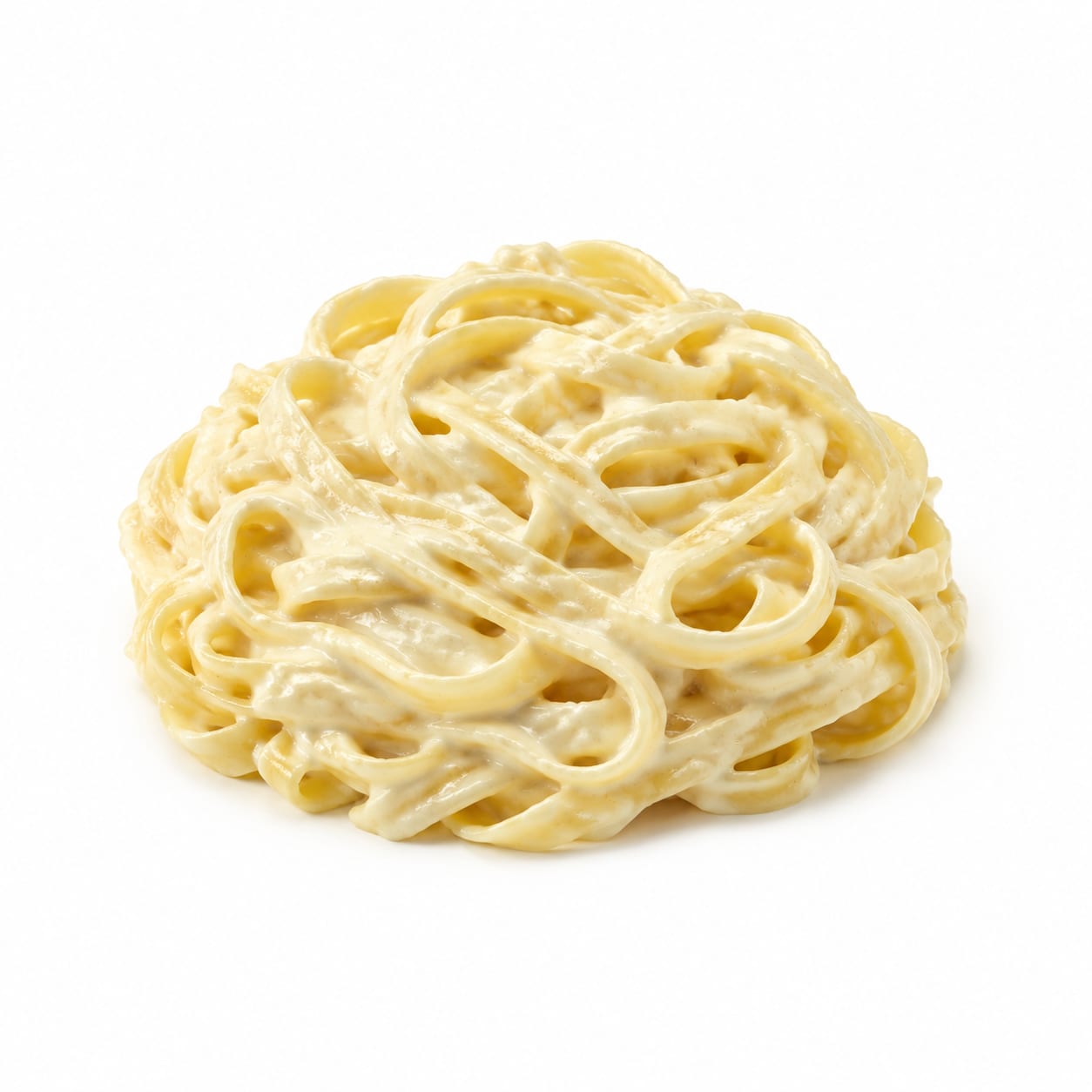
Fettuccine Alfredo
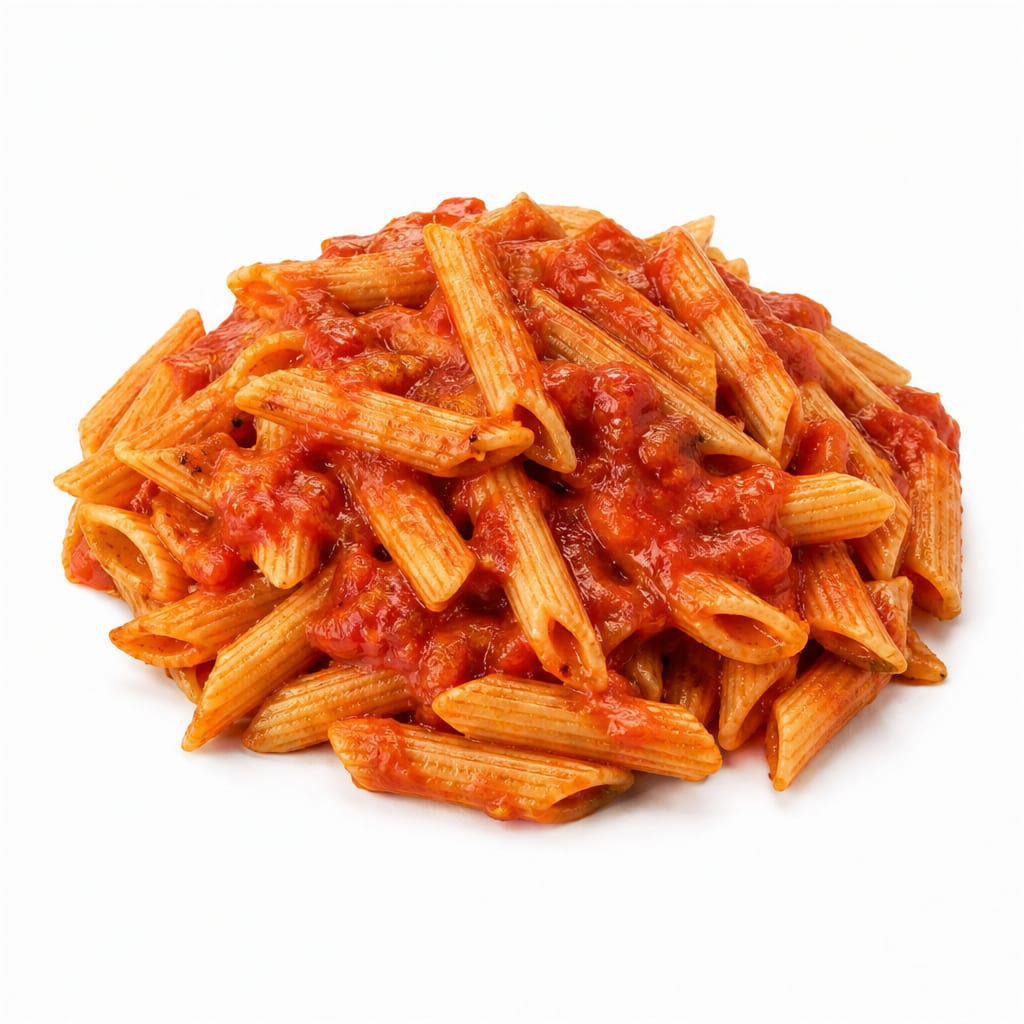
Whole Wheat Pasta with Marinara
Whole Wheat Pasta with Marinara wins for daily eating thanks to fiber, antioxidants, and a fraction of the saturated fat. Fettuccine Alfredo is a rich indulgence best enjoyed occasionally.
Whole Wheat Pasta with Marinara scores dramatically higher due to its fiber content, lower saturated fat, antioxidant-rich sauce, and suitability for regular consumption. Fettuccine Alfredo is not inherently bad but its calorie density and saturated fat load make it a poor choice for frequent eating.
Creamy comfort and indulgence versus long-term health and steadier energy
At a glance
Executive summary
Overall
Whole Wheat Pasta with Marinara
Healthier
Whole Wheat Pasta with Marinara
More practical
Whole Wheat Pasta with Marinara
Daily use
Whole Wheat Pasta with Marinara
Key comparison lenses
weight management and calorie control
Fettuccine Alfredo is notoriously calorie-dense, making this the top concern for most people choosing between these two pasta dishes
heart health and saturated fat intake
The cream and butter in Alfredo sauce deliver a heavy saturated fat load, while marinara provides heart-friendly lycopene
blood sugar stability and energy crashes
Whole wheat pasta's fiber slows glucose absorption, whereas refined pasta with fat-heavy sauce creates a different metabolic response
everyday eating sustainability
People want to know which pasta they can eat regularly without negative consequences
comfort food vs guilt-free satisfaction
Alfredo is emotionally satisfying but leaves many feeling sluggish, while marinara feels lighter and more energizing
Best choice for
Fettuccine Alfredo
- Occasional celebratory dinners
- Someone needing extra calories intentionally
- Comfort food cravings that nothing else will satisfy
Whole Wheat Pasta with Marinara
- Weeknight dinners you eat multiple times per week
- Anyone watching their weight or heart health
- Active people who want sustained energy without the post-meal slump
Least suitable for
Fettuccine Alfredo
- Anyone with high cholesterol or heart disease risk
- People trying to lose weight
- Frequent everyday meals
Whole Wheat Pasta with Marinara
- Someone who genuinely needs calorie density due to low appetite
- People with wheat or gluten sensitivity
- Those seeking a rich, indulgent dining experience
Deep comparison
Dimension by dimension
Each lens scores both foods and breaks down who each option suits.
- Dimension 1 · Priority 95Whole Wheat Pasta with Marinara
Calorie Density and Weight Impact
Fettuccine Alfredo · 25Whole Wheat Pasta with Marinara · 75Fettuccine Alfredo packs roughly double the calories per serving compared to Whole Wheat Pasta with Marinara, mostly from heavy cream and butter.
Tradeoff
You get luxurious mouthfeel and richness with Alfredo, but at a steep calorie cost that adds up fast if eaten regularly.
Why it matters
A single restaurant portion of Fettuccine Alfredo can exceed 1200 calories. That is over half most people's daily needs in one plate.
Real-world impact
Eating Alfredo twice a week instead of marinara pasta could mean gaining roughly 10-15 pounds over a year without changing anything else.
Fettuccine Alfredo
- Underweight individuals needing calorie surplus
- Endurance athletes carb-loading before an event
Better for
- Weight loss goals
- Sedentary lifestyles
Worse for
Whole Wheat Pasta with Marinara
- Anyone tracking calories
- People who want to feel full without overeating
Better for
- Those who struggle to eat enough calories
Worse for
- Dimension 2 · Priority 90Whole Wheat Pasta with Marinara
Heart Health and Saturated Fat
Fettuccine Alfredo · 20Whole Wheat Pasta with Marinara · 80Alfredo sauce is built on butter, heavy cream, and Parmesan, delivering a massive dose of saturated fat. Marinara is naturally low in saturated fat and provides lycopene, which supports cardiovascular health.
Tradeoff
The creamy texture you love in Alfredo comes directly from the saturated fat that raises LDL cholesterol over time.
Why it matters
Regular saturated fat intake from cream-based sauces is one of the most modifiable risk factors for heart disease.
Real-world impact
Switching from Alfredo to marinara even once a week can meaningfully reduce your weekly saturated fat intake by 20-30 grams.
Fettuccine Alfredo
- Cardiovascular risk reduction
- Long-term heart health
Worse for
Whole Wheat Pasta with Marinara
- Anyone with family history of heart disease
- People managing high cholesterol
Better for
- Dimension 3 · Priority 85Whole Wheat Pasta with Marinara
Blood Sugar Stability
Fettuccine Alfredo · 35Whole Wheat Pasta with Marinara · 72Whole wheat pasta contains significantly more fiber, which slows digestion and prevents sharp blood sugar spikes. Refined fettuccine digests faster, and while the fat in Alfredo slows absorption slightly, the overall glycemic profile is less favorable.
Tradeoff
Alfredo's fat content does slow sugar absorption somewhat, but the refined pasta base still creates a less stable energy curve than whole wheat.
Why it matters
Steadier blood sugar means fewer energy crashes, less cravings later, and better metabolic health over the years.
Real-world impact
After Whole Wheat Pasta with Marinara, you are more likely to feel satisfied for hours. After Alfredo, the heaviness can feel like a food coma followed by hunger returns quickly once the fat clears.
Fettuccine Alfredo
- Blood sugar management
- Sustained energy
Worse for
Whole Wheat Pasta with Marinara
- Prediabetics and diabetics
- People prone to afternoon energy crashes
Better for
- Dimension 4 · Priority 80Whole Wheat Pasta with Marinara
Fiber and Digestive Health
Fettuccine Alfredo · 15Whole Wheat Pasta with Marinara · 82Whole wheat pasta provides 3-4 times more fiber than refined fettuccine. Marinara sauce also contributes fiber from tomatoes. Alfredo sauce contributes essentially zero fiber.
Tradeoff
Fiber is the nutrient most people lack, and this comparison is a blowout. Fettuccine Alfredo offers almost none.
Why it matters
Fiber supports gut health, keeps you regular, feeds beneficial gut bacteria, and helps control appetite naturally.
Real-world impact
A single serving of Whole Wheat Pasta with Marinara can provide roughly a quarter of your daily fiber needs. Alfredo provides close to zero.
Fettuccine Alfredo
- Gut health
- Digestive regularity
Worse for
Whole Wheat Pasta with Marinara
- Anyone not meeting daily fiber goals
- People with sluggish digestion
Better for
- Dimension 5 · Priority 70Whole Wheat Pasta with Marinara
Antioxidant and Micronutrient Content
Fettuccine Alfredo · 25Whole Wheat Pasta with Marinara · 78Marinara sauce is rich in lycopene, vitamin C, and potassium from tomatoes. Whole wheat pasta retains more B vitamins and minerals than refined pasta. Alfredo sauce offers calcium from Parmesan but little else nutritionally.
Tradeoff
The tomato-based sauce is a genuine source of protective antioxidants. The cream-based sauce is mostly empty calories beyond calcium.
Why it matters
Lycopene from cooked tomatoes is one of the most well-studied protective compounds for prostate health and cardiovascular protection.
Real-world impact
Choosing marinara regularly is like adding a small daily dose of cellular protection. Choosing Alfredo adds mostly saturated fat.
Fettuccine Alfredo
- Calcium intake if you consume little dairy elsewhere
Better for
- Antioxidant intake
- Vitamin diversity
Worse for
Whole Wheat Pasta with Marinara
- Long-term disease prevention
- Overall micronutrient coverage
Better for
- Dimension 6 · Priority 65Fettuccine Alfredo
Emotional Satisfaction and Comfort
Fettuccine Alfredo · 88Whole Wheat Pasta with Marinara · 62Fettuccine Alfredo delivers an indulgent, creamy experience that feels like a treat. Whole Wheat Pasta with Marinara is satisfying in a lighter, cleaner way but rarely feels decadent.
Tradeoff
Alfredo wins on pure hedonic pleasure, but that pleasure can come with guilt and physical heaviness that dampen the experience afterward.
Why it matters
Emotional satisfaction matters for sustainability. If you never eat food you love, you will not stick with any eating pattern.
Real-world impact
There is a reason Alfredo is a go-to comfort food. The key is treating it as an occasional celebration, not a Tuesday night default.
Fettuccine Alfredo
- Special occasions and celebrations
- Emotional comfort eating when nothing else hits the spot
Better for
- Avoiding post-meal sluggishness
Worse for
Whole Wheat Pasta with Marinara
- Daily meals where you want to feel good after eating, not just during
Better for
- Scratching that rich, creamy craving
Worse for
Timeline
Health impact over time
Short-term
Hours to days
Fettuccine Alfredo
- Heavy fullness and potential bloating from high fat content
- Food coma and drowsiness after eating
- Thirst from high sodium in cheese and butter
Whole Wheat Pasta with Marinara
- Sustained energy without the crash
- Comfortable fullness without heaviness
- Better hydration balance due to lower sodium
Long-term
Months to years
Fettuccine Alfredo
- Increased LDL cholesterol from regular saturated fat intake
- Weight gain risk if consumed frequently
- Higher cardiovascular disease risk with habitual consumption
Whole Wheat Pasta with Marinara
- Improved cholesterol markers from fiber and low saturated fat
- Better blood sugar regulation over time
- Antioxidant protection from regular lycopene intake
Risk profile
Safety & processing
Both involve processed pasta, but jarred Alfredo sauces often contain stabilizers, emulsifiers, and modified starches to maintain creaminess. Quality marinara sauces tend to have simpler ingredient lists closer to tomatoes, olive oil, garlic, and herbs.
Fettuccine Alfredo
Dairy spoilage and foodborne illness
mediumCream and butter-based sauces spoil faster at room temperature and can harbor bacteria if not handled properly. Leftovers need prompt refrigeration.
Sodium overload from cheese and butter
mediumA single serving can contain 800-1200mg of sodium, which is concerning for blood pressure management.
Whole Wheat Pasta with Marinara
BPA exposure from canned tomatoes
lowSome canned tomato products have BPA in can linings. Choosing jarred or Tetra Pak marinara reduces this concern significantly.
Acrylamide in toasted whole wheat pasta
lowMinimal risk, but overcooking or browning pasta can produce trace amounts of acrylamide. Not a meaningful concern at normal cooking levels.
Who wins for whom
Audience fit
Same foods, different winners depending on your goal.
children
It dependsKids often prefer the mild creaminess of Alfredo, but the saturated fat and sodium are concerning for developing bodies. Marinara exposes children to more vegetables and nutrients. A middle ground is offering both sauces in rotation.
daily consumption
Whole Wheat Pasta with MarinaraThe lower calorie density, higher fiber, and heart-friendly nutrient profile make marinara pasta sustainable as a regular meal without health tradeoffs.
diabetes
Whole Wheat Pasta with MarinaraWhole wheat pasta's fiber slows glucose absorption significantly. Marinara has no added sugar in most quality versions, keeping the glycemic load manageable.
elderly
Whole Wheat Pasta with MarinaraOlder adults need fiber for digestion, heart-protective nutrients, and lower sodium. Whole Wheat Pasta with Marinara aligns better with all three priorities.
muscle gain
It dependsAlfredo provides more calories which can support bulking, but the lack of protein quality in either dish means neither is ideal. Pair either with chicken or shrimp for muscle-building purposes.
weight loss
Whole Wheat Pasta with MarinaraWhole Wheat Pasta with Marinara provides roughly half the calories per serving with more fiber to keep you full, making portion control far easier.
Your move
Decision guide
Choose Fettuccine Alfredo
- You are celebrating a special occasion and want something indulgent
- You are an athlete in a heavy training block needing calorie surplus
- You have been eating well all week and want a conscious treat
Choose Whole Wheat Pasta with Marinara
- You eat pasta more than once a week
- You care about heart health, weight management, or blood sugar
- You want to feel energized after eating instead of sluggish
- You are meal prepping for the week
Either works if
- You are adding lean protein like grilled chicken to either dish
- You control the portion size and pair it with a large salad
Avoid both if
- You have celiac disease or gluten intolerance and are not using gluten-free pasta alternatives
- You are on a strict very-low-carb or ketogenic eating plan
Final recommendation
Make Whole Wheat Pasta with Marinara your everyday default. It delivers more fiber, fewer calories, heart-protective antioxidants, and steadier energy. Save Fettuccine Alfredo for the occasional dinner where indulgence is the whole point. The best approach is not to ban Alfredo but to let marinara be the rhythm and Alfredo be the exception.
Practical
Consumer tips
- 1
If you crave creaminess with fewer consequences, try a lighter Alfredo made with half the butter and some pasta water to thin the sauce while keeping silkiness
- 2
Choose marinara brands with no added sugar and a short ingredient list for the cleanest option
- 3
Add vegetables like spinach, broccoli, or zucchini to either dish to boost volume and nutrients without many extra calories
- 4
Toss in grilled chicken, shrimp, or white beans to either pasta for protein that makes the meal more balanced and filling
- 5
If using jarred Alfredo, check the label for partially hydrogenated oils and avoid brands that include them
- 6
Whole wheat pasta takes slightly longer to cook and has a nuttier flavor. Give it two or three tries before deciding, as the taste grows on most people