
Nutrition comparison
Fettuccine Alfredo vs Pesto Pasta: Which is Healthier?
Compare Fettuccine Alfredo and Pesto Pasta. Discover which pasta sauce is better for weight loss, heart health, and daily eating based on fat quality and calorie density.
Overall winner · Pesto Pasta
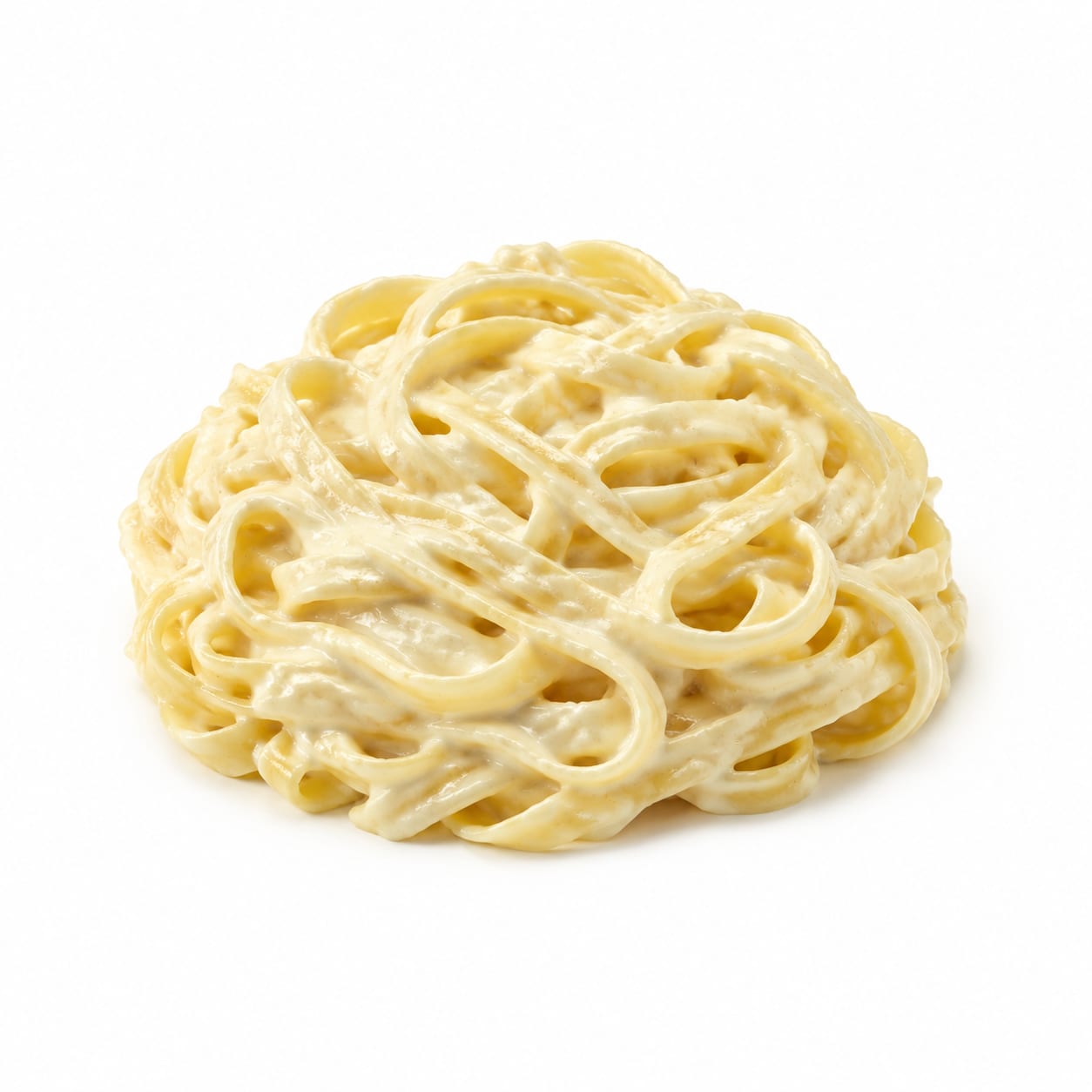
Fettuccine Alfredo
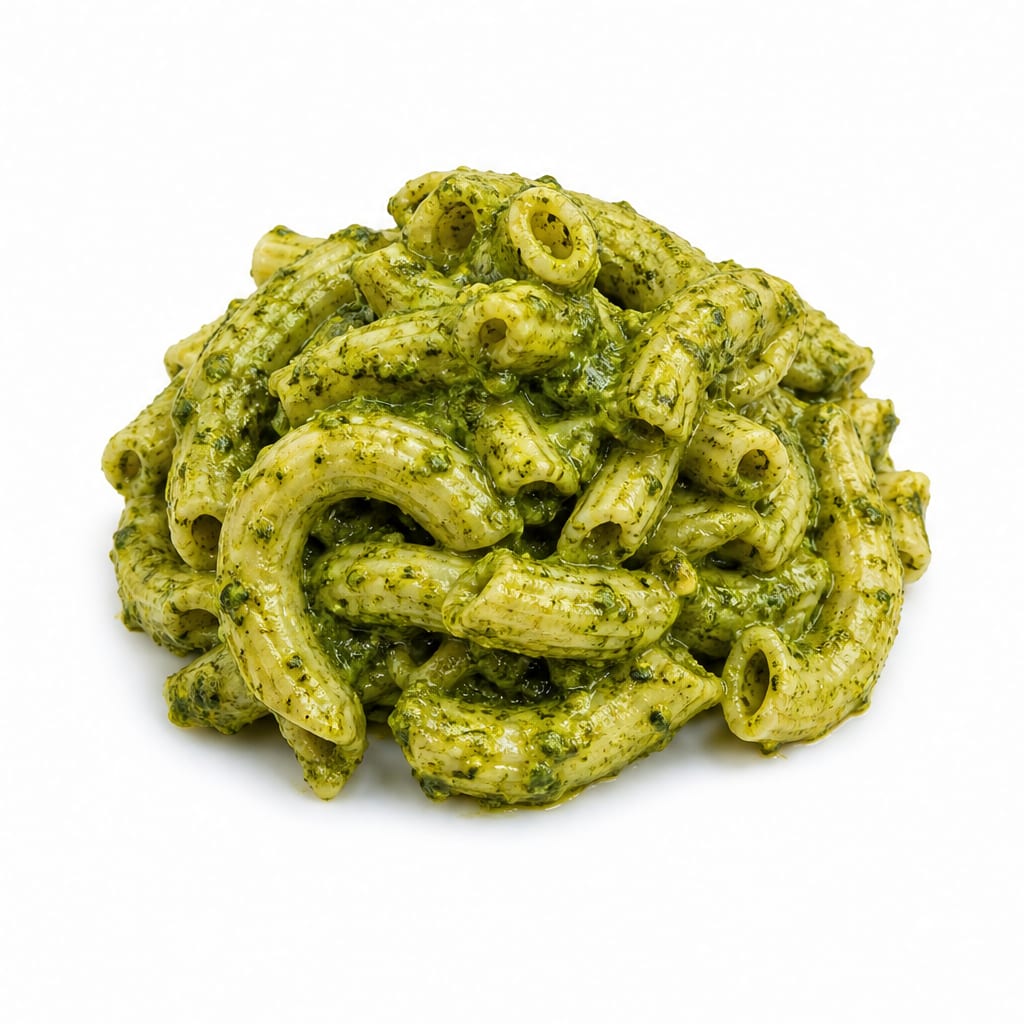
Pesto Pasta
Pesto Pasta offers healthier fats and more nutrients, while Fettuccine Alfredo is a heavier, richer indulgence.
Pesto Pasta scores significantly higher due to a healthier fat profile and micronutrient content, while Fettuccine Alfredo is penalized for high saturated fat and extreme calorie density.
Creamy comfort and saturated fat in Fettuccine Alfredo versus herb-rich, heart-friendly fats in Pesto Pasta.
At a glance
Executive summary
Overall
Pesto Pasta
Healthier
Pesto Pasta
More practical
It depends
Daily use
Pesto Pasta
Key comparison lenses
Fat quality and heart health impact
Alfredo is heavy in saturated dairy fat, while Pesto relies on olive oil and nuts, creating a stark contrast in cardiovascular effects.
Calorie density and weight management
Both are rich pasta dishes, but Alfredo's cream base makes it significantly more calorie-dense and easier to overeat.
Digestive comfort and post-meal energy
Heavy cream often causes sluggishness or reflux, while the lighter olive oil base in Pesto is easier on the stomach.
Micronutrient density and antioxidant intake
Pesto provides vitamins and antioxidants from basil and garlic, whereas Alfredo is largely void of micronutrients beyond calcium.
Best choice for
Fettuccine Alfredo
- Comfort food cravings
- Bulking on calories
- Special occasion indulgence
Pesto Pasta
- Heart-health conscious eaters
- Everyday meals
- Lighter lunch options
Least suitable for
Fettuccine Alfredo
- People with high cholesterol
- Weight loss diets
- Lactose intolerant individuals
Pesto Pasta
- Calorie-restricted diets
- People with nut allergies
Deep comparison
Dimension by dimension
Each lens scores both foods and breaks down who each option suits.
- Dimension 1 · Priority 95Pesto Pasta
Fat Quality & Heart Health
Fettuccine Alfredo · 25Pesto Pasta · 80Pesto Pasta relies on olive oil and nuts, providing heart-healthy monounsaturated fats, whereas Fettuccine Alfredo uses heavy cream and butter, packing saturated fat.
Tradeoff
You trade the rich, velvety mouthfeel of cream for the lighter, herbaceous quality of olive oil that protects your heart.
Why it matters
High saturated fat intake raises LDL cholesterol, increasing heart disease risk over time.
Real-world impact
Eating Fettuccine Alfredo regularly can impact blood lipid panels, while Pesto Pasta is much gentler on cardiovascular health.
Fettuccine Alfredo
- Those needing high calorie intake
- People on keto diets (if low carb pasta)
Better for
- Cardiovascular health
- Cholesterol levels
- Inflammation
Worse for
Pesto Pasta
- Heart health
- Balanced cholesterol
- Long-term metabolic health
Better for
- Severe calorie restriction
- Nut allergies
Worse for
- Dimension 2 · Priority 90Pesto Pasta
Calorie Density & Weight Management
Fettuccine Alfredo · 30Pesto Pasta · 55Fettuccine Alfredo is extremely calorie-dense, making portion control difficult. Pesto Pasta is also rich but slightly easier to manage.
Tradeoff
Alfredo delivers maximum calories per bite, while Pesto offers more flavor complexity with slightly fewer calories.
Why it matters
High calorie density often leads to accidental overconsumption and weight gain.
Real-world impact
A standard restaurant plate of Fettuccine Alfredo can exceed 1200 calories, easily derailing a day's intake.
Fettuccine Alfredo
- Hard gainers
- Recovering from illness needing calories
Better for
- Weight loss
- Portion control
- Mindless eating
Worse for
Pesto Pasta
- Weight maintenance
- Mindful eating
- Lighter dinners
Better for
- Strict low-fat diets
Worse for
- Dimension 3 · Priority 80Pesto Pasta
Micronutrient Density
Fettuccine Alfredo · 15Pesto Pasta · 70Pesto brings vitamins A, K, and antioxidants from basil and garlic, plus minerals from pine nuts. Alfredo offers calcium but little else.
Tradeoff
You sacrifice the vitamin and antioxidant boost of fresh herbs for the minimalist cream-and-cheese profile of Alfredo.
Why it matters
Micronutrients support immune function, energy production, and cellular repair.
Real-world impact
Pesto Pasta contributes to your daily vegetable and nutrient intake, while Alfredo is essentially empty calories aside from calcium.
Fettuccine Alfredo
- Calcium boosting
Better for
- Nutrient density
- Vitamin intake
Worse for
Pesto Pasta
- Immune support
- Antioxidant intake
- Overall nutrient diversity
Better for
- Vitamin K interactions with blood thinners
Worse for
- Dimension 4 · Priority 85Pesto Pasta
Digestive Comfort
Fettuccine Alfredo · 30Pesto Pasta · 65Heavy cream in Fettuccine Alfredo digests slowly and can cause sluggishness or reflux. Pesto is lighter and easier on the stomach.
Tradeoff
The heavy richness of Alfredo feels comforting going down but can sit heavily, while Pesto feels lighter and less bloating.
Why it matters
High-fat dairy meals often trigger indigestion or the post-meal food coma.
Real-world impact
Choosing Pesto Pasta for a work lunch means you are less likely to face the afternoon energy crash.
Fettuccine Alfredo
- Those wanting a heavy, filling meal before fasting
Better for
- Acid reflux
- Sluggishness
- Lactose sensitivity
Worse for
Pesto Pasta
- Acid reflux sufferers
- Afternoon energy maintenance
- Lighter digestion
Better for
- Nut sensitivities
Worse for
Timeline
Health impact over time
Short-term
Hours to days
Fettuccine Alfredo
- Post-meal sluggishness
- Bloating from heavy dairy
- Quick satiety but heavy feeling
Pesto Pasta
- Steadier energy
- Lighter post-meal feeling
- Mild satiety from healthy fats
Long-term
Months to years
Fettuccine Alfredo
- Increased LDL cholesterol
- Weight gain if eaten frequently
- Higher cardiovascular risk
Pesto Pasta
- Better heart health markers
- Anti-inflammatory benefits from olive oil and basil
- Easier weight management
Risk profile
Safety & processing
Pesto Pasta is typically made from whole foods like basil, garlic, and olive oil, while Fettuccine Alfredo often relies on processed cream and sometimes emulsifiers in restaurant settings.
Fettuccine Alfredo
Dairy spoilage
mediumCream-based sauces are highly perishable and prone to bacterial growth if left unrefrigerated.
Pesto Pasta
Pine nut mouth
lowA rare but temporary metallic taste disturbance caused by some pine nuts.
Who wins for whom
Audience fit
Same foods, different winners depending on your goal.
children
It dependsKids often prefer the mild, creamy taste of Fettuccine Alfredo, but Pesto Pasta provides better nutrition for growth.
daily consumption
Pesto PastaThe healthier fat profile and lighter digestion make Pesto Pasta a more sustainable everyday choice.
diabetes
Pesto PastaPesto Pasta has healthier fats that stabilize blood sugar better than the saturated fat in Alfredo.
elderly
Pesto PastaHeart health is crucial for older adults, making the olive oil and antioxidants in Pesto Pasta a better fit.
muscle gain
It dependsFettuccine Alfredo provides more calories for bulking, but Pesto Pasta offers better nutrient density for recovery.
weight loss
Pesto PastaPesto Pasta is lower in calories and higher in nutrients, making it easier to fit into a calorie deficit.
Your move
Decision guide
Choose Fettuccine Alfredo
- You are celebrating a special occasion
- You need a heavy, calorie-dense meal
- You crave rich, creamy comfort food
Choose Pesto Pasta
- You want a flavorful but lighter meal
- Heart health is a priority
- You need steady energy after lunch
Either works if
- You are eating pasta and want a flavorful sauce
- You plan to pair it with a large side salad
Avoid both if
- You are strictly limiting carbs or calories
- You have a gluten intolerance and no alternative pasta
Final recommendation
Choose Pesto Pasta for a regular weeknight dinner that balances flavor and health; save Fettuccine Alfredo for when you truly want an indulgent treat.
Practical
Consumer tips
- 1
Ask for Pesto Pasta with whole wheat or legume-based pasta to boost fiber and protein.
- 2
If ordering Fettuccine Alfredo at a restaurant, consider taking half home to manage the massive portion size.
- 3
Make Alfredo at home using a lighter cashew cream or blended cottage cheese to cut saturated fat.
- 4
Add extra vegetables like cherry tomatoes or spinach to Pesto Pasta for more volume and nutrients.