
Legume Product
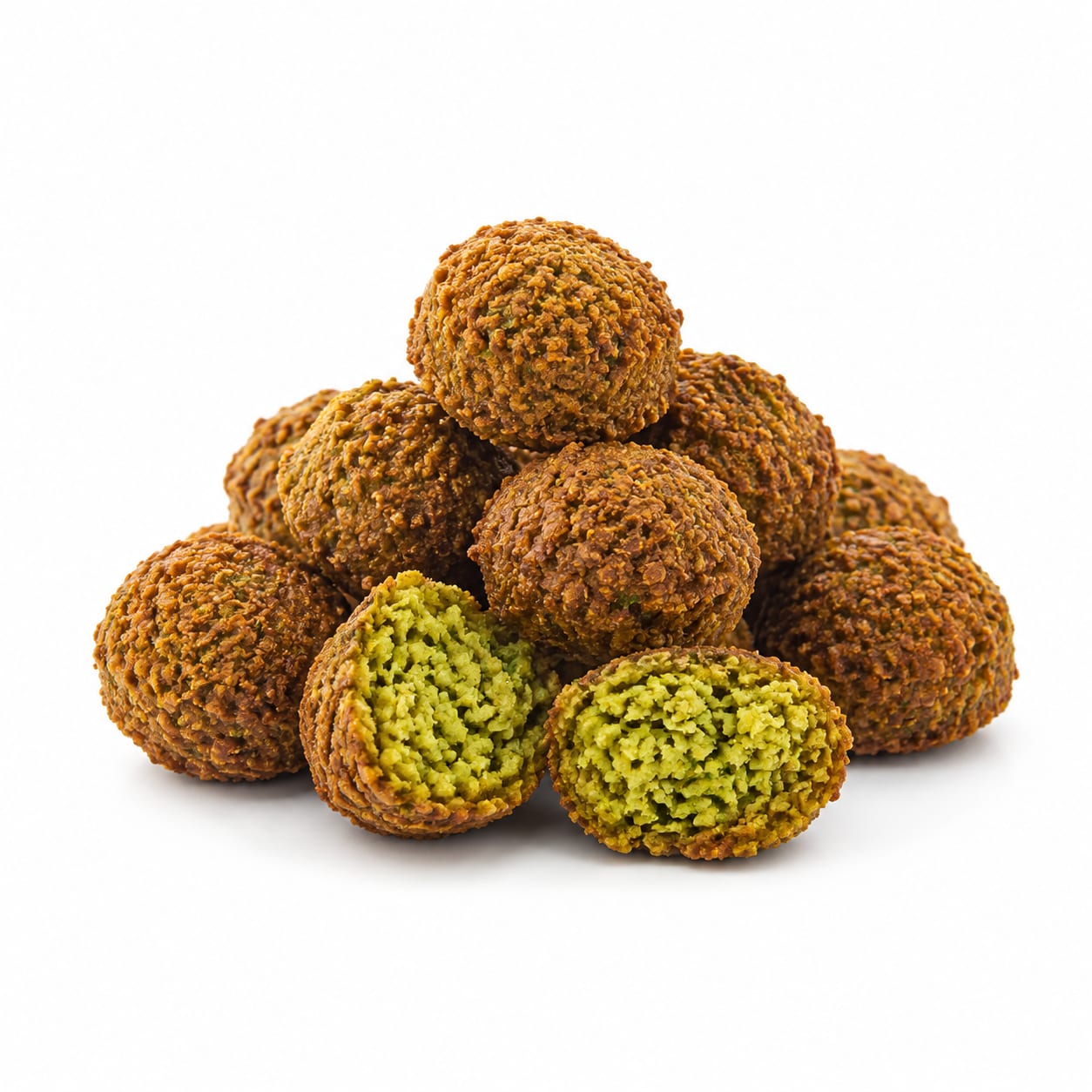
Falafel
A traditional Middle Eastern fried patty made from seasoned ground chickpeas or fava beans.
A deep-fried ball or patty made from ground chickpeas, fava beans, or both, mixed with herbs, spices, and onions. Originating in Middle Eastern cuisine, it is a popular street food and vegetarian protein source.
moderate-protein plant-based legume product
Typical serving · 100g
Common varieties · chickpea falafel, fava bean falafel, combined chickpea and fava bean falafel, baked falafel, green herb falafel
Overall context score across nutrition, safety, and diet fit
At a glance
Quick facts
Simple indicators based on nutrition, processing, and diet fit.
The story
What makes it unique
Falafel provides a moderate glycemic response due to the complex carbohydrates and fiber in chickpeas, which slow digestion. The deep-frying process significantly increases energy density and fat content while reducing water activity, yielding a crispy texture but adding oxidized lipids if fried at high temperatures.
Varieties: chickpea falafel · fava bean falafel · combined chickpea and fava bean falafel · baked falafel · green herb falafel
Per 100g
Nutrition breakdown
Macro balance and key metrics at a glance.
Energy
Density 3.33 kcal/g
Protein
Carbs
Fat
Fiber
Sugar
1.6 g
Sodium
294 mg
Potassium
358 mg
Glycemic index
45
Glycemic load
14
Water content
40%
Standout compounds
Nutrient highlights
Fiber
moderateSupports digestive health and slows sugar absorption
Plant Protein
moderateAssists with muscle maintenance and satiety
Manganese
highPlays a key role in metabolism and bone formation
Iron
moderateEssential for oxygen transport in the blood
Wellness map
Health scores & processing
NOVA processing scale
moderate · Whole food
Made from whole minimally processed ingredients like chickpeas and herbs, but classified as a processed food due to the industrial or commercial grinding, shaping, and deep-frying in oil.
Diet compatibility
- Weight loss
- Muscle gain
- Diabetes
- Gut health
- Low carb
- High protein
- Heart health
Relative standing
Food rankings
Qualitative ranks compared to similar whole foods.
- Satietygood
- Blood sugargood
- Nutrient densitymoderate
- Fitness fuelmoderate
- Processing qualitymoderate
Eat with confidence
Food safety profile
Falafel is generally safe due to thorough cooking, which eliminates microbial risks from raw legumes. The primary concern is the formation of acrylamide and lipid oxidation from deep-frying at high temperatures.
Evidence confidence 85%
- Pesticideslow
- Antibioticslow
- Heavy metalslow
- Contaminationlow
Watch for
- acrylamide
- oxidized cooking oils
Safer choices
Homemade or baked falafel prepared with high-quality oil reduces exposure to degraded frying fats.
Prep tips
If using dried chickpeas, ensure they are fully cooked before consumption to eliminate lectin toxicity; deep-fry at controlled temperatures to minimize acrylamide.
Acrylamide formation during high-temperature frying of carbohydrate-rich foods.
Deep dive
Health analysis
How this food may fit different goals and preparation choices.
Weight loss
Traditional deep-fried falafel is calorie-dense, making portion control essential for weight loss; baking is a much lower-calorie alternative.
Blood sugar
Chickpeas have a low glycemic index, meaning falafel causes a slow, steady rise in blood sugar rather than a sharp spike, benefiting glycemic control.
Fitness & energy
Provides a mix of complex carbs and moderate protein for sustained energy, but high fat content can slow digestion if eaten immediately before intense exercise.
Gut health
Rich in fermentable fiber from chickpeas that feeds beneficial gut bacteria and supports regular bowel movements.
Processing quality
Made from whole food ingredients like chickpeas and herbs, but the deep-frying process adds inflammatory oxidized oils if cooked at very high temperatures.
Food safety
Thorough cooking eliminates raw legume toxicity, but deep-frying introduces potential acrylamide exposure and degraded oil compounds.
Common mistakes
Assuming all falafel is inherently healthy regardless of preparation; restaurant falafel is often deep-fried in low-quality oils, adding hidden calories and inflammatory fats.
Best preparation
Baking or air-frying instead of deep-frying retains the nutritional benefits of chickpeas while drastically reducing fat and calorie content.
Practical guide
Best use cases
When and how this food fits real eating patterns.
Plant-based meal base
Serves as a hearty, flavorful protein component in vegan wraps, bowls, and salads.
Sustained energy snack
The complex carbohydrates and fiber provide slow-releasing energy for active individuals.
High-fiber lunch
Offers a satisfying midday meal that promotes digestive regularity and prolonged satiety.
Balance sheet
Pros & cons
Upsides
- good source of plant-based protein
- rich in dietary fiber for gut health
- low glycemic index helps stabilize blood sugar
- contains essential minerals like iron and manganese
- naturally cholesterol-free
Trade-offs
- high in calories and fat when deep-fried
- often cooked in low-quality industrial oils at restaurants
- not suitable for low-carb or keto diets
- can cause bloating due to chickpea fiber
- potential acrylamide formation from high-heat frying
Fit check
Who is it for?
Great match
- plant-based diets
- blood sugar control
- post-workout meals (if baked)
- high-fiber diets
Consider alternatives
- strict low-carb diets
- calorie-restricted weight loss (fried version)
- pre-workout snacks (due to high fat if fried)
- people with severe IBS sensitive to oligosaccharides
Side by side
How it compares
Open the full head-to-head analysis for nutrition, safety, and practical tradeoffs.
This food
Falafel
VS90% alike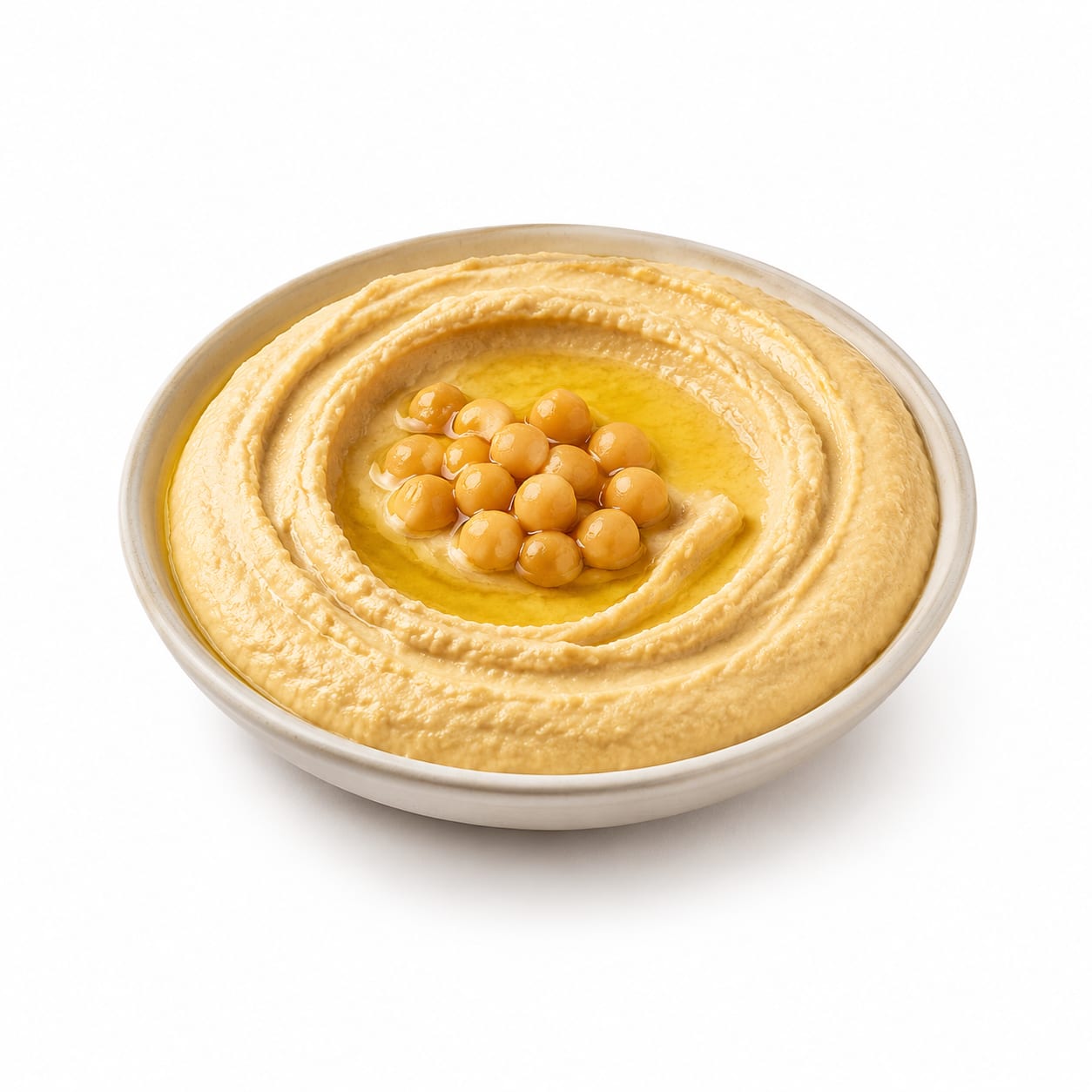
Compare with
Hummus
Hummus is a blended dip containing tahini and olive oil, while falafel is a fried patty; both offer similar plant protein and fiber.
Hummus is lower in calories and easier to portion, while falafel provides a denser, more satiating protein bite but with more fat from frying.
This food
Falafel
VS85% alike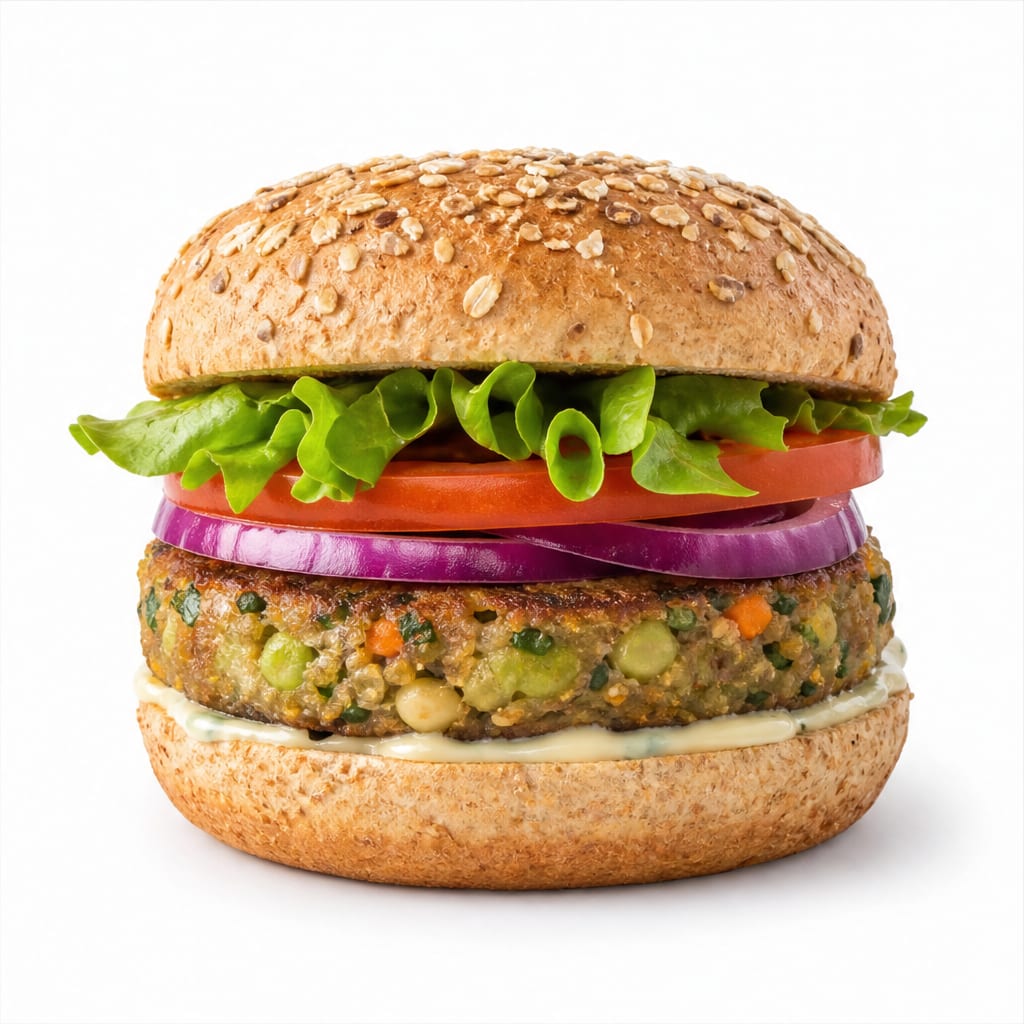
Compare with
Veggie Burger
Falafel is typically whole-food based with chickpeas, whereas veggie burgers often contain soy, wheat, or highly processed binders.
Falafel is usually less processed than commercial veggie burgers, offering more natural fiber, though both are solid plant-based meal bases.
This food
Falafel
VS75% alike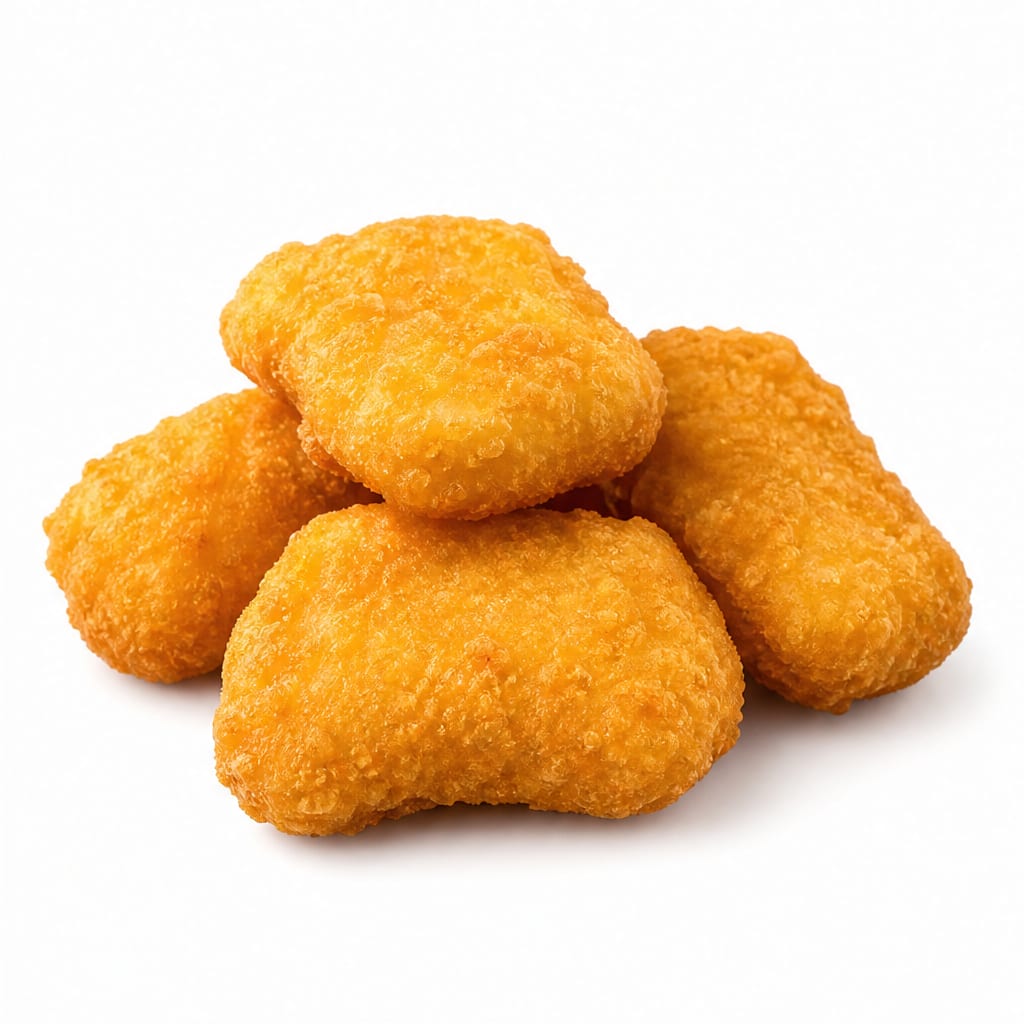
Compare with
Chicken Nuggets
Chicken nuggets provide animal protein, while falafel offers plant protein and fiber; both are often deep-fried.
Falafel provides more fiber and no cholesterol compared to chicken nuggets, making it better for heart health, though nuggets offer slightly more protein.
This food
Falafel
VS80% alike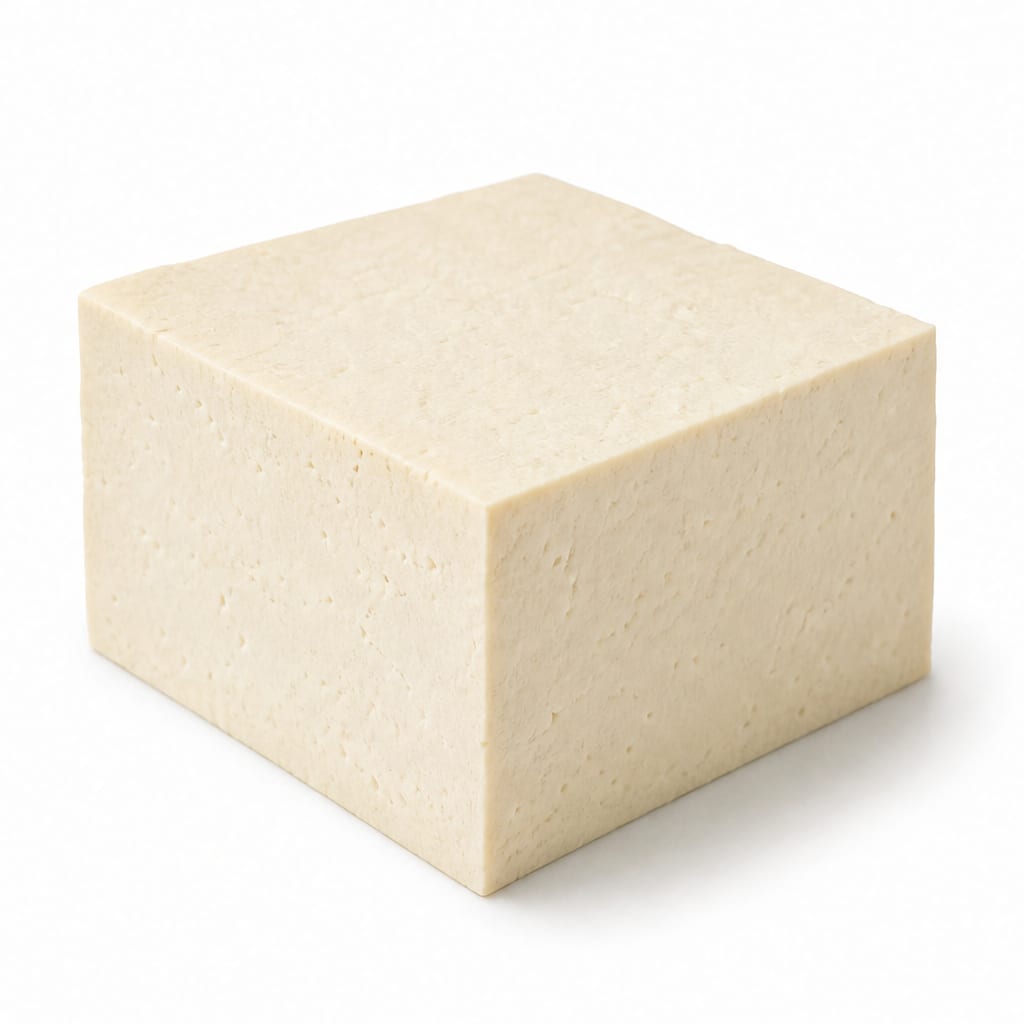
Compare with
Tofu
Tofu is made from soybeans and is lower in carbs, while falafel is made from chickpeas and higher in fiber.
Tofu is lower in calories and carbs with higher protein, while falafel offers more fiber and a firmer, crispier texture when fried.
This food
Falafel
VS85% alike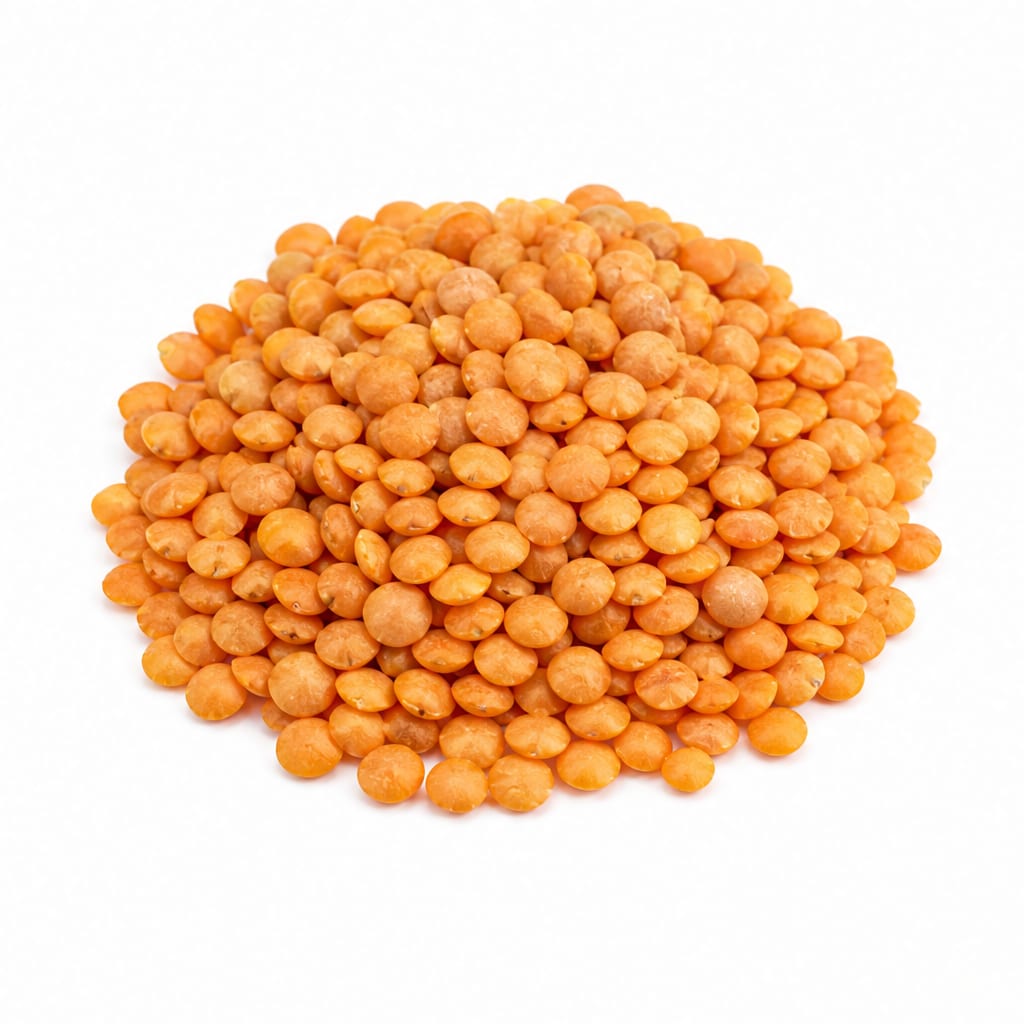
Compare with
Lentils
Lentils are a whole cooked legume, whereas falafel is a processed and fried legume product.
Lentils are a whole food with more protein and less fat than falafel, offering a healthier but less crispy alternative.
This food
Falafel
VS80% alike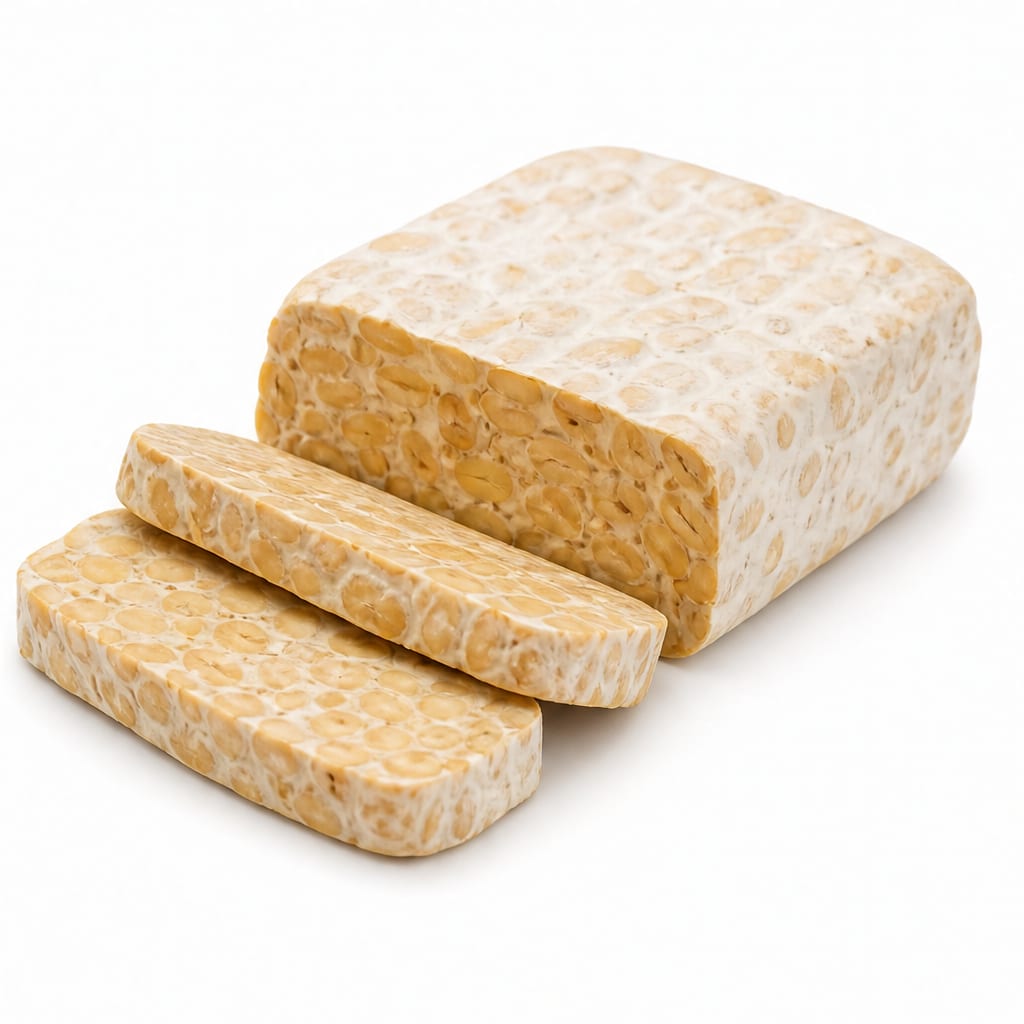
Compare with
Tempeh
Tempeh is fermented soy offering probiotics and high protein, while falafel provides complex carbs and fiber.
Tempeh provides more protein and gut-friendly probiotics with less fat, while falafel offers more complex carbs and a different flavor profile.
This food
Falafel
VS85% alike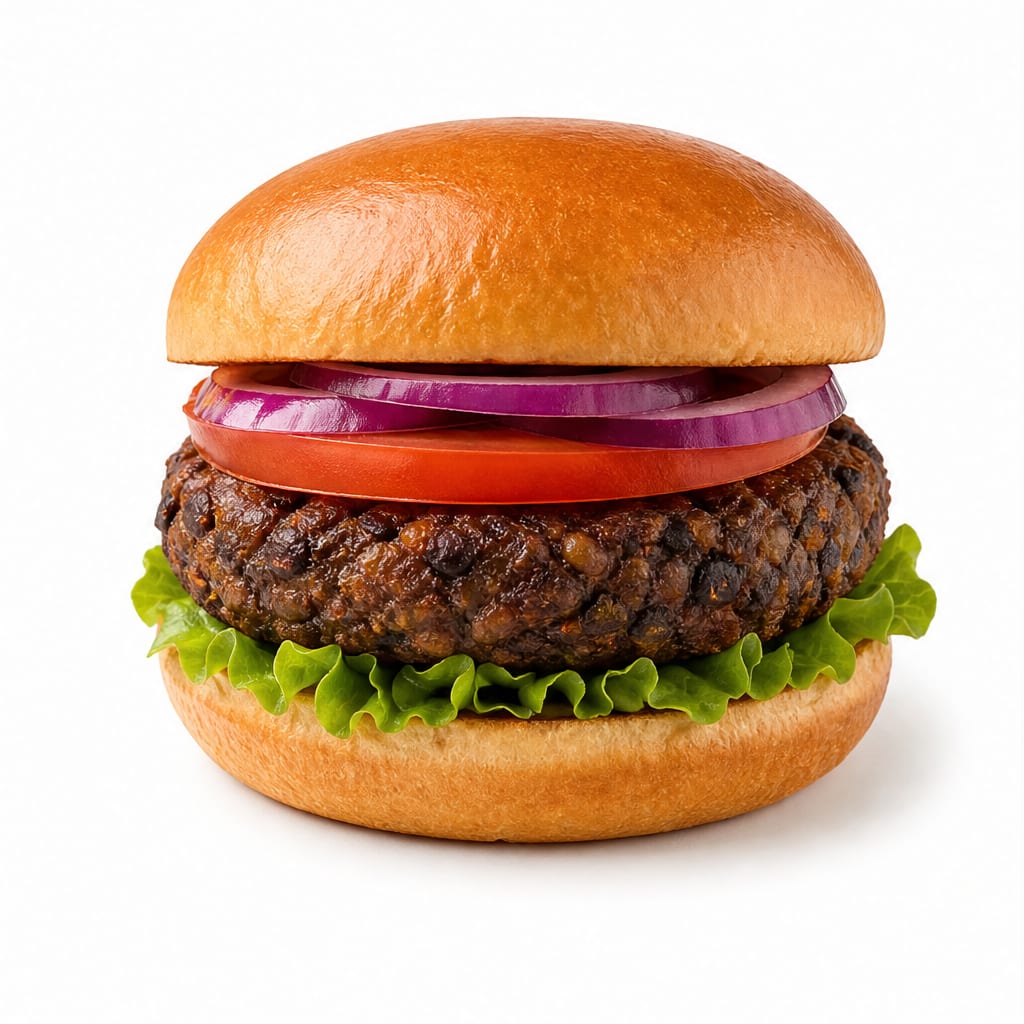
Compare with
Black Bean Burger
Both offer similar fiber and protein profiles, but black bean burgers are often pan-fried or grilled rather than deep-fried.
Black bean burgers are typically lower in fat than deep-fried falafel, though both provide excellent legume-based fiber and protein.
This food
Falafel
VS95% alike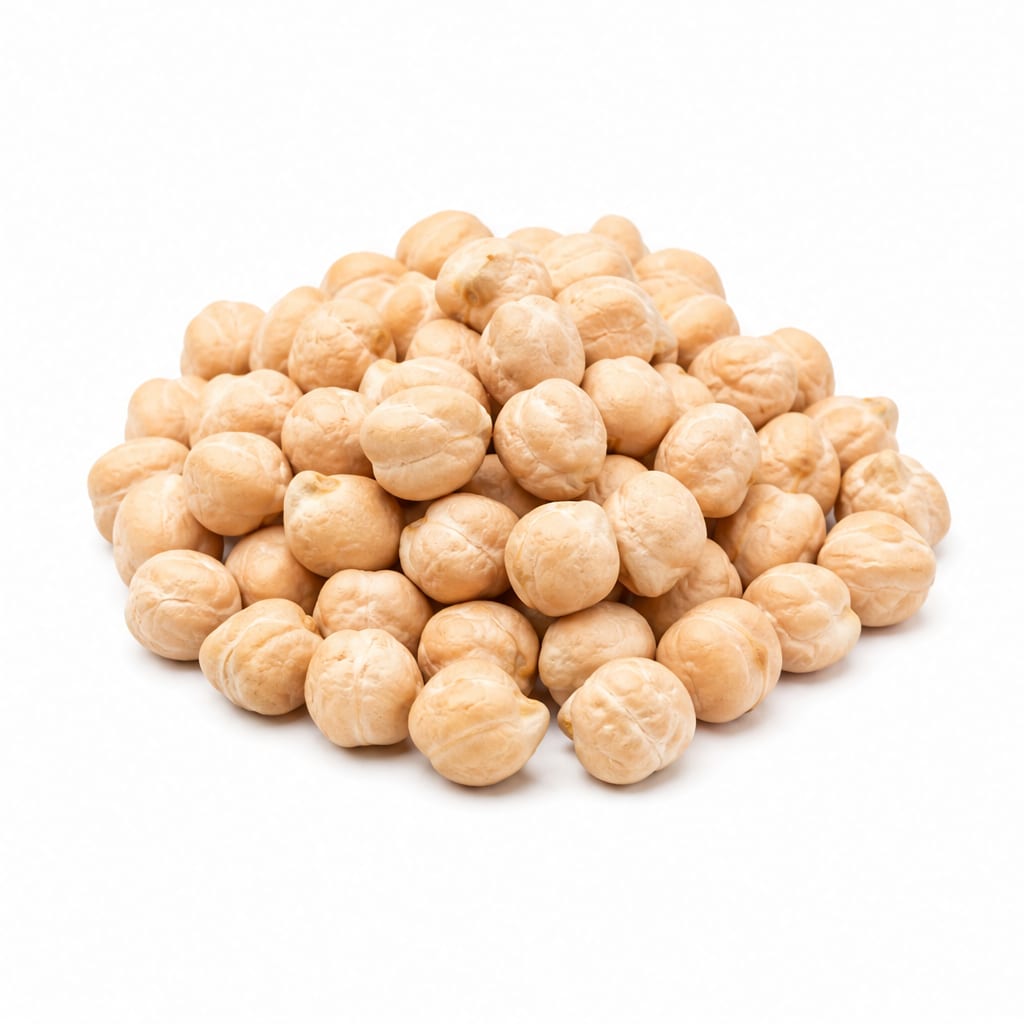
Compare with
Chickpeas
Whole chickpeas are the raw, unprocessed form, whereas falafel is ground, shaped, and fried.
Whole chickpeas are lower in calories and fat, retaining all their natural water content, while falafel is a denser, higher-fat version of the same bean.
This food
Falafel
VS70% alike
Compare with
Mozzarella Sticks
Mozzarella sticks provide dairy protein and calcium, while falafel offers plant protein and fiber.
Falafel provides beneficial fiber and complex carbs that mozzarella sticks lack, making it the more nutritious choice despite both being deep-fried.
This food
Falafel
VS75% alike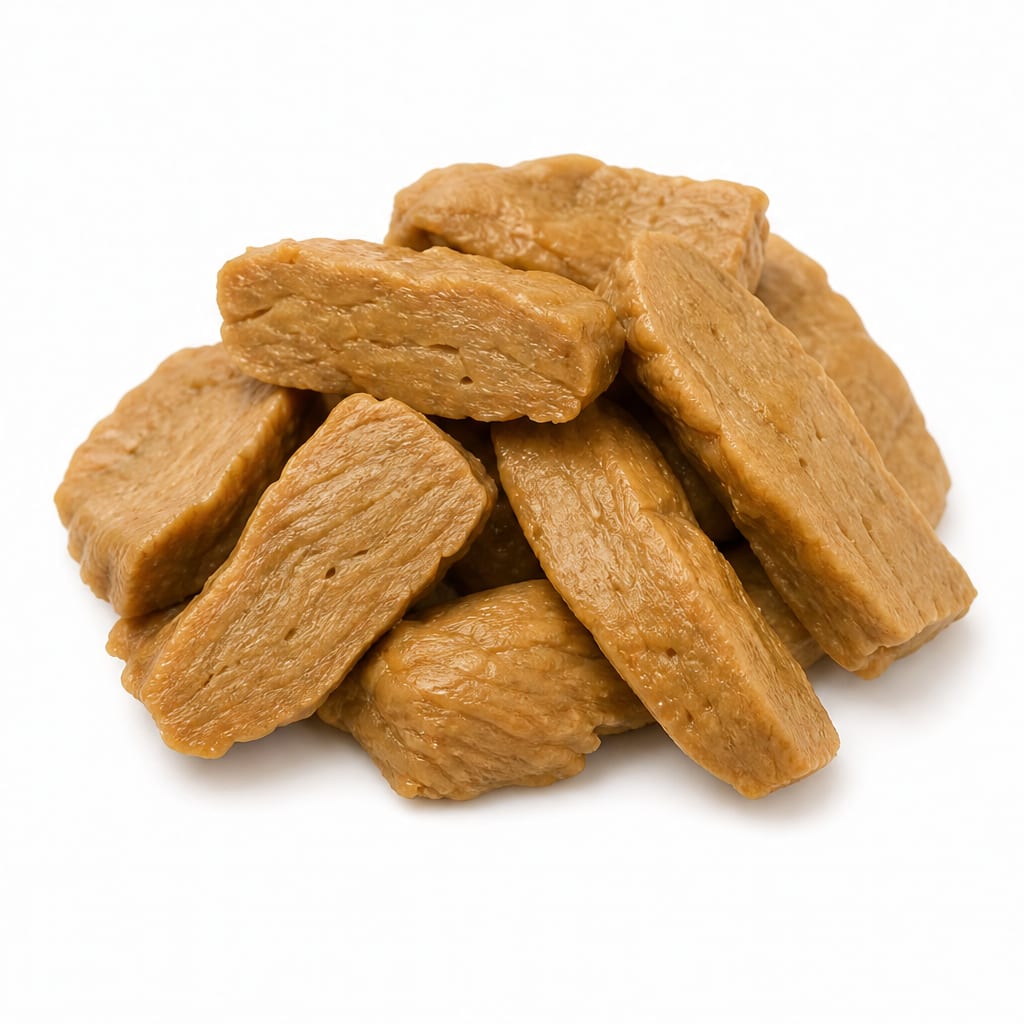
Compare with
Seitan
Seitan is made from wheat gluten and is very high in protein, while falafel is chickpea-based with more carbs and fiber.
Seitan is much higher in protein and lower in carbs and fat, while falafel provides more fiber and a legume-based nutrient profile.
Common questions
FAQ
Answers aligned with how people search for this food.
Is falafel good for weight loss?
Traditional deep-fried falafel is calorie-dense and not ideal for weight loss, but baked or air-fried falafel can be a good high-fiber, lower-calorie option.
Can diabetics eat falafel?
Yes, the chickpeas in falafel have a low glycemic index, causing a slow rise in blood sugar. However, portion control is important due to the carbohydrate content.
Is falafel a good source of protein?
Falafel provides moderate plant protein, around 13 grams per 100 grams, making it a decent but not primary protein source for vegan diets.
Is falafel healthier than meat?
Falafel offers more fiber and zero cholesterol compared to red meat, but it has less protein and can be much higher in fat if deep-fried.
Why is falafel so high in calories?
The high calorie count in traditional falafel comes from deep-frying the patties in oil, which significantly increases their fat content and energy density.
Is falafel considered processed food?
It is a moderately processed food. While made from whole chickpeas and herbs, the grinding, shaping, and frying classify it as a processed culinary product.
Can you eat falafel on a low carb diet?
No, falafel is made from chickpeas which are high in complex carbohydrates, making it unsuitable for strict low-carb or ketogenic diets.
Is baked falafel healthier than fried?
Yes, baking falafel removes the heavy oil absorption from frying, drastically cutting calories and fat while preserving the fiber and protein benefits.
Does falafel cause bloating?
Falafel contains chickpeas which are high in fiber and oligosaccharides, potentially causing bloating or gas in individuals not used to high-fiber diets.
Is falafel safe for gluten-free diets?
Traditional chickpea falafel is naturally gluten-free, but always check restaurant versions as binders or shared fryers may introduce gluten cross-contamination.
Transparency
Data confidence
Estimated confidence for nutrition data, interpretation, safety notes, and comparisons.
Nutrition data
Health analysis
Food safety
Comparisons