
Nutrition comparison
Falafel vs Seitan: Nutrition, Protein, and Health Comparison
Compare Falafel vs Seitan for protein, fiber, fat, and gluten. Find out which plant-based protein is better for weight loss, muscle gain, and digestion.
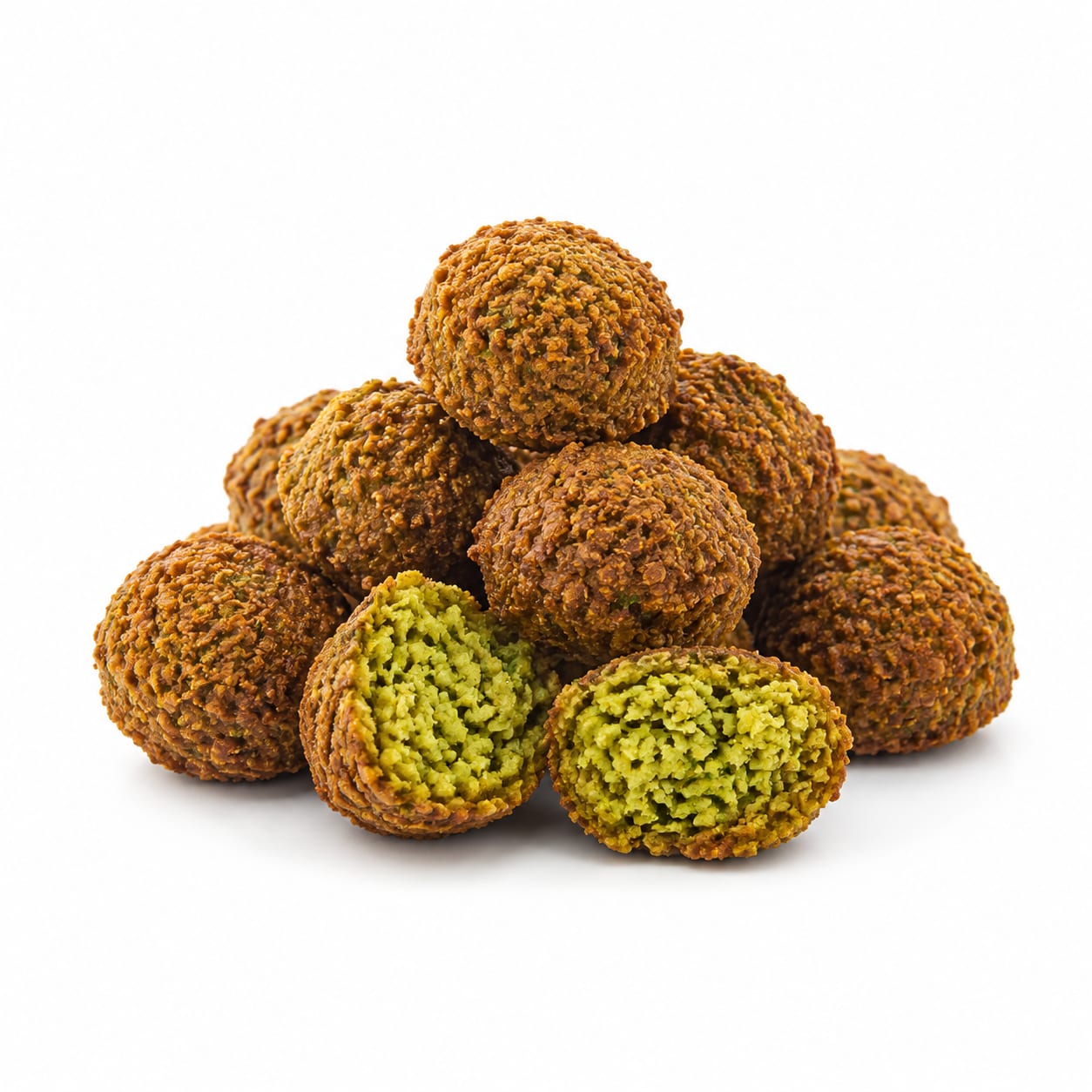
Falafel
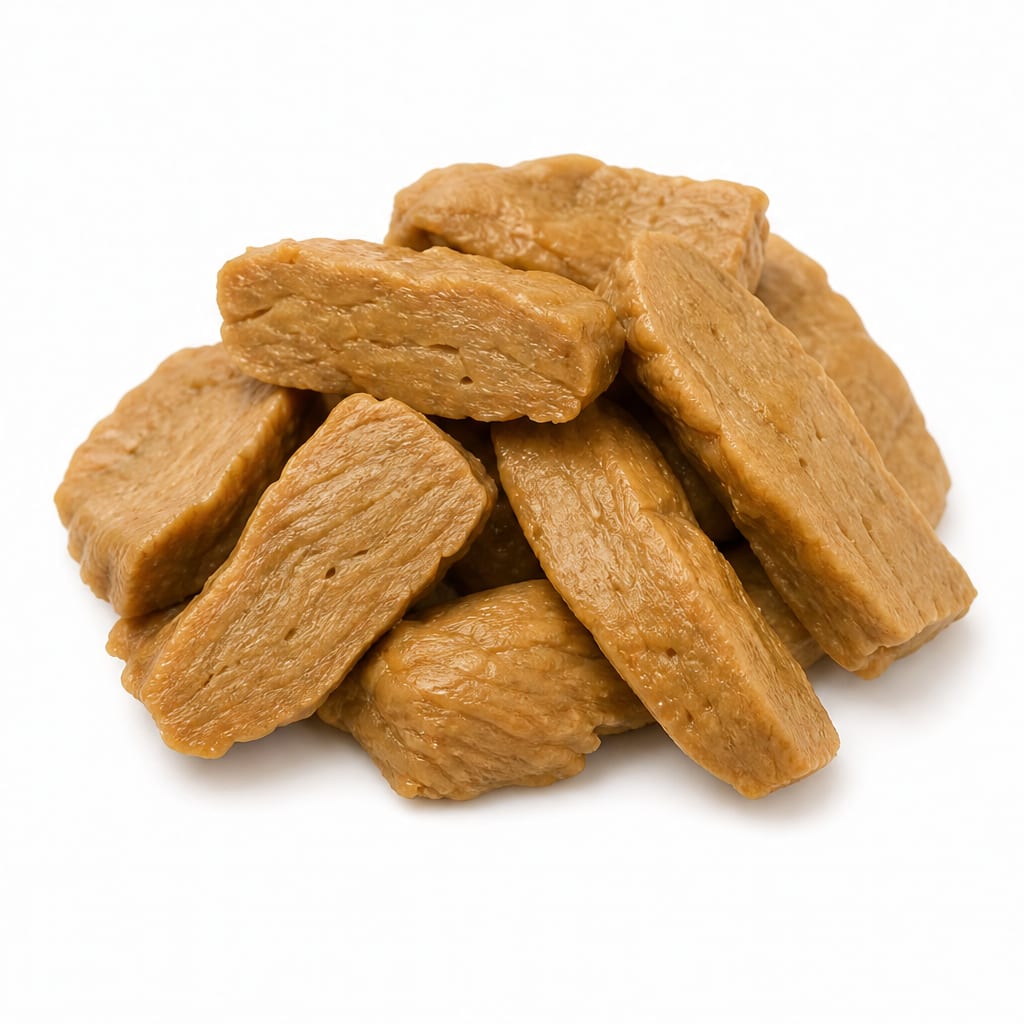
Seitan
Falafel offers fiber and complex carbs but packs more fat, while Seitan delivers lean, dense protein but brings heavy gluten loads.
Seitan scores slightly higher for its impressive protein density and low fat, but Falafel remains strong for fiber and gluten-free needs.
Fiber-rich carbs and fats from chickpeas versus low-fat, high-protein wheat gluten.
At a glance
Executive summary
Overall
It depends
Healthier
It depends
More practical
It depends
Daily use
It depends
Key comparison lenses
Plant-based protein quality and density
Seitan is renowned for its massive protein content, while Falafel offers a more balanced but lower protein profile.
Gluten sensitivity and allergen avoidance
Seitan is pure wheat gluten, making it a dealbreaker for many, whereas Falafel is naturally gluten-free.
Fat content and preparation methods
Falafel is typically deep-fried, adding significant fat and calories, while Seitan is naturally lean.
Fiber and digestive health
Falafel provides substantial fiber from chickpeas, while Seitan lacks fiber entirely.
Best choice for
Falafel
Seitan
Least suitable for
Falafel
Seitan
Deep comparison
Dimension by dimension
Each lens scores both foods and breaks down who each option suits.
- Dimension 1 · Priority 95Seitan
Protein Content & Quality
Falafel · 45Seitan · 92Seitan is a protein powerhouse, while Falafel provides only moderate protein alongside its carbs.
Tradeoff
You trade the complete protein density of Seitan for the more balanced, but lower-protein profile of Falafel.
Why it matters
If building muscle or staying full on fewer calories is the goal, Seitan gets you there faster.
Real-world impact
A Seitan bowl keeps you full for hours post-workout; Falafel might leave you hungry again sooner if eaten alone.
Falafel
Seitan
- Dimension 2 · Priority 85Falafel
Carbohydrate & Fiber Profile
Falafel · 88Seitan · 15Falafel is rich in complex carbs and gut-friendly fiber from chickpeas, whereas Seitan lacks both.
Tradeoff
You sacrifice digestive regularity and steady energy from fiber if you choose Seitan over Falafel.
Why it matters
Fiber is crucial for fullness and gut health, making Falafel a much more balanced standalone food.
Real-world impact
Eating Falafel supports steady digestion; a Seitan-heavy meal requires adding veggies to avoid feeling sluggish or backed up.
Falafel
Seitan
- Dimension 3 · Priority 80Seitan
Fat Content & Calorie Density
Falafel · 40Seitan · 85Falafel is typically deep-fried, significantly increasing its fat and calorie content, while Seitan is naturally very lean.
Tradeoff
The crispy, satisfying texture of fried Falafel comes with a heavy calorie cost compared to the lean versatility of Seitan.
Why it matters
If you are watching your weight or fat intake, Seitan is far easier to fit into your daily budget.
Real-world impact
A Falafel wrap can easily become a calorie bomb; Seitan stir-fry stays light and lean.
Falafel
Seitan
- Dimension 4 · Priority 90Falafel
Digestive Tolerance & Allergens
Falafel · 75Seitan · 35Falafel is naturally gluten-free, while Seitan is essentially pure gluten, making it a non-starter for many.
Tradeoff
Seitan's meaty texture comes at the cost of being highly allergenic, whereas Falafel is safer but can be heavy to digest when fried.
Why it matters
Gluten sensitivity is common, and eating pure wheat gluten can cause bloating or reactions in sensitive individuals.
Real-world impact
Seitan can cause severe discomfort for anyone with gluten issues, while Falafel is generally well-tolerated unless you have legume sensitivities.
Falafel
Seitan
Timeline
Health impact over time
Short-term
Hours to days
Falafel
Seitan
Long-term
Months to years
Falafel
Seitan
Risk profile
Safety & processing
Both are processed plant foods, but Seitan requires extracting vital wheat gluten, and commercial versions often include binders or heavy seasoning, whereas Falafel is usually just ground chickpeas, herbs, and spices.
Falafel
Acrylamide formation
mediumDeep-frying starchy chickpeas can create acrylamide, a potential carcinogen.
Oxidized oils
mediumIf fried in low-quality or reused oils, Falafel can contain inflammatory compounds.
Seitan
Gluten reactivity
highPure wheat gluten triggers severe autoimmune or inflammatory responses in those with celiac or sensitivity.
Soy sauce additives
lowSeitan is often simmered in soy sauce, adding sodium and potential MSG, though not a direct safety hazard for most.
Who wins for whom
Audience fit
Same foods, different winners depending on your goal.
children
FalafelFalafel is easier for small digestive systems to handle and avoids the heavy gluten concentration found in Seitan.
daily consumption
It dependsSeitan is great daily for lean protein if you tolerate gluten, but Falafel offers better daily fiber variety.
diabetes
SeitanSeitan has virtually zero carbs and will not spike blood sugar, whereas Falafel's carbs and frying can cause fluctuations.
elderly
FalafelOlder adults often need more fiber for digestion, which Falafel provides, while Seitan can be tough to chew and digest.
muscle gain
SeitanWith nearly 25g of protein per serving, Seitan rivals animal meat for muscle building.
weight loss
SeitanSeitan is extremely low in fat and carbs, making it easier to maintain a calorie deficit while keeping protein high.
Your move
Decision guide
Choose Falafel
- You are gluten-free or sensitive to wheat
- You want a fiber-rich, satisfying meal component
- You prefer whole-food ingredients like beans and herbs
Choose Seitan
- You need a high-protein, low-carb vegan option
- You are focusing on muscle gain or weight loss
- You miss the chewy texture of meat
Either works if
- You want a plant-based centerpiece for your meal
- You are mixing them with plenty of vegetables
Avoid both if
- You have sensitivities to both gluten and legumes
- You are looking for a whole, unprocessed food
Final recommendation
Let your dietary needs choose: pick Seitan for lean protein and muscle support, or Falafel for fiber, steady energy, and a gluten-free plate. Balance your week with both if you tolerate them.
Practical
Consumer tips
- 1
Bake Falafel instead of frying to cut calories and avoid oxidized oils.
- 2
Pair Seitan with fibrous vegetables to make up for its lack of roughage.
- 3
Check Falafel ingredients for wheat flour if you are strictly gluten-free.
- 4
Marinate Seitan well; on its own, it can be bland and rubbery.