
Nutrition comparison
Falafel vs Chickpeas: Which Is Healthier and What Are the Real Tradeoffs?
Falafel is made from chickpeas but deep-frying changes everything. Compare calories, fat, satiety, and blood sugar impact to make the smarter choice for your goals.
Overall winner · Chickpeas
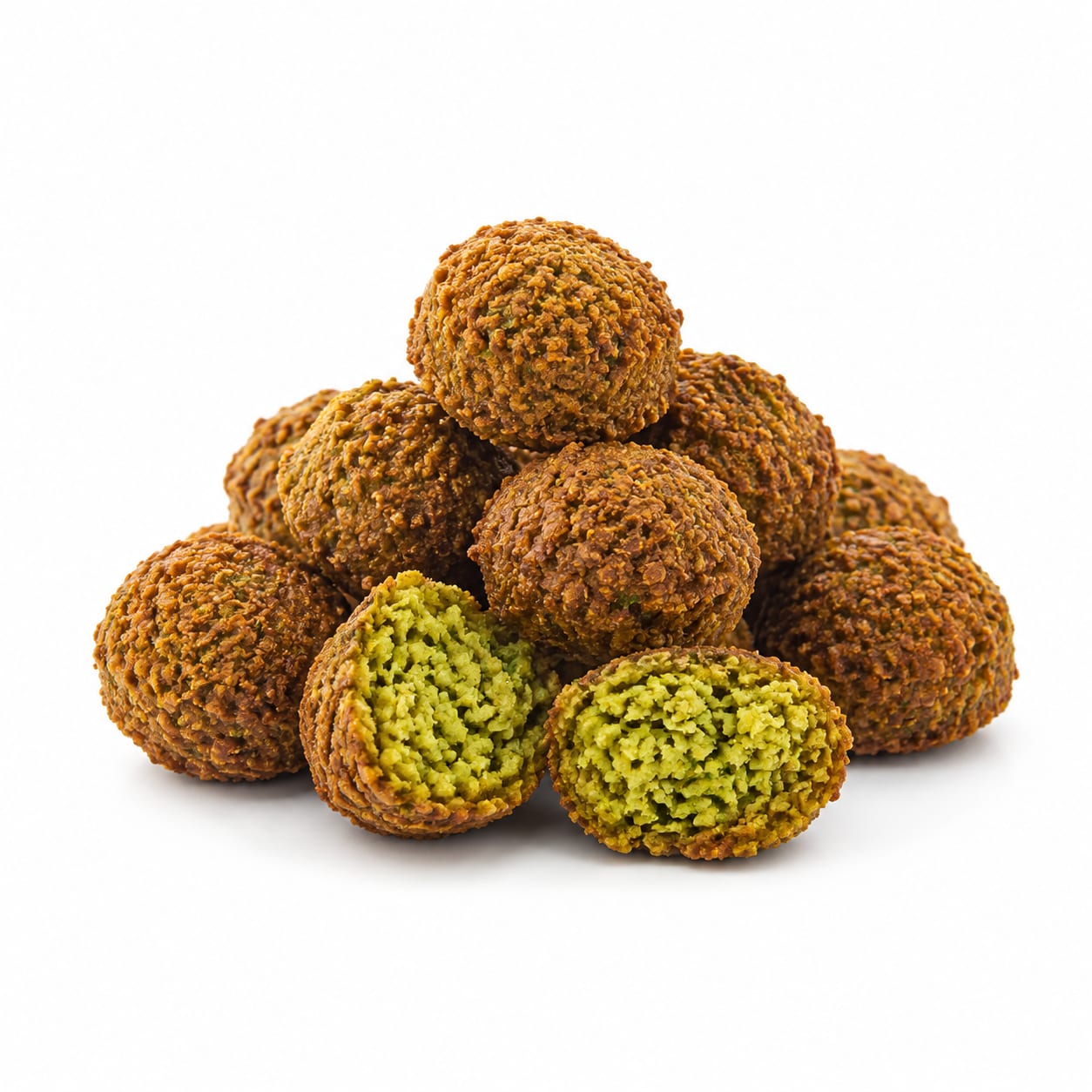
Falafel
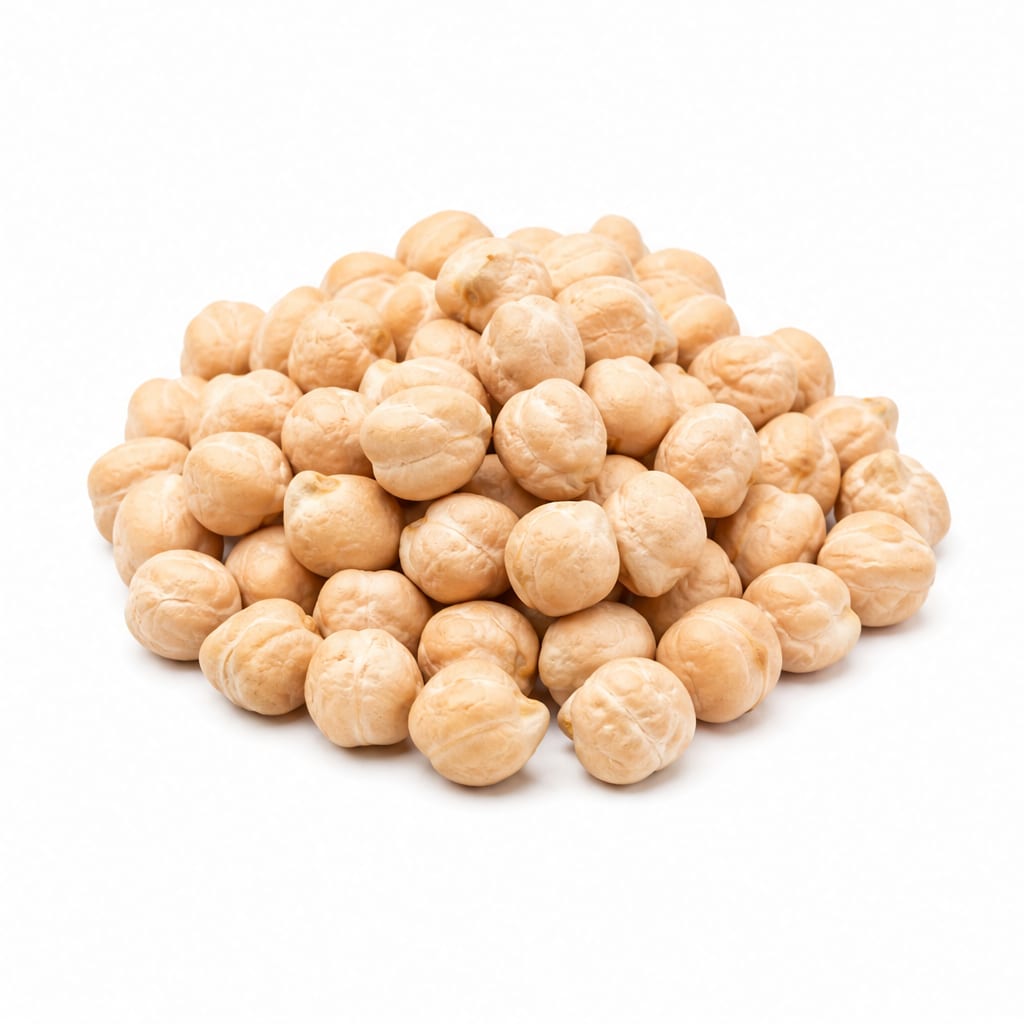
Chickpeas
Chickpeas deliver the same nutritional foundation as falafel with far fewer calories, less fat, and better satiety — but falafel wins on convenience and craveability.
Chickpeas score significantly higher because they retain all the nutritional benefits of the legume without the calorie penalty and inflammatory fat from deep-frying. Falafel is not unhealthy in moderation, but the processing gap is substantial.
You trade calorie efficiency and whole-food purity for the crispy, satisfying experience and grab-and-go ease of falafel.
At a glance
Executive summary
Overall
Chickpeas
Healthier
Chickpeas
More practical
Falafel
Daily use
Chickpeas
Key comparison lenses
whole food vs processed form of the same ingredient
Falafel is made from chickpeas but transformed through grinding, shaping, and deep-frying, making this a classic whole-food-versus-processed comparison
calorie density and weight management
Deep-frying dramatically increases calories per serving, which matters for anyone watching intake
fat quality and inflammatory potential
Frying oil adds significant fat, often inflammatory depending on oil quality
convenience vs nutrition tradeoff
Falafel is grab-and-go ready while chickpeas require cooking or can-opening
blood sugar and satiety
The whole form of chickpeas digests more slowly and keeps you fuller longer
Best choice for
Falafel
- People needing portable, ready-to-eat plant protein
- Those craving something crispy and satisfying without meat
- Busy commuters who want a quick meal component
Chickpeas
- Anyone managing weight or calorie intake
- Meal preppers who want a versatile base for the week
- People prioritizing whole, minimally processed foods
Least suitable for
Falafel
- People strictly limiting fat or calories
- Those avoiding deep-fried foods for digestive comfort
- Anyone monitoring sodium closely
Chickpeas
- People who lack time for cooking or soaking
- Those wanting an instant grab-and-go option
- Anyone who finds plain legumes unappealing without preparation
Deep comparison
Dimension by dimension
Each lens scores both foods and breaks down who each option suits.
- Dimension 1 · Priority 95Chickpeas
Calorie Efficiency
Falafel · 35Chickpeas · 88Chickpeas provide roughly triple the volume per calorie compared to falafel, making them far more filling for the same energy cost.
Tradeoff
Falafel packs more calories into a smaller package, which can be useful for athletes needing energy density but problematic for portion control.
Why it matters
A single falafel patty can run 100-150 calories, while a full half-cup of chickpeas is around 130 calories with far more bulk.
Real-world impact
You could eat a generous bowl of chickpeas with vegetables and feel stuffed, or eat three falafel balls and still feel hungry an hour later.
Falafel
- Athletes needing concentrated calories
- Underweight individuals trying to gain
Better for
- Weight loss diets
- Mindless snacking situations
Worse for
Chickpeas
- Anyone tracking calories
- People who eat large volumes to feel full
Better for
- Situations requiring compact energy
- Backpacking or hiking where weight matters
Worse for
- Dimension 2 · Priority 88Chickpeas
Fat Content and Quality
Falafel · 30Chickpeas · 85Chickpeas contain mostly healthy unsaturated fat naturally, while falafel absorbs significant frying oil that may be inflammatory.
Tradeoff
The oil that makes falafel crispy also adds 10-18g of fat per serving, often from reused or low-quality frying oils.
Why it matters
Restaurant and street-vendor falafel is typically fried in canola, sunflower, or palm oil at high temperatures, creating oxidation byproducts.
Real-world impact
That satisfying crunch comes with a hidden cost: inflammatory fats your body has to process, unlike the clean fat in whole chickpeas.
Falafel
- Situations where fat intake is desired for satiety
Better for
- People with gallbladder issues
- Those on low-fat diets for medical reasons
Worse for
Chickpeas
- Heart health-conscious eaters
- Anyone reducing inflammatory fat intake
Better for
- Those who need higher fat intake with meals
Worse for
- Dimension 3 · Priority 85Chickpeas
Satiety and Fullness
Falafel · 45Chickpeas · 90Whole chickpeas digest slowly and keep you full for hours, while falafel's fried crunch digests faster despite higher calories.
Tradeoff
Falafel feels satisfying in the moment due to fat and crunch, but that feeling fades faster than the steady fullness from whole chickpeas.
Why it matters
The intact fiber structure in whole chickpeas slows gastric emptying, while grinding and frying breaks down that natural satiety mechanism.
Real-world impact
A chickpea bowl at noon keeps you full until dinner. A falafel wrap at noon often has you eyeing snacks by 3pm.
Falafel
- Quick pre-workout energy when you need light fuel
Better for
- Emotional eaters who need lasting fullness
- Late-night snacking scenarios
Worse for
Chickpeas
- Long workdays between meals
- Anyone prone to afternoon energy crashes
Better for
- Pre-workout when you need easily digestible fuel
Worse for
- Dimension 4 · Priority 82Chickpeas
Blood Sugar Stability
Falafel · 50Chickpeas · 88Whole chickpeas have a very low glycemic index, while falafel's ground texture and frying can cause a quicker blood sugar rise.
Tradeoff
The fat in falafel slows sugar absorption somewhat, but the disrupted fiber structure and added flour in many recipes work against that benefit.
Why it matters
Intact legume structure is one of the best natural blood sugar stabilizers. Grinding it into a patty partially undoes that advantage.
Real-world impact
Chickpeas give you steady, calm energy. Falafel can give you a quicker rise and a subtle dip, especially if the recipe includes white flour.
Falafel
- Post-workout when some blood sugar rise is acceptable
Better for
- Insulin-resistant individuals
- People monitoring glycemic load closely
Worse for
Chickpeas
- Diabetics and pre-diabetics
- Anyone avoiding the afternoon crash
Better for
- Immediate post-exercise recovery when faster carb access helps
Worse for
- Dimension 5 · Priority 78Falafel
Convenience and Practicality
Falafel · 85Chickpeas · 55Falafel is ready to eat from a restaurant or freezer, while chickpeas require cooking, soaking, or at least can-opening and draining.
Tradeoff
The convenience of falafel comes with the nutritional compromises of frying. Canned chickpeas narrow the convenience gap significantly.
Why it matters
In real life, people eat what is easy. Falafel's grab-and-go nature makes it a realistic plant protein choice for busy people.
Real-world impact
You can pick up falafel in 5 minutes. Cooking dried chickpeas takes an hour, and even canned ones need rinsing and seasoning.
Falafel
- Lunch breaks with limited time
- Travel and street food situations
- No-cook kitchen setups
Better for
- Budget-conscious cooking at home
Worse for
Chickpeas
- Meal prep Sundays when cooking time is available
- Home-cooked dinners with planning
Better for
- Anyone without reliable cooking access
- Extremely busy weeknights
Worse for
- Dimension 6 · Priority 72Chickpeas
Sodium Load
Falafel · 35Chickpeas · 70Falafel typically contains added salt in the mix and frying process, while home-cooked chickpeas have almost none.
Tradeoff
Canned chickpeas can be high in sodium too, but rinsing removes about 40% of it, giving you more control than restaurant falafel.
Why it matters
A single falafel serving can deliver 400-600mg of sodium, which is significant if you eat it regularly.
Real-world impact
If you have two falafel wraps for lunch, you may have consumed a third of your daily sodium before dinner.
Falafel
- Situations where salt improves palatability and eating enough matters
Better for
- Salt-sensitive individuals
- People who eat out frequently
Worse for
Chickpeas
- Hypertension management
- Low-sodium diet requirements
Better for
- Home-cooked chickpeas with excessive added salt
Worse for
- Dimension 7 · Priority 70Chickpeas
Versatility in Meals
Falafel · 50Chickpeas · 92Chickpeas work in salads, soups, stews, curries, bowls, and even desserts, while falafel is mostly a standalone item or sandwich filling.
Tradeoff
Falafel does one thing extremely well — being falafel. Chickpeas do dozens of things well.
Why it matters
If you buy a can of chickpeas, you have options all week. Falafel is a one-trick dish.
Real-world impact
Sunday batch of chickpeas becomes Monday salad, Tuesday curry, Wednesday soup. Falafel is Monday lunch, and that's about it.
Falafel
- When you specifically want a crispy, satisfying sandwich or wrap
Better for
- Anyone who gets bored eating the same thing
Worse for
Chickpeas
- Flexible weekly meal planning
- Cooking for picky eaters who need variety
Better for
- When you need a specific dish, not an ingredient
Worse for
Timeline
Health impact over time
Short-term
Hours to days
Falafel
- Quick energy from dense calories and fat
- Possible bloating if sensitive to fried foods
- Thirst from higher sodium content
- Satisfying mouthfeel that curbs immediate hunger
Chickpeas
- Gradual, steady energy release over hours
- Possible gas if not accustomed to high fiber
- Comforting fullness without heaviness
- Stable mood and energy without spikes
Long-term
Months to years
Falafel
- Higher cumulative calorie intake if eaten frequently
- Potential inflammatory burden from repeated fried oil consumption
- Increased sodium exposure affecting blood pressure over time
- Possible weight creep if portions are not managed
Chickpeas
- Improved gut health from consistent high fiber intake
- Better blood sugar regulation over months and years
- Heart-protective effects from regular legume consumption
- Easier weight maintenance due to high satiety per calorie
Risk profile
Safety & processing
Falafel takes a whole food and grinds it, mixes it with flour and salt, shapes it, and deep-fries it — multiple processing steps that alter the original nutritional profile. Chickpeas, whether dried or canned, remain close to their natural state with minimal intervention.
Falafel
Oxidized frying oil
mediumRepeatedly heated or low-quality frying oils generate compounds linked to inflammation and cellular damage. Restaurant falafel is especially concerning in this regard.
Cross-contamination at vendors
mediumFalafel is often fried in shared oil with other foods, posing risks for those with allergies or gluten sensitivity.
Added flour allergens
lowMany falafel recipes include wheat flour as a binder, which may not be disclosed at restaurants, creating hidden gluten exposure.
Chickpeas
BPA from can linings
lowCanned chickpeas may expose you to trace BPA from can linings, though many brands now use BPA-free alternatives.
Pesticide residue on conventional crops
lowChickpeas are not among the highest pesticide crops, but conventional farming uses some treatment. Organic reduces this further.
Undercooked dried chickpeas
lowInsufficiently cooked dried chickpeas can cause digestive distress and reduce nutrient absorption. Always cook thoroughly.
Who wins for whom
Audience fit
Same foods, different winners depending on your goal.
children
It dependsKids often prefer the fun, crispy texture of falafel, but chickpeas provide steadier nutrition. Both can work depending on preparation.
daily consumption
ChickpeasChickpeas can be eaten daily without calorie or sodium concerns, while daily falafel would significantly increase fat and salt intake.
diabetes
ChickpeasWhole chickpeas have a dramatically lower glycemic impact and better fiber integrity for blood sugar control.
elderly
ChickpeasOlder adults benefit more from the gentle fiber, lower sodium, and anti-inflammatory profile of whole chickpeas.
muscle gain
It dependsChickpeas offer better protein-to-calorie ratio, but falafel's extra calories can support a bulking phase if that is the goal.
weight loss
ChickpeasChickpeas provide far more volume and satiety per calorie, making it easier to eat less without feeling deprived.
Your move
Decision guide
Choose Falafel
- You are eating out and need a reliable plant-based option
- You want something crispy and satisfying as an occasional treat
- You need portable protein for a hike or travel day
- You are in a bulking phase and welcome extra calories
Choose Chickpeas
- You meal prep at home and want a versatile, affordable protein
- You are managing your weight, blood sugar, or heart health
- You want maximum nutrition per calorie spent
- You eat legumes regularly and want the best long-term health outcome
Either works if
- You are simply looking for plant-based protein and both are available
- You mix them together in a bowl for contrasting textures
- You rotate between them for variety without over-relying on either
Avoid both if
- You have a severe chickpea or legume allergy, since falafel is made from chickpeas
- You experience significant digestive distress from all legumes and have not tried gradual introduction
Final recommendation
Make chickpeas your everyday staple and treat falafel as an enjoyable occasional meal. The nutritional gap is too large to reverse this priority. If you love falafel, consider baking instead of frying homemade versions — you keep the flavor and skip most of the downsides.
Practical
Consumer tips
- 1
Buy dried chickpeas in bulk and cook a large batch weekly — they freeze beautifully for months
- 2
Rinse canned chickpeas thoroughly to remove about 40% of the sodium
- 3
If making falafel at home, bake at 425°F with a light oil spray instead of deep-frying — you get 70% of the crunch with 30% of the fat
- 4
Ask restaurants what oil they fry falafel in — higher-quality oil makes a real difference
- 5
Roast chickpeas with spices at home for a crispy snack that rivals falafel with far better nutrition
- 6
Freeze homemade baked falafel for quick weeknight meals — they reheat well in an air fryer