
Nutrition comparison
Falafel vs Lentils: Which Is Healthier for Daily Eating?
Compare falafel and lentils on calories, protein, blood sugar impact, and convenience. Find out which legume option is better for weight loss, meal prep, and everyday nutrition.
Overall winner · Lentils
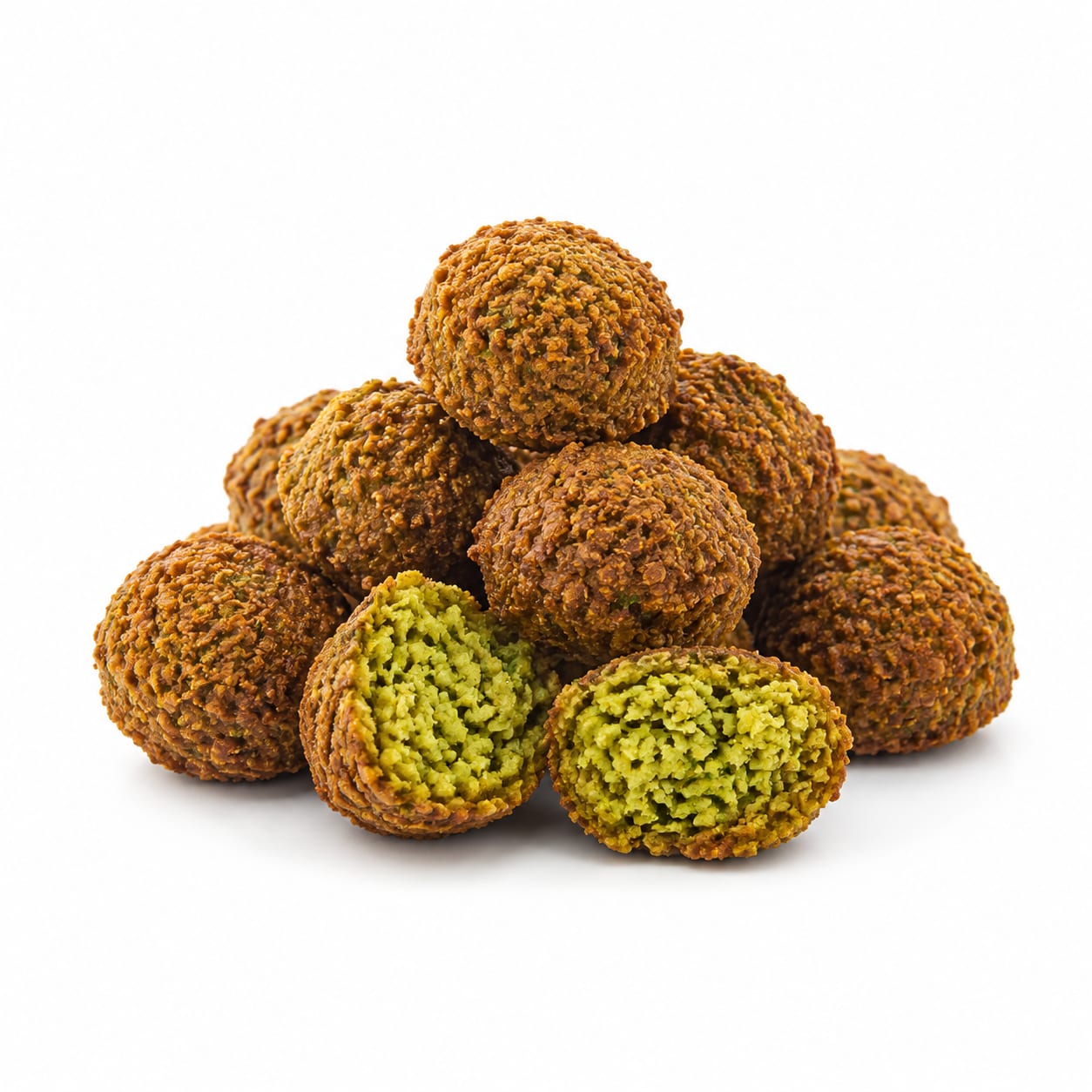
Falafel
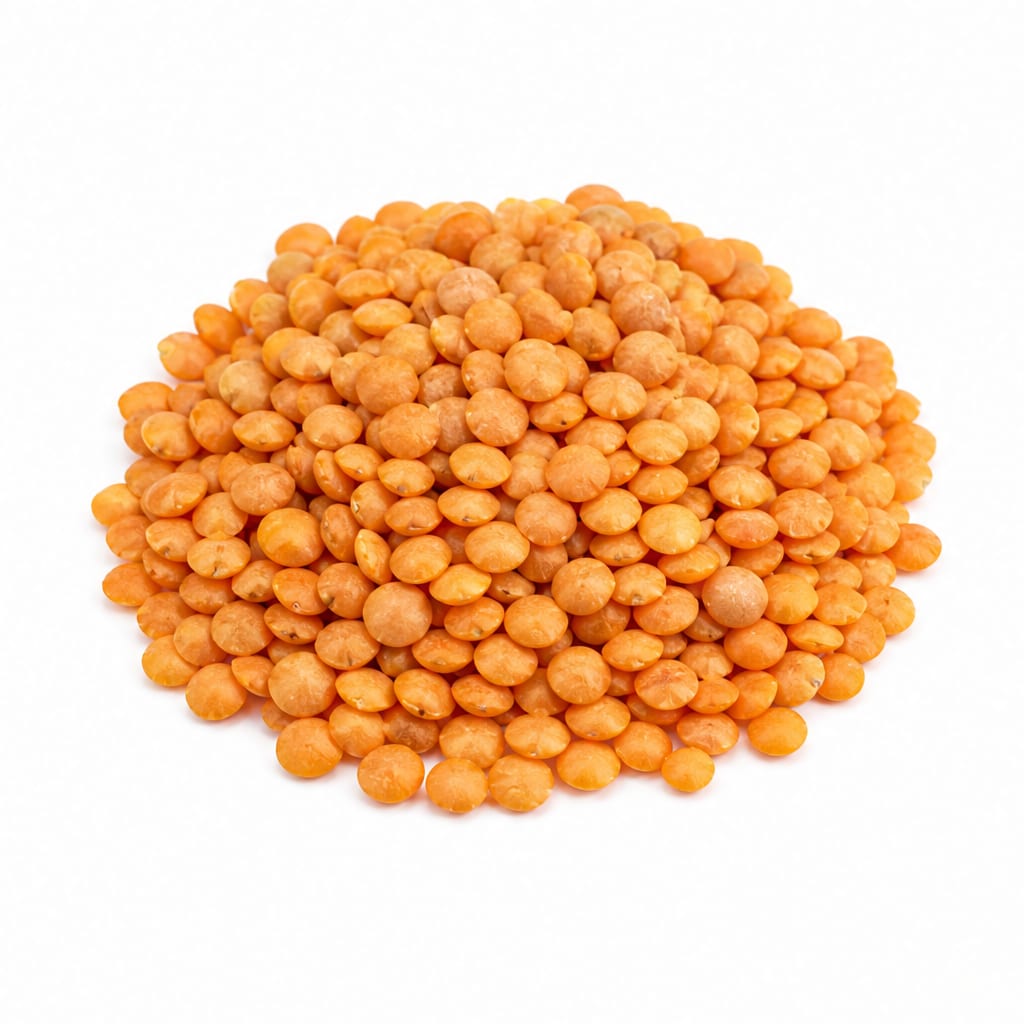
Lentils
Lentils deliver the same plant-protein benefits with far fewer calories and zero frying oil, but falafel wins on convenience and craveability.
Lentils score substantially higher because they retain all the benefits of legumes without the calorie penalty and inflammatory oil from deep-frying. Falafel is not junk food, but the frying process erodes much of the chickpea's natural advantage.
You trade calorie efficiency and clean nutrition for speed and satisfaction when you pick falafel over lentils.
At a glance
Executive summary
Overall
Lentils
Healthier
Lentils
More practical
Falafel
Daily use
Lentils
Key comparison lenses
whole food vs processed legume comparison
Lentils are a raw whole legume while falafel is a shaped, fried preparation—this drives the biggest nutritional gap
calorie density and weight management
Deep-frying makes falafel significantly more calorie-dense, which matters for anyone watching intake
protein per calorie efficiency
Both are plant protein sources but lentils deliver far more protein per calorie
convenience and ready to eat practicality
Falafel is grab-and-go; lentils require cooking, which changes real-world eating patterns
blood sugar and satiety stability
The oil and refined flour in falafel can blunt the blood-sugar benefits that chickpeas and lentils normally share
Best choice for
Falafel
- Quick lunches when you need something handheld
- Satisfying a fried-food craving with a plant-based option
- Social eating, parties, or street-food situations
- Travel or grab-and-go meals with no kitchen access
Lentils
- Steady energy without the afternoon crash
- Weight-loss or calorie-controlled eating
- Meal-prep batches you can use all week
- Heart-health and cholesterol management
Least suitable for
Falafel
- Daily calorie-controlled diets
- People managing high blood pressure or sodium sensitivity
- Anyone avoiding fried or high-fat foods
- Those seeking minimal processing
Lentils
- Moments when you need food instantly with zero prep
- Situations where cooking equipment is unavailable
- People who struggle with legume-related bloating without gradual adaptation
Deep comparison
Dimension by dimension
Each lens scores both foods and breaks down who each option suits.
- Dimension 1 · Priority 92Lentils
Calorie Efficiency
Falafel · 38Lentils · 90Lentils provide roughly twice the food volume per calorie compared to falafel.
Tradeoff
Falafel's oil absorption doubles its calorie density, so you eat more calories to feel equally full.
Why it matters
If you are watching portions or trying to lose weight, calorie density is the single biggest driver of unintentional overeating.
Real-world impact
A lentil bowl fills you up on 300 calories; a falafel wrap can quietly hit 600+ before you feel satisfied.
Falafel
- Bulking up meals when you need extra calories cheaply
Better for
- Calorie counting or deficit diets
Worse for
Lentils
- Staying full without overshooting your calorie target
- Eating larger portions without guilt
Better for
- Athletes in a caloric surplus who need energy-dense foods
Worse for
- Dimension 2 · Priority 88Lentils
Protein Quality and Quantity
Falafel · 50Lentils · 85Lentils deliver more protein per calorie and per gram than falafel, with a more complete amino acid profile.
Tradeoff
Falafel's protein is diluted by oil and filler flour, while lentils keep protein concentrated.
Why it matters
Plant-based eaters need efficient protein sources, and every calorie of protein matters when you avoid meat.
Real-world impact
One cup of cooked lentils gives you about 18 g of protein in 230 calories; you would need roughly 400 calories of falafel for the same amount.
Falafel
- Adding protein to a meal that already has other lean protein sources
Better for
- Anyone counting protein per calorie
Worse for
Lentils
- Hitting daily protein targets without blowing past calories
- Vegans and vegetarians relying on legumes as a primary protein source
Better for
- People who find plain lentils unappealing and end up eating less protein overall
Worse for
- Dimension 3 · Priority 85Lentils
Blood Sugar Stability
Falafel · 55Lentils · 88Lentils have one of the lowest glycemic loads of any carbohydrate food; falafel's frying oil and added flour raise its impact.
Tradeoff
Falafel still beats most refined-carb snacks, but it cannot match the slow-burning steadiness of whole lentils.
Why it matters
Stable blood sugar means fewer cravings, better focus, and less fatigue between meals.
Real-world impact
A lentil lunch keeps you steady until dinner; a falafel lunch may leave you hunting for a snack by 3 PM.
Falafel
- A slightly higher glycemic impact can be useful right after intense exercise
Better for
- People sensitive to blood sugar spikes
Worse for
Lentils
- Prediabetes or diabetes management
- Avoiding the mid-afternoon energy dip
Better for
- Post-workout refueling when faster glycogen replenishment is desired
Worse for
- Dimension 4 · Priority 80Falafel
Convenience and Practicality
Falafel · 82Lentils · 45Falafel is ready to eat from a restaurant or freezer; lentils require soaking or simmering.
Tradeoff
You pay for convenience with nutritional compromise—this is the core reason people choose falafel.
Why it matters
The healthiest food only works if you actually eat it, and prep barriers are real.
Real-world impact
On a busy Tuesday, falafel from the corner shop beats lentils that need 25 minutes on the stove.
Falafel
- No-cook lunches and dinners
- Travel, festivals, and street-food scenarios
- When cooking feels like too much effort
Better for
- People who want full control over ingredients and sodium
Worse for
Lentils
- Meal-prep Sundays when you cook once for the whole week
- Budget-conscious batch cooking
Better for
- Anyone without reliable cooking access or time
Worse for
- Dimension 5 · Priority 82Lentils
Satiety and Fullness
Falafel · 58Lentils · 88Lentils are among the most satiating foods studied; falafel fills you fast but the feeling fades sooner.
Tradeoff
Oil makes falafel feel heavy initially, but the lower fiber ratio means hunger returns faster.
Why it matters
Foods that keep you full longer reduce snacking and make portion control effortless.
Real-world impact
After a lentil bowl, you are likely done eating for hours. After falafel, you may want something else within two hours.
Falafel
- Quick satiety when you are very hungry and need immediate relief
Better for
- Long workdays where you cannot snack between meals
Worse for
Lentils
- Sustained fullness that prevents grazing
- Reducing late-night snacking urges
Better for
- People who dislike the heavy, full feeling that high-fiber meals create
Worse for
- Dimension 6 · Priority 75Lentils
Processing and Additive Exposure
Falafel · 35Lentils · 95Lentils are a single-ingredient whole food; falafel often contains added flour, salt, preservatives, and reheated frying oil.
Tradeoff
Restaurant or packaged falafel can hide surprising amounts of sodium and degraded oils you would never add at home.
Why it matters
Repeated consumption of fried and processed foods adds up over years, even if each serving seems harmless.
Real-world impact
A lentil meal has exactly the ingredients you see; a falafel meal may have ingredients you cannot pronounce.
Falafel
- Homemade baked falafel narrows this gap significantly
Better for
- People avoiding ultra-processed or restaurant-fried foods
- Sodium-sensitive individuals
Worse for
Lentils
- Anyone prioritizing clean eating and ingredient transparency
- Reducing cumulative exposure to oxidized cooking oils
Better for
- Not applicable—lentils are essentially unprocessed
Worse for
- Dimension 7 · Priority 70It depends
Digestive Tolerance
Falafel · 60Lentils · 55Both can cause bloating, but falafel's frying can be easier on some stomachs while harder on others; lentils' fiber is tough for unadapted digestive systems.
Tradeoff
Falafel may irritate gallbladder-sensitive people due to fat; lentils may cause gas if your gut flora is not used to high fiber.
Why it matters
The healthiest food on paper is useless if it makes you uncomfortable every time you eat it.
Real-world impact
Some people feel great after falafel but bloated after lentils, and vice versa—it is highly individual.
Falafel
- People whose digestion handles fat better than high fiber
- Those who have already adapted to chickpeas but not lentils
Better for
- Gallbladder disease or fat malabsorption issues
Worse for
Lentils
- People with gallbladder issues who need low-fat meals
- Those who have gradually built up fiber tolerance
Better for
- Sudden introduction of high-fiber foods causing gas and bloating
Worse for
Timeline
Health impact over time
Short-term
Hours to days
Falafel
- Quick feeling of fullness from fat content, but hunger may return within 2-3 hours
- Possible sluggishness after a large falafel meal due to high oil load
- Sodium from restaurant preparation may cause temporary water retention
Lentils
- Sustained energy for 4-5 hours without crashes
- Possible gas or bloating if your body is not used to high-fiber legumes
- Light but satisfied feeling rather than heavy fullness
Long-term
Months to years
Falafel
- Regular consumption of fried foods may increase inflammatory markers over time
- Higher cumulative calorie intake can contribute to gradual weight gain if not managed
- Sodium load from restaurant falafel may affect blood pressure over years
Lentils
- Consistent lentil intake is linked to lower heart disease risk and improved cholesterol
- High soluble fiber supports gut microbiome diversity over months and years
- Stable blood sugar patterns reduce long-term diabetes risk
Risk profile
Safety & processing
Lentils are a single-ingredient whole food with nothing added. Falafel, while made from whole chickpeas, undergoes grinding, shaping, seasoning, and deep-frying, and commercial versions often include preservatives, added flour, and excessive sodium. Homemade baked falafel would score much closer to lentils on naturalness.
Falafel
Oxidized frying oil
mediumRestaurants often reuse frying oil at high temperatures, creating compounds linked to inflammation and cellular damage.
High sodium content
mediumRestaurant and packaged falafel can contain 400-800 mg of sodium per serving, which adds up quickly across a day.
Cross-contamination with allergens
lowShared fryers may expose falafel to gluten, dairy, or other allergens from other fried foods.
Lentils
Lectin content if undercooked
lowRaw or undercooked lentils contain lectins that can cause digestive distress, but proper boiling eliminates this risk entirely.
Pesticide residue on conventional crops
lowLentils are among the lower-pesticide legumes, but choosing organic further reduces exposure.
Who wins for whom
Audience fit
Same foods, different winners depending on your goal.
children
It dependsKids often prefer the fun texture and flavor of falafel, but lentils provide better nutrition. Offering both—homemade baked falafel and mild lentil soups—covers enjoyment and health.
daily consumption
LentilsLentils can be eaten daily with no downside and considerable long-term benefit. Daily falafel would mean daily fried food, which is not recommended for most people.
diabetes
LentilsLentils have one of the lowest glycemic loads of any carb source, making them ideal for blood sugar management. Falafel's added flour and frying oil reduce this benefit.
elderly
LentilsOlder adults benefit from lentils' high fiber, low sodium, and heart-protective properties. Falafel's sodium and fat are less suitable for aging cardiovascular systems.
muscle gain
LentilsMore protein per calorie means lentils support muscle building without excess fat calories. Falafel can work in a surplus but is less efficient.
weight loss
LentilsLentils provide more volume and protein per calorie, keeping you full longer on fewer calories. Falafel's oil density makes portion control much harder.
Your move
Decision guide
Choose Falafel
- You need a convenient plant-based meal with no cooking required
- You are at a restaurant and falafel is the best available option
- You are craving something fried and want a better choice than french fries or nuggets
- You made homemade baked falafel and want to enjoy it guilt-free
Choose Lentils
- You want maximum nutrition per calorie from a plant protein source
- You are meal-prepping for the week and want a versatile base ingredient
- You are managing blood sugar, cholesterol, or blood pressure
- You want a food you can eat every single day without downsides
Either works if
- You are eating a balanced diet overall and neither food will be a daily staple
- You are cooking at home and can bake falafel instead of frying it
- You mix both into a single meal—lentils as a base with a couple of falafel on top
Avoid both if
- You have a severe legume allergy
- You are in an acute gout flare and need to limit purines temporarily
- You cannot tolerate any fiber right now due to a digestive condition
Final recommendation
Make lentils your everyday legume and treat falafel as an occasional pleasure. If you love falafel, try baking it at home—you keep the flavor and ditch most of the oil. The biggest real-world win is a lentil-based meal bowl with one or two pieces of falafel on top: you get the nutrition foundation and the satisfaction.
Practical
Consumer tips
- 1
If you buy falafel, ask if it can be baked instead of fried—many places will accommodate this
- 2
Cook a large batch of lentils on Sunday and use them in soups, salads, and bowls all week
- 3
Rinse canned lentils to remove about 40% of the sodium
- 4
For homemade falafel, use a 400°F oven and a light spray of olive oil instead of deep-frying
- 5
If falafel makes you sluggish, try halving your portion and adding a side salad or hummus with raw veggies
- 6
Gradually increase lentil portions over two weeks to let your gut adapt and minimize bloating
- 7
Red lentils cook in 15 minutes and need no soaking—great for busy weeknights