
Nutrition comparison
Falafel vs Tempeh: Nutrition, Protein, and Health Comparison
Comparing Falafel and Tempeh? Discover which plant-based protein is better for weight loss, muscle gain, and gut health, and how their calories and fats stack up.
Overall winner · Tempeh
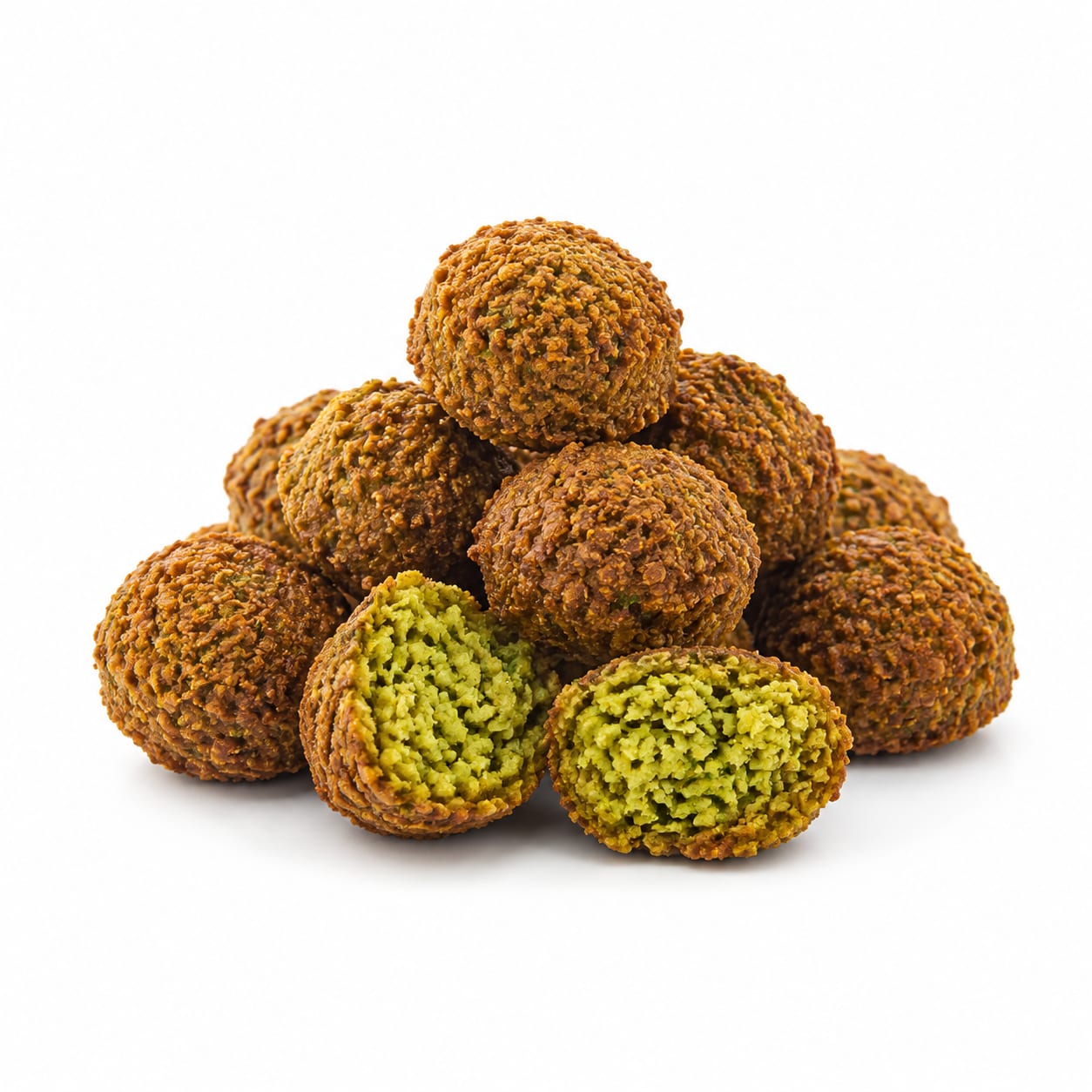
Falafel
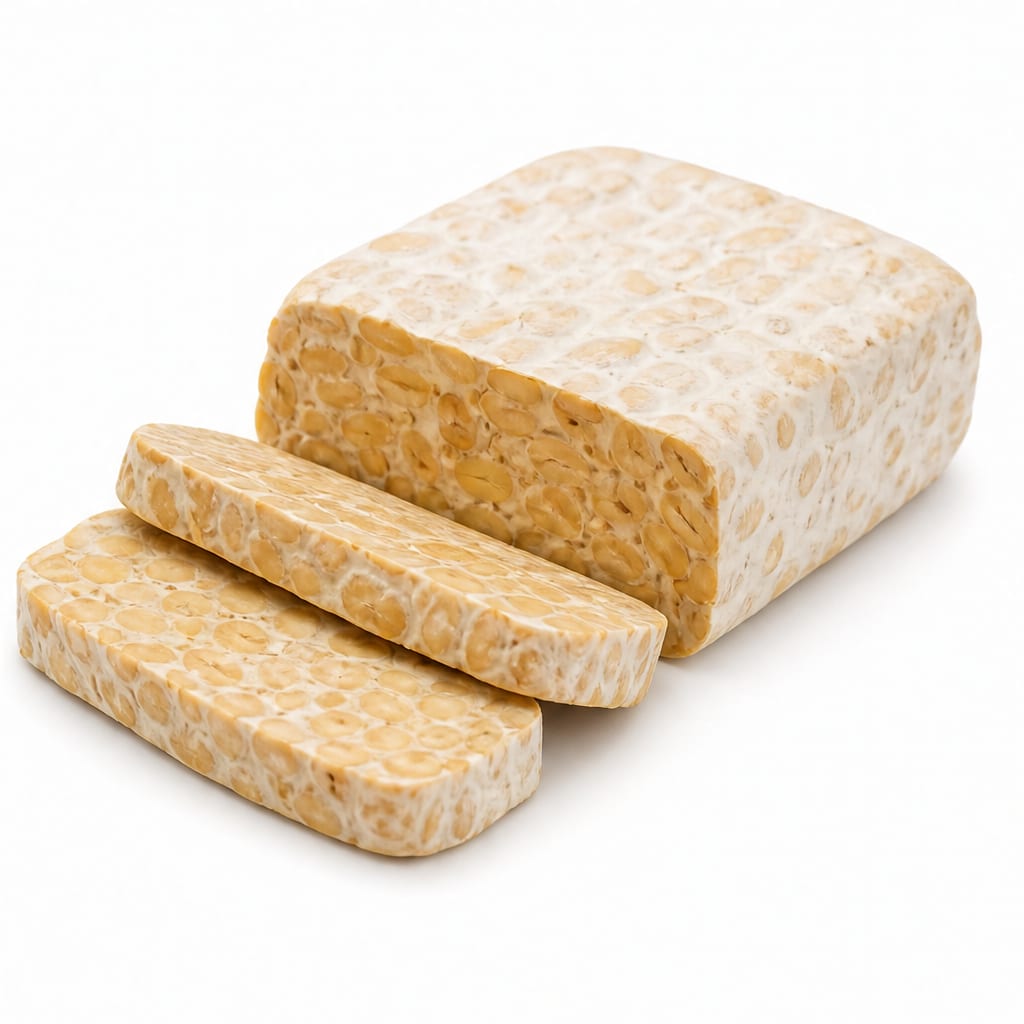
Tempeh
Tempeh delivers far more protein and gut-friendly probiotics with fewer calories, while Falafel is a tastier but heavier, fried indulgence.
Tempeh scores significantly higher due to its superior protein profile, probiotic content, and lower calorie density, while Falafel loses points for being deep-fried and less protein-dense.
Superior nutrition and satiety versus comforting flavor and crispy texture.
At a glance
Executive summary
Overall
Tempeh
Healthier
Tempeh
More practical
It depends
Daily use
Tempeh
Key comparison lenses
Plant-based protein quality and density
Tempeh is a complete protein powerhouse while Falafel offers less protein per calorie due to frying and chickpea carb content.
Weight management and calorie density
Falafel's deep-frying adds significant calories, whereas Tempeh provides more satiety per calorie.
Gut health and digestion
Tempeh's fermentation provides probiotics, while Falafel's fried fat can slow digestion and cause heaviness.
Best choice for
Falafel
- Comfort food cravings
- Middle Eastern cuisine enthusiasts
- Those needing calorie-dense plant-based options
Tempeh
- Athletes and muscle building
- Weight loss seekers
- Gut health optimization
Least suitable for
Falafel
- Daily weight loss diets
- People watching their oil intake
- Those sensitive to fried foods
Tempeh
- Soy allergy sufferers
- People wanting a quick grab-and-go snack without cooking
Deep comparison
Dimension by dimension
Each lens scores both foods and breaks down who each option suits.
- Dimension 1 · Priority 95Tempeh
Protein Quality & Quantity
Falafel · 45Tempeh · 92Tempeh is a complete protein powerhouse, while Falafel provides moderate protein alongside heavy carbs and fats.
Tradeoff
You sacrifice the complete amino acid profile and high protein density of Tempeh for the chickpea-based texture of Falafel.
Why it matters
Higher protein means better muscle retention and longer-lasting fullness.
Real-world impact
Tempeh keeps you full for hours after lunch; Falafel might leave you hunting for a snack by mid-afternoon.
Falafel
- Casual plant-based eaters needing moderate protein
Better for
- Those relying on it as a primary protein source
Worse for
Tempeh
- Athletes
- Weight lifters
- High-protein dieters
Better for
- People with soy allergies
Worse for
- Dimension 2 · Priority 90Tempeh
Calorie Density & Fat Profile
Falafel · 35Tempeh · 85Falafel is deep-fried, soaking up inflammatory oils and spiking calories, whereas Tempeh is typically pan-cooked with minimal oil.
Tradeoff
Crispy, oil-rich satisfaction versus lean, nutrient-dense energy.
Why it matters
Fried foods easily over-deliver calories without making you feel fuller.
Real-world impact
Eating a Falafel pita can silently pack in 600+ calories; a Tempeh bowl delivers the same fullness for far less.
Falafel
- Hikers needing calorie-dense trail food
Better for
- Fat loss goals
- Cholesterol management
Worse for
Tempeh
- Weight loss
- Heart health
- Low-oil diets
Better for
- Those needing to gain weight quickly
Worse for
- Dimension 3 · Priority 85Tempeh
Gut Health & Digestion
Falafel · 55Tempeh · 90Tempeh's fermentation provides probiotics and pre-digested nutrients, while Falafel's fried fat can sit heavy in the stomach.
Tradeoff
Gut-soothing fermentation versus potential digestive sluggishness from heavy oil.
Why it matters
A happy gut means better immunity and steadier energy.
Real-world impact
Tempeh feels light and digestible after a meal; Falafel can cause bloating or a food coma.
Falafel
- Those who tolerate fried foods perfectly well
Better for
- Acid reflux sufferers
- Gallbladder issues
Worse for
Tempeh
- People with IBS
- Probiotic seekers
- Those with sensitive stomachs
Better for
- People sensitive to fermented foods or histamine
Worse for
- Dimension 4 · Priority 80Tempeh
Blood Sugar Stability
Falafel · 50Tempeh · 88Tempeh is low-carb and high-protein, stabilizing blood sugar, while Falafel's chickpeas plus frying oil can cause sluggish energy.
Tradeoff
Steady, crash-free energy versus a carb-heavy meal that might spike and dip.
Why it matters
Blood sugar crashes trigger cravings and fatigue.
Real-world impact
Tempeh prevents the 3 PM afternoon slump; Falafel in a pita might accelerate it.
Falafel
- Endurance athletes needing complex carbs
Better for
- Insulin resistance
- Sugar cravings
Worse for
Tempeh
- Diabetics
- Keto dieters
- Those prone to energy crashes
Better for
- Very low-fat dieters who need carb energy
Worse for
Timeline
Health impact over time
Short-term
Hours to days
Falafel
- Quick energy from carbs
- Potential bloating or heaviness from frying oil
- Satisfying savory craving
Tempeh
- Sustained energy without a crash
- High satiety from protein
- Easy on the stomach
Long-term
Months to years
Falafel
- Increased calorie intake if eaten frequently
- Potential inflammatory impact from fried oils
- Good fiber intake from chickpeas
Tempeh
- Improved gut microbiome from probiotics
- Better muscle maintenance from complete protein
- Heart-healthy soy fats
Risk profile
Safety & processing
Tempeh is a simple fermented whole food, while Falafel is a processed mixture that relies on deep-frying, often in low-quality oils.
Falafel
Acrylamide formation
mediumDeep-frying starchy chickpeas at high temperatures can create acrylamide, a potential carcinogen.
Oxidized oils
mediumRestaurants often reuse frying oil, leading to inflammatory oxidized fats.
Tempeh
Soy allergen
highTempeh is pure soy, making it strictly off-limits for those with soy allergies.
Histamine intolerance
lowFermented foods contain histamines, which can trigger reactions in sensitive individuals.
Who wins for whom
Audience fit
Same foods, different winners depending on your goal.
children
It dependsKids often prefer the mild, crispy taste of Falafel, but Tempeh offers better nutrition for growing bodies if they accept it.
daily consumption
TempehTempeh's lean profile and gut benefits make it safe and beneficial for daily use, unlike the heavy oil in daily Falafel.
diabetes
TempehLow carb and high protein keep blood sugar stable, whereas Falafel's carbs and frying can spike insulin needs.
elderly
TempehTempeh is easier to digest, supports muscle preservation, and provides probiotics for aging gut health.
muscle gain
TempehTempeh is a complete protein with all essential amino acids, making it far superior for muscle repair and growth.
weight loss
TempehTempeh provides high protein and satiety with far fewer calories from fat than deep-fried Falafel.
Your move
Decision guide
Choose Falafel
- You are dining out at a Middle Eastern spot and want a comforting, crispy treat.
- You need calorie-dense plant-based fuel for heavy physical exertion.
- You dislike the earthy flavor of fermented soy and prefer milder chickpeas.
Choose Tempeh
- You want a high-protein, low-carb centerpiece for your meal.
- You are focused on weight loss, gut health, or muscle maintenance.
- You are meal-prepping at home and want a versatile, nutritious staple.
Either works if
- You need a hearty plant-based main dish.
- You are looking to diversify your legume and soy intake across the week.
Avoid both if
- You have severe sensitivities to both soy and chickpeas.
- You are on a strict low-FODMAP diet, as both can trigger symptoms in large amounts.
Final recommendation
Choose Tempeh for daily nutrition, muscle support, and gut health. Save Falafel for an occasional comforting meal when the craving for something crispy and fried hits.
Practical
Consumer tips
- 1
Bake Falafel instead of frying it to slash calories and avoid oxidized oils.
- 2
Marinate Tempeh in soy sauce, maple syrup, and smoked paprika to improve its earthy flavor.
- 3
Check restaurant Falafel ingredients—some use fillers like wheat flour, making them less gluten-free.
- 4
Crumble Tempeh into stir-fries or tacos for a ground meat substitute that absorbs flavors beautifully.