
Nutrition comparison
Falafel vs Hummus: Nutrition, Calories, and Health Comparison
Compare falafel vs hummus to see which chickpea dish is healthier. Learn the nutritional differences, calorie density, and best uses for each.
Overall winner · Hummus
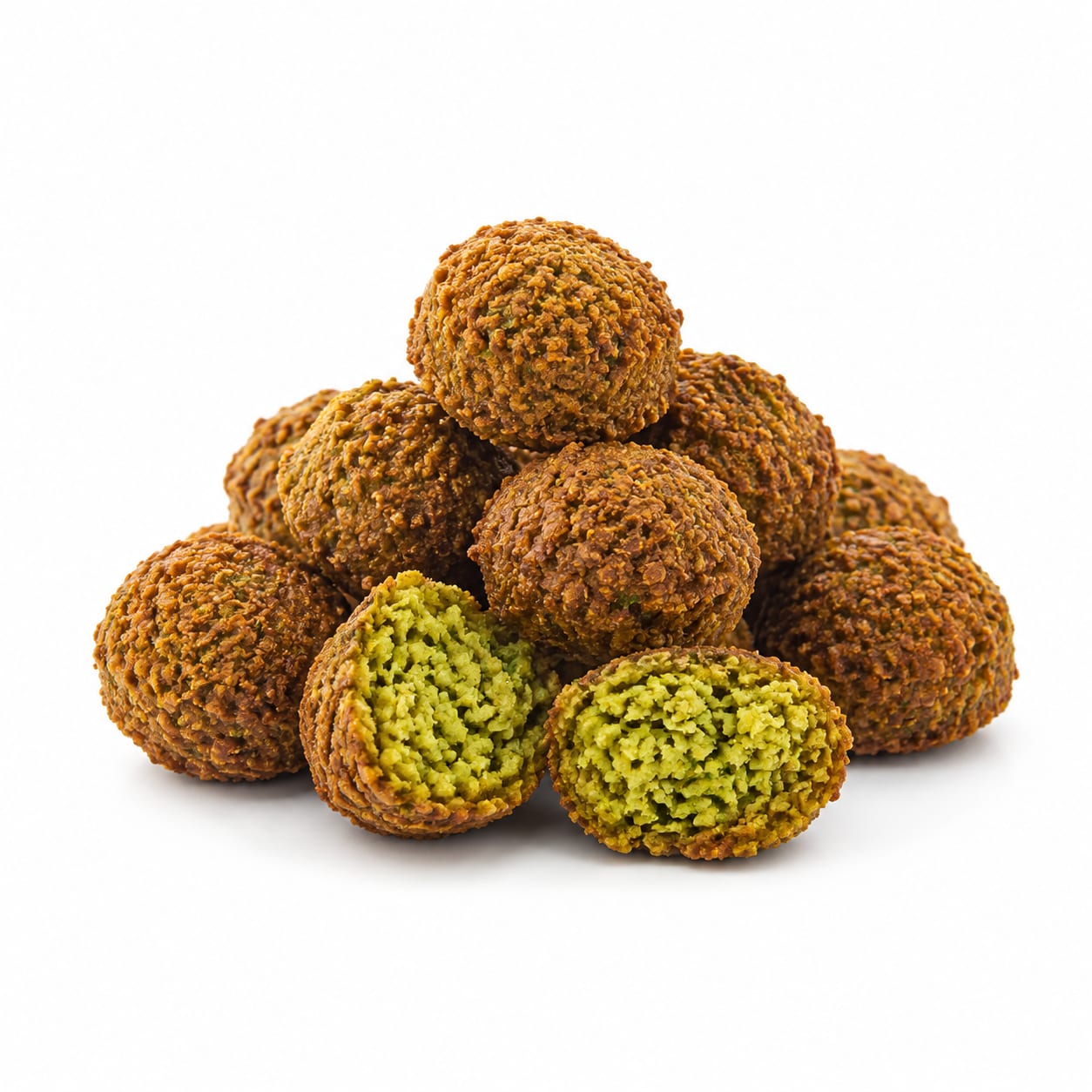
Falafel
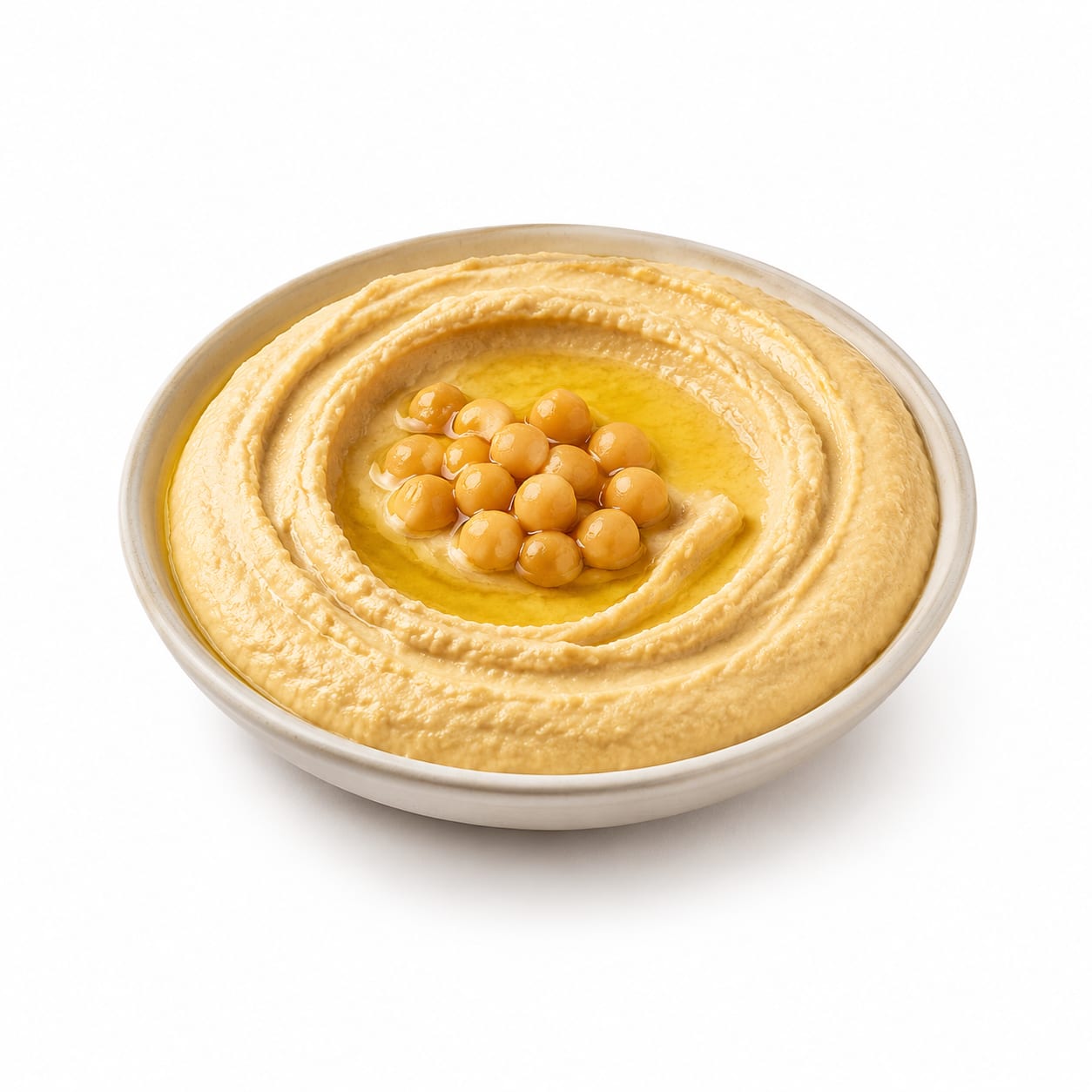
Hummus
Hummus is the lighter, more versatile everyday choice, while falafel is a denser, more indulgent centerpiece.
Hummus scores higher due to its lighter calorie load, healthier fat profile, and easier digestion, making it more suitable for regular consumption. Falafel is penalized for deep-frying and higher calorie density.
Falafel offers a satisfying crunch and hearty bite but comes with heavy frying, whereas hummus delivers steady nutrition with far less fat.
At a glance
Executive summary
Overall
Hummus
Healthier
Hummus
More practical
Hummus
Daily use
Hummus
Key comparison lenses
Calorie density and fat content from frying vs blending
Falafel is deep-fried while hummus is blended with oil, creating a massive difference in calorie volume and fat quality.
Meal role versatility
Hummus functions as a dip, spread, or sauce, while falafel is mostly a standalone protein or heavy filling.
Digestive ease and texture tolerance
Pureed hummus is gentle on the gut, whereas dense, fried falafel can trigger bloating or sluggishness.
Best choice for
Falafel
- Hearty plant-based meals
- High-calorie bulking diets
- Craving something crunchy and savory
Hummus
- Light snacking
- Sandwich spreads
- Daily plant-based protein intake
Least suitable for
Falafel
- Low-fat diets
- Sensitive digestion
- Weight loss
Hummus
- High-calorie bulking
- Crunchy texture cravings
Deep comparison
Dimension by dimension
Each lens scores both foods and breaks down who each option suits.
- Dimension 1 · Priority 95Hummus
Calorie Density & Weight Management
Falafel · 45Hummus · 85Hummus is much easier to fit into a calorie-conscious diet than deep-fried falafel.
Tradeoff
You trade the satisfying, dense bite of falafel for the lighter, smoother profile of hummus.
Why it matters
Deep frying makes falafel highly calorie-dense, which can easily lead to overconsumption if you aren't careful.
Real-world impact
A few falafel balls can equal the calories of a large bowl of hummus with veggies, leaving less room for the rest of your meal.
Falafel
- Bulking up when you need extra calories
- Heavy post-hike refueling
Better for
- Calorie counting
- Cutting body fat
Worse for
Hummus
- Weight management
- Lighter lunches
- Mindful snacking
Better for
- Getting enough calories on a strict budget
Worse for
- Dimension 2 · Priority 85Hummus
Digestive Comfort & Tolerance
Falafel · 55Hummus · 88Hummus is gentler on the stomach because the chickpeas are fully pureed, whereas falafel uses denser, partially cooked mashed beans.
Tradeoff
The chunky, fried texture of falafel takes more effort for your stomach to break down compared to the smooth puree of hummus.
Why it matters
Chickpeas can already cause bloating; adding heavy frying and denser texture makes falafel a tougher digestive challenge.
Real-world impact
Hummus feels light and comfortable even before a workout, while falafel can sit heavy and cause sluggishness.
Falafel
- Those with very robust digestion
Better for
- Irritable bowel syndrome
- Acid reflux
Worse for
Hummus
- Sensitive stomachs
- Prone to bloating
- Eating before activity
Better for
- Need for intense physical fullness
Worse for
- Dimension 3 · Priority 80Hummus
Heart Health & Fat Profile
Falafel · 50Hummus · 82Hummus relies on heart-healthy tahini and olive oil, while falafel absorbs unstable frying oils.
Tradeoff
You sacrifice the clean fat profile of hummus for the crispy crust that only deep frying provides in falafel.
Why it matters
Frying oils, especially those reused in restaurants, introduce inflammatory compounds and excess saturated fat.
Real-world impact
Regularly choosing hummus over fried falafel can meaningfully reduce your intake of inflammatory fats over a year.
Falafel
- Satiety from higher fat content
Better for
- High cholesterol
- Inflammatory conditions
Worse for
Hummus
- Cardiovascular health
- Reducing inflammation
- Clean eating goals
Better for
- Very low-fat diet requirements
Worse for
- Dimension 4 · Priority 90Hummus
Meal Versatility & Convenience
Falafel · 60Hummus · 92Hummus works as a dip, spread, sauce, or base, while falafel is mostly a standalone protein or pita stuffing.
Tradeoff
Falafel is a complete main dish, but hummus seamlessly adapts to almost any meal or snack moment.
Why it matters
A food that fits into more meals gets eaten more often without feeling repetitive.
Real-world impact
You can throw hummus on a wrap, dip carrots in it, or dollop it on a salad; falafel mostly just works as a pita filling or side.
Falafel
- Building a hearty main course
- Meal prep protein balls
Better for
- Quick on-the-go snacking
- Light spreads
Worse for
Hummus
- Quick snacks
- Sandwich spreads
- Salad dressings
- Veggie dips
Better for
- Serving as a main entree
Worse for
- Dimension 5 · Priority 75Falafel
Satiety & Fullness
Falafel · 85Hummus · 70Falafel's dense texture and higher fat content make it more physically filling in the short term.
Tradeoff
Falafel keeps you stuffed but may cause a heavy slump, while hummus provides comfortable, steady satiety.
Why it matters
When you need real staying power, the caloric density of falafel wins out over a lighter dip.
Real-world impact
A falafel wrap will likely keep you full for hours, whereas hummus might need to be paired with chicken or eggs to match that effect.
Falafel
- Long gaps between meals
- Active days needing sustained energy
Better for
- Feeling overly stuffed
- Afternoon energy slumps
Worse for
Hummus
- Light eaters
- Frequent small meals
Better for
- Recovering from intense appetite suppression
Worse for
Timeline
Health impact over time
Short-term
Hours to days
Falafel
- Quick feeling of fullness
- Potential sluggishness from heavy fried food
- Possible heartburn due to high fat content
Hummus
- Steady, comfortable energy
- Easy digestion
- Quick hunger relief without the heaviness
Long-term
Months to years
Falafel
- Increased inflammatory markers if fried in low-quality oils
- Higher caloric intake leading to weight gain if overconsumed
- Potential cardiovascular strain from frequent fried foods
Hummus
- Improved heart health from olive oil and tahini
- Better blood sugar regulation from fiber
- Easier weight maintenance due to lower calorie density
Risk profile
Safety & processing
Hummus is typically a simple blend of whole-food ingredients, while falafel often includes fillers like flour and preservatives, plus it undergoes deep frying which lowers its naturalness score.
Falafel
Oxidized frying oils
mediumRepeatedly heated oils in deep fryers create harmful compounds that falafel readily absorbs.
Cross-contamination
mediumFalafel is often fried in shared fryers with meat or dairy items, a concern for strict vegetarians and vegans.
Hummus
Tahini contamination
lowOccasionally, tahini used in hummus can be subject to sesame recalls, though this is rare.
Who wins for whom
Audience fit
Same foods, different winners depending on your goal.
children
HummusHummus is easier for kids to chew and digest, and makes an excellent dip for vegetables, whereas falafel can be dry and pose a choking hazard for toddlers.
daily consumption
HummusHummus is light enough to eat every day without compromising heart health or weight goals, unlike deep-fried falafel.
diabetes
HummusHummus offers a smoother, slower release of carbohydrates paired with healthy fats, avoiding the blood sugar spikes that heavy fried foods can trigger.
elderly
HummusThe smooth texture of hummus is ideal for aging digestive systems and dental issues, while falafel can be too dense and hard to break down.
muscle gain
FalafelFalafel provides more calories and a denser protein hit per serving, which helps when trying to add mass.
weight loss
HummusHummus has a much lower calorie density, allowing you to eat a satisfying volume without overconsuming calories.
Your move
Decision guide
Choose Falafel
- You need a hearty, high-calorie plant-based main dish
- You are craving something crunchy and savory
- You are bulking and need extra calories from fats
Choose Hummus
- You want a light, versatile dip or spread
- You are watching your weight or heart health
- You need a quick, gut-friendly snack
Either works if
- You want plant-based protein from chickpeas
- You are building a Mediterranean-style mezze platter
Avoid both if
- You have a severe chickpea or sesame allergy
- You are on a strict low-carb or keto diet
Final recommendation
Make hummus your daily chickpea staple for its lighter nutrition and versatility, and treat falafel as a satisfying indulgence for when you crave something hearty and fried.
Practical
Consumer tips
- 1
Bake falafel instead of frying it at home to drastically cut calories and avoid oxidized oils while keeping the flavor.
- 2
Check hummus ingredient labels for excess vegetable oils or preservatives; the best brands use only olive oil.
- 3
Pair hummus with raw veggies instead of pita chips to keep the snack low-glycemic and highly nutritious.
- 4
If buying falafel from a restaurant, ask if they fry in shared fryers if cross-contamination is a concern for you.