
Nutrition comparison
Falafel vs Mozzarella Sticks: Which Fried Snack Is Actually Better for You?
Compare falafel and mozzarella sticks on nutrition, health impact, and real-world tradeoffs. Learn which fried appetizer does less damage and why fiber makes the difference.
Overall winner · Falafel
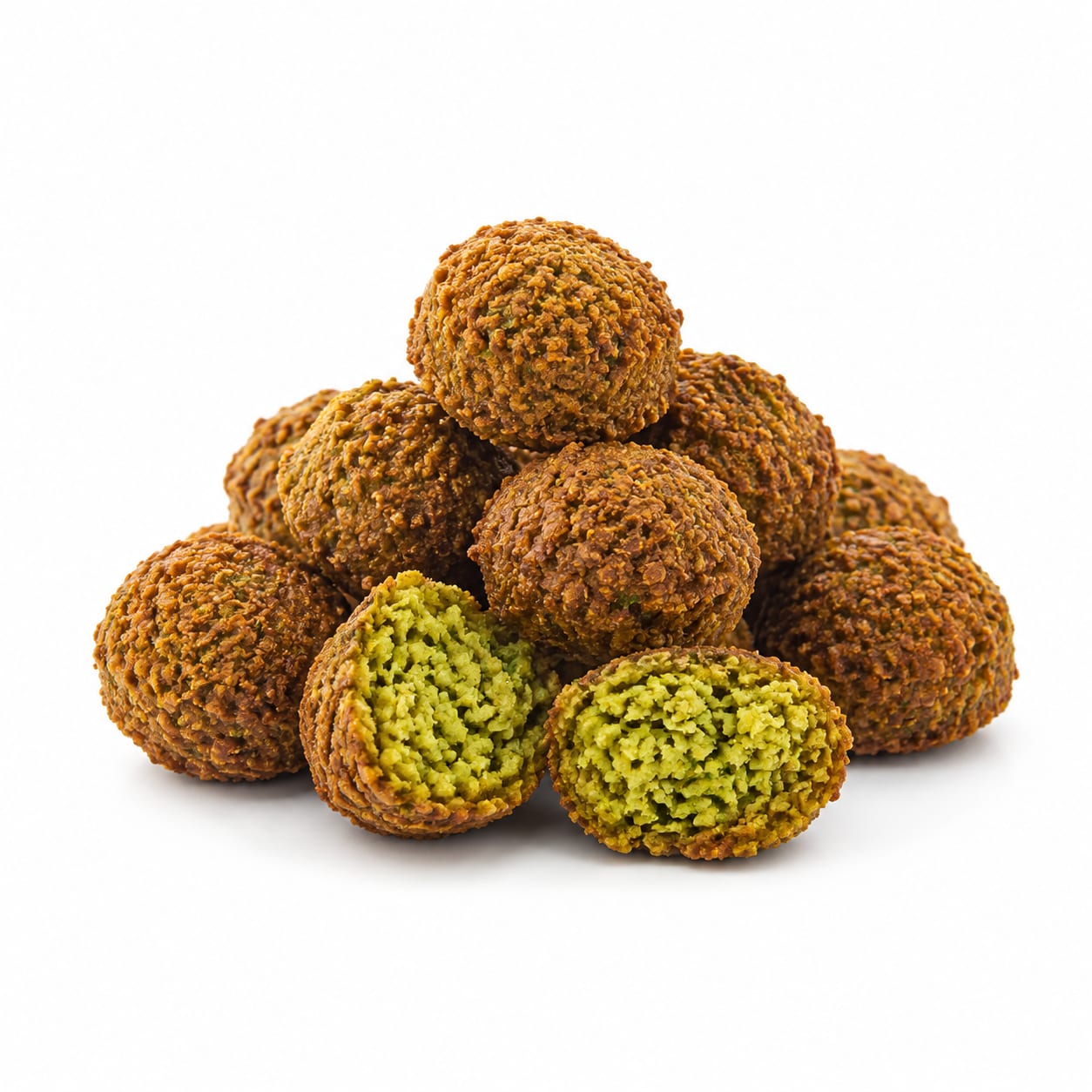
Falafel

Mozzarella Sticks
Falafel wins on fiber, micronutrients, and plant-based benefits, but both are fried calorie-dense snacks that should be enjoyed in moderation.
Falafel scores notably higher due to its fiber content, micronutrient density, and whole-food ingredient base. Mozzarella sticks lose ground on processing level, sodium, and saturated fat. Neither is a health food, but falafel offers more nutritional return per calorie.
Falafel gives you more nutritional value per calorie with fiber and complex carbs, while mozzarella sticks deliver more protein but with saturated fat and heavy processing.
At a glance
Executive summary
Overall
Falafel
Healthier
Falafel
More practical
It depends
Daily use
Falafel
Key comparison lenses
choosing a healthier fried appetizer
Both are popular fried snacks, so users are likely deciding which does less damage
managing calorie and fat intake at restaurants
Both appear on menus as shareable apps, often ordered casually without nutritional awareness
plant-based vs dairy-based snacking
Falafel is vegan while mozzarella sticks are dairy-heavy, a key dietary fork
satiety and blood sugar stability
Users want to know which snack keeps them fuller longer without crashing
processing and ingredient quality concerns
Mozzarella sticks are often highly processed while falafel can be made from whole ingredients
Best choice for
Falafel
- Vegans and vegetarians seeking protein
- Anyone prioritizing fiber and digestive health
- People avoiding dairy
- Those wanting more micronutrients from a snack
- Mediterranean diet followers
Mozzarella Sticks
- People needing quick complete protein
- Anyone craving cheese and wanting satisfaction
- Those who struggle to eat enough calories
- Kids who reject plant-based foods
- Low-carb eaters avoiding legumes
Least suitable for
Falafel
- People with chickpea or legume allergies
- Those strictly limiting fried foods
- Anyone on a low-carb or keto diet
- People sensitive to garlic or onion
Mozzarella Sticks
- Anyone with dairy intolerance or allergy
- People watching saturated fat intake
- Those avoiding ultra-processed foods
- Anyone managing high blood pressure
Deep comparison
Dimension by dimension
Each lens scores both foods and breaks down who each option suits.
- Dimension 1 · Priority 90Falafel
Nutritional Density
Falafel · 72Mozzarella Sticks · 38Falafel delivers fiber, iron, magnesium, and B-vitamins from chickpeas and herbs. Mozzarella sticks offer calcium and protein but little else beyond fat and refined carbs.
Tradeoff
You sacrifice complete protein and calcium by choosing falafel, but gain significantly more micronutrients and fiber.
Why it matters
When both foods are calorie-dense, getting more nutrients per bite makes a real difference in overall diet quality.
Real-world impact
A falafel plate leaves you with a steadier energy curve and better nutrition for the day. Mozzarella sticks often leave you hungry again within an hour.
Falafel
- Getting vitamins and minerals from a snack
- Supporting digestive regularity
- Eating more whole-food nutrients
Better for
- Missing out on dairy-based calcium
Worse for
Mozzarella Sticks
- Quick calcium boost
- Complete protein in a single bite
Better for
- Essentially empty calories beyond protein and calcium
- No fiber to slow digestion
Worse for
- Dimension 2 · Priority 85Falafel
Satiety and Fullness
Falafel · 70Mozzarella Sticks · 55Falafel's fiber and complex carbs create longer-lasting fullness. Mozzarella sticks fill you fast due to fat and protein but the satiety fades quickly.
Tradeoff
Mozzarella sticks give immediate heavy satisfaction while falafel provides a more sustained, comfortable fullness.
Why it matters
The snack that keeps you full longer helps prevent overeating later in the day.
Real-world impact
After mozzarella sticks, you may find yourself snacking again within 90 minutes. Falafel tends to hold you over until your next actual meal.
Falafel
- Avoiding afternoon hunger crashes
- Sustained energy between meals
- Reducing total daily snacking
Better for
- Takes longer to feel the fullness effect
Worse for
Mozzarella Sticks
- Immediate heavy fullness when very hungry
- Quick satisfaction after intense exercise
Better for
- Satiety drops off sharply after 60-90 minutes
- Easy to overeat because they are so moreish
Worse for
- Dimension 3 · Priority 82Falafel
Heart Health Impact
Falafel · 58Mozzarella Sticks · 32Falafel is typically fried in vegetable oil with some healthier fat profiles. Mozzarella sticks bring saturated fat from cheese plus refined carb breading, a tougher combination for cardiovascular health.
Tradeoff
Both are fried, but the saturated fat load in mozzarella sticks makes them harder on your heart over time.
Why it matters
Regular saturated fat intake from fried cheese adds up faster than most people realize.
Real-world impact
Ordering mozzarella sticks weekly contributes more to concerning cholesterol levels than falafel would at the same frequency.
Falafel
- Less saturated fat per serving
- Chickpeas linked to improved cholesterol markers
- Herbs provide anti-inflammatory compounds
Better for
- Still a fried food with significant oil absorption
Worse for
Mozzarella Sticks
- Some calcium supports vascular function
Better for
- High saturated fat from cheese and frying oil
- Refined carbs in breading add inflammatory load
- Sodium contributes to blood pressure concerns
Worse for
- Dimension 4 · Priority 78Falafel
Blood Sugar Stability
Falafel · 60Mozzarella Sticks · 42Falafel's chickpea base provides slow-digesting complex carbs with fiber. Mozzarella sticks have refined breading that digests quickly, causing sharper blood sugar swings.
Tradeoff
Falafel still raises blood sugar due to frying and carb content, but the rise is gentler and more manageable.
Why it matters
Sharper blood sugar spikes lead to energy crashes and increased cravings shortly after eating.
Real-world impact
After mozzarella sticks, you may feel a brief energy surge followed by a slump. Falafel keeps things more even-keeled.
Falafel
- Complex carbs with fiber slow glucose absorption
- Better choice for prediabetics when snacking
- Less likely to trigger cravings afterward
Better for
- Still a significant carb load per serving
- Frying can increase glycemic impact
Worse for
Mozzarella Sticks
- Lower total carbohydrate content
Better for
- Refined flour breading digests rapidly
- Blood sugar spike followed by a crash
- Can trigger more snacking in a vicious cycle
Worse for
- Dimension 5 · Priority 80Falafel
Processing and Ingredient Quality
Falafel · 68Mozzarella Sticks · 28Traditional falafel uses whole chickpeas, fresh herbs, and spices. Mozzarella sticks are typically made with processed cheese, refined breading, and preservatives.
Tradeoff
Falafel can be made from scratch with recognizable ingredients. Mozzarella sticks are almost always a factory-produced product.
Why it matters
Less processing generally means fewer additives, preservatives, and mysterious ingredients your body does not need.
Real-world impact
Homemade or restaurant-made falafel has an ingredient list you can actually understand. Frozen mozzarella sticks often have 15+ ingredients including emulsifiers and stabilizers.
Falafel
- Whole-food ingredients you can identify
- Can easily be made from scratch at home
- Minimal additives in traditional preparations
Better for
- Restaurant versions may use cheap frying oils
- Pre-made mixes can contain fillers
Worse for
Mozzarella Sticks
- Consistent product when you need reliable nutrition info
Better for
- Ultra-processed with emulsifiers and stabilizers
- Factory cheese often contains cellulose and anti-caking agents
- Breading uses refined flour and added sugars
Worse for
- Dimension 6 · Priority 72Falafel
Sodium Load
Falafel · 55Mozzarella Sticks · 30Falafel has moderate sodium from seasoning. Mozzarella sticks are sodium bombs between the cheese, breading, and any dipping sauces.
Tradeoff
If blood pressure is a concern, falafel is clearly the gentler option on your sodium budget.
Why it matters
A single serving of mozzarella sticks can deliver 600-1000mg of sodium, a significant chunk of your daily limit.
Real-world impact
After eating mozzarella sticks, you may notice bloating and thirst. Falafel is less likely to leave you reaching for water all evening.
Falafel
- Lower sodium per serving
- Less bloating and water retention
- Easier to fit into a low-sodium eating plan
Better for
- Still seasoned with salt, not sodium-free
Worse for
Mozzarella Sticks
- Salty flavor satisfies cravings quickly
Better for
- Can deliver nearly half your daily sodium in one appetizer
- Marinara dipping sauce adds even more sodium
- Particularly risky for those with hypertension
Worse for
- Dimension 7 · Priority 70Falafel
Dietary Inclusivity
Falafel · 85Mozzarella Sticks · 30Falafel is naturally vegan, dairy-free, and fits many dietary patterns. Mozzarella sticks exclude anyone avoiding dairy or eating plant-based.
Tradeoff
Falafel works for more people at a table, but it does contain common allergens like sesame and chickpeas.
Why it matters
When sharing food with a group, inclusivity matters. Falafel is safer for diverse dietary needs.
Real-world impact
At a party with vegans, lactose-intolerant guests, and flexitarians, falafel is the universal option. Mozzarella sticks leave some people out entirely.
Falafel
- Vegan and plant-based friendly
- Dairy-free naturally
- Fits Mediterranean and many cultural diets
Better for
- Chickpea allergy is uncommon but serious
- Sesame in tahini sauce is a major allergen
Worse for
Mozzarella Sticks
- Works for keto and low-carb eaters
Better for
- Excludes all dairy-avoiding eaters
- Not suitable for vegans or most plant-based diets
- Lactose intolerance makes this a painful choice for many
Worse for
Timeline
Health impact over time
Short-term
Hours to days
Falafel
- Steady energy without sharp crashes
- Mild fullness from fiber within 30 minutes
- Possible slight bloating if you are not used to chickpeas
- Less thirst compared to salty fried snacks
Mozzarella Sticks
- Quick heavy satisfaction from fat and protein
- Thirst and bloating from high sodium within an hour
- Possible energy crash as refined carbs digest quickly
- Cheese may cause digestive discomfort if lactose sensitive
Long-term
Months to years
Falafel
- Better cholesterol markers from chickpea fiber
- Improved digestive regularity with regular consumption
- Still a fried food, so moderate frequency is wise
- Anti-inflammatory benefits from herbs and spices
Mozzarella Sticks
- Higher saturated fat intake linked to elevated LDL cholesterol
- Sodium load contributes to blood pressure concerns over time
- Ultra-processing associated with increased cravings and overeating
- Calcium intake benefits partially offset by fat and sodium drawbacks
Risk profile
Safety & processing
Falafel is processed through frying but made from whole ingredients like chickpeas, herbs, and spices. Mozzarella sticks are ultra-processed, typically containing factory cheese with stabilizers, refined breading with added sugars, and preservatives to extend shelf life.
Falafel
Oil oxidation from reused frying oil
mediumRestaurants that reuse frying oil at high temperatures can create inflammatory compounds. Ask if oil is fresh.
Chickpea allergy
lowRare but possible, especially in people with other legume allergies. Can cause serious reactions in sensitive individuals.
Cross-contamination with allergens
mediumOften served near sesame, nuts, or dairy in restaurant settings. Verify preparation practices if you have allergies.
Mozzarella Sticks
Foodborne illness from underheated cheese
mediumIf not heated to proper temperature, cheese sticks can harbor bacteria. Particularly concerning with raw milk cheese varieties.
High sodium and blood pressure spike
highA single serving can push sodium intake to concerning levels for those with hypertension or kidney issues.
Preservatives and emulsifiers
mediumCommercial mozzarella sticks often contain sodium phosphate, cellulose, and other additives that may affect gut health with regular consumption.
Who wins for whom
Audience fit
Same foods, different winners depending on your goal.
children
It dependsKids often prefer the familiar cheesy taste of mozzarella sticks, but falafel provides better nutrition for growing bodies. Introduce both and let nutrient density win when possible.
daily consumption
FalafelNeither should be eaten daily due to frying, but falafel's whole-food base makes it less harmful as an occasional regular choice. Mozzarella sticks are too processed and sodium-heavy for frequent consumption.
diabetes
FalafelFalafel's complex carbs and fiber create a gentler blood sugar response. Mozzarella sticks' refined breading can cause sharper spikes despite lower total carbs.
elderly
FalafelFalafel's fiber supports digestive health, which becomes more important with age. Mozzarella sticks' sodium and saturated fat are harder on aging cardiovascular systems.
muscle gain
Mozzarella SticksMozzarella sticks provide more complete protein per serving, which matters for muscle repair. Falafel's plant protein is less bioavailable.
weight loss
FalafelFalafel's fiber keeps you full longer per calorie, making it easier to avoid overeating. Mozzarella sticks are too easy to consume in large quantities without feeling satisfied.
Your move
Decision guide
Choose Falafel
- You want more nutritional value from your indulgent snack
- You are eating plant-based or avoiding dairy
- Blood sugar management matters to you
- You are sharing food with people who have diverse dietary needs
- You want something that keeps you full for more than an hour
Choose Mozzarella Sticks
- You need complete protein after a workout
- You are eating low-carb and want to avoid legumes
- You genuinely crave cheese and nothing else will satisfy
- You are at an event where mozzarella sticks are the only hot option
- You want something kids will actually eat without complaint
Either works if
- You only eat fried appetizers occasionally and just want what sounds good
- Both fit your calorie budget for the day
- You plan to balance it with a lighter, vegetable-heavy main course
Avoid both if
- You are strictly managing heart disease risk
- You are on a low-fat diet for medical reasons
- You have gallbladder issues and cannot tolerate fried foods
- You are trying to break a pattern of fried food cravings
Final recommendation
If you are choosing between these two fried snacks, falafel gives you more nutritional upside with fiber, micronutrients, and plant-based benefits. Mozzarella sticks are fine as an occasional treat but their saturated fat, sodium, and ultra-processing make them a tougher choice for regular consumption. When possible, opt for baked falafel to get the best of both worlds: great flavor with less oil.
Practical
Consumer tips
- 1
Ask if falafel can be baked instead of fried at restaurants, many places will accommodate
- 2
If buying frozen mozzarella sticks, check the ingredient list for brands with fewer additives and lower sodium
- 3
Pair falafel with a side salad instead of pita to reduce the total carb load
- 4
Make falafel at home using canned chickpeas for a fresher, less greasy version
- 5
If eating mozzarella sticks, skip the marinara sauce to cut sodium by 200-400mg
- 6
Portion control matters more than choosing the healthier option: split either appetizer with a friend
- 7
Look for falafel made with split peas or fava beans for a different nutrient profile