
Nutrition comparison
Falafel vs Tofu: Nutrition, Protein, and Health Comparison
Comparing Falafel and Tofu? Discover which plant-based protein is better for weight loss, muscle gain, and daily health. Learn the nutritional tradeoffs.
Overall winner · Tofu
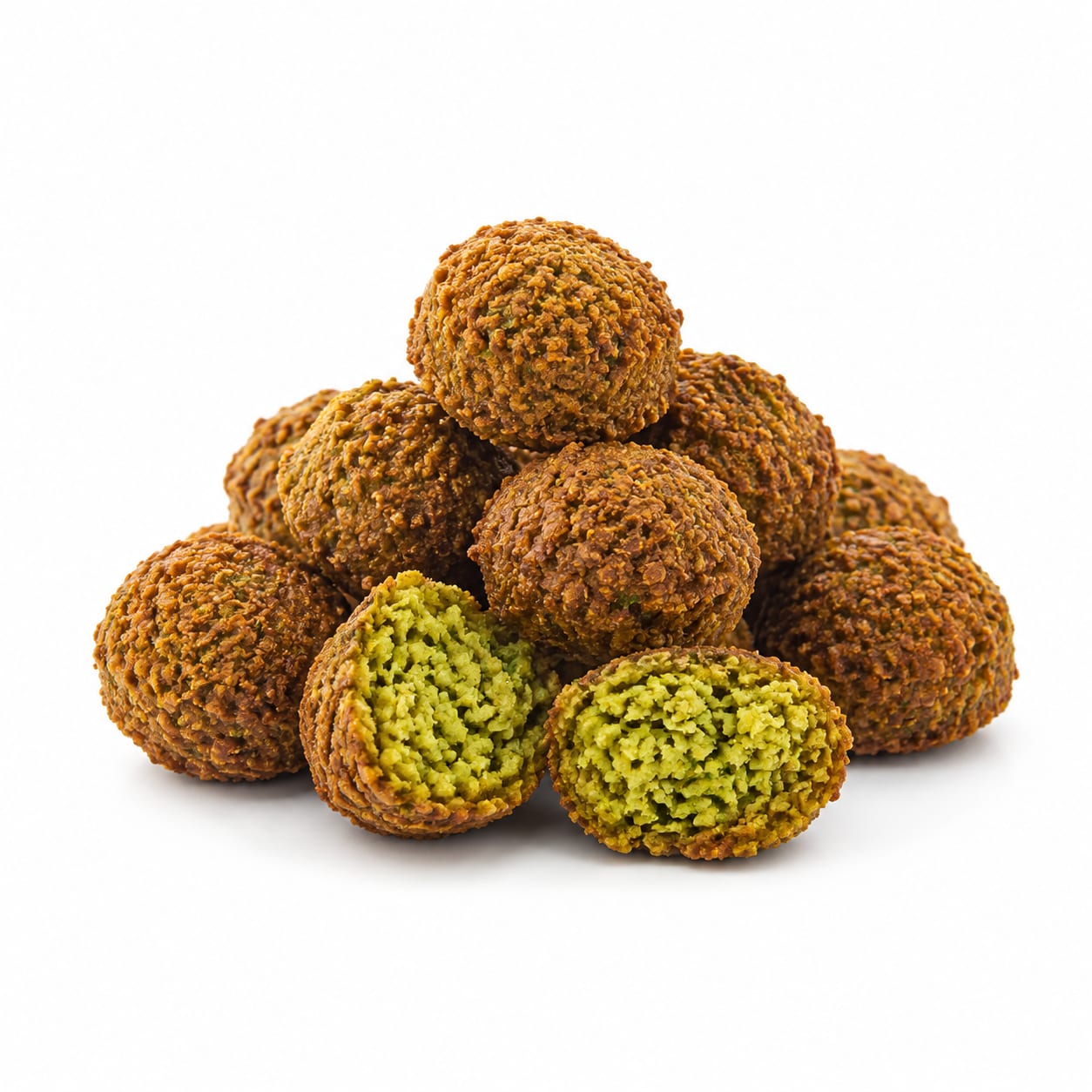
Falafel
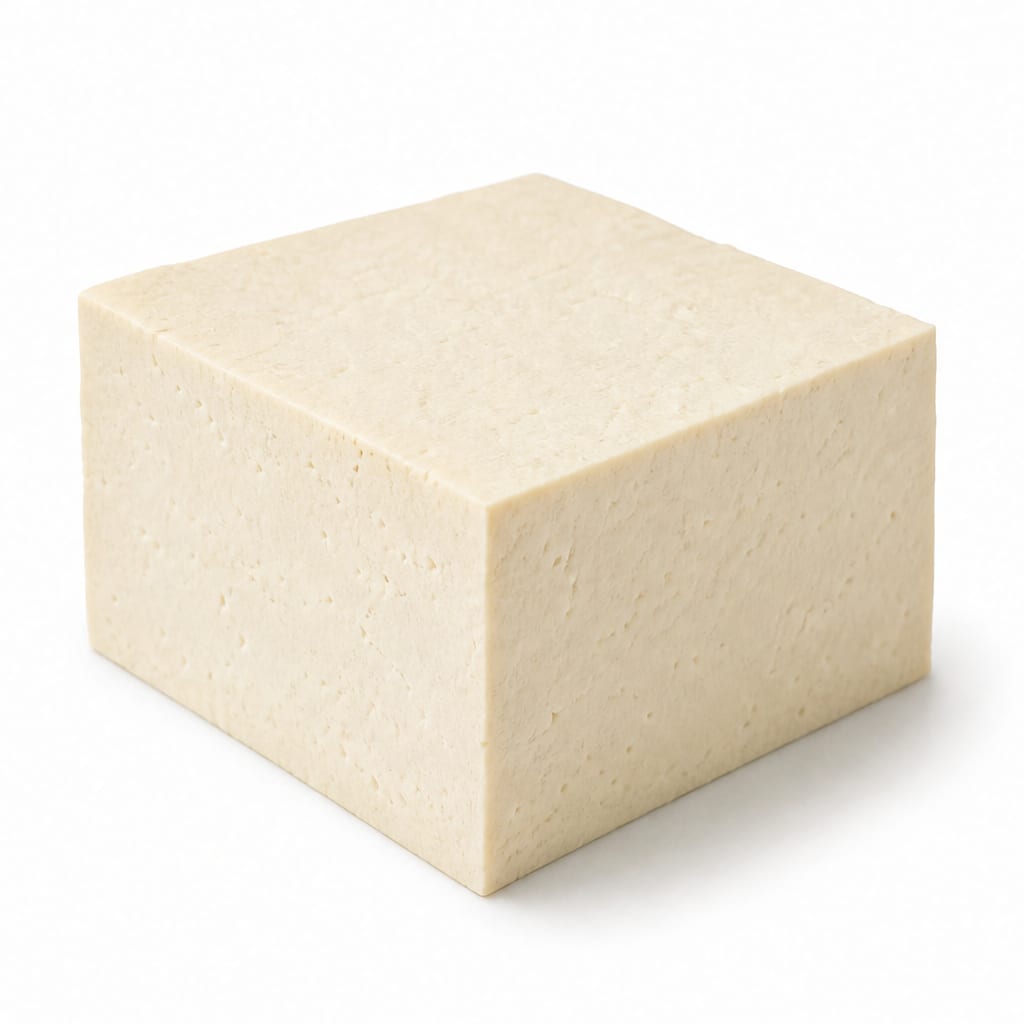
Tofu
Tofu is the leaner, higher-protein daily staple, while Falafel is a tastier, carb-heavy treat best enjoyed in moderation.
Tofu scores higher due to its superior protein-to-calorie ratio and minimal processing, making it a more sustainable daily staple. Falafel loses points for being deep-fried and calorie-dense, though it offers excellent fiber.
You trade fiber and bold flavor in Falafel for significantly more protein and fewer calories in Tofu.
At a glance
Executive summary
Overall
Tofu
Healthier
Tofu
More practical
Tofu
Daily use
Tofu
Key comparison lenses
Plant-based protein quality and efficiency
Both are vegetarian staples, but their protein density and amino acid profiles differ significantly.
Weight management and calorie density
Falafel is deep-fried and calorie-dense, while Tofu is lean and highly satiating per calorie.
Carbohydrate load and blood sugar impact
Falafel is chickpea-based and high in carbs, whereas Tofu is virtually carb-free.
Processing level and preparation methods
Tofu is a minimally processed whole food, while Falafel is typically deep-fried, adding inflammatory oils.
Best choice for
Falafel
- Craving a satisfying, flavorful comfort food
- Need a fiber boost to stay full
- Post-workout carb refueling
Tofu
- Daily lean protein intake
- Low-carb or calorie-deficit diets
- Heart-healthy meal prep
Least suitable for
Falafel
- Low-calorie diets
- People watching their oil intake
- Strict low-carb eaters
Tofu
- Those with soy allergies
- People seeking high-fiber meals
- Quick ready-to-eat snacks without cooking
Deep comparison
Dimension by dimension
Each lens scores both foods and breaks down who each option suits.
- Dimension 1 · Priority 95Tofu
Protein Quality & Muscle Support
Falafel · 55Tofu · 85Tofu delivers a complete protein profile with all essential amino acids, making it superior for muscle repair. Falafel provides protein but is diluted by high carbs and fat.
Tradeoff
You sacrifice some fiber and earthy flavor from Falafel to get a much cleaner, more efficient protein source in Tofu.
Why it matters
If you rely on plant-based foods for muscle maintenance, Tofu gets you there with fewer calories.
Real-world impact
After a workout, Tofu will help rebuild muscle without leaving you feeling sluggish, whereas Falafel might feel too heavy.
Falafel
- Balancing macros with carbs and protein together
- Vegetarians wanting a heartier texture
Better for
- Lean muscle building
- Low-calorie high-protein diets
Worse for
Tofu
- Post-workout recovery
- Meeting daily protein targets efficiently
Better for
- Those seeking a chewy, satisfying carb-protein combo
Worse for
- Dimension 2 · Priority 90Tofu
Calorie Density & Weight Management
Falafel · 40Tofu · 85Falafel is incredibly calorie-dense due to deep-frying, while Tofu is lean and low in calories per serving.
Tradeoff
Falafel offers a more satisfying crunch and mouthfeel, but you pay for it with a massive calorie load.
Why it matters
Eating Falafel frequently can easily lead to unintentional weight gain, whereas Tofu supports a calorie deficit effortlessly.
Real-world impact
A Falafel wrap can easily exceed 600 calories, while a Tofu stir-fry with veggies stays well under 400.
Falafel
- Hikers or athletes needing dense energy
- People struggling to gain weight
Better for
- Sedentary lifestyles
- Portion control challenges
Worse for
Tofu
- Weight loss journeys
- Calorie-conscious meal prep
Better for
- Those needing high-calorie plant-based options
Worse for
- Dimension 3 · Priority 85Tofu
Blood Sugar & Carb Load
Falafel · 50Tofu · 90Tofu has virtually zero carbs and stabilizes blood sugar. Falafel, made from chickpeas and flour, packs a significant carb punch.
Tradeoff
Falafel provides quick energy from carbohydrates, but Tofu prevents the energy crashes that follow carb-heavy meals.
Why it matters
For anyone monitoring blood sugar, Tofu is a safe bet, while Falafel requires careful portioning.
Real-world impact
Eating Falafel for lunch might cause an afternoon energy dip, while Tofu keeps you steady.
Falafel
- Endurance athletes needing carb fuel
- Pre-workout energy loading
Better for
- Insulin resistance management
- Low-carb diets
Worse for
Tofu
- Diabetics
- Keto or low-carb dieters
- Avoiding the afternoon crash
Better for
- Immediate high-intensity energy needs
Worse for
- Dimension 4 · Priority 80Falafel
Fiber & Digestive Health
Falafel · 85Tofu · 50Chickpeas give Falafel a strong fiber advantage, promoting gut health and fullness. Tofu contains minimal fiber.
Tradeoff
You lose the digestive benefits and gut-friendly fiber of Falafel when you choose Tofu.
Why it matters
Fiber is crucial for long-term gut health and satiety, an area where Tofu falls short on its own.
Real-world impact
Falafel will keep you fuller for longer due to fiber bulk, while a Tofu meal needs added veggies to achieve the same effect.
Falafel
- Improving gut microbiome
- Combating constipation
- Staying full on the go
Better for
- Those prone to bloating from legumes
- FODMAP-sensitive individuals
Worse for
Tofu
- Sensitive stomachs needing easy digestion
- Low-residue diets
Better for
- Meeting daily fiber goals without supplements
Worse for
- Dimension 5 · Priority 75Tofu
Processing & Preparation Method
Falafel · 45Tofu · 80Tofu is a minimally processed whole food, whereas Falafel is typically deep-fried, introducing inflammatory oils.
Tradeoff
Falafel's frying process creates a delicious crispy texture but adds oxidized fats and potential acrylamide.
Why it matters
Minimizing deep-fried foods reduces systemic inflammation and long-term health risks.
Real-world impact
Baking Falafel at home levels the playing field, but restaurant Falafel is almost always a deep-fried indulgence.
Falafel
- Comfort food cravings
- Enjoying traditional culinary experiences
Better for
- Avoiding oxidized oils
- Minimizing acrylamide intake
Worse for
Tofu
- Anti-inflammatory diets
- Clean eating goals
Better for
- Those wanting a crispy, indulgent texture without extra cooking steps
Worse for
Timeline
Health impact over time
Short-term
Hours to days
Falafel
- Quick energy from carbs, but may cause bloating due to chickpeas and deep-frying
- High oil content can feel heavy and sluggish post-meal
Tofu
- Light on the stomach, easy to digest
- Keeps you full without the heavy, greasy feeling
Long-term
Months to years
Falafel
- Frequent consumption may contribute to weight gain due to calorie density
- Good fiber intake supports gut health, but fried oils may promote inflammation
Tofu
- Supports muscle maintenance and heart health with lean protein
- Soy isoflavones may offer hormonal balance benefits and bone support
Risk profile
Safety & processing
Tofu is a simple coagulated soy milk product with minimal steps from bean to block. Falafel requires grinding chickpeas, adding fillers and spices, and deep-frying, pushing it into processed territory.
Falafel
Acrylamide formation
mediumDeep-frying starchy chickpeas at high temperatures can create acrylamide, a potential carcinogen.
Oxidized oils
mediumFrying in low-quality or reused oils introduces inflammatory compounds and trans fats.
Tofu
Soy allergy
mediumSoy is a common allergen that can cause reactions ranging from hives to digestive distress.
GMO exposure
lowMost conventional soy is genetically modified, though choosing organic Tofu easily avoids this.
Who wins for whom
Audience fit
Same foods, different winners depending on your goal.
children
It dependsTofu is great for growth, but Falafel is often more appealing to kids' palates; both fit if portion sizes are managed.
daily consumption
TofuTofu's mild flavor and lean profile make it a versatile daily staple, unlike the heavier Falafel.
diabetes
TofuTofu has virtually zero carbs and won't spike blood sugar, while Falafel's chickpea base can raise glucose levels.
elderly
TofuTofu is easier to chew and digest, and supports muscle preservation in aging adults.
muscle gain
TofuTofu offers a complete protein profile essential for muscle repair, whereas Falafel is heavier on carbs and fat.
weight loss
TofuTofu provides high protein and low calories, making it far easier to maintain a deficit than calorie-dense Falafel.
Your move
Decision guide
Choose Falafel
- You need a satisfying, high-fiber comfort meal
- You're doing intense cardio and need carb replenishment
- You're at a Mediterranean spot and want a plant-based treat
Choose Tofu
- You want a lean protein base for any meal
- You are watching your calorie or carb intake
- You need a versatile ingredient that absorbs flavors easily
Either works if
- You want a plant-based protein instead of meat
- You need a cholesterol-free meal component
Avoid both if
- You have severe soy and legume allergies
- You are looking for a ready-to-eat, grab-and-go snack without prep
Final recommendation
Keep Tofu as your everyday protein workhorse for its leanness and versatility. Save Falafel for when you crave something hearty and flavorful, treating it as a satisfying indulgence rather than a daily staple.
Practical
Consumer tips
- 1
Bake or air-fry Falafel instead of deep-frying to cut calories and avoid oxidized oils.
- 2
Press Tofu before cooking to improve texture and help it absorb marinades better.
- 3
Pair Falafel with a light tahini drizzle and loads of veggies to balance the meal's heaviness.
- 4
Choose organic Tofu to avoid GMO soy and ensure cleaner processing.
- 5
Watch portion sizes with Falafel; just 3-4 pieces can pack over 300 calories.